College of Community Studies
Based on what I learned in
Designed
A future on two paths

OVERTURE
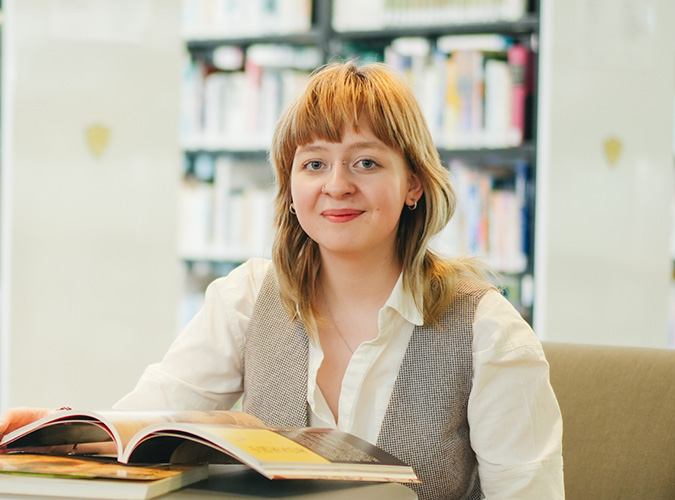
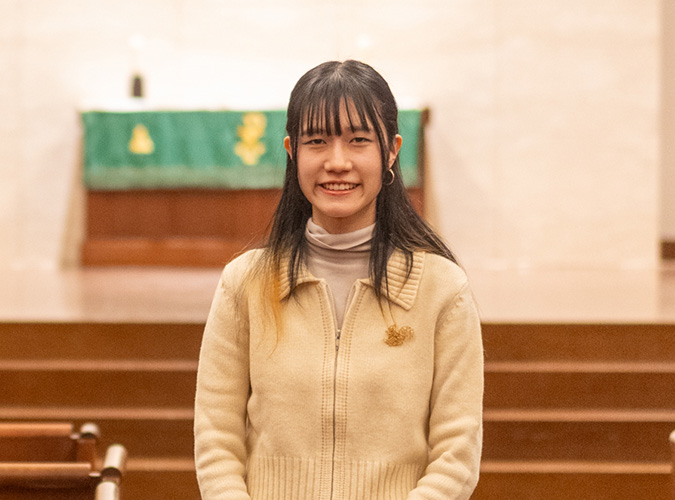
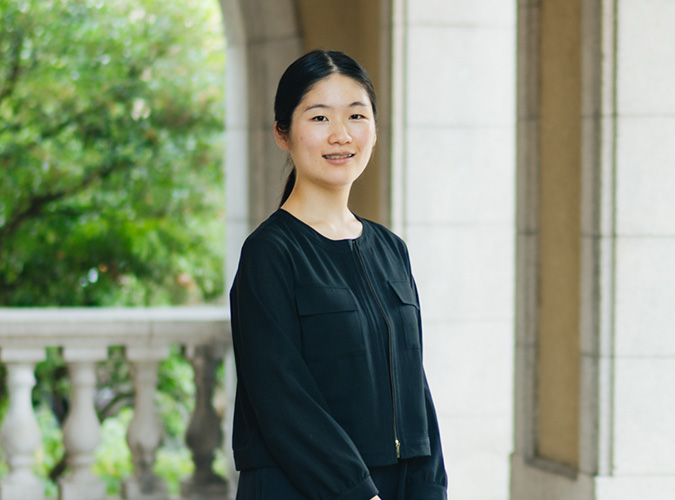
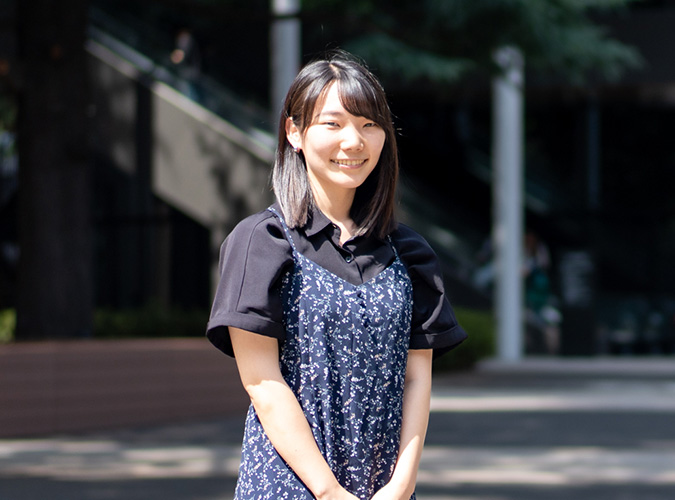
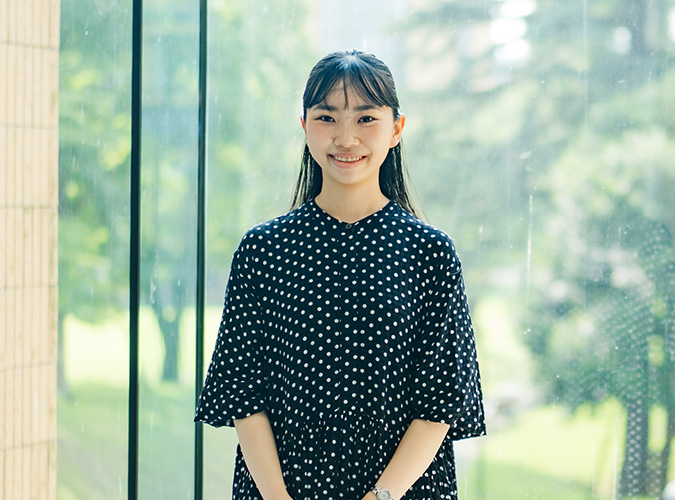
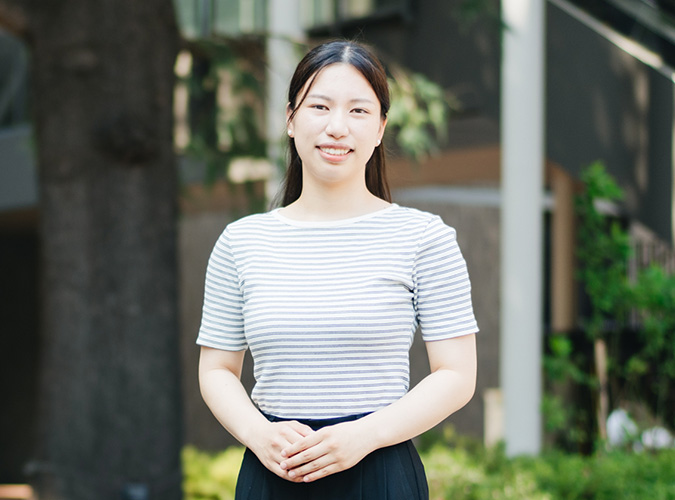
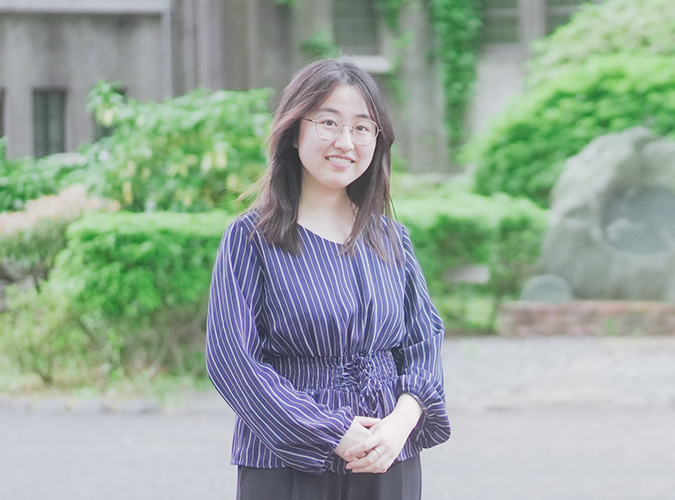
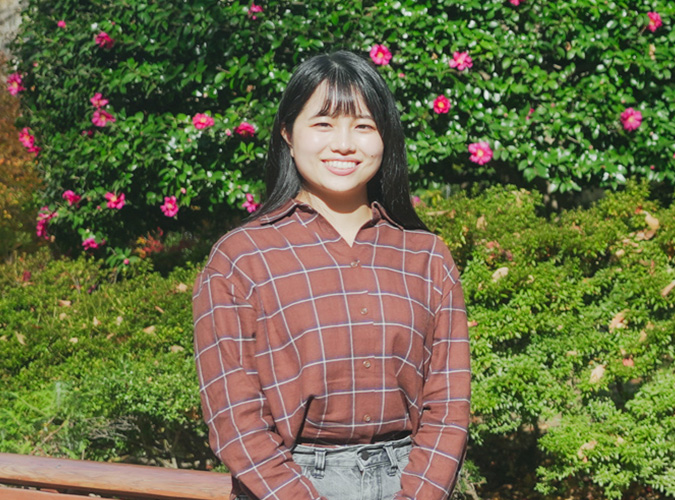
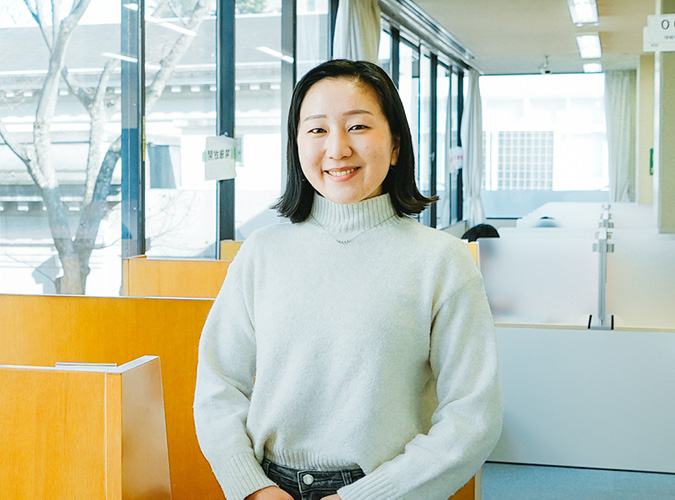
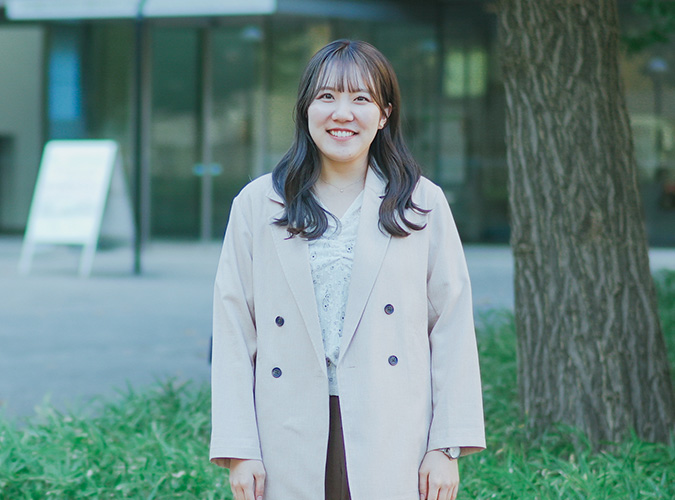
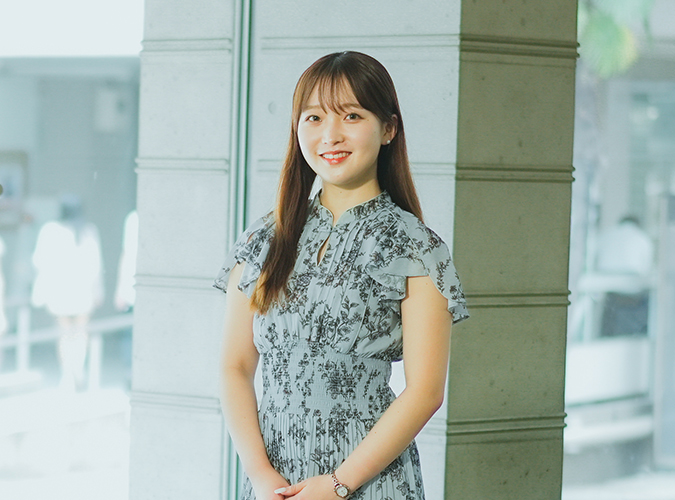
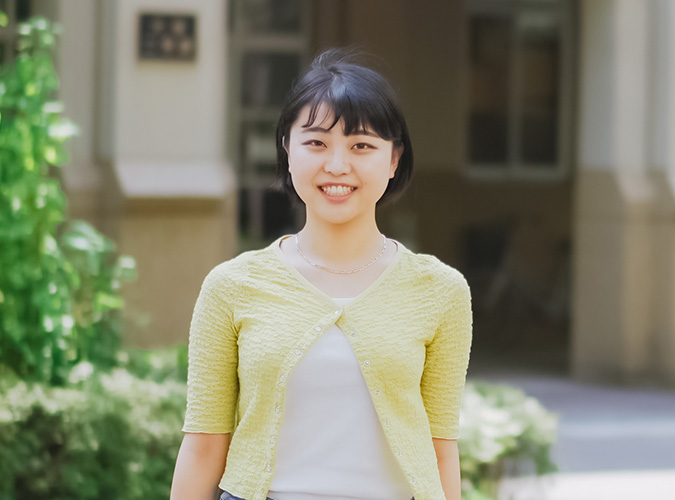
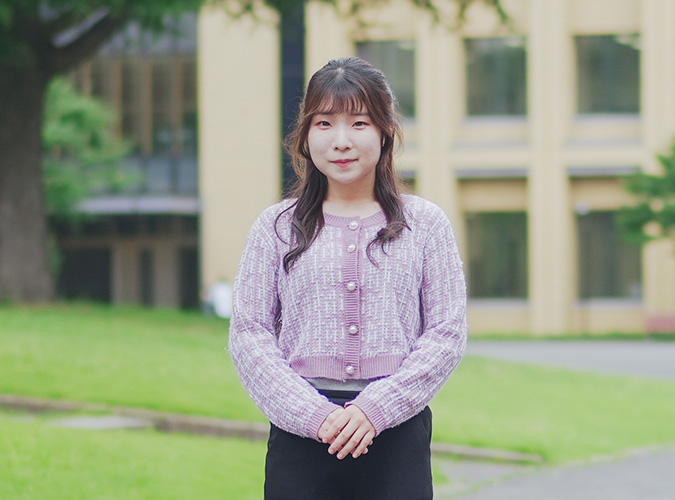
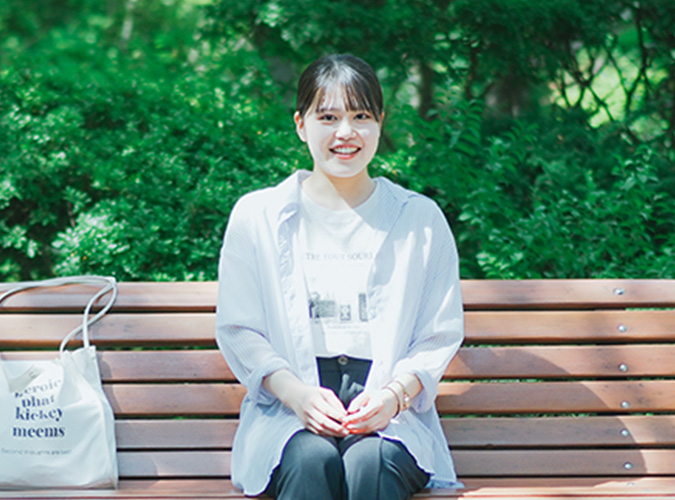
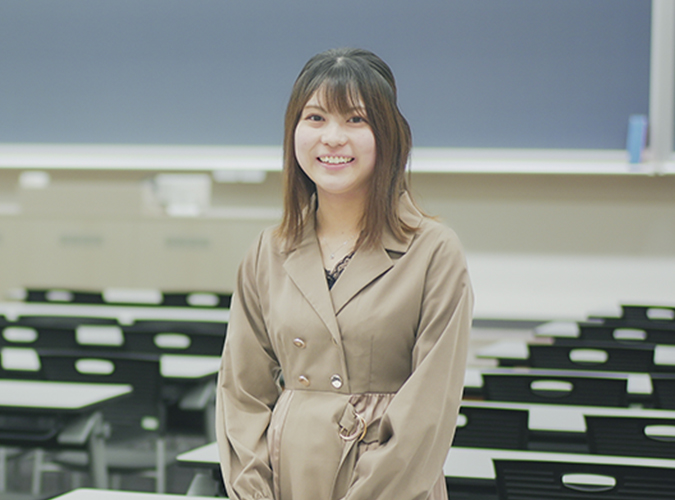
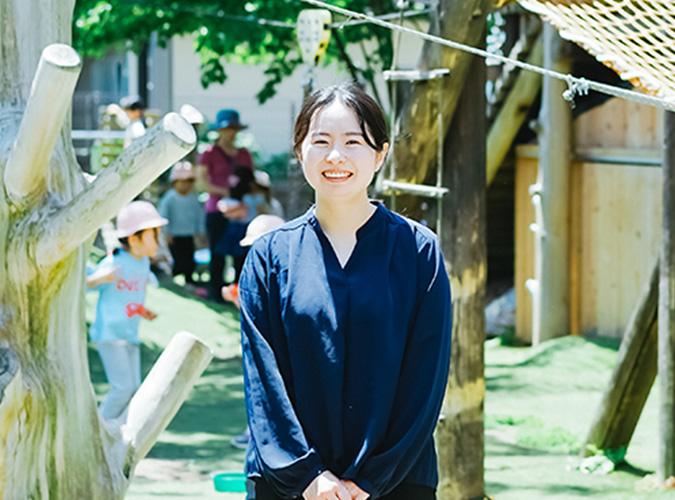
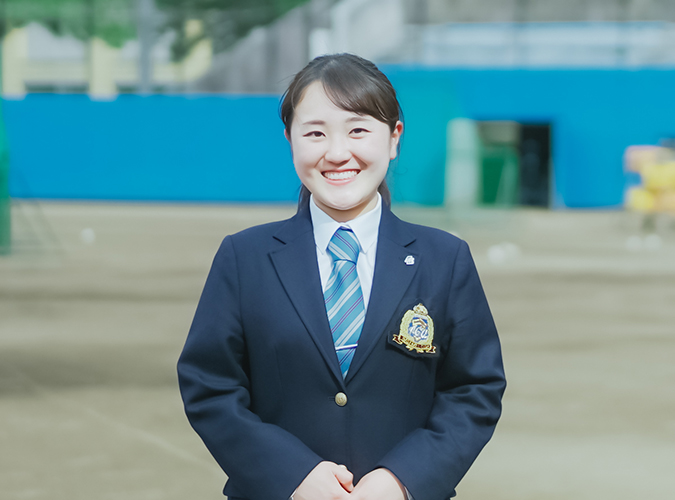
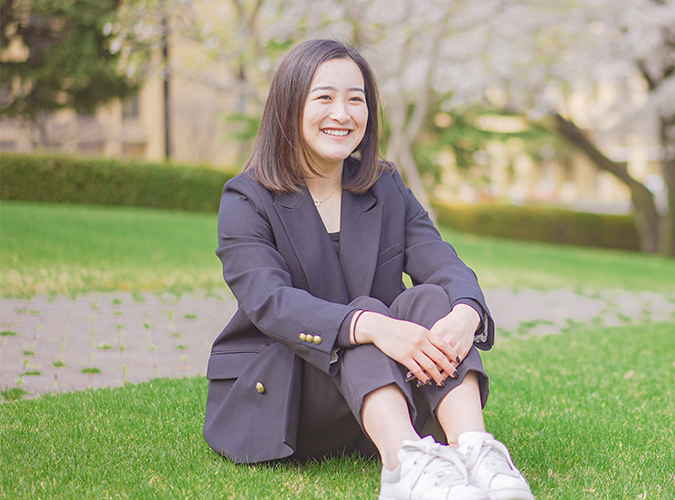
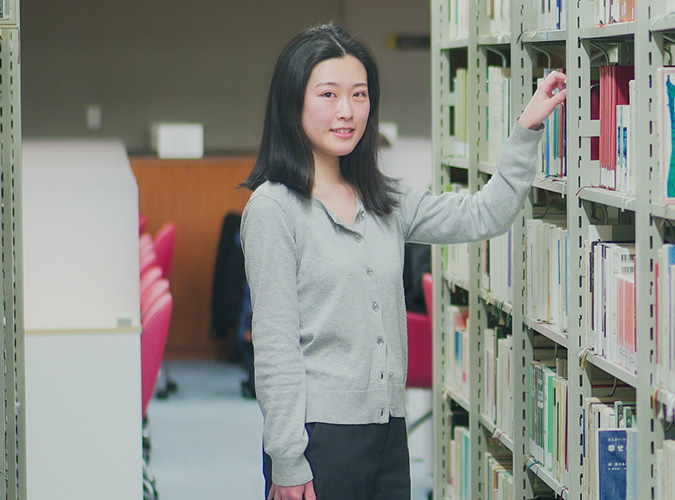
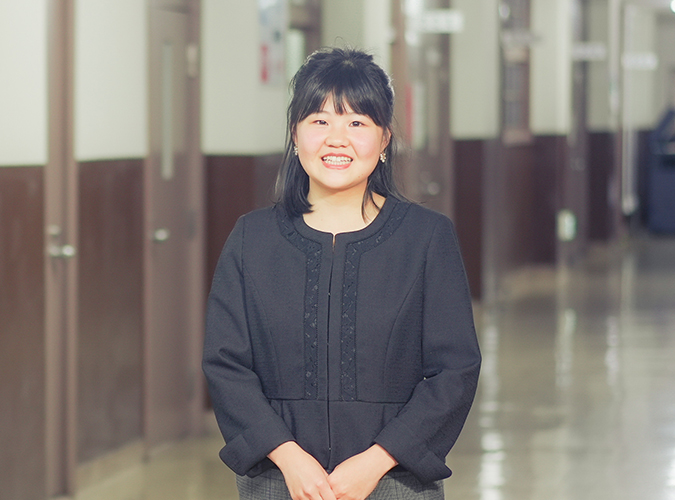
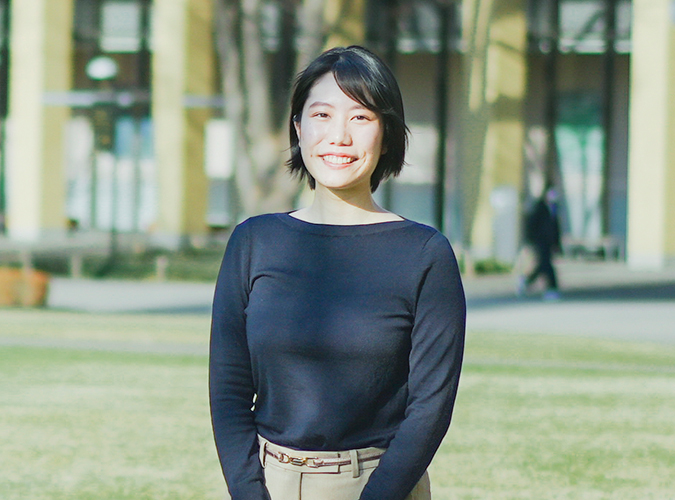
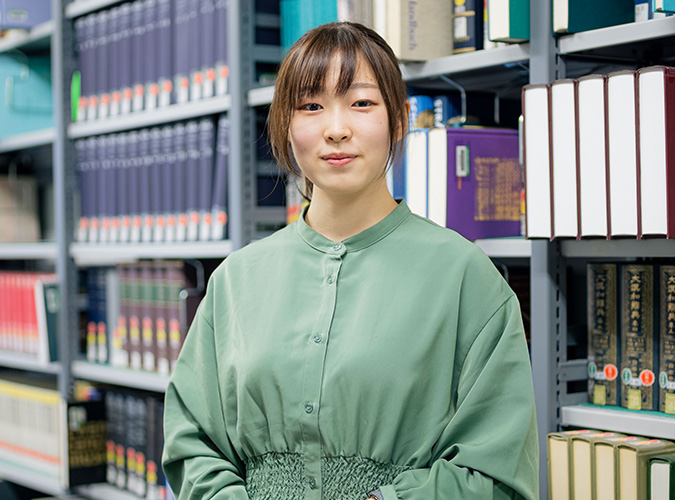
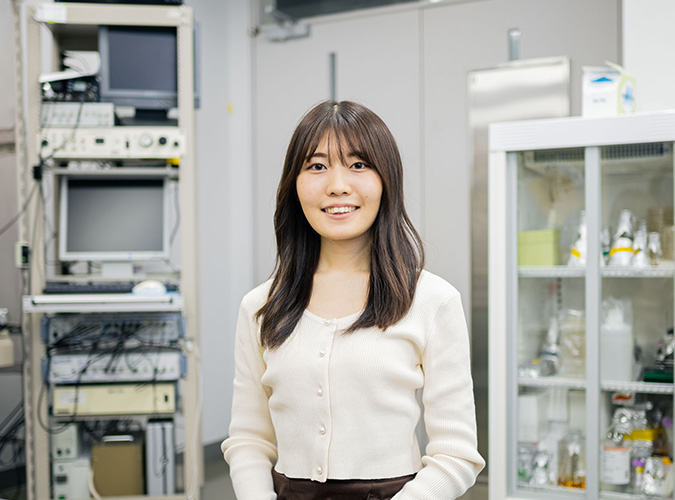
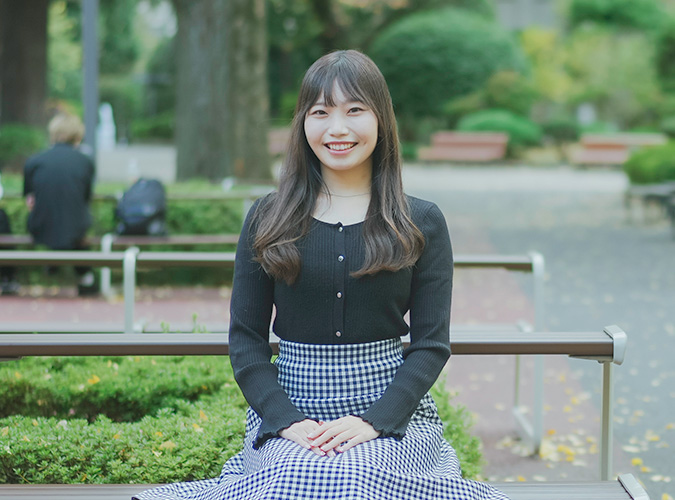
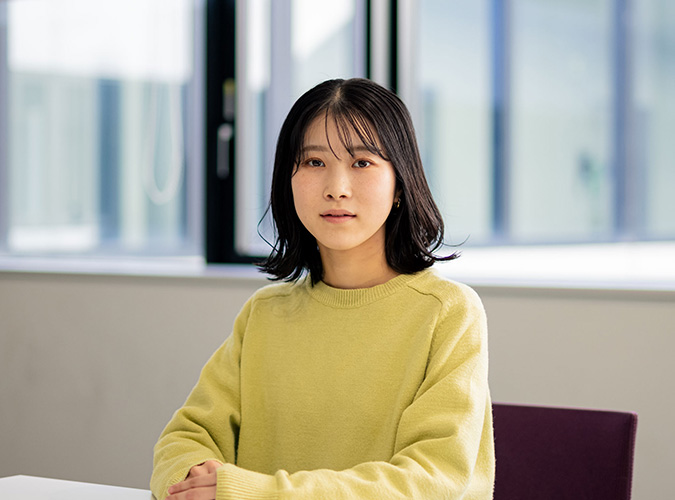
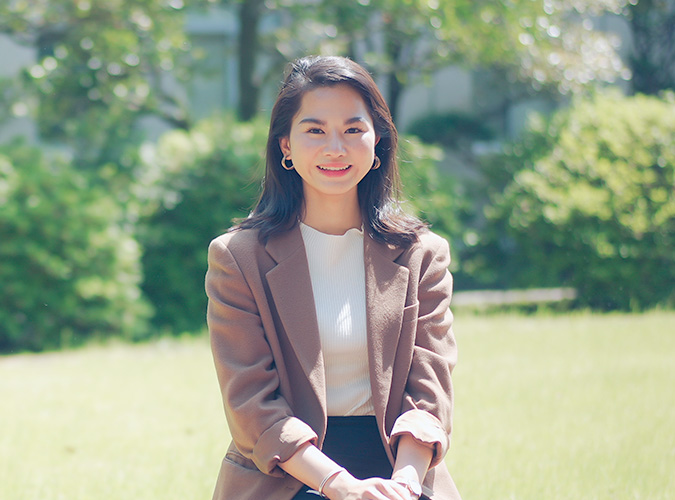
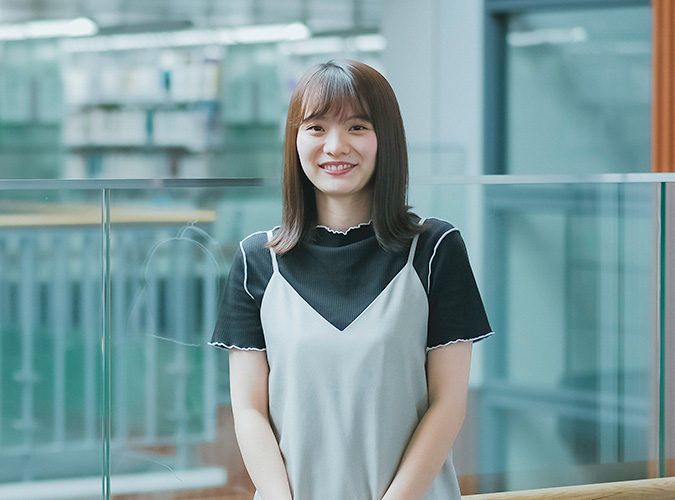
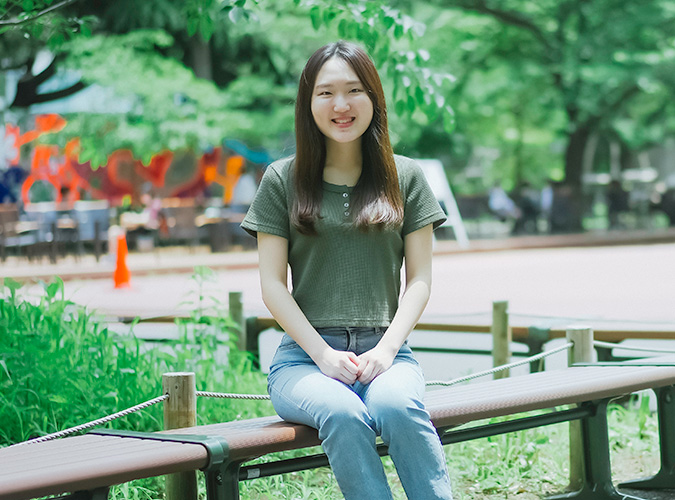
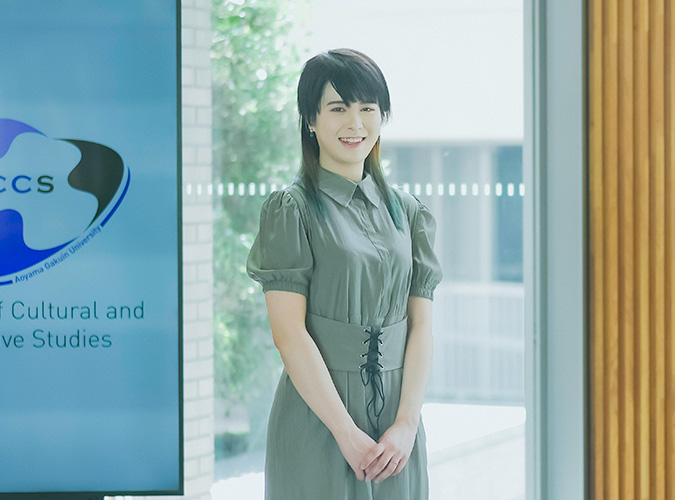
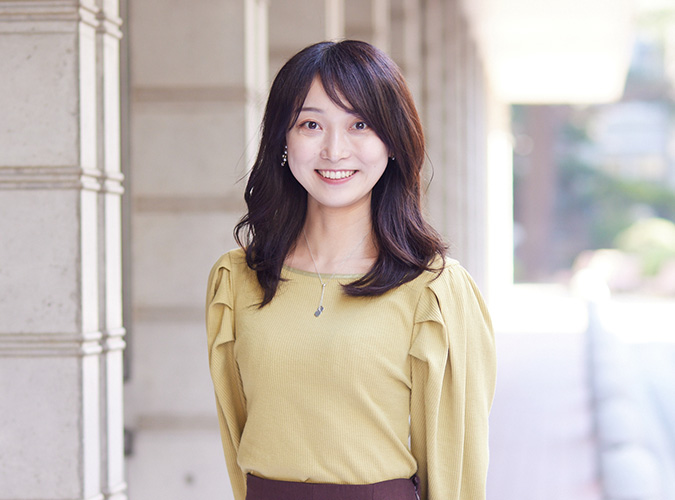
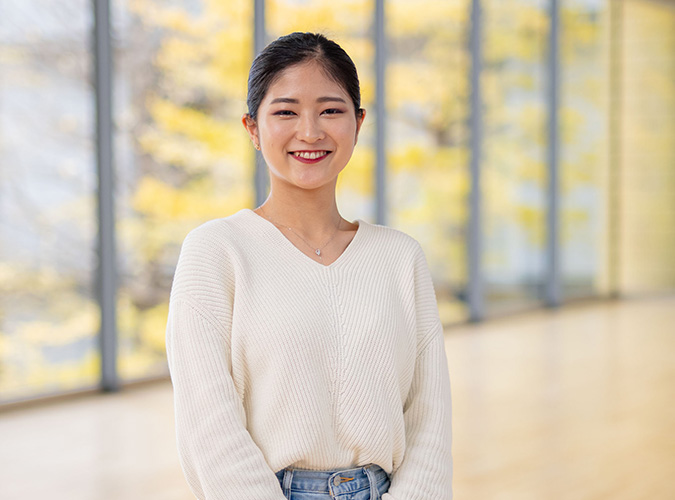
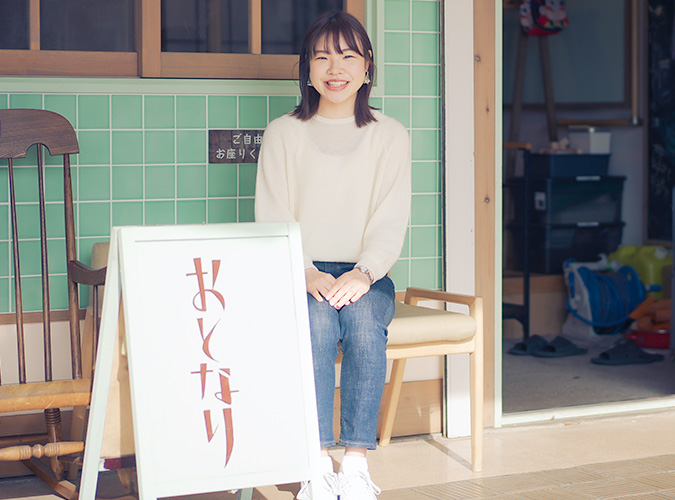
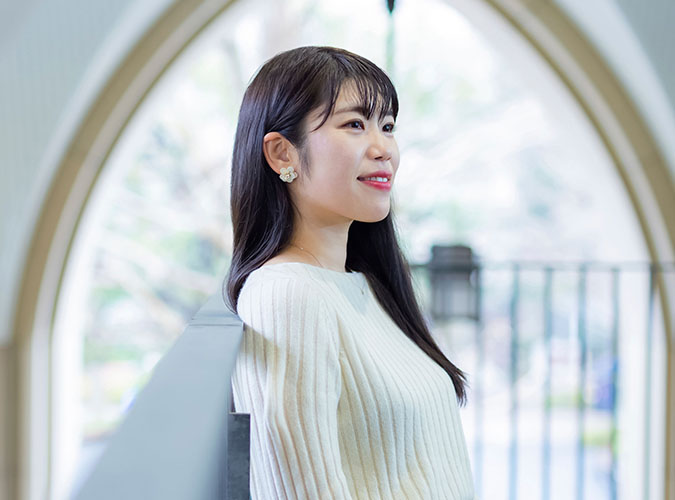
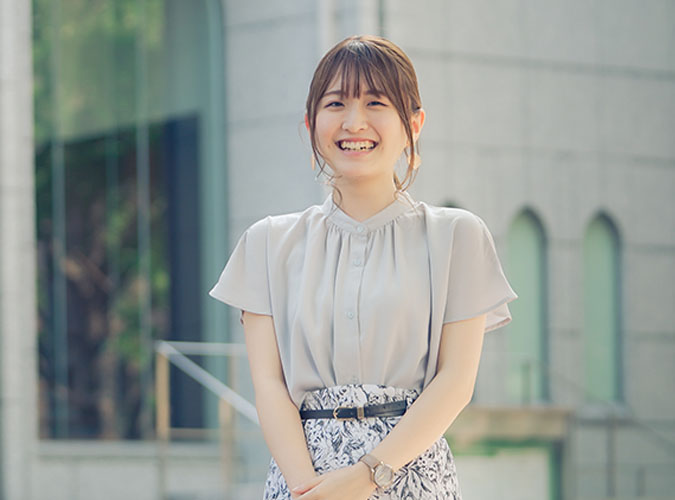
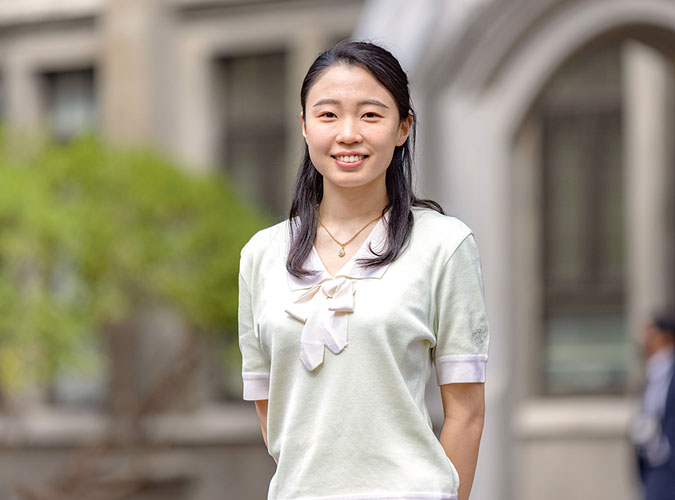
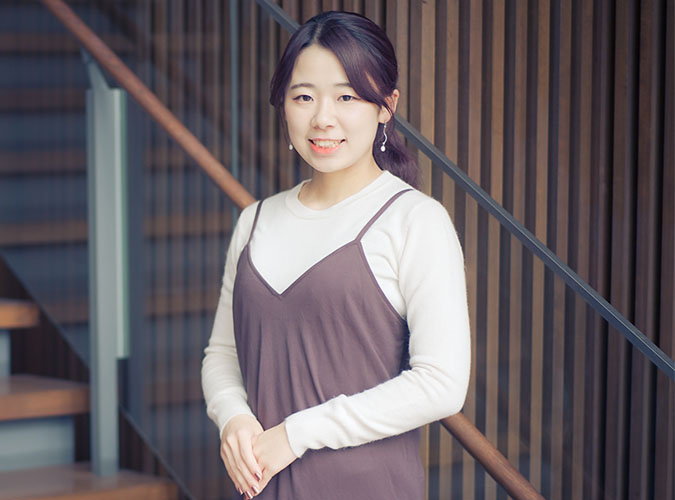
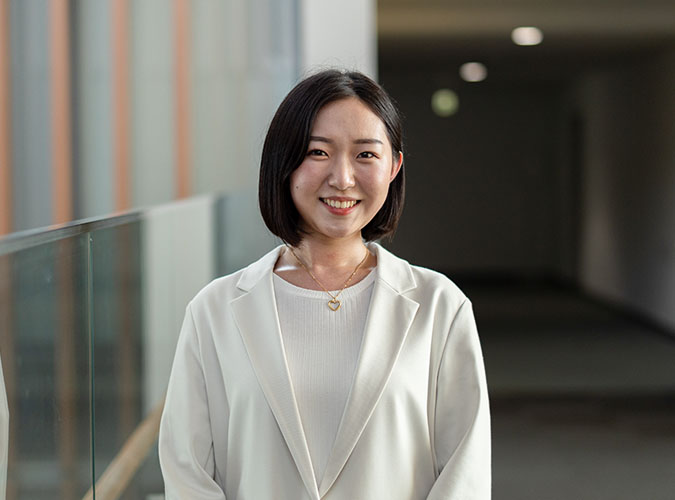
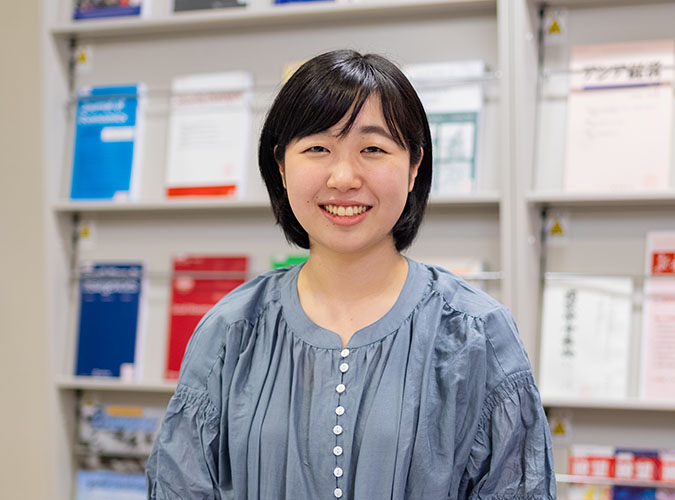
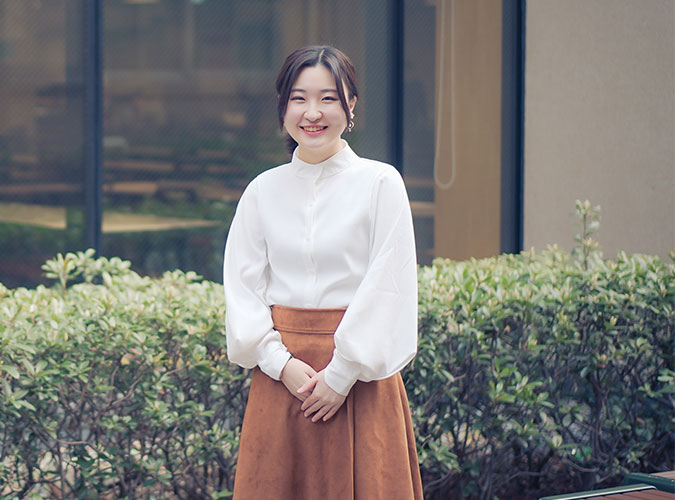
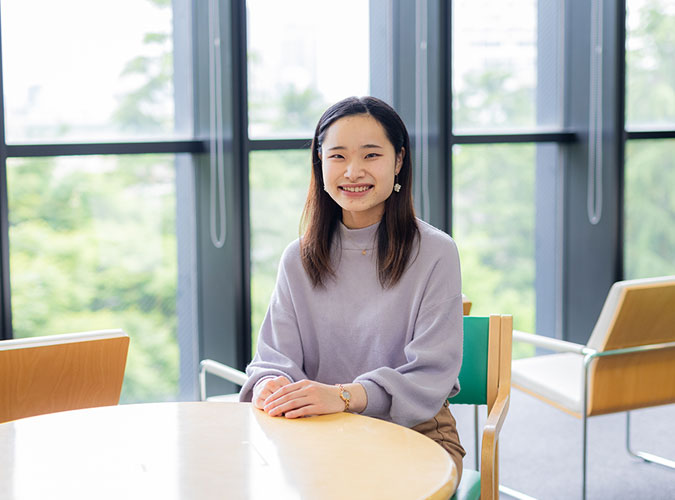
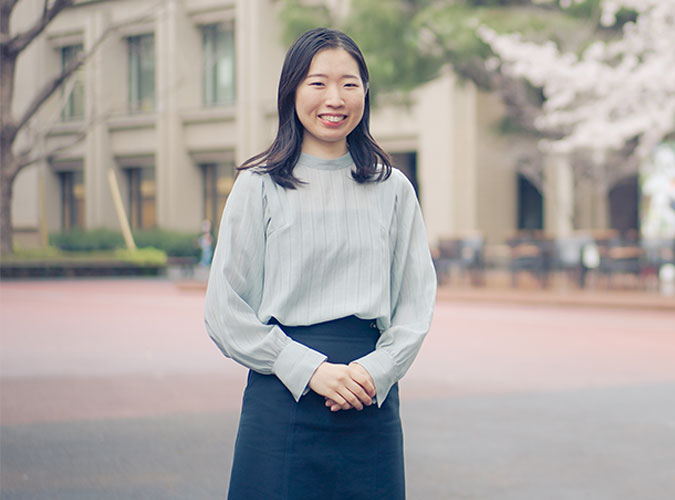
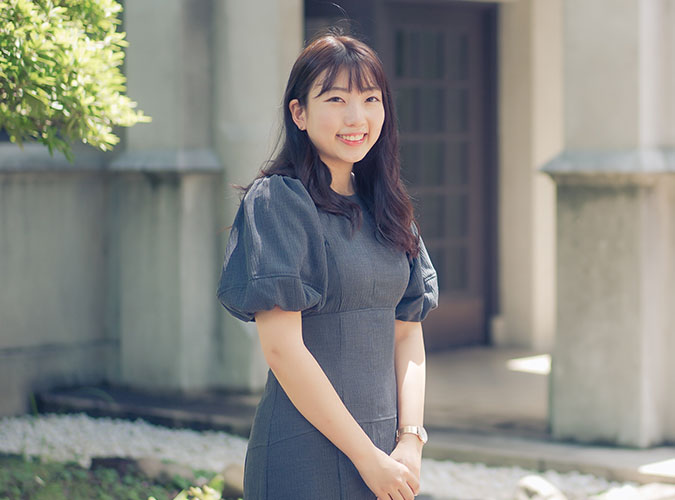
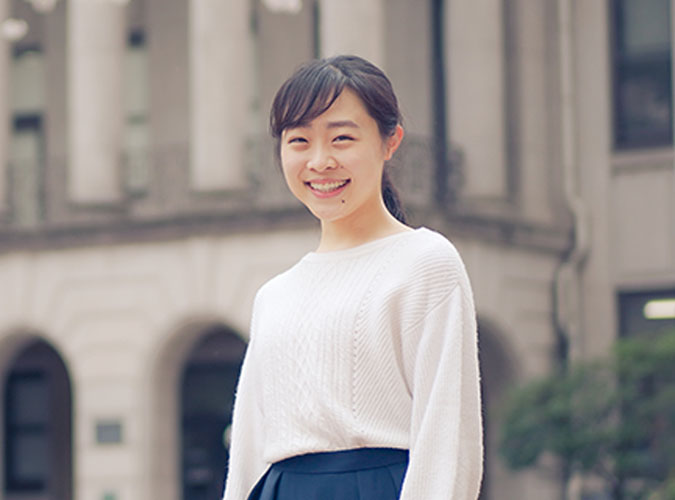
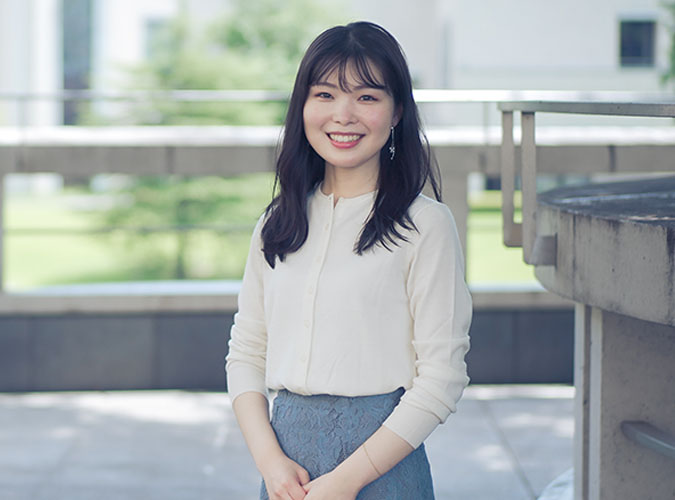
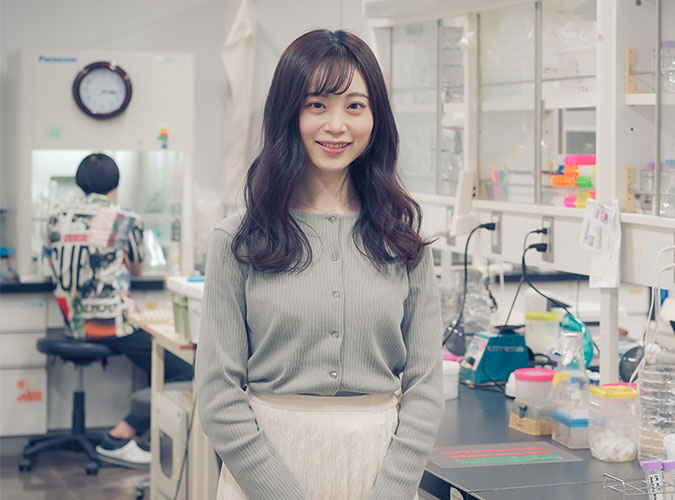
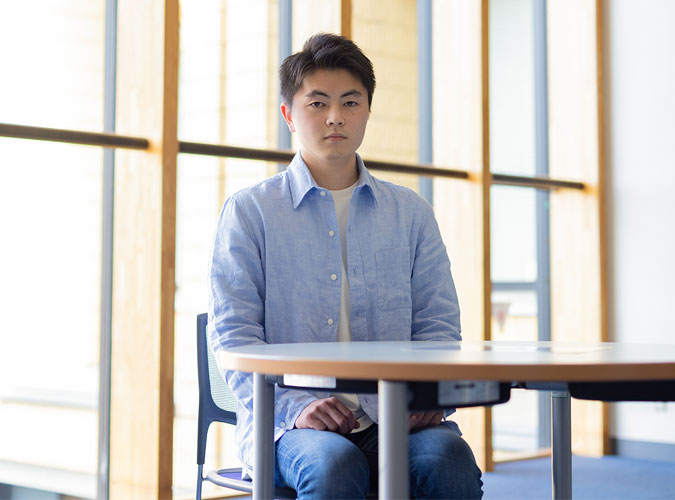
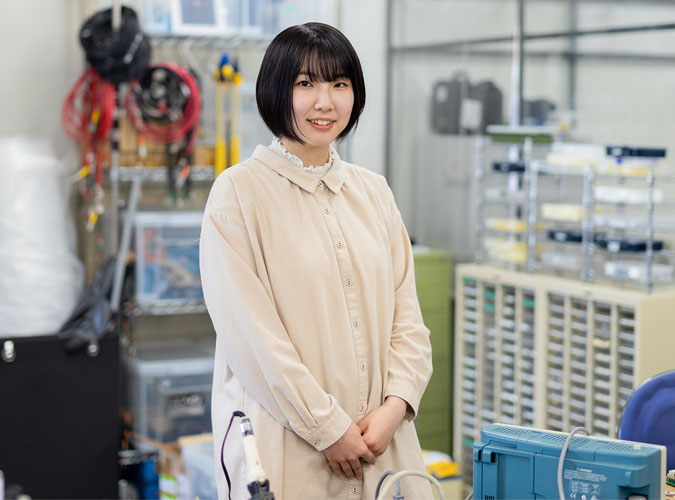
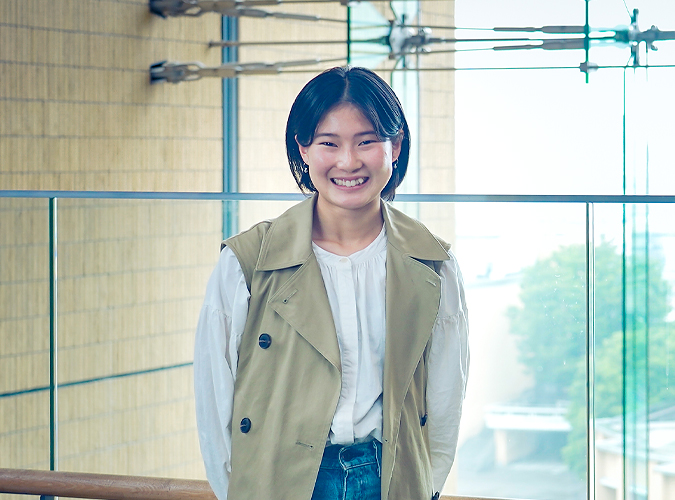
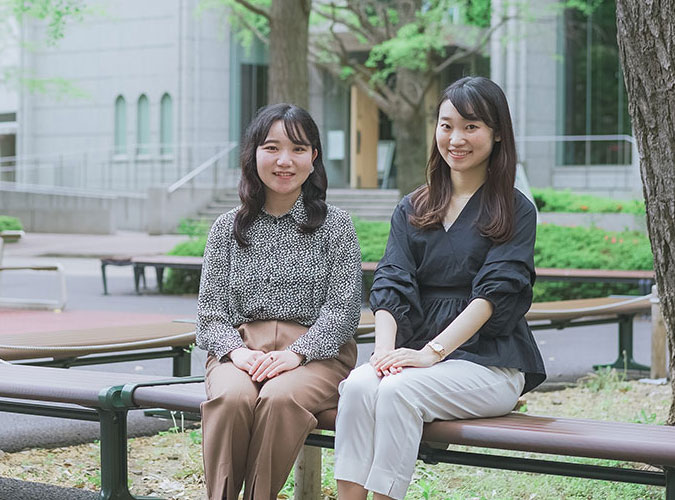
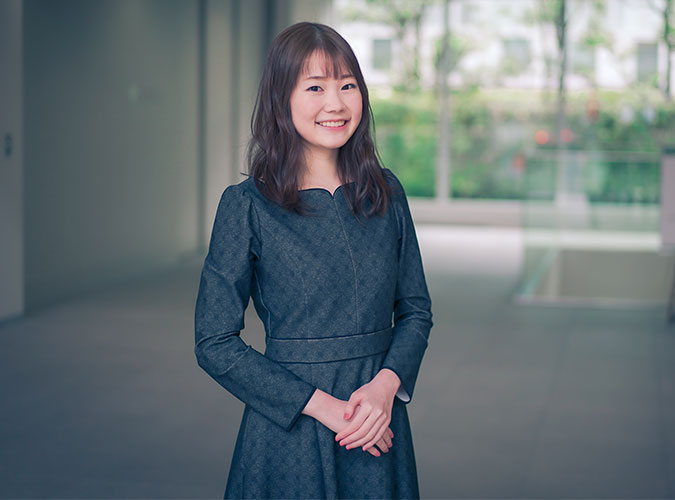
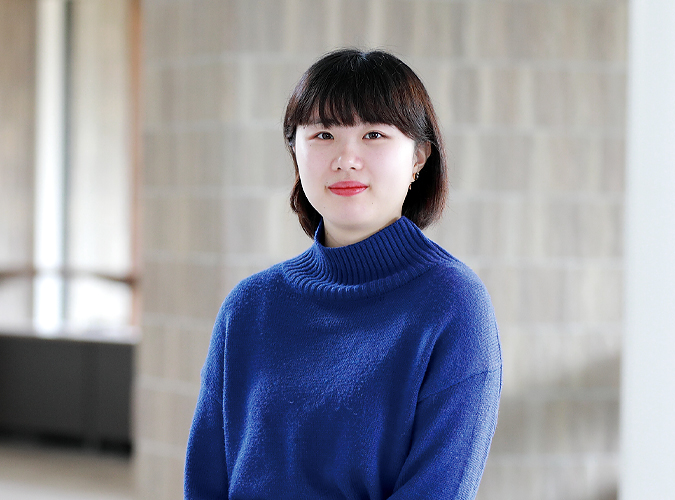
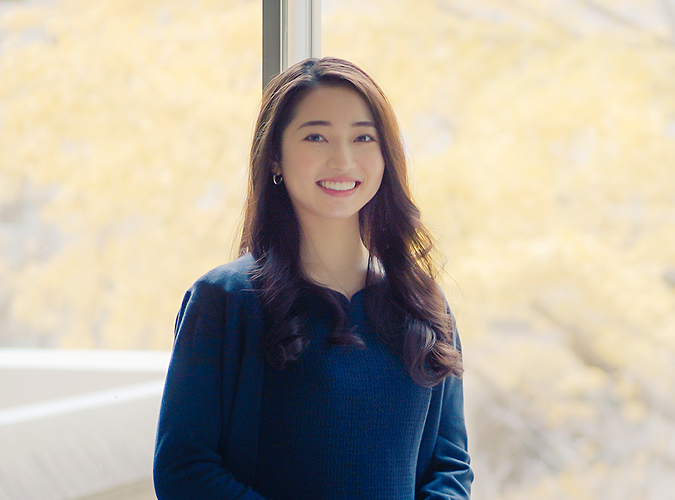
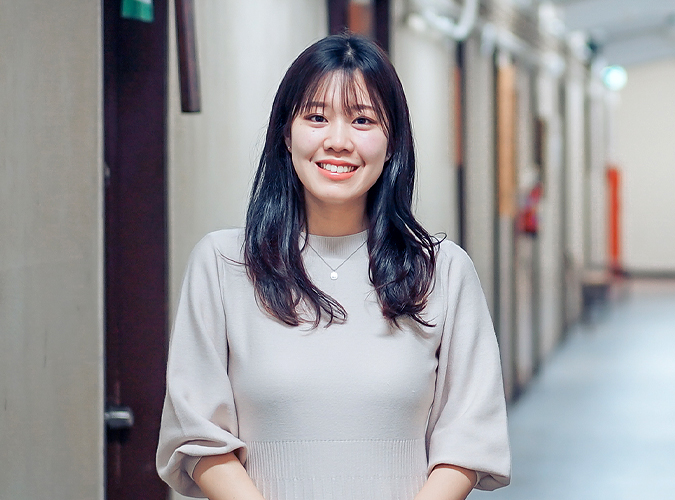
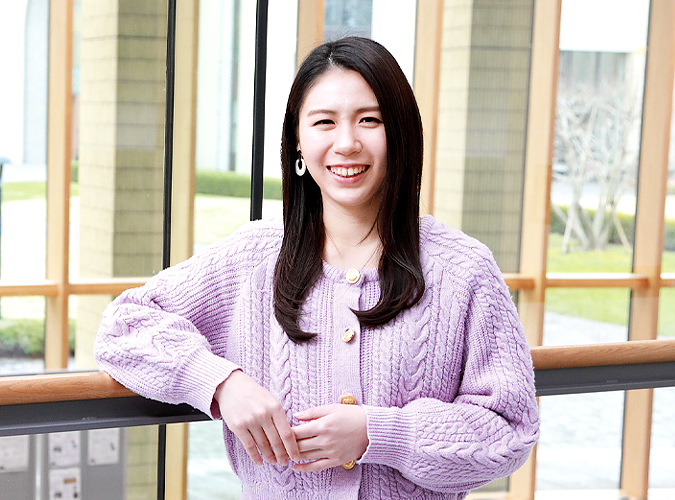
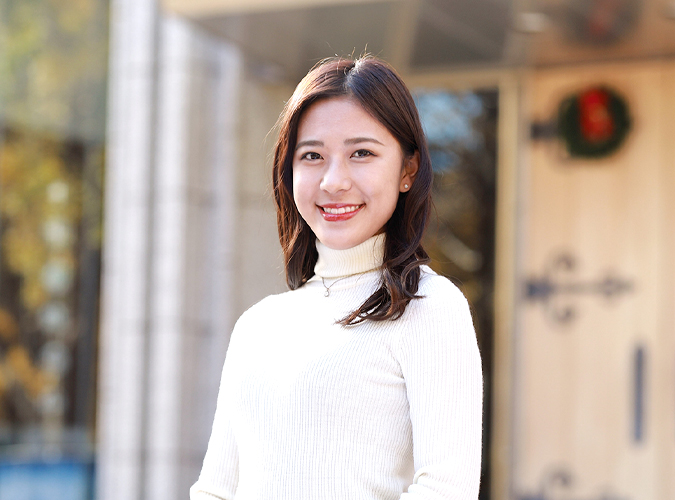
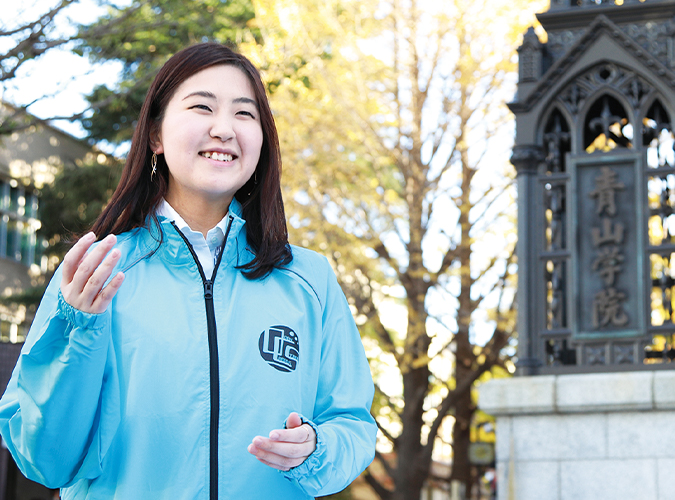
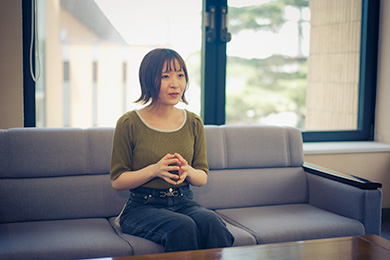
Ms. Fukuhara, who is studying at College of Community Studies has a strong interest in child welfare. She searched for her future path while facing her own thoughts, and found her desired career path by using the many realizations she gained from her studies and experiences at university as a guide.
Aogaku unique recommendation system made university entrance possible
Ever since I was old enough to understand, I have wanted to work in welfare in the future. I especially wanted to do something related to children, and when I was in elementary school, my dream was to become a nursery teacher, and by the time I was in sixth grade, I especially wanted to work in a child welfare facility. It could be said that this is because I grew up in a child welfare facility and didn't know any other path. The reason I decided to go to Aogaku was because I learned that there was a recommendation system called the "National Child Welfare Facility Recommendation" for children in child welfare facilities. Students who enroll through this system are exempt from tuition fees and receive a scholarship of 100,000 yen per month. This support was extremely reassuring for me, as I was unable to receive financial support from my parents and had no backing, so when I heard about this system from the staff at the facility, I decided to enroll after many discussions with the staff, even though I had other preferred schools. In addition, students who enroll through the recommendation system are assigned a faculty member from the faculty as a dedicated advisor, and they call out to me from time to time from their first year.
While considering various faculties, the one that attracted me was College of Community Studies in 2019 and which I enrolled in. First of all, I was interested in the fact that it was a faculty where I could study with a focus on the community and people, and I also learned that the faculty has five specialized areas, one of which was the "Child and Youth Activity Support Program." I applied with the hope that I would be able to learn about children from multiple perspectives and acquire a wide range of knowledge.
Choosing a path that involves children as a citizen
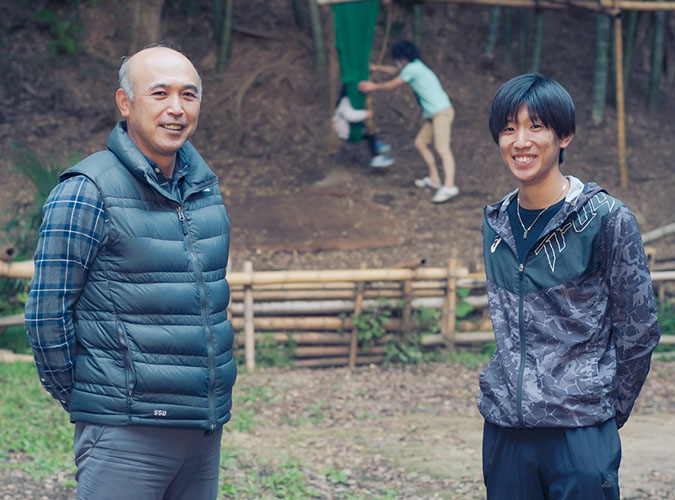
What I learned at university became a guideline for me when thinking about my future career after graduation. One of the features of this faculty is that it has a compulsory subject of "community internship" where students can experience community activities. I chose to intern at an adventure playground (play park) called "Dream Play Woods", where I mainly experienced maintaining the playground by weeding the fields and cutting down the bamboo forest together with the volunteers who run it. Since the policy of the place is to respect children's autonomy, I was able to get a glimpse of children playing in a child-led manner. Until then, I had thought that "interacting with children as an adult = work", but the biggest benefit of this experience was that I was able to realize that there is also a way to interact with children as a citizen, not as a profession.

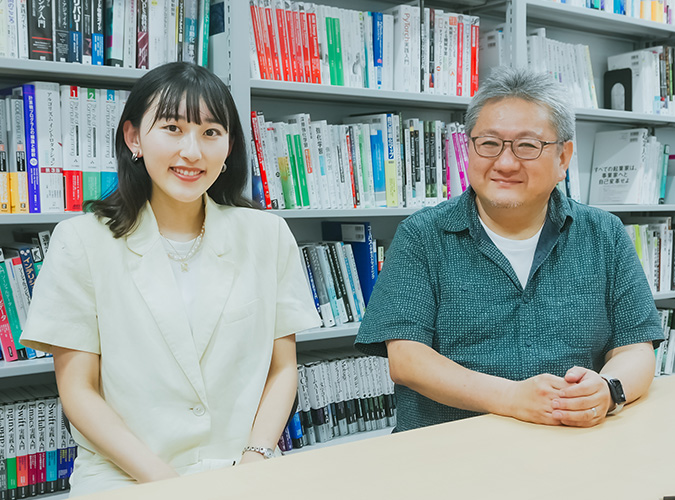
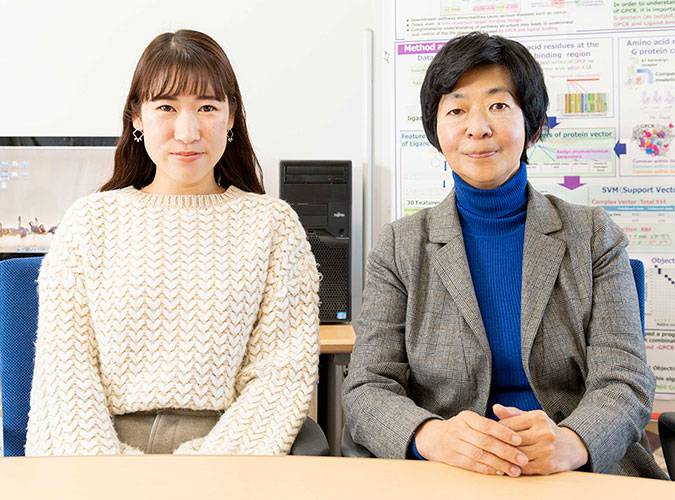
From my third year, I joined Professor Yokobori Masako's seminar on child and family welfare, and am currently researching "child advocacy." Advocacy is a system to protect the rights of welfare users and others, and is a way to guarantee the right of the parties to express their opinions. Article 12 of the United Nations Convention on the Rights of the Child stipulates that children have the right to express their opinions. When I first learned this word in Professor Yokobori's class, I felt that this is what I can do for children living in child welfare institutions, so I borrowed a book from her and began to research it. In the process, I learned about the existence of "child advocates" who support children in expressing their opinions. Advocates regularly visit child welfare institutions, temporary shelters at child consultation centers, and facilities for disabled children, and listen to the voices of children who cannot be told to the staff of the institution, and provide "opinion formation support" to give form to feelings that cannot be expressed well in their hearts, helping them to convey them and speaking on their behalf, and are in a position to be 100% on the side of children. While I was living in the facility, I thought that it was a privilege of children to be able to respect the thoughts of children without considering the convenience of adults, and I spent my childhood thinking that I always wanted to be an ally and support the children I lived with. However, when working with children, I also have the responsibility to make them follow the rules, and there are times when I cannot respond to what the children say. If that is the case, I began to wonder if working with children was really the right fit for me. However, I was convinced that the way I wanted to interact with children was as an advocate, who can support children 100% without considering the convenience of adults, and I decided to work as an advocate outside of work in the future.
A job interview is a chance to find out what the people working there think
In my job search, I narrowed my focus to welfare for people with disabilities, due to my experience working with children with developmental disabilities in a child welfare facility and the fact that my mother had a mental disability. The reason I ultimately decided to work at this social welfare corporation that supports employment and daytime activities for people with disabilities was because they provided support to people with mental illnesses, which was what I particularly wanted to be involved in, and when I actually toured the facility, I thought it had a great atmosphere, with lively staff and users who seemed to enjoy their activities.
In most job interviews in this industry, there is a time set aside for the applicant to ask questions to the hiring manager. At that time, I always asked about "attitude when working". I thought of the interview as a valuable opportunity to hear the voice of a person who actually works, so I think I was able to answer freely without being nervous. Among them, an interviewer from a company that trains people with disabilities said, "If you get too involved with the users and end up in a relationship where you think you'll be fine as long as you have this person, it's a failure from the perspective of independence," and this comment has remained in my heart. I found the staff at the facility to be a source of emotional support, and I was aware that I would become one in the future, but since the ultimate goal for people with disabilities is to live independently in society, I will keep in mind that I should not become a target of dependency, but rather support them to live on their own.
I'm not good at relying on others, and I tend to think that I have to think about my career path on my own when it comes to job hunting. In the end, I was able to find a good job, but looking back, I feel that I could have made various decisions with more confidence if I had sought more third-party opinions. I encourage you to try using the job hunting support available at your university, such as the Career and Employment Department.
The "connections between people" that are needed in this day and age
Apart from my studies, my internship at a non-profit organization called Fair Start Support, which I started in my third year, was also an important learning opportunity. It is an organization that provides employment support to children in child welfare facilities, and I am usually mainly involved in marking vocational aptitude tests and VRT (Vocational Readiness Tests*). However, I also attended meetings with companies that want to support them as a party involved, and was often interviewed about what kind of care they needed. I think that child welfare facilities are a world that you can't know about unless you are really interested. Still, I was very encouraged to know that there are many people who want to do something for children in facilities, and I felt that in this day and age when human connections are said to be thinning, it is necessary to create relationships where we can support and help each other.
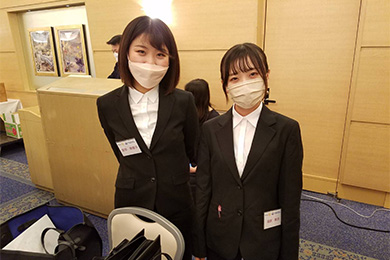 Hosted a Rotary Club event held in cooperation with the internship organization
In the undergraduate studies, the common theme in all classes is that ultimately, "connections between people" are important. The "community" that symbolizes this faculty is "relationships in which we can pay attention to others," and I believe that it is because of this ongoing relationship that we can understand each other's needs and issues and work together to solve them.
In parallel with my job search, I have been taking a training course to become a "child advocate," so after graduation, I plan to balance my work in welfare for people with disabilities with my work as an advocate. In my work, I have been supported by many staff members at a child welfare facility, and now I would like to listen to the voices of each and every person and accompany them so that I can support them in achieving happiness. After being certified as an advocate, I would like to visit facilities and listen to the voices of children. I would like to continue to be an ally of children and value the thoughts and voices of children so that they are not drowned out by various factors.
* Vocatinal Readiness Test (VRT). By measuring basic inclinations and career readiness, it is used as a tool for self-understanding in career guidance for junior and senior high school students. (From the website of the Japan Vocational Association)
Fukuhara's job hunting schedule
-
Third year: January 2022
Apply to one company that is conducting early selection
-
Third year: March 2022 onwards
Participating in information sessions, applying, and selection
-
〈4th year〉 April 2022
Started taking a training course to become a child advocate
-
〈4th year〉 May 2022
I received tentative job offers from four places, and decided on a company that provides welfare services for people with disabilities.
College of Community Studies
College of Community Studies pursues social contributions focusing on regions in Japan, deepens understanding of local cultures and the people who live there, and cultivates the ability to contribute to the creation of better communities. Through programs that allow students to learn a wide range of knowledge, experience, and take action, students will develop the ability to discover and solve problems on their own, and open up the future of their communities through mutual assistance and cooperation with local people.
Japanese local communities face a variety of issues, including aging and depopulation. In order to contribute to solving these issues, it is important to have the experience of interacting with local people, learning about their activities, and empathizing with them. In Department of Community Studies, students learn about local people and government, and also engage in experiential training in collaboration with municipalities and NPOs. We develop human resources who can revitalize local communities and support sustainable activities as experts and members of the local community.