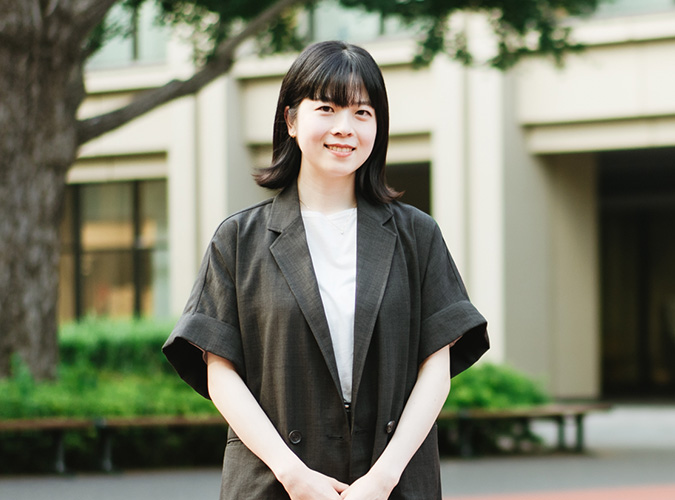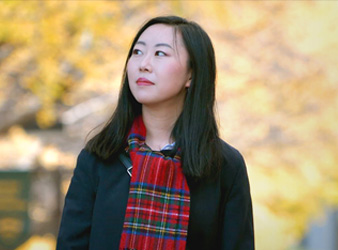
Identifying problems in modern society,
I want to create a better world
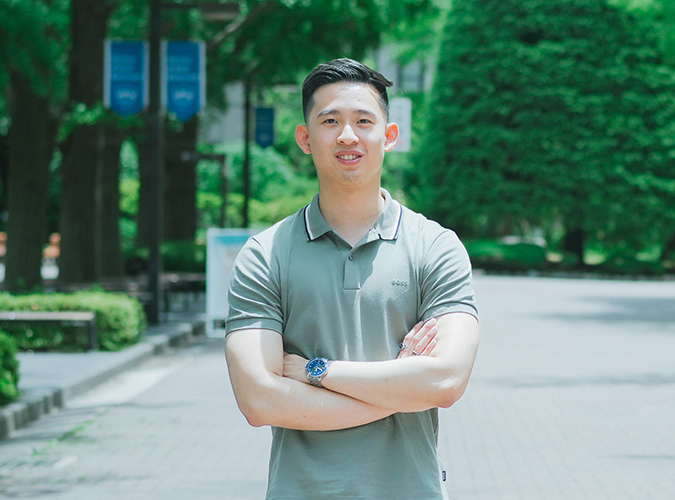
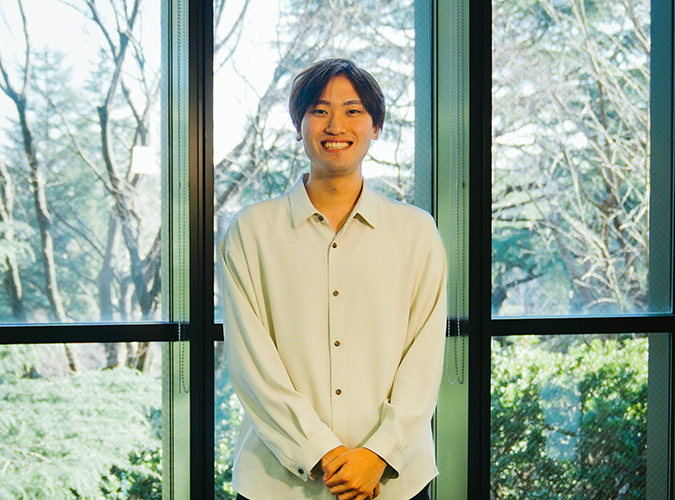
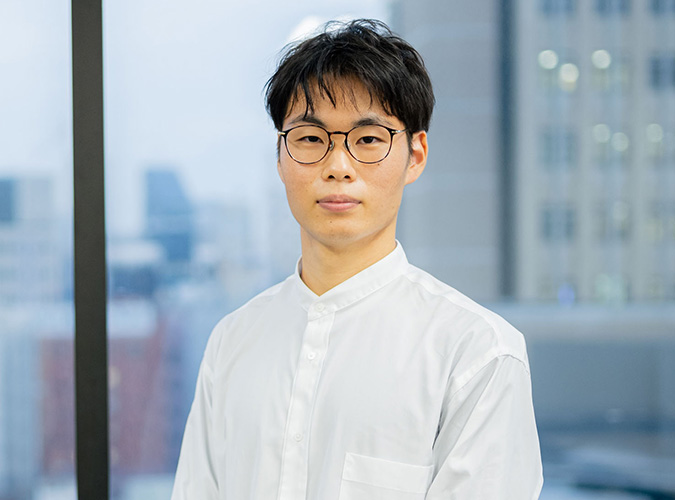
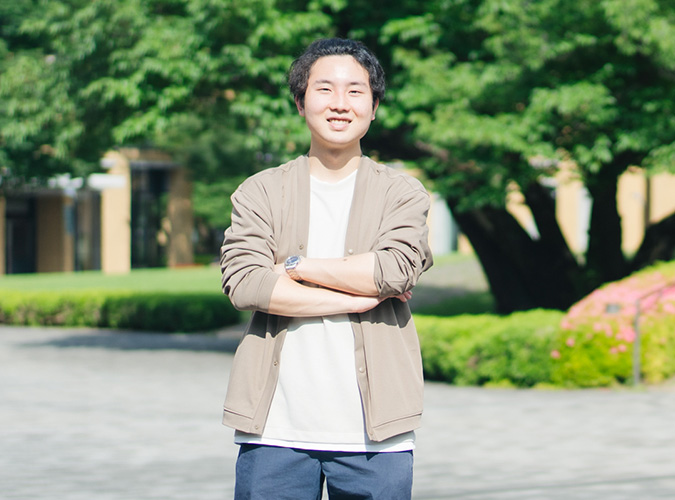
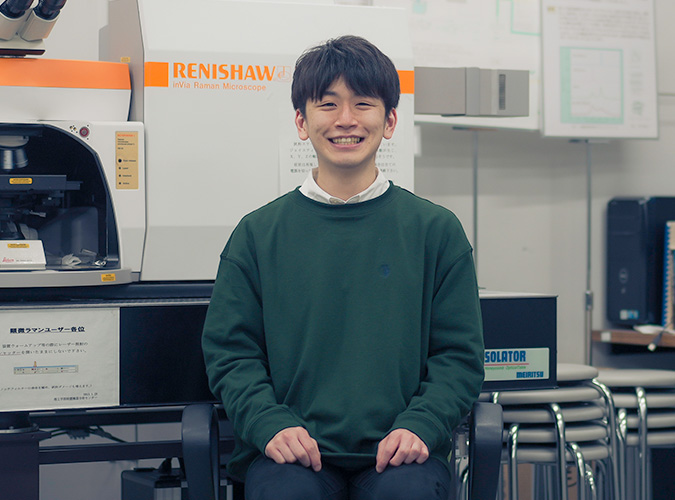
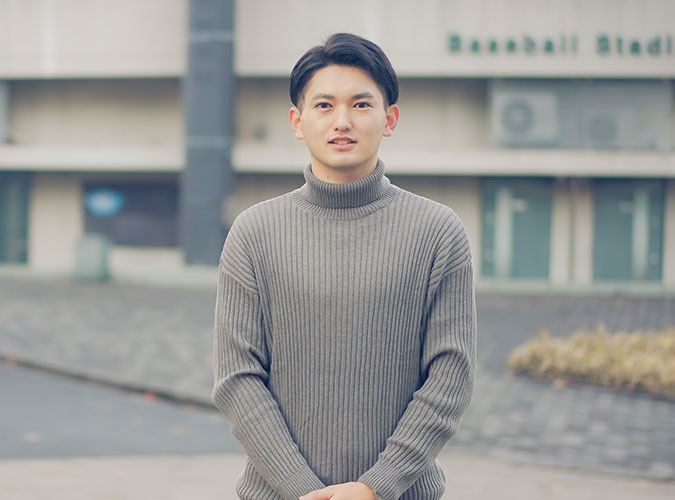
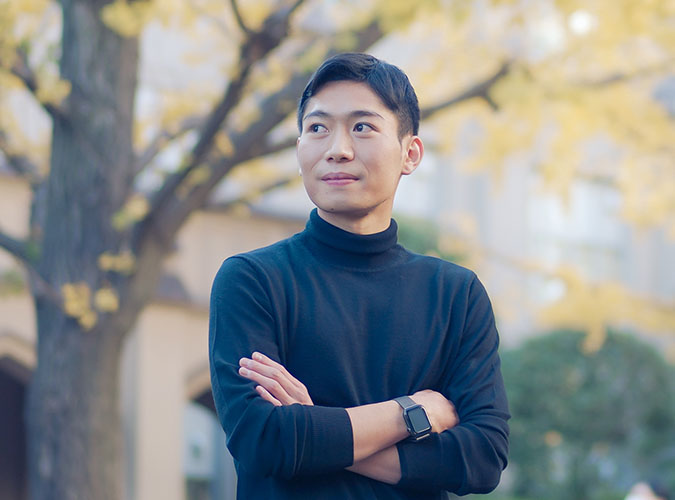
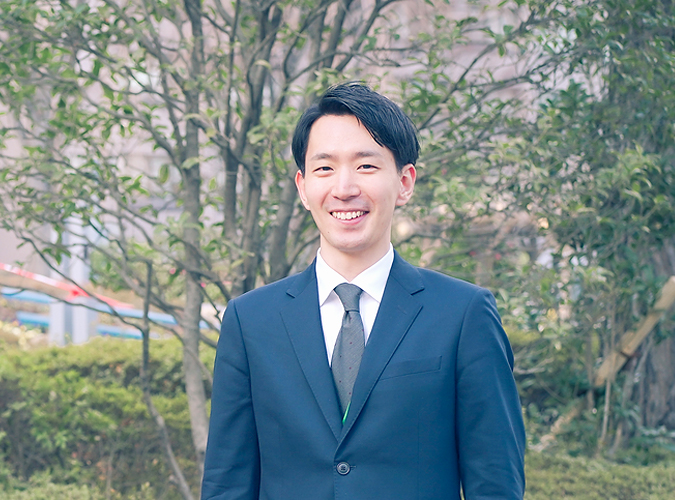
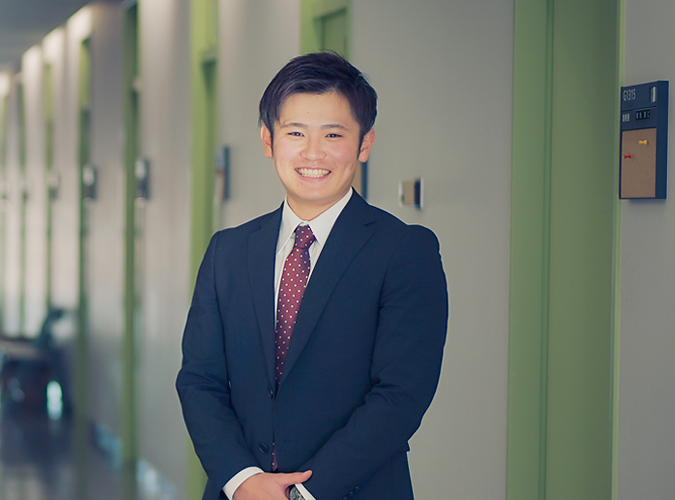
4th year Department of International Politics

OVERTURE
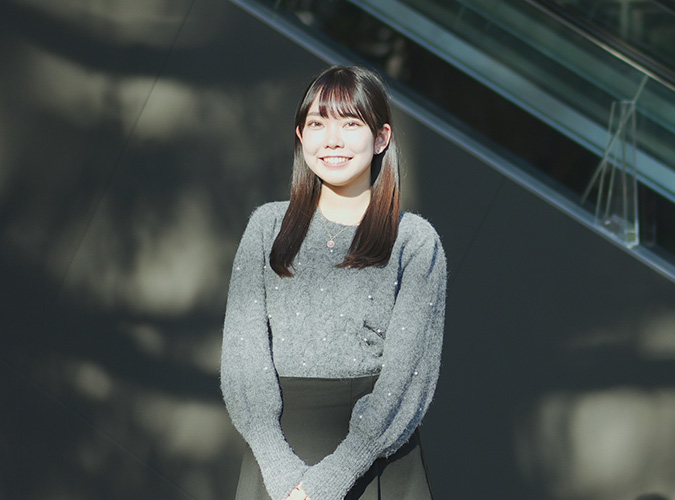
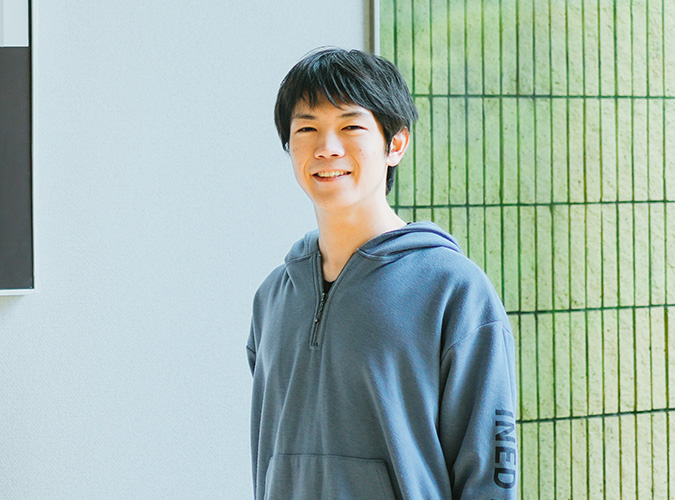
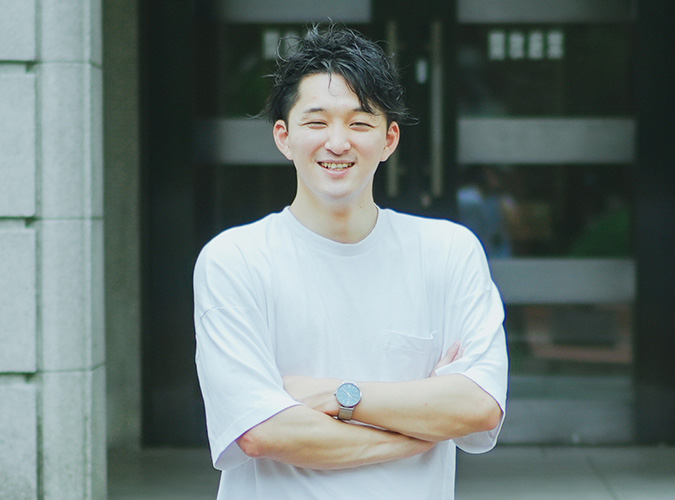
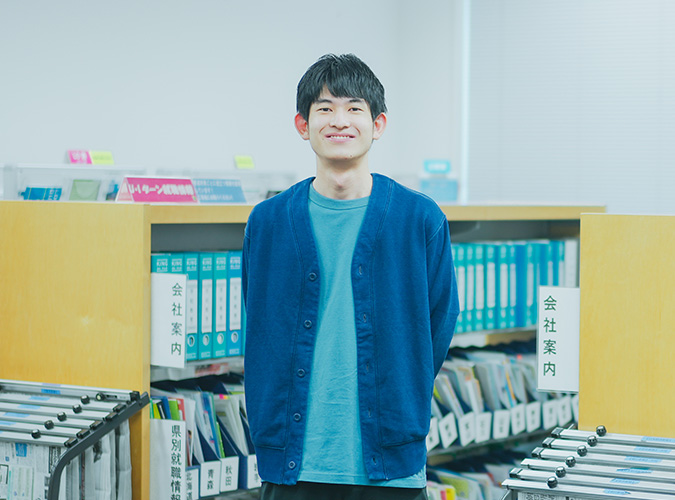
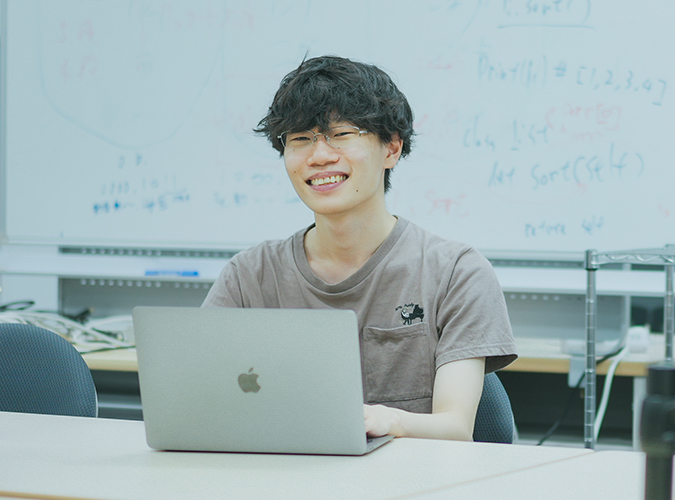
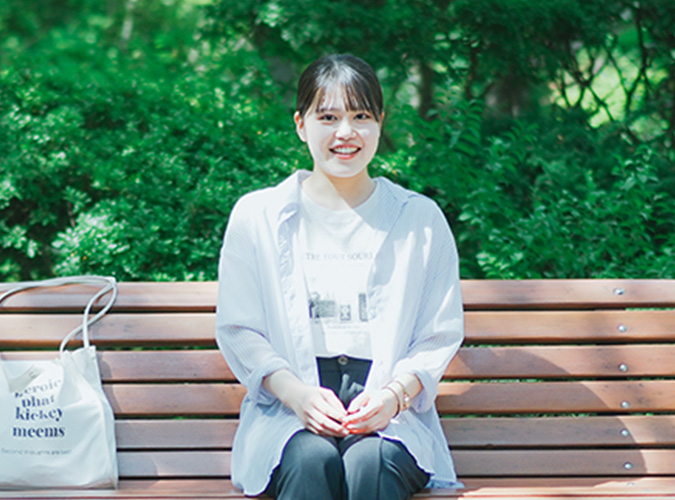
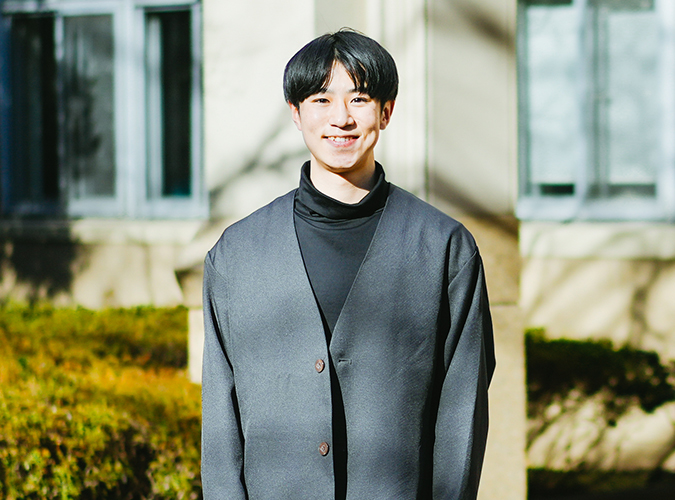
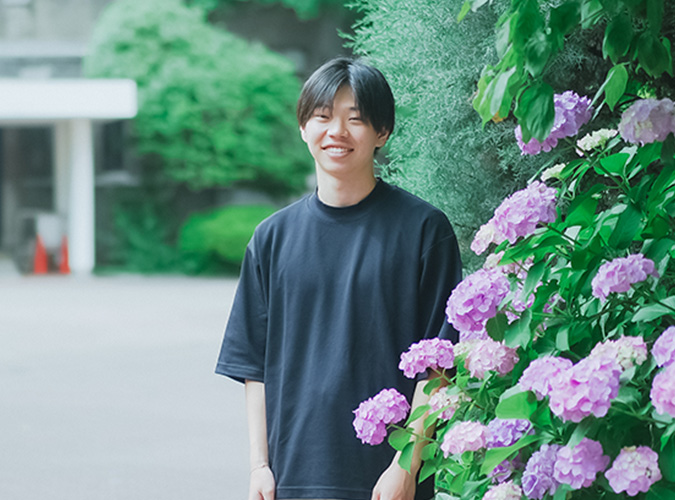
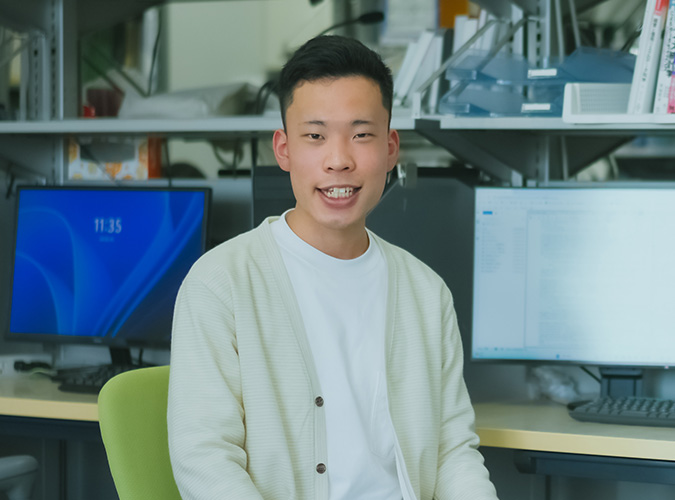
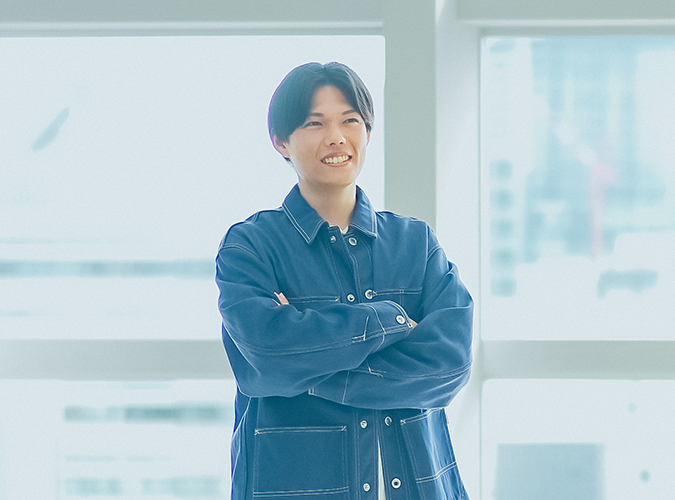
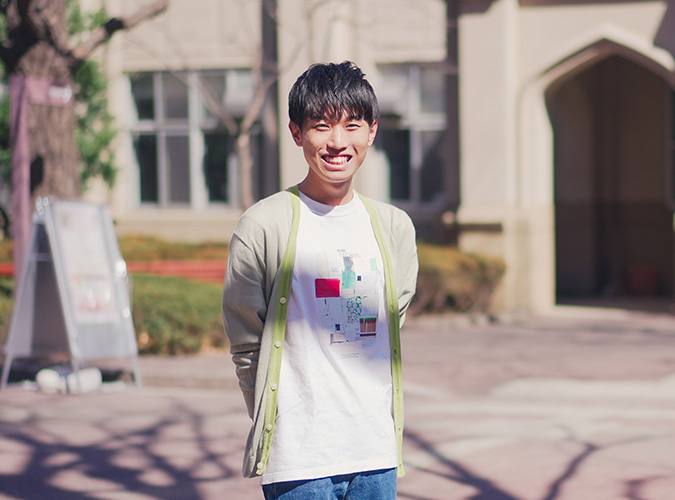
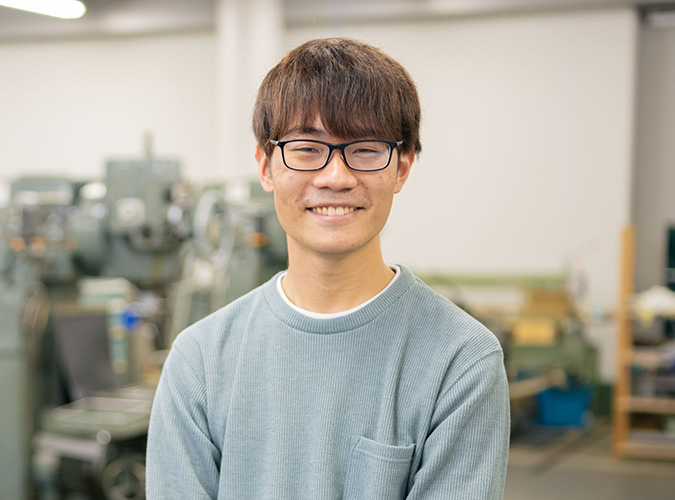
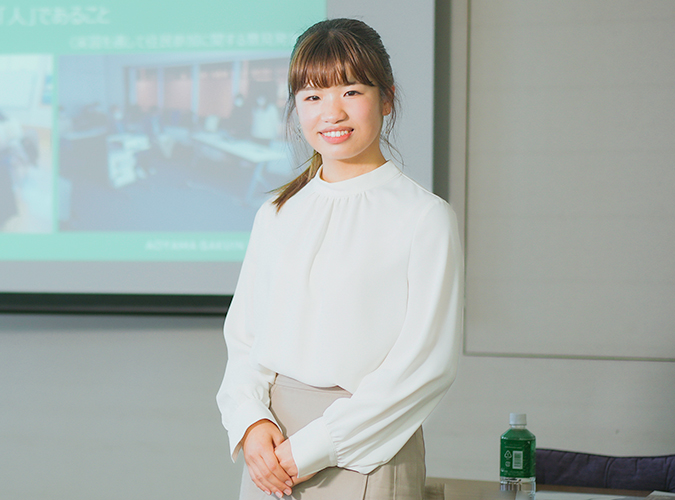
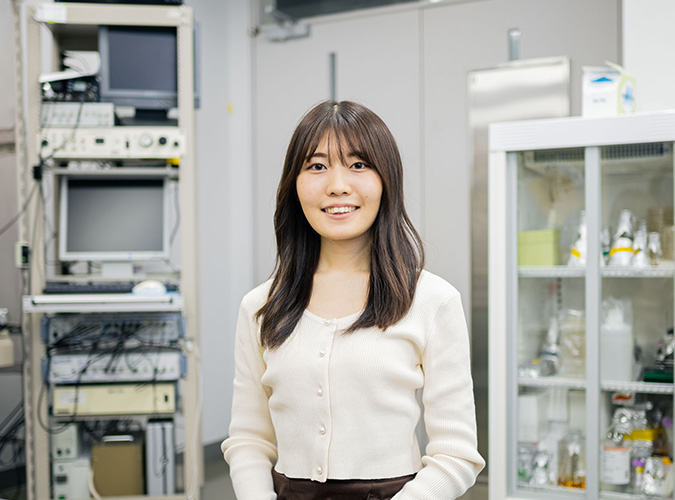
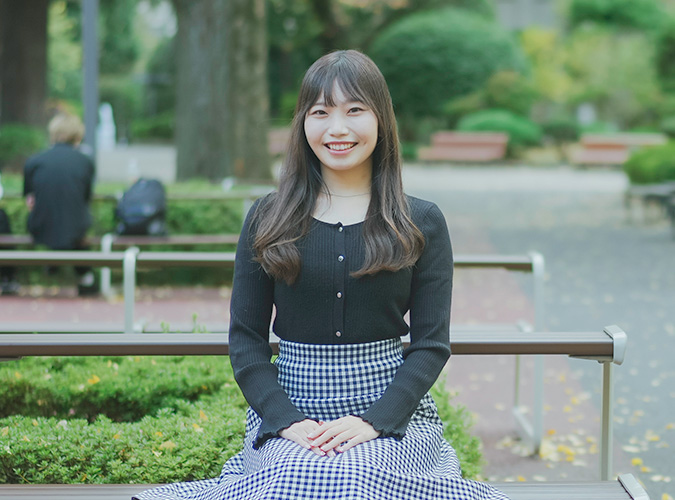
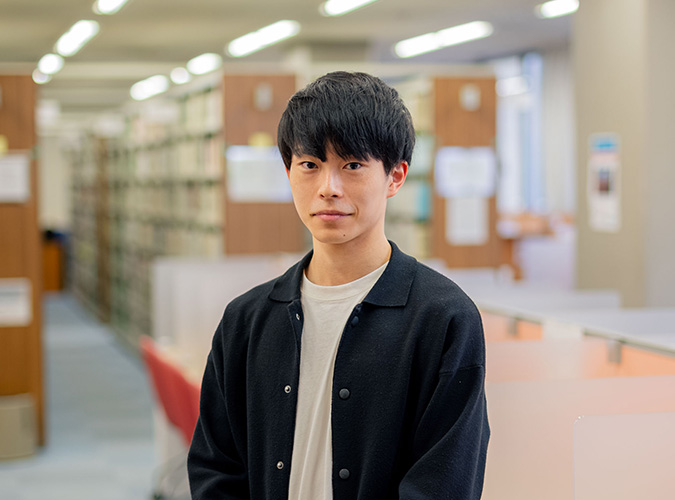
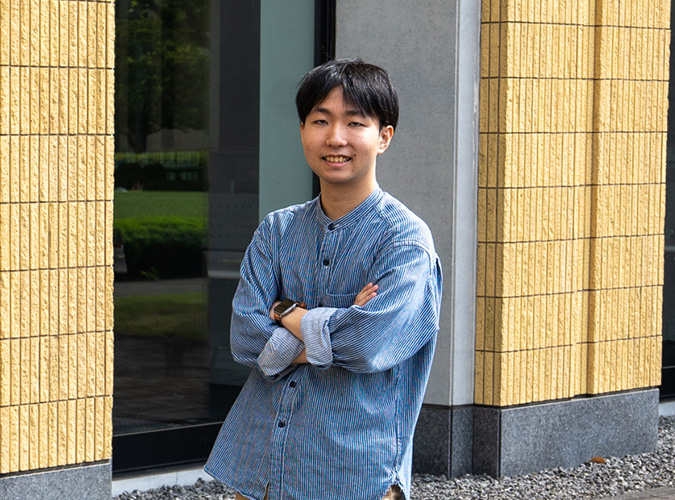
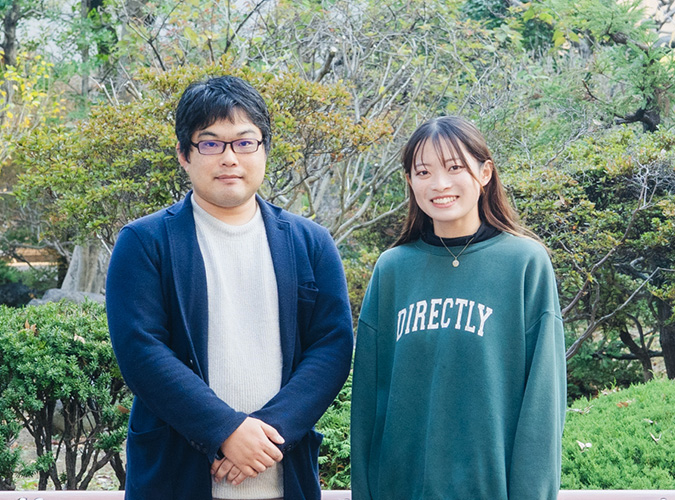
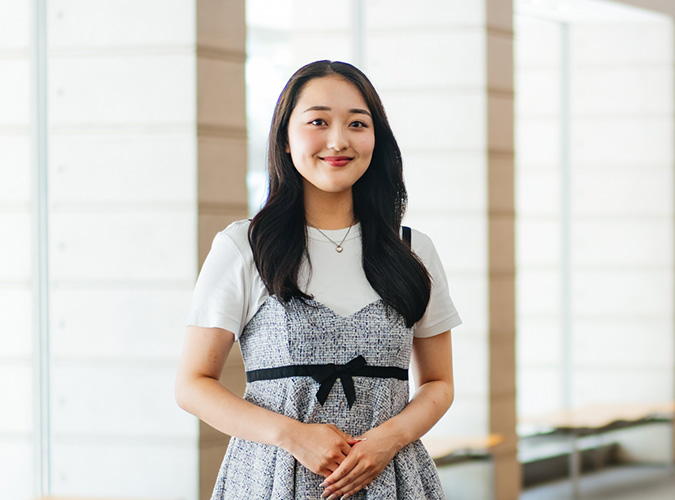
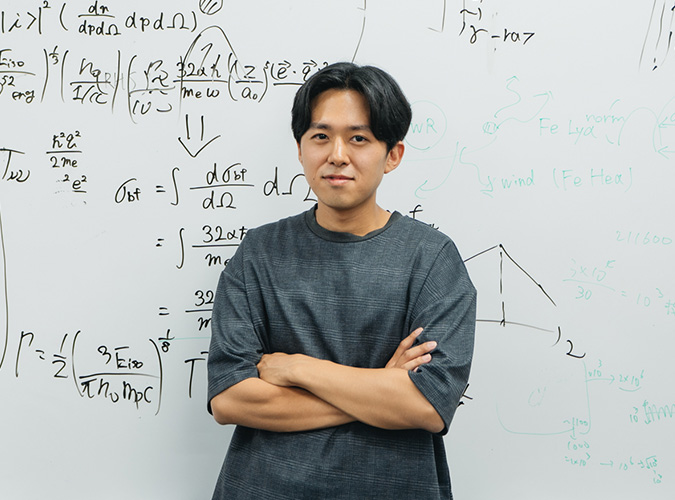
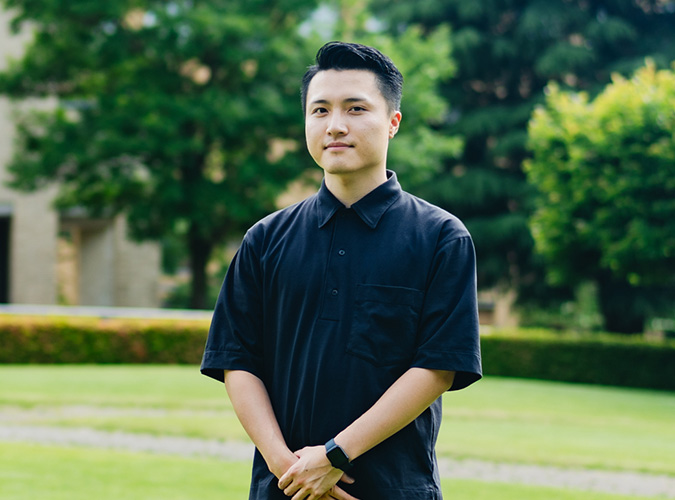
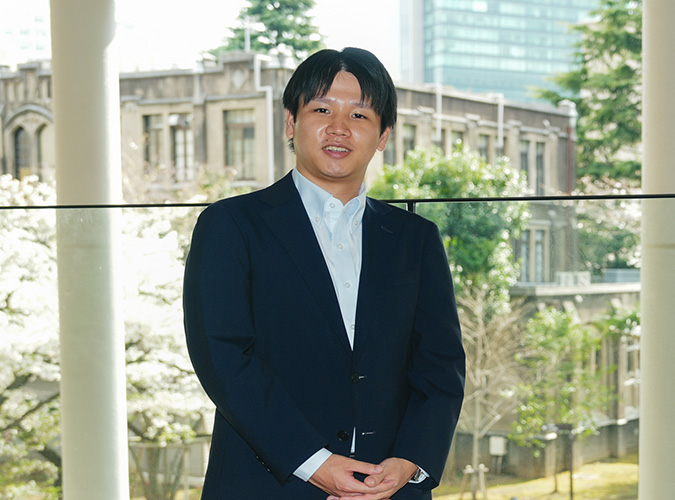
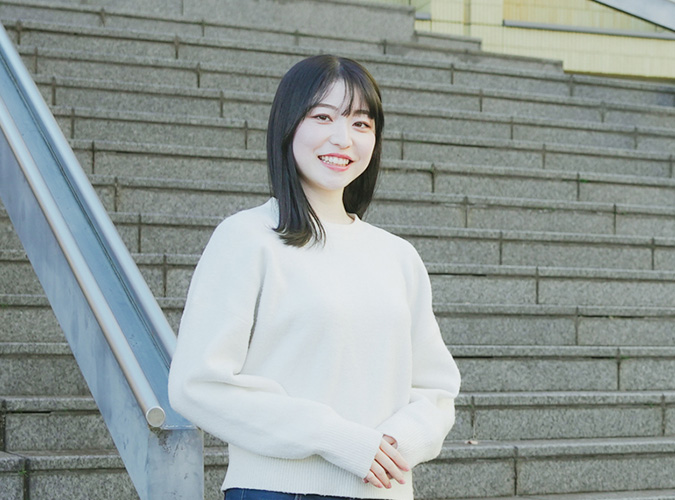
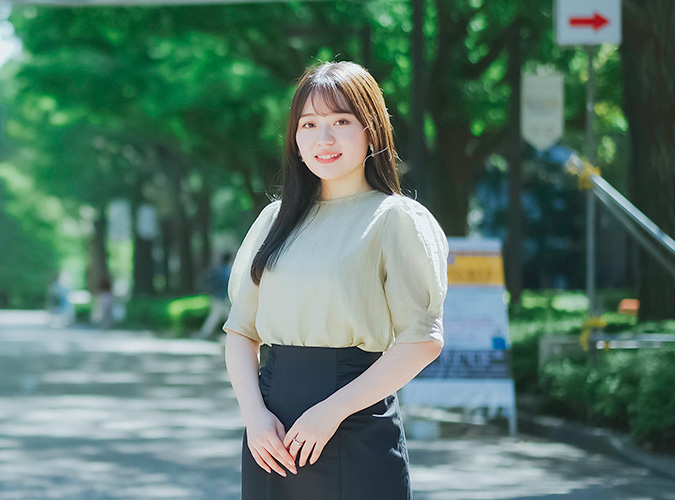
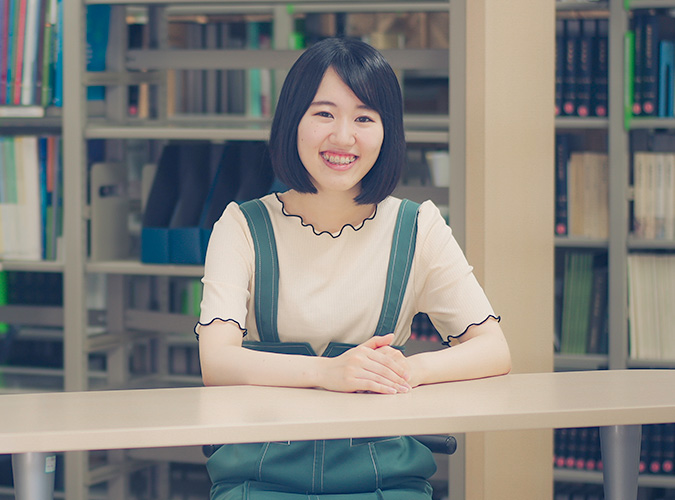
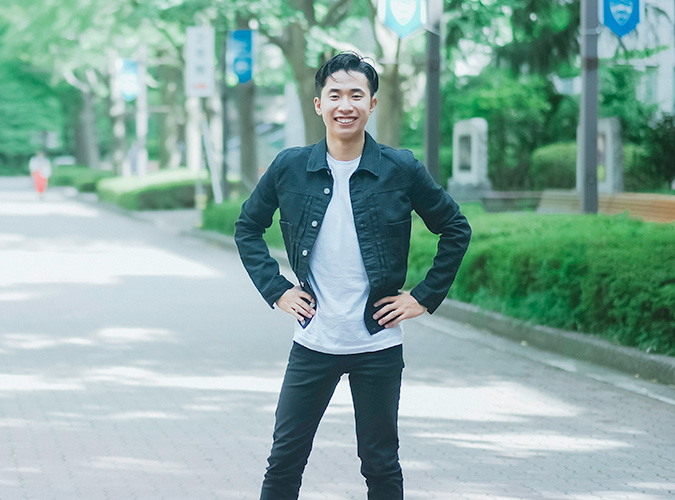
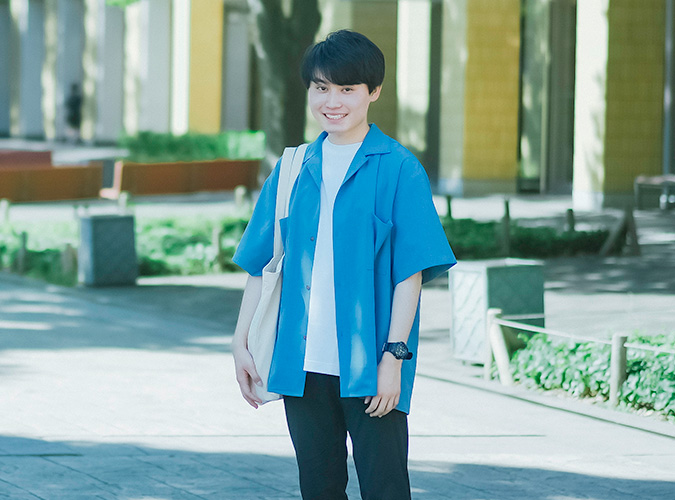
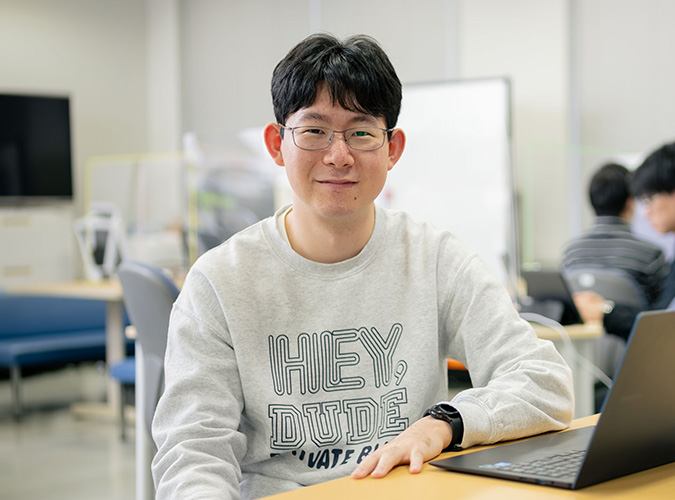
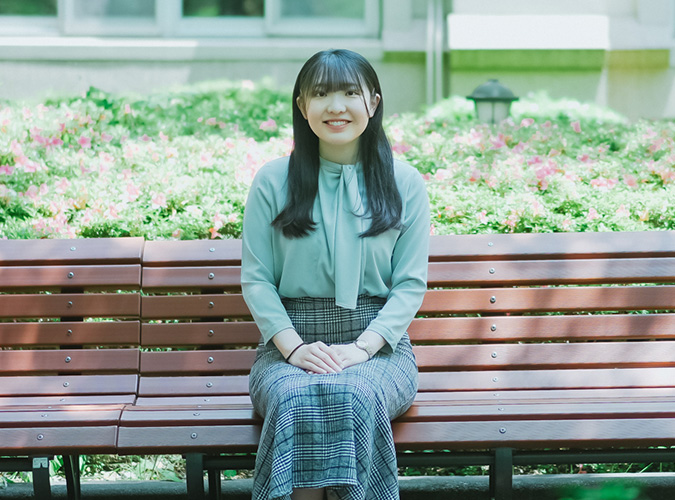
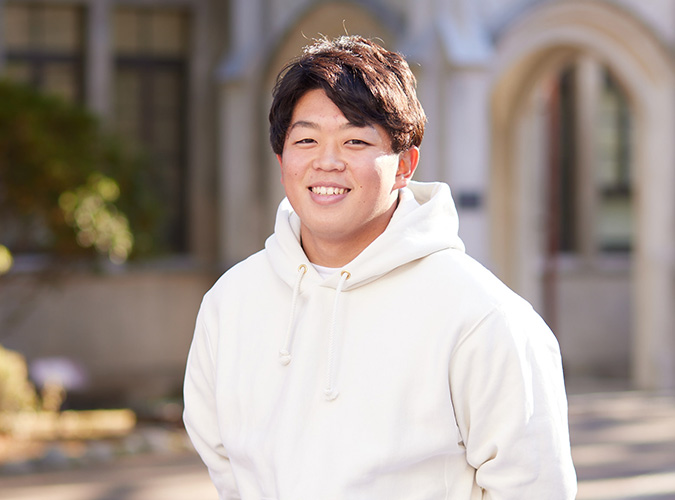
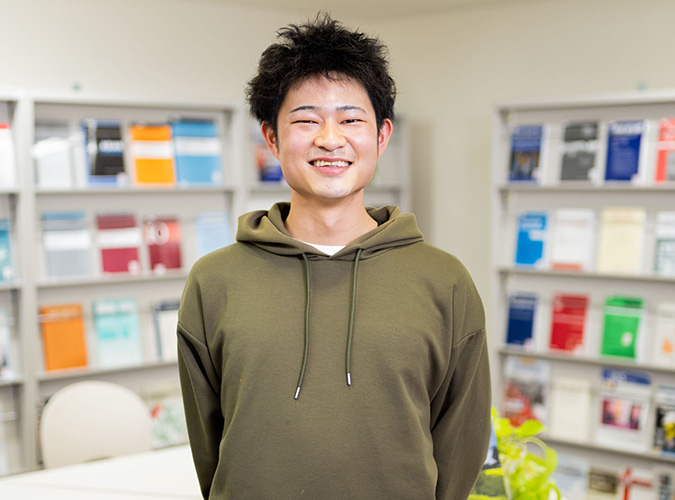
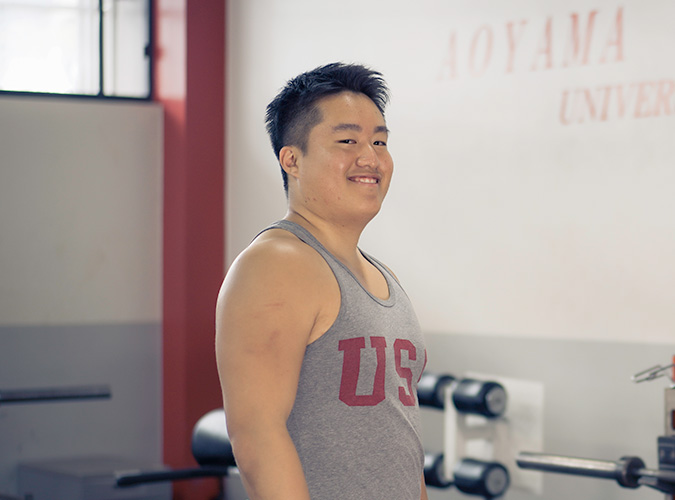
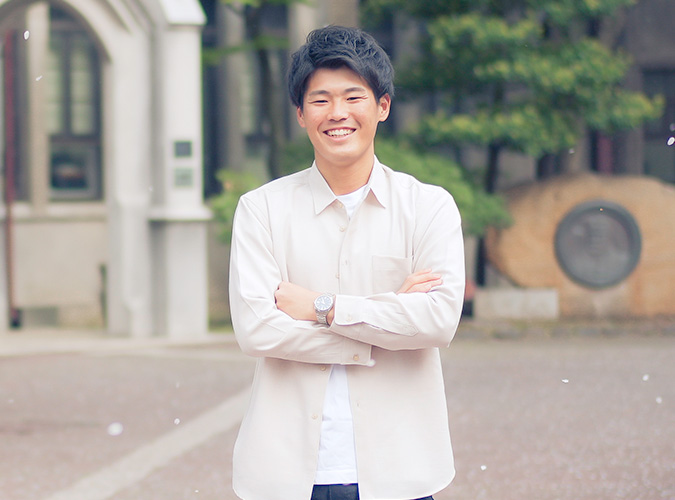
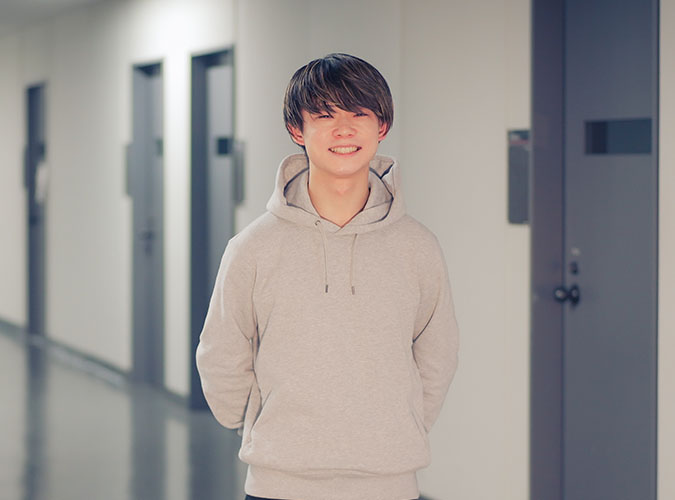
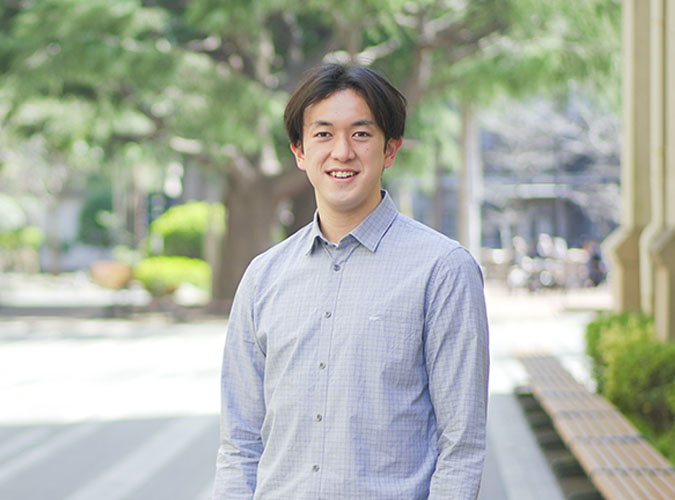
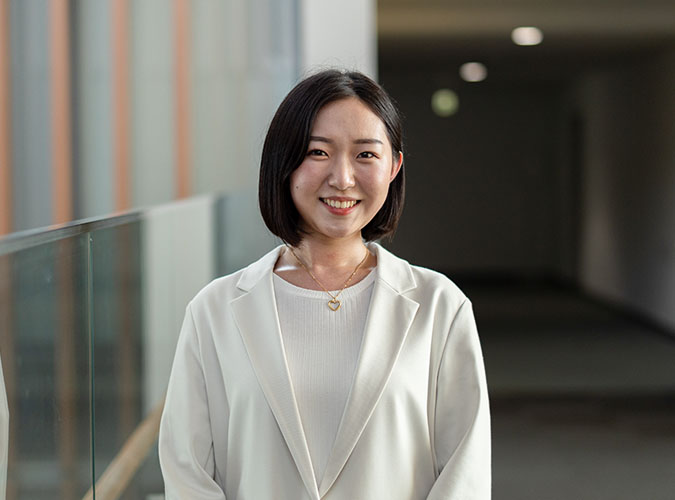
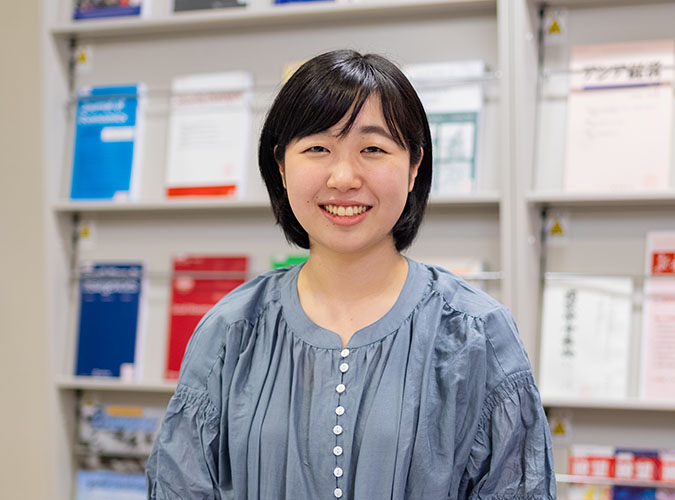
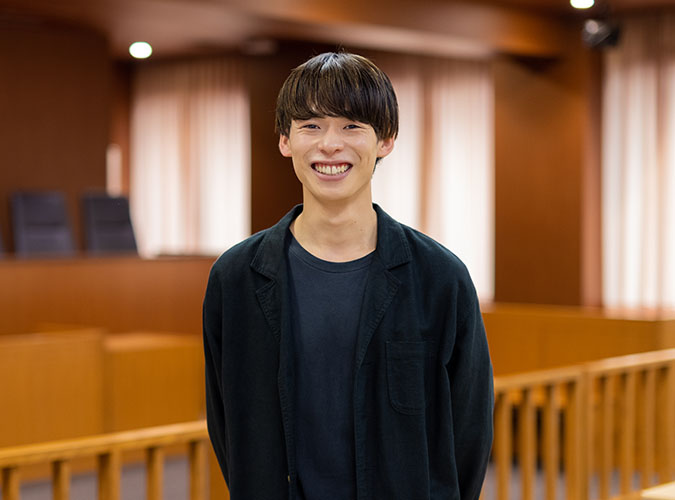
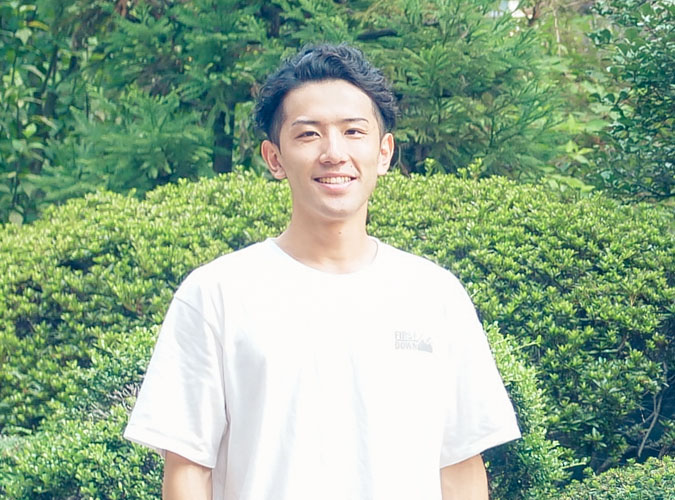
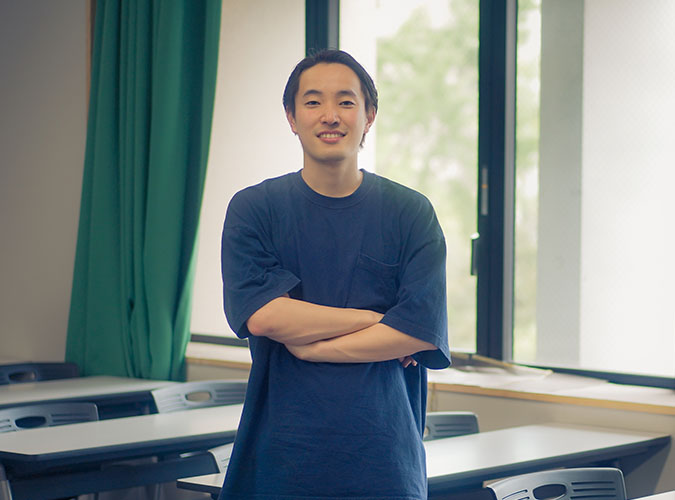
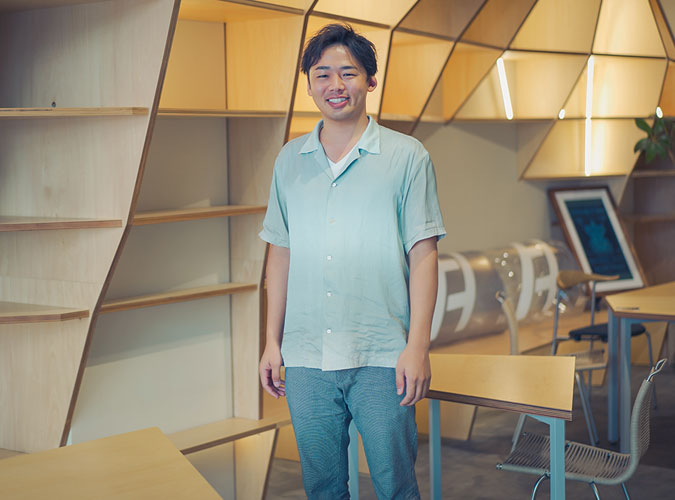
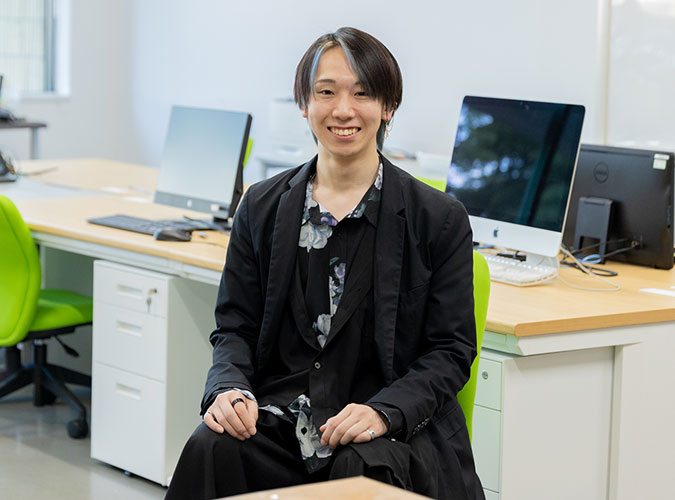
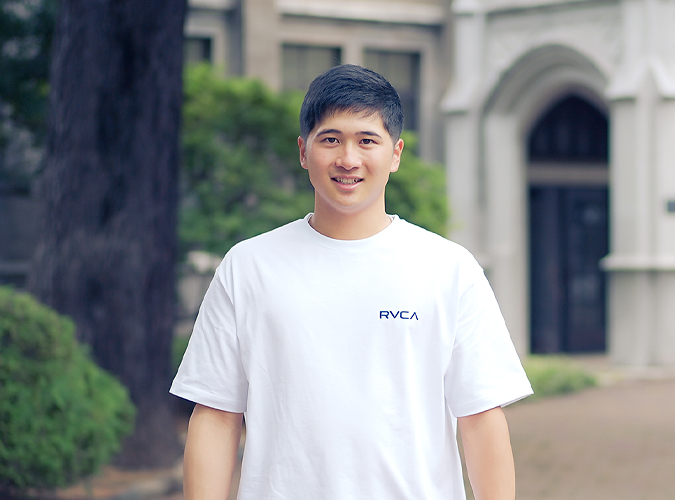
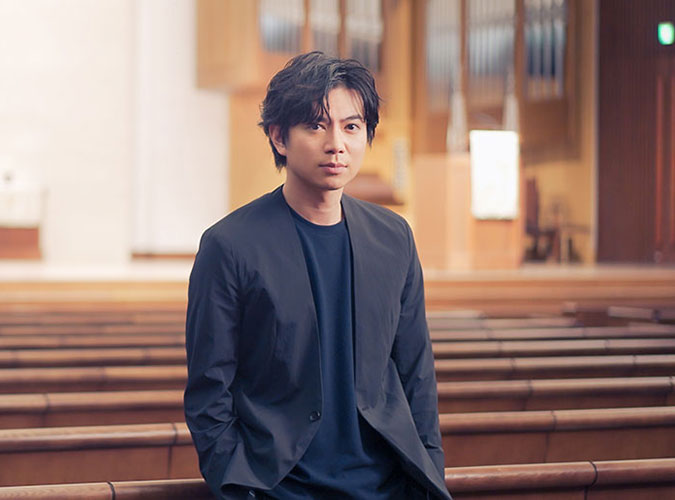
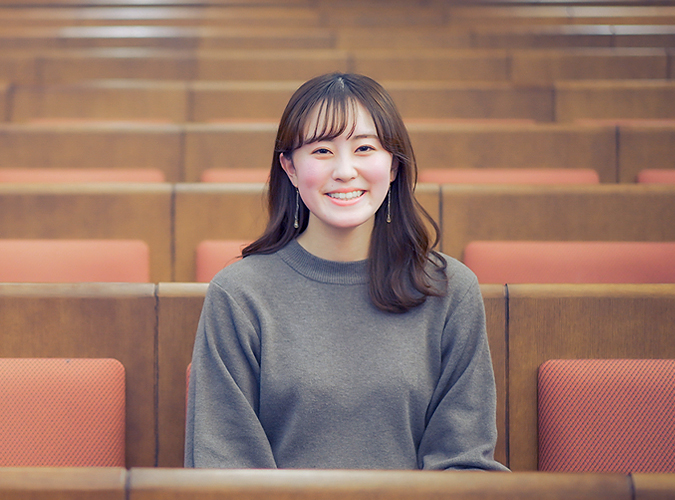
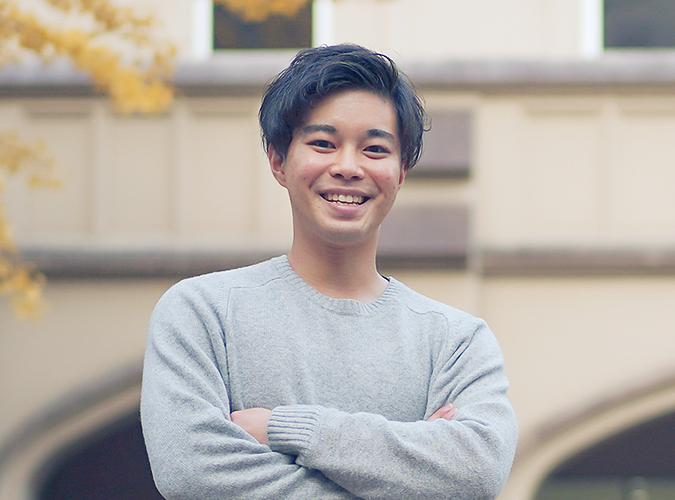
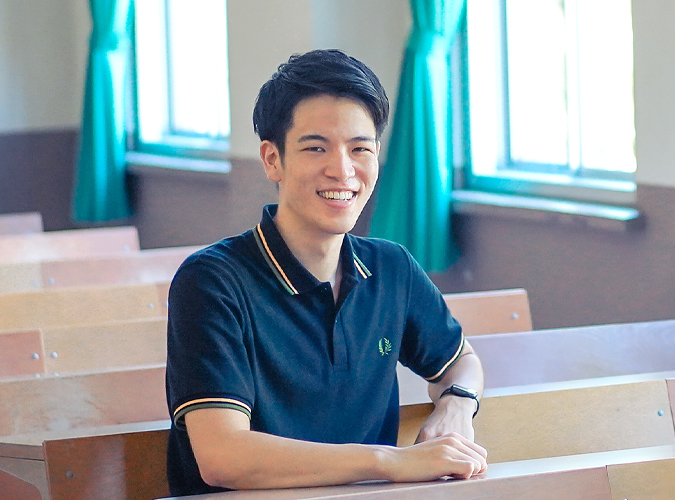
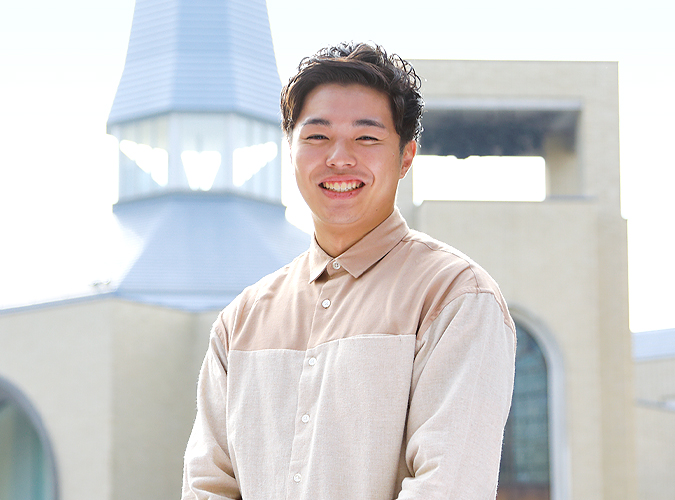
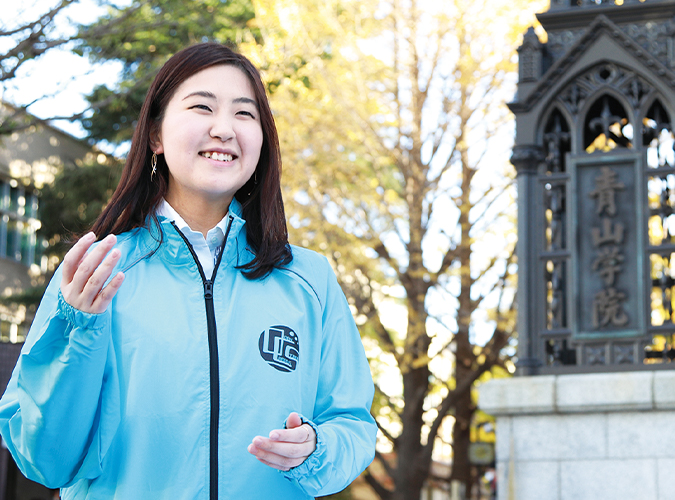
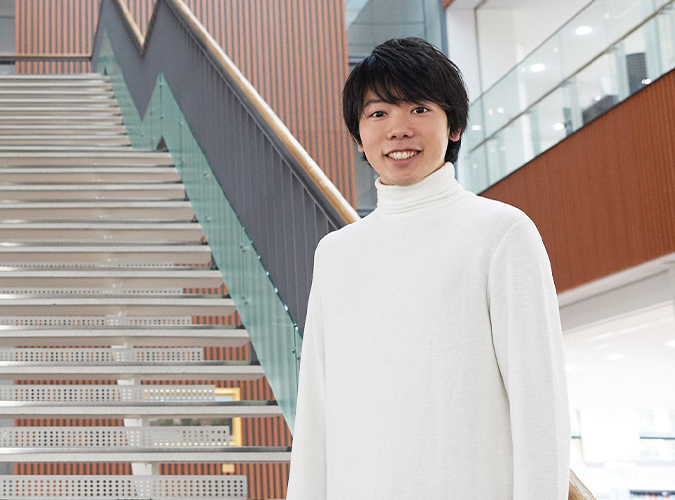
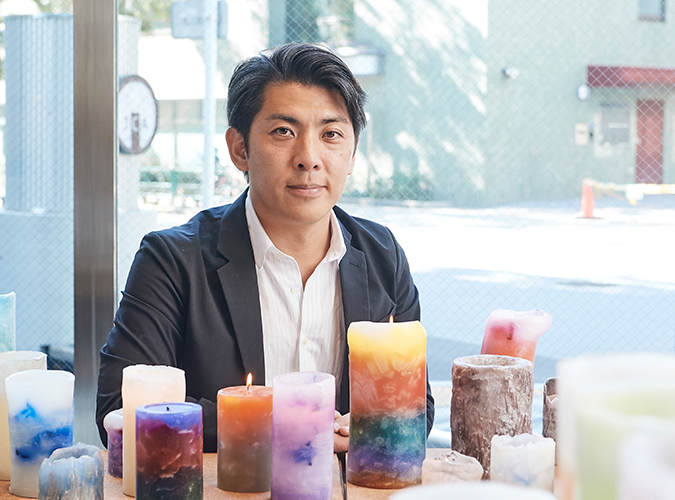
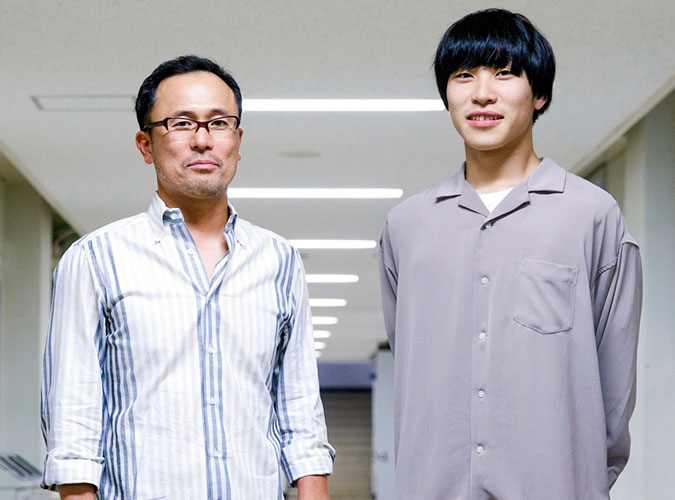
There are many social issues in modern society that people unconsciously accept. In Department of International Politics you can broaden your perspective on social issues and develop a more objective viewpoint by learning the theory and practice of international issues. We will introduce the growth of Araiba, who entered Department of International Politics and is now able to have his own opinions on everything, and his future prospects.
Expanding my international perspective through classes
When I was in high school, I was easily influenced by the opinions of those around me and was not able to express my own opinions very well. I was inspired to change myself in order to survive in the coming era, and decided to study the international community. I was interested in themes such as war and peace, so I went on to Department of International Politics.
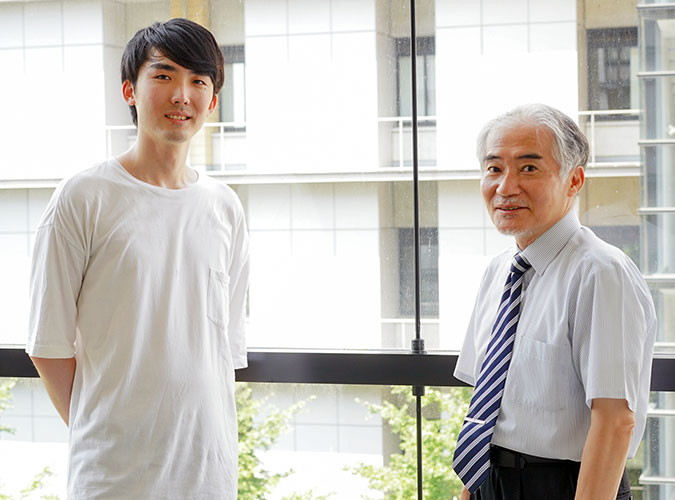
In the first and second years, I took a wide range of subjects from Japanese politics to international politics, and in the second and third years, I also took subjects in the field of intercultural understanding. By choosing a theme and taking classes on economics and culture, I was able to broaden my perspective on the international community and gain a more level-headed perspective. The class "Japanese Diplomacy" was particularly helpful in my growth. I heard a variety of things from current Ministry of Foreign Affairs officials, including their stance on Japan's foreign policy and life at the post. The real-life diplomatic stories based on practical work were fresh and interesting, and my understanding of international and current affairs improved, and I began to watch the news with even more interest.

※For details on the learning characteristics and curriculum (School of International Politics, Economics and Communication), click here
Understanding society through the relationship between culture and politics
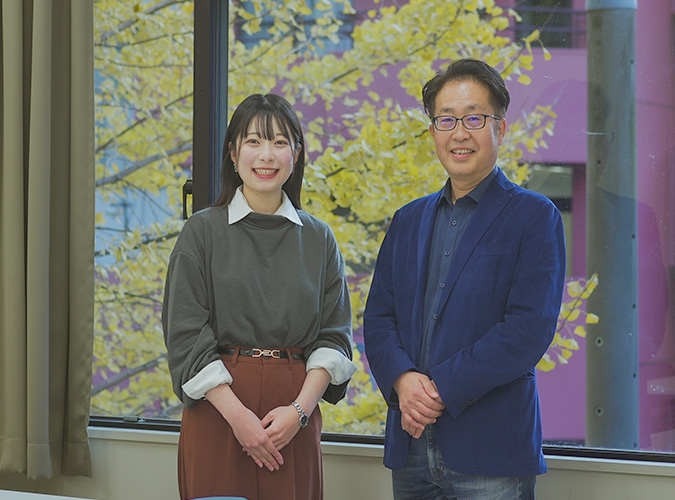
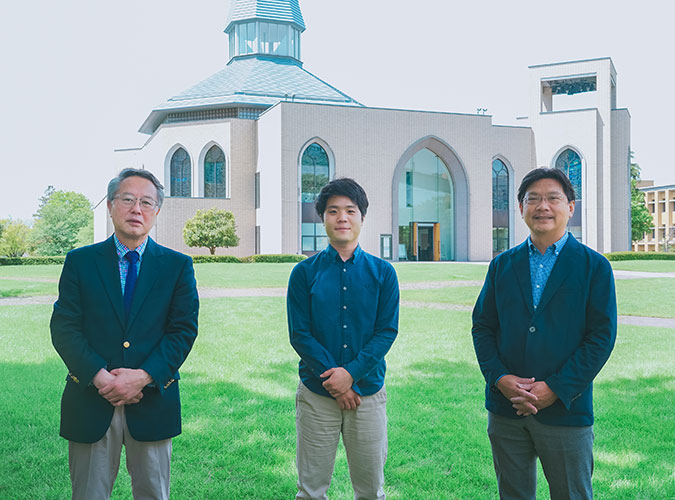
I remember being impressed by a class called "Cities and Culture A" in The Aoyama Standard General Education System, which taught us to think about ethnicity and discrimination through the works of Shakespeare. It was refreshing and fun to find contemporary social issues in the films and plays that I had only casually watched up until then. This class sparked my interest in the relationship between culture and politics, and I joined Professor Toshihiro Kokubun's seminar, which studies representational culture theory, which considers society through video works.
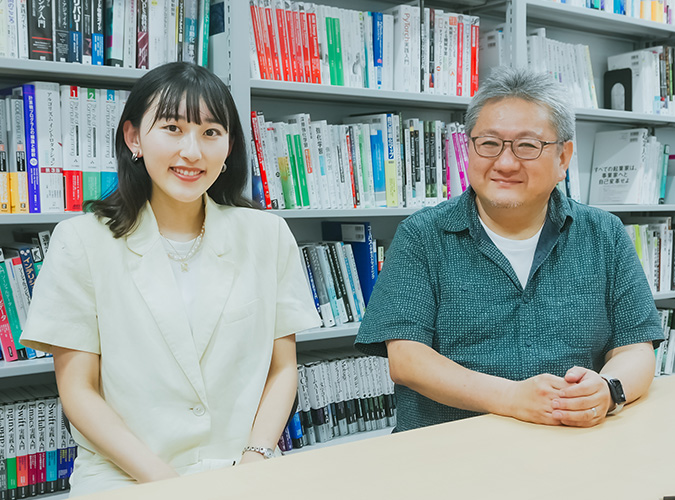
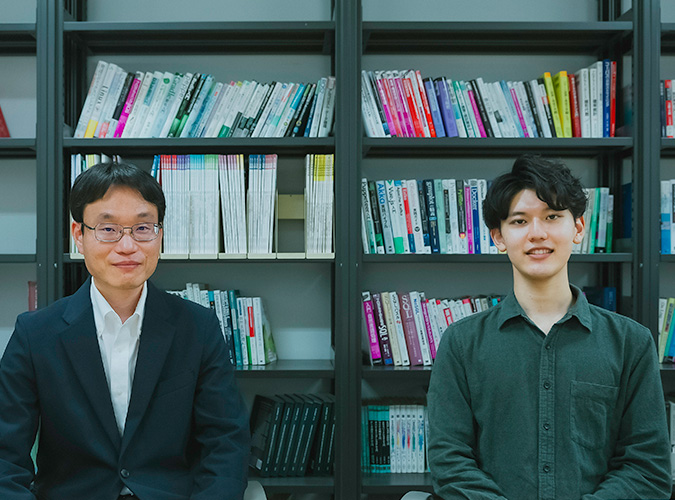
In the seminar, students read papers together and discuss the themes, historical background, and methods of expression of the video works, and write one research report each term. Before submitting the paper, there is a research presentation where students exchange opinions with each other and receive comments from the teacher, allowing them to identify contradictions and weaknesses in their paper and further deepen their research. Through the activities in the seminar, I have acquired the ability to see things from multiple perspectives and the ability to listen flexibly and accept opinions through my daily learning. In the future, I would like to write a report on discrimination and prejudice using the theme of Japanese hip hop.
*For an introduction to the seminar (Department of International Politics), click here.
Taking on social issues by utilizing the broad perspective he has cultivated
There are many people in Department of International Politics who can express their thoughts and act on them, and by spending time with my friends in the department, I was able to form my own opinions on social issues. I learned about the theory and practice of international politics, learned about the diversity of society, and grew as a person, and I think I was able to break out of my shell a little.
I would like to use what I have learned over the past four years to become someone who can contribute to society in the future. I have received a job offer from a beverage company, so my first goal is to plan products that are environmentally friendly and that help developing countries. I hope that the products I am involved in will help me feel closer to the SDGs.
Interview video
We want to pass on people's voices to the next generation and play a part in conveying the value of peace.
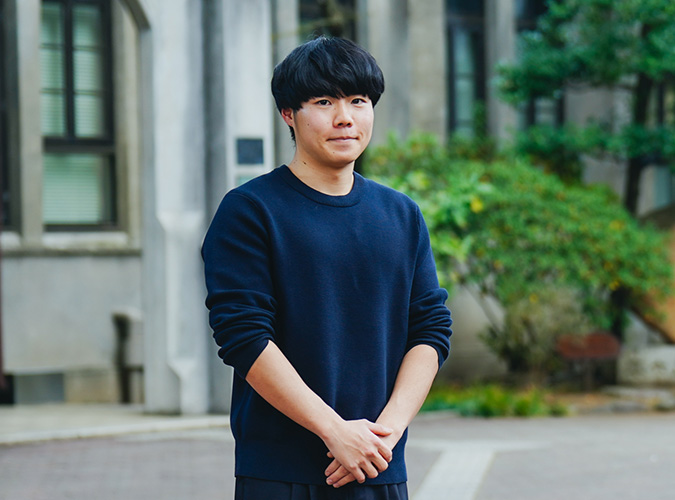
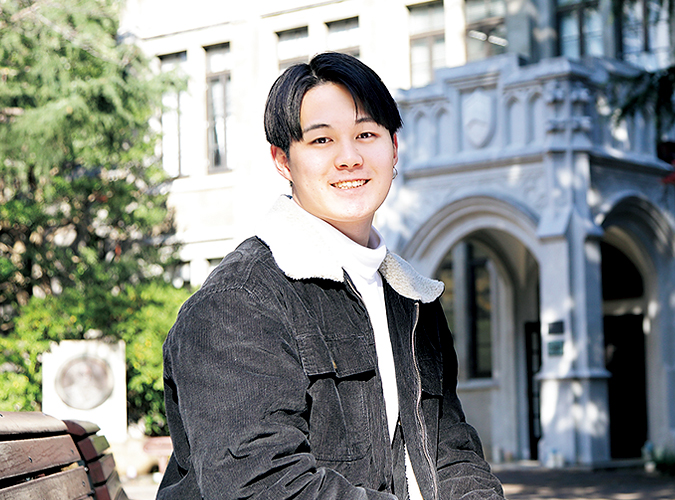
Ikuya Takagi
[General Manager the Journalism Guidance Office]
1st year student, Department School of International Politics, Economics and Communication Department of International Politics Economics (2020)
Graduated from Seitoku Gakuen High School, a private school in Tokyo
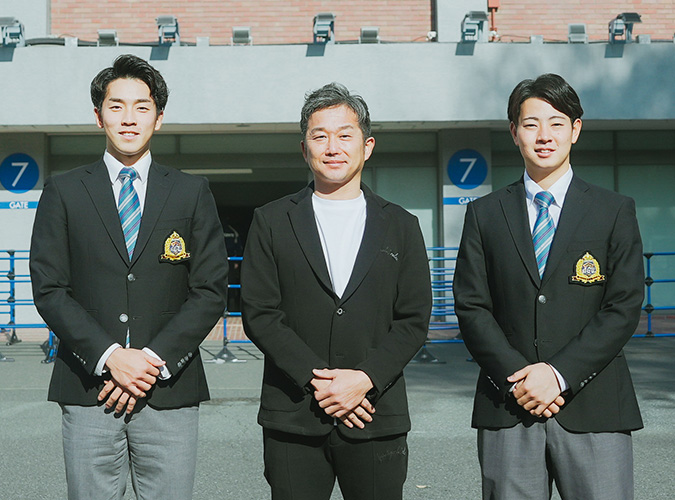
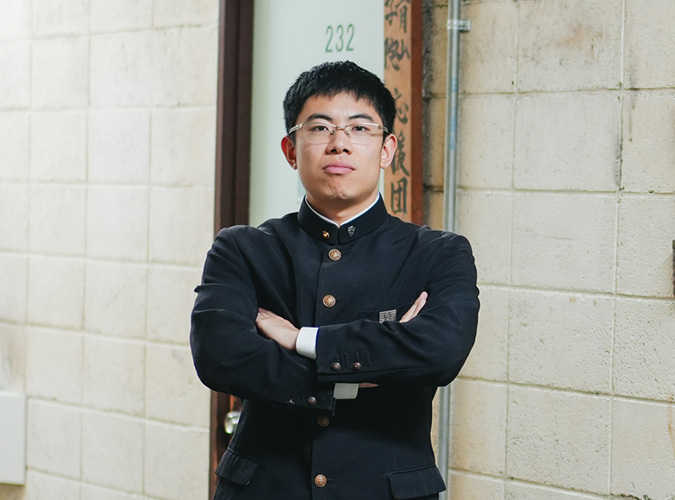
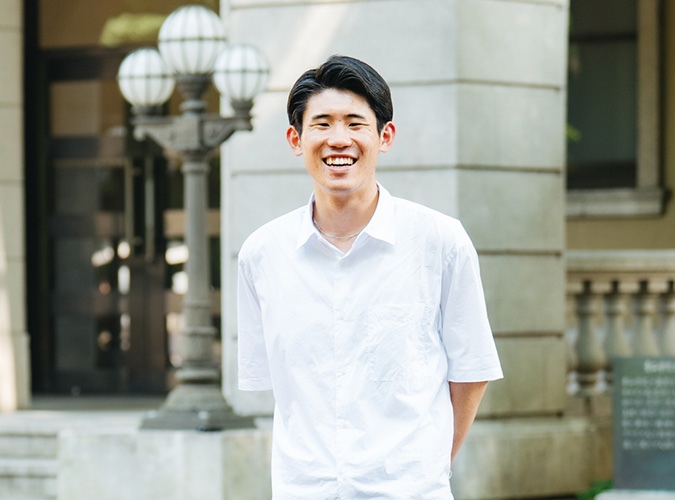
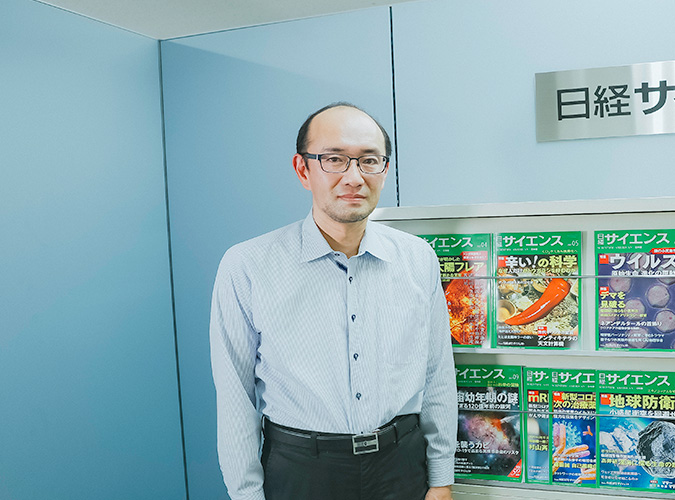
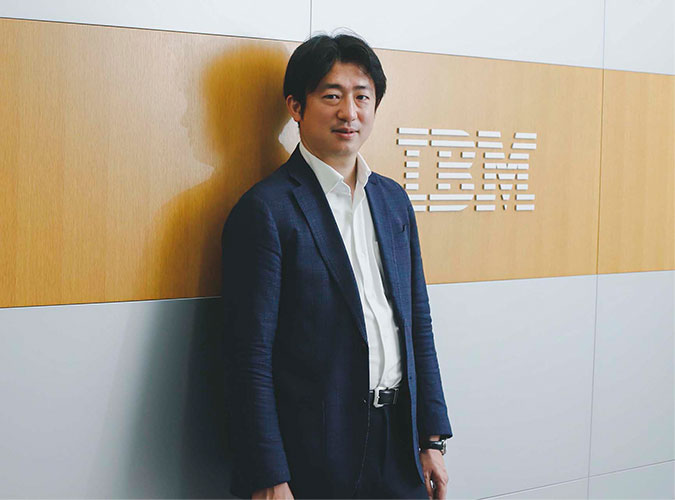
When I was in junior high school, I produced a documentary program with the theme of "70 years since the end of the war" in the broadcasting club. While interviewing people who experienced the war, I felt a strong sense of accomplishment in conveying people's thoughts, and decided to become a journalist. Currently, as General Manager of the journalism instruction room, I think about "journalism" every day while training "current affairs ability," "communication ability," "industry ability," and "human ability." The advice I received from an experienced instructor who was an editorial writer and editor at a newspaper company gave me the opportunity to rethink my writing style. In the future, I would like to be an active journalist who conveys people's thoughts for peace to everyone.

*The years of employment, Position, activities, etc. of the individuals appearing are from the time of the interview.
*The links to each subject's "Course Content Details" are for the year they are published (2021).
School of International Politics, Economics and Communication
Aoyama Gakuin University 's School of International Politics, Economics and Communication was founded as a pioneering international school with the aim of contributing to the international community. With three departments and five courses, we practice learning that emphasizes expertise, internationality, and on-site experience. We deepen our understanding of global issues and develop the skills to debate and discuss based on evidence. Through our unique interdisciplinary education that allows students to learn beyond their field of study, Seminar Bridge that allows students to choose courses beyond their departmental affiliation, and the Global Studies Program (GSP) that allows students to study specialized subjects in English, we foster the practical skills to collaborate with diverse people from around the world and create new value.