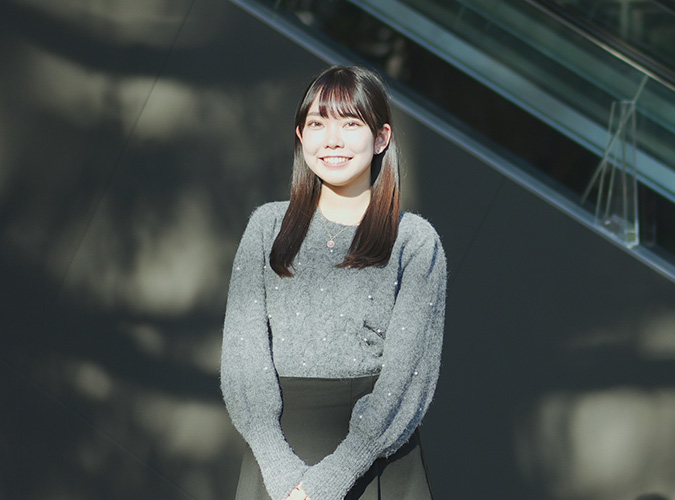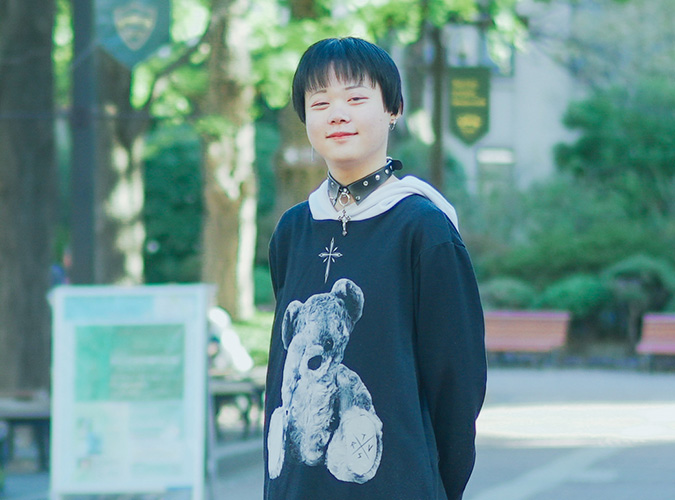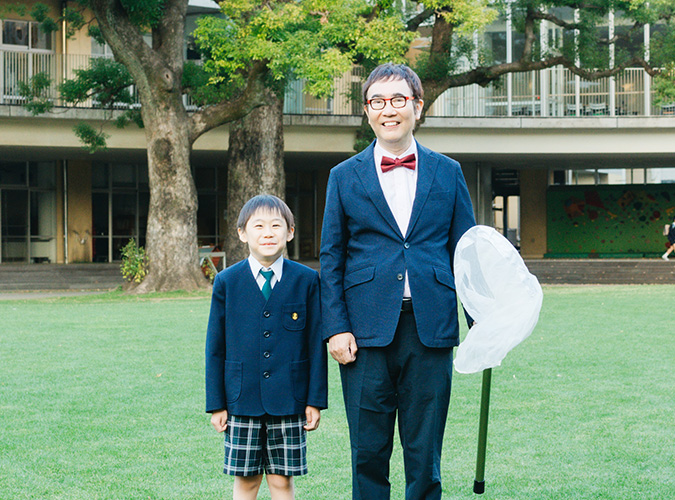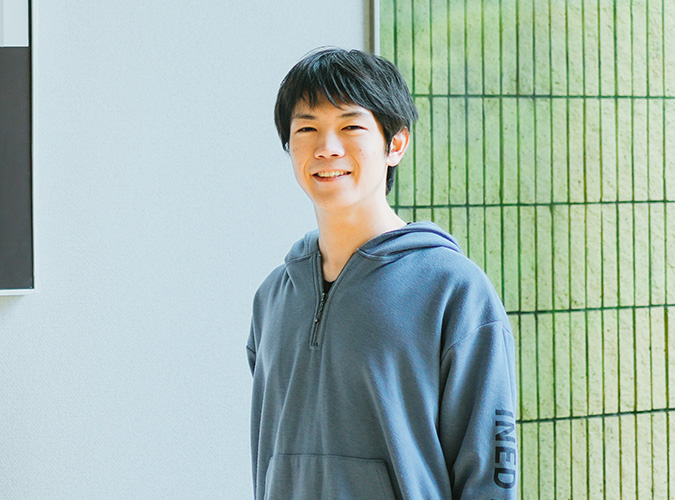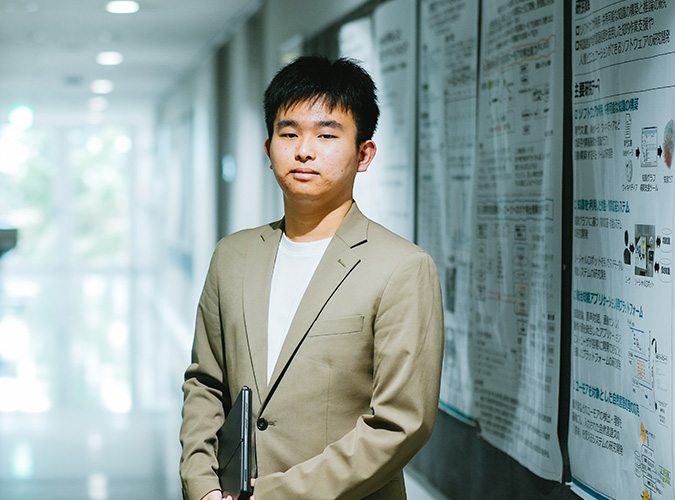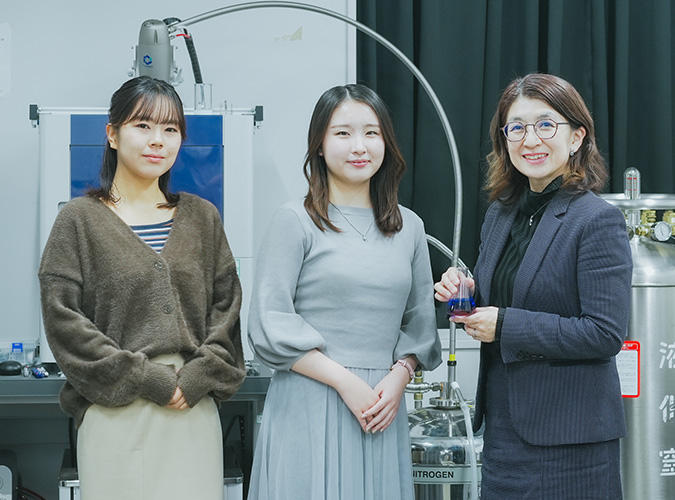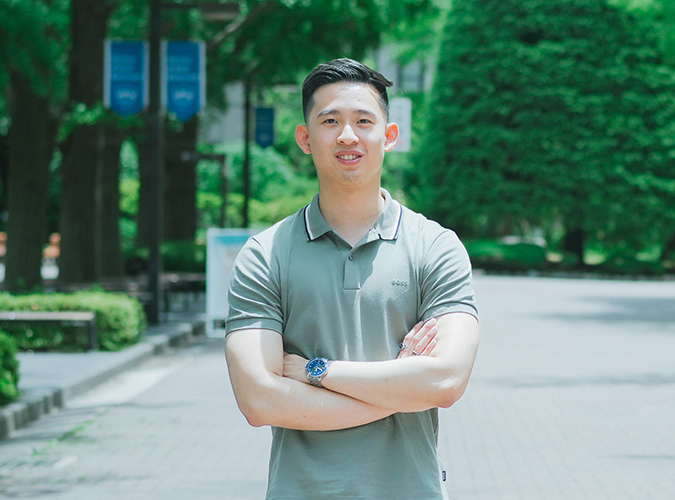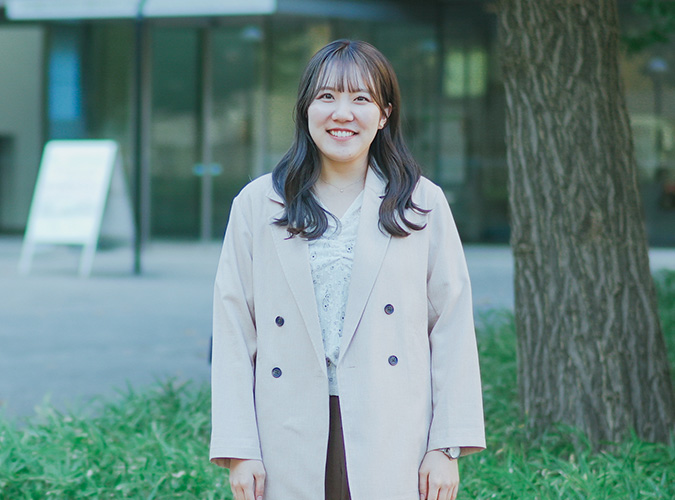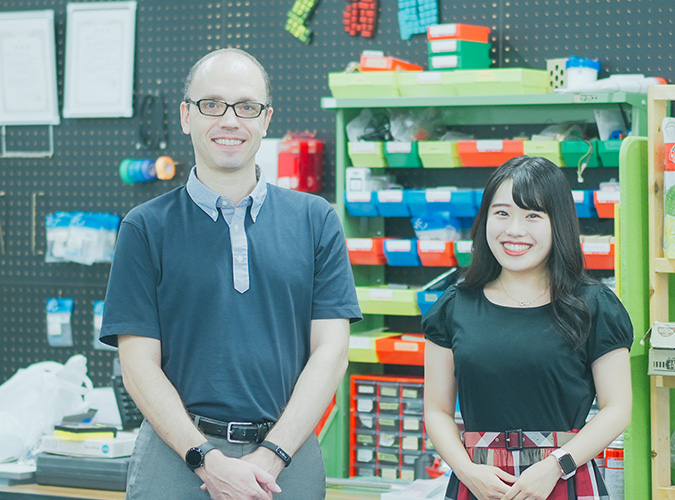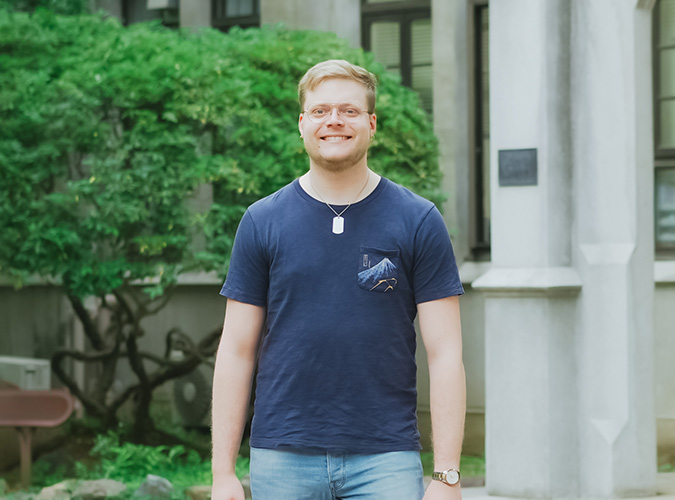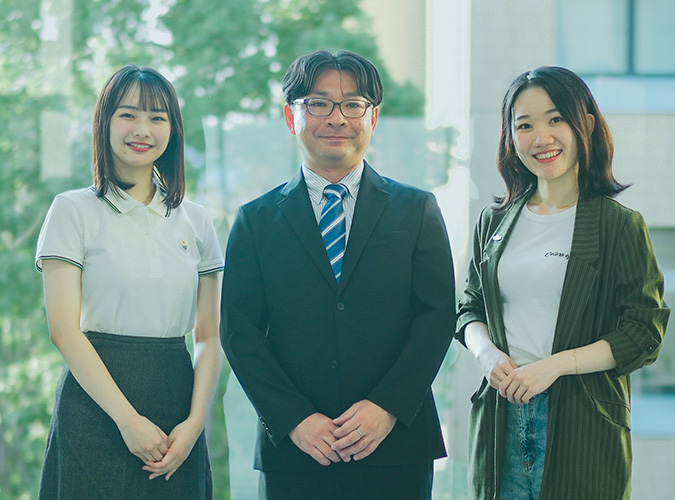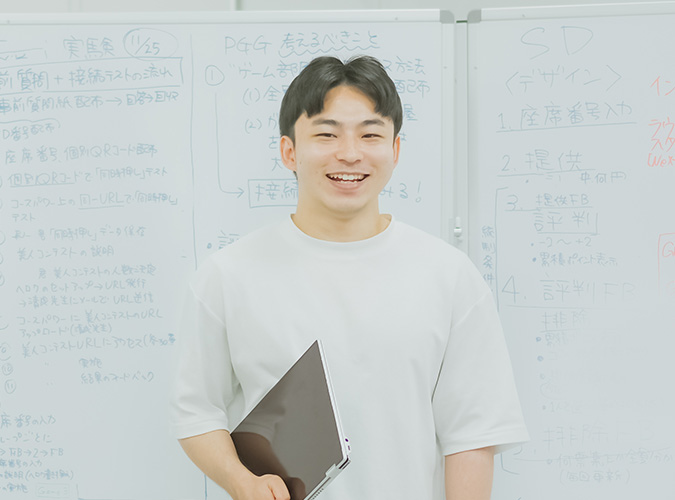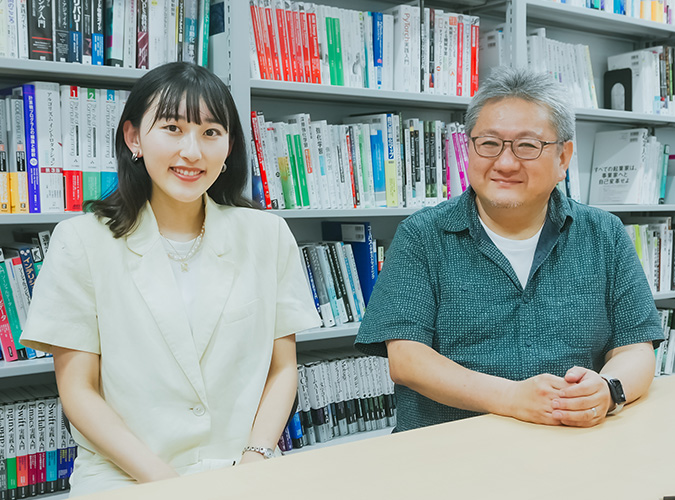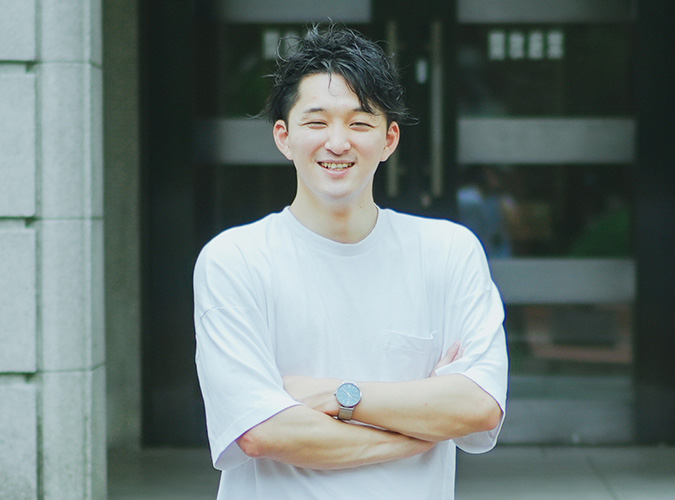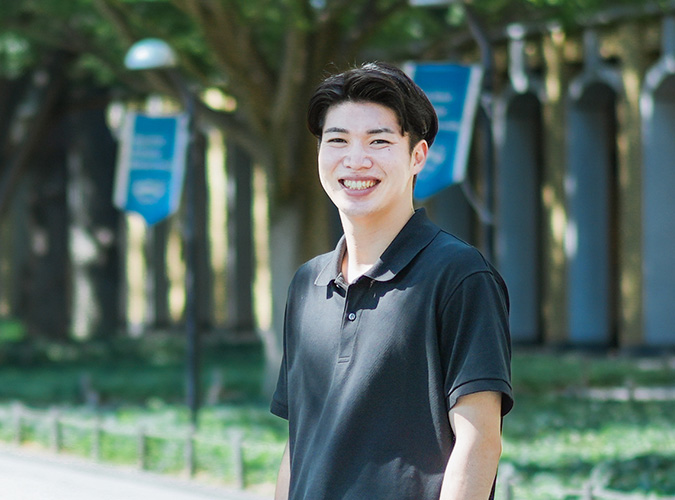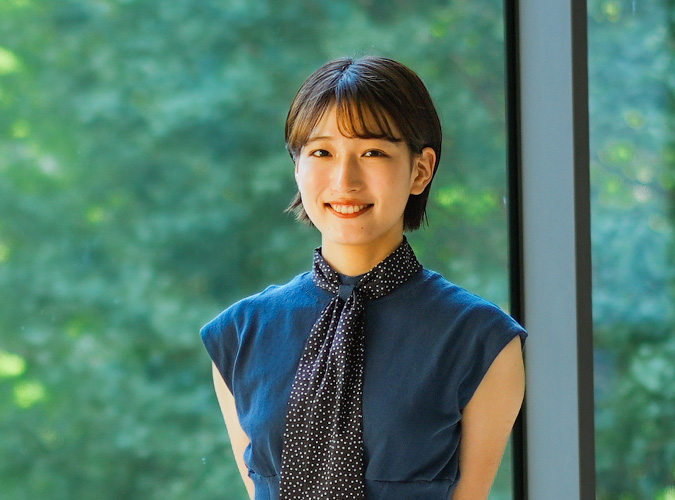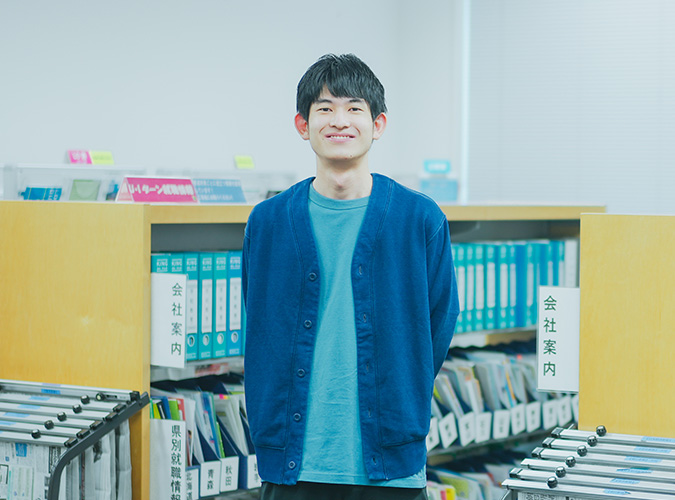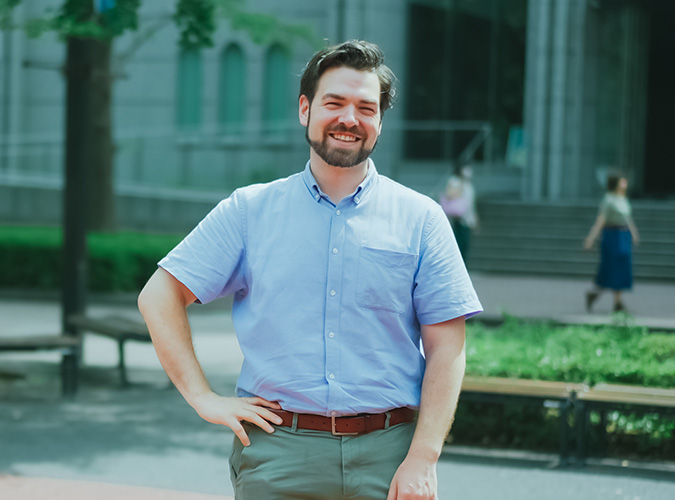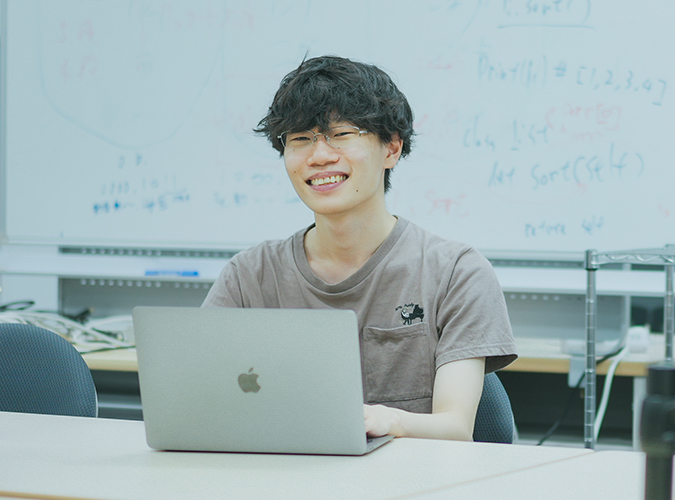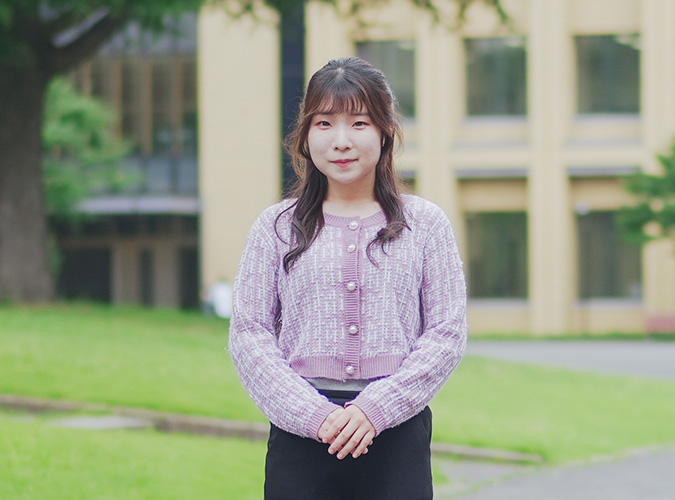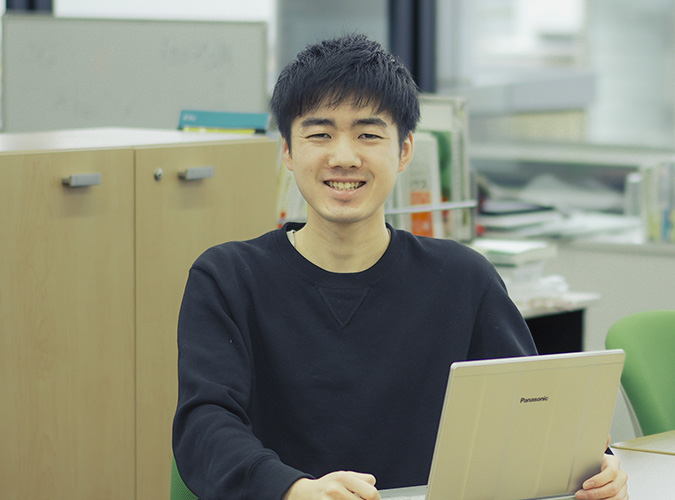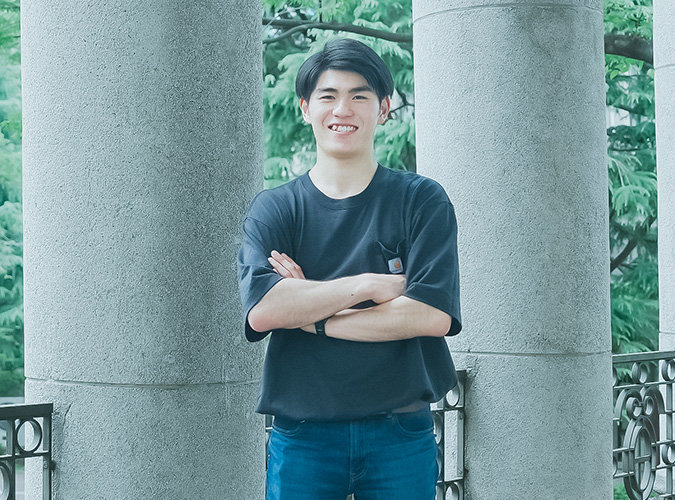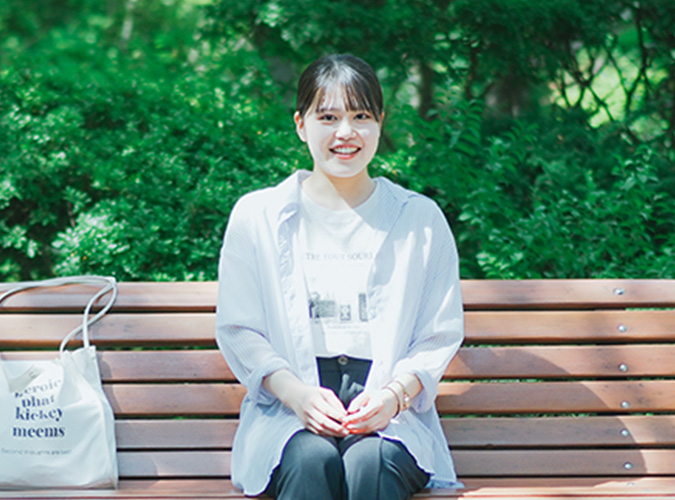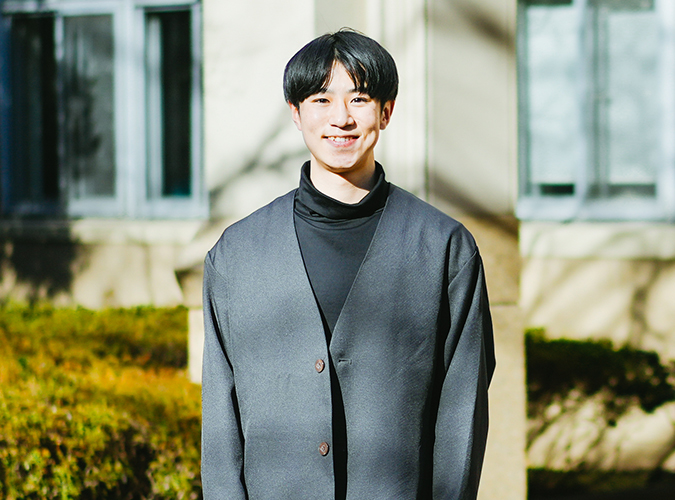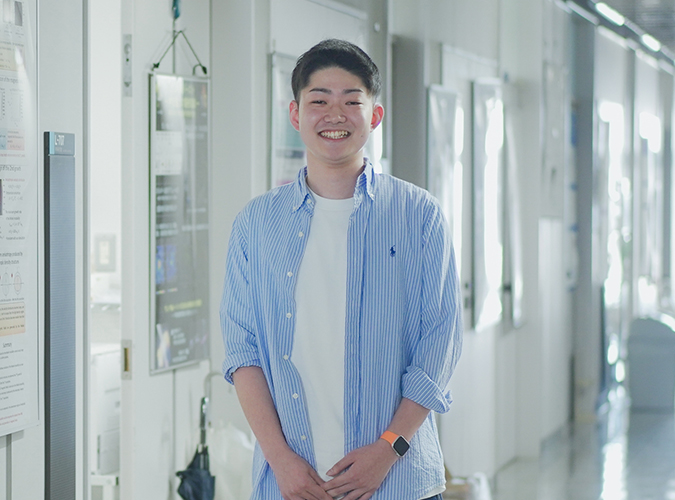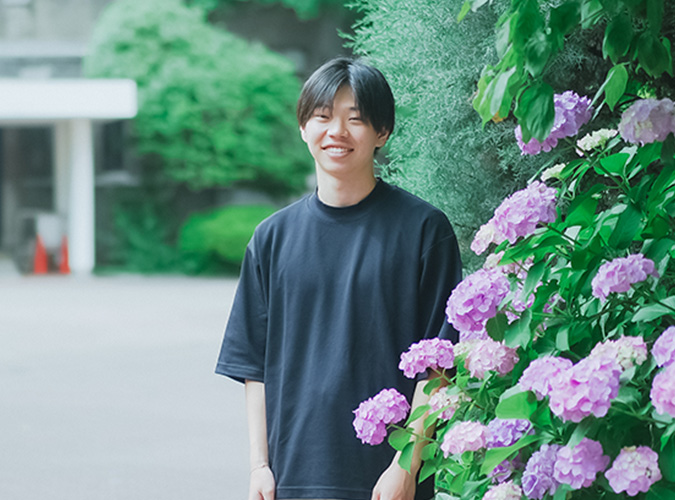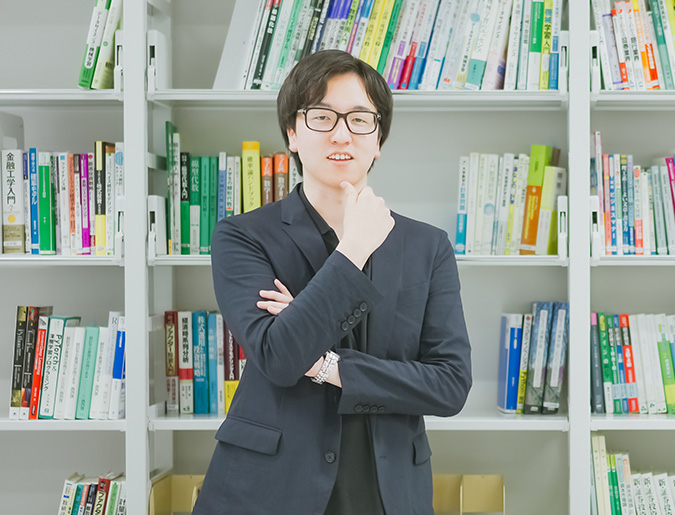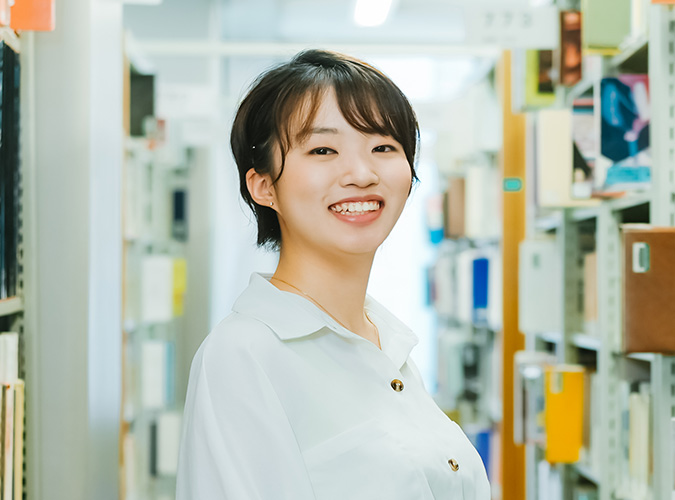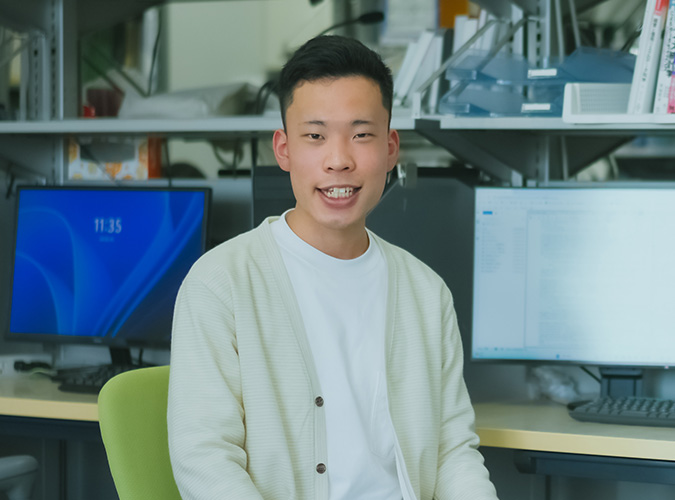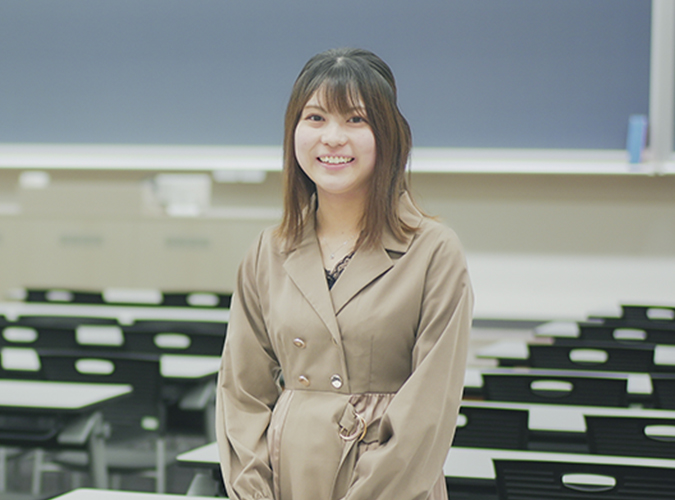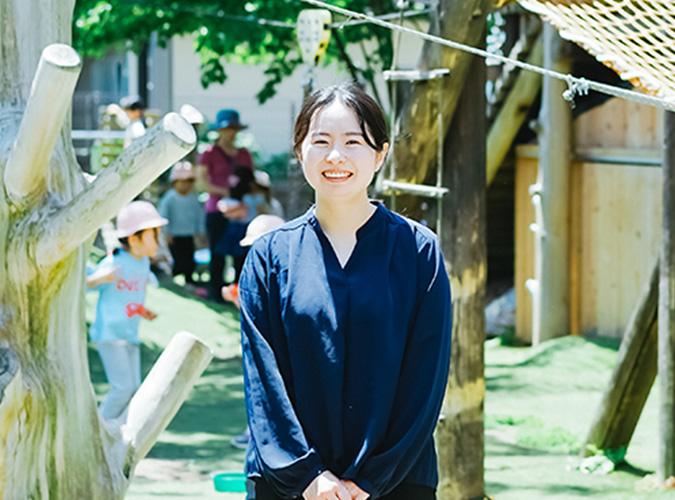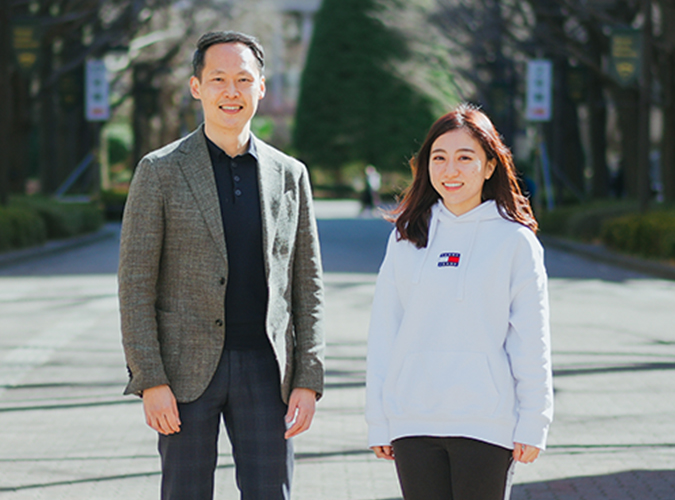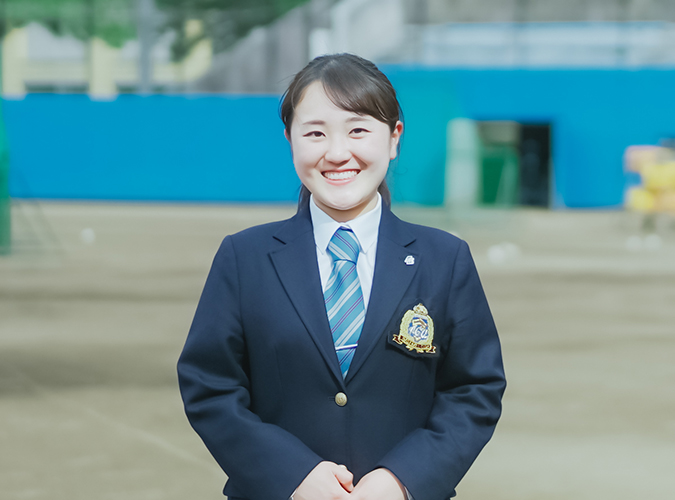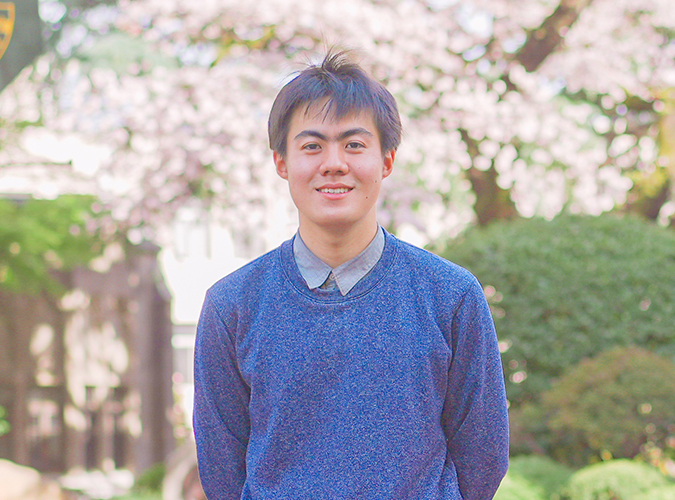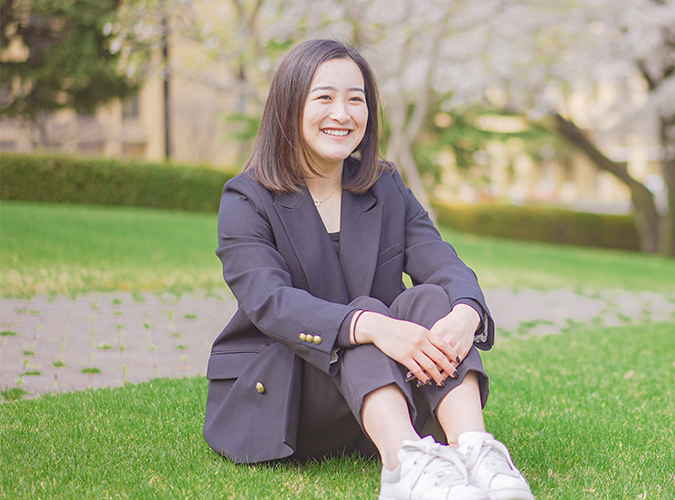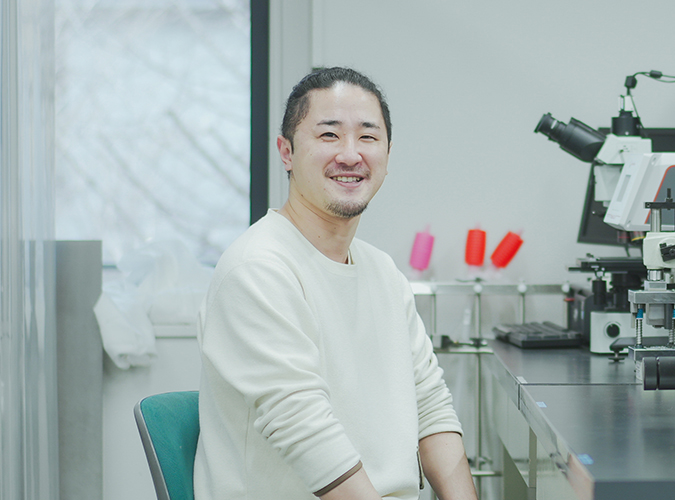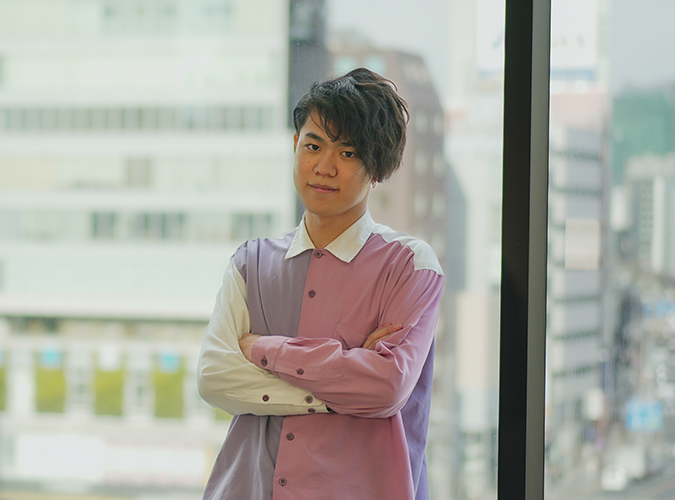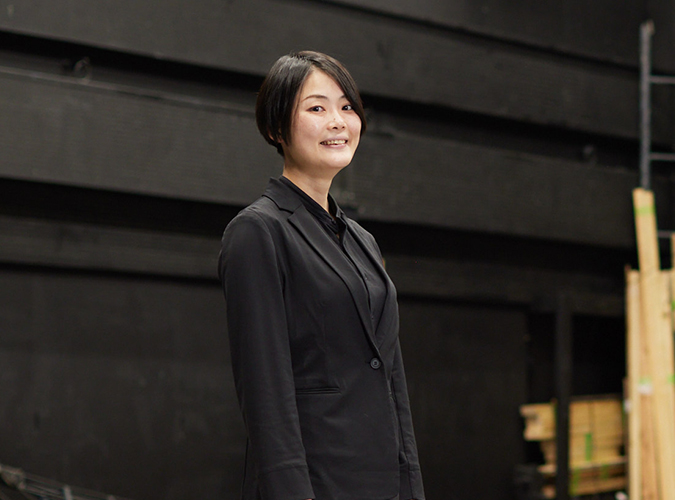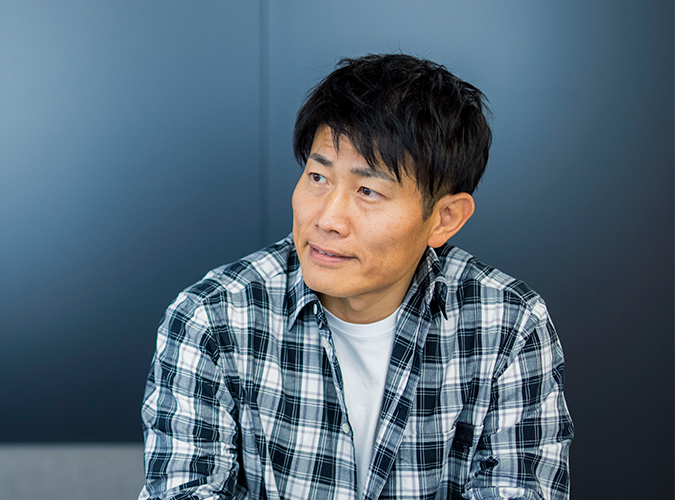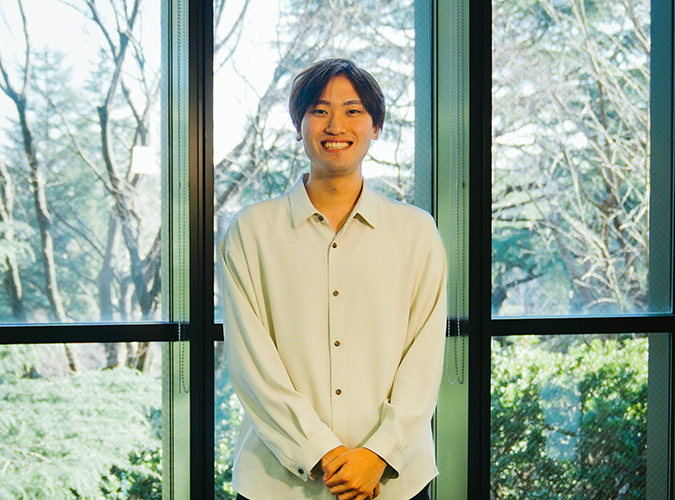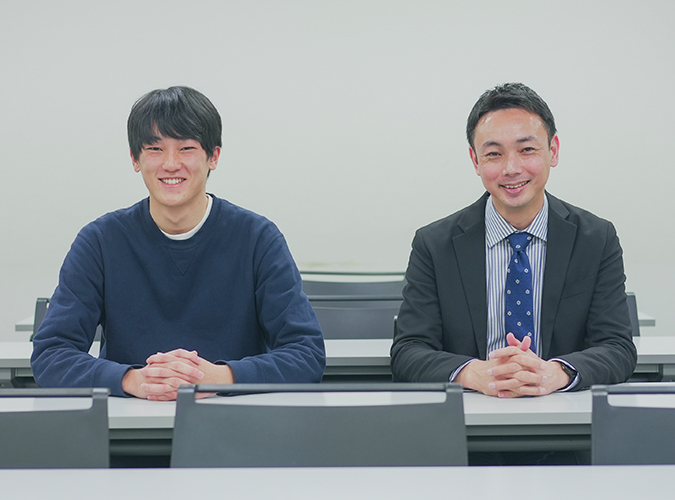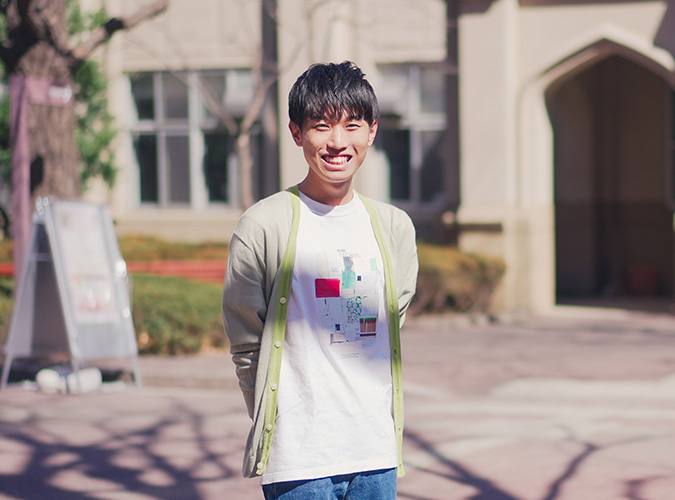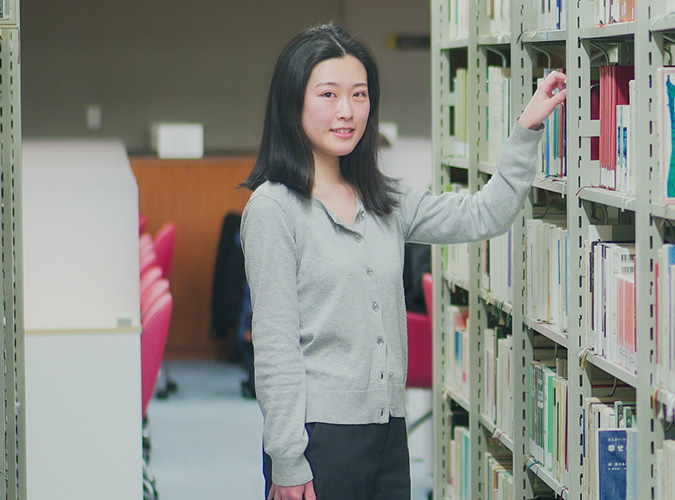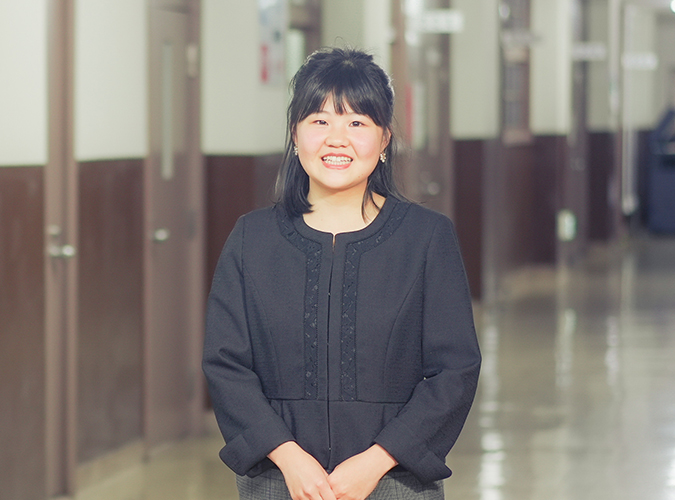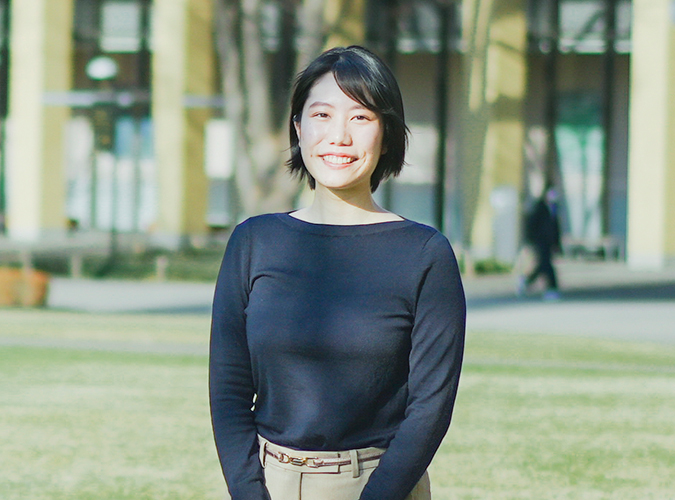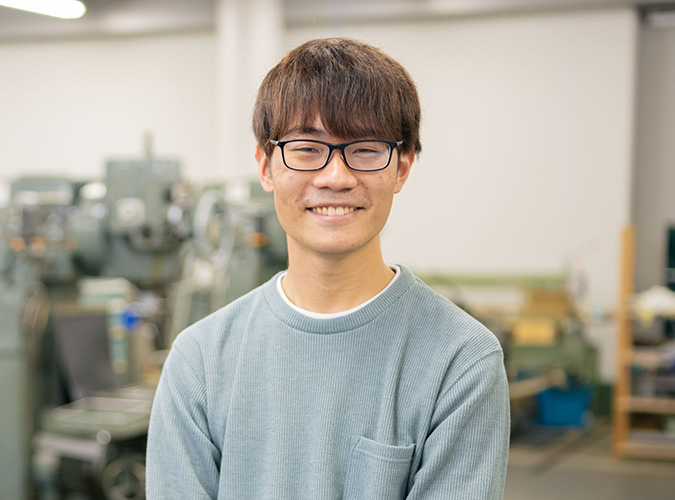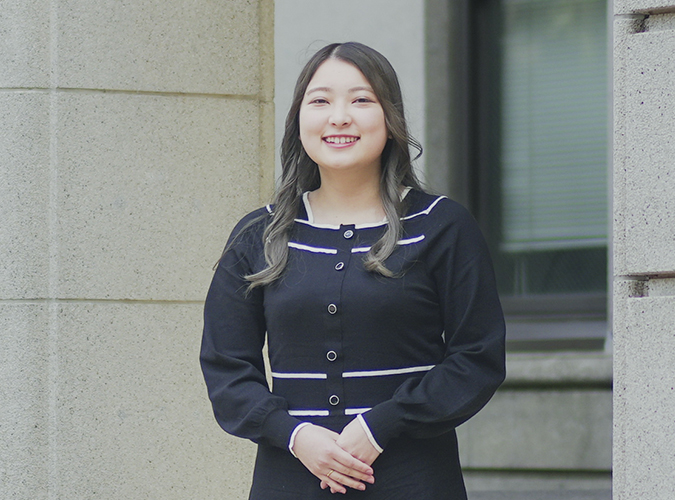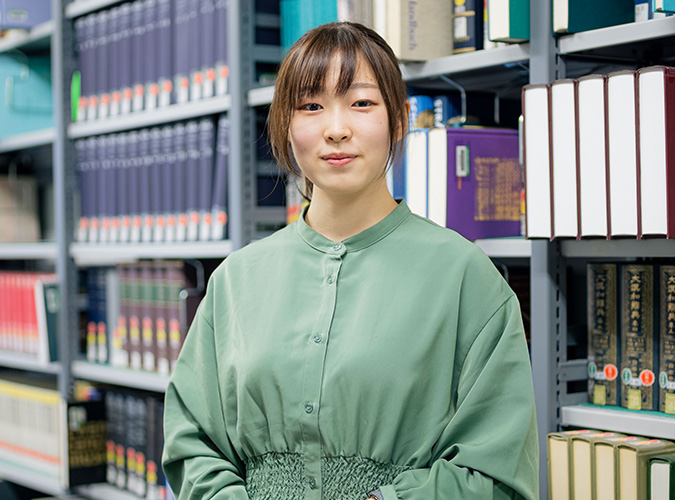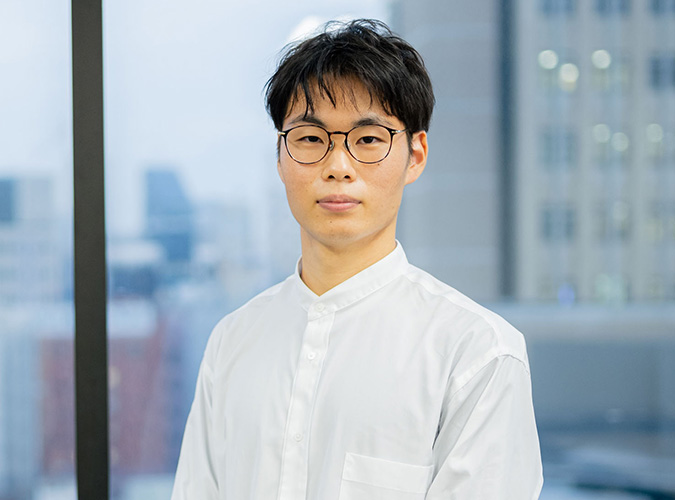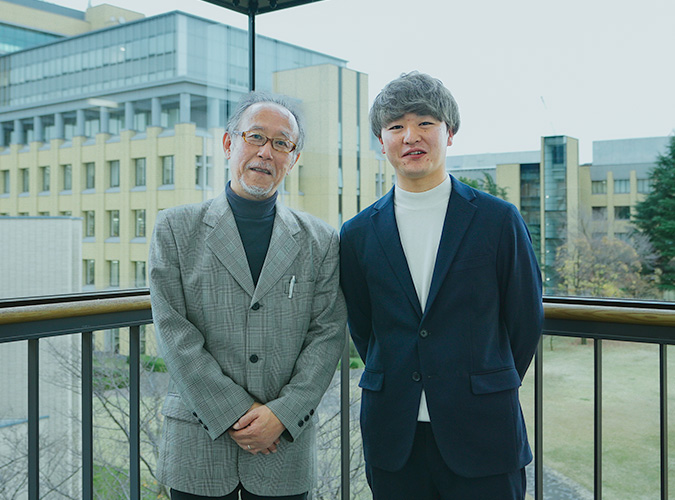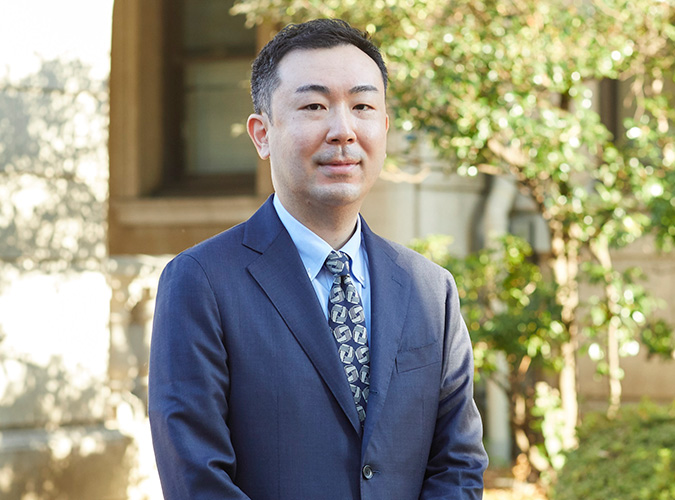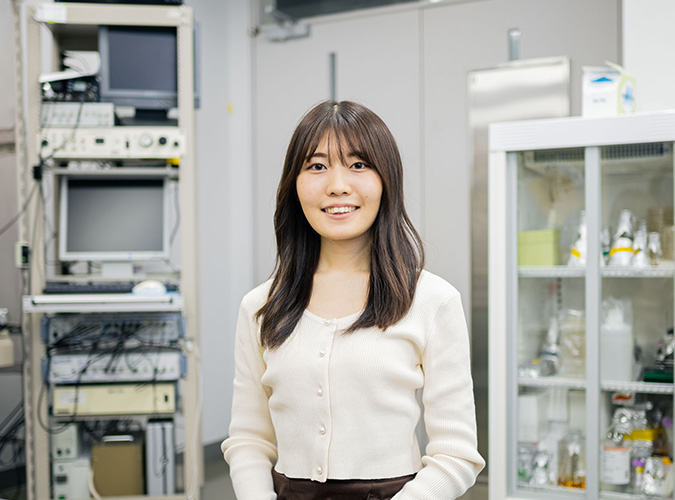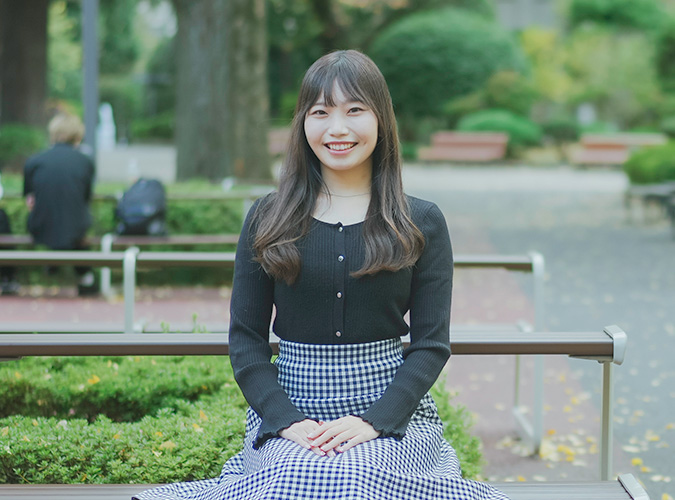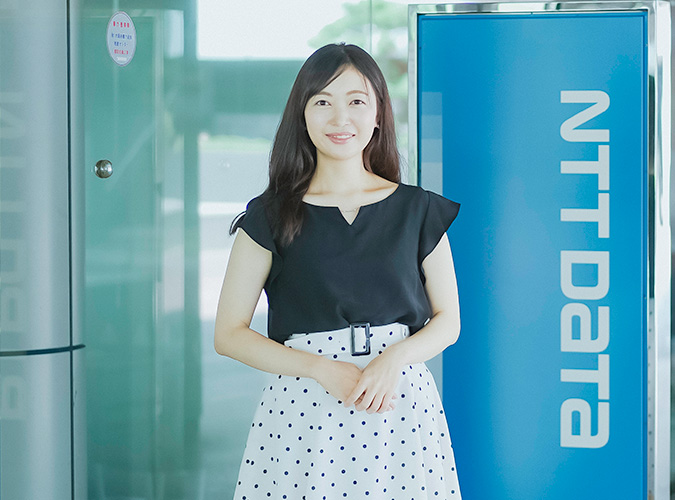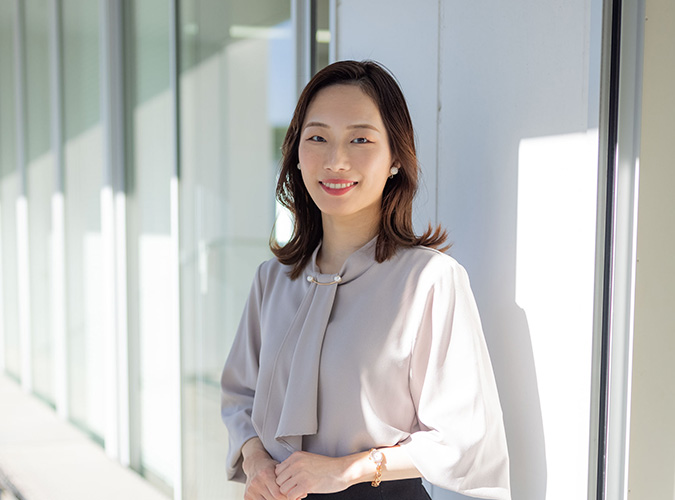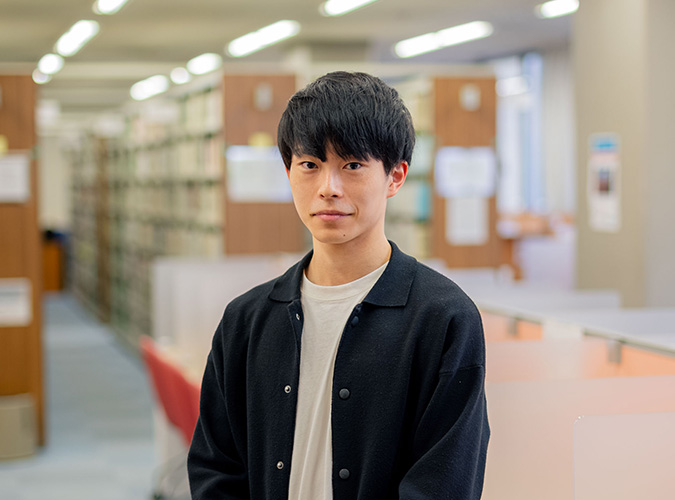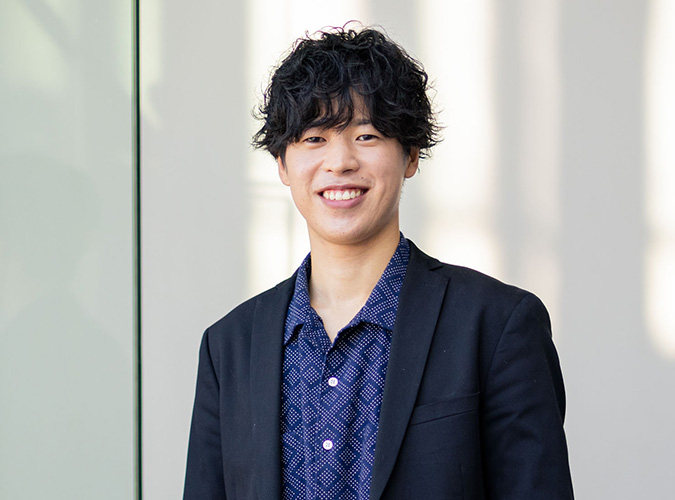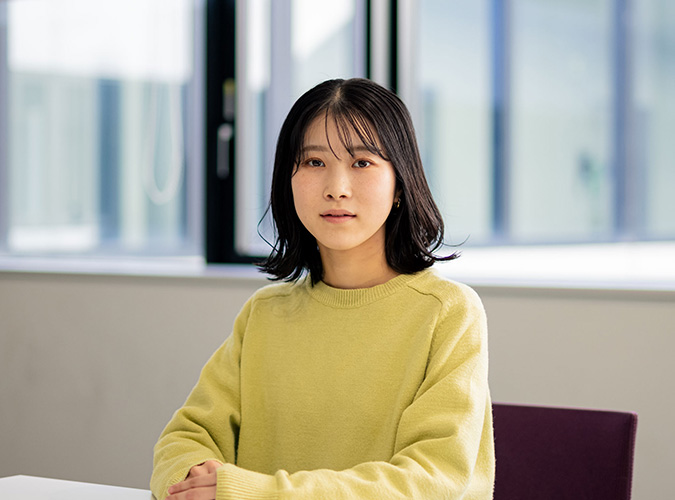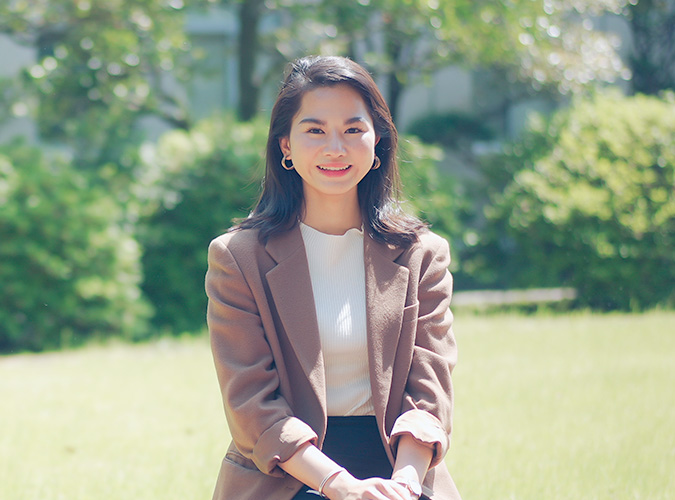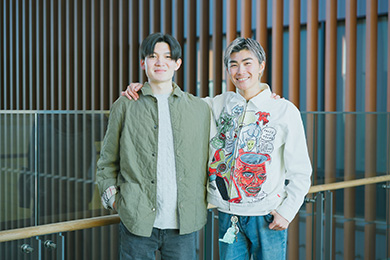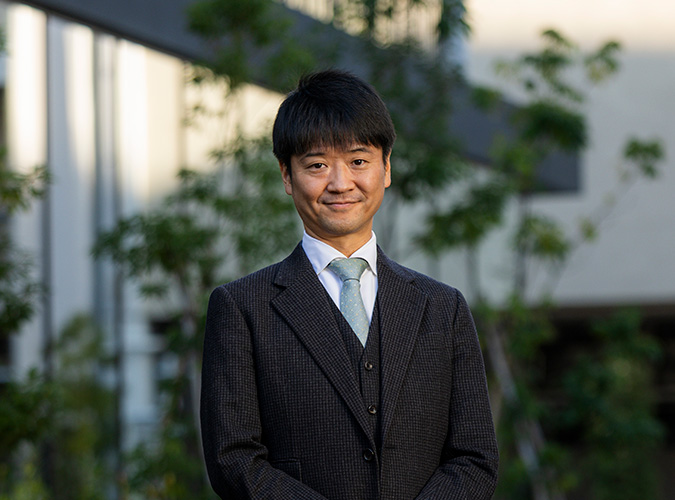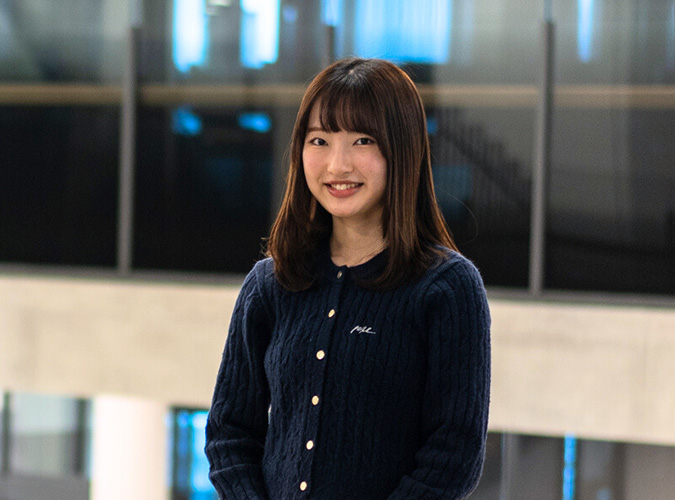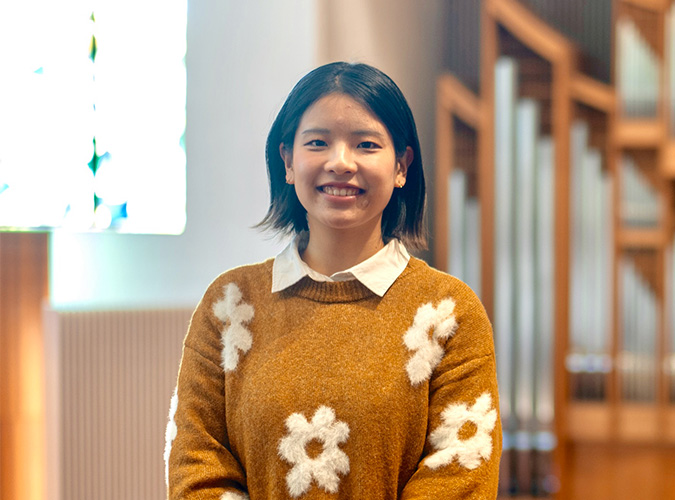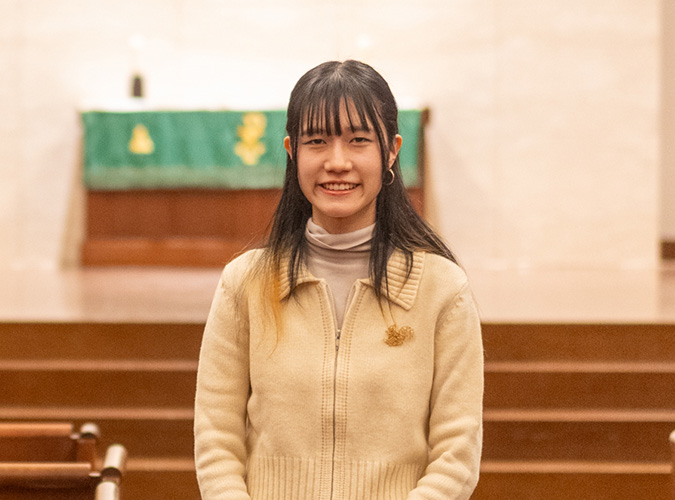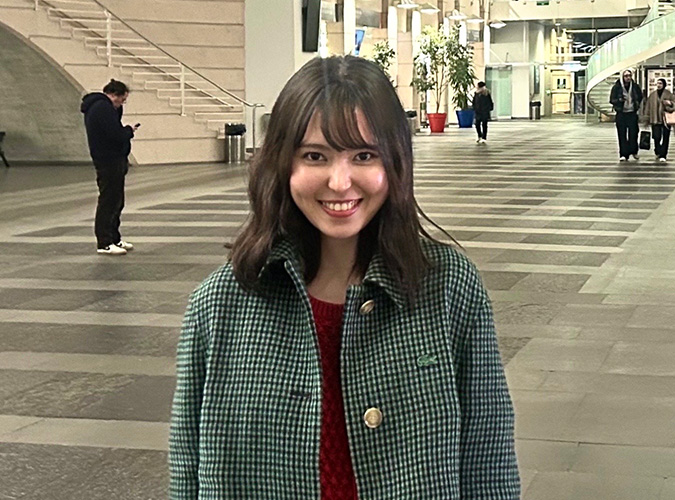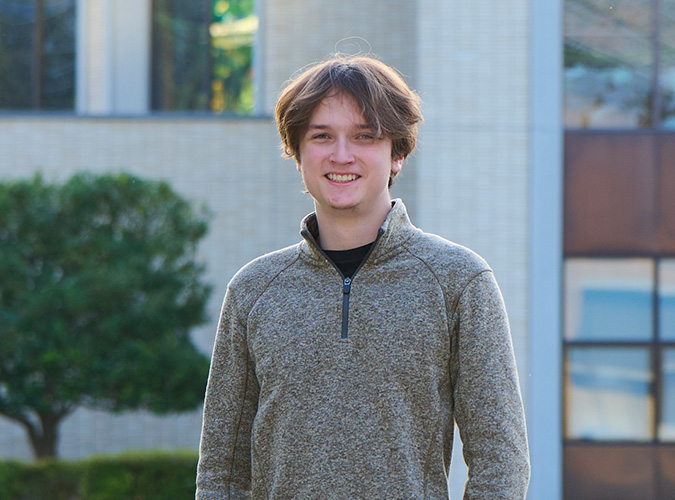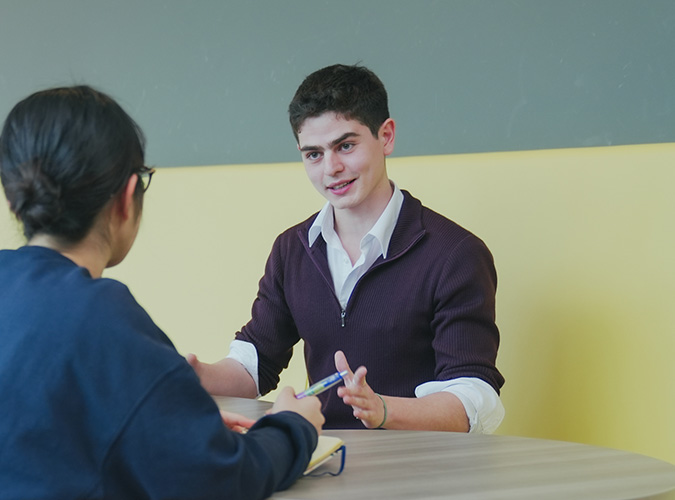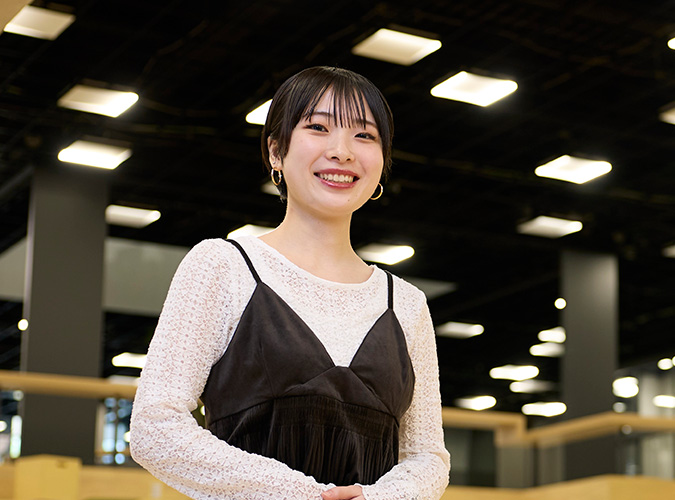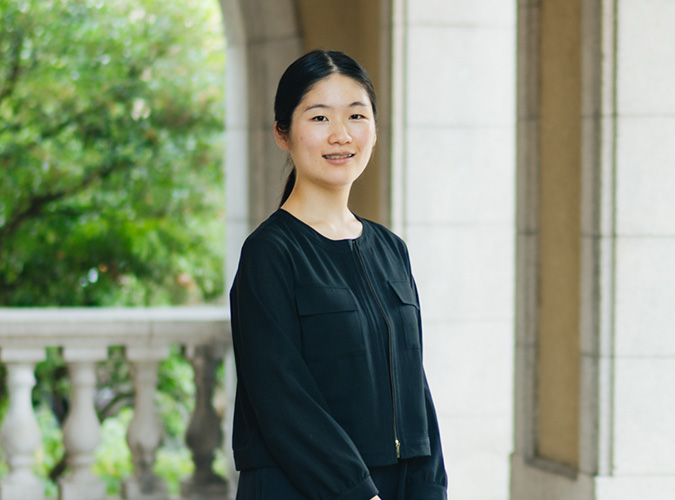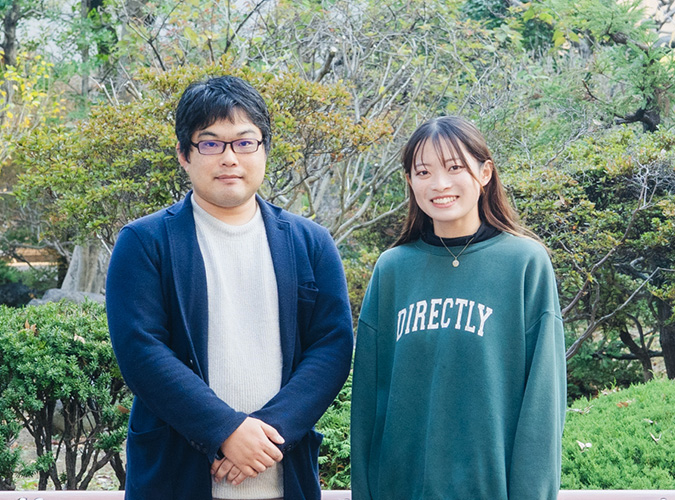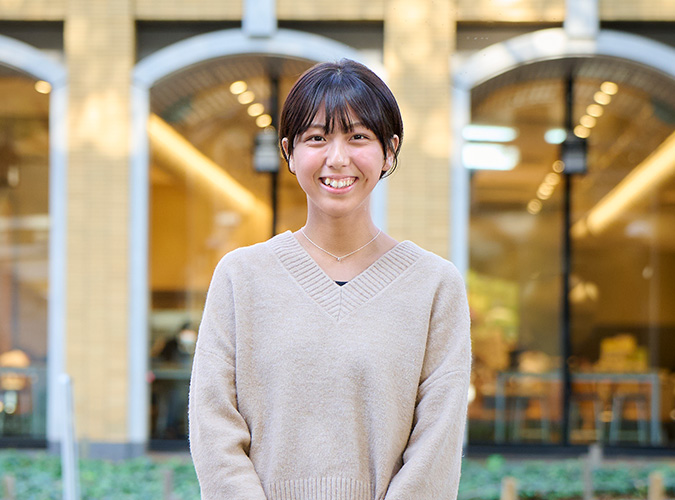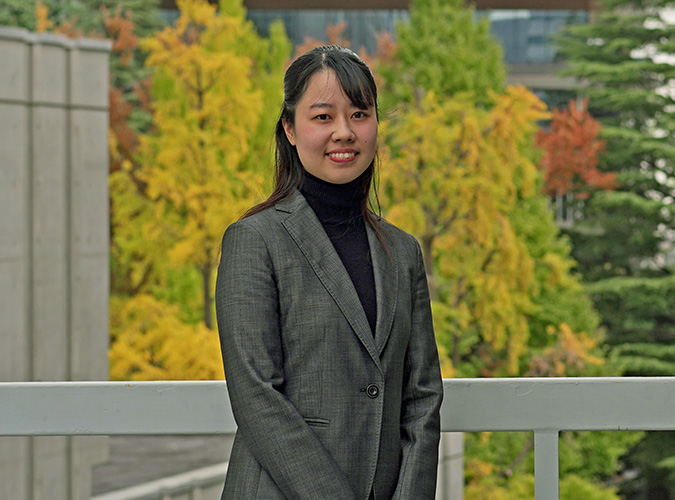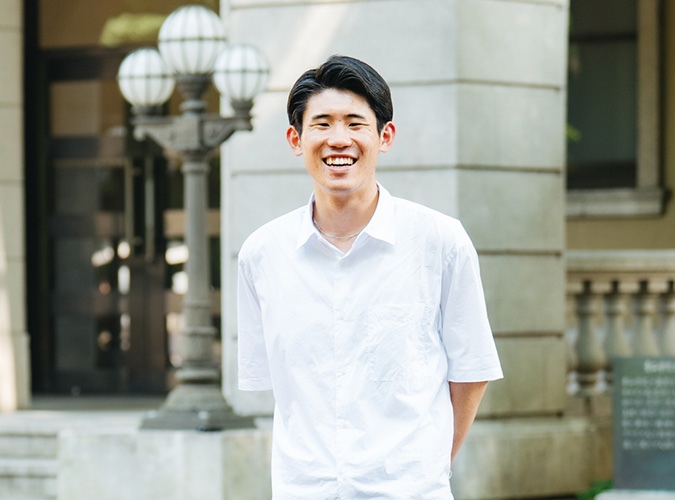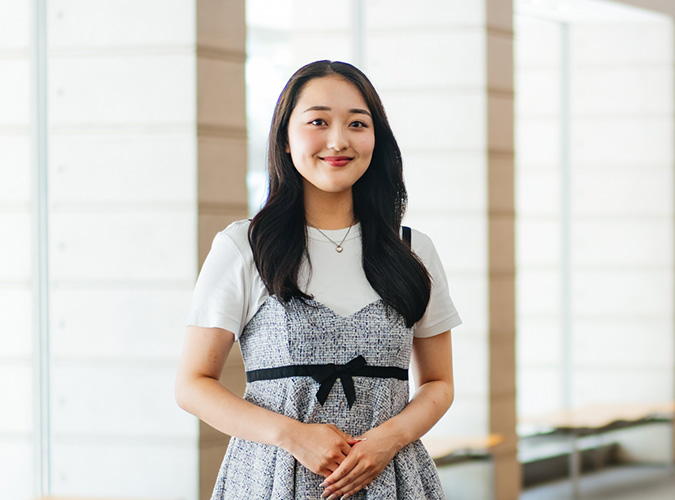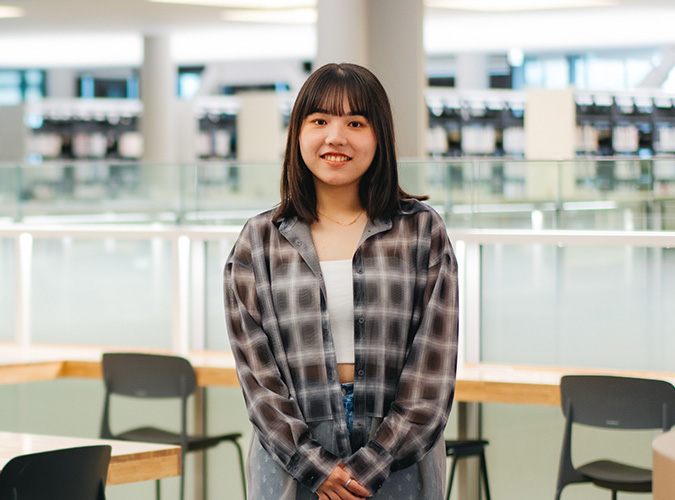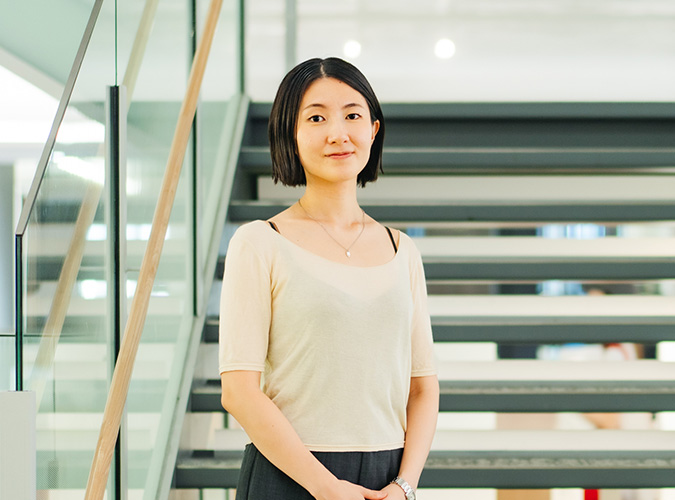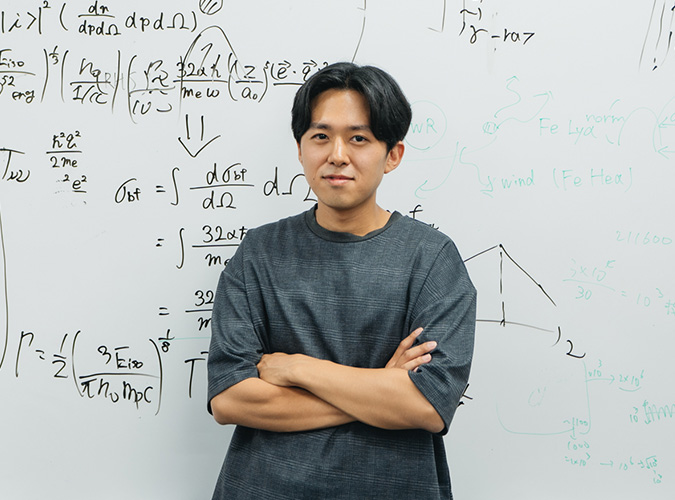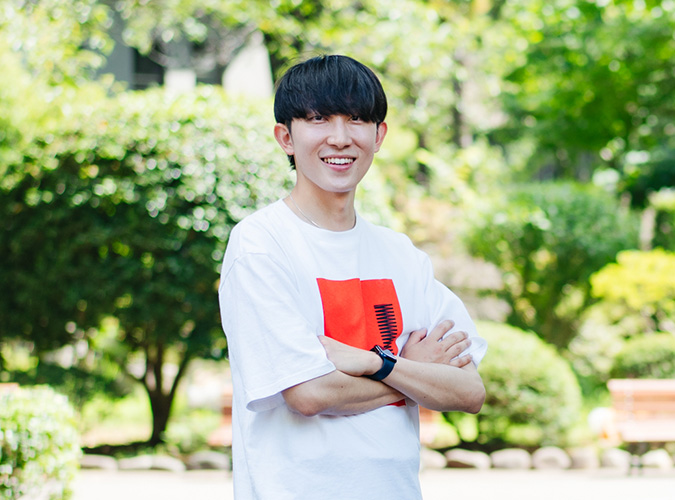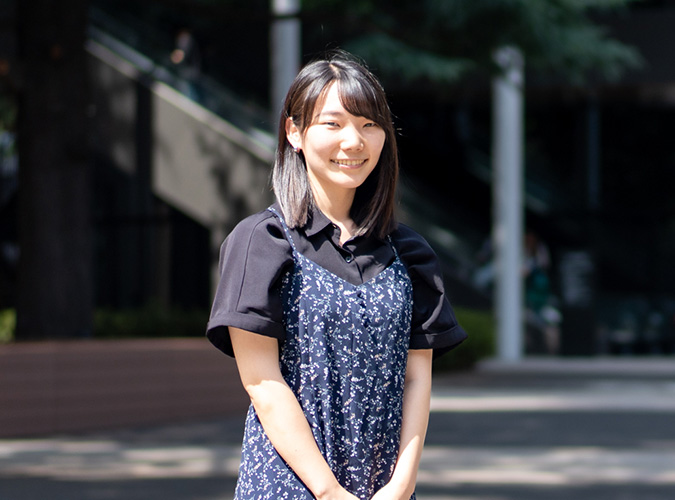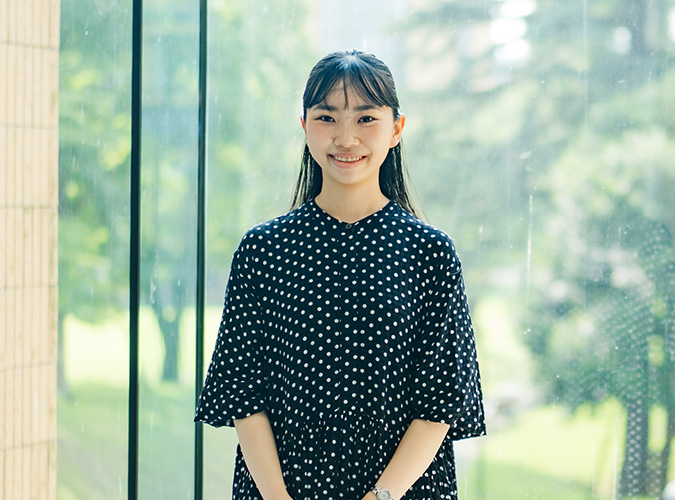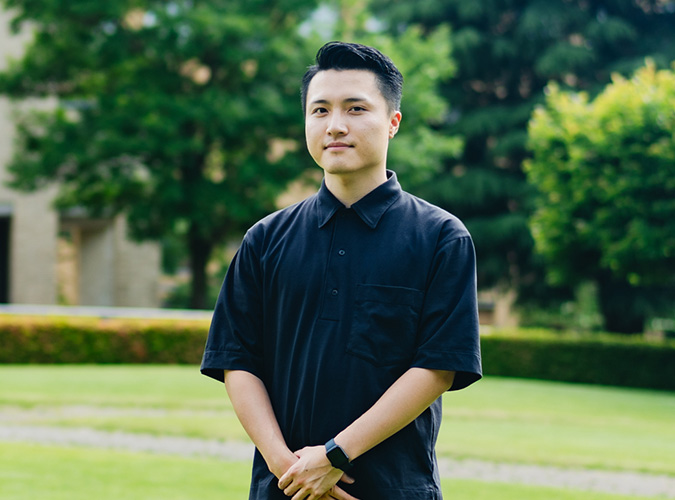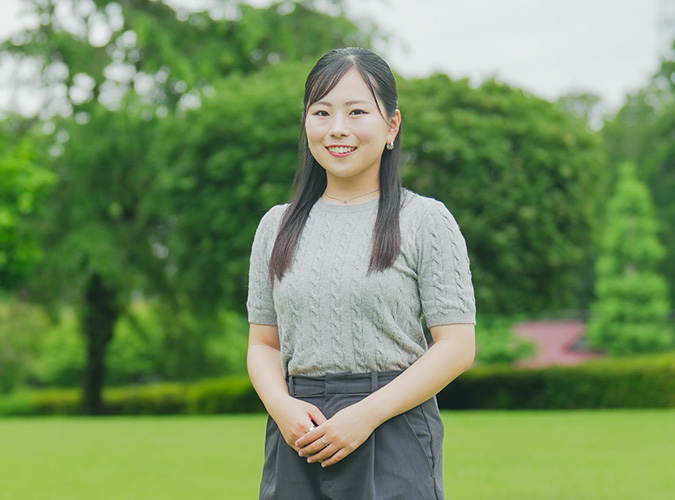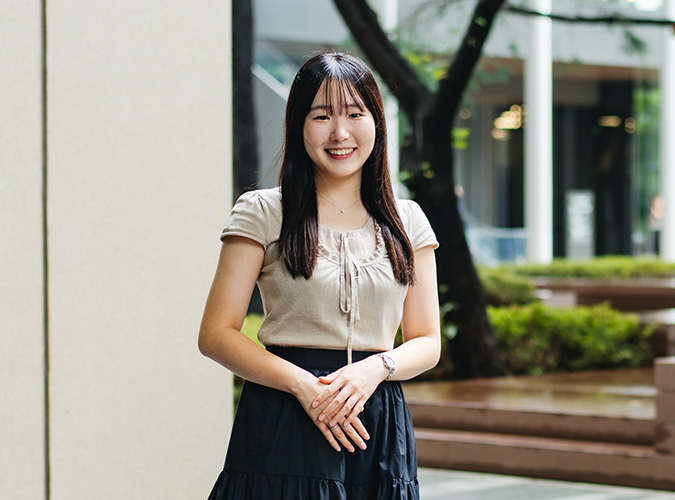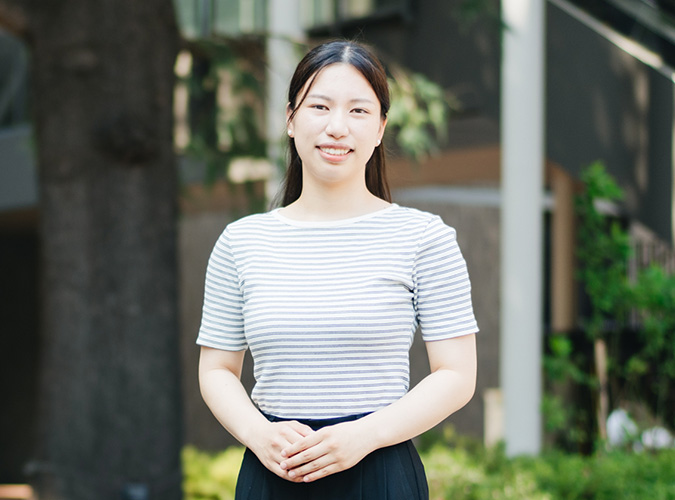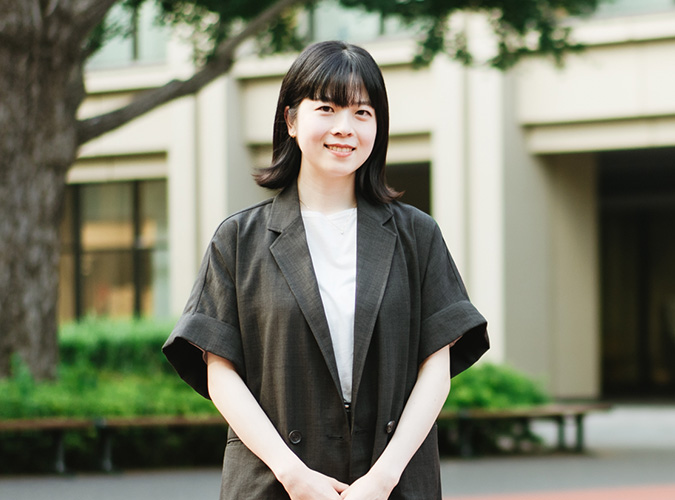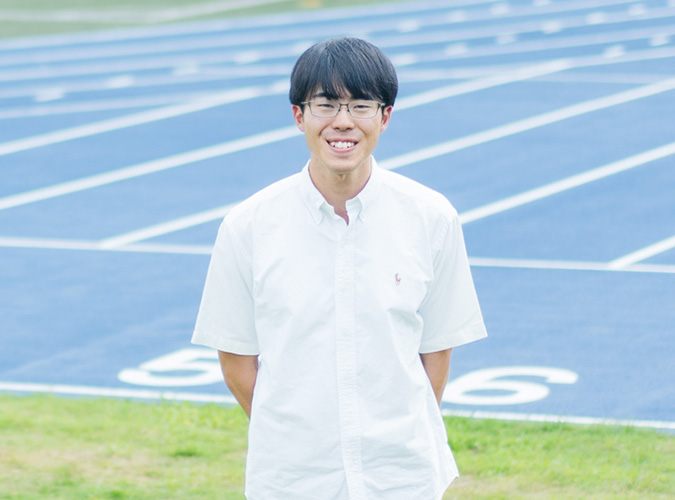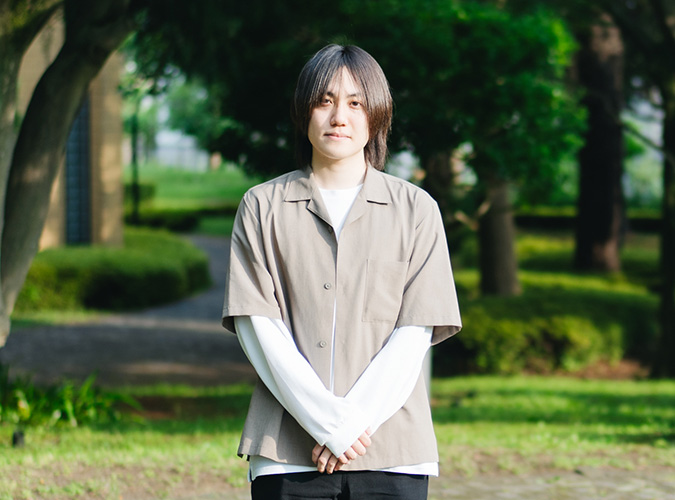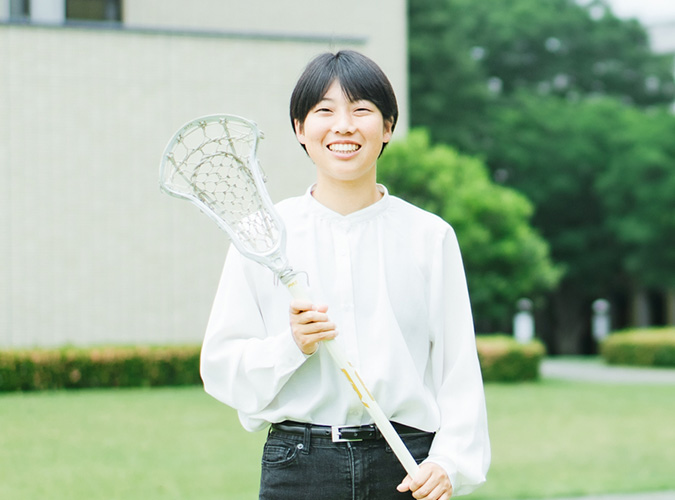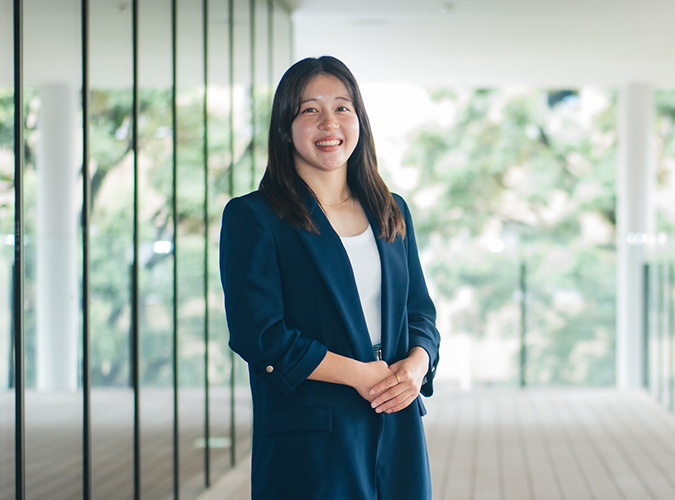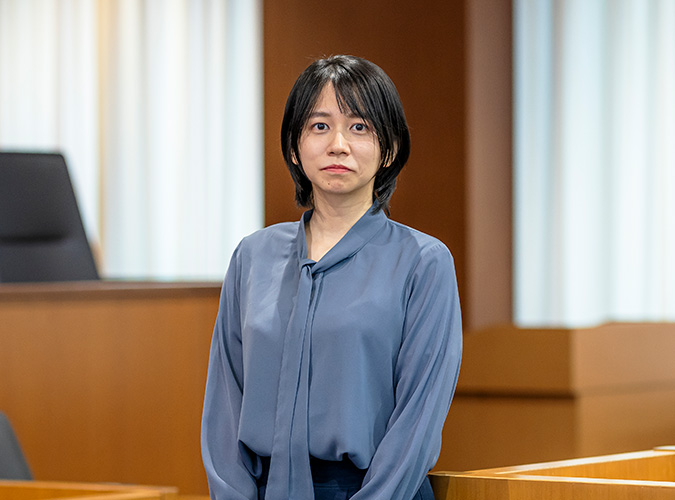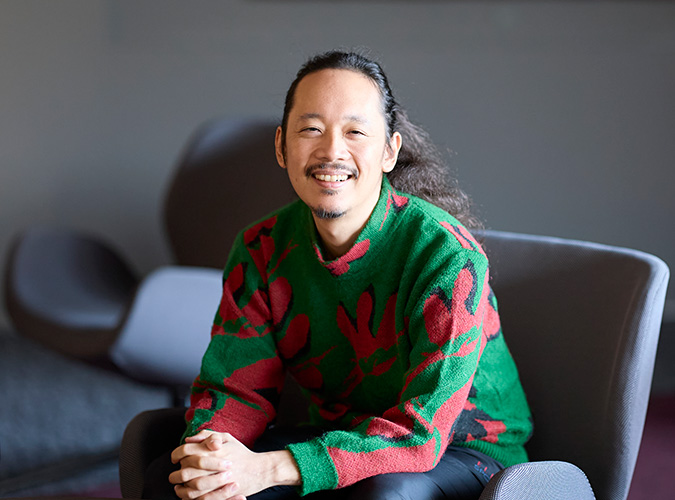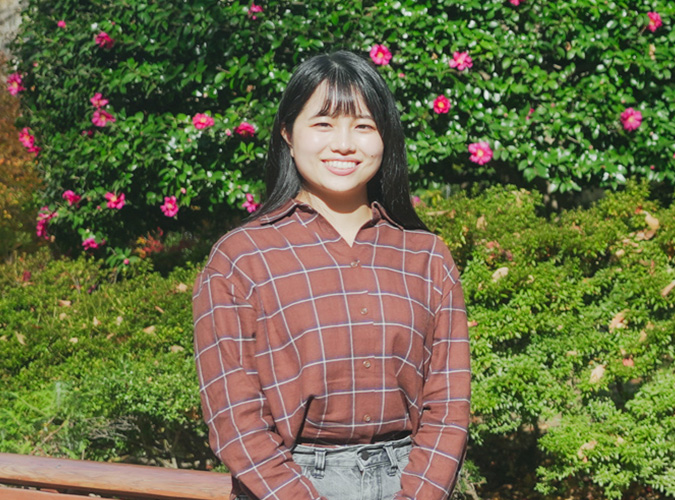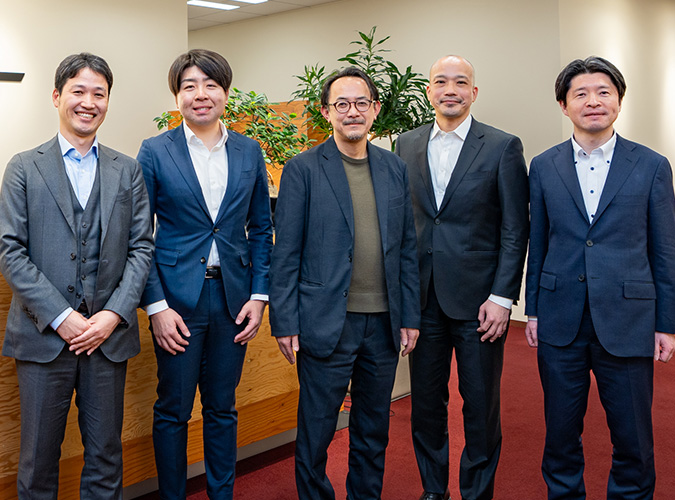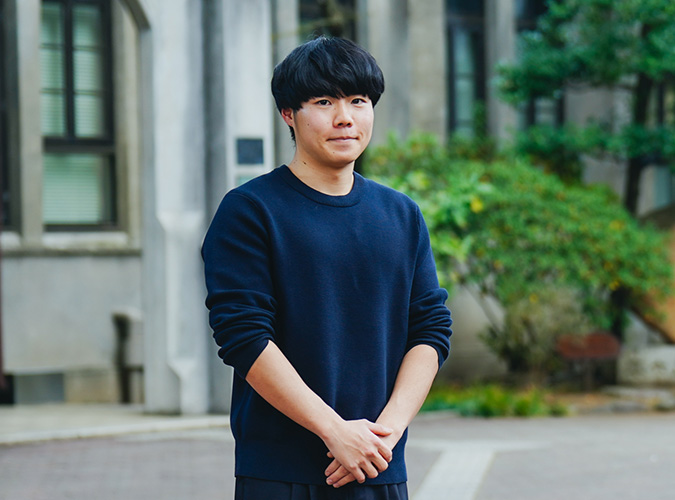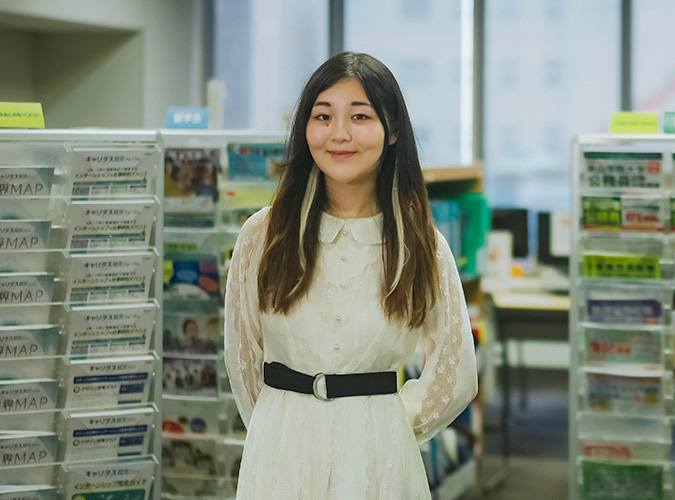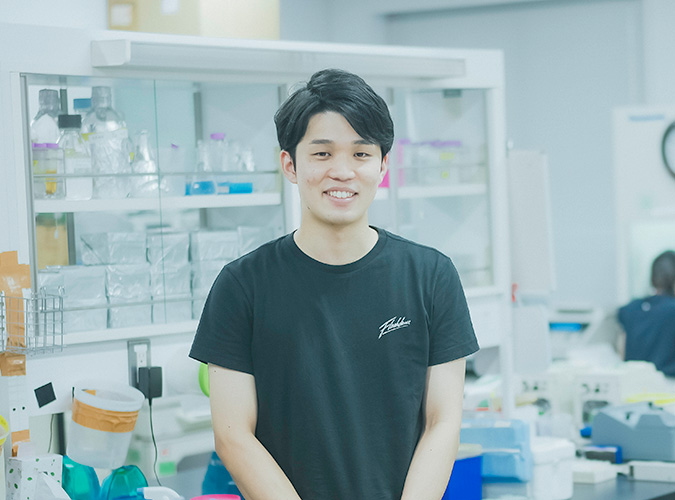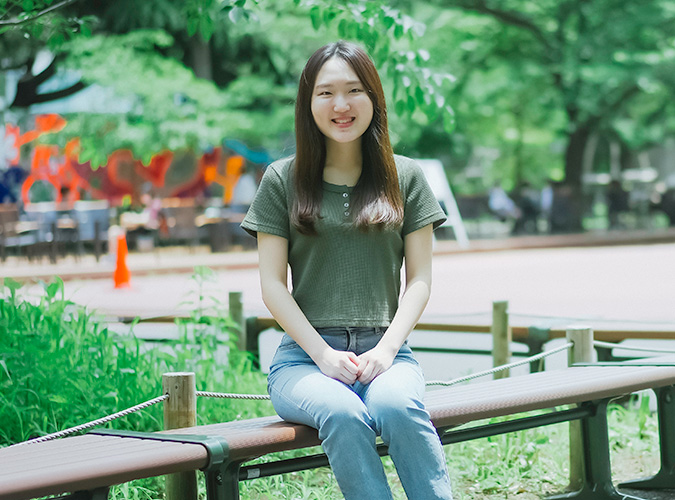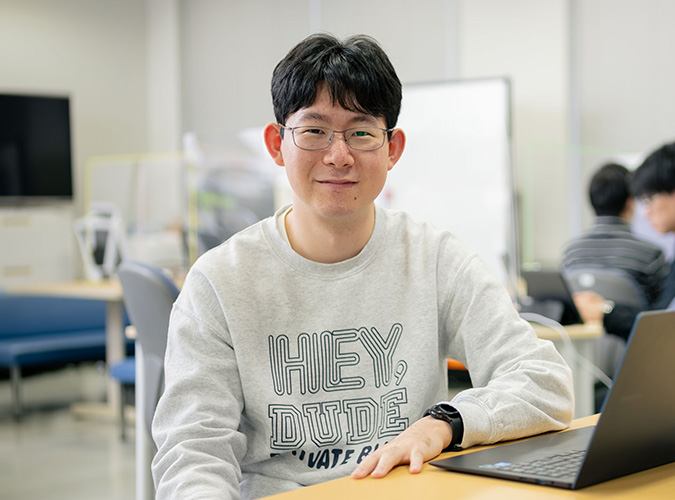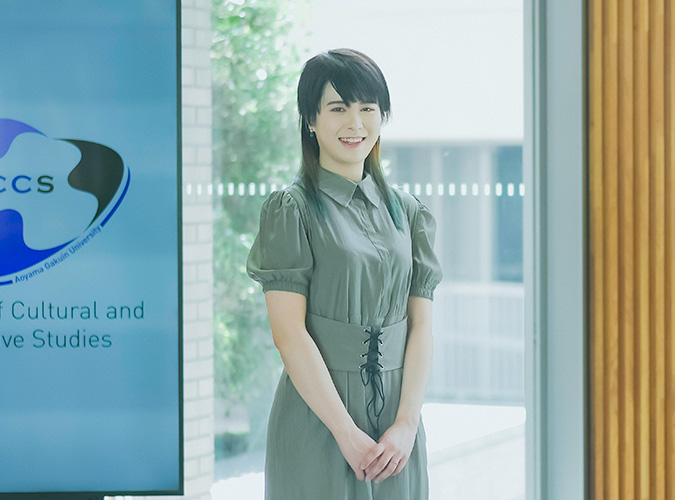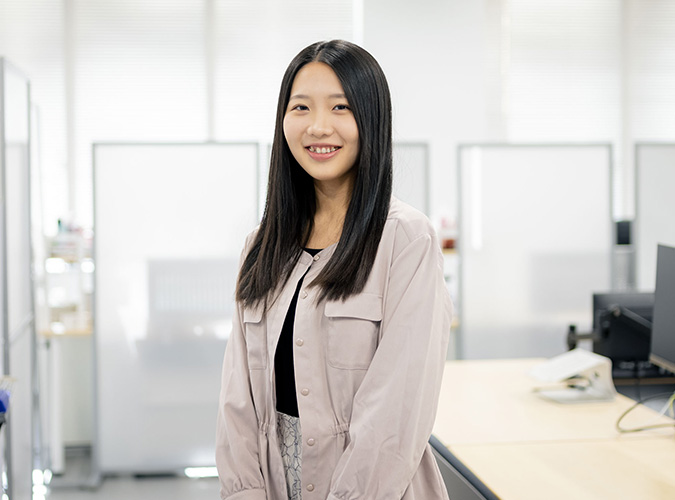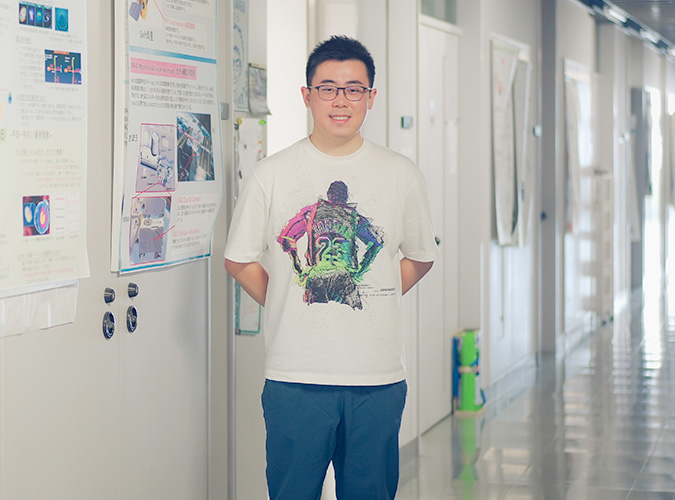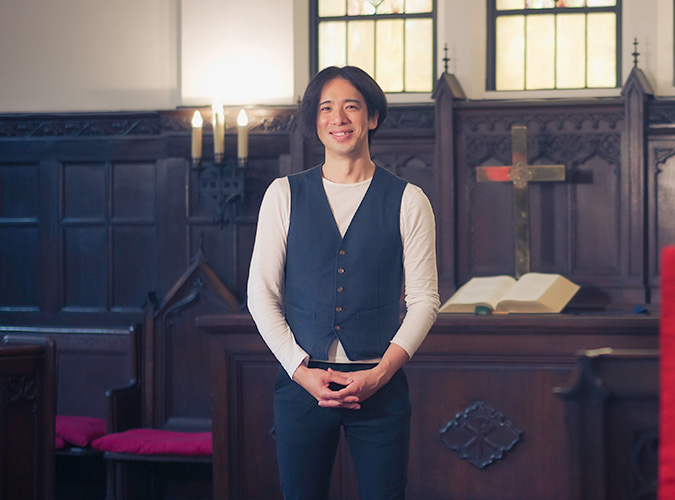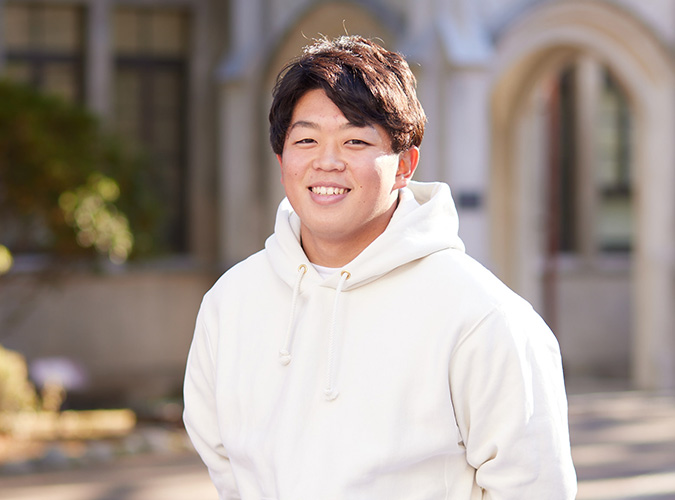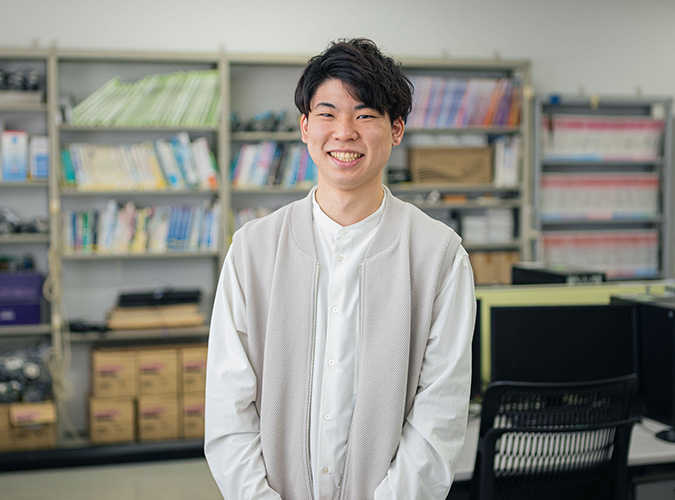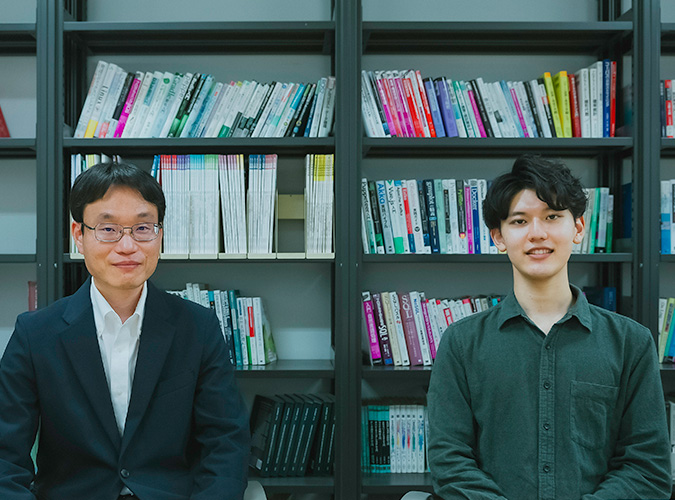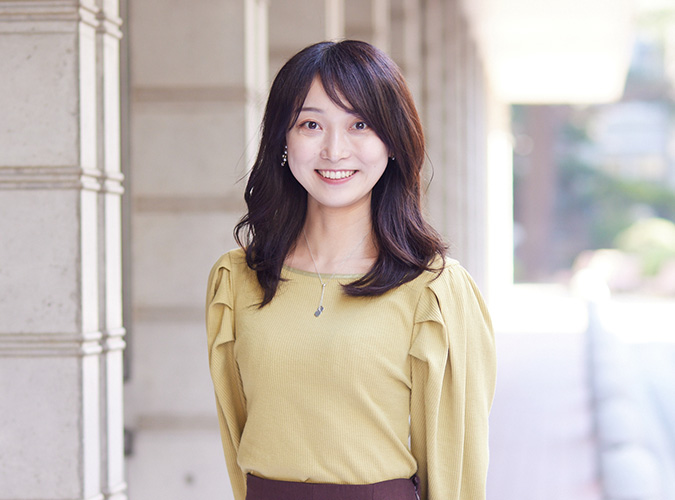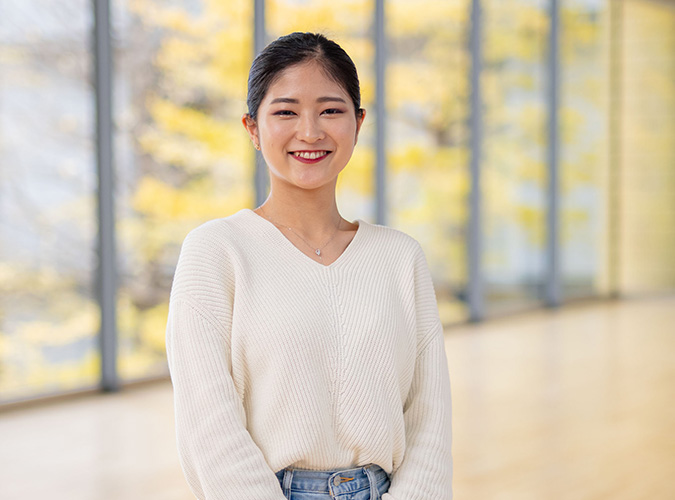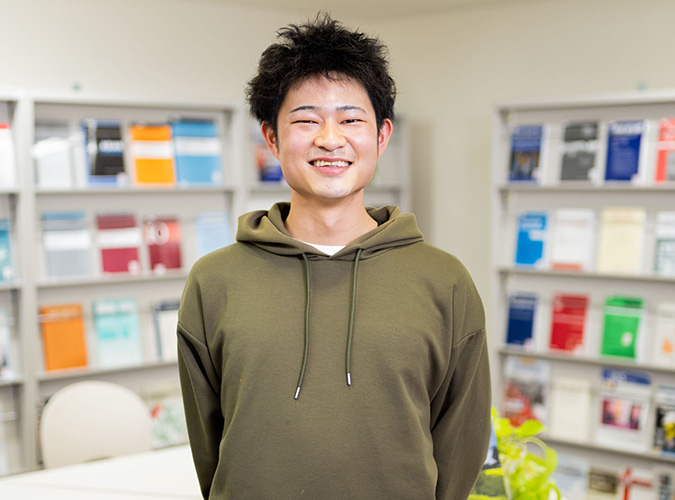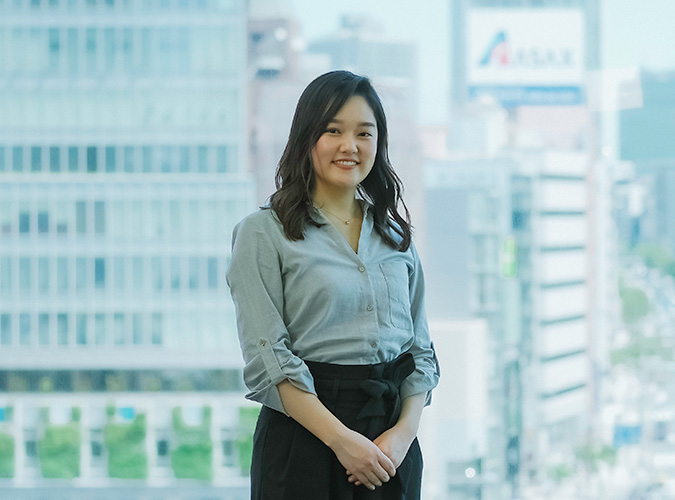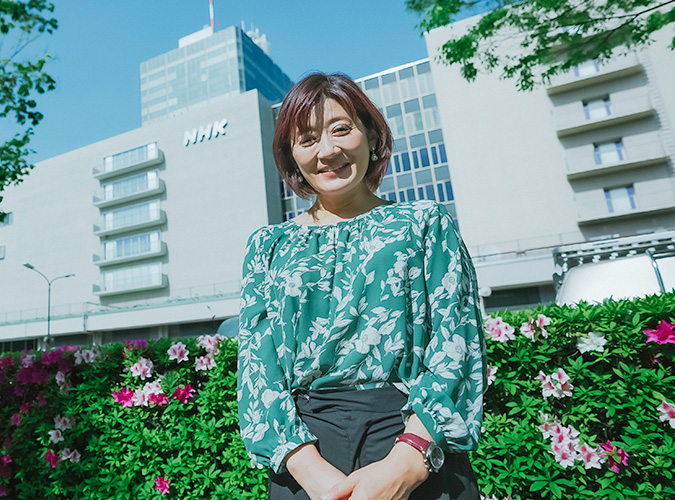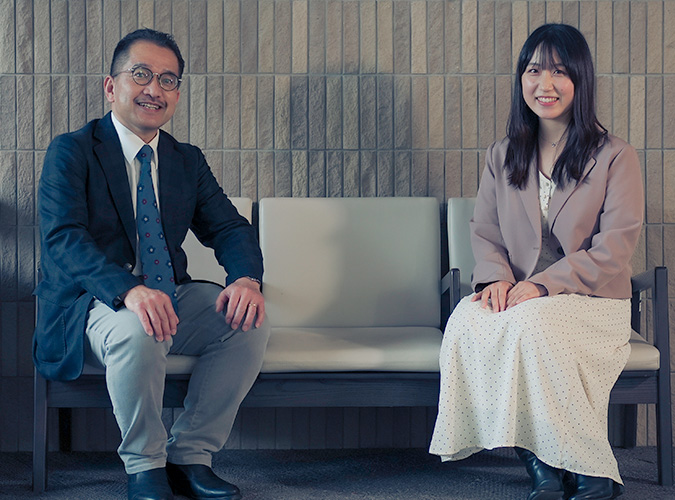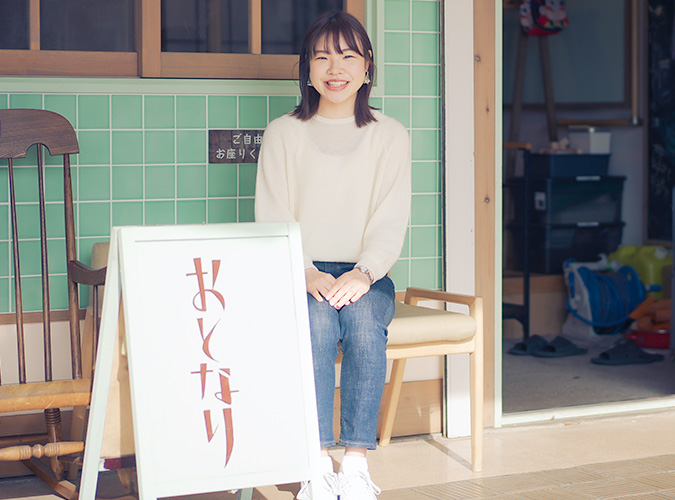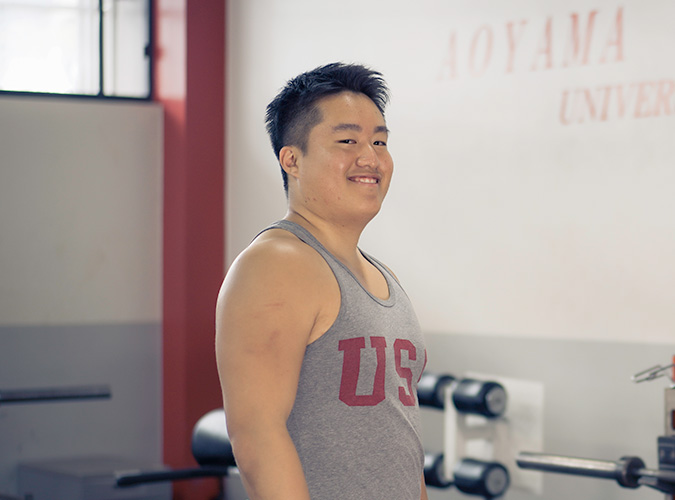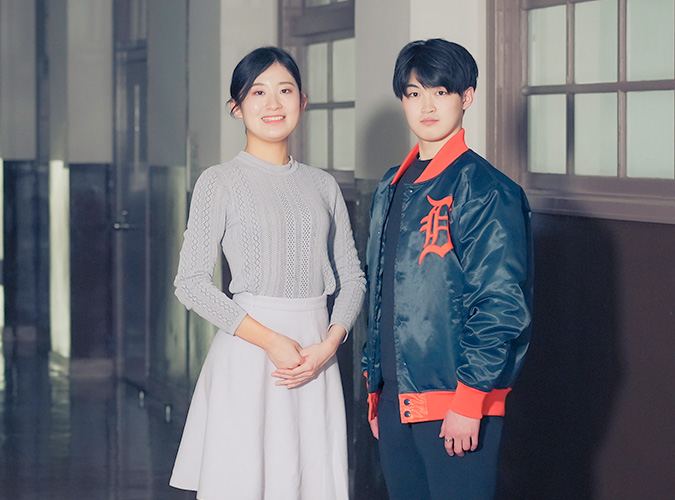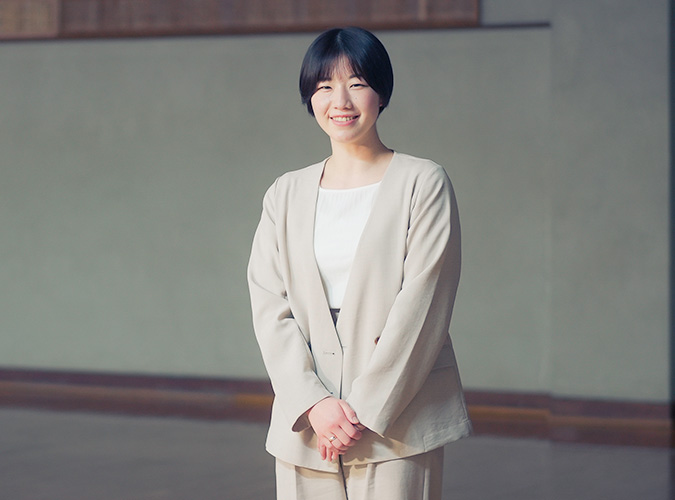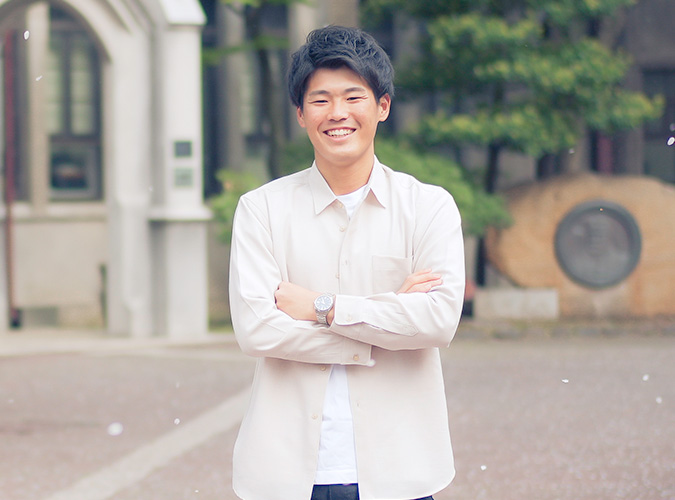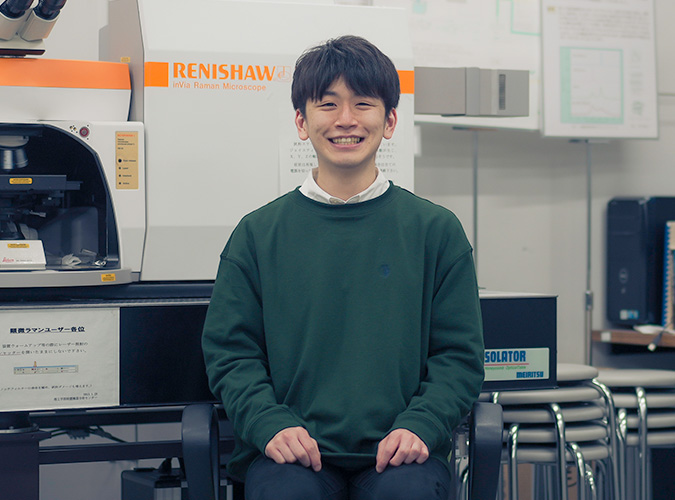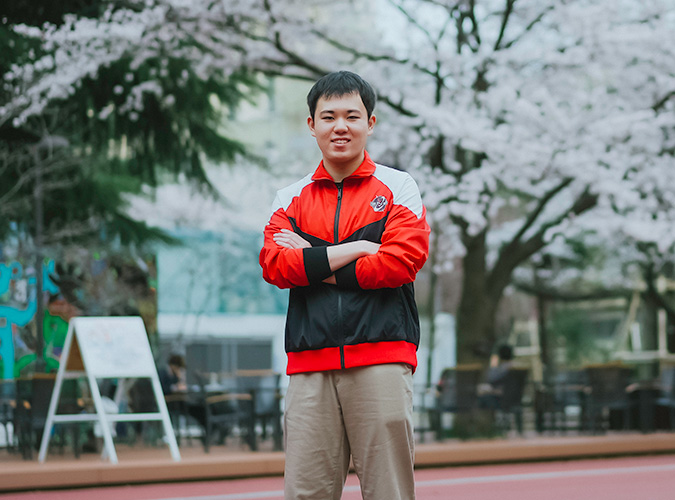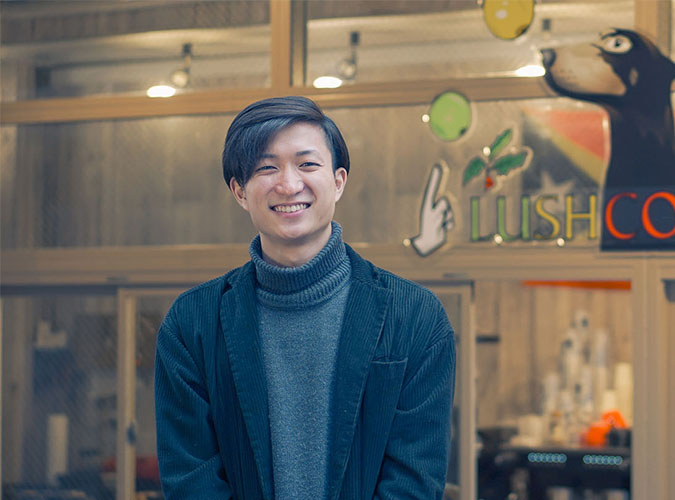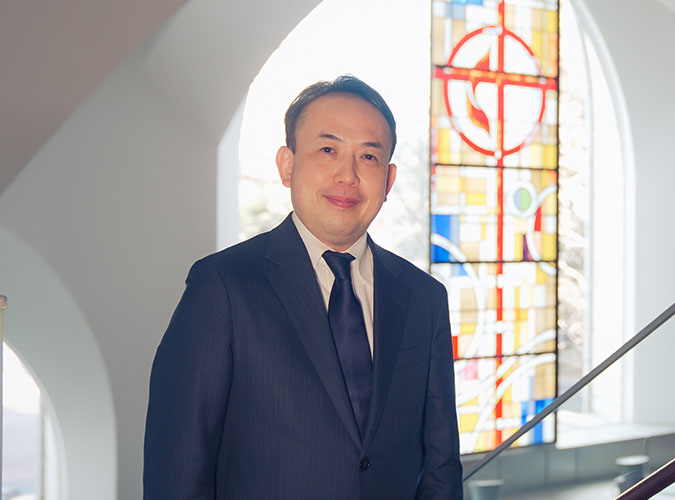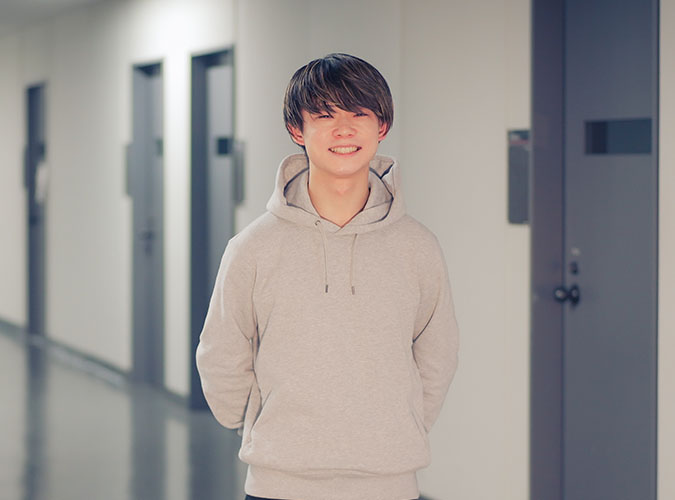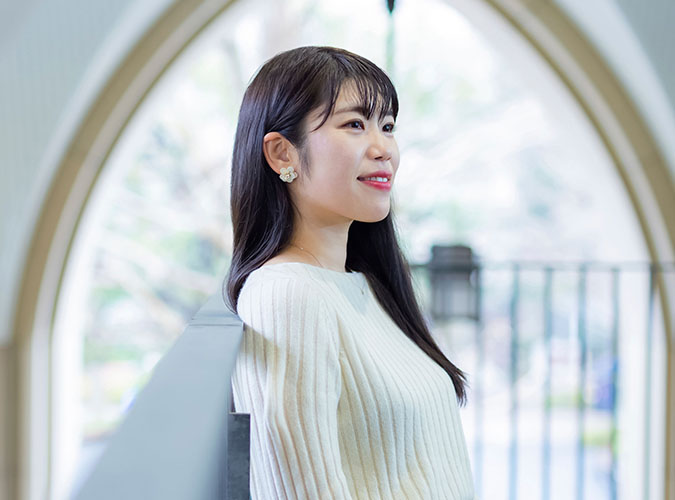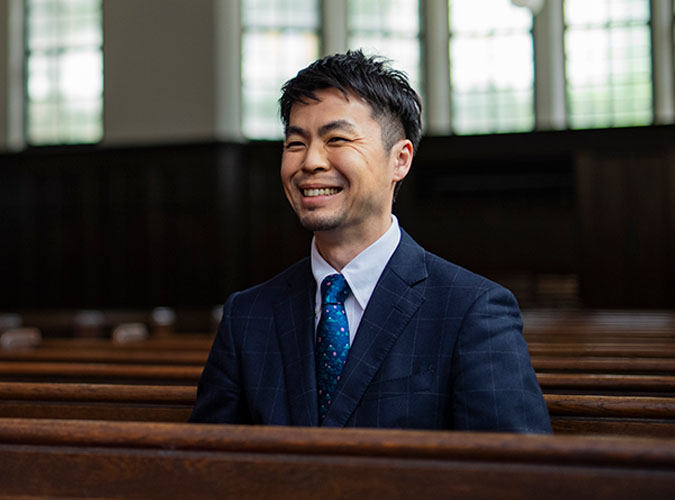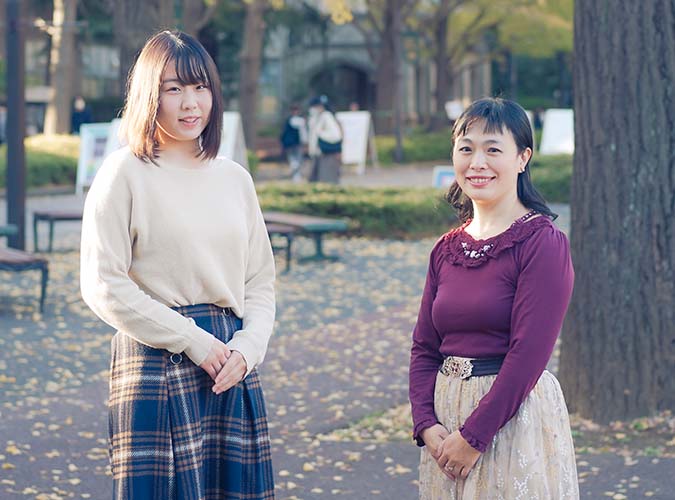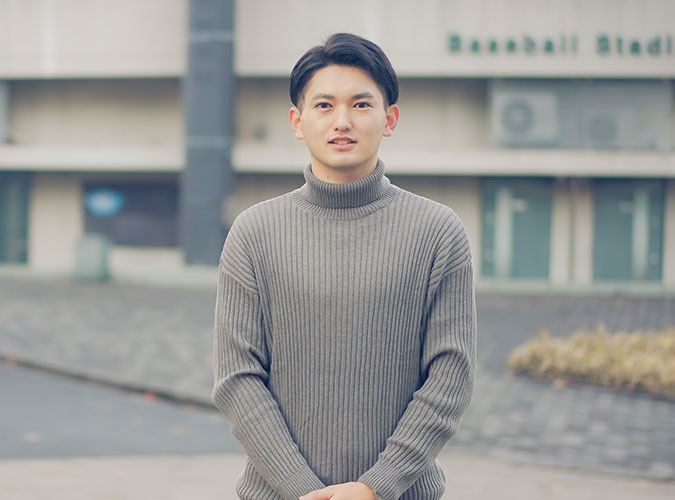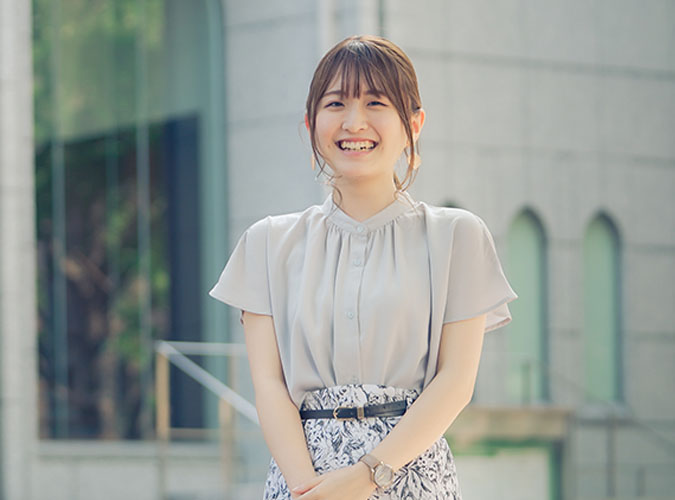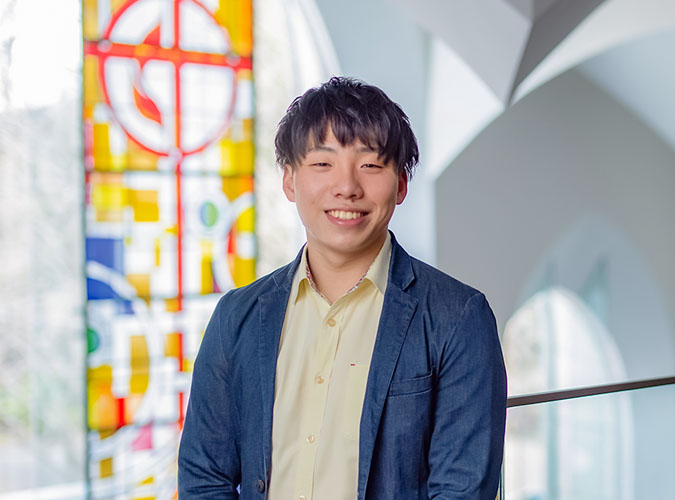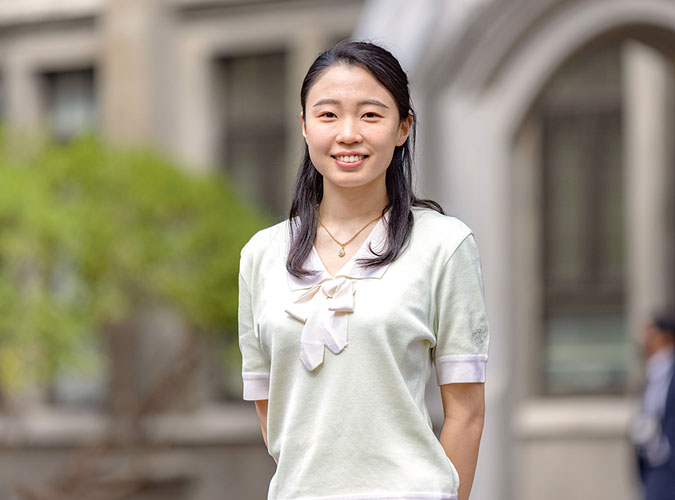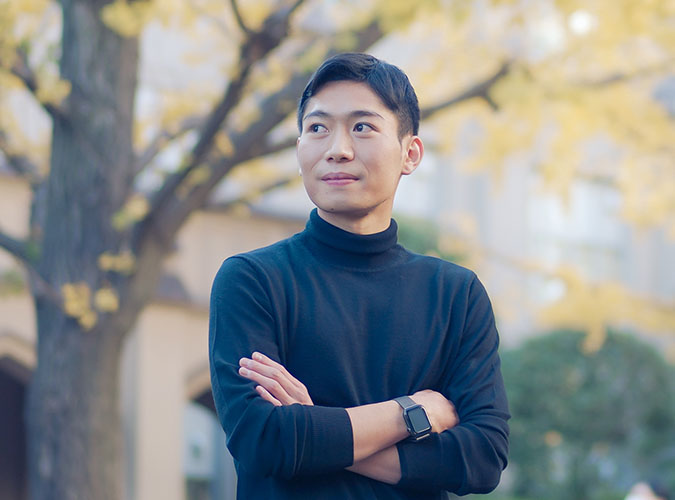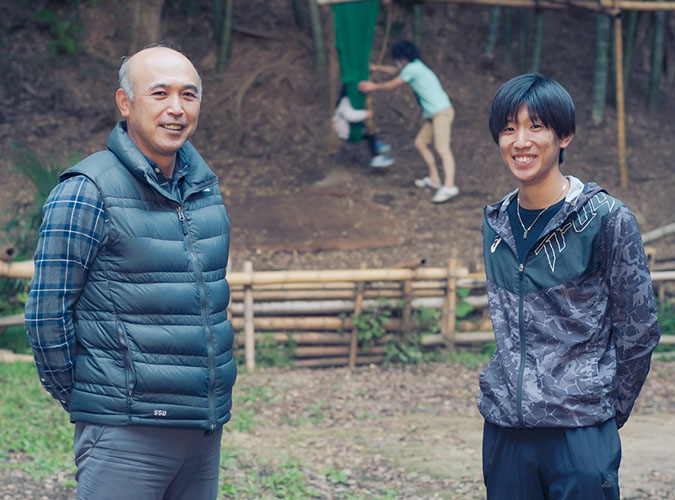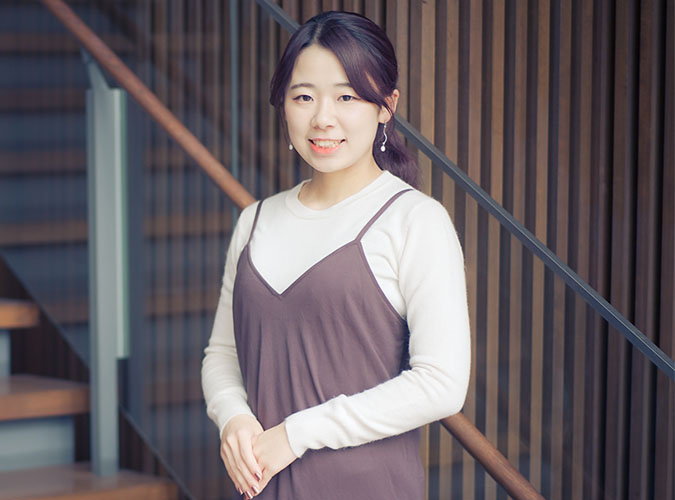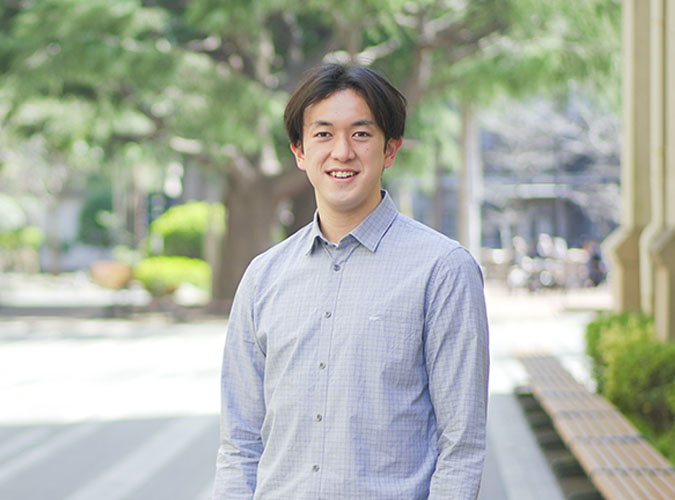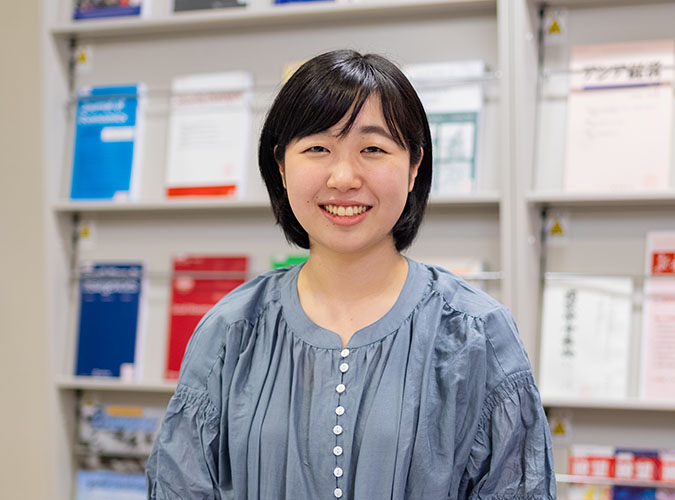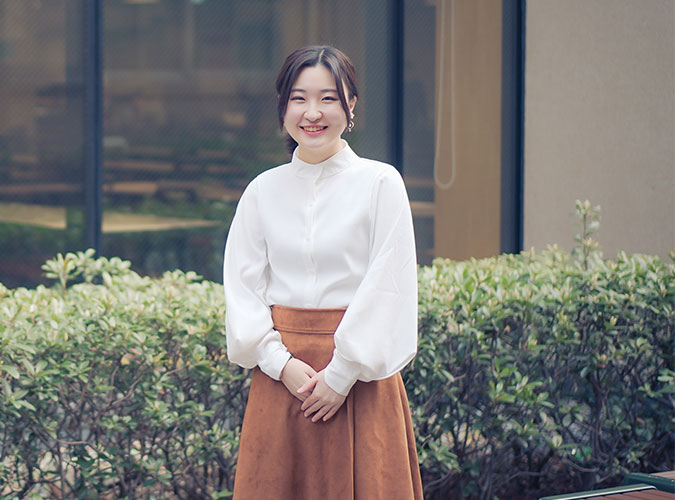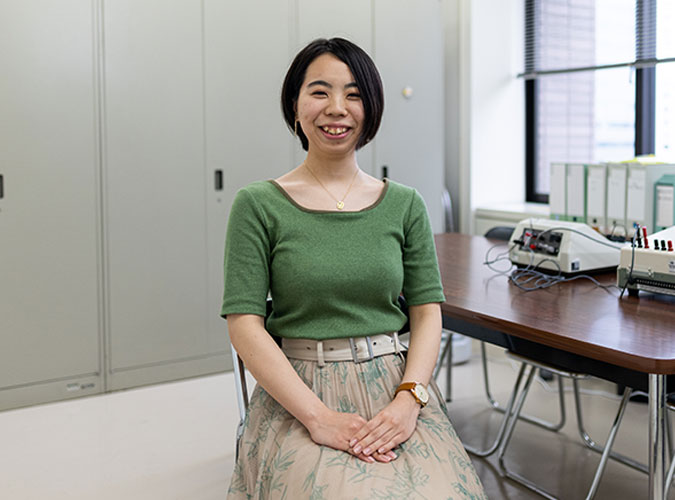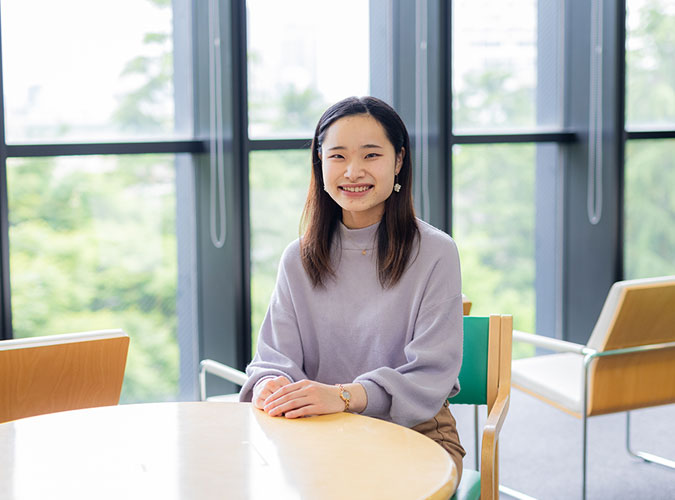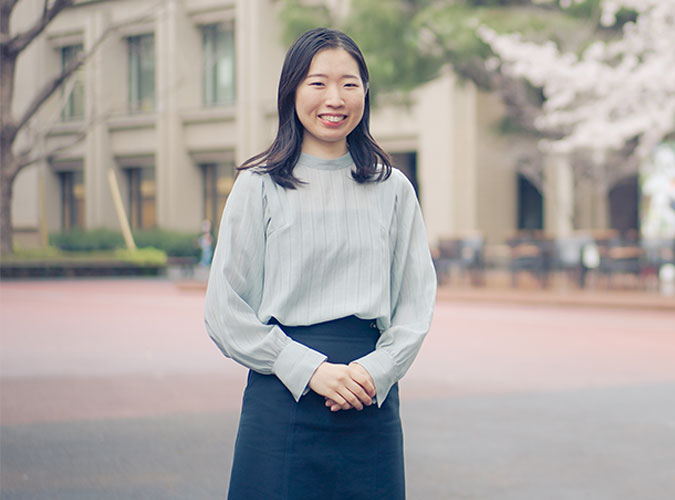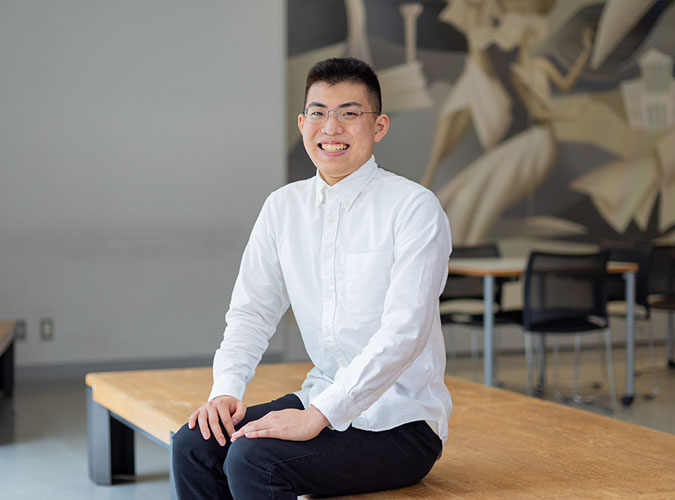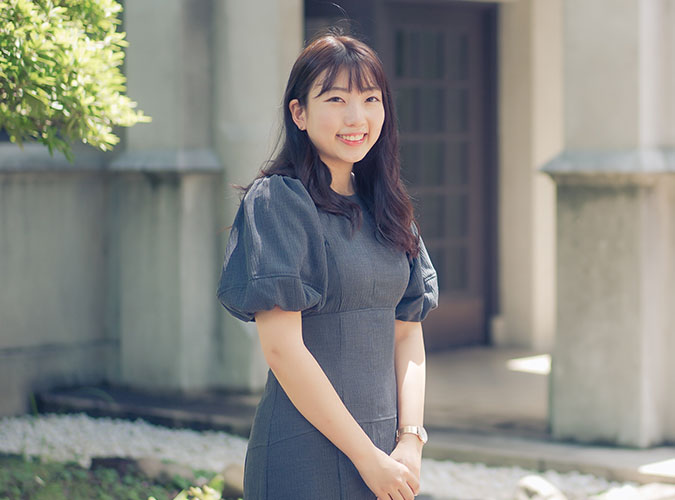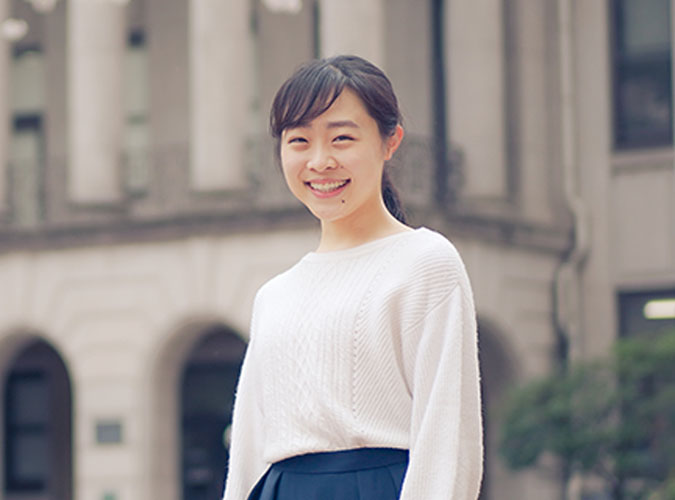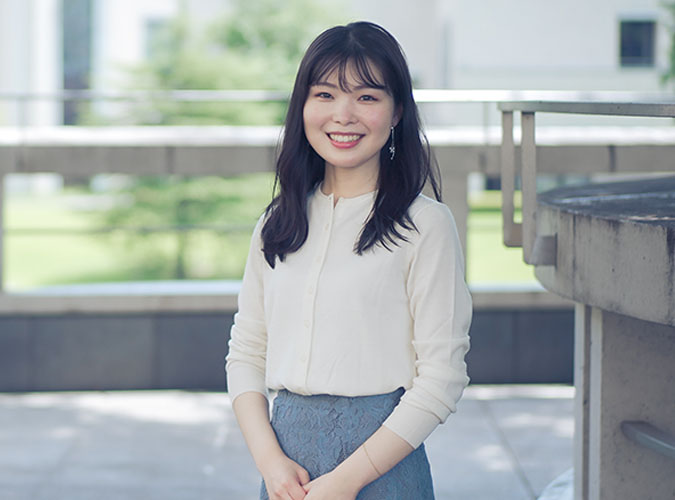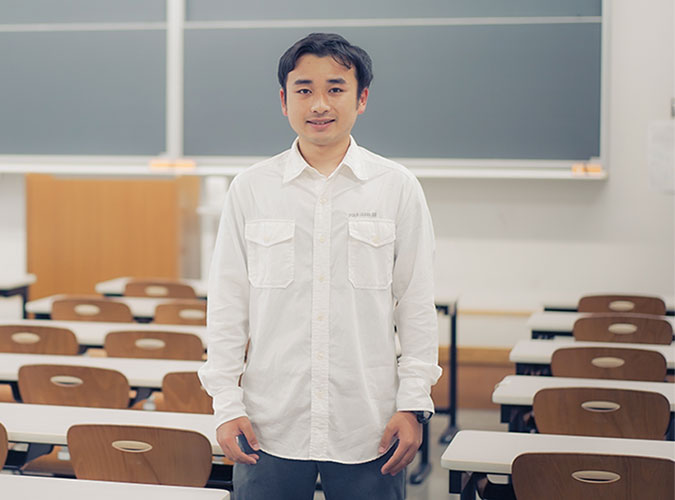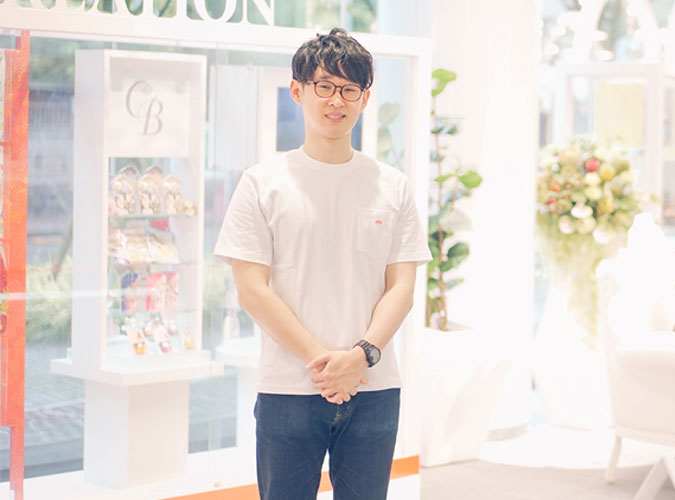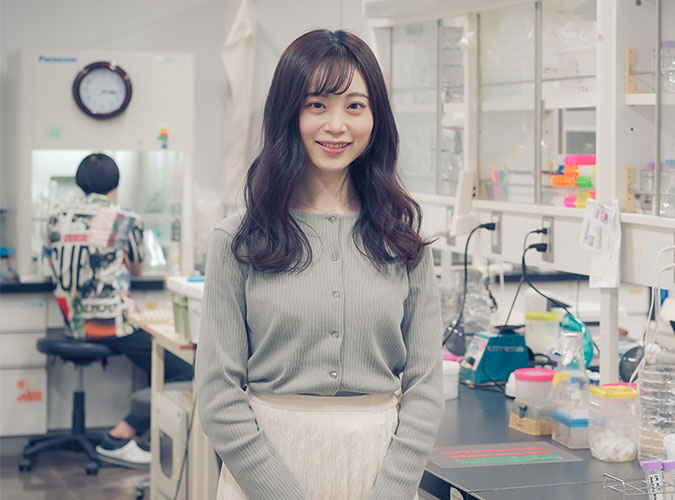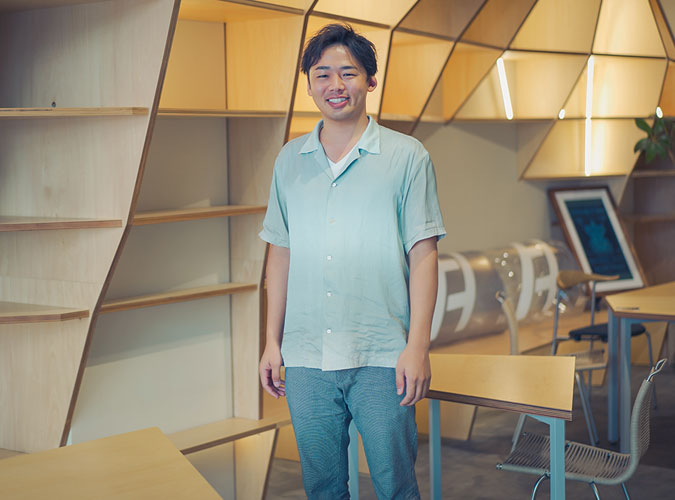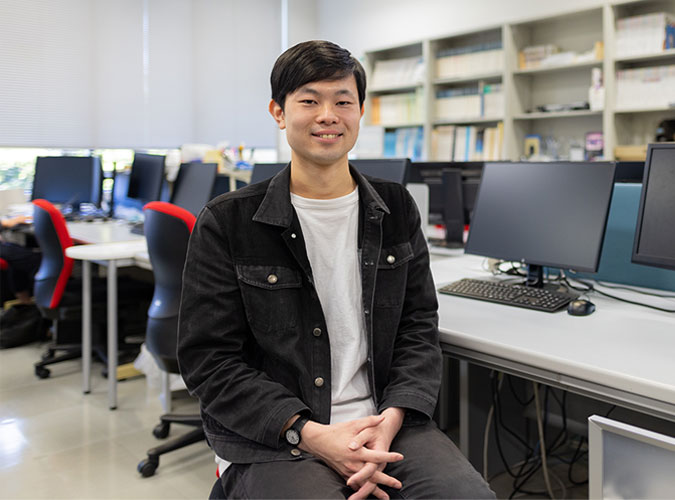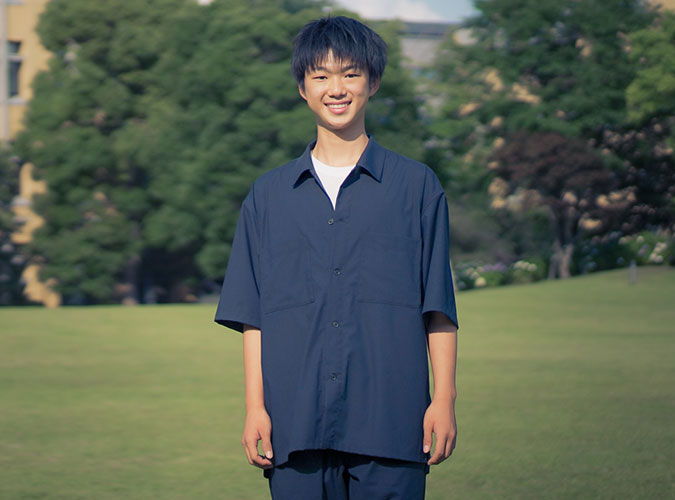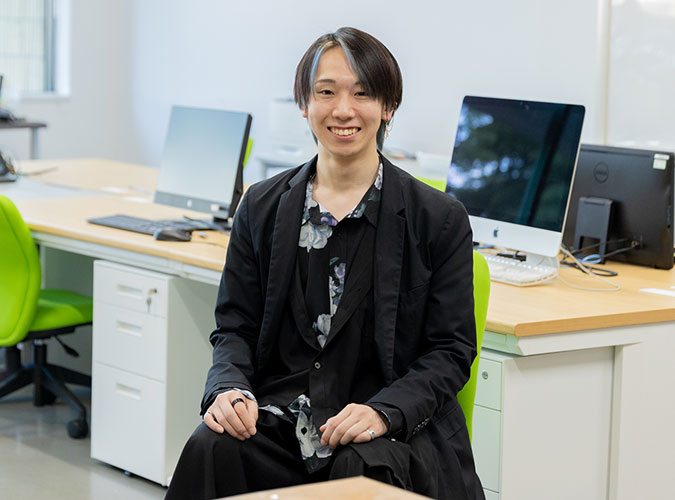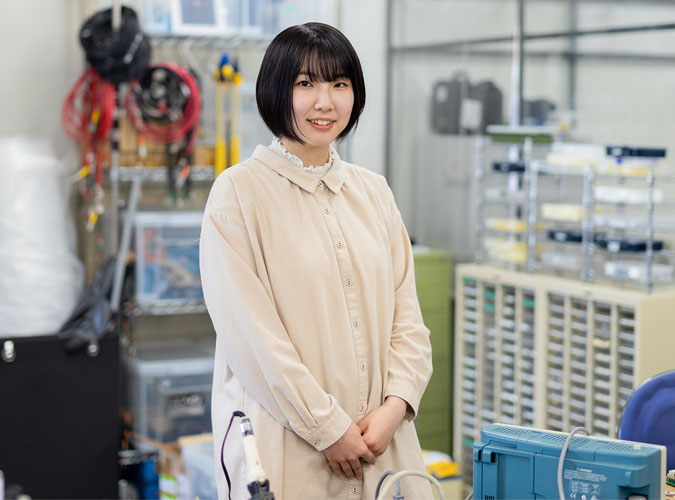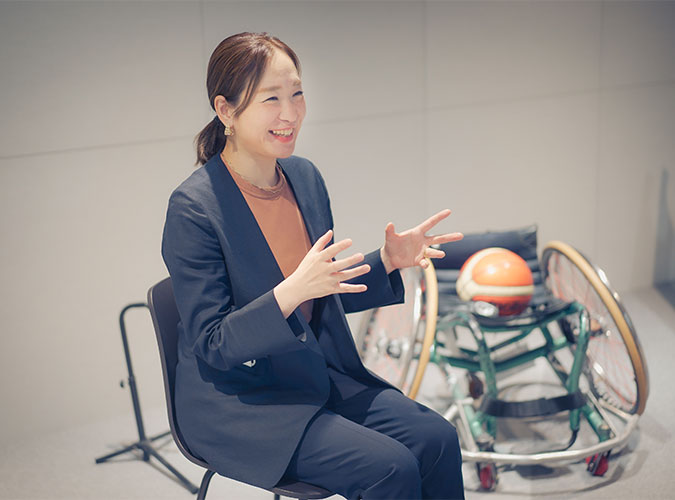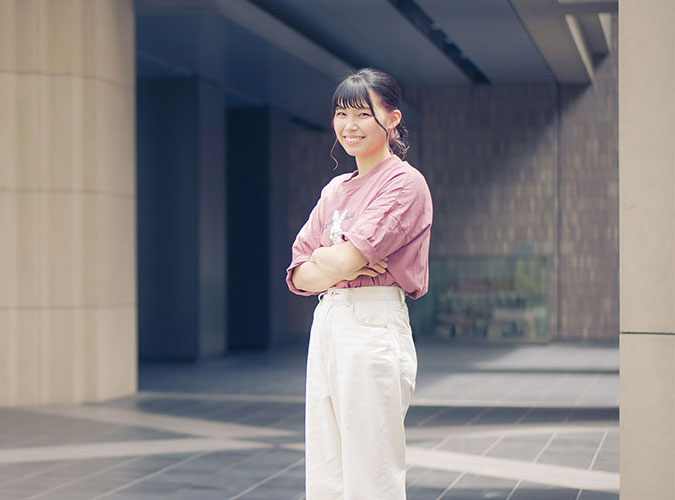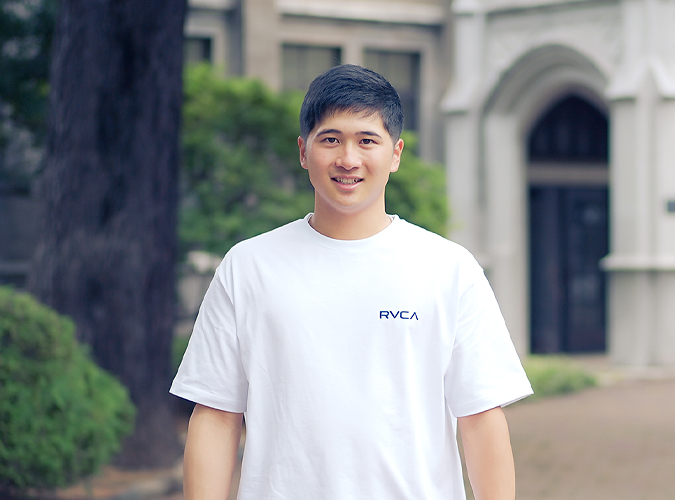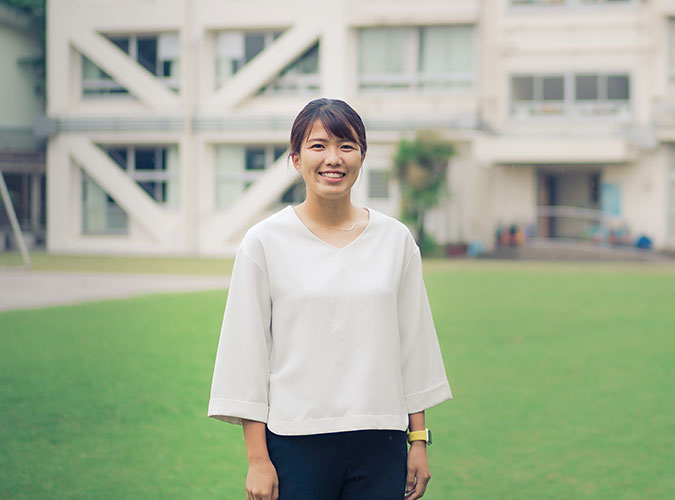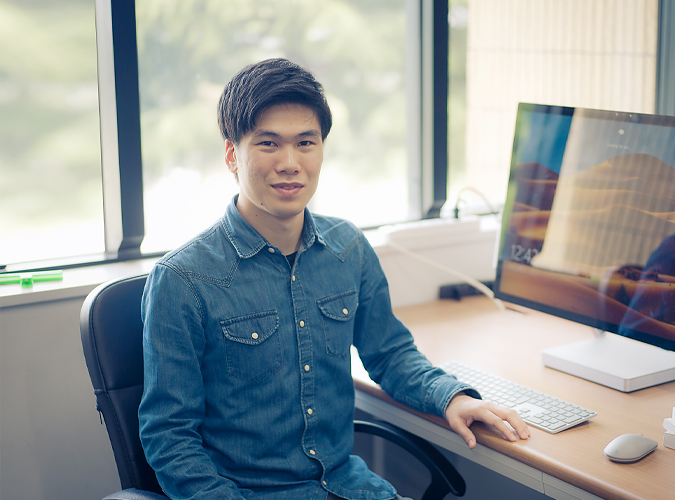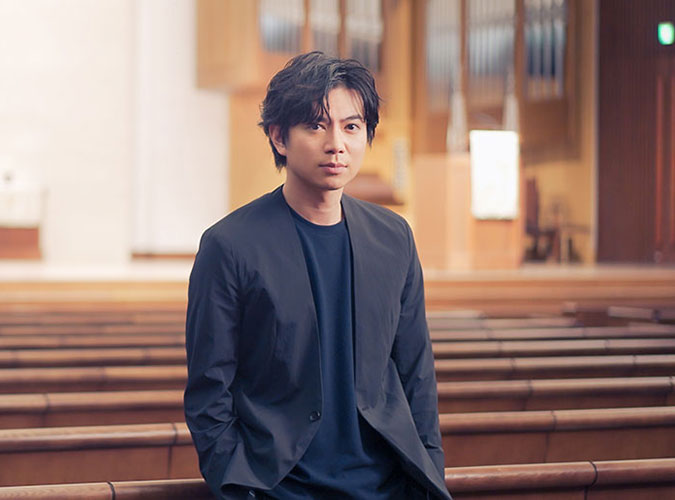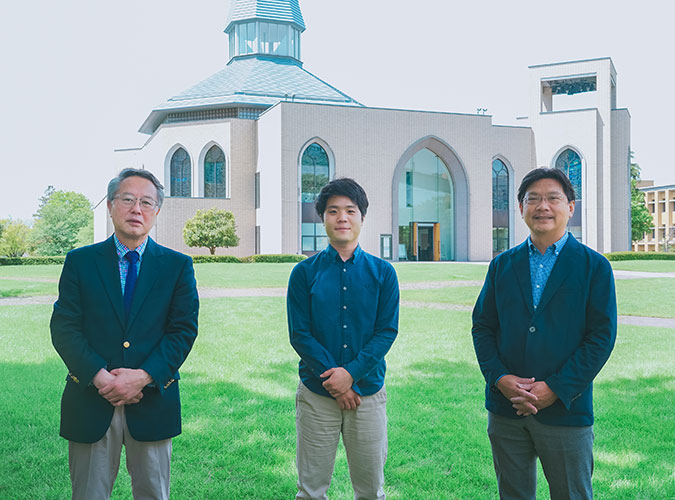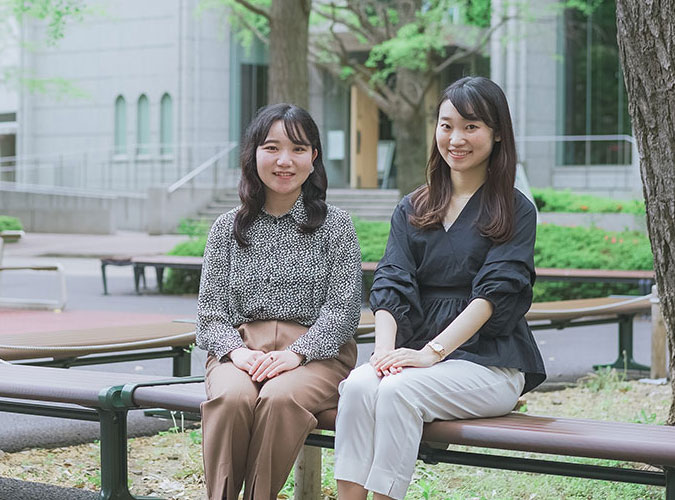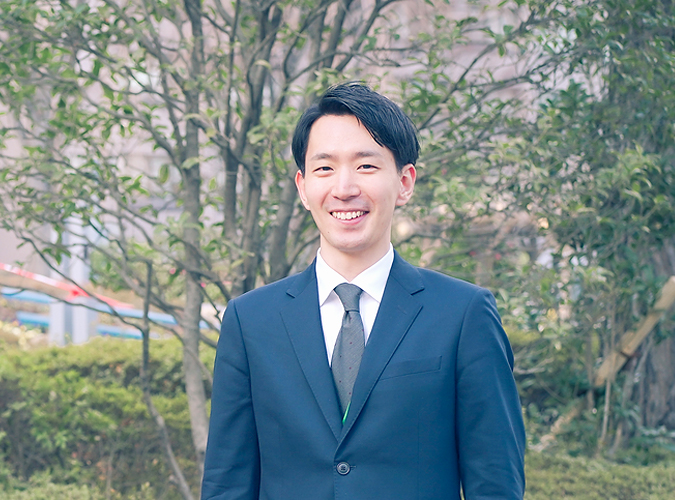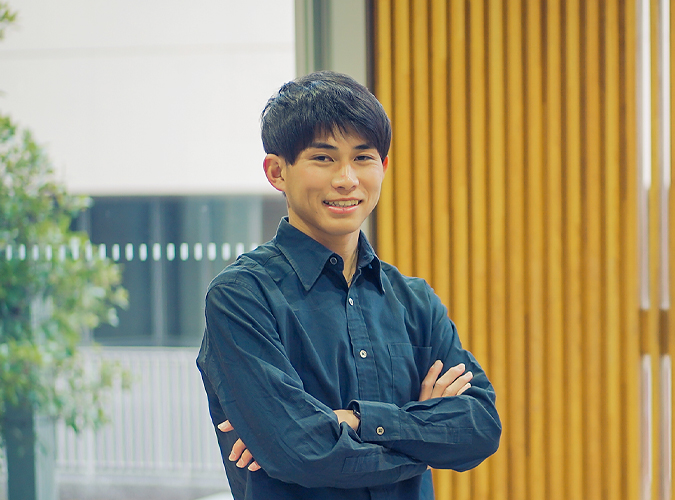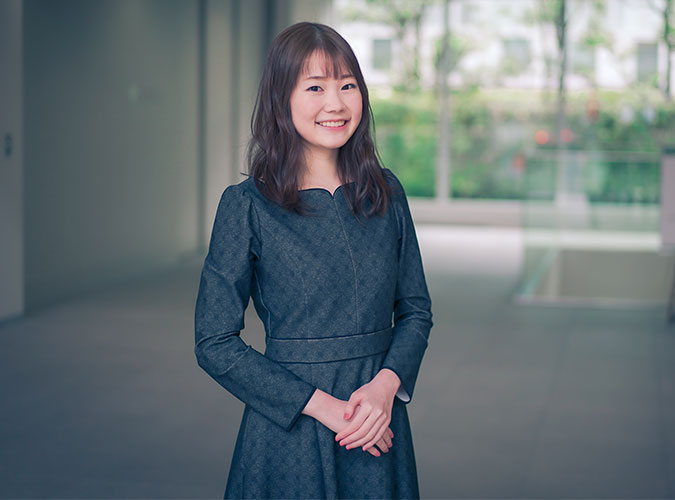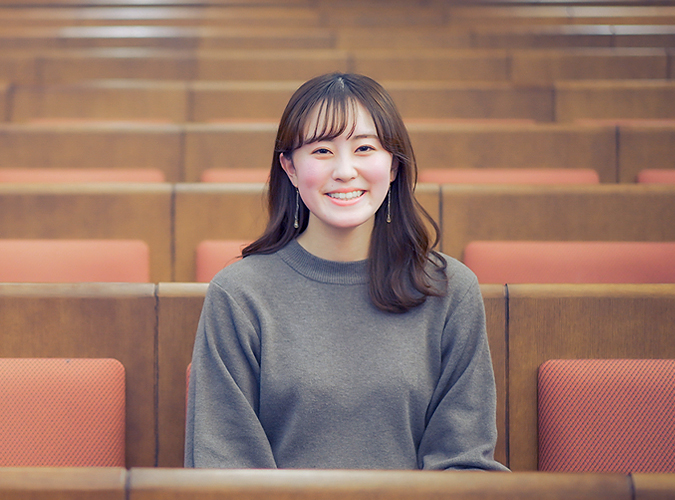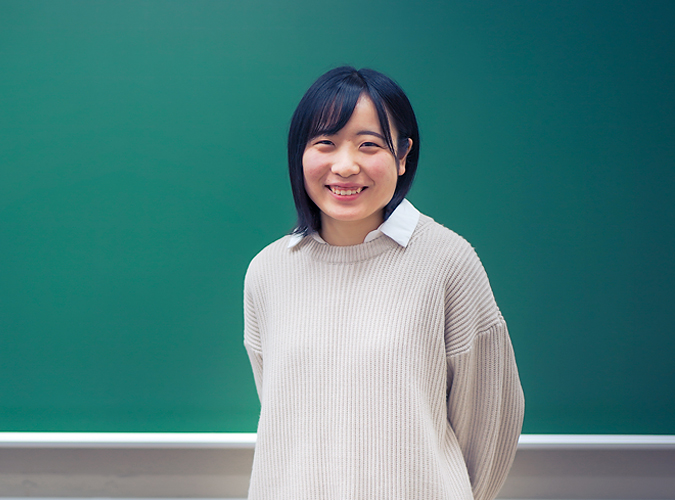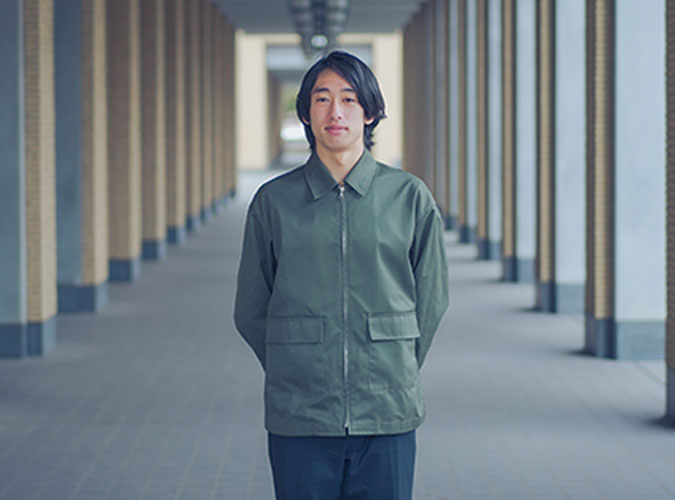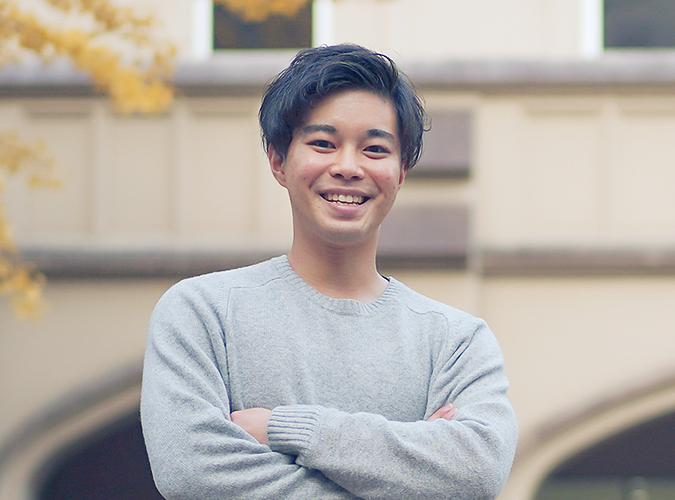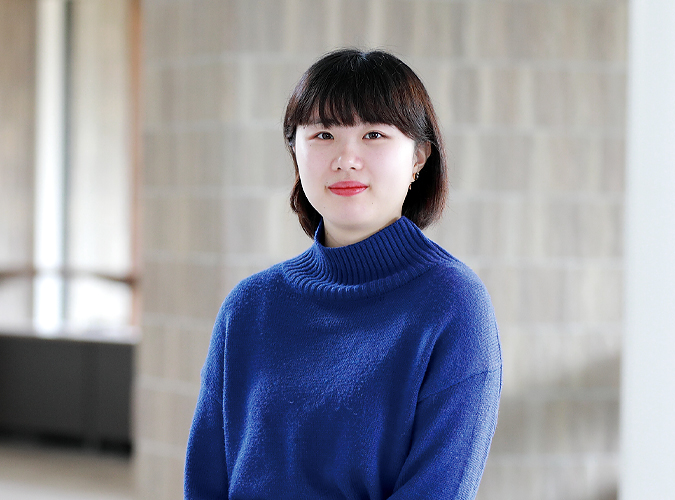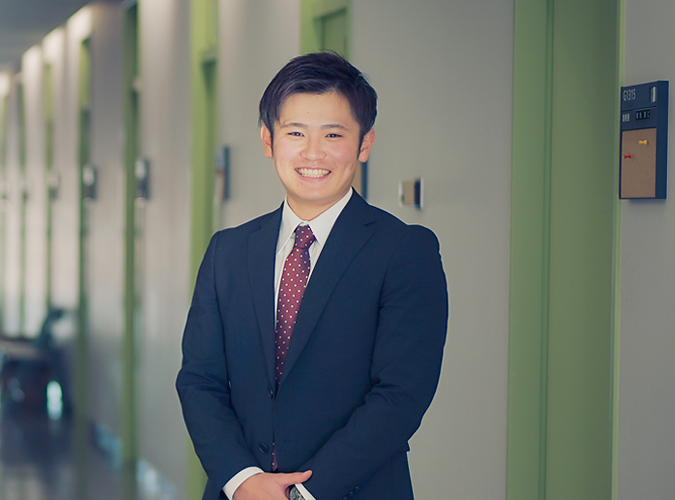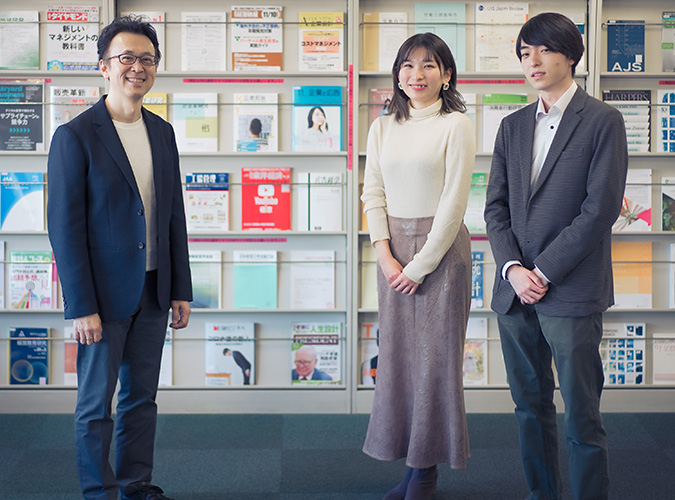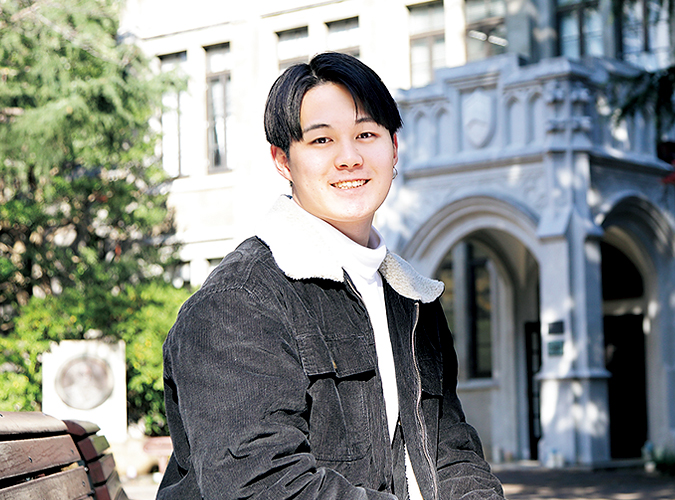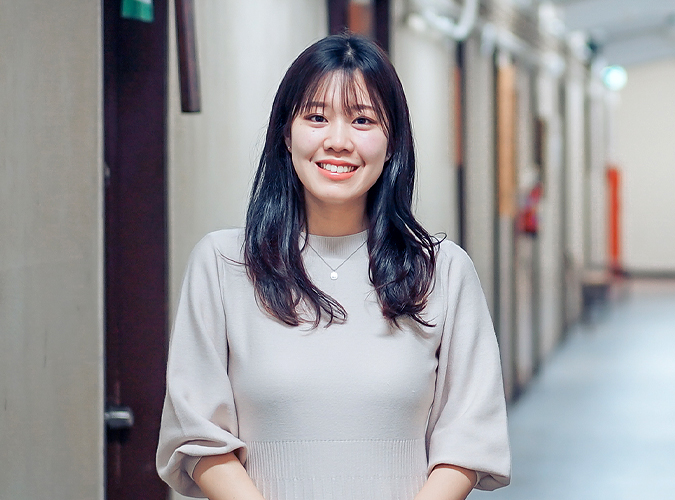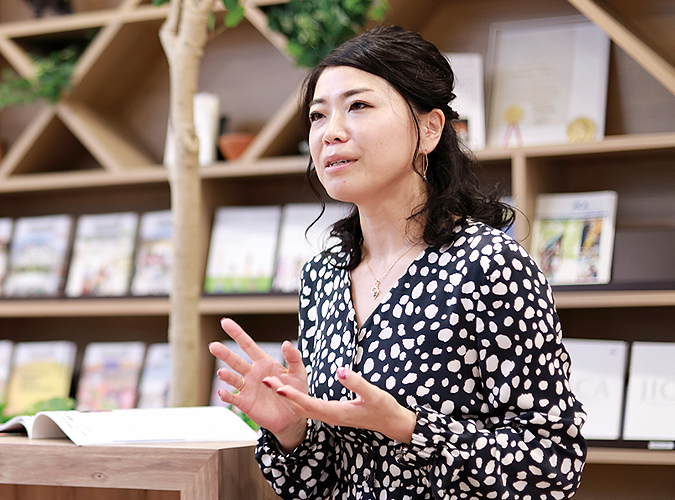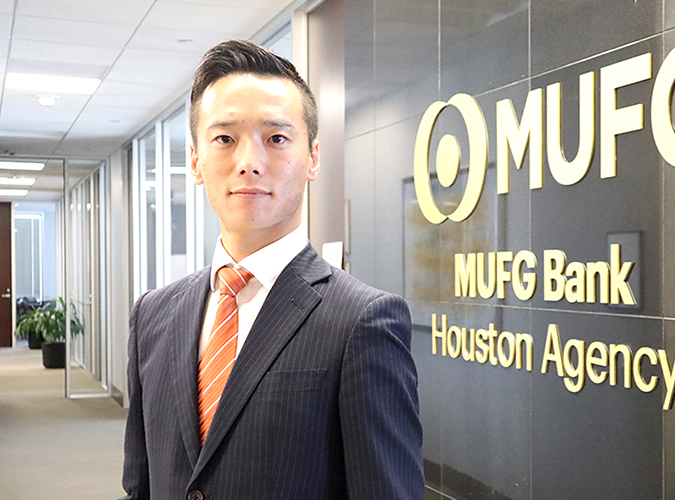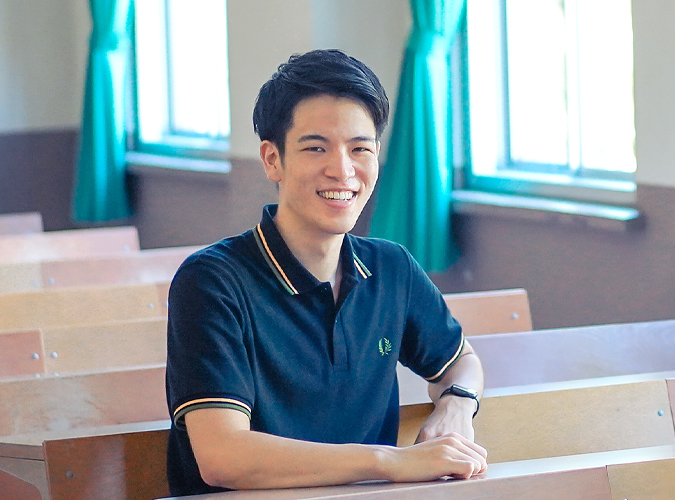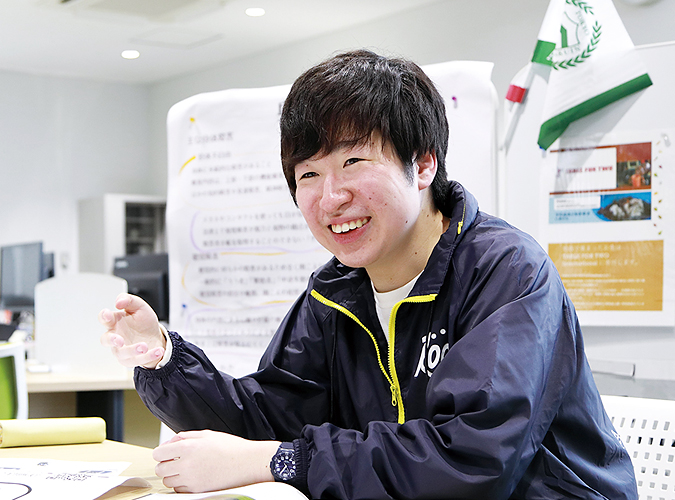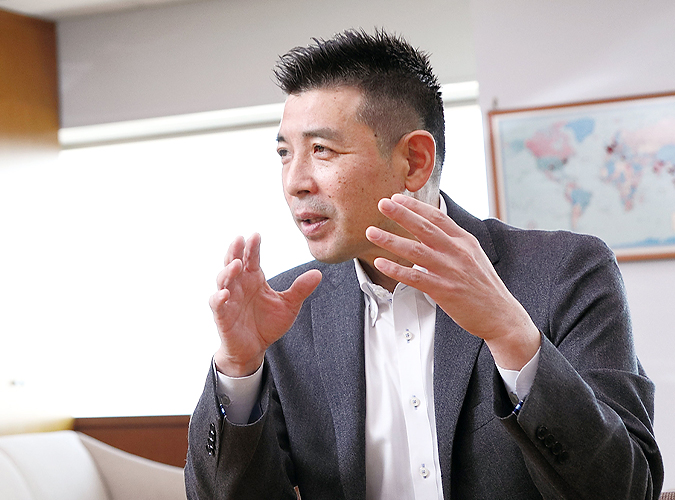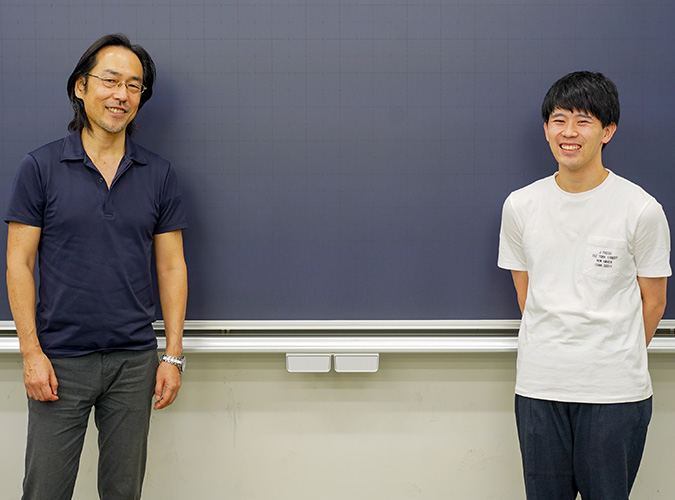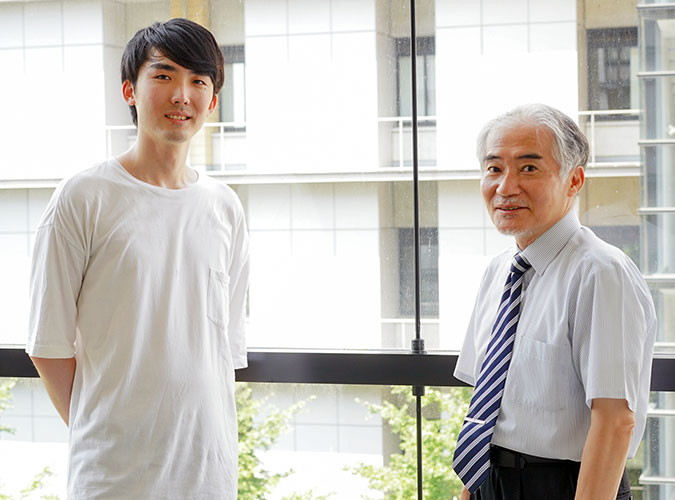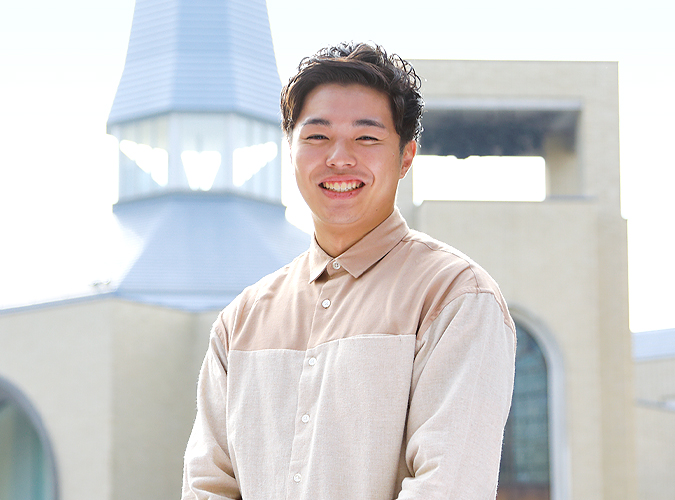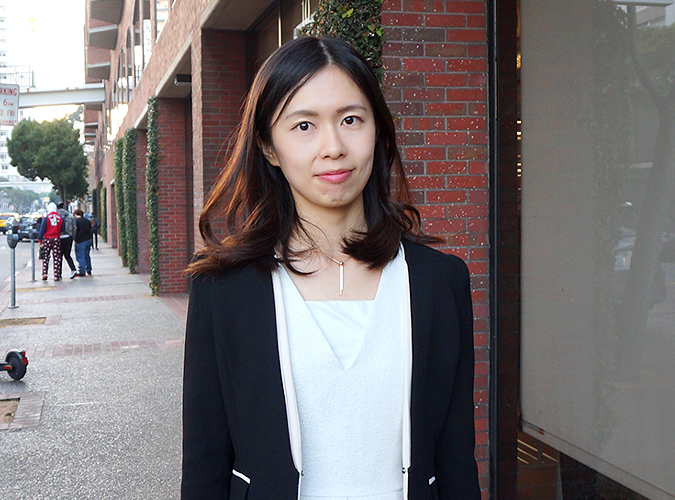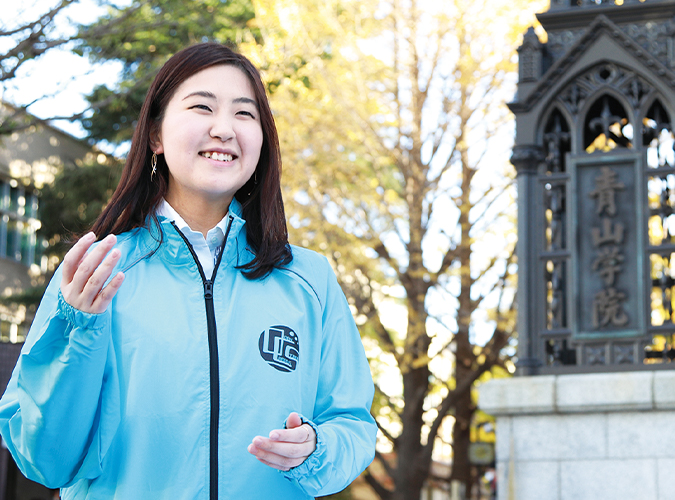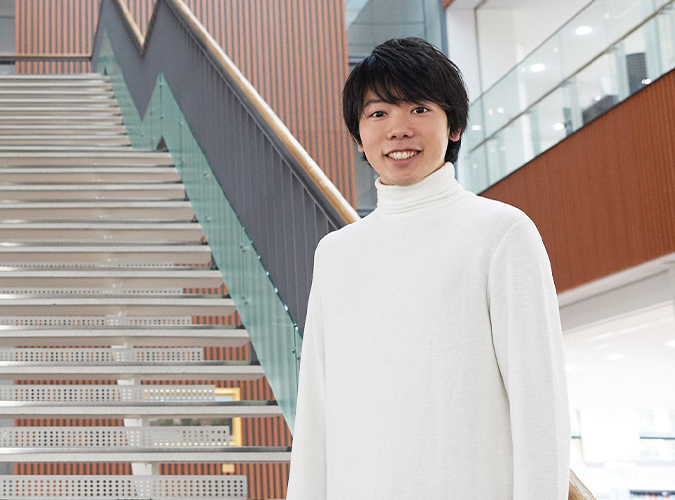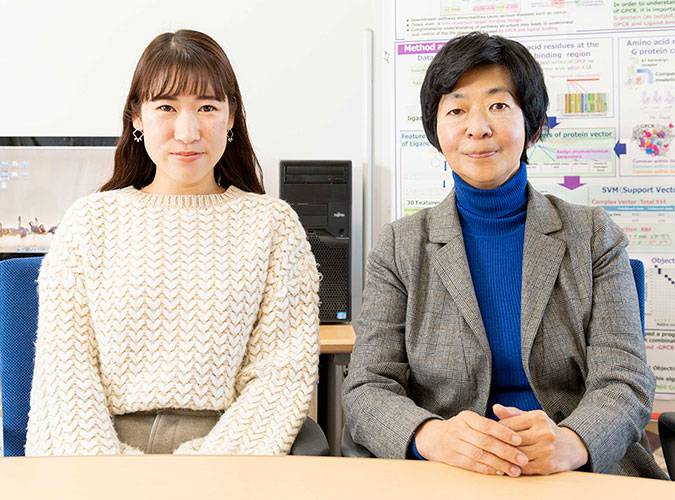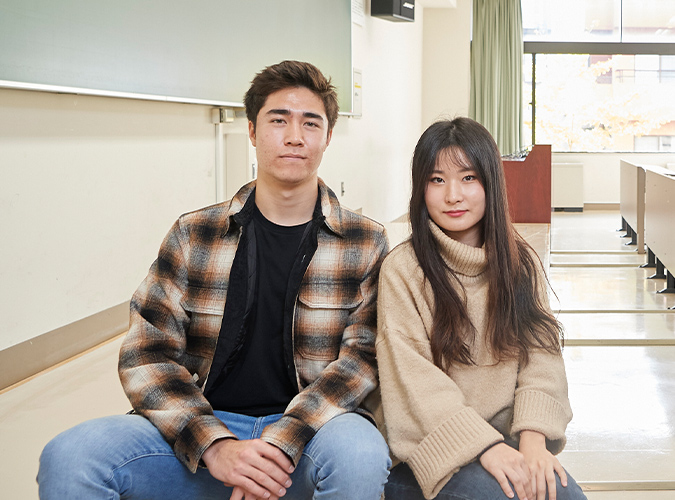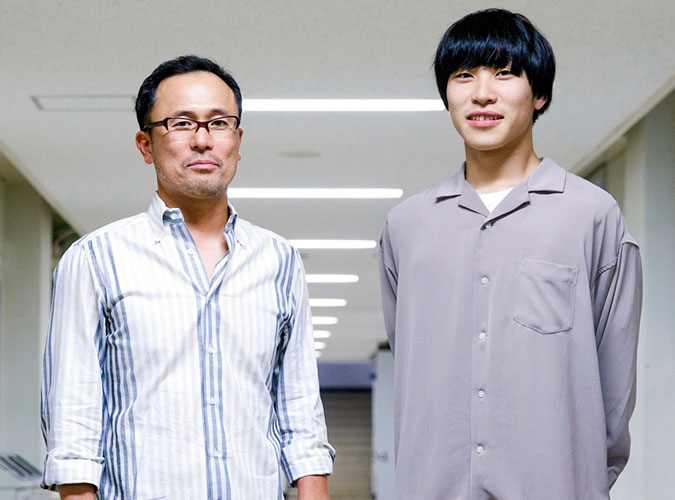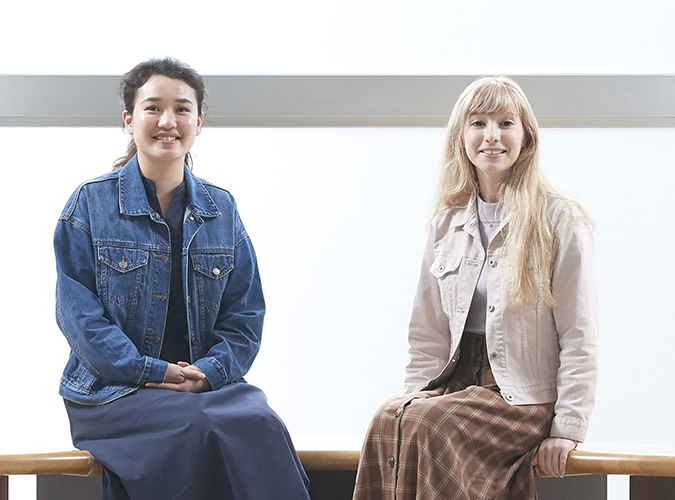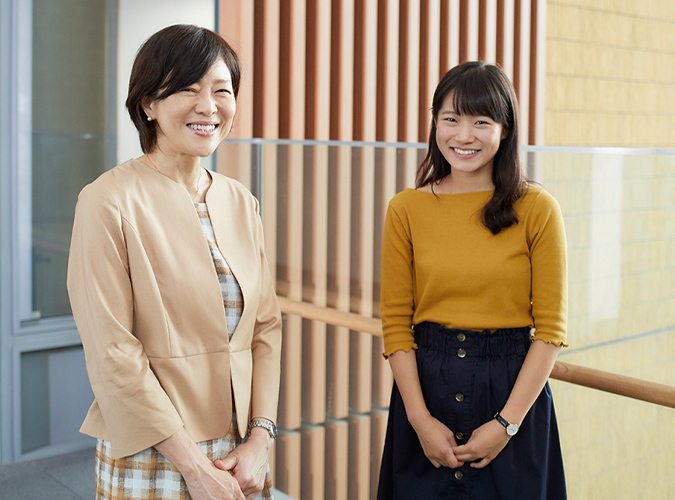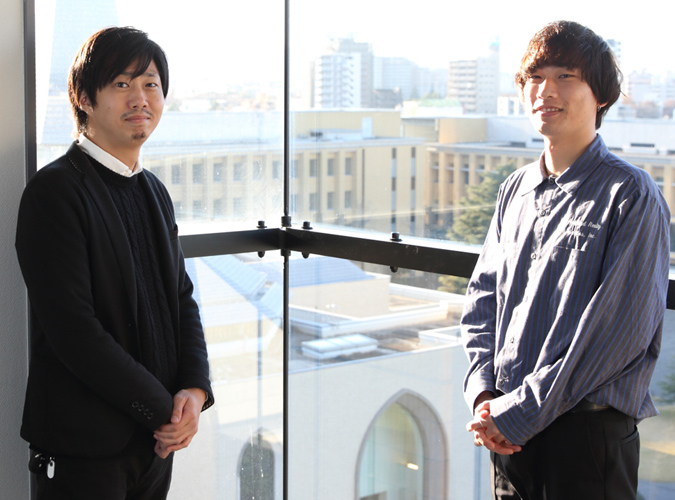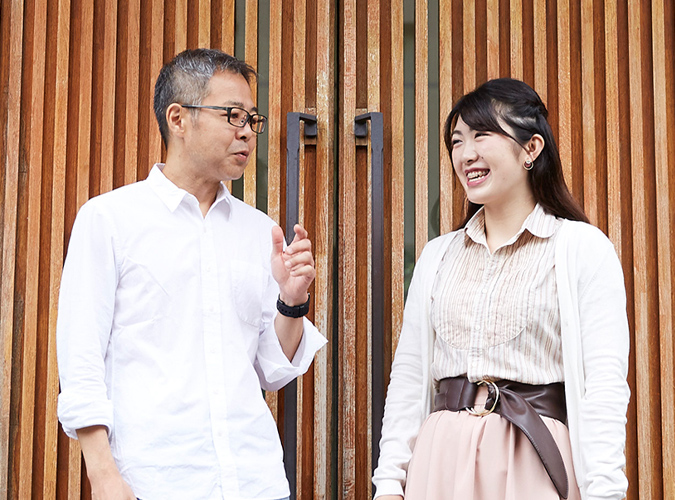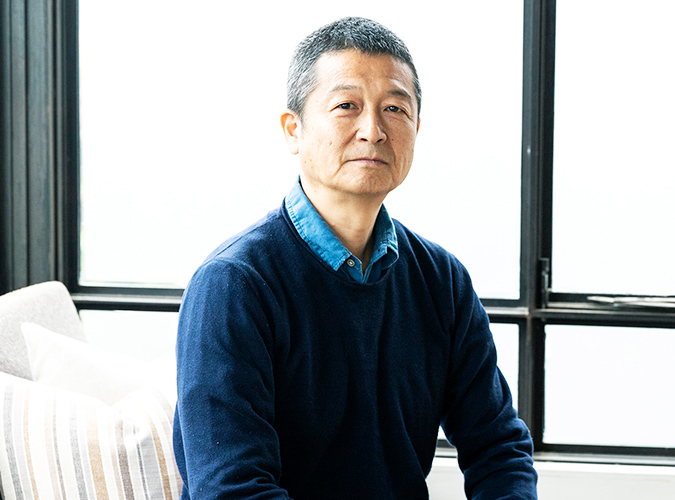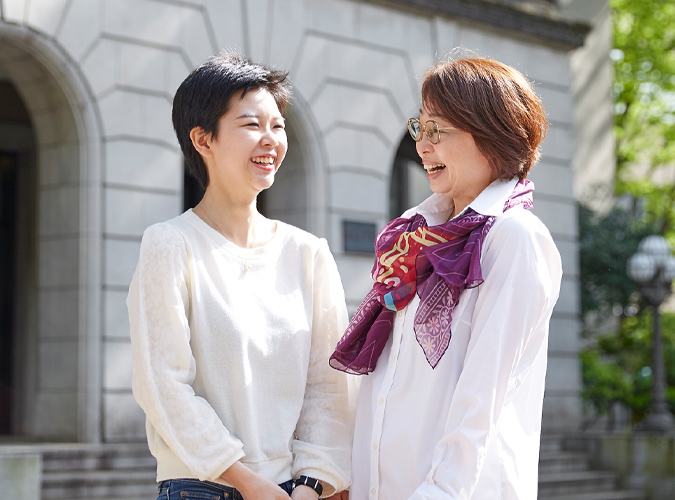
I worked hard every day to acquire practical knowledge that led to employment. I aim to become a consultant who can contribute to the local community.
Department of Community Studies 4th year

OVERTURE
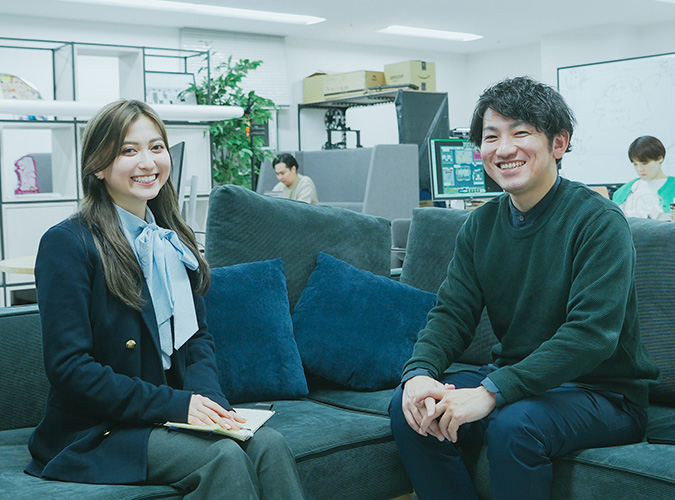
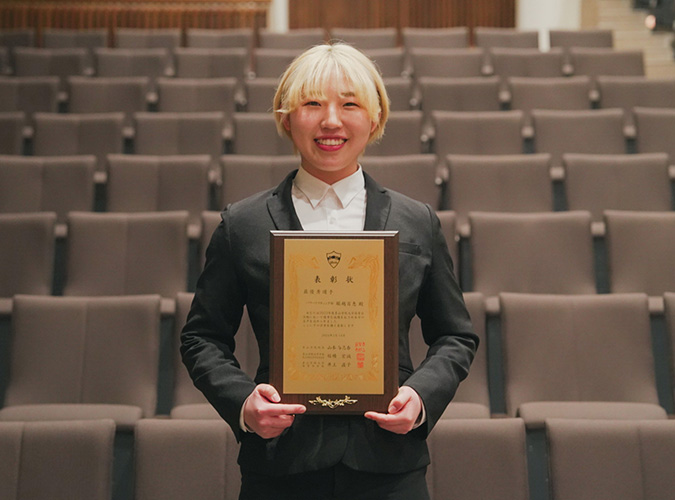
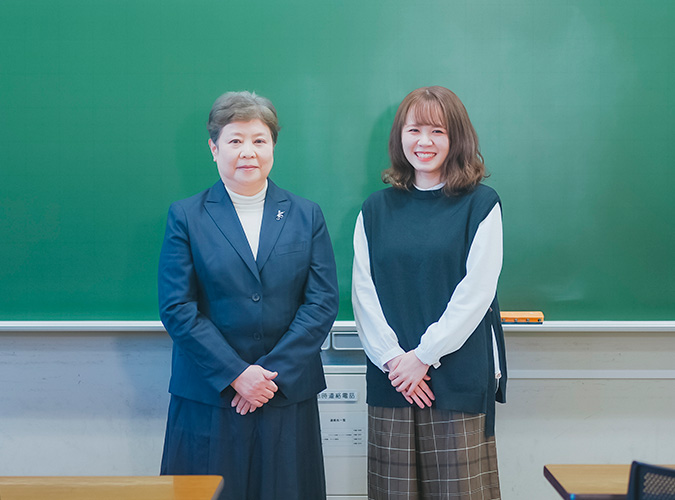
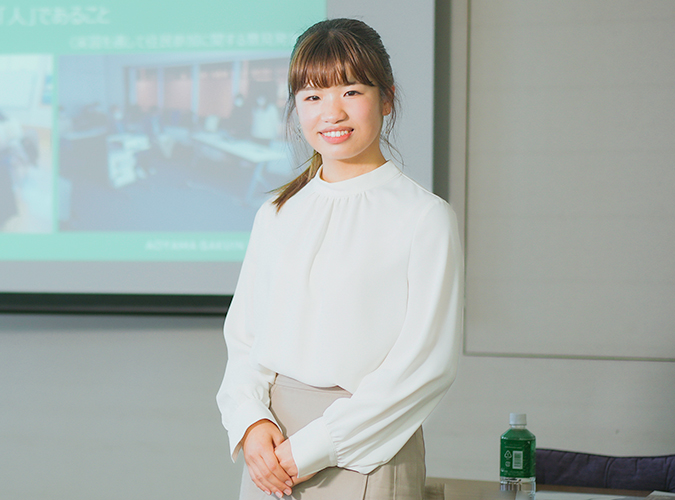
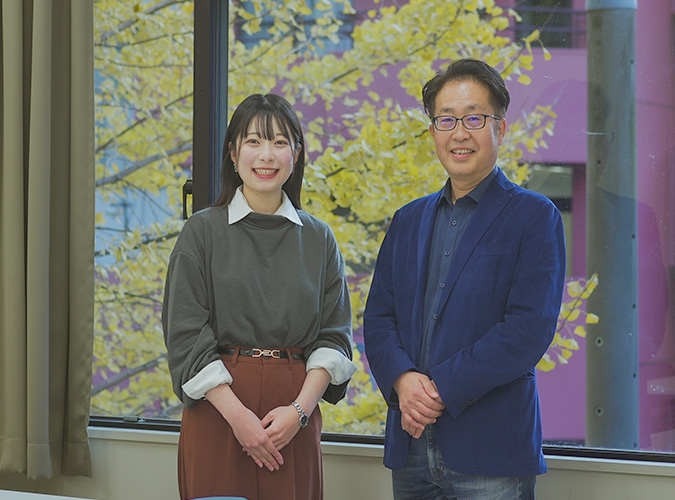
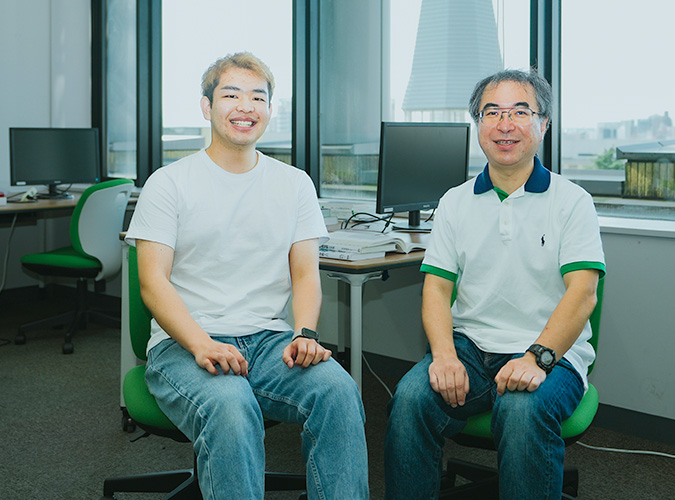
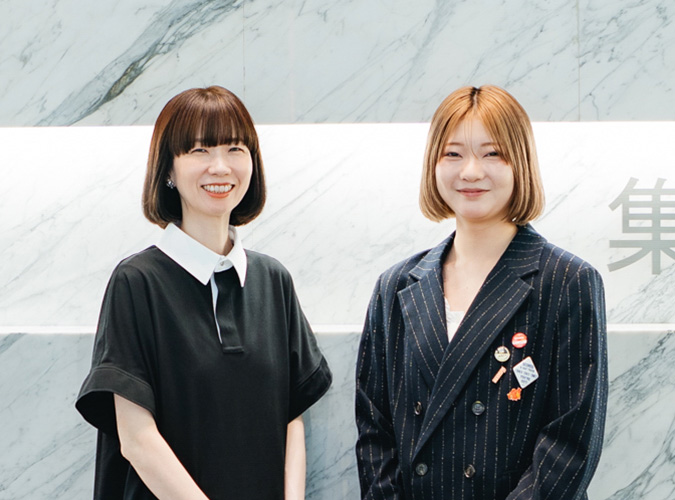
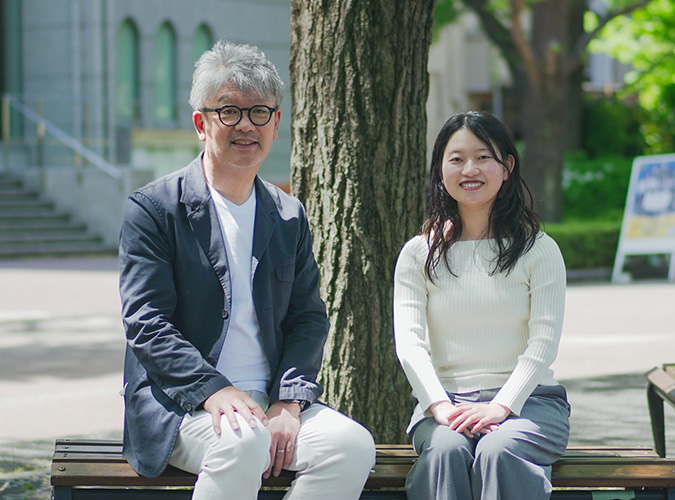
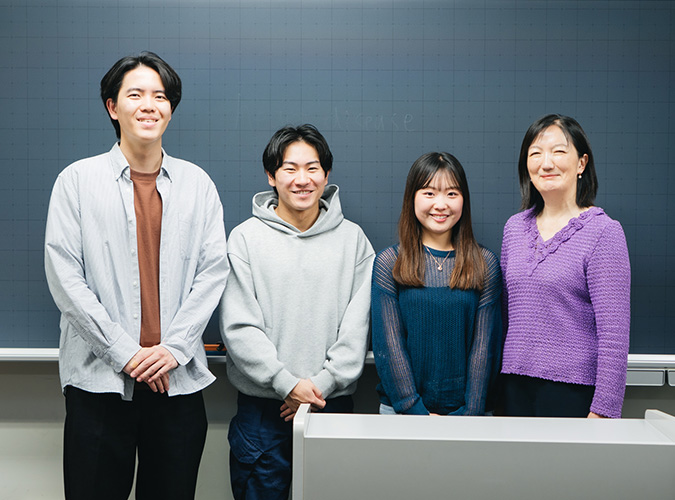
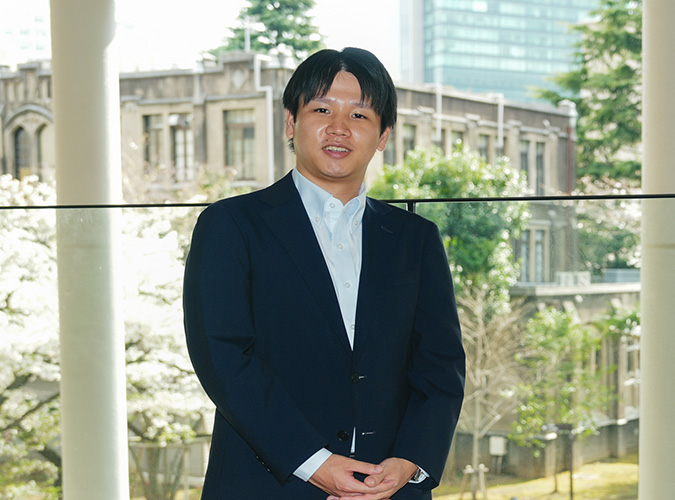
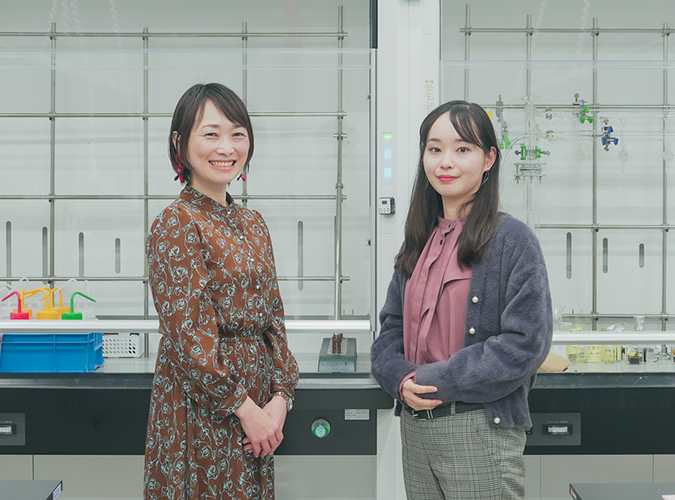
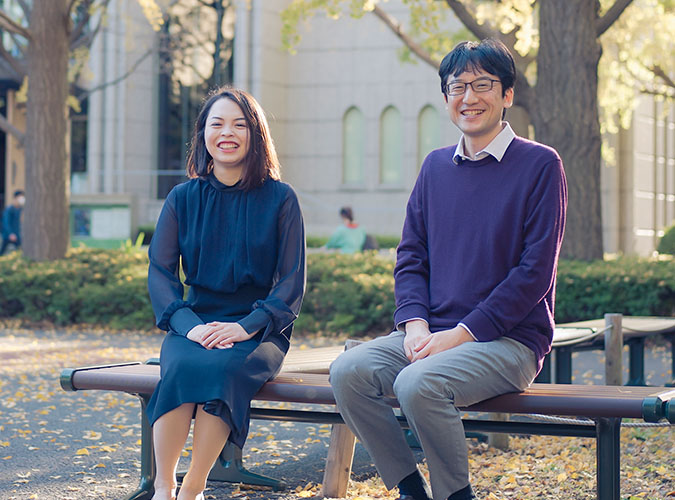
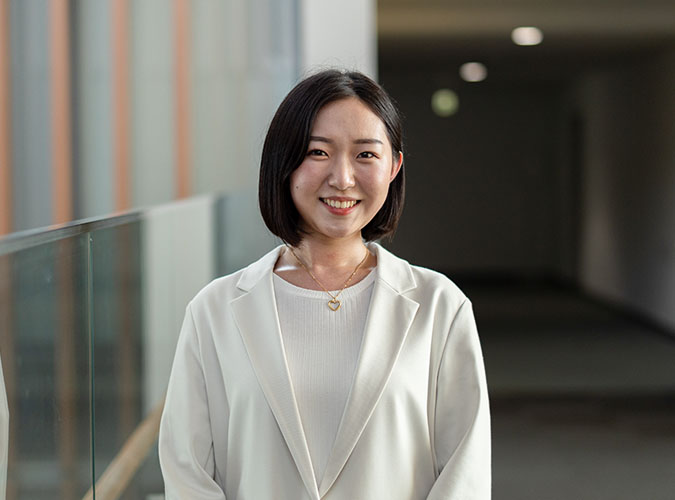
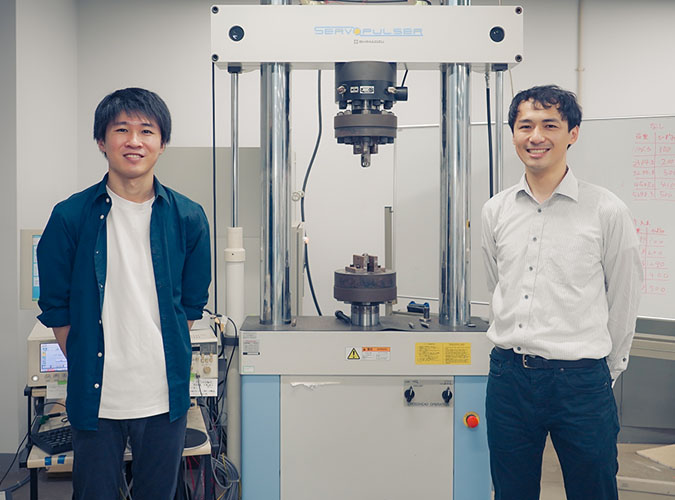
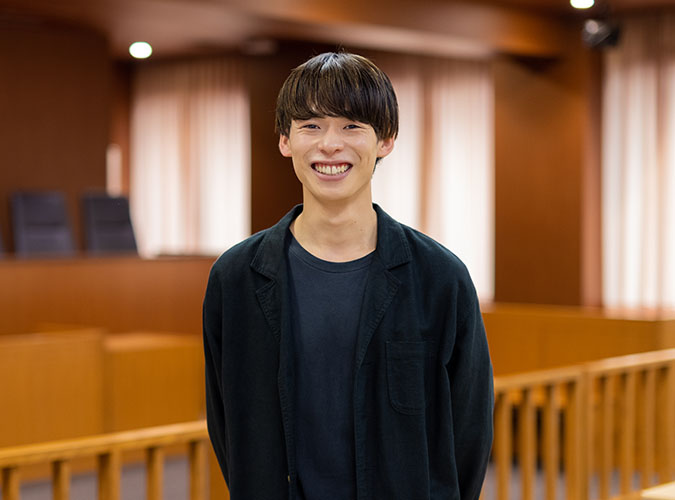
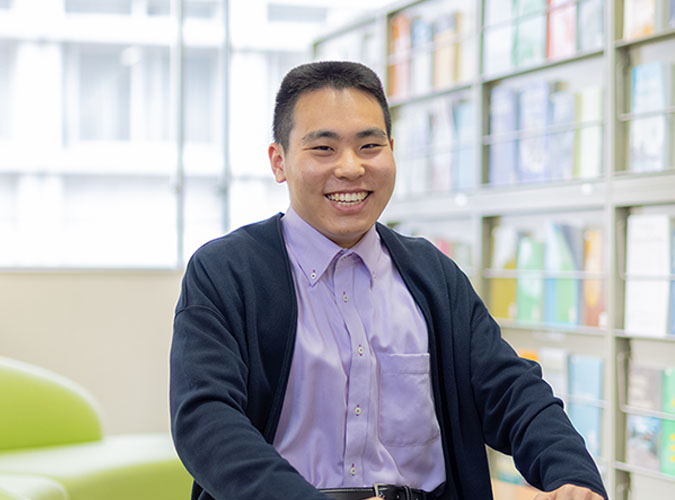
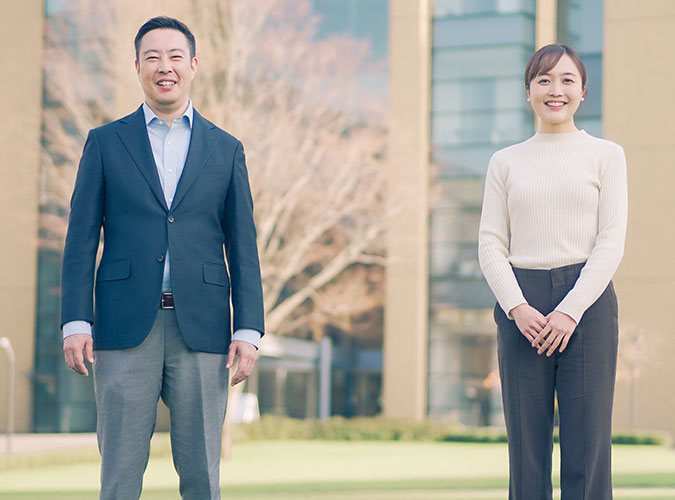
Aiming to contribute to solving local issues, Takashi Akazawa and Tomoomi Isozaki pursued their interests to the fullest at College of Community Studies. They also have high career aspirations and have decided to work for the same foreign consulting firm after graduation. The two, who have vowed to continue to work hard and grow together, talked to us about their studies at the college and their job hunting activities (the interview was conducted in March 2024).
Choosing College of Community Studies to Find Solutions to Local Issues
Akazawa: I visited many universities during the open campus, but I still remember vividly how the students at Aoyama Gakuin University were particularly lively. In addition, the kindness and gentleness of the teachers who helped me with my entrance exam consultations left a strong impression on me, and it made me want to study at Aogaku.
I chose College of Community Studies because I was interested in regional revitalization. I moved from Kanagawa Prefecture to Tochigi Prefecture when I was in the fifth grade of elementary school, and although I grew attached to Tochigi, I also felt the reality of the lack of vitality in the region, so I wanted to gain knowledge that would help enliven the region. I was also happy that Aogaku 's Sagamihara campus was located in Fuchinobe, where I lived before moving, and since the faculty had just been established, I was excited to be one of the first students.

Isozaki: I applied to College of Community Studies because I wanted to gain practical knowledge about the issues facing the region and how to solve them. My father is a general developer and my mother works as a first-class architect, so I grew up in an environment where there were many documents related to urban development and real estate at home, and I began to become interested in these fields when I was in elementary school. When I was in high school, I visited two contrasting sites, a redevelopment site in Sibuya and a site in a suburban area that was in decline, when I visited my father's workplace, and I heard many people living in the suburbs say, "It's tough, but I love this place." So I began to think that I wanted to work in a job that would not only help with urban development, but also contribute to regional revitalization while firmly protecting the lives of local people.

Undergraduate classes that taught the region from multiple perspectives and various realizations
Akazawa: I always value the learning that can be gained from meeting people, and I have had many wonderful encounters with teachers in this faculty. In a survey for the "Community Human Science Special Lecture H" class, I answered, "Learning has nothing to do with the boundaries of university or faculty. University life is a time to freely deepen your interests wherever you like." I was impressed by what Professor Tsuji Yoshiyoshi said to the whole class in the first class, "I want everyone to have the same attitude." In class, he asked me what I think about newspaper articles and movies dealing with social issues, which broadened the scope of my thinking.
In addition, our faculty offers a wide range of classes on cultural resources, such as "Community Cultural Resource Utilization Theory," and we have repeatedly considered for whom the preservation and utilization of cultural resources is being carried out, and whether it is based on the wishes of local residents.
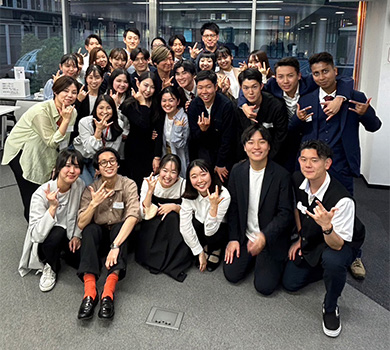
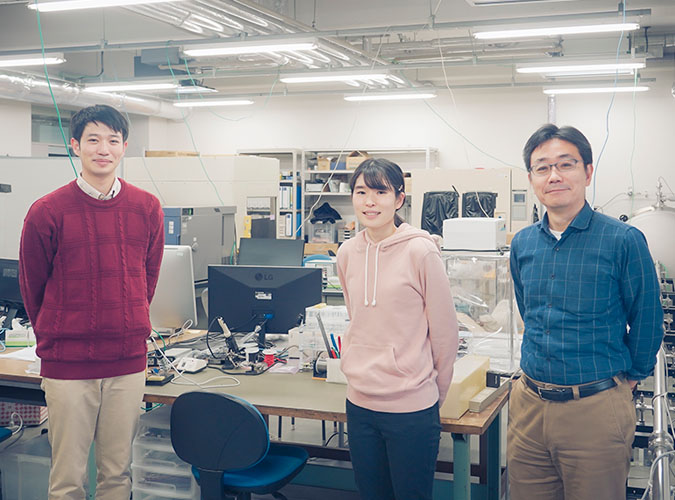
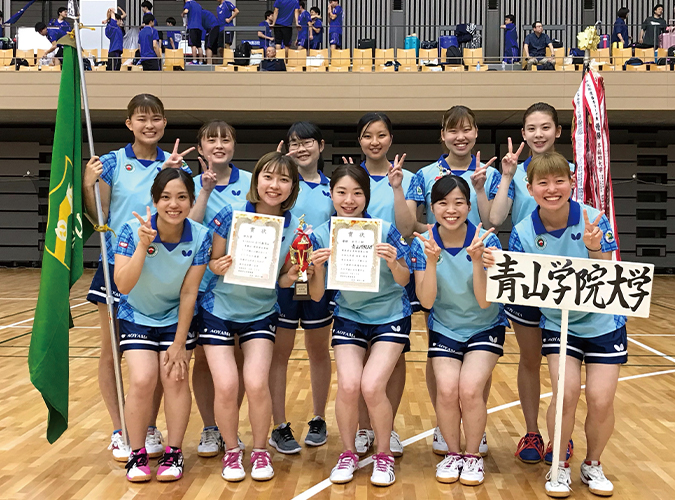
Both of them participated in a seminar taught by Professor Eric Matsunaga Masashi of School of Global Studies and Collaboration, and served as team leaders. (Isozaki is fourth from the left in the second row from the back, and Akazawa is third from the front in the center.)
Isozaki: The class that left the biggest impression on me was "Community Human Science Special Lecture L" taught by Professor Mie Uda, who also taught me in a seminar. The subtitle of this class was "Entrepreneurship," and we worked in groups to put together a proposal for a new business and make a presentation. Our group came up with a business model to build a system on campus to resell unneeded university textbooks at low prices to underclassmen, and proposed it. We had learned about the entrepreneurial process and framework before the group work, but we realized that it was not enough to just apply that knowledge; we also had to realize the difficulty of putting the problems we wanted to solve into a business and giving it shape. From these experiences, I learned that it is meaningless to just swallow the know-how that is overflowing in the world and put it into practice.
Since I had been solely focused on soccer until high school, I found the "Regional Sports Management Theory" course very interesting. I learned that "sports" and "regions and business," which I had previously thought were unrelated, are deeply connected, and I thought that sports could be the key to revitalizing regional areas and solving regional issues.
Akazawa: What kind of research did you do in Professor Uda's seminar?
Isozaki: In the future, I was interested in the field of mobilizing a community "organization" to solve local issues, so I wanted to start by exploring corporate management methods from a business perspective. The research theme was "Factors influencing the penetration of management philosophy," and I conducted a statistical survey by questionnaire to 300 employees at a company that develops SaaS* and media businesses, where I was doing a long-term internship, to find out what factors lead to the penetration of management philosophy. Since I had not been exposed to statistics much until then, I had a lot of difficulty with the analysis, but Professor Uda supported me generously. For the analysis, I used IBM SPSS and KH-coder based on raw data in Excel, and I think it was good that I was able to utilize a lot of what I learned in the compulsory "Information Skills I" course in the "The Aoyama Standard" course.
* An abbreviation for "Software as a Service," a model for providing software and applications on the cloud.
What about Akazawa?
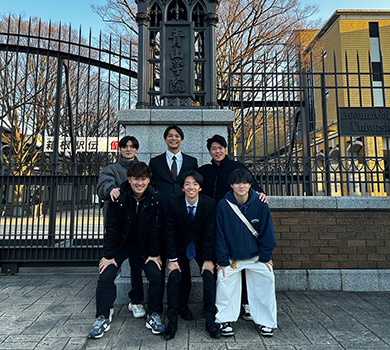
Commemorative photo in front of Sagamihara campus Main Gate after the thesis presentation (Mr. Isozaki is on the left in the back row)
Akazawa: Since I read a critical essay questioning the structure of capitalism and our consumption behavior in the summer of my third year of high school, I have had a strong interest in capitalism, so I took Professor Nagai Takeo 's seminar on consumer society theory, and for my graduation thesis I researched "collective impact*," which is currently attracting attention as a way to solve social issues. Collective impact is being talked about as a new concept in the world, but in Japan it is an initiative that has been expressed as "industry-academia-government-private sector collaboration." However, I learned that the reason it did not work well was because there was a tendency to look down on NPOs and communities that are rooted in the community. I learned that in order to solve local issues, it is necessary to have an attitude of working together while respecting each other.
*An approach in which multiple organizations, groups, and individuals work together to address a specific social problem
Confidence gained through internships, solo travel, and self-improvement
Isozaki: Looking back on my job hunting, I think it went very smoothly. One of the reasons was that I started job hunting earlier than the people around me, thanks to advice from my older brother. I also used "Web Ash (Career Path Employment Support System)" and job guidance for College of Community Studies to gather information. Another thing was that I think my long-term internship experience was very important. I participated in a total of four companies, and I think that the two years of experience at the SaaS vendor mentioned above was particularly helpful in improving my practical skills. Since I belonged to an organization called the CEO's Office, which handles strategic sales across the entire company, the scale of the cases we handled was large, and I was blessed with opportunities to meet with executive-level people from large companies, which was an experience that students rarely get. Thanks to that, when I participated in summer internships (summer internships) at about 20 companies in my third year, I was able to approach them with overwhelming confidence in my business skills, such as communication skills, document creation, and documentation in business situations.
However, most of the summer internship was online due to the effects of COVID-19, so I spent the two months of my summer vacation alone in my room, facing a screen, which was mentally tough. I tried to go out as much as possible to refresh myself.
Isozaki giving a presentation as a long-term intern
Akazawa: I also participated in a long-term internship at a mega-venture advertising company, where I analyzed trends and insights, documented and presented research results, and created advertisement plans. I was able to learn how to use language that would be easy to understand when reading documents, and because I was tasked with completing the entire process from analysis to presentation within a set working time, I was able to really hone my ability to work with high precision and speed.
Isozaki: After your third year, you took a year off to go on a solo trip. I was always inspired by your initiative.
Akazawa: I followed the trend and started job hunting early, but I always had doubts about whether I should just go out into society. When I thought about what the cause of this was, I realized that I wanted to explore capitalism, which I had been academically interested in, more while I was a student. So, as the culmination of my academic research, I decided to go to Cuba to try living in a socialist country to see capitalism in a relative sense. During my stay there for about two months, I strongly felt that I wanted to advance my career and become someone who can leave an impact on the world. Also, after seeing the reality of Cuba, I decided to start my career in Japan first and aim for a world where I can tackle social issues, so I applied to a consulting firm. I feel that spending my university life without any worries for myself will help me in my job hunting later on and even in the future.
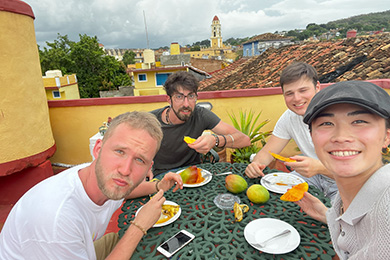
Akazawa with some Italian friends he met and became close with in Cuba (right in front)
Besides Cuba, I also backpacked to socialist countries such as the Czech Republic, Hungary, and Vietnam, and made friends all over the world, which is something I could not have learned through classroom learning alone. I also feel that my intuition and ability to judge people in order to avoid danger have been sharpened.
Thinking and acting leads to the future
Akasaka: How did you narrow down your desired industry, Mr. Isozaki?
Isozaki: I remember one lesson in this department that said that when you are involved in urban development, it is important to involve various industries, including the government. So I wanted to work for a company that can contribute to solving local issues with a cross-industry, end-to-end approach, and that can focus not only on profitability but also on how much value it can provide to the issues, so I narrowed it down to the consulting industry.
In class, there were many opportunities for people working in the field and activists to come and speak, which helped me develop the motivation and attitude to think about social issues. I learned that it is very important to hear the real voices of those in the field, so I would like to place great importance on listening to the opinions of people in the field, especially those in the field, when I find a job. After gaining experience as a consultant on projects involving a wide variety of industries, in the future I would like to become a person who can contribute as a leader in solving social issues facing the local community.
What about Akazawa-san?
Akazawa: I wanted to go abroad more and more, so when I was looking for a job, I also focused on the company's global brand power. I can't believe I'm finally working for a company I've always admired. I realized that it's important not to close off my possibilities and not give up until the last minute.
My future goal is to contribute to solving regional issues across industries, just like Mr. Isozaki, and to become a consultant who can make an impact on a global scale. I think that my strong communication skills are one of my strengths, so I would like to focus on how I can create my own unique value by becoming someone who can bridge the gap between departments, both inside and outside the company. Aogaku is a university filled with people who have a strong love for their alma mater and are positive-minded. Deepening the academic interest I had in high school was a major catalyst for my career choice.
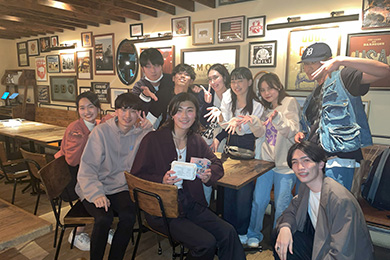
At the farewell party held by fellow long-term interns (Mr. Akazawa in the center)
Isozaki: Global faculties are also popular, but for those who want to focus a little more on themselves and face local issues, College of Community Studies is the best place to learn. It seems like most people go on to university, start job hunting, and get a job, but before you take that action, take a step back and think, "Why, for what purpose, and at what time are you making that decision or judgment?" This will allow you to act from a different perspective than other students. I hope you don't shy away from thinking and build a career that you are satisfied with.

*The links to each subject's "Course Content Details" are for the 2023 academic year.
Akazawa's job hunting schedule
-
<3rd year> October 2022
Participate in joint information sessions, start of autumn/winter internship selection process
-
<3rd year> From November 2022
Participate in fall/winter internships
-
<3rd year> January 2023
Participate in early selection of internship companies and selection directly linked to the final selection process
-
<3rd year> February 2023~
Final selection begins
-
<4th year> April 2023
I received job offers from various companies and my job search is over.
Mr. Isozaki's job hunting schedule
-
<2nd year> January 2022
While gathering information, we also conduct self-analysis, prepare for ES and web tests.
Participate in early job hunting information sessions and summer internship selections -
<3rd year> June 2022
Participated in the selection process for a wide range of summer internships in the consulting, IT, general trading, and finance industries
-
<3rd year> July 2022
Participated in summer internships at around 20 companies
-
<3rd year> October 2022
Participate in early selection process and receive job offers (IT mega venture companies, foreign consulting firms, etc.)
-
<3rd year> February 2023
I received a job offer from my first choice company and my job search is over.
College of Community Studies
College of Community Studies pursues social contributions focusing on regions in Japan, deepens understanding of local cultures and the people who live there, and cultivates the ability to contribute to the creation of better communities. Through programs that allow students to learn a wide range of knowledge, experience, and take action, students will develop the ability to discover and solve problems on their own, and open up the future of their communities through mutual assistance and cooperation with local people.
Japanese local communities face a variety of issues, including aging and depopulation. In order to be effective in solving these problems, it is important to have the experience of interacting with local people, learning about their activities, and empathizing with them. In Department of Community Studies, students learn about local people and government, and also engage in experiential training in collaboration with municipalities and NPOs. We develop human resources who can revitalize local communities and support sustainable activities as experts and members of the local community.