New sounds born from time spent together

OVERVIEW
Learning at university is not just about classes.
Students can improve themselves through extracurricular activities such as club activities, circle activities, and volunteering.
We would like to introduce students who have gained knowledge that will give them wings to soar into society.
Aoyama Gakuin University Cultural Association Orchestra Club,
The Aoyama Orchestra is a joint venture between Aoyama Gakuin Women's Junior College Orchestra Club.
The group has over 130 members, including students from other universities.
The main activities of the orchestra are regular concerts held twice a year (spring and autumn).
It took six months of preparation for the three songs they will perform there.
What is the experience of creating a work over time with a large group of colleagues?
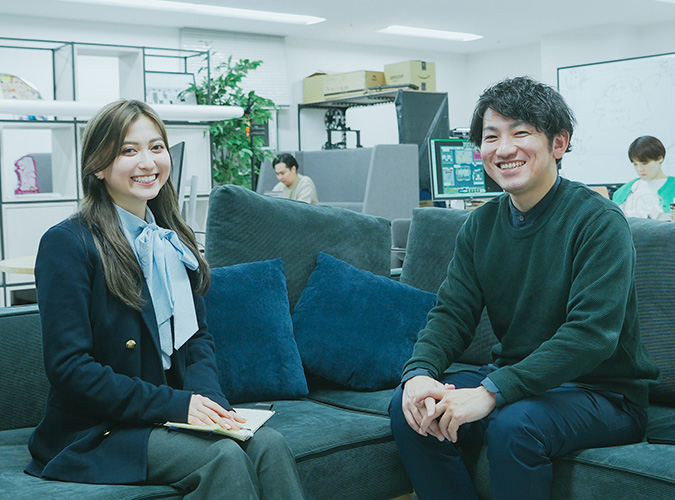
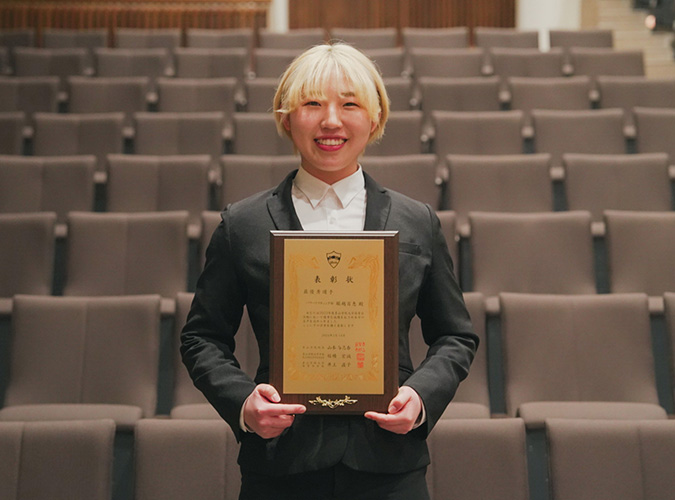
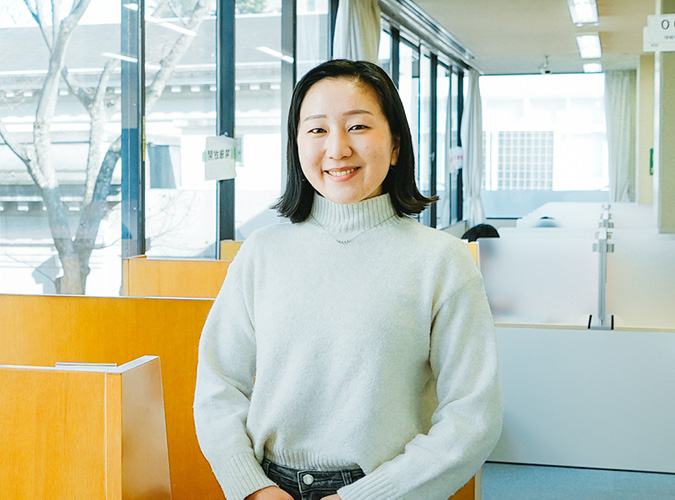
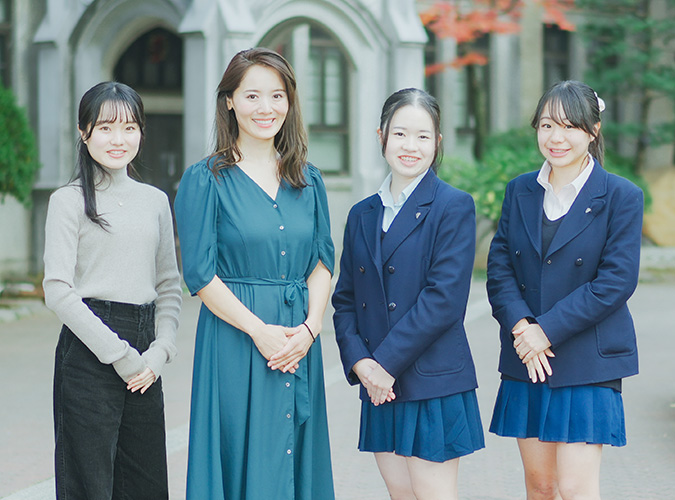
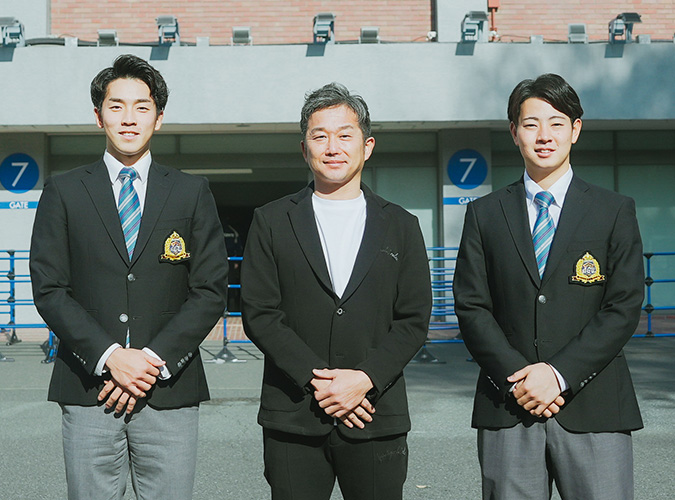
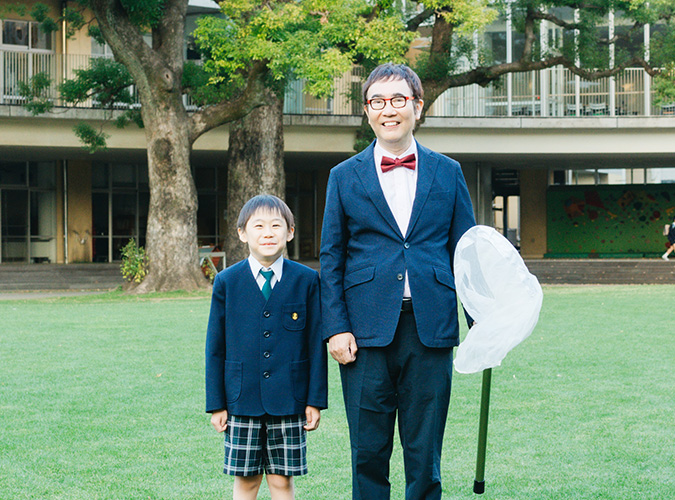
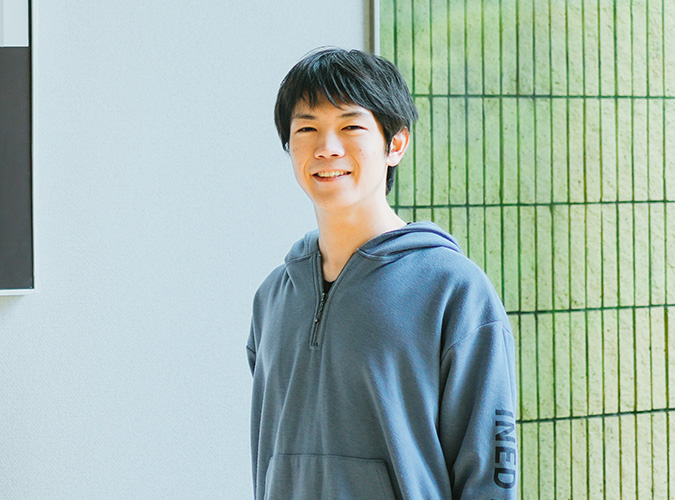
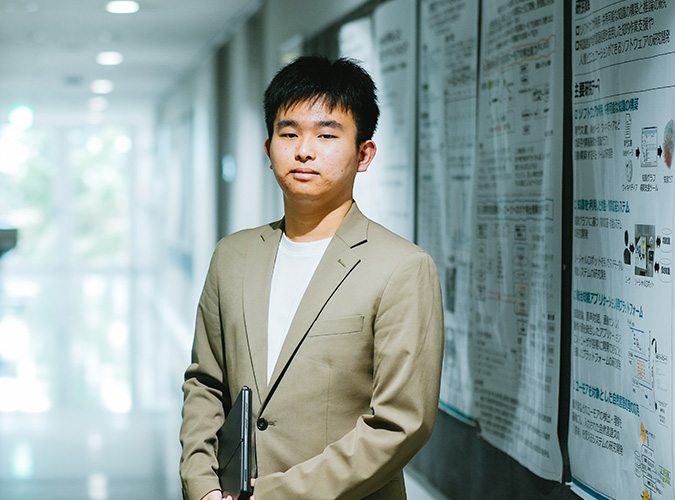
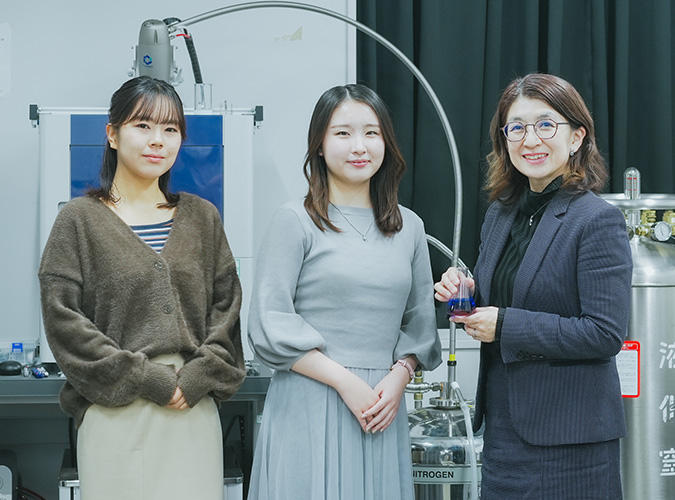
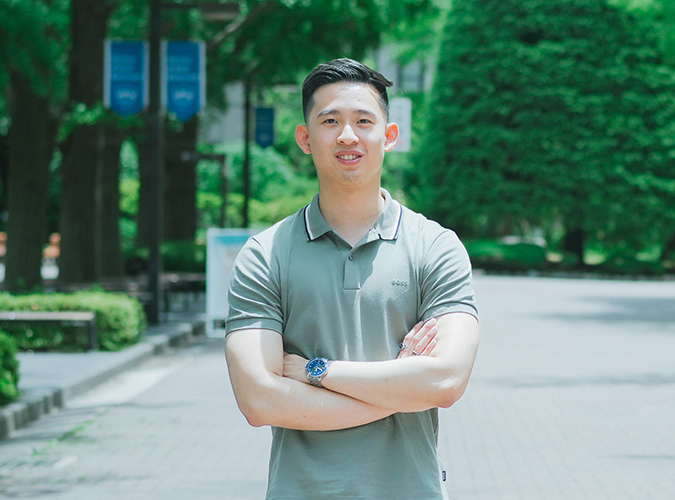
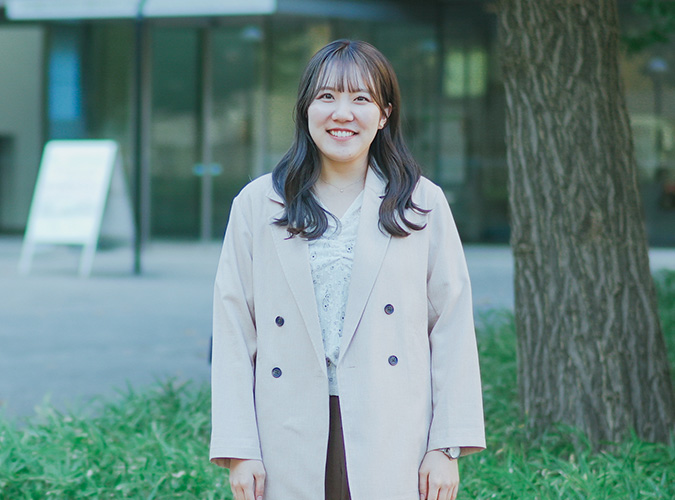
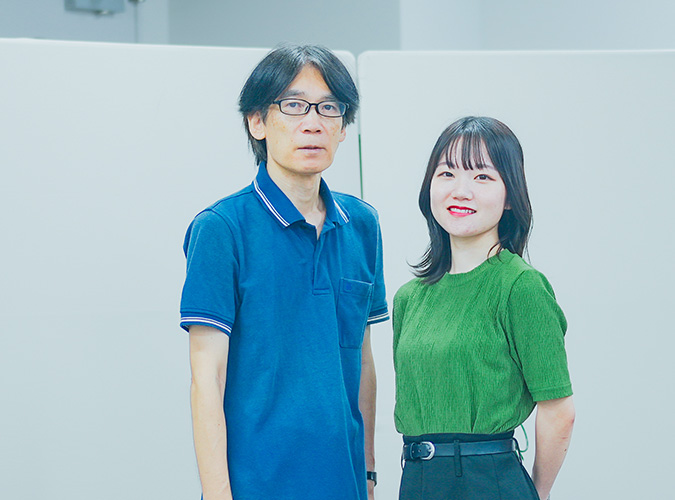
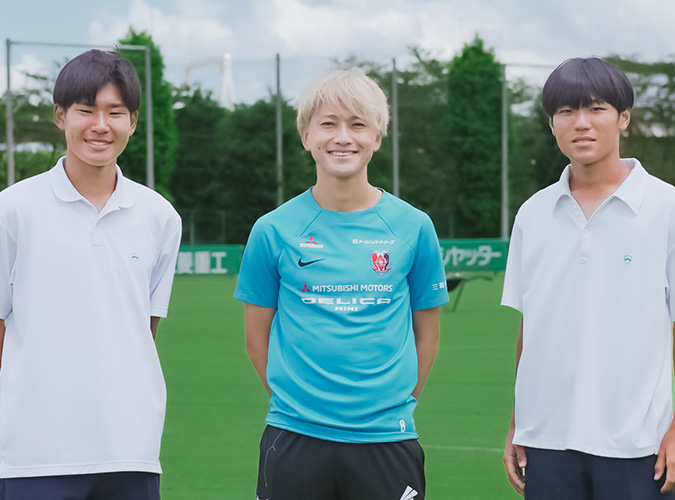
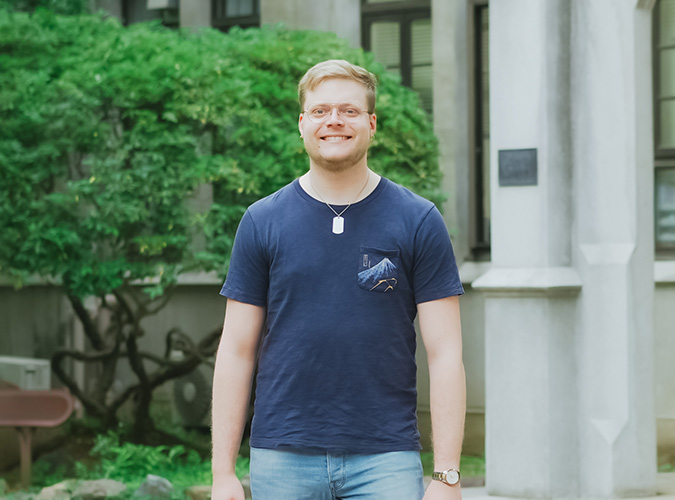
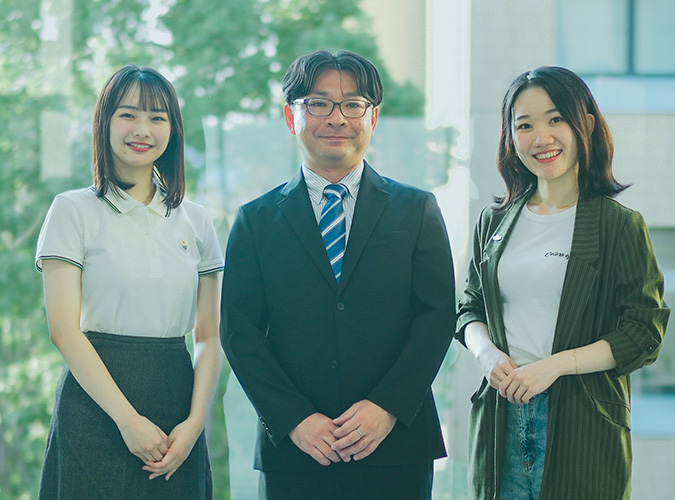
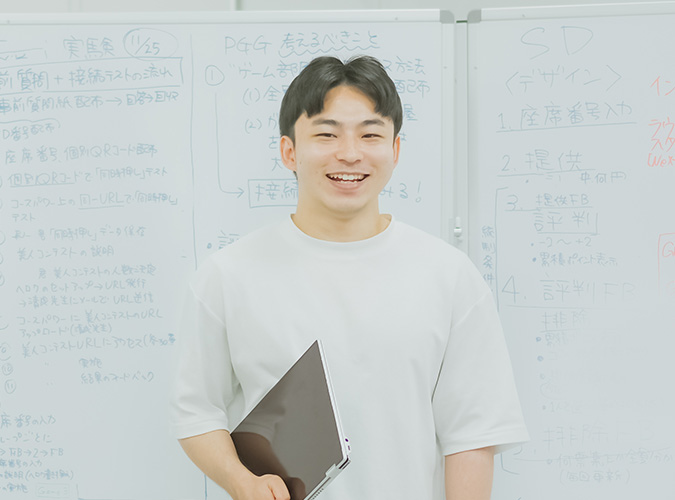
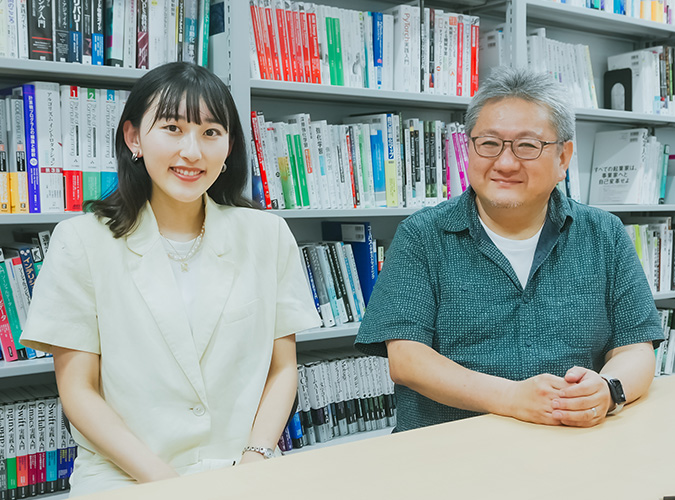
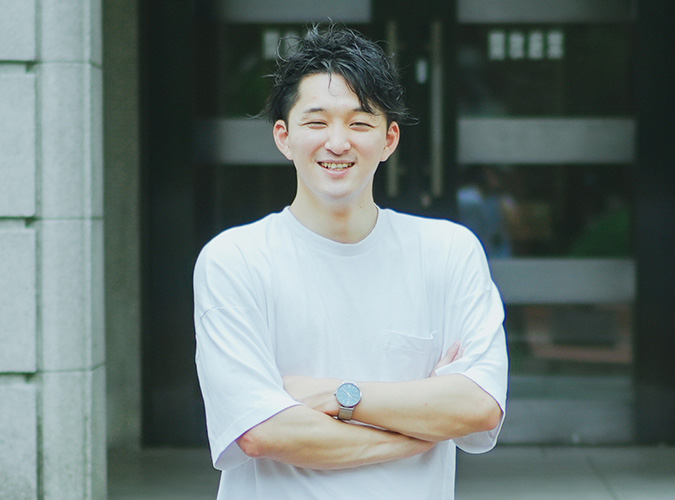
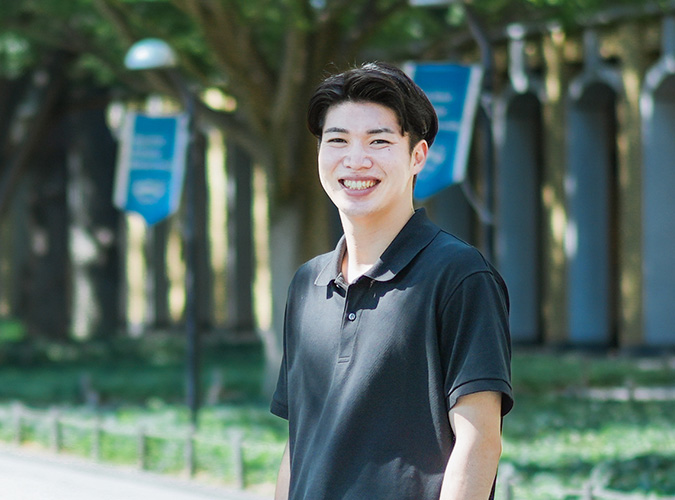
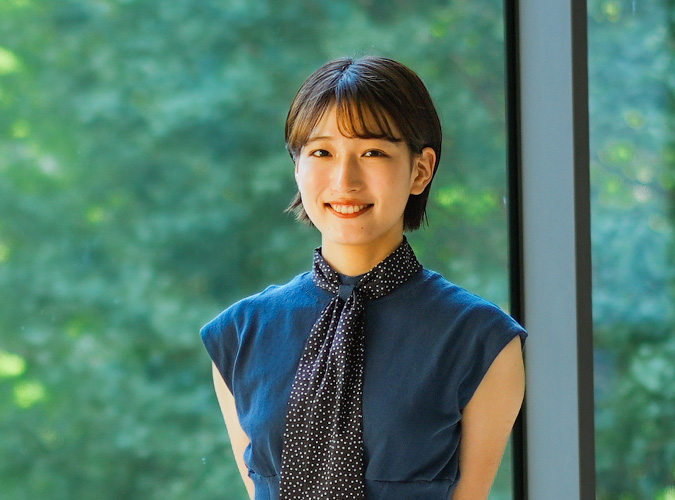
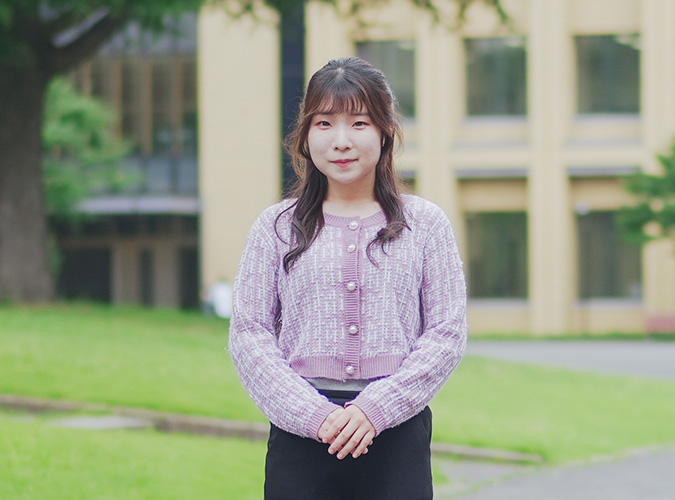
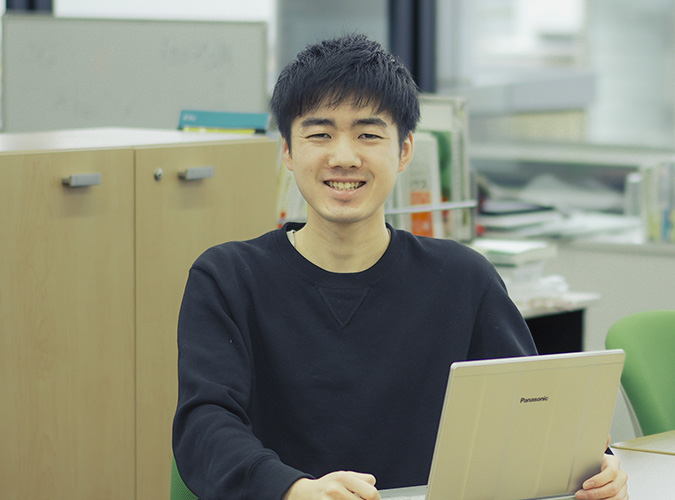
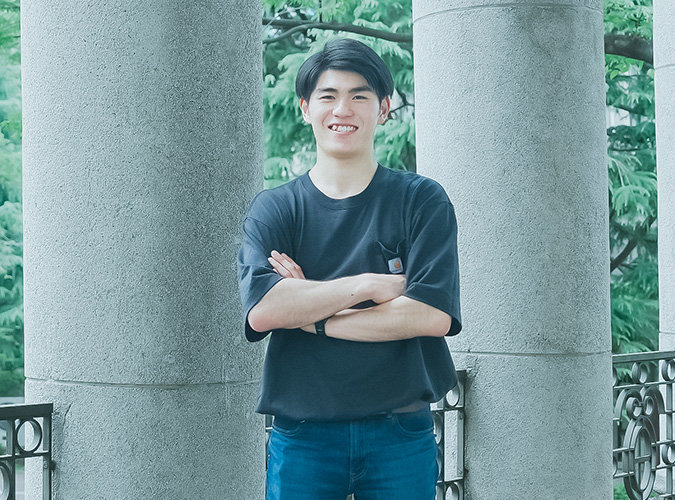
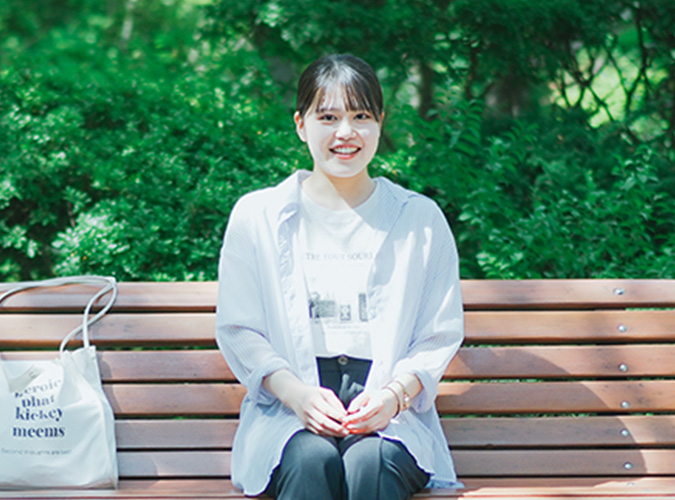
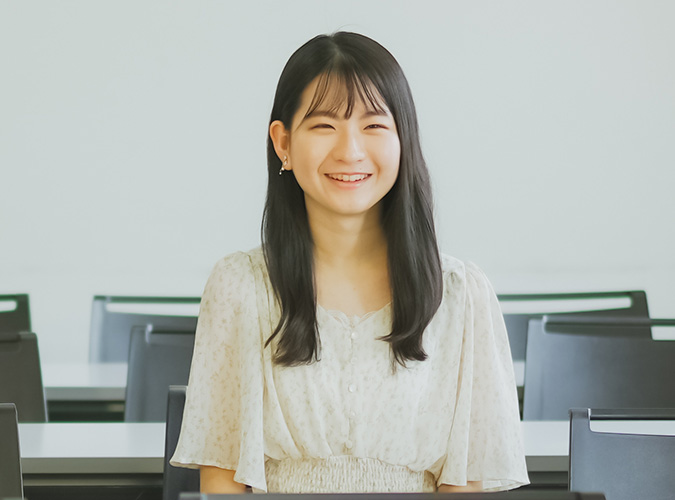
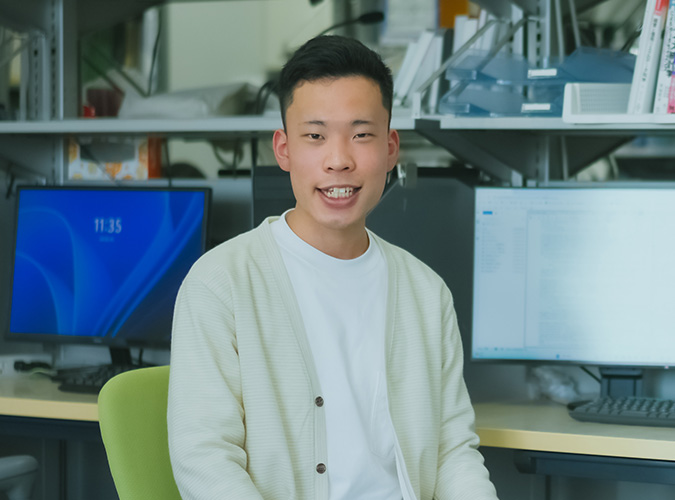
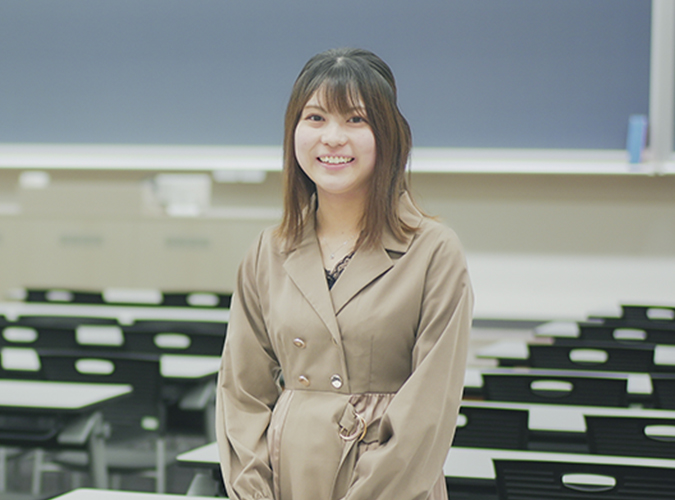
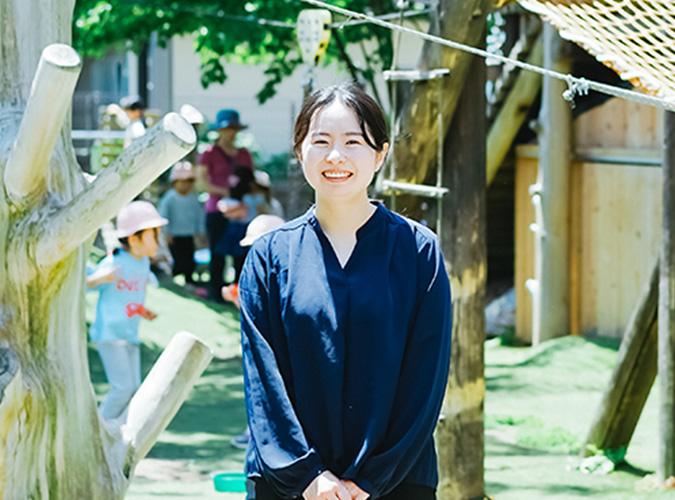
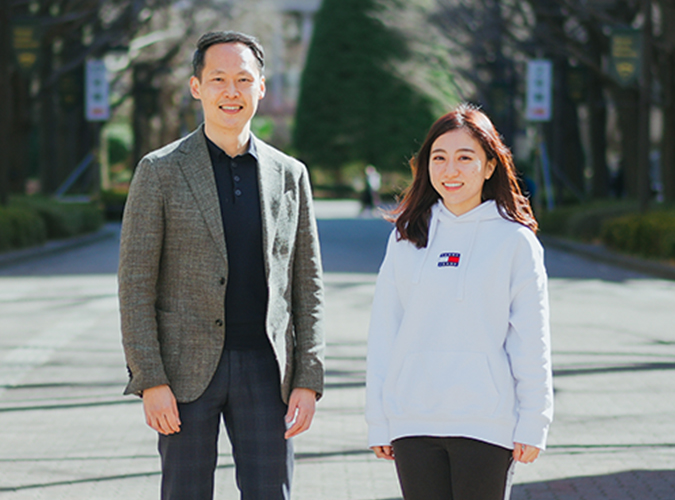
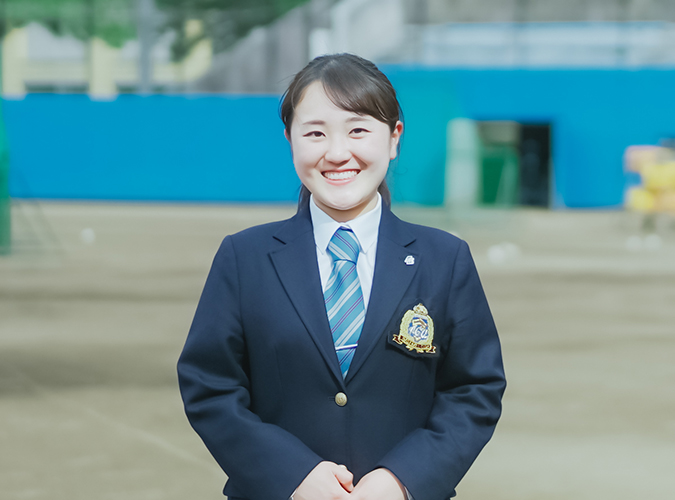
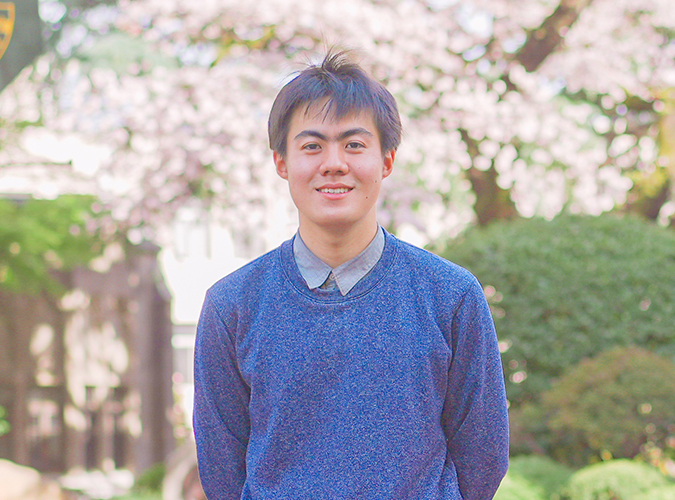
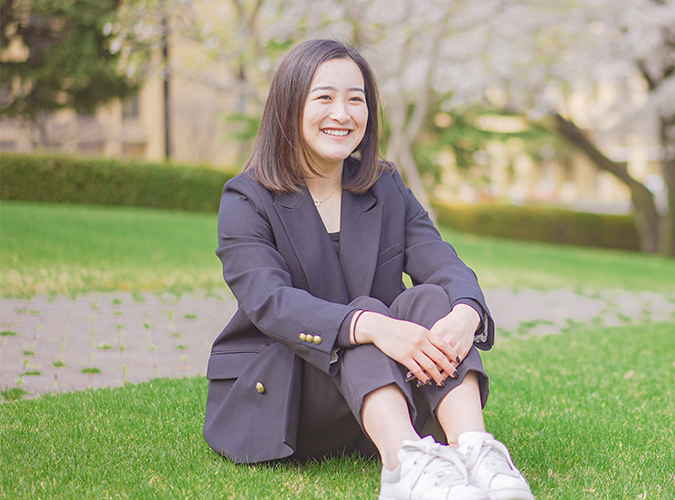
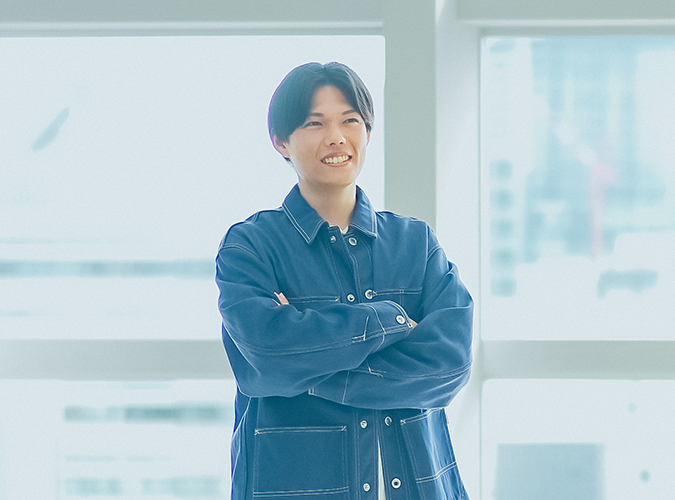
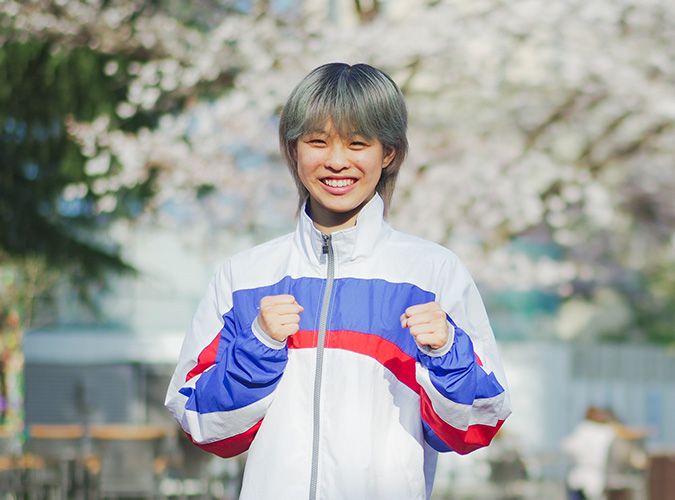
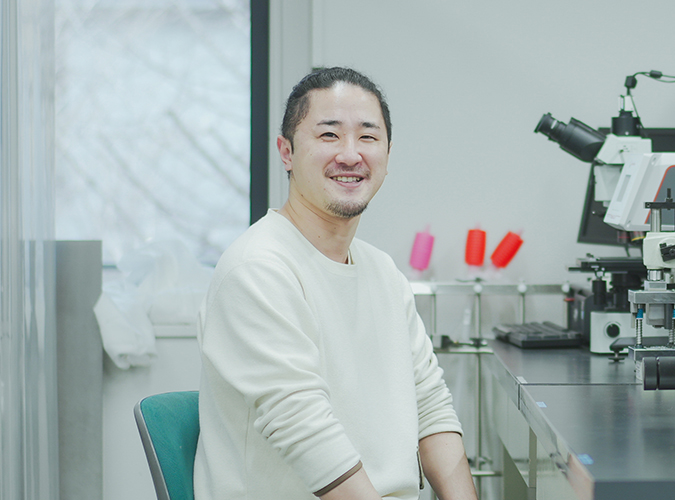
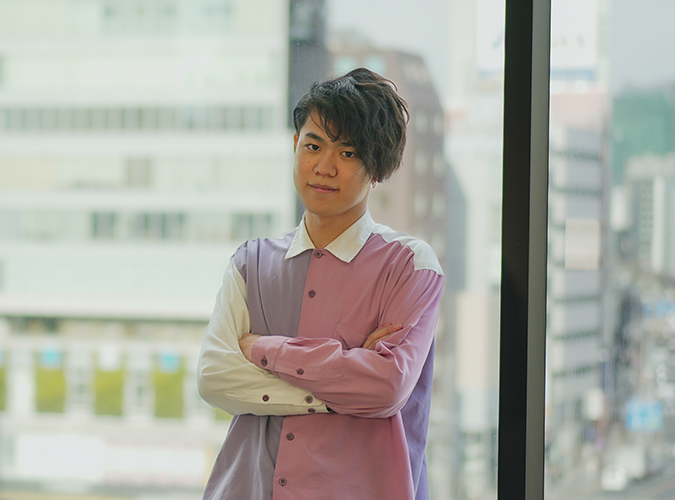
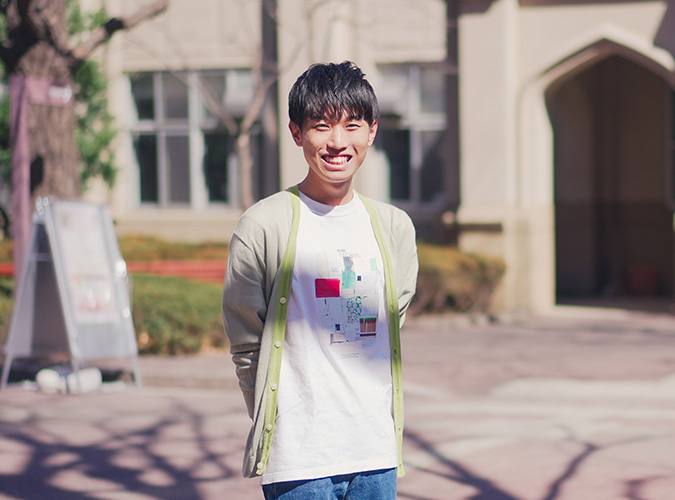
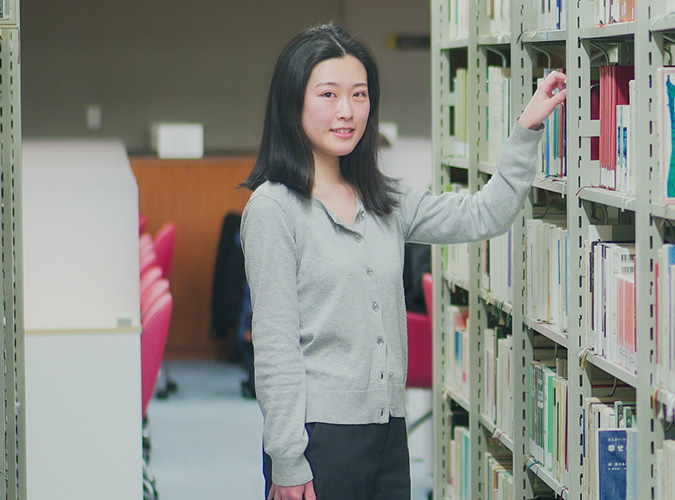
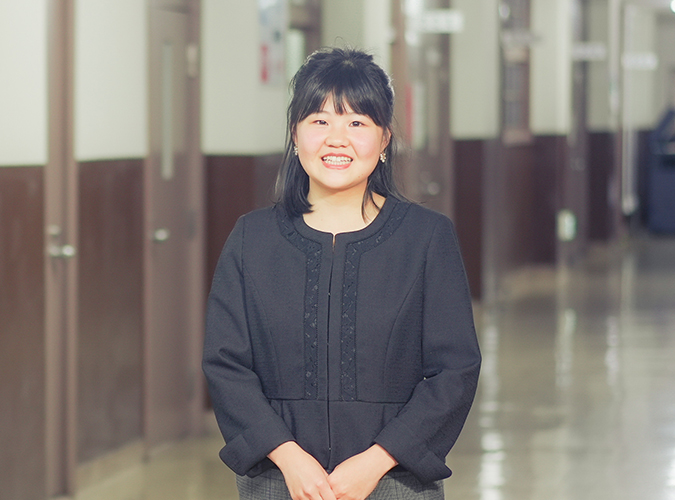
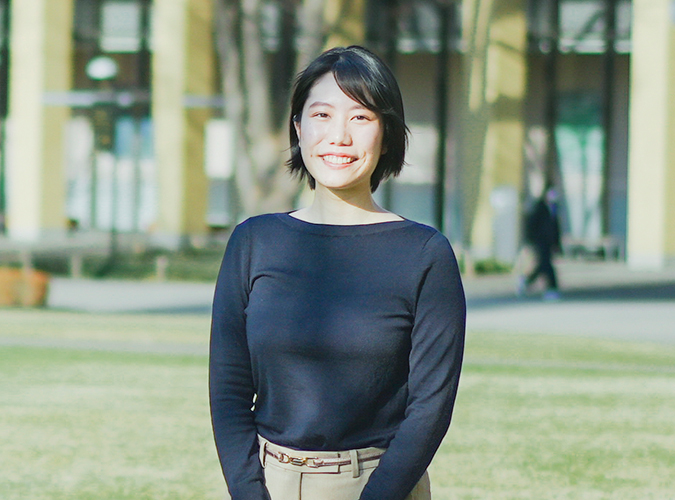
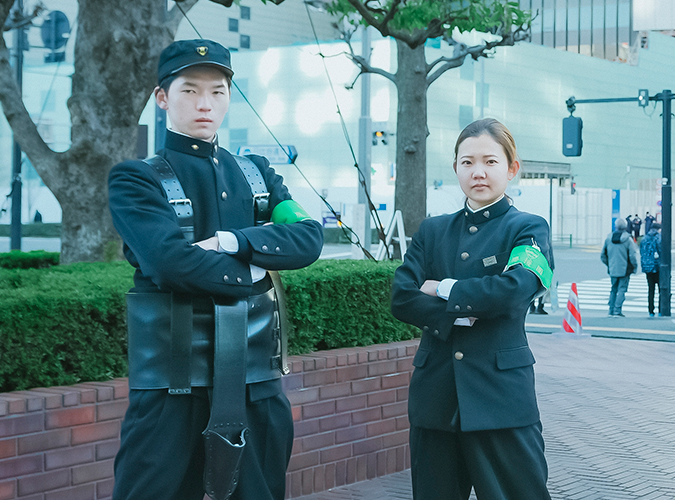
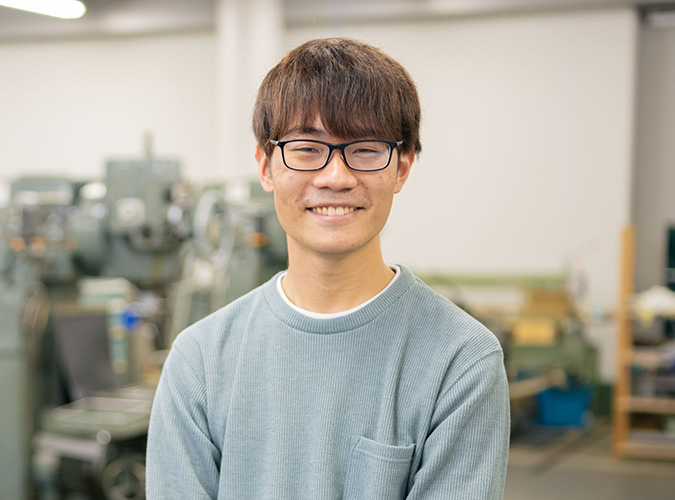
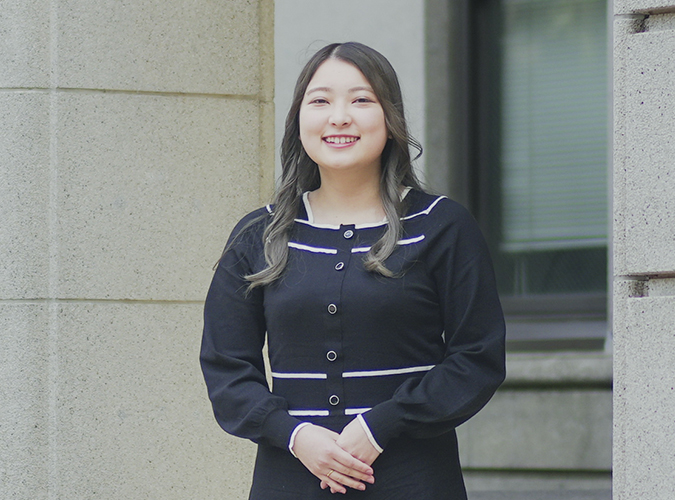
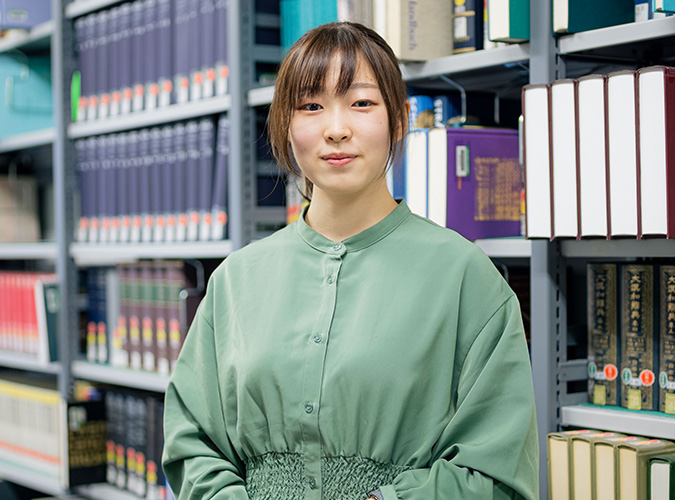
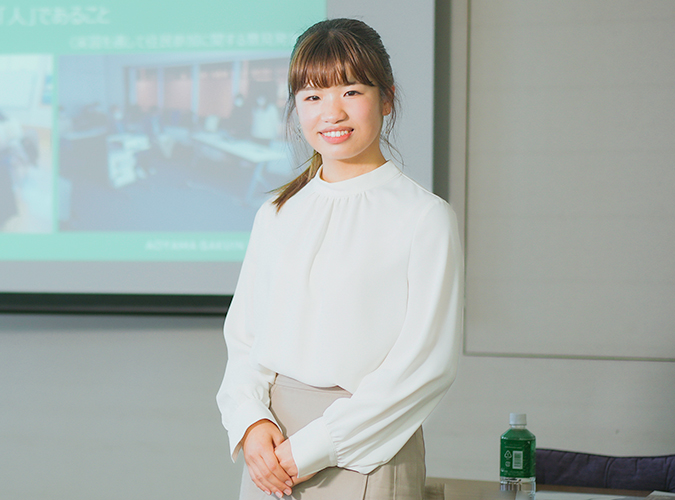
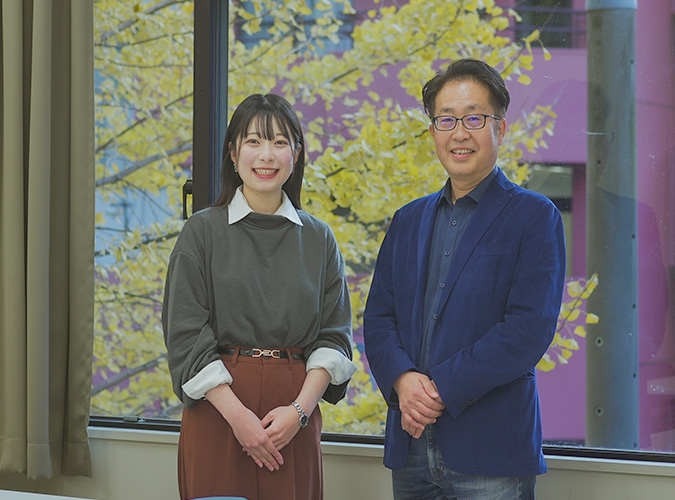
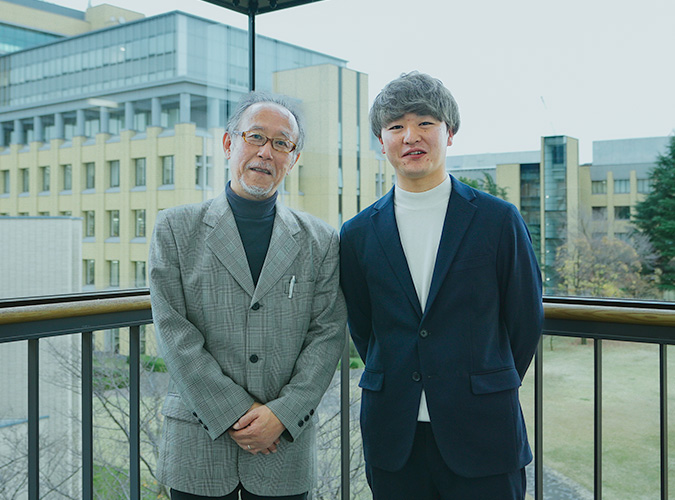
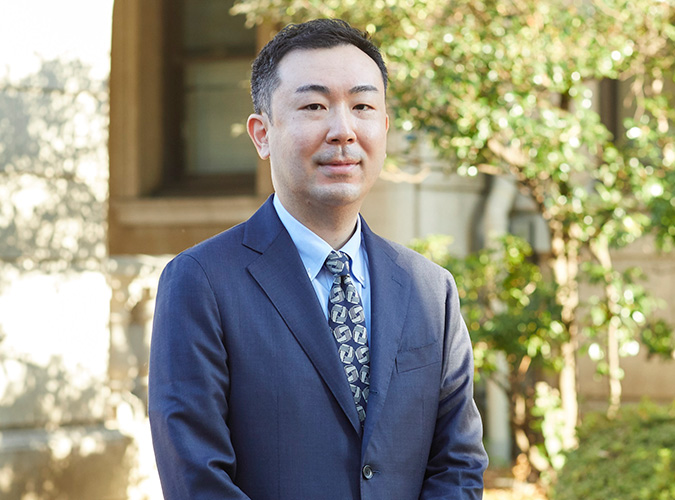
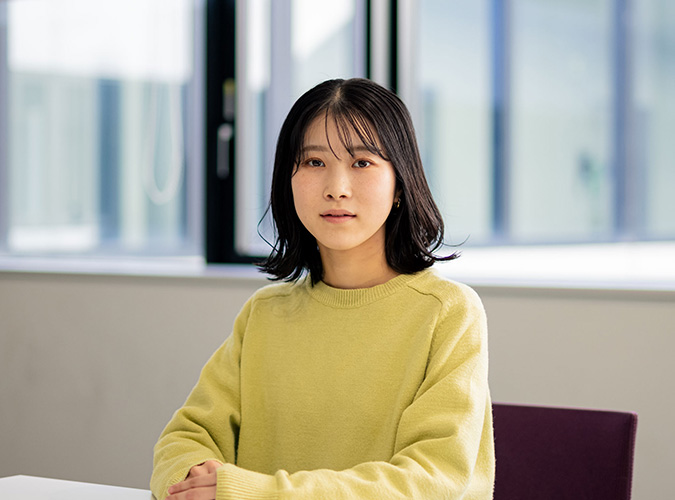
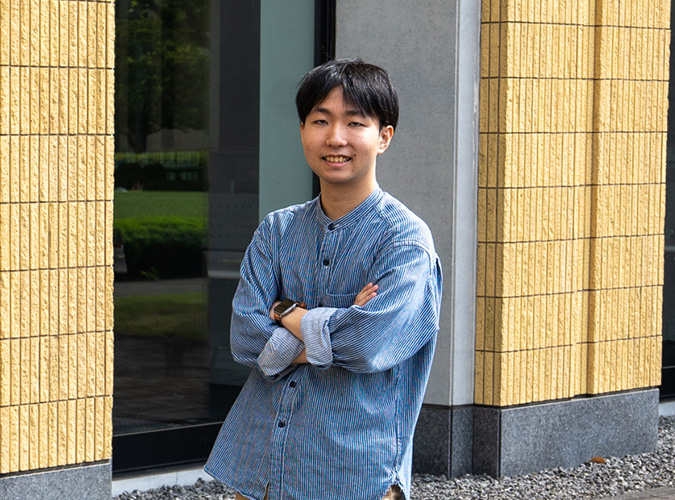
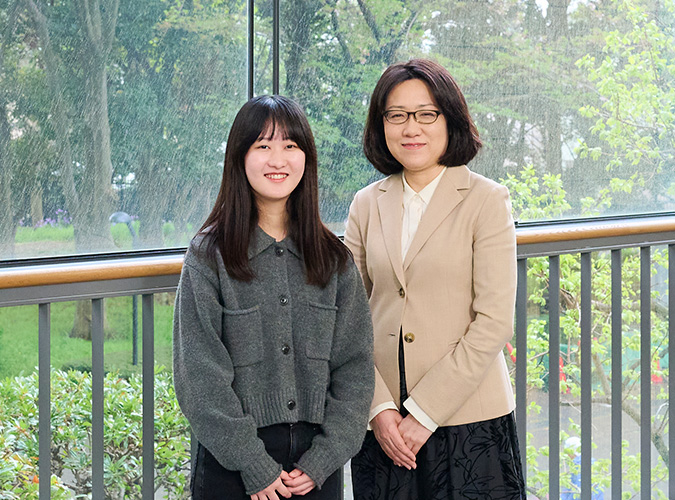
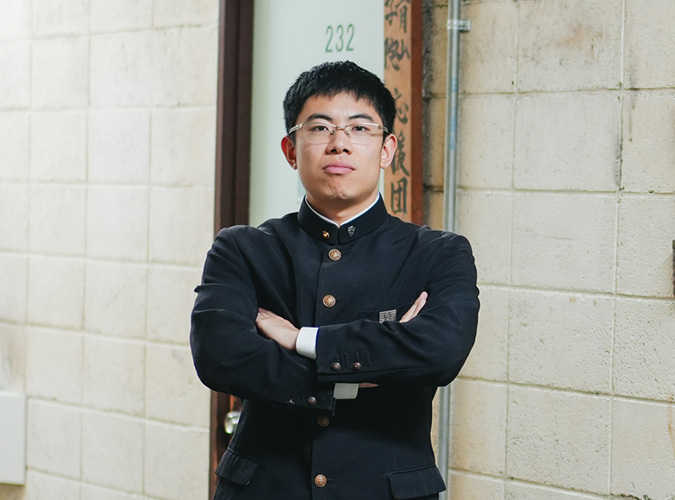
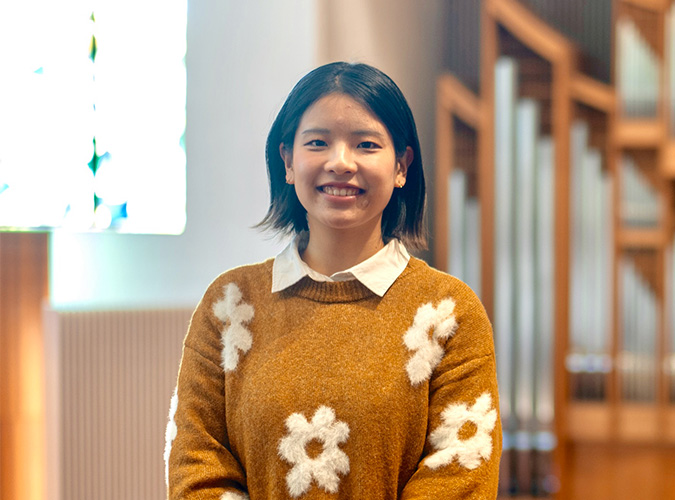
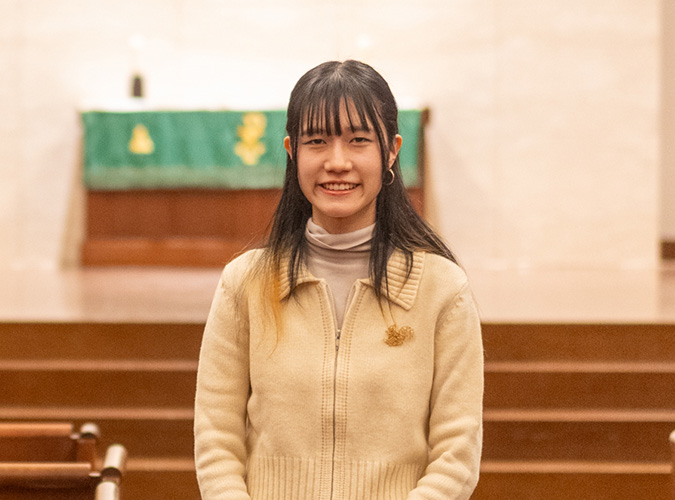
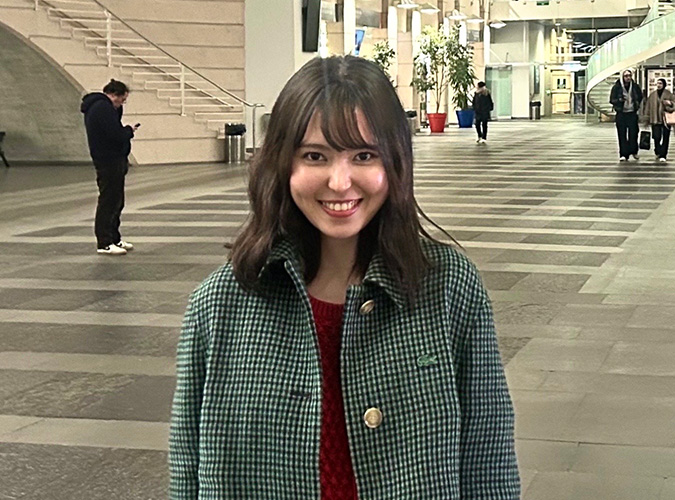
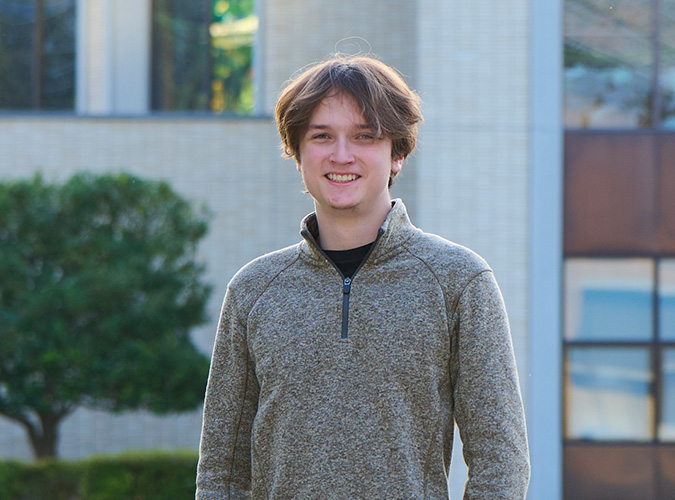
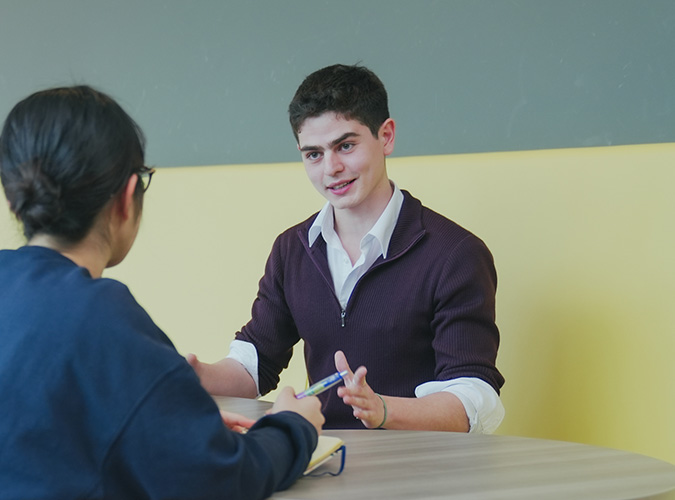
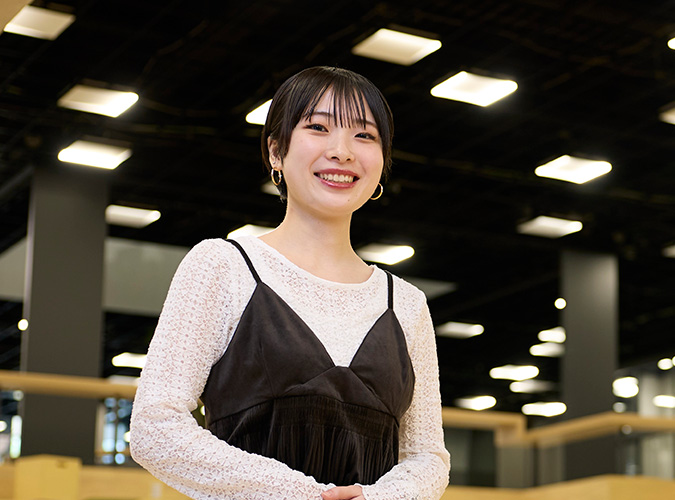
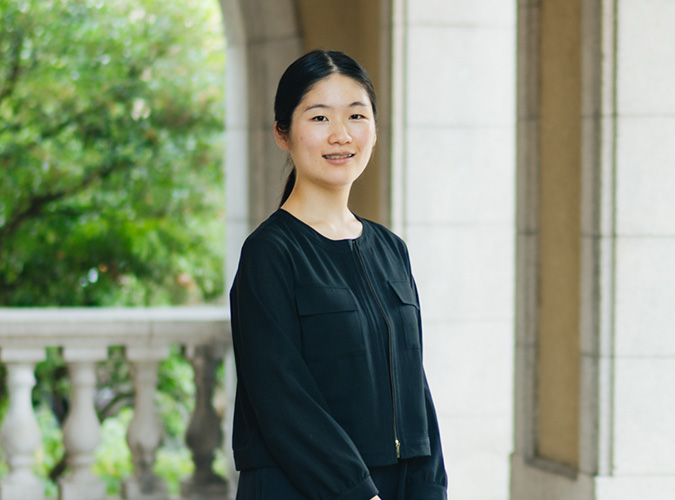
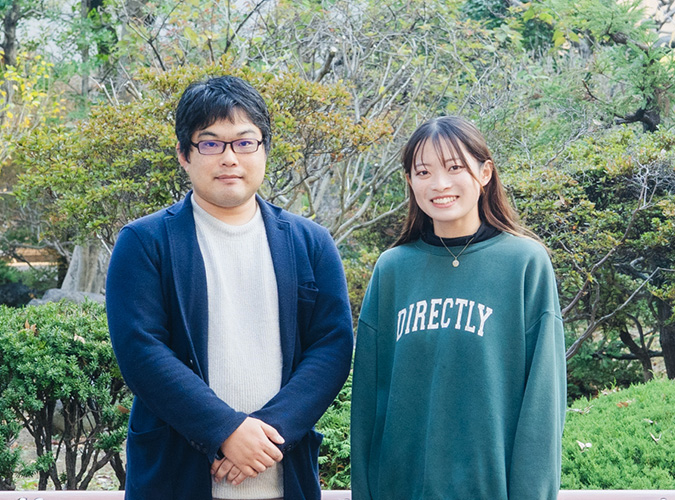
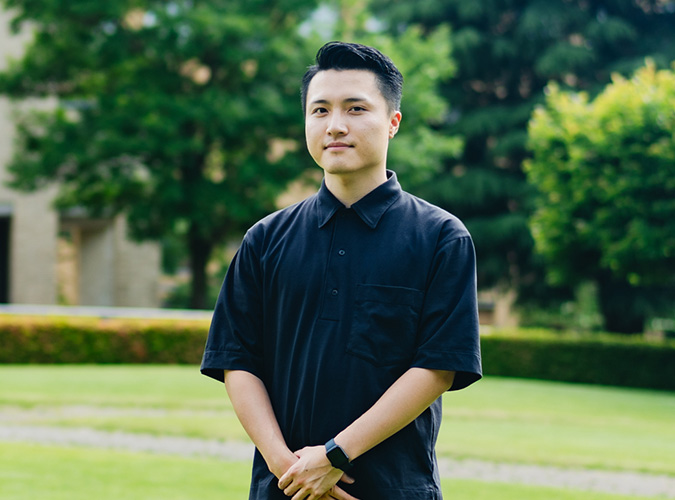
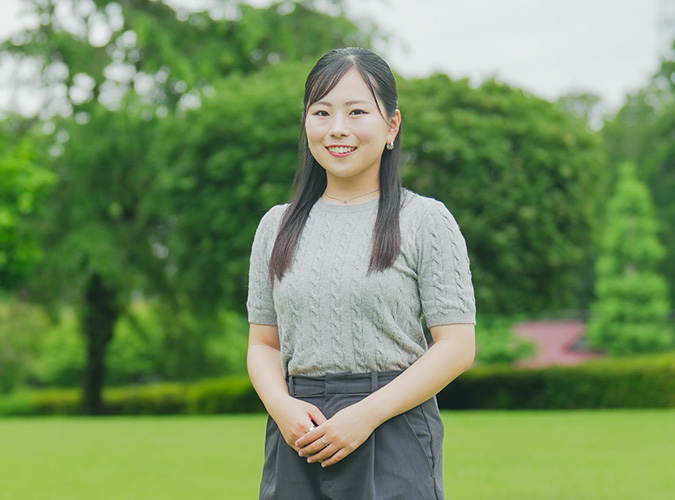
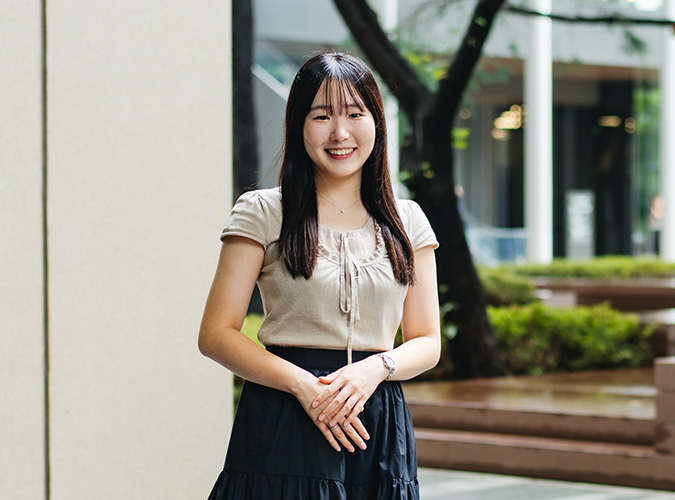
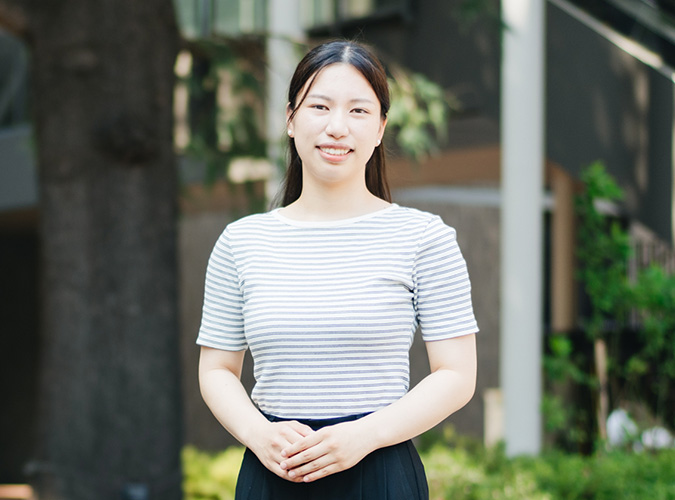
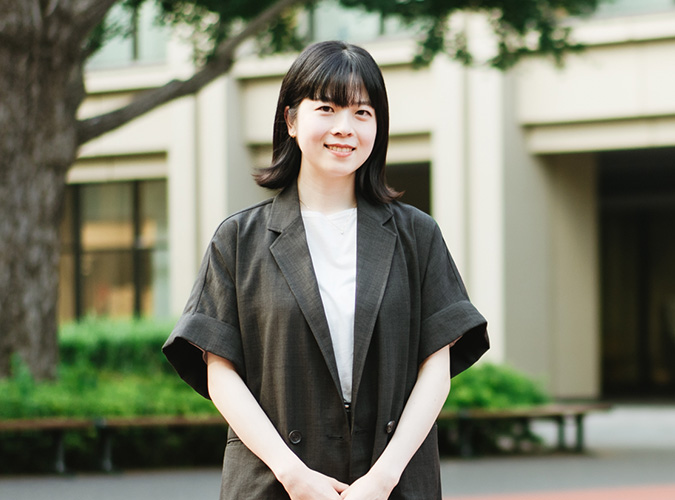
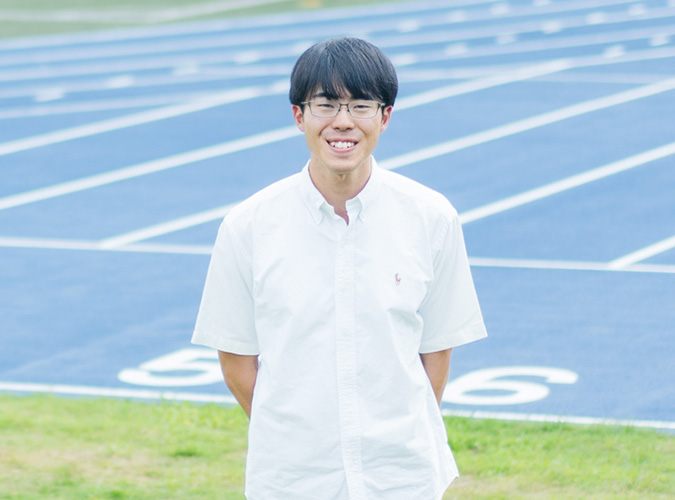
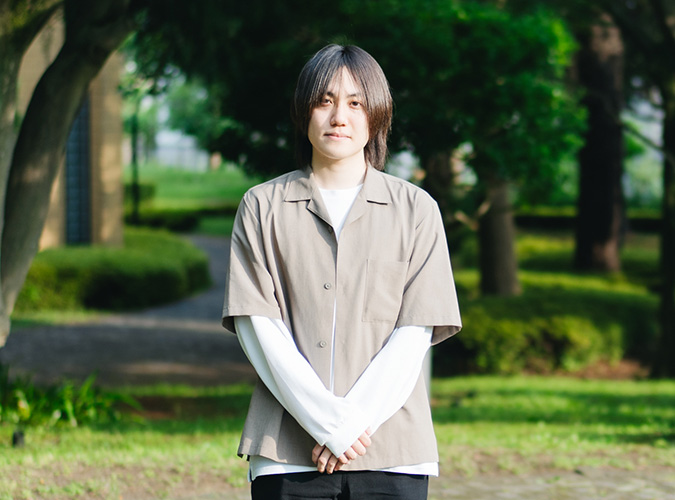
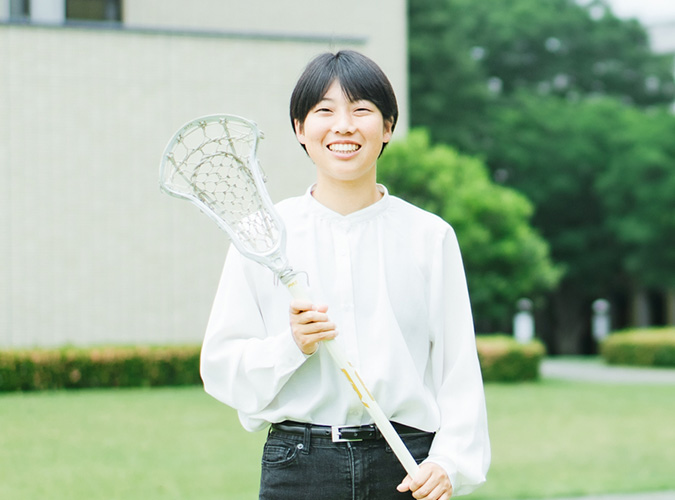
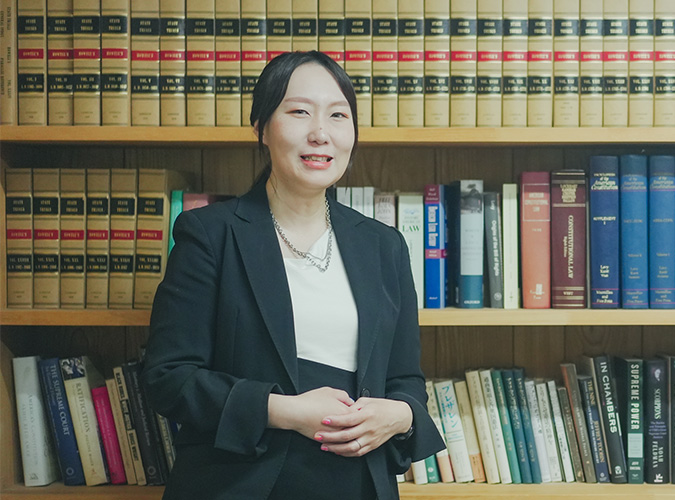
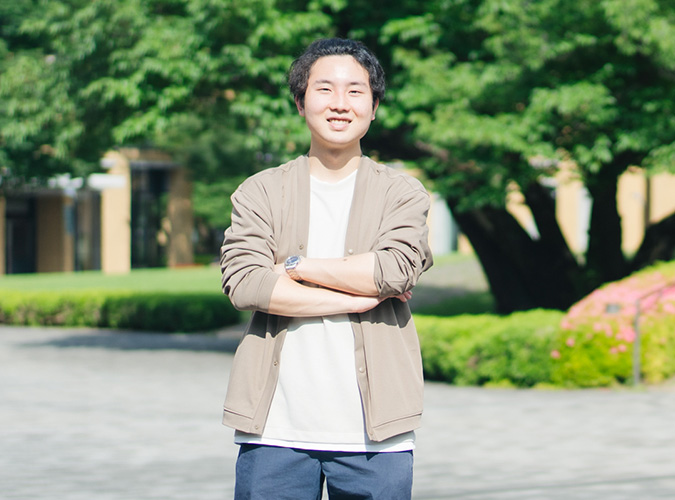
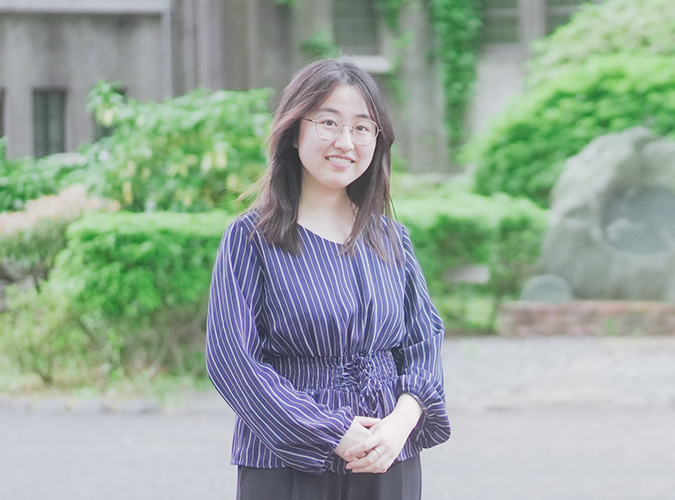
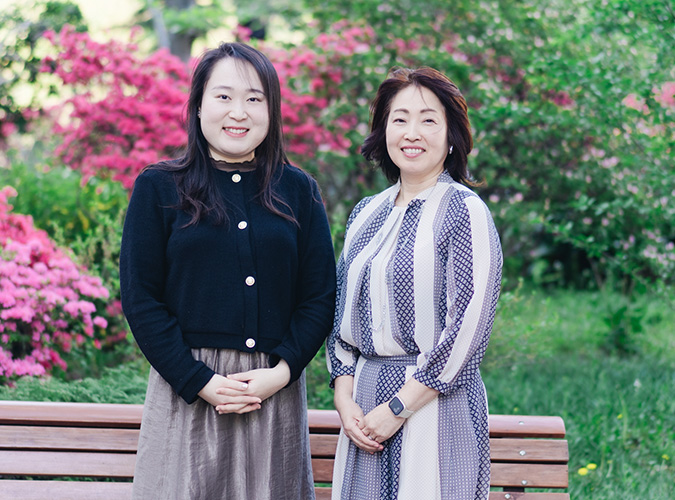
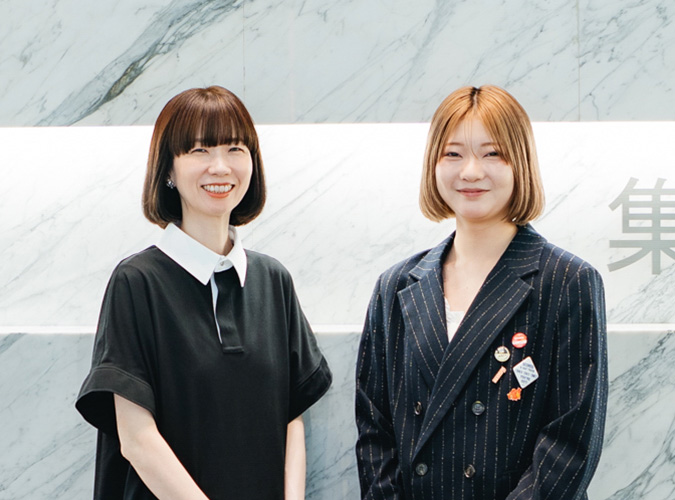
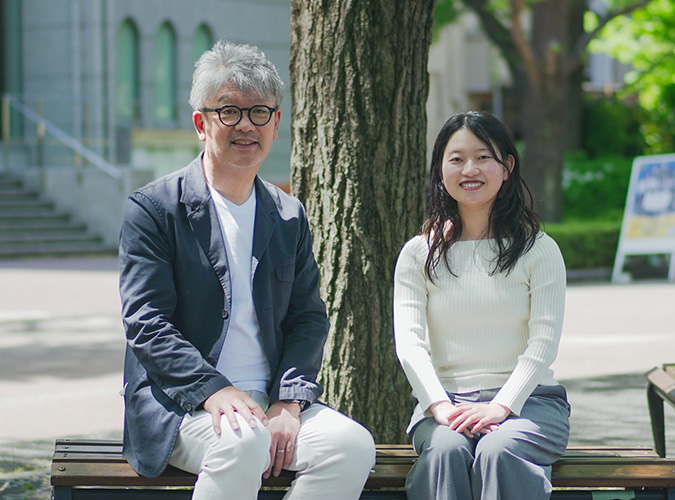
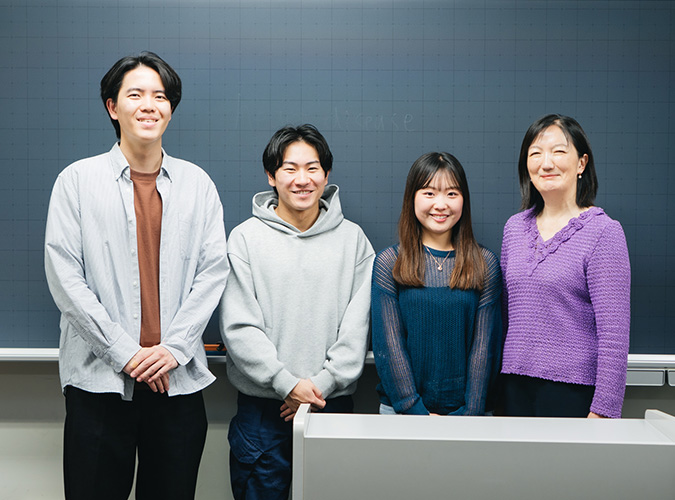
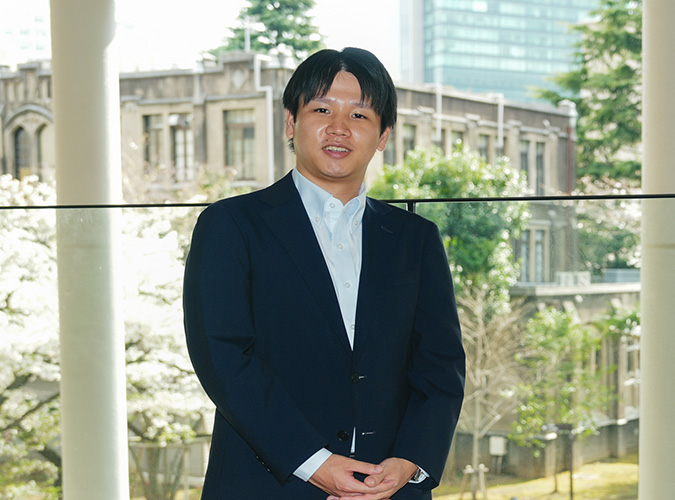
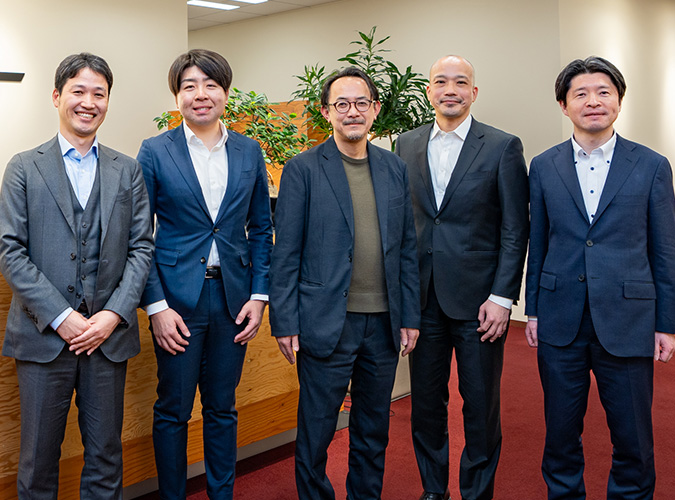
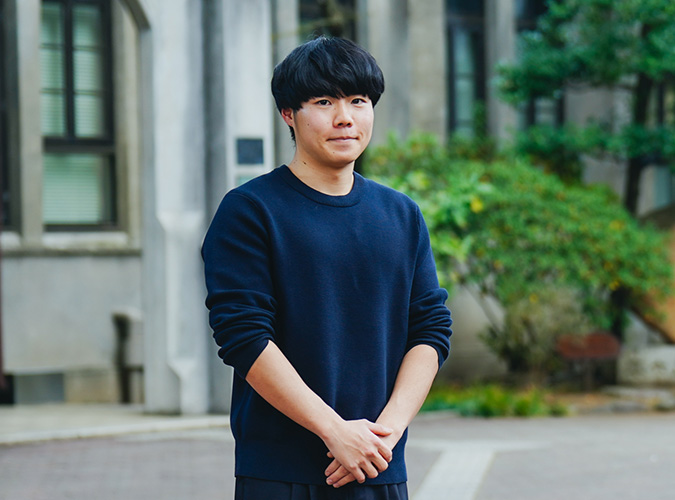
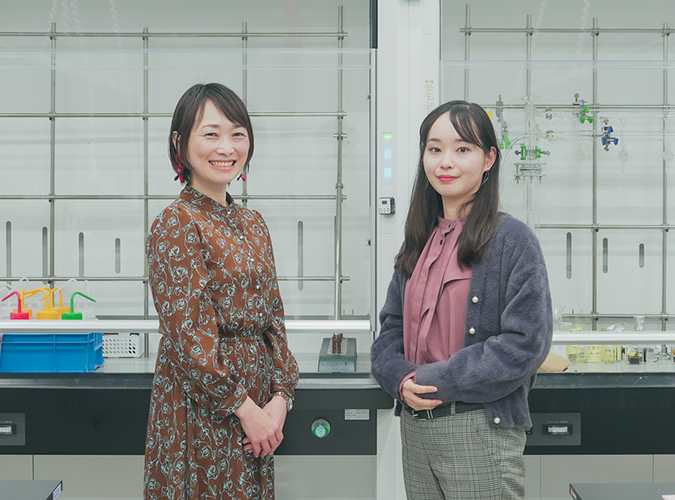
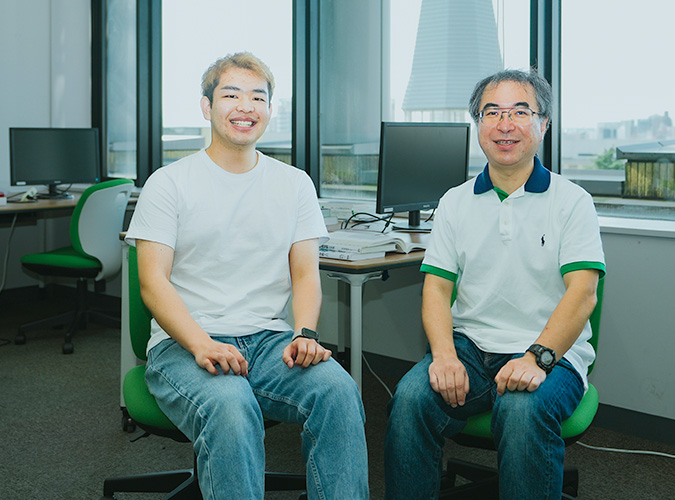
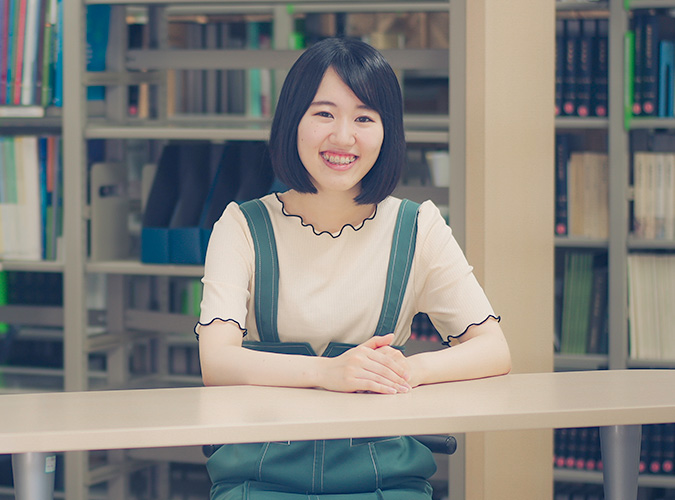
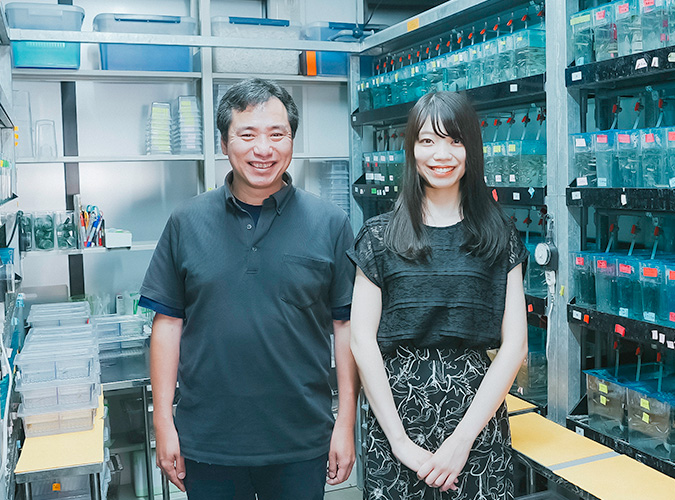
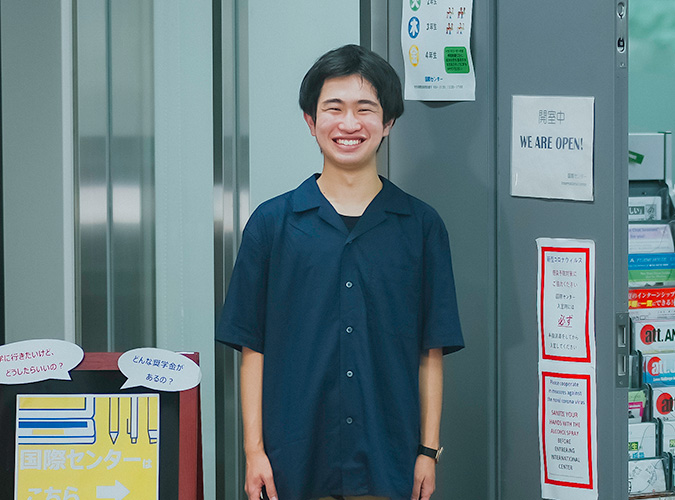
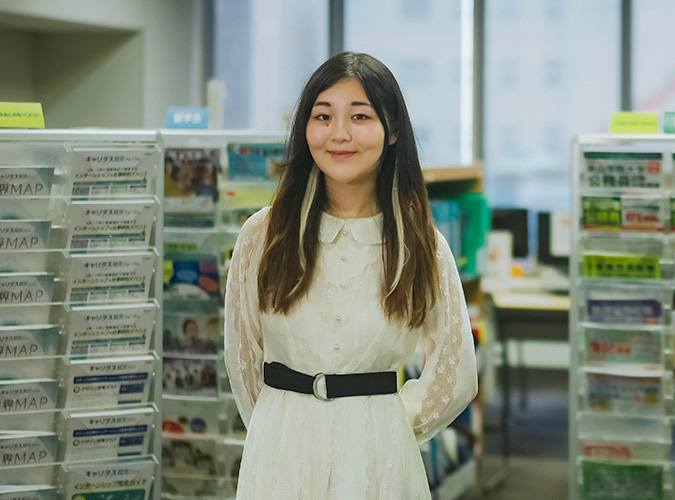
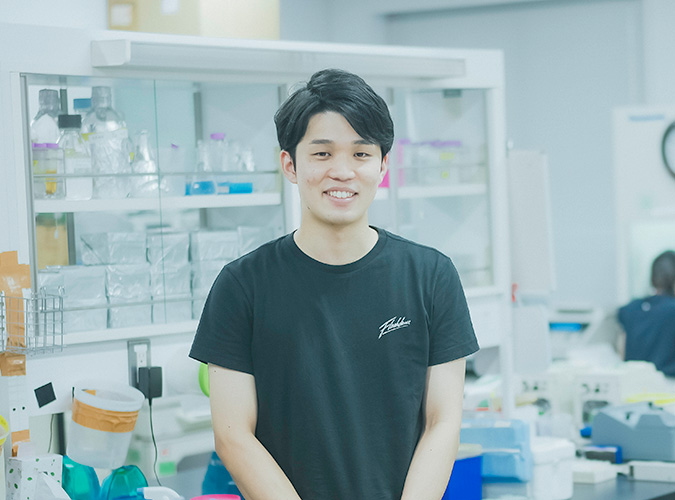
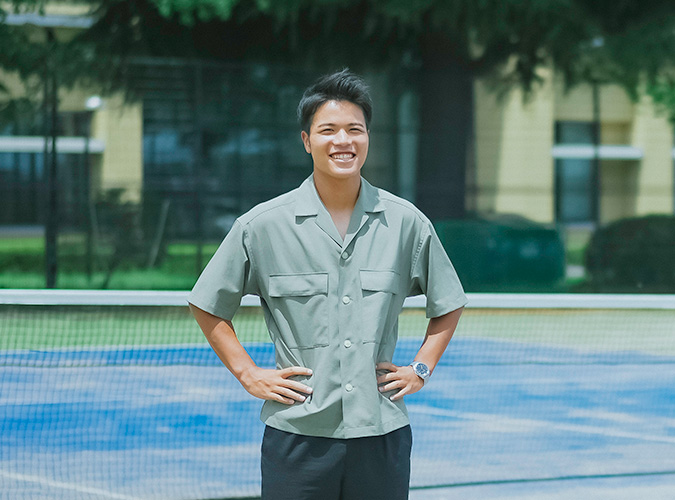
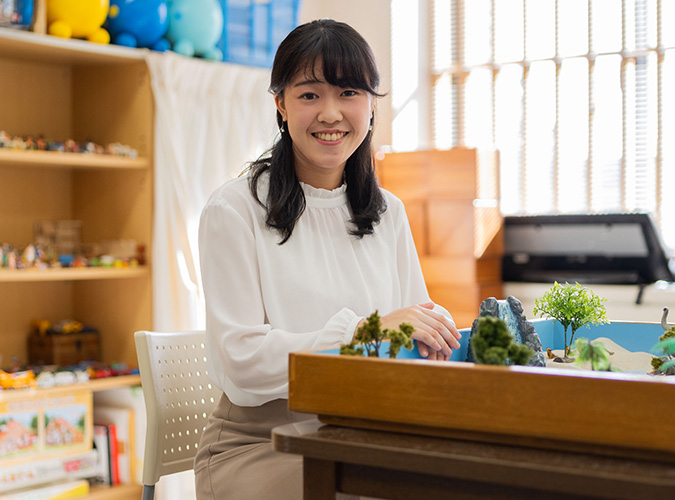
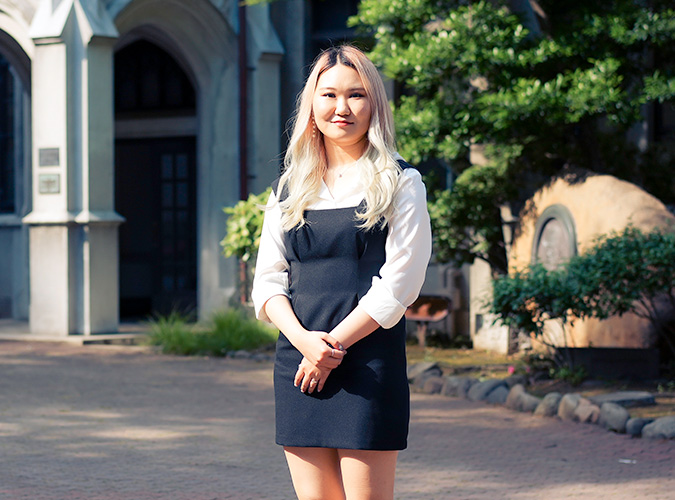
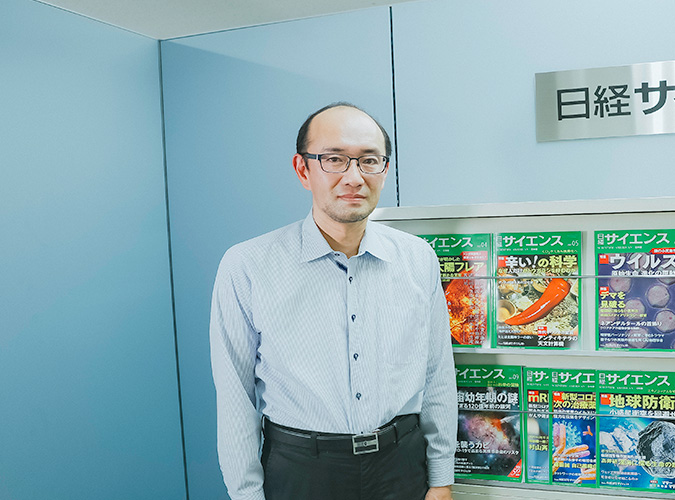
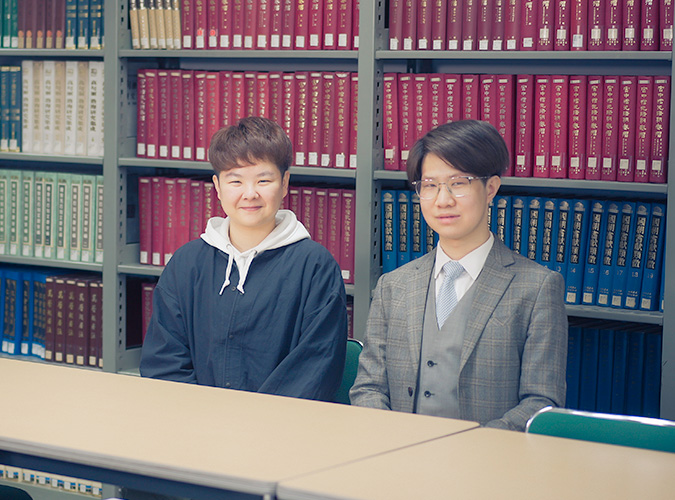
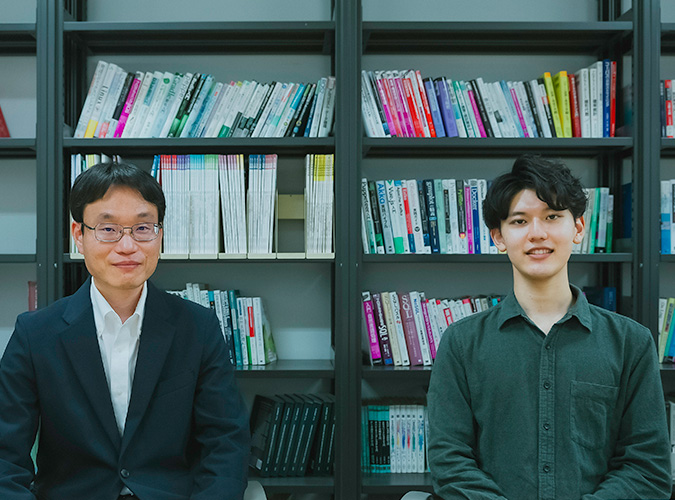
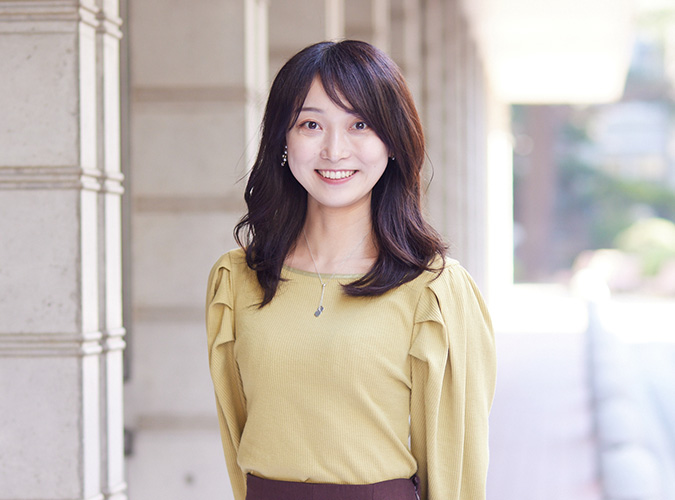
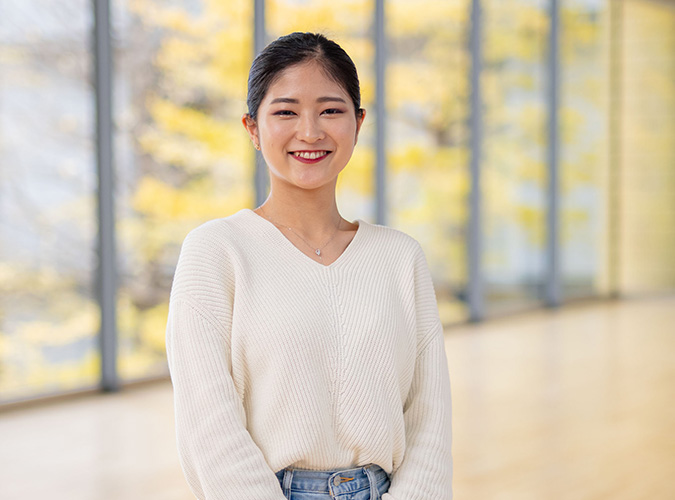
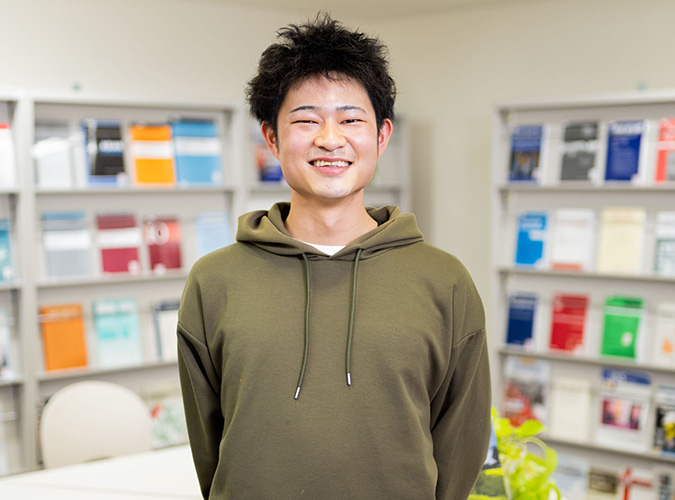
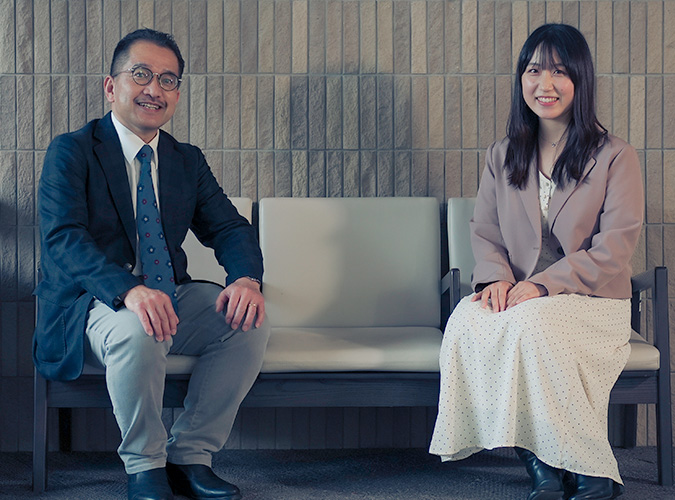
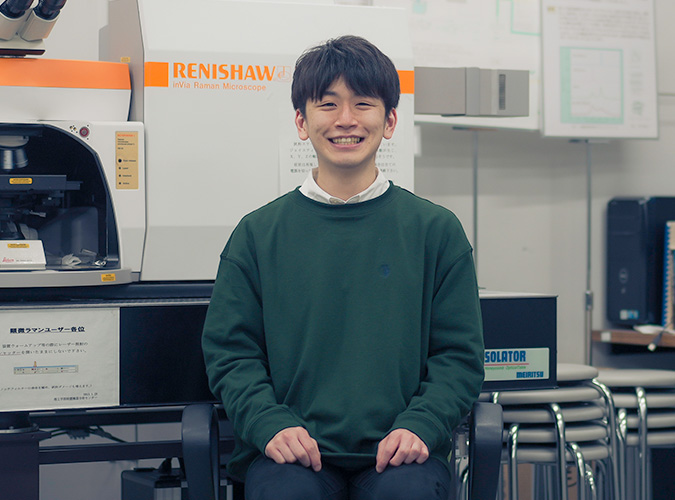
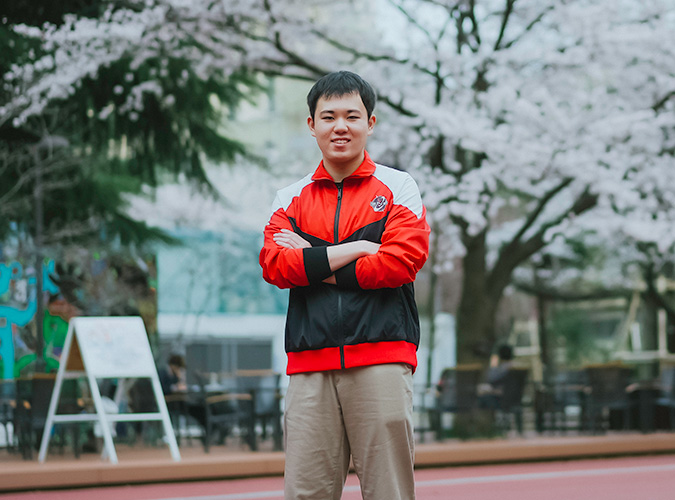
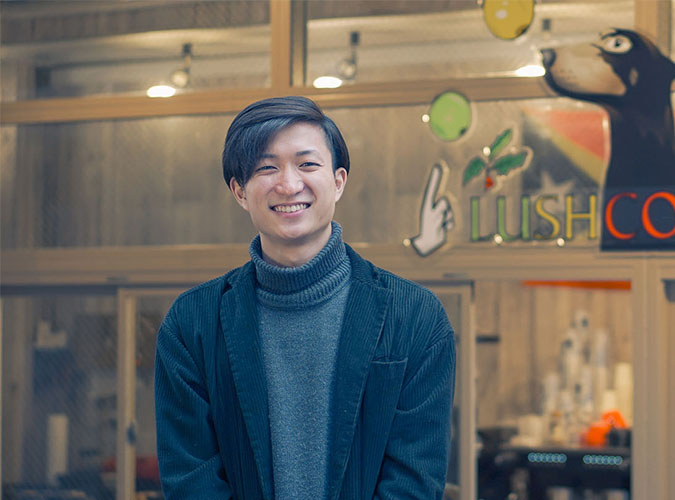
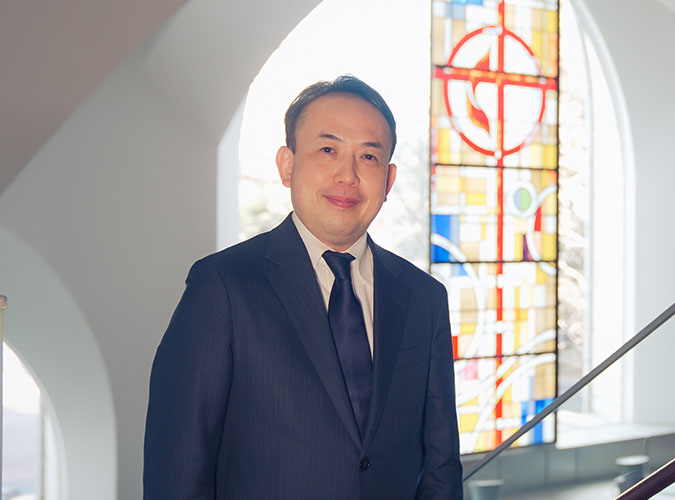
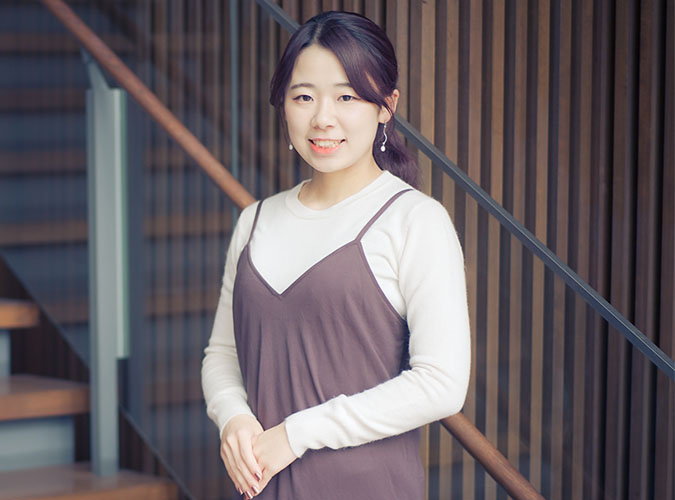
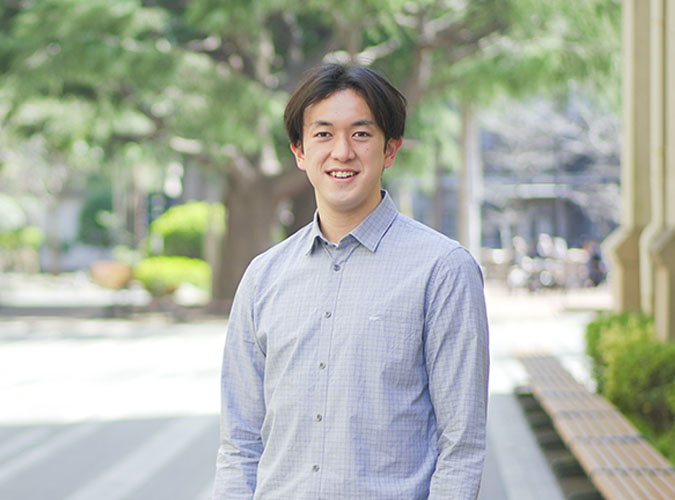
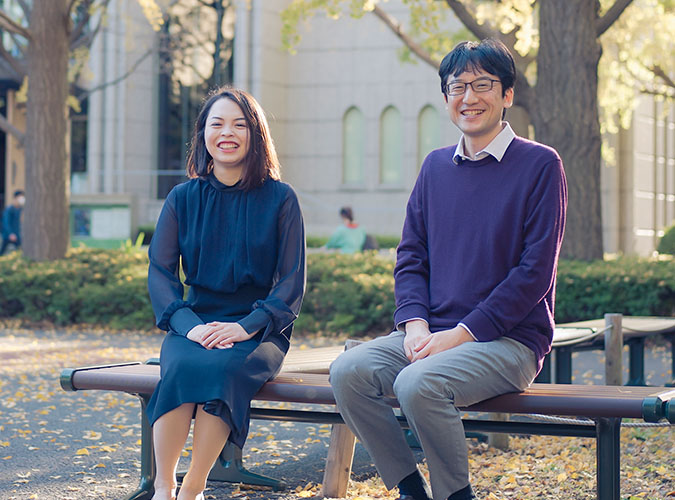
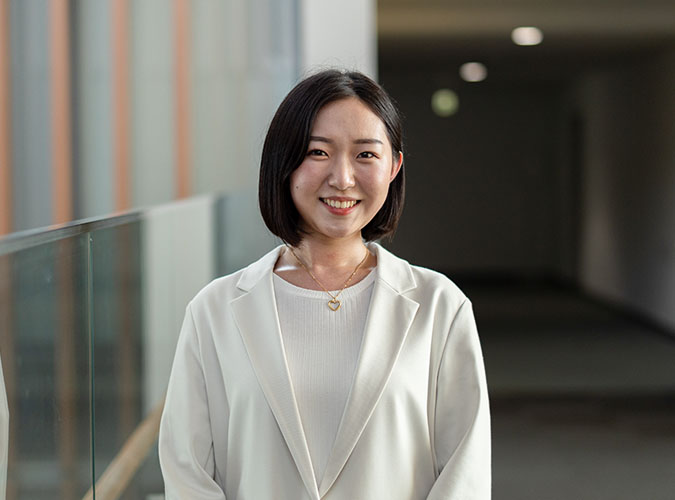
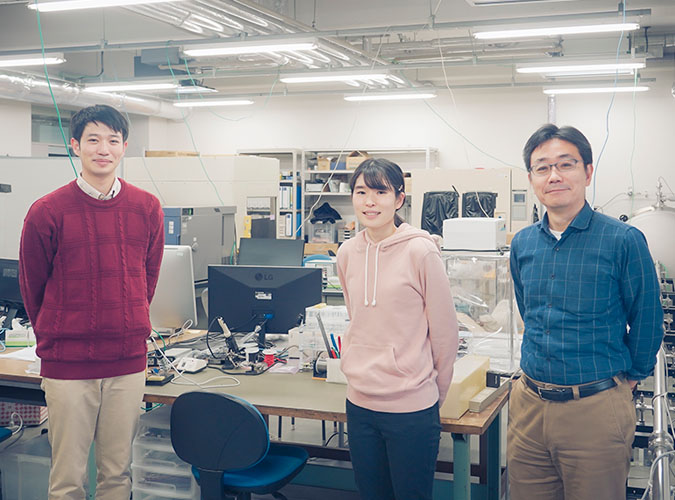
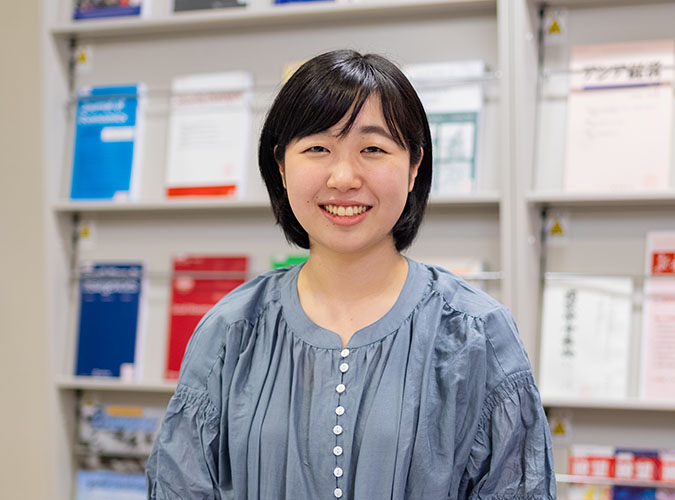
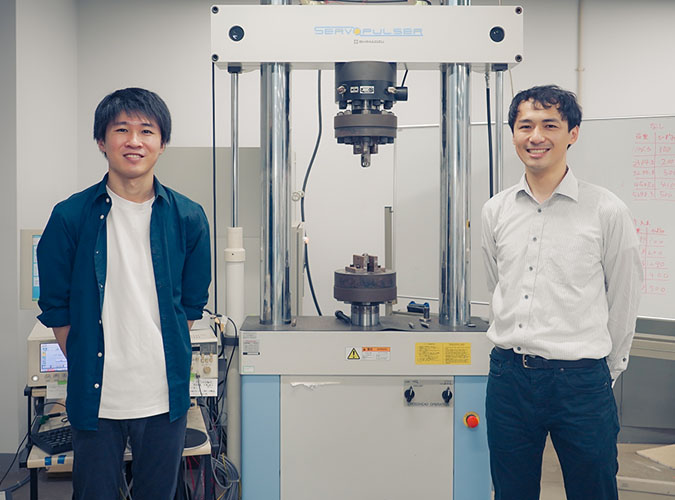
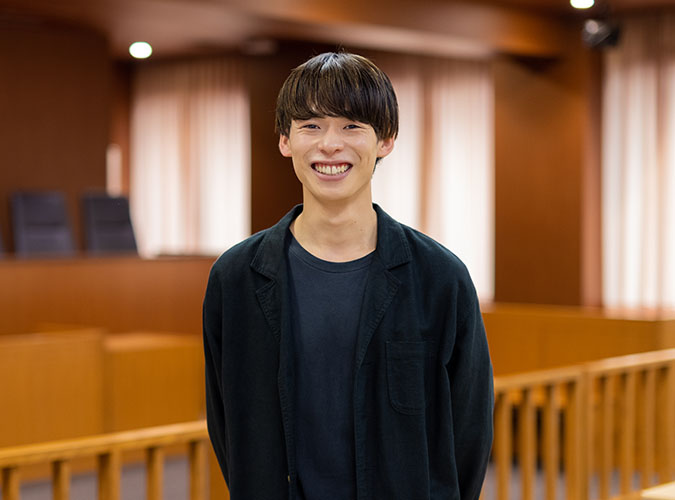
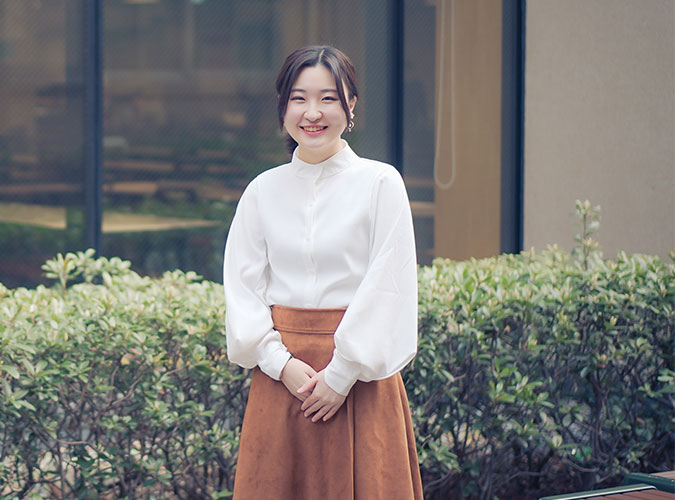
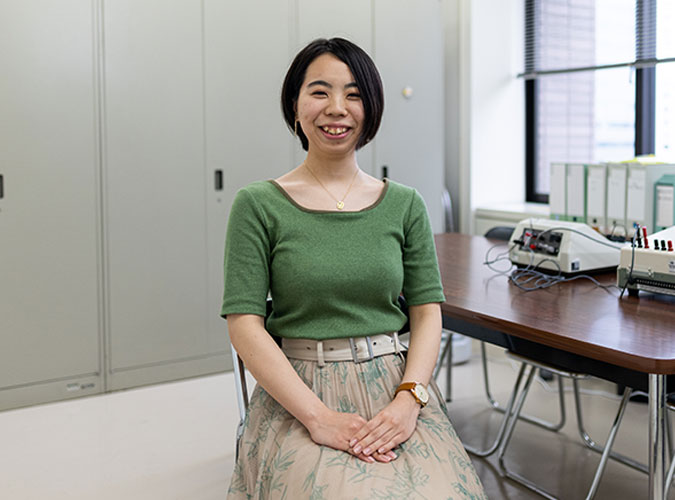
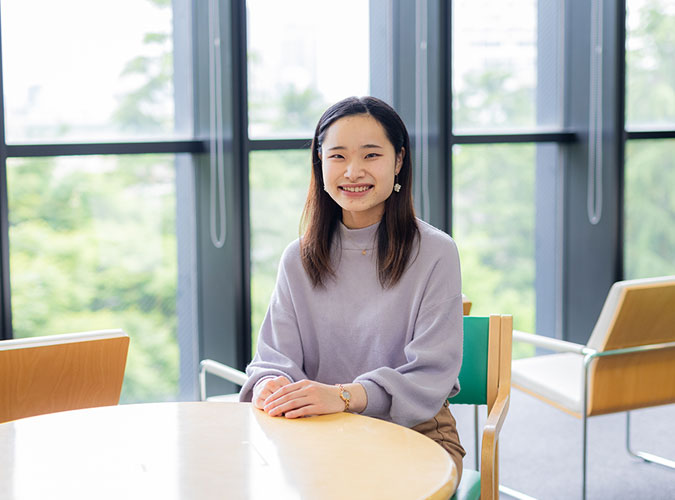
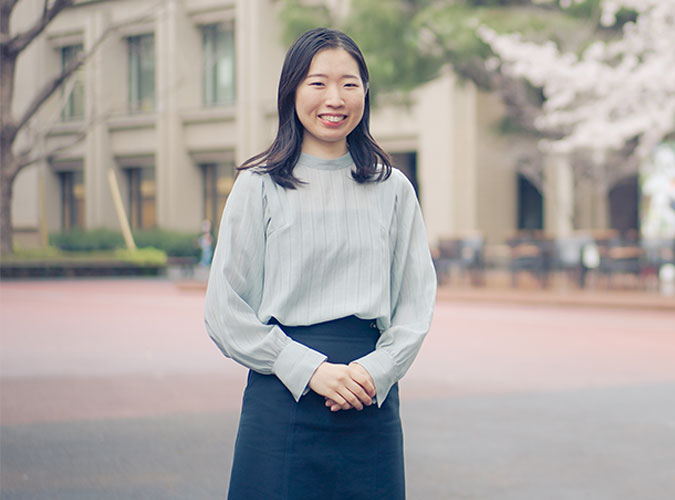
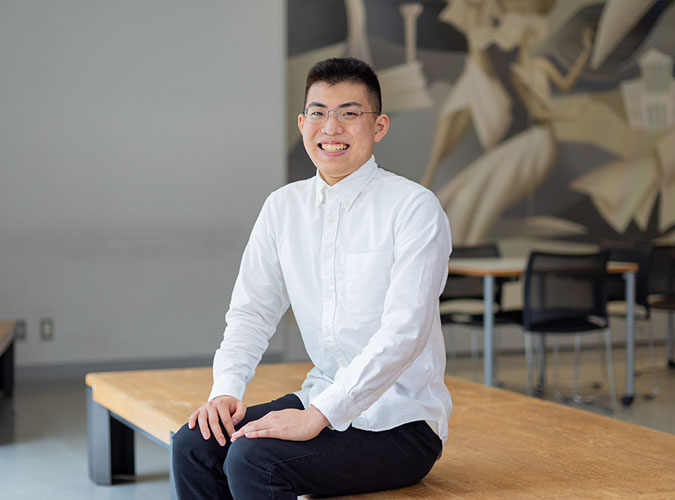
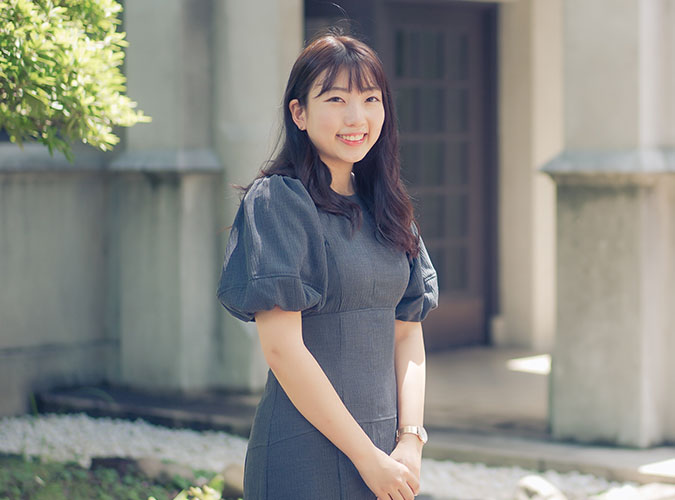
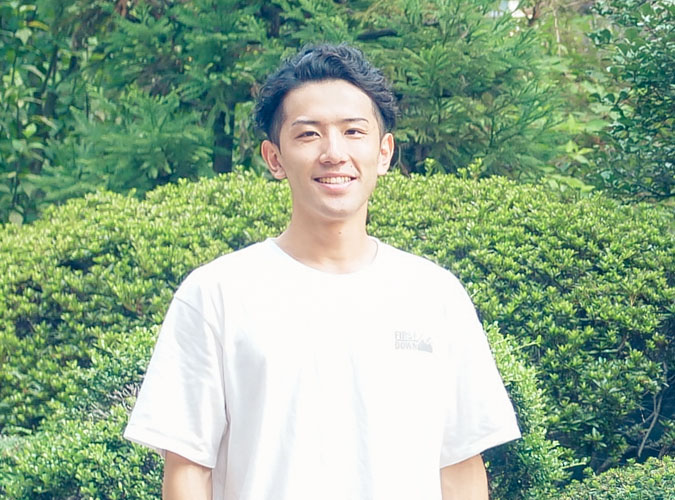
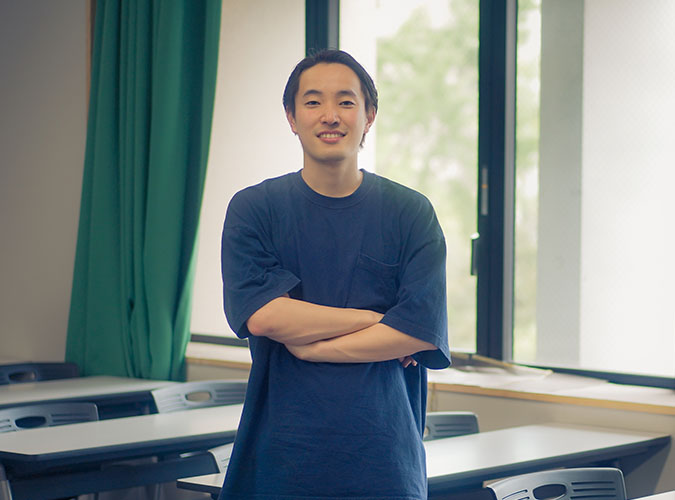
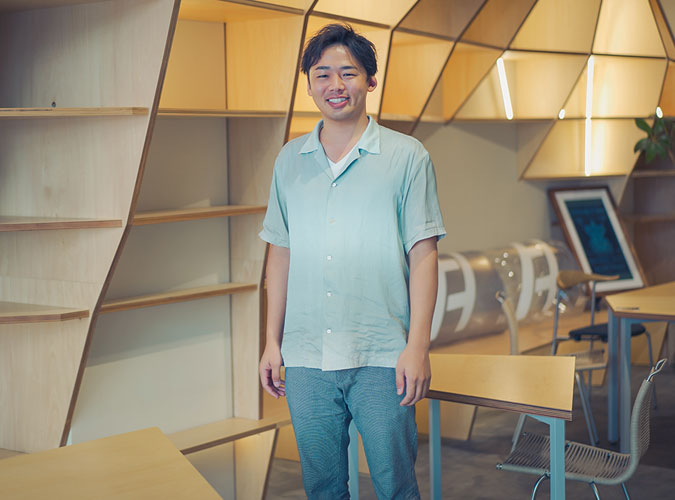
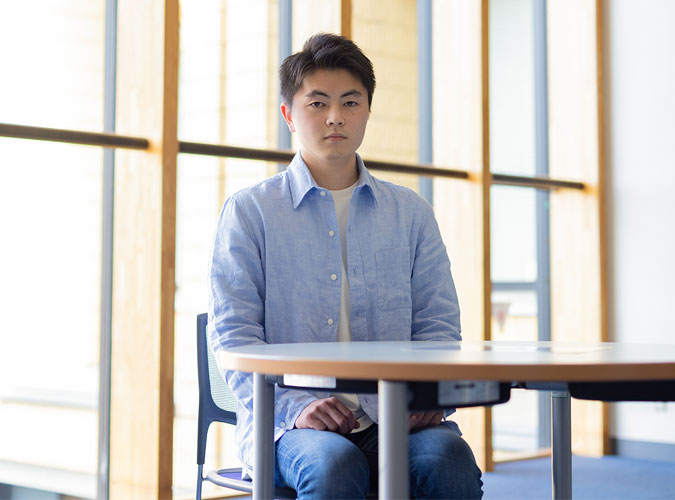
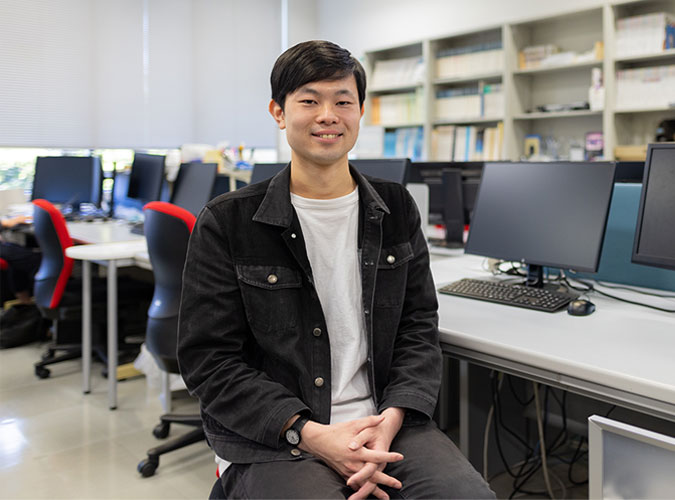
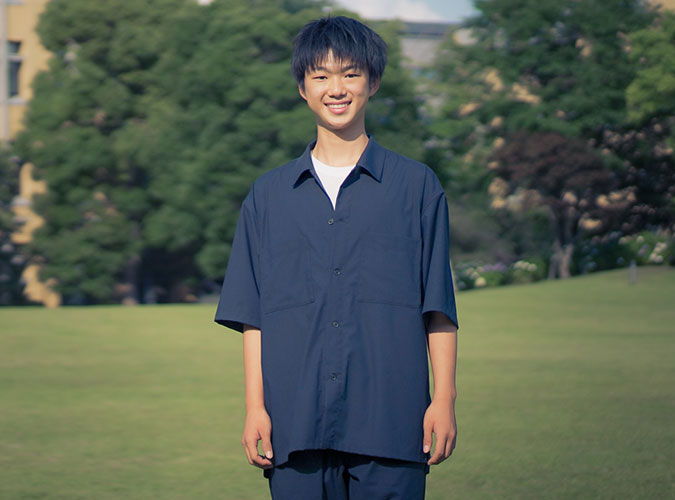
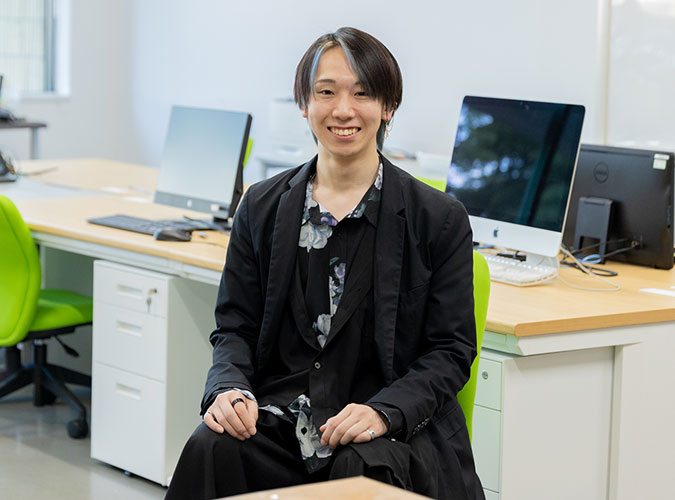
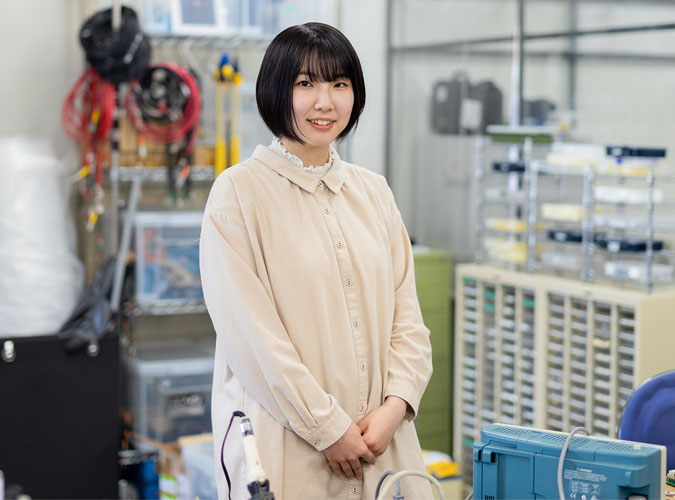
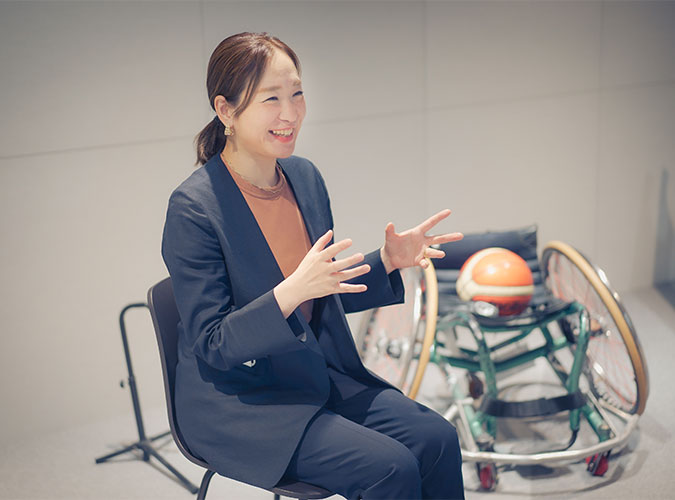
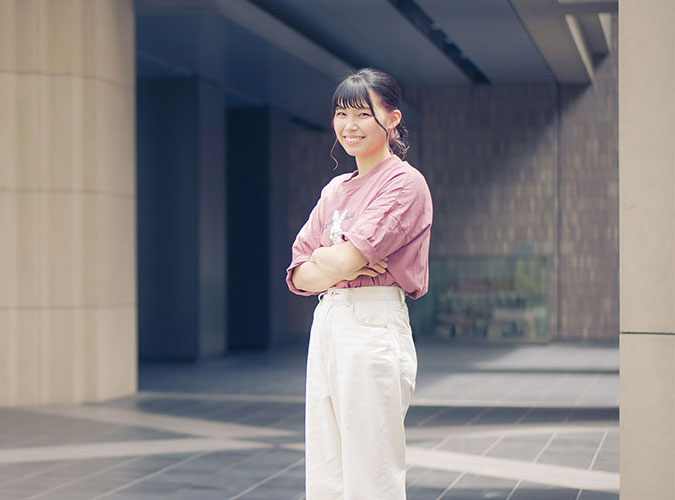
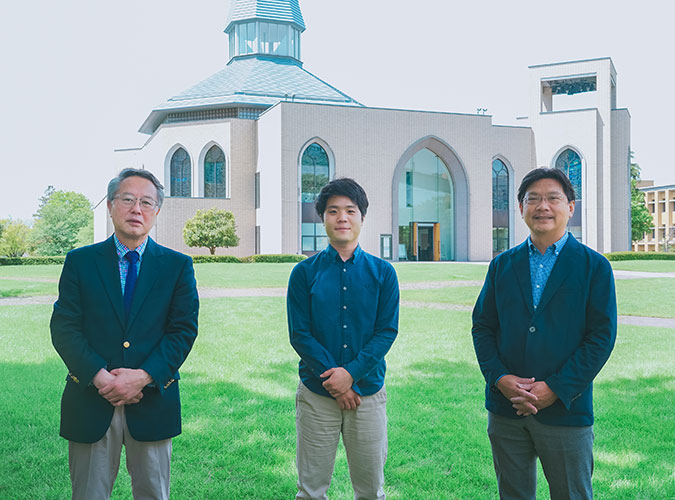
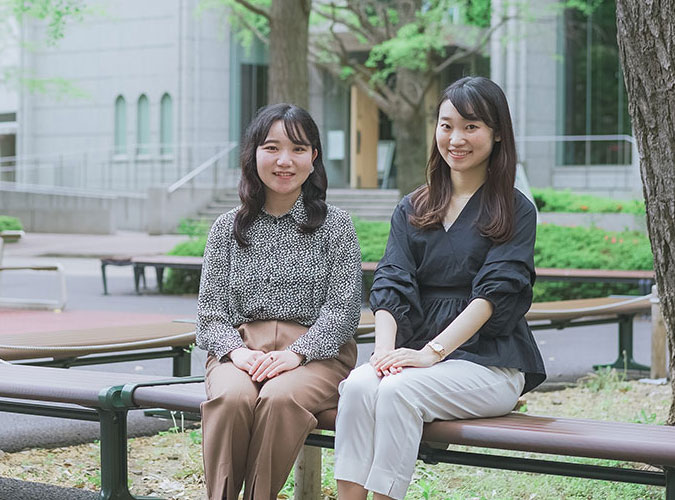
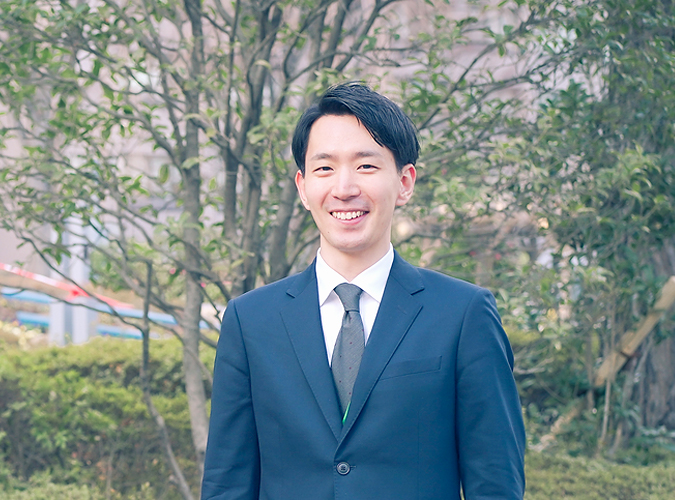
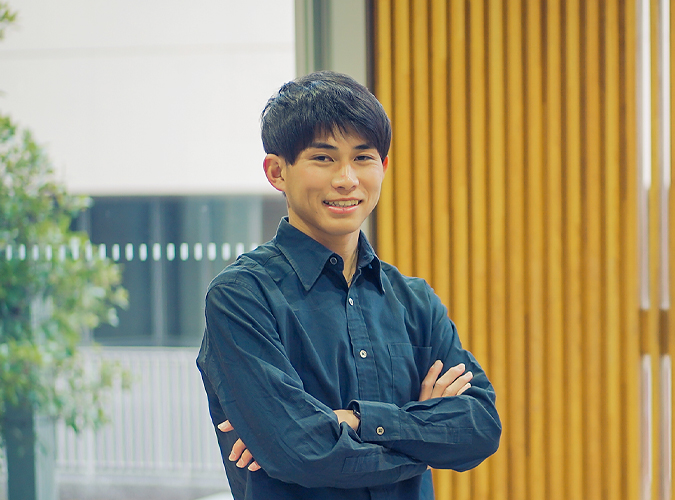
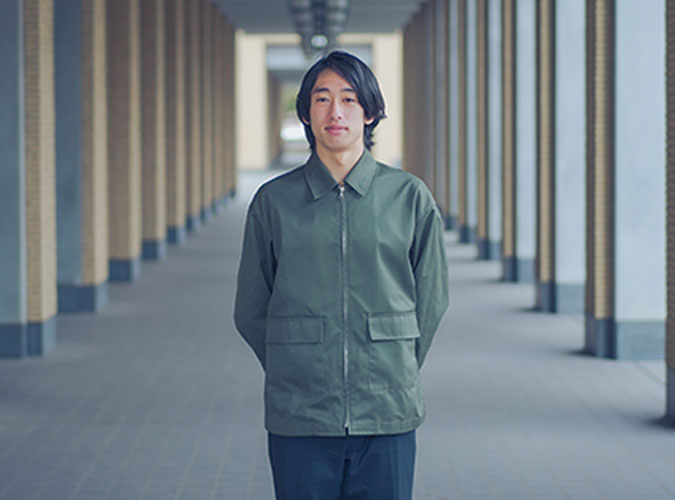
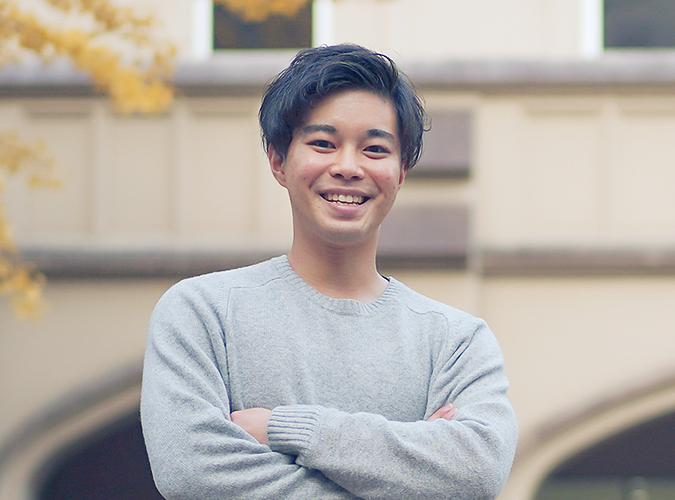
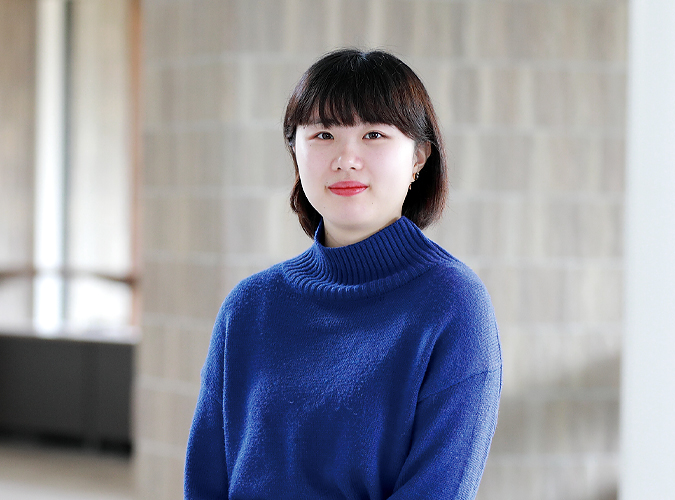
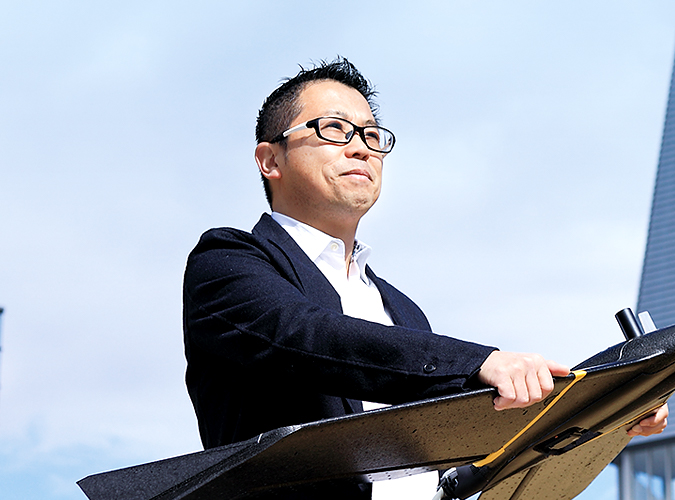
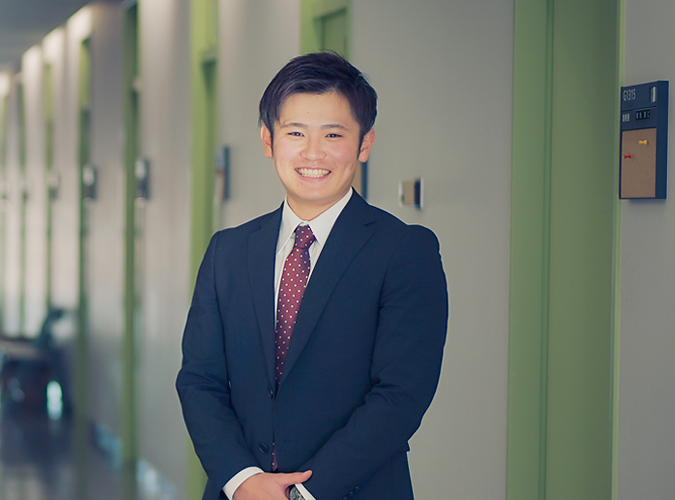
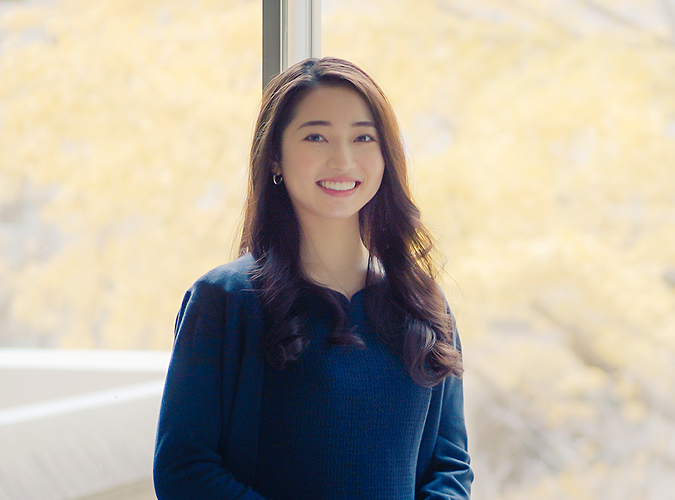
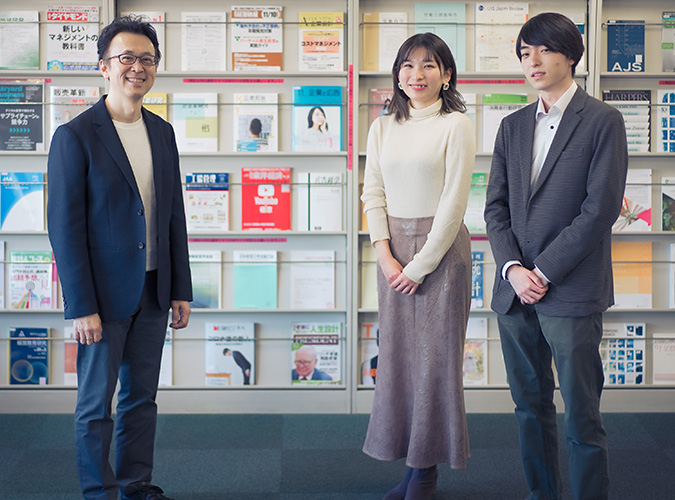
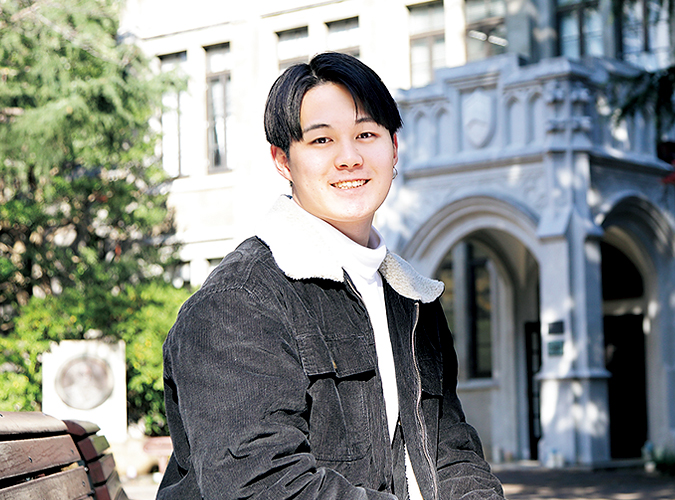
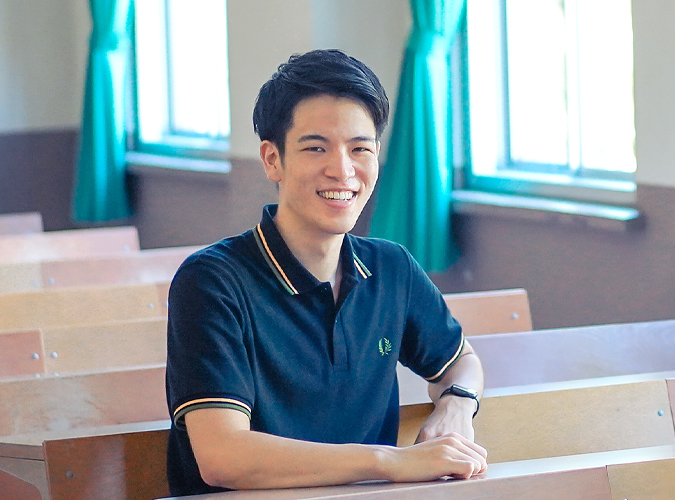
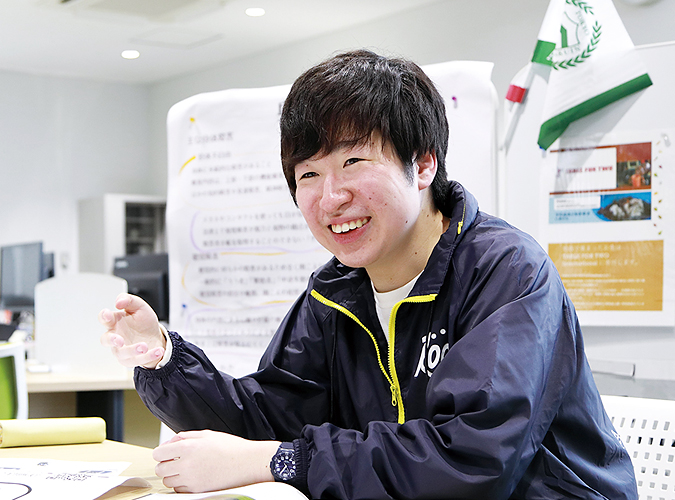
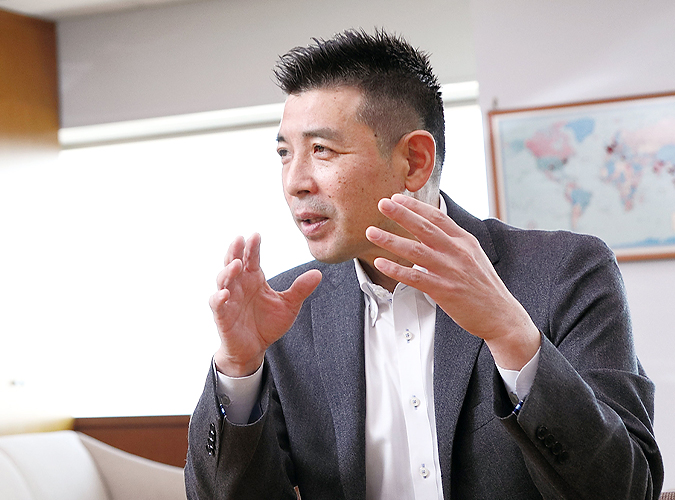
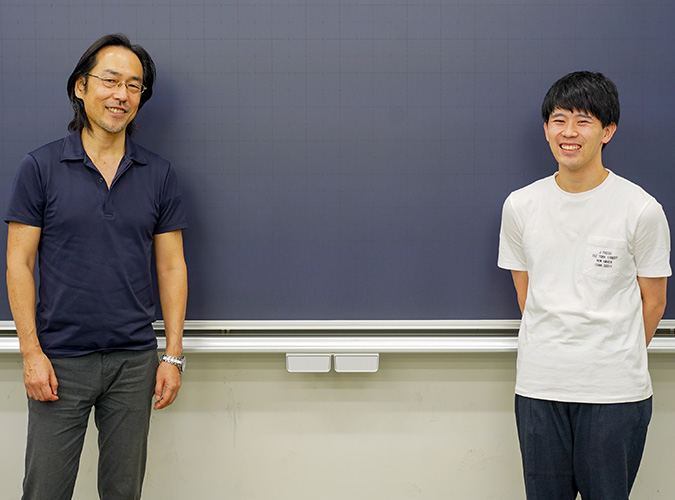
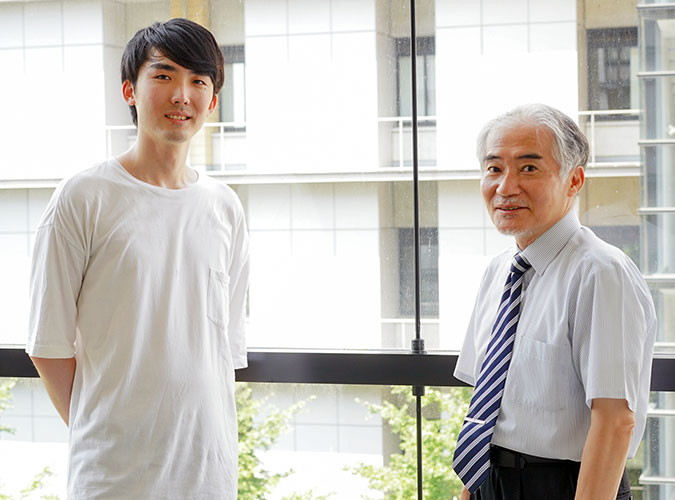
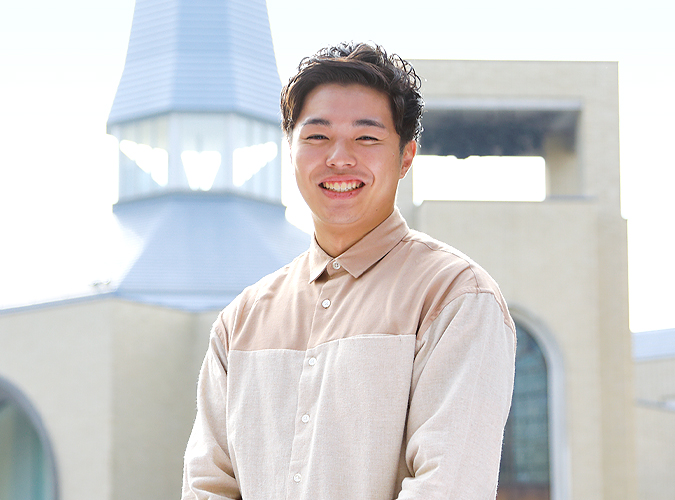
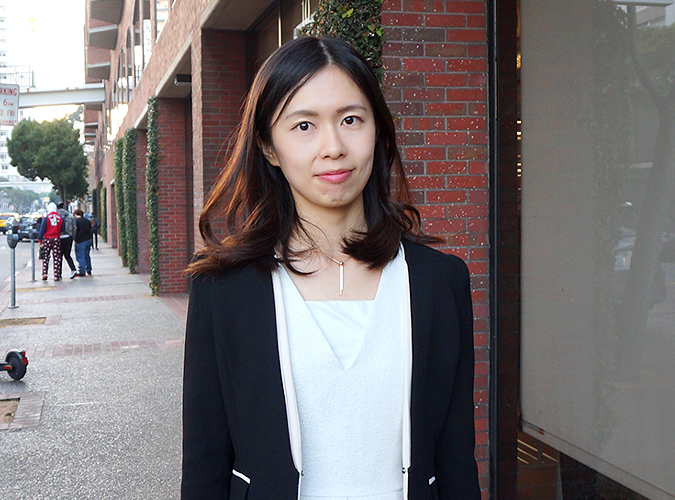
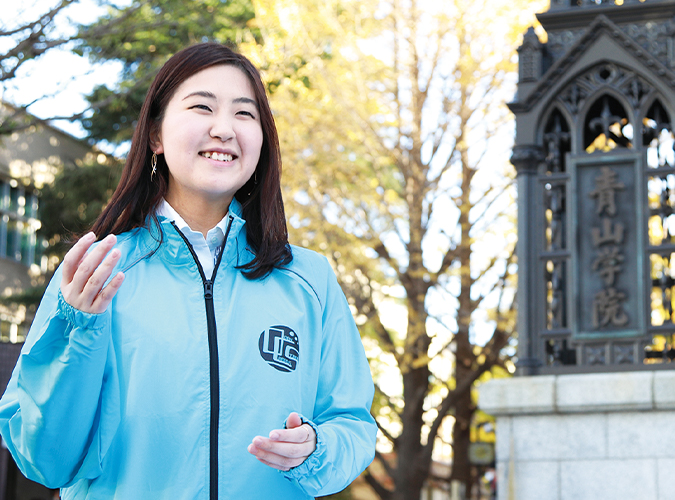
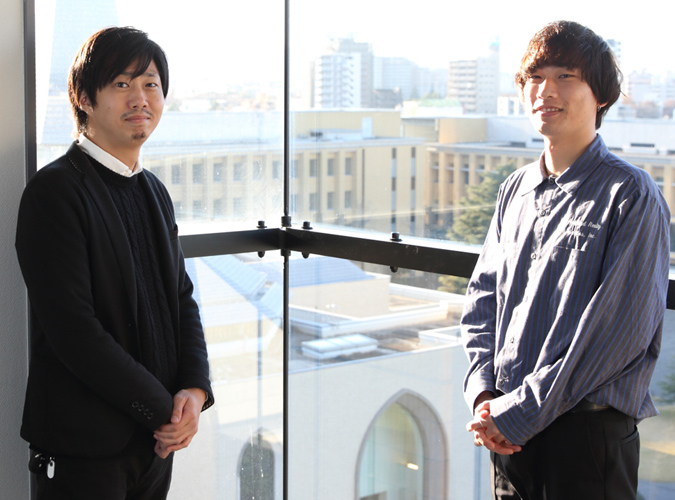
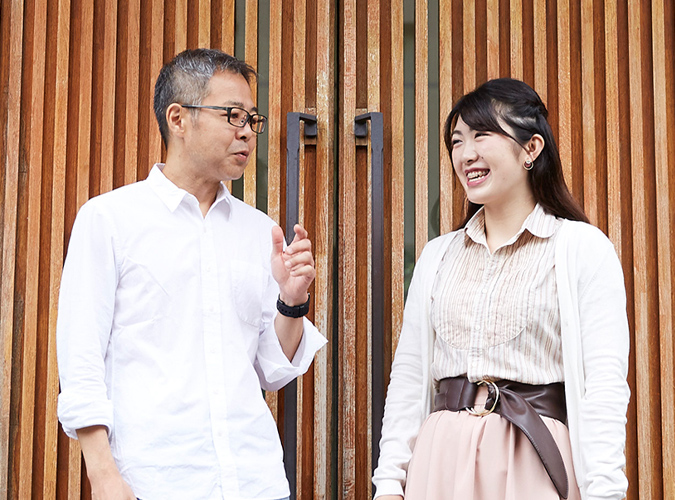
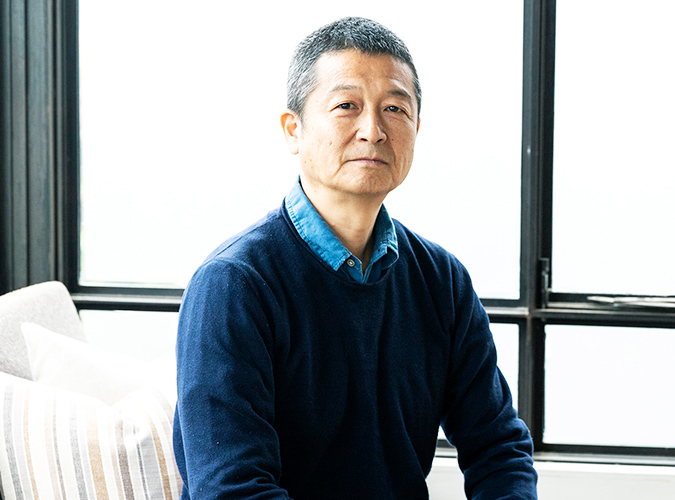
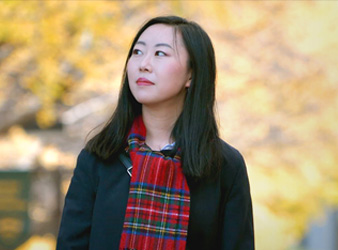
The four members - the director, concert mistress, stage manager, and next director - spoke to each other.
(The interview was conducted on October 30, 2019)
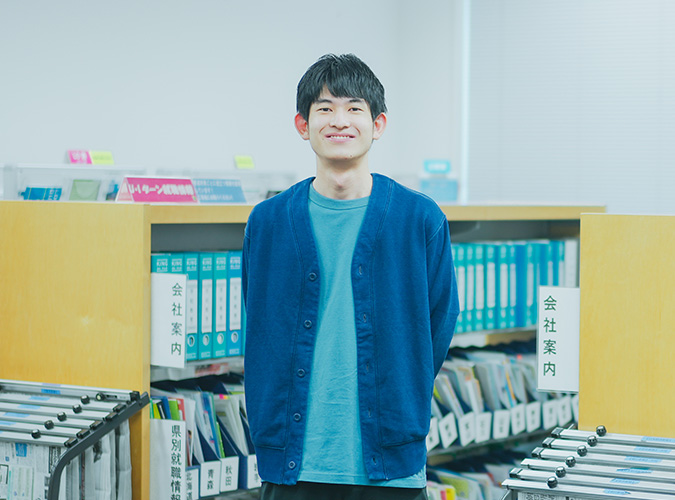
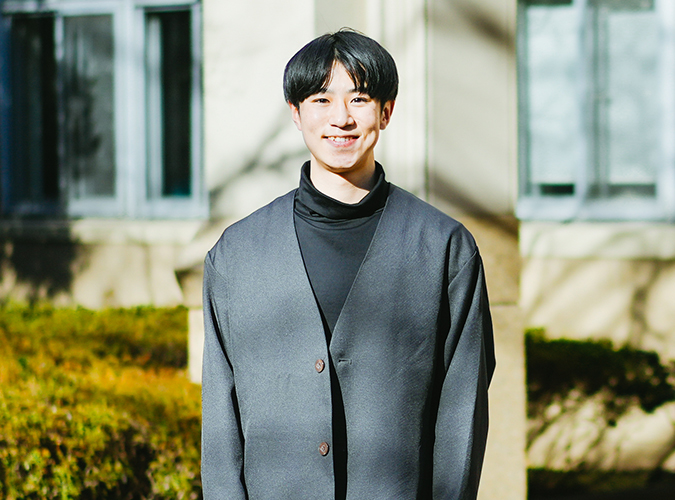
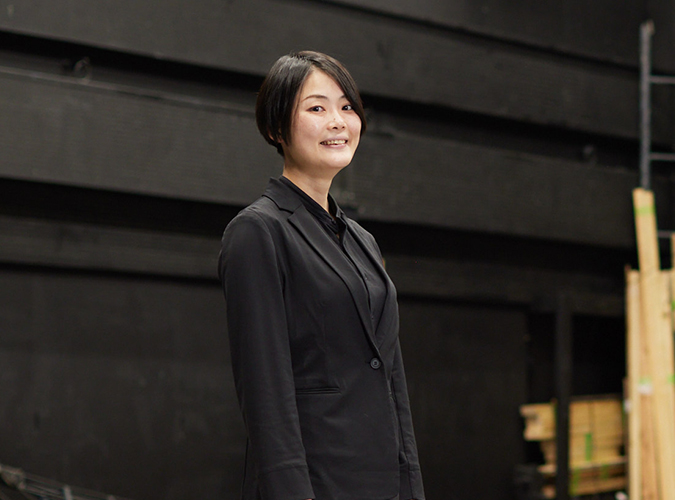
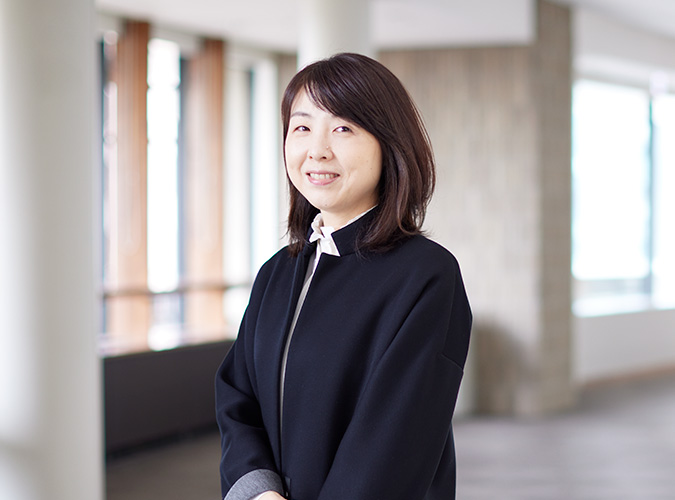
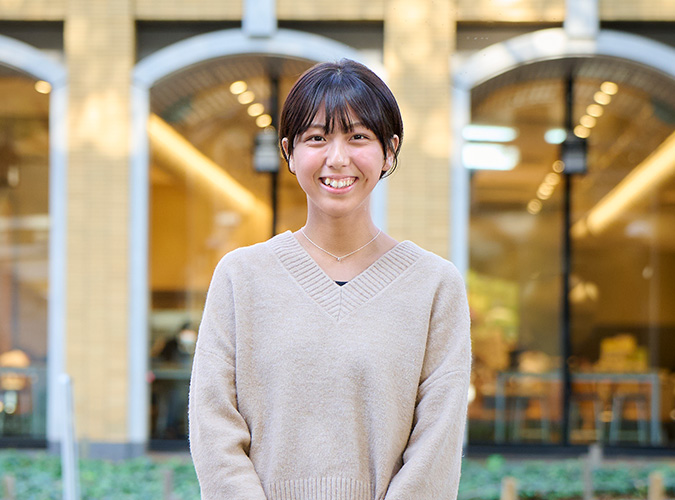
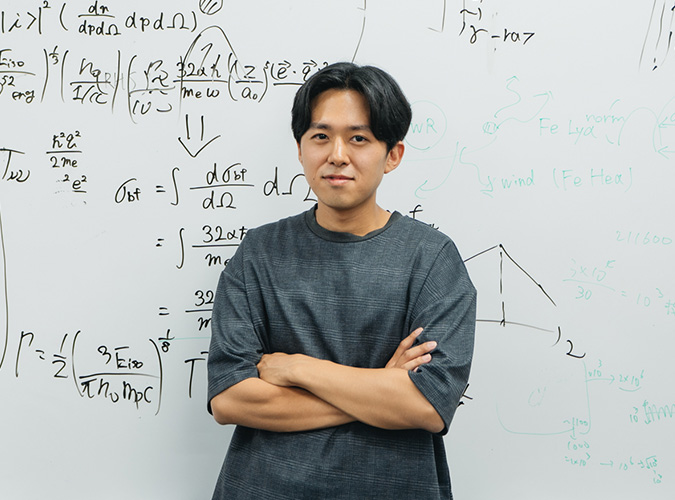
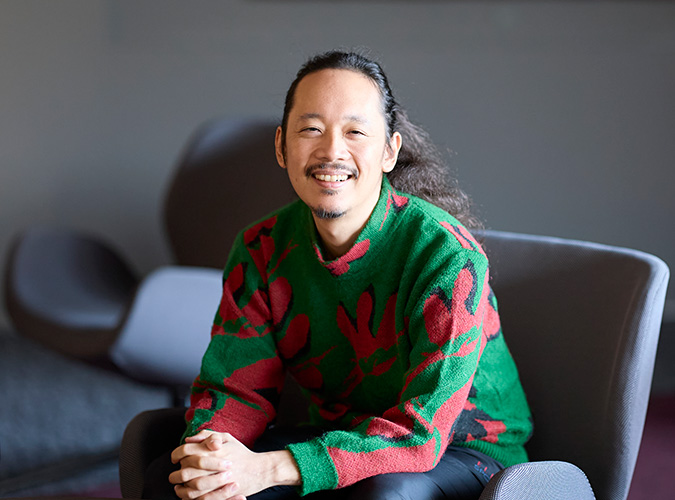
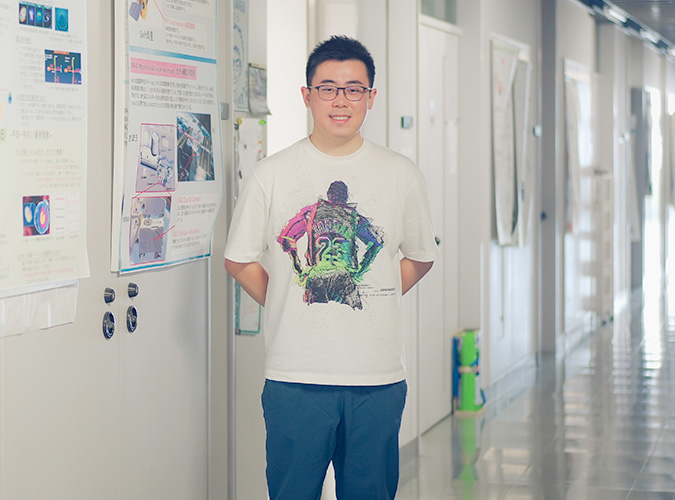
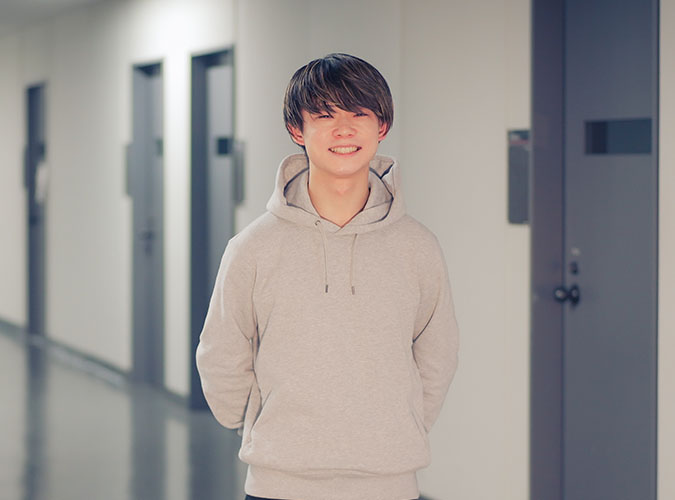
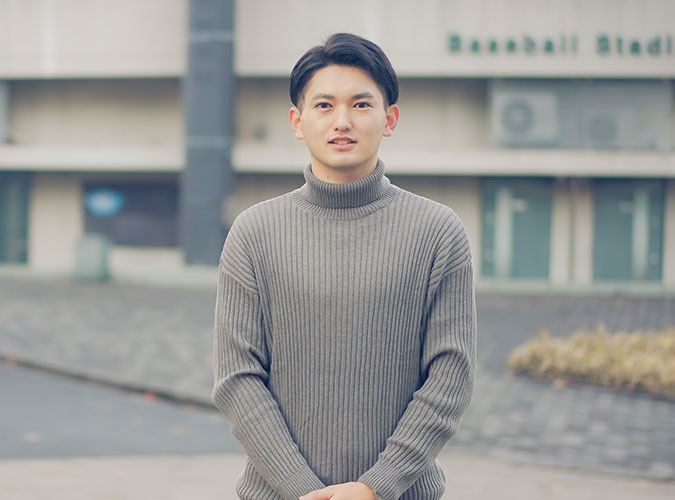
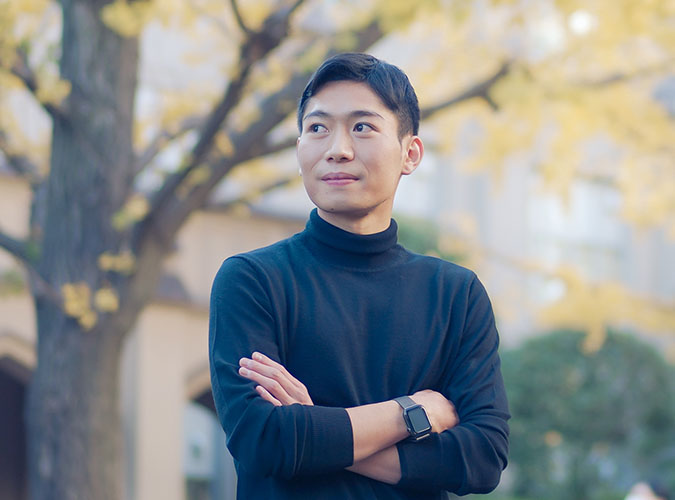
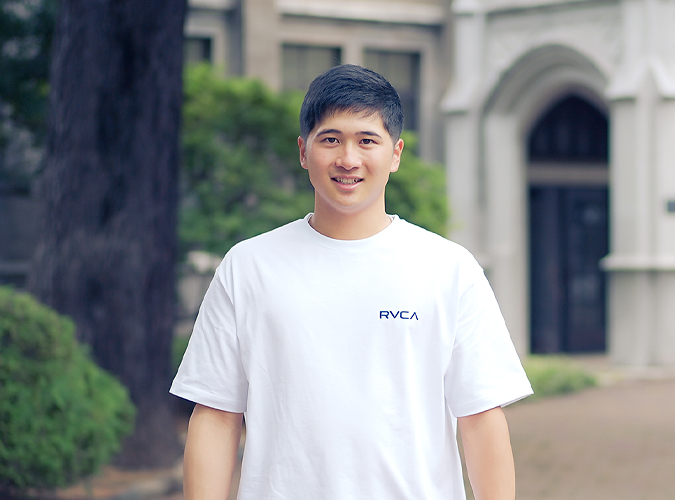
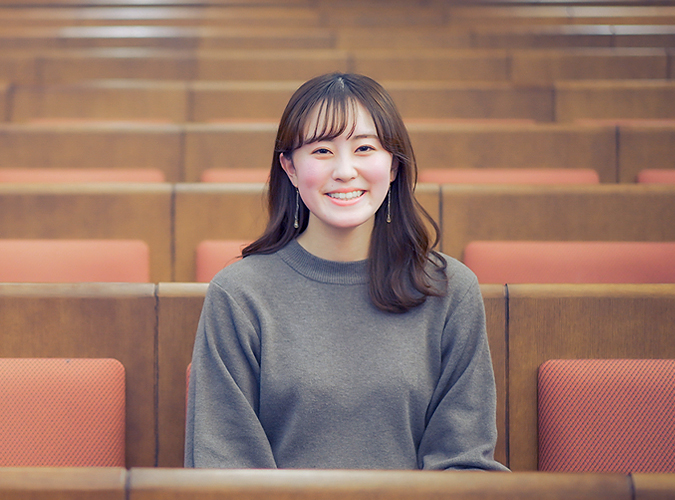
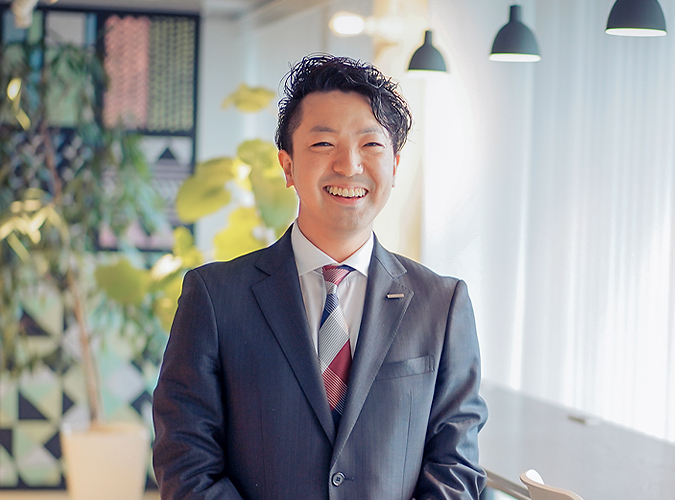
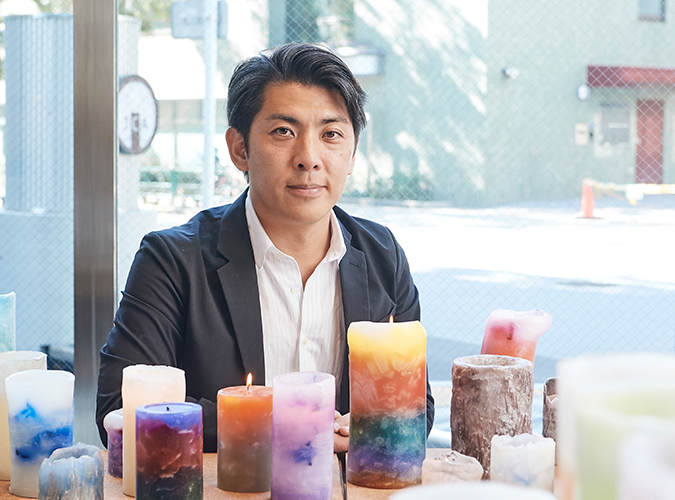
- Leader
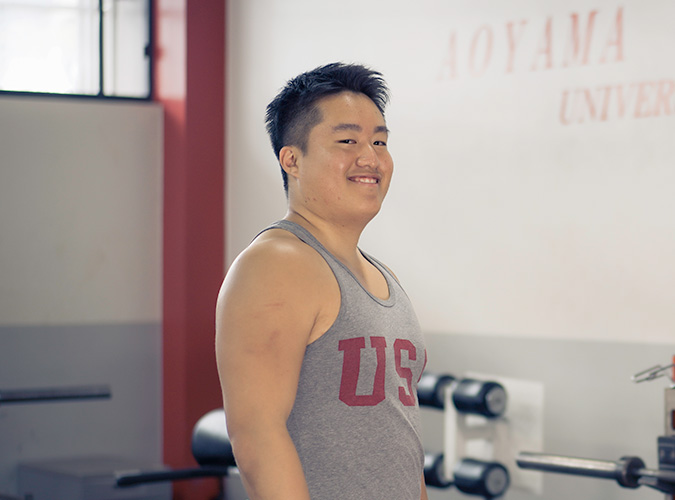
- Person in charge: Percussion
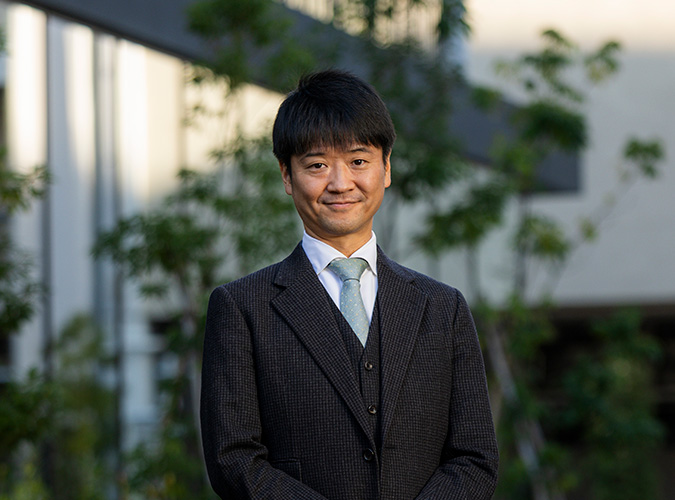
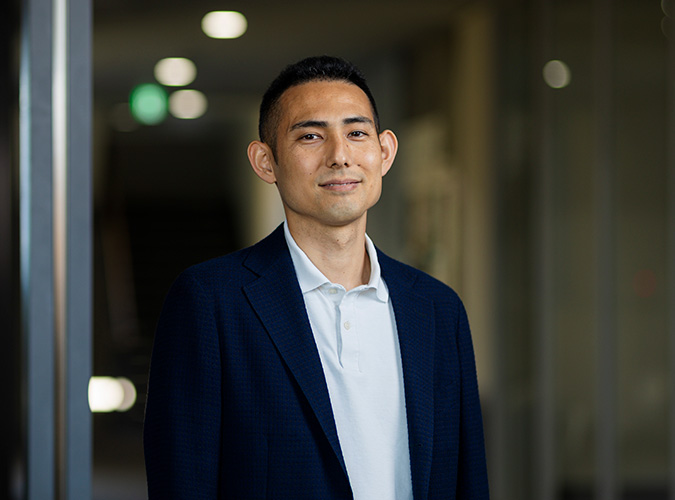
- 3rd year student in the Department of Comparative Arts College of Literature
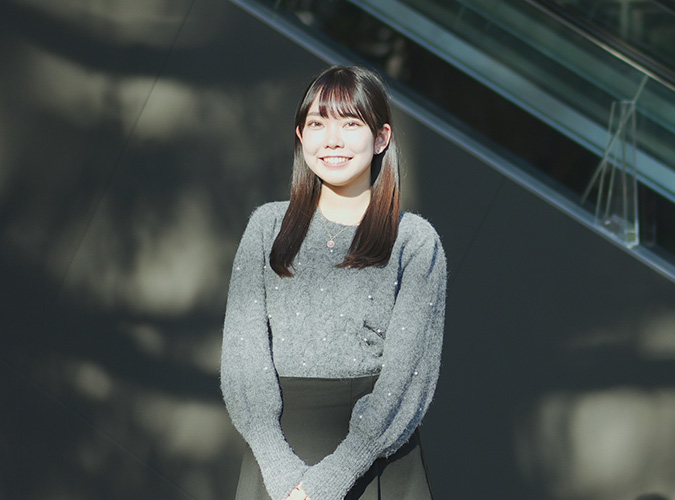
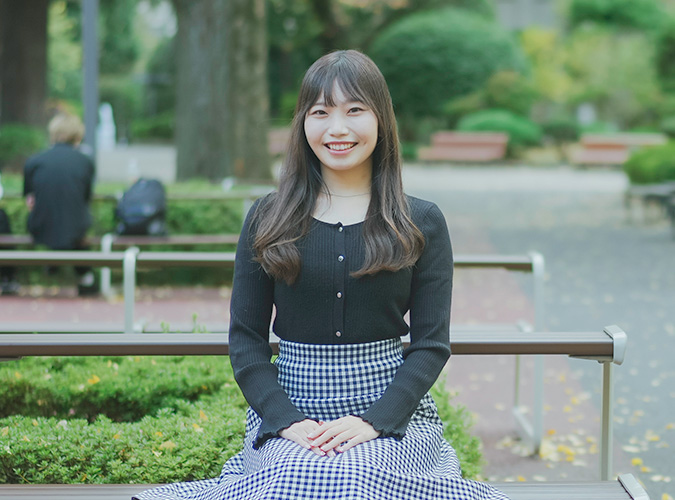
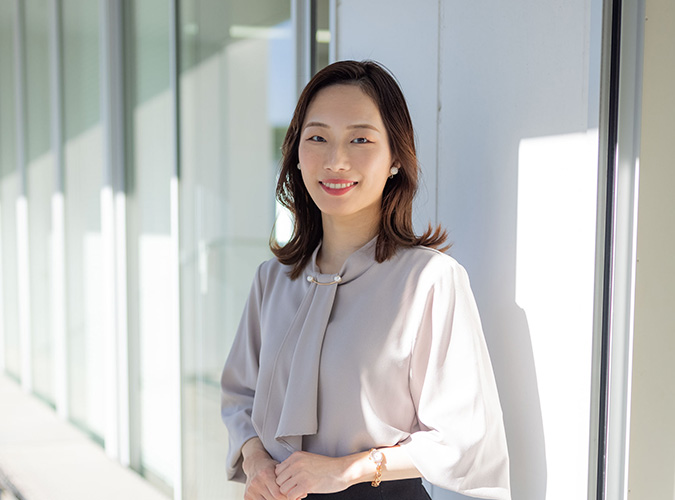
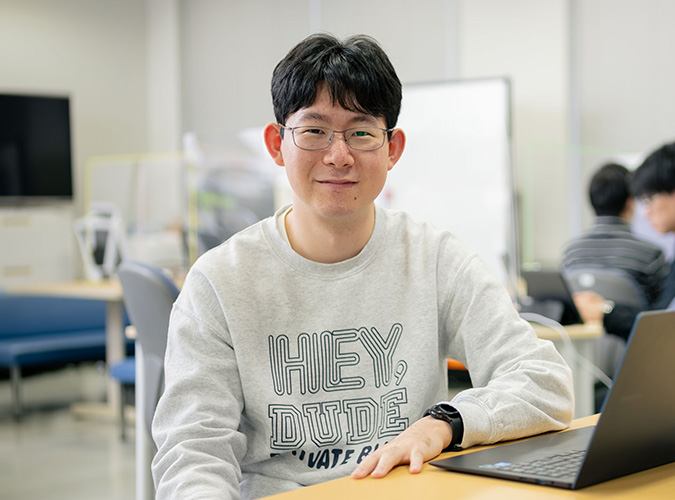
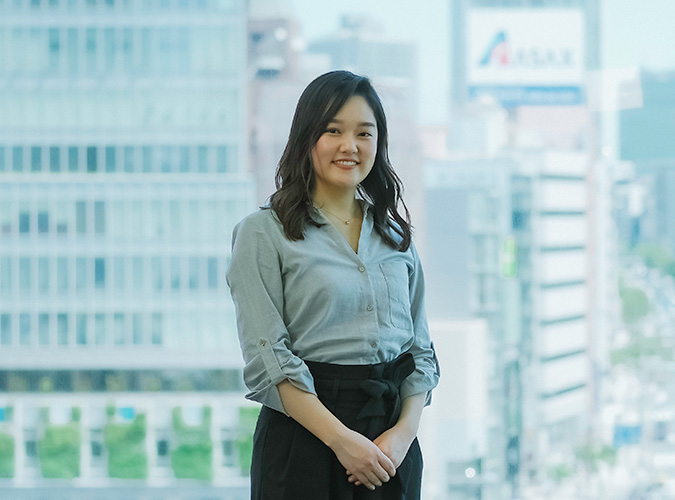
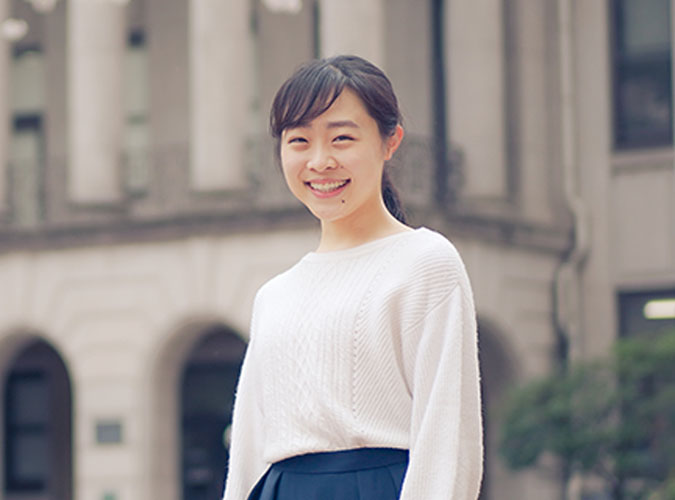
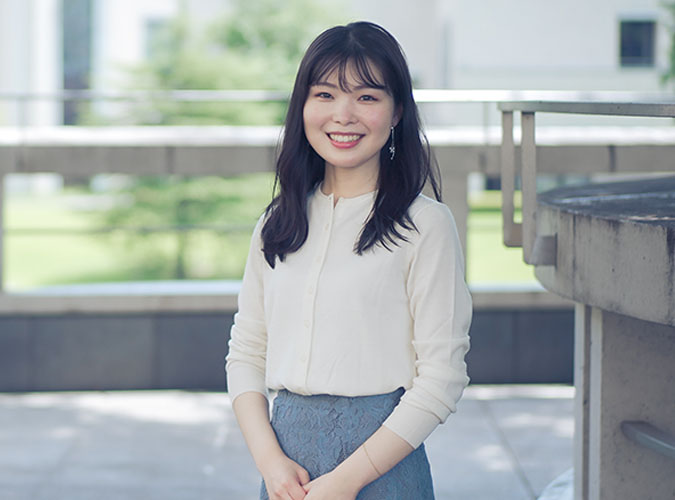
- Aiya Suzuki
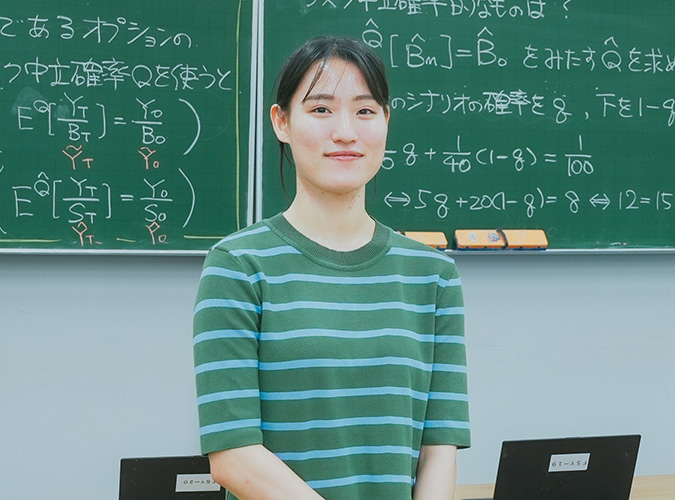
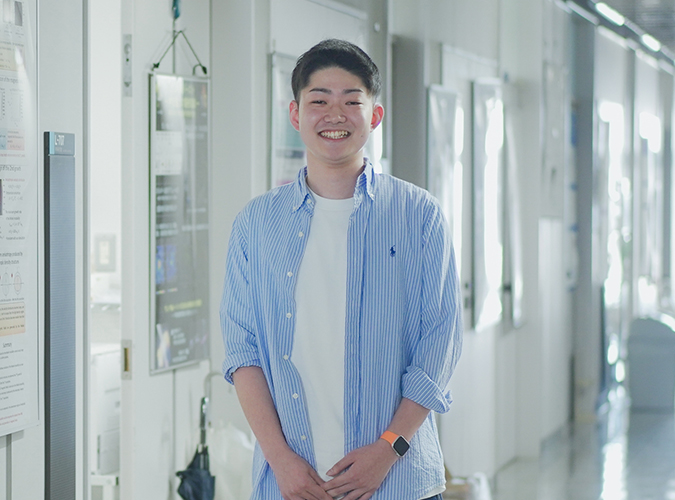
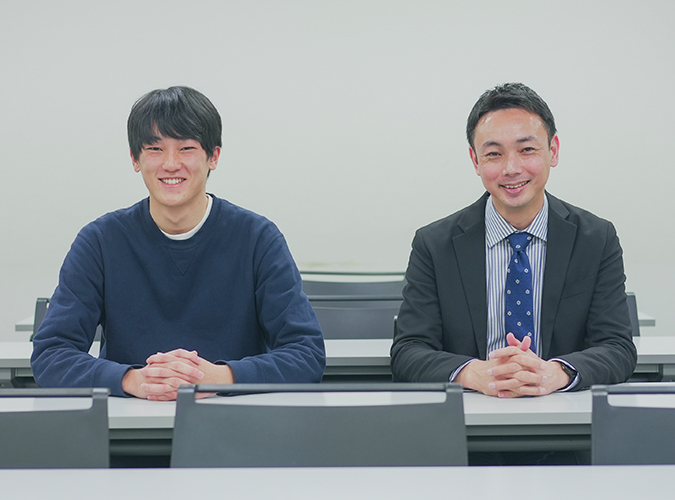
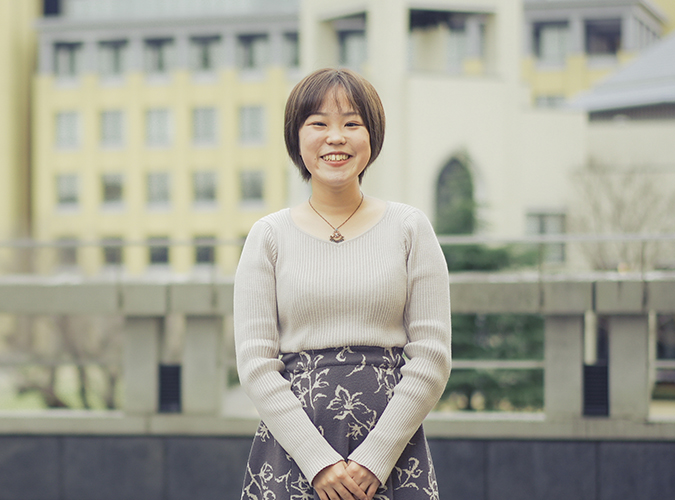
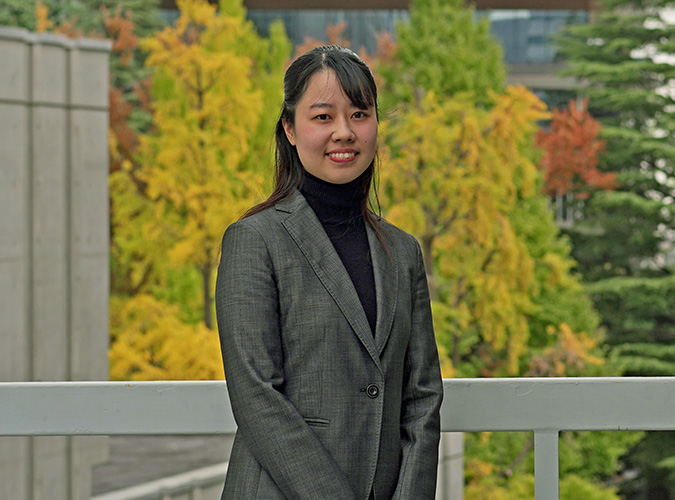
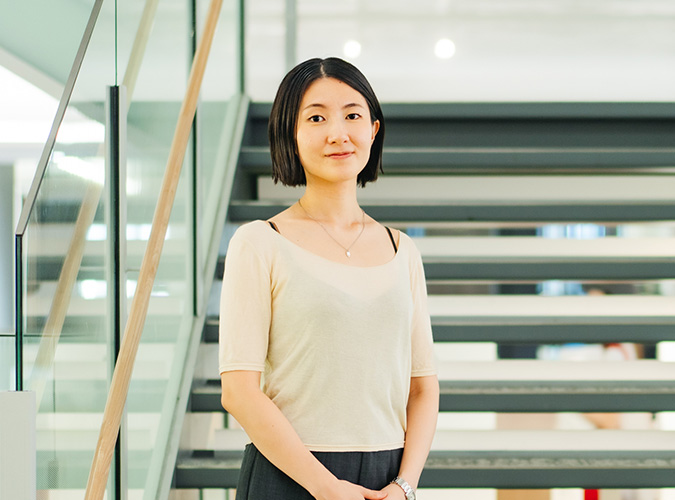
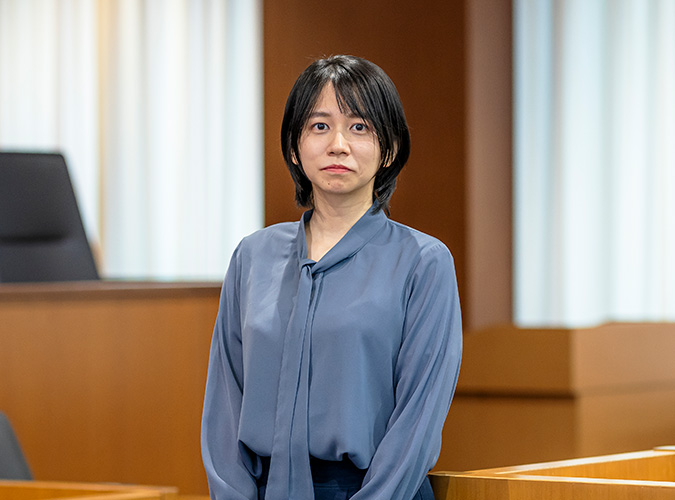
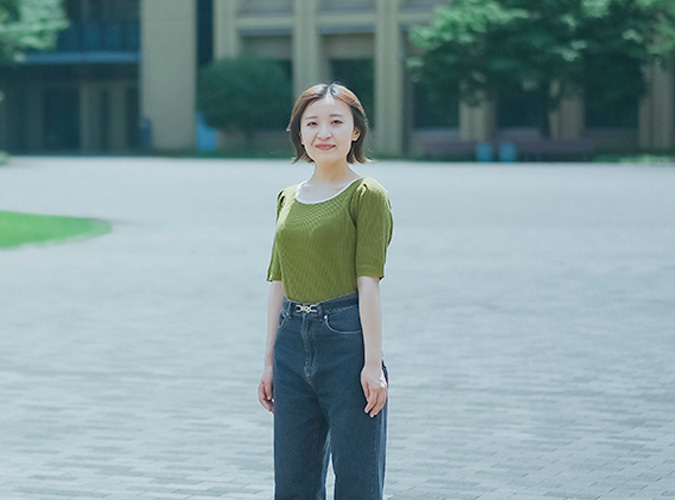
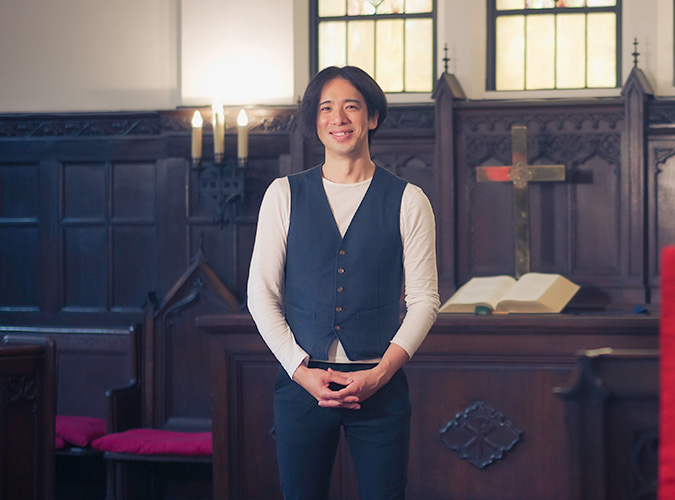
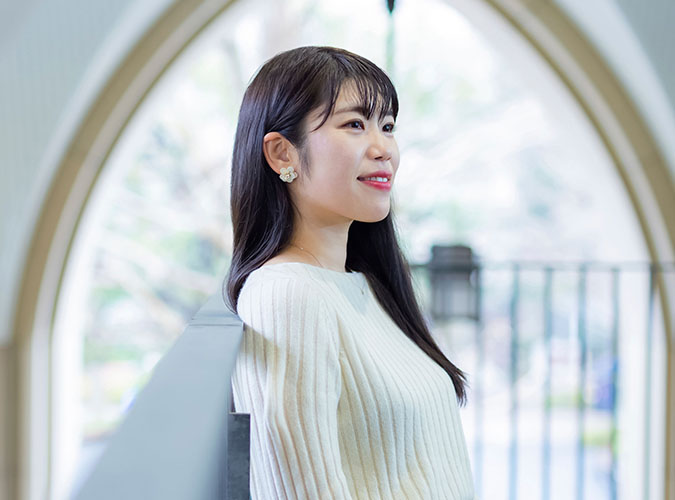
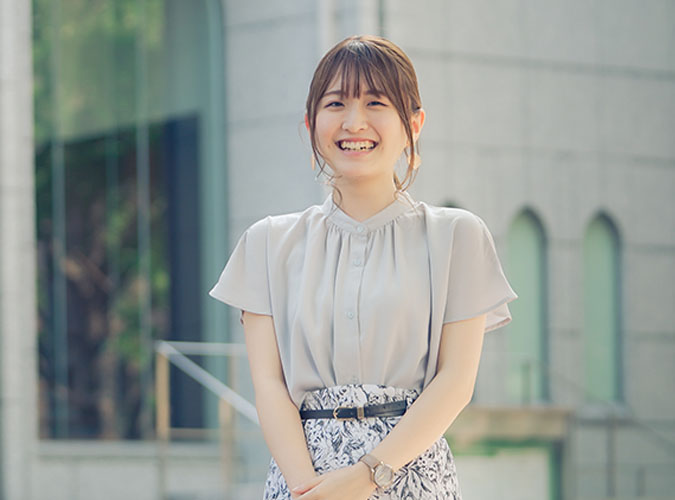
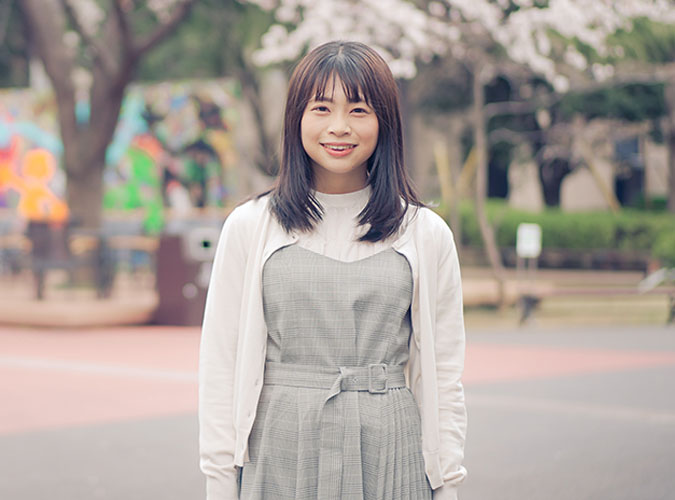
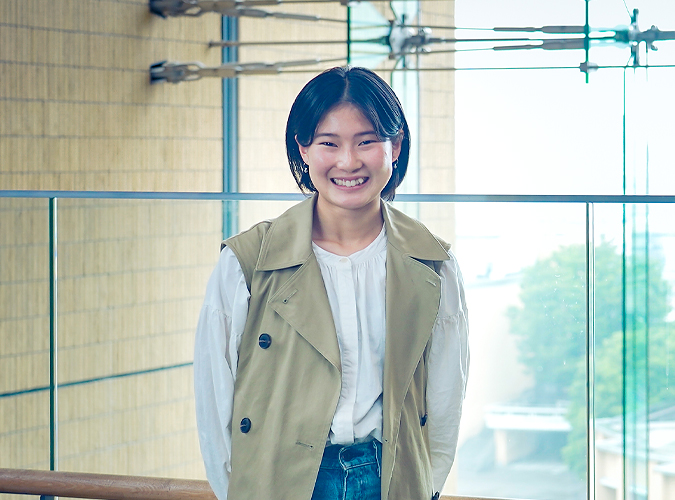
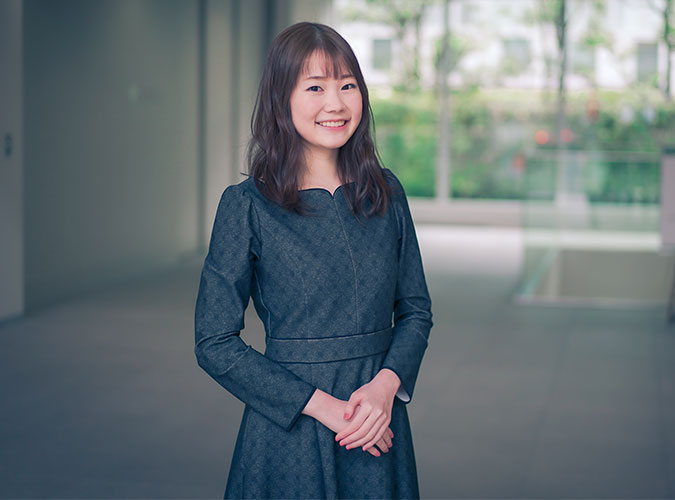
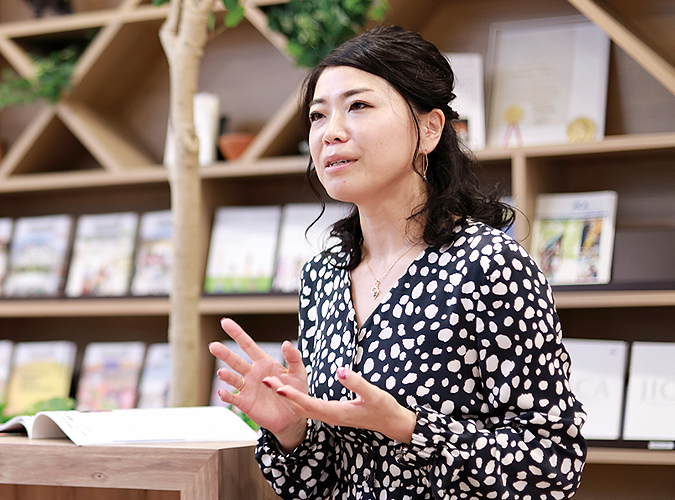
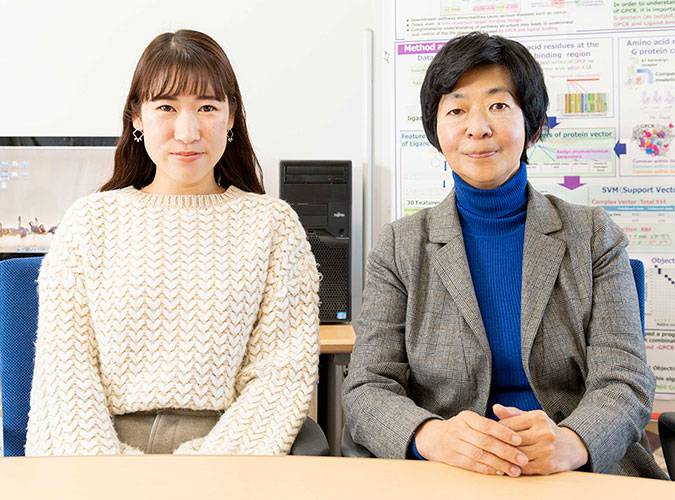
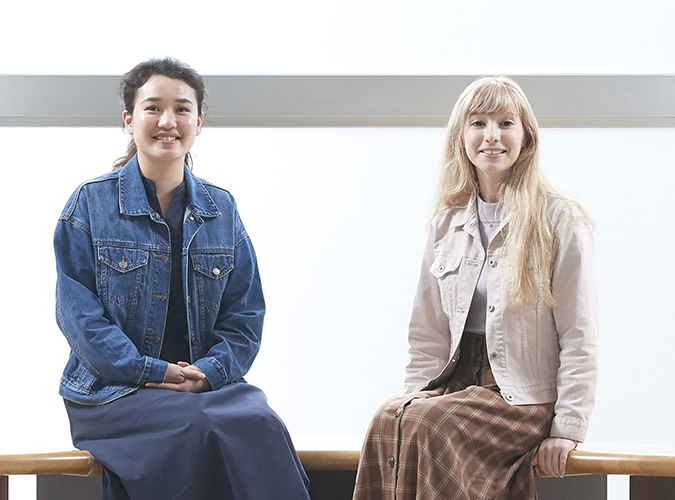
- Concert Mistress
- Person in charge: Violin
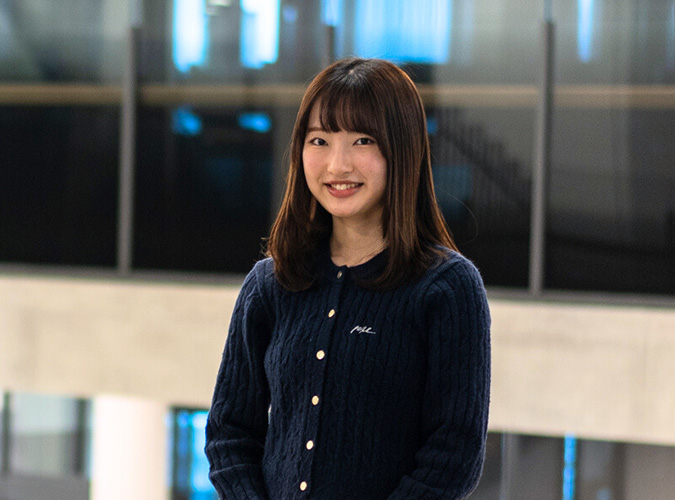
- Aoyama Gakuin Women's Junior College
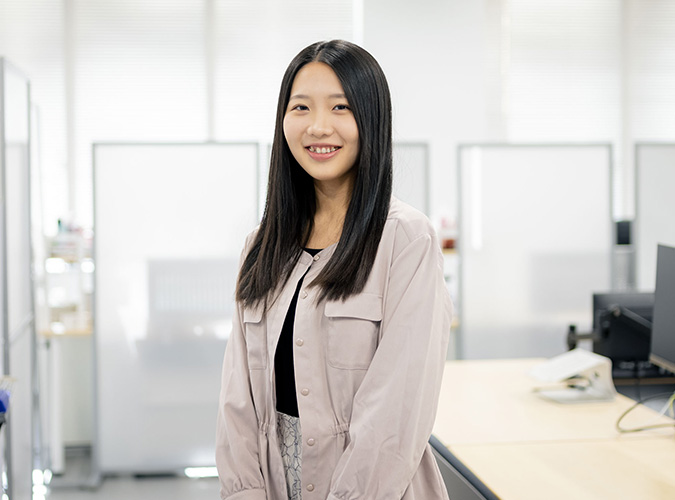
Child Studies 3rd year - Suzuki Asami
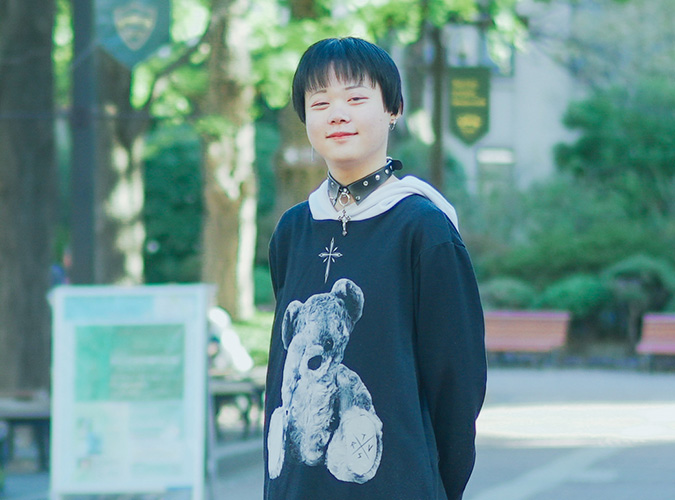
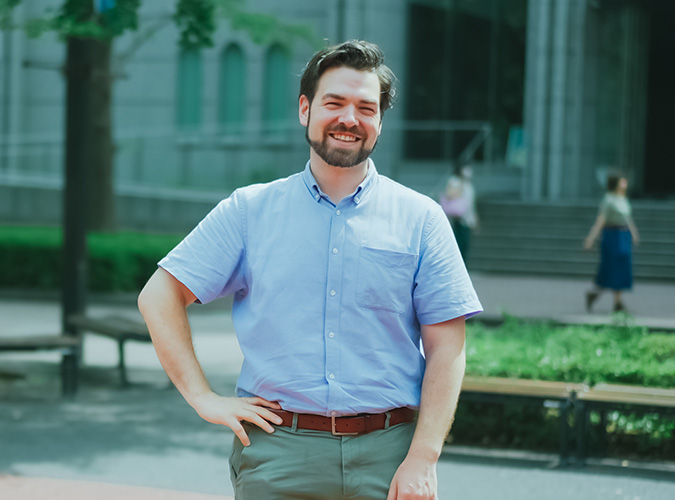
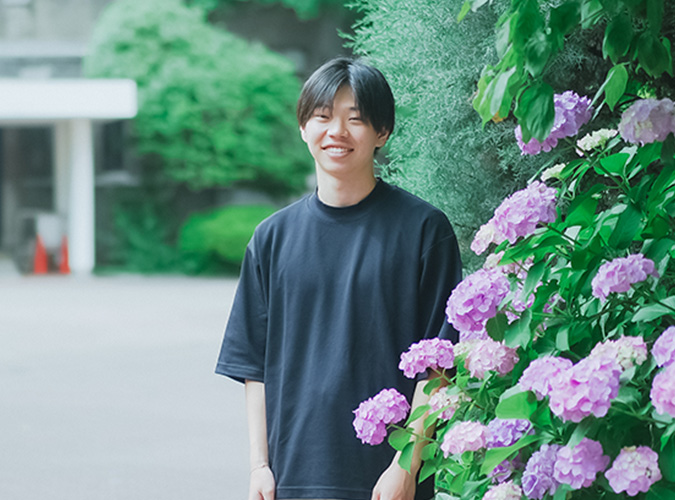
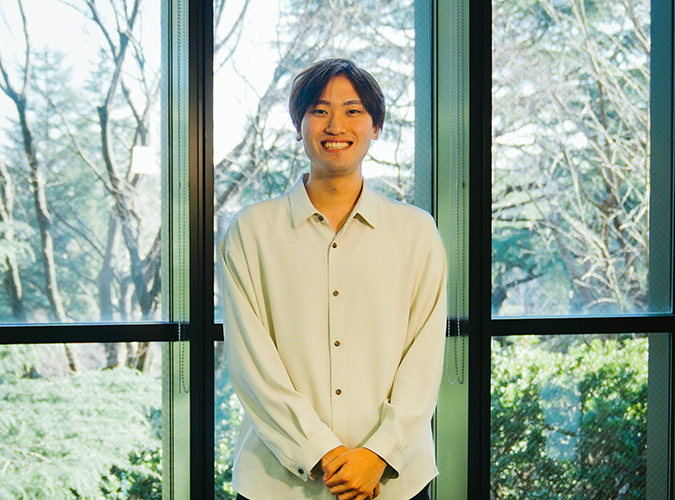
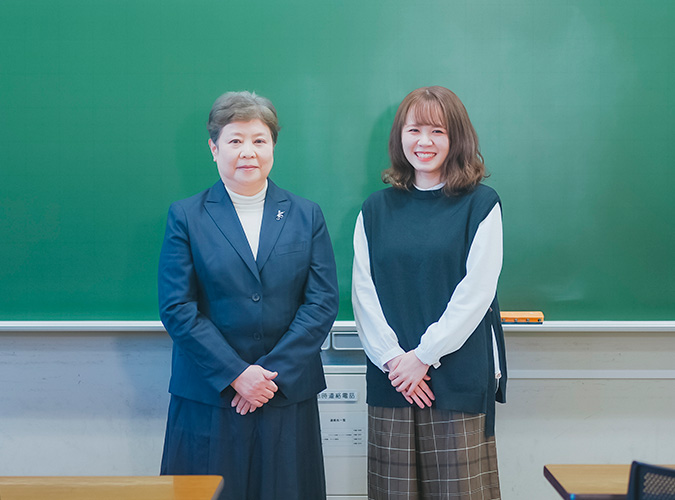
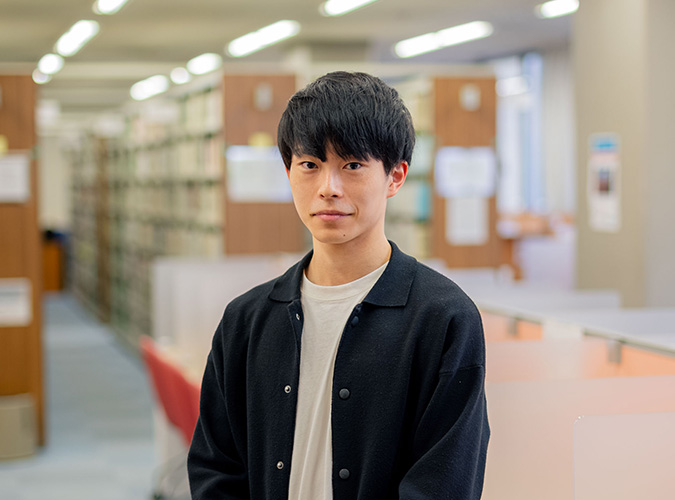
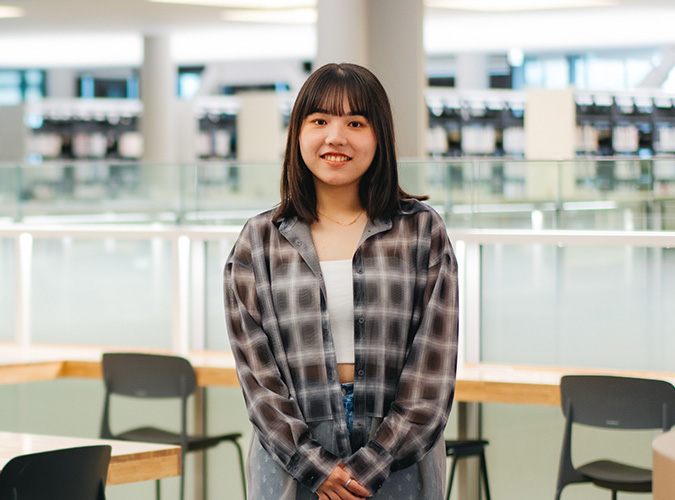
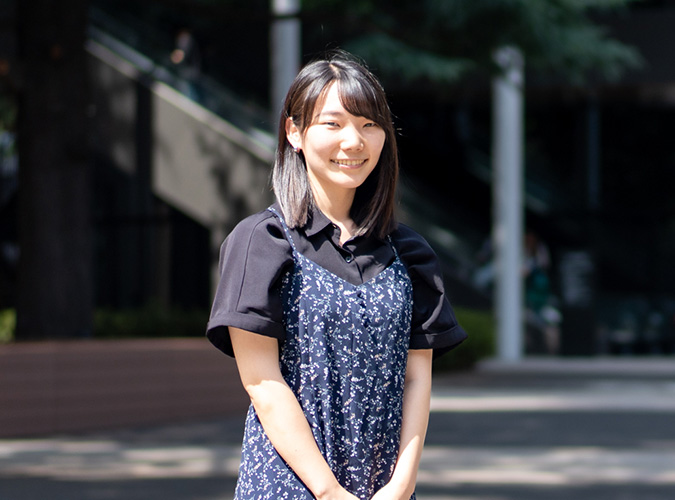
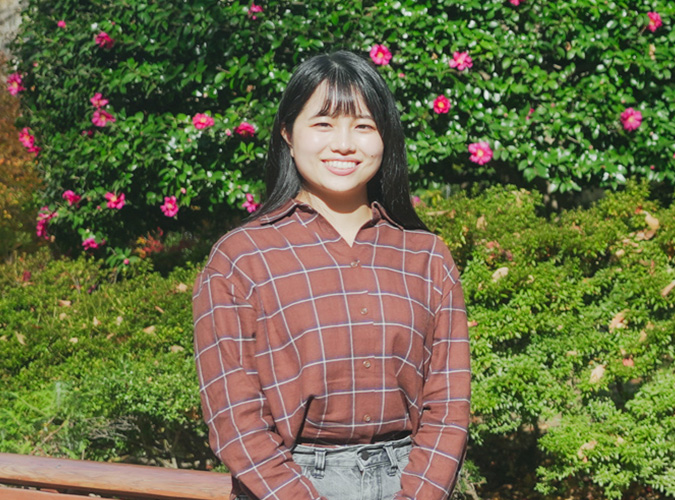
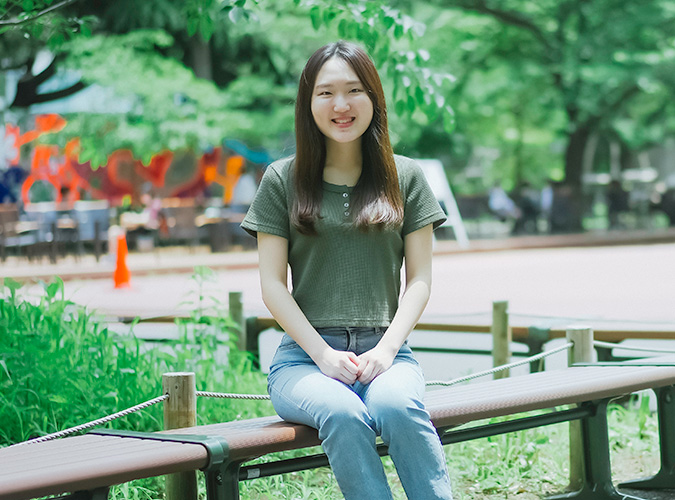
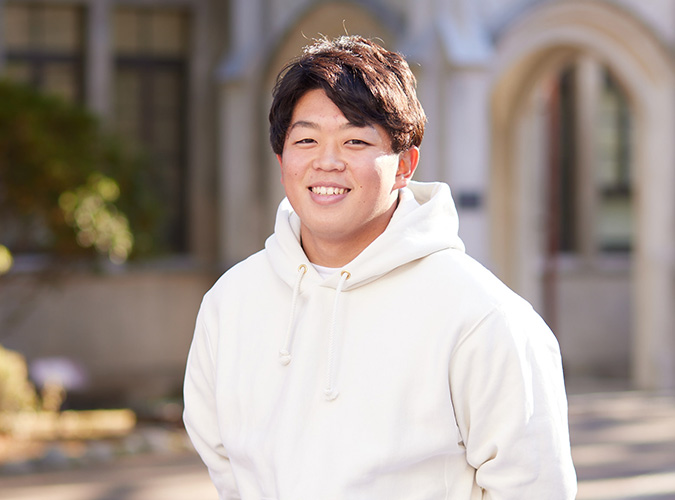
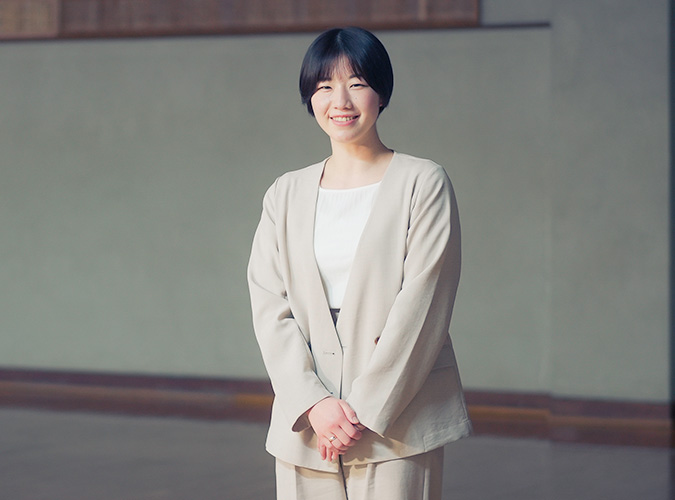
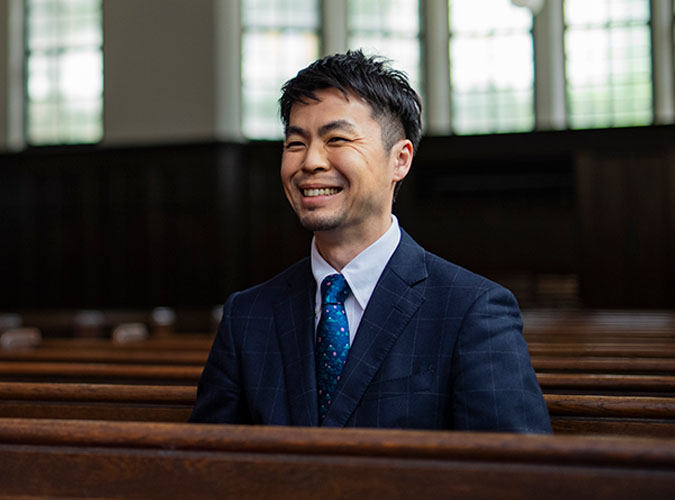
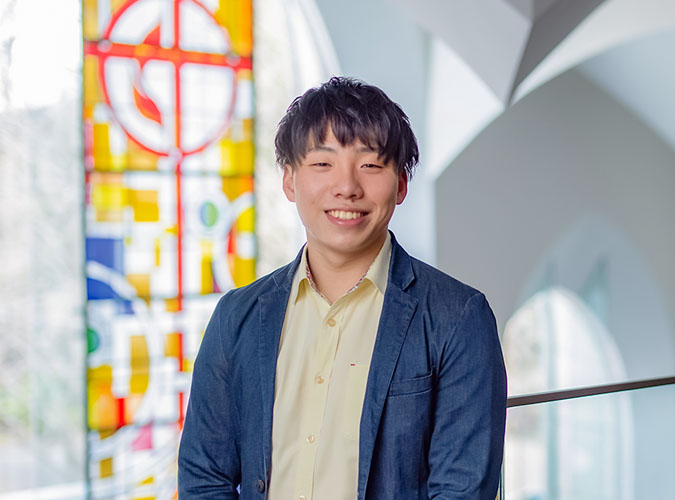
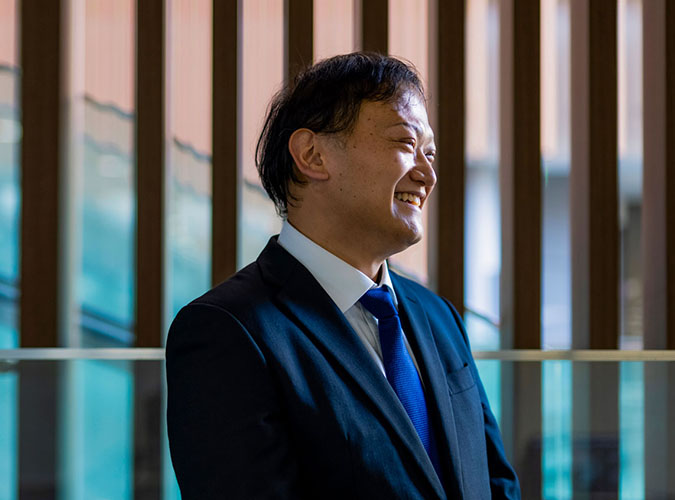
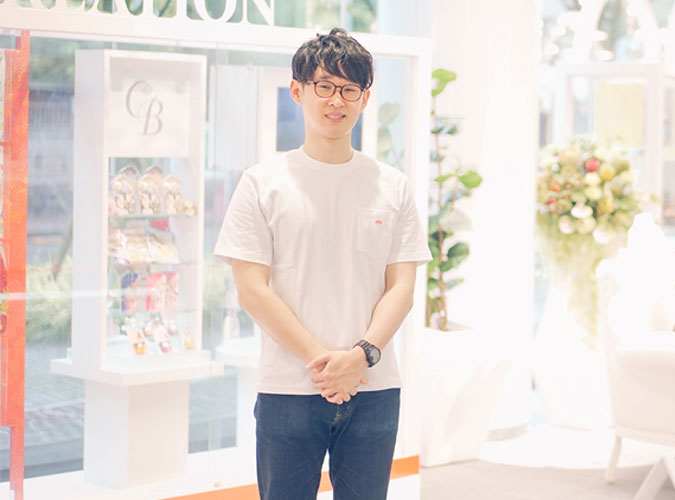
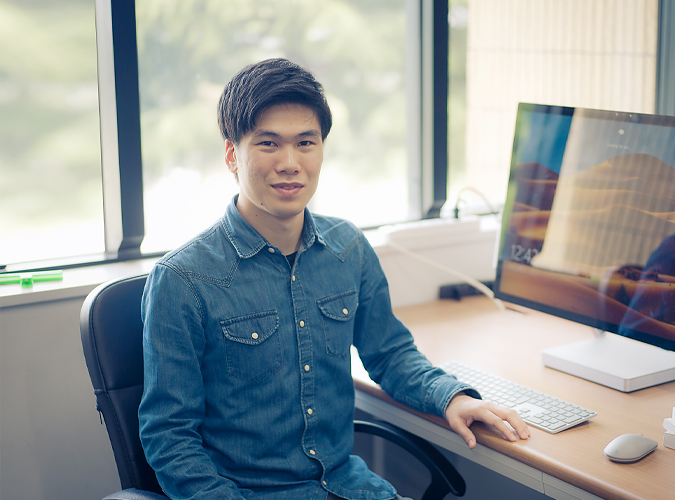
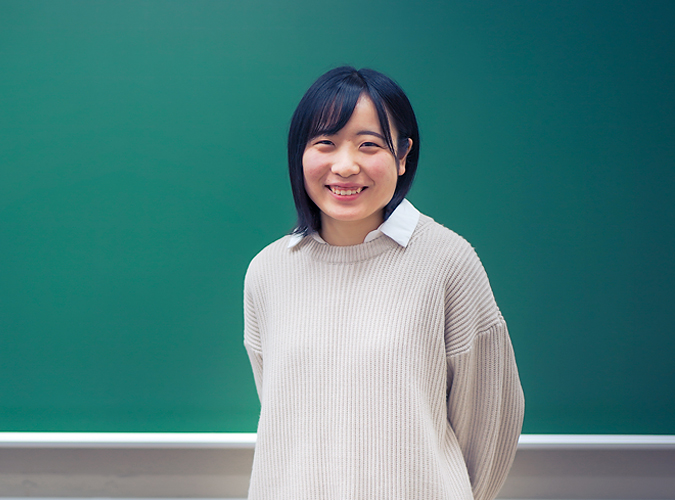
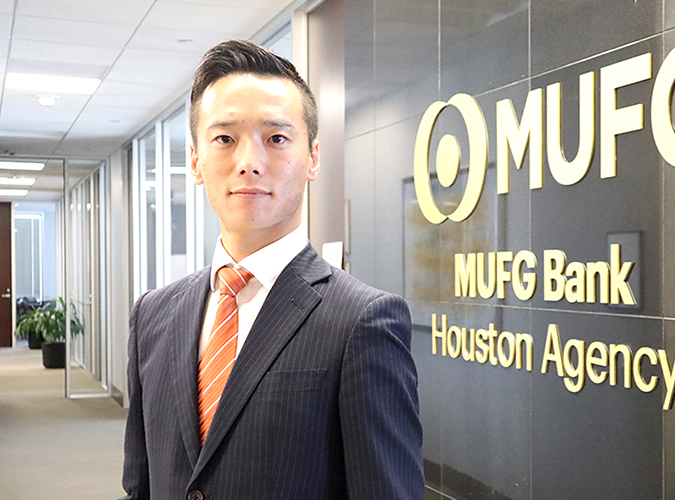
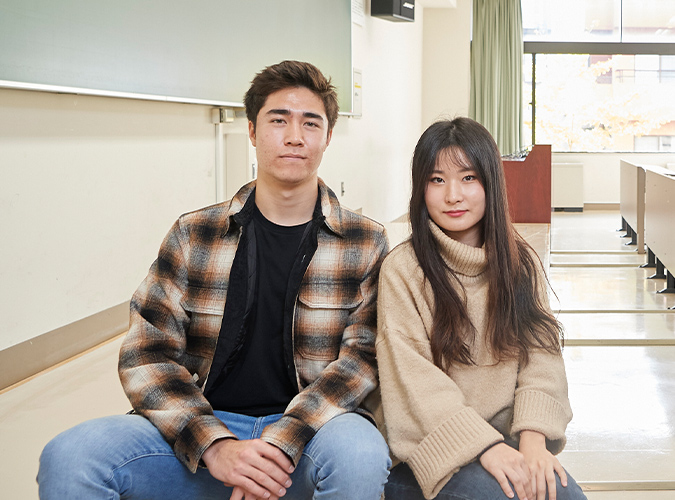
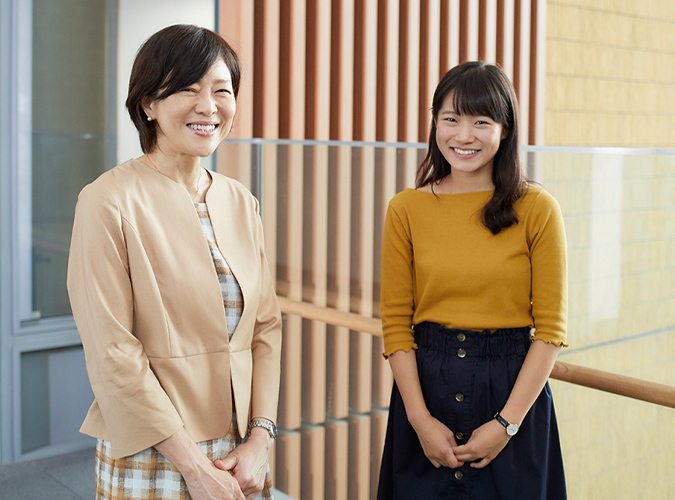
- Stage Manager
- Person in charge: Cello
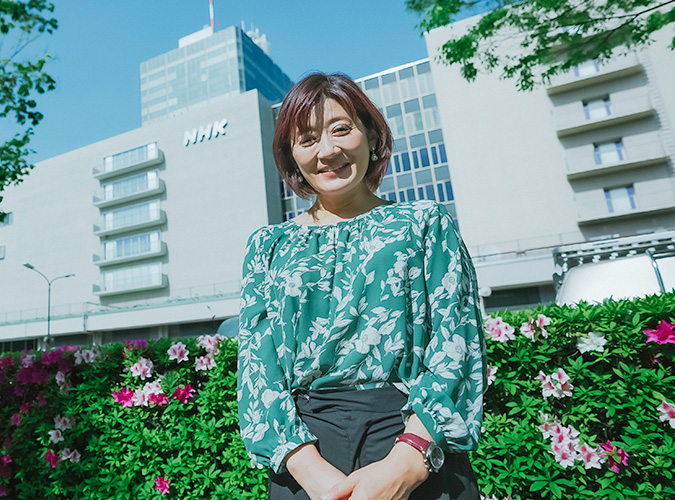
- 3rd year student in the Department of Comparative Arts College of Literature
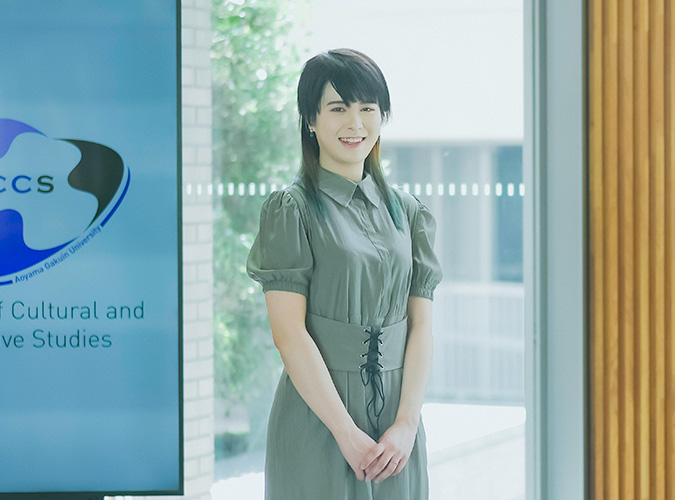
- Shiori Matsumoto
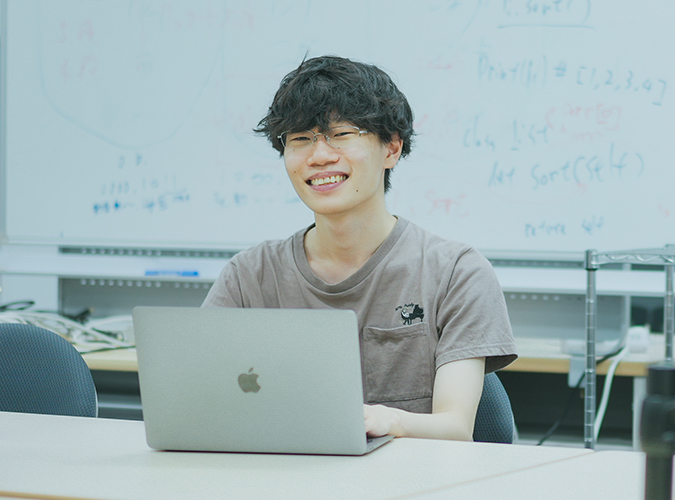
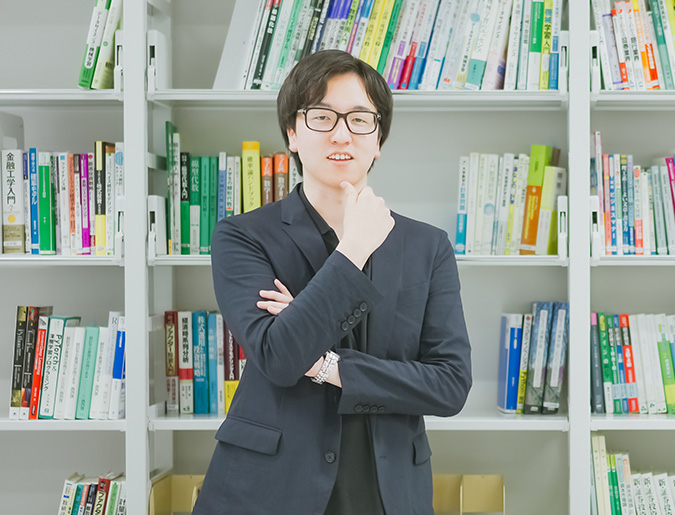
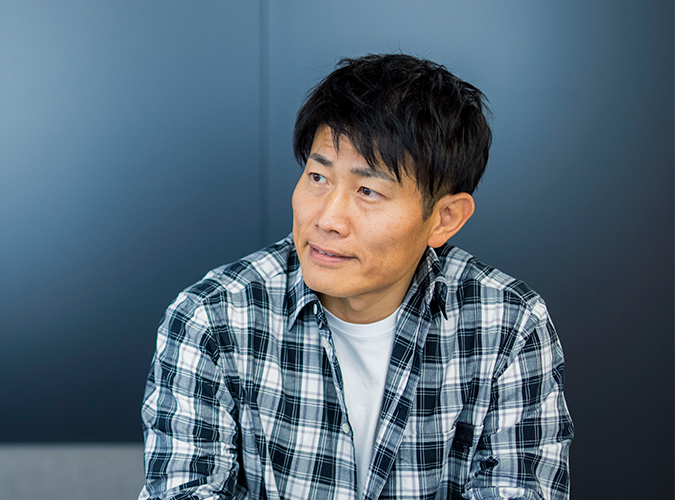
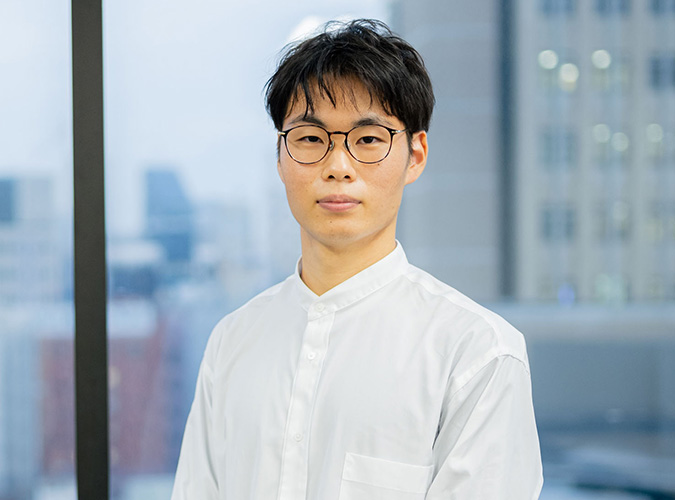
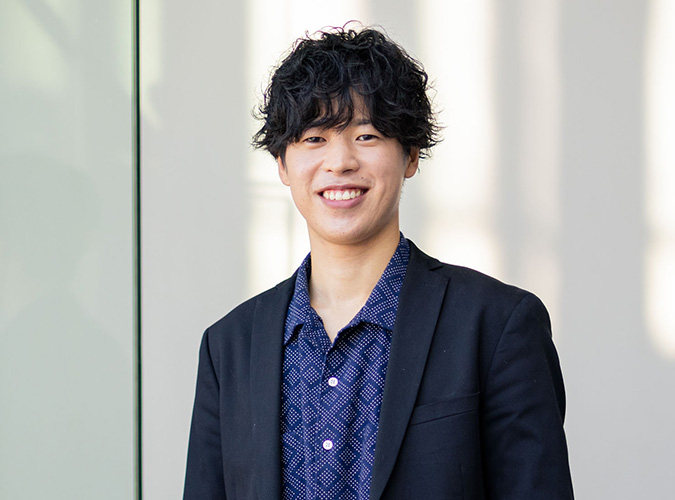
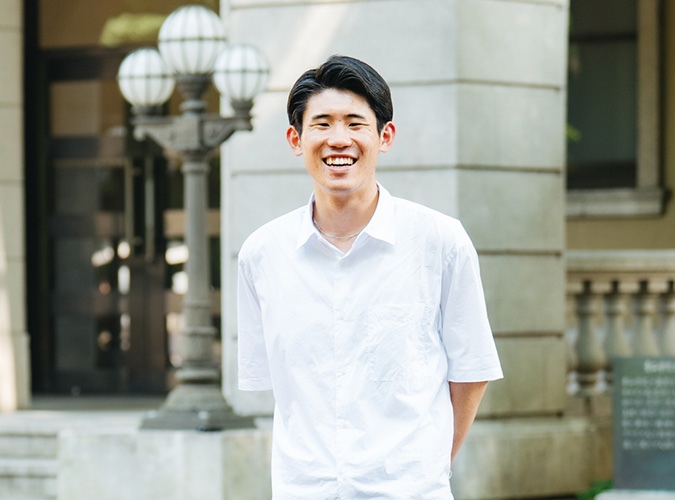
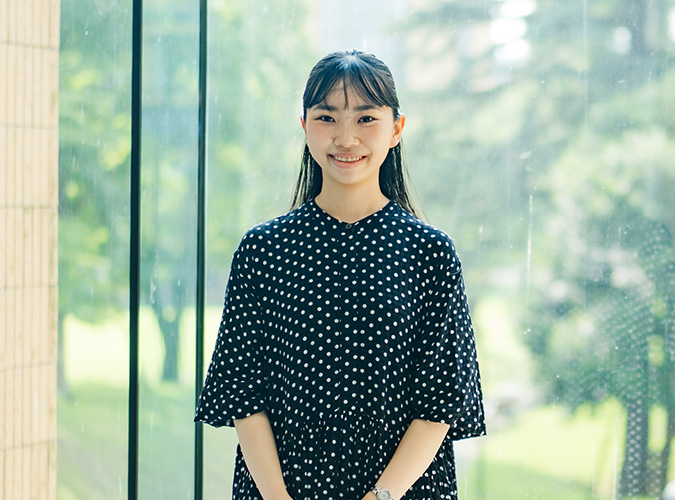
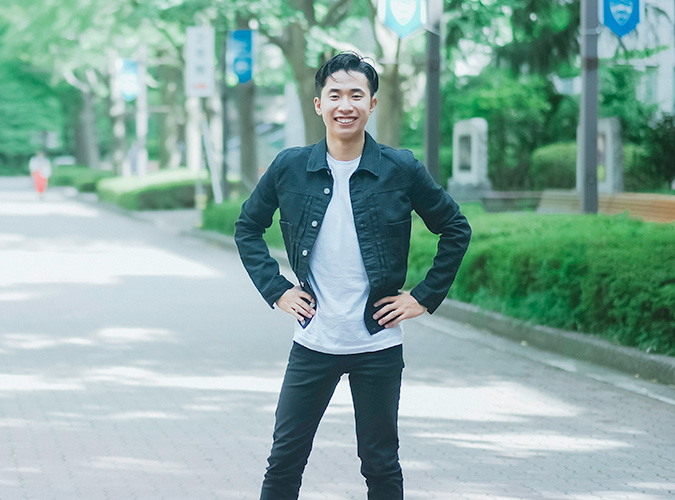
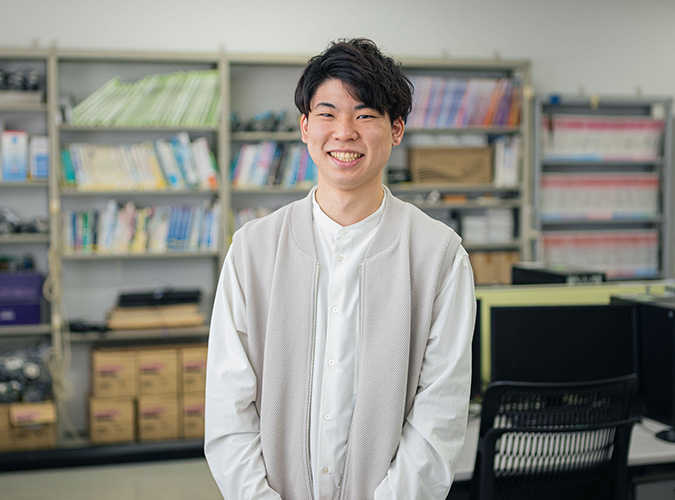
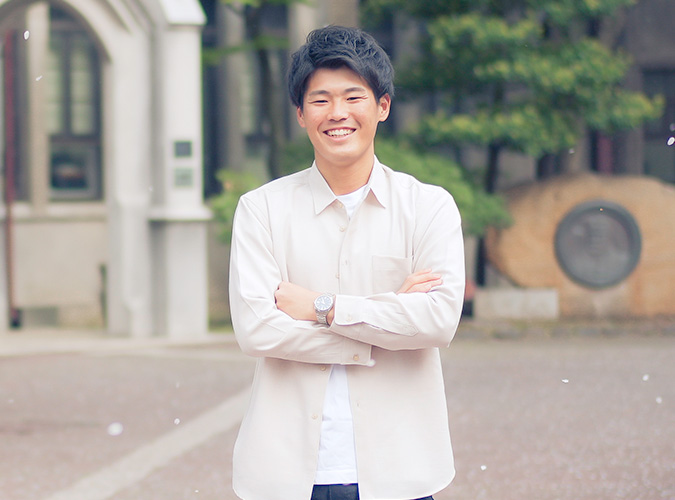
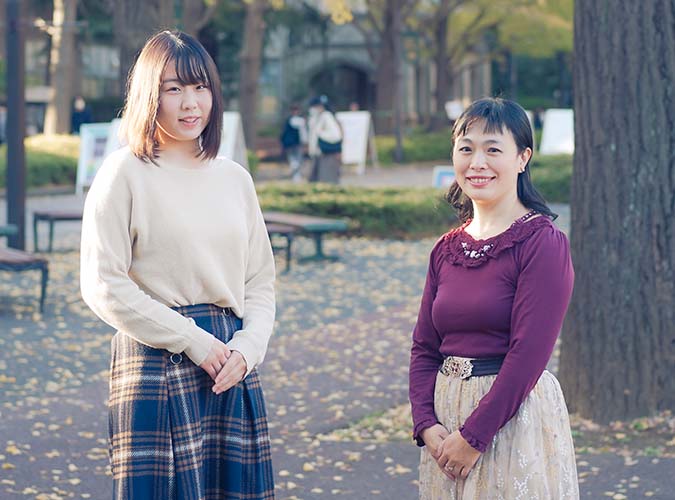
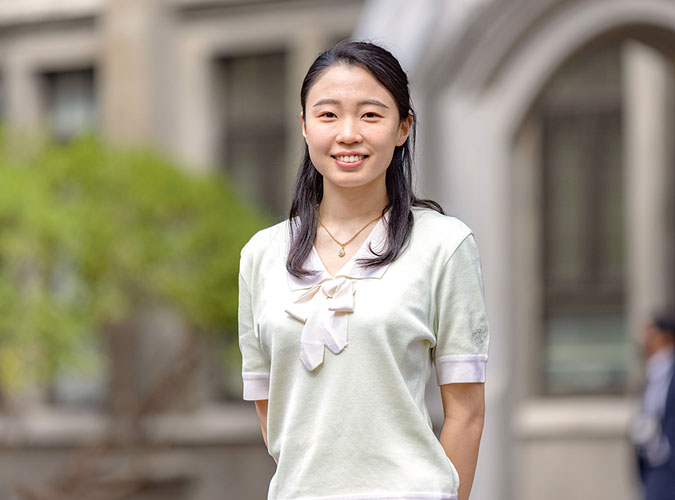
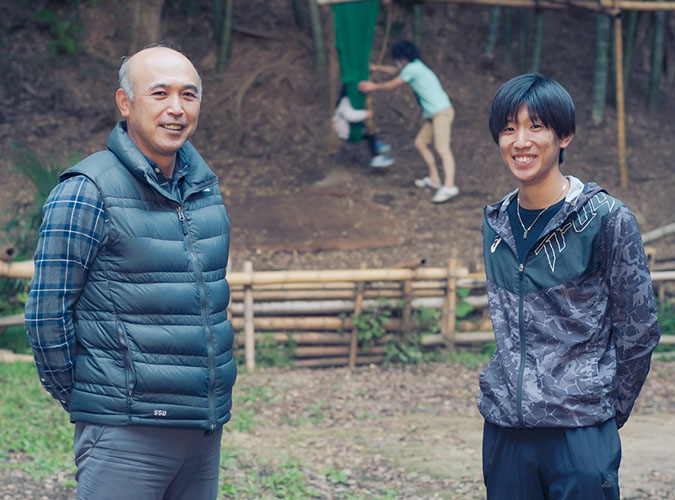
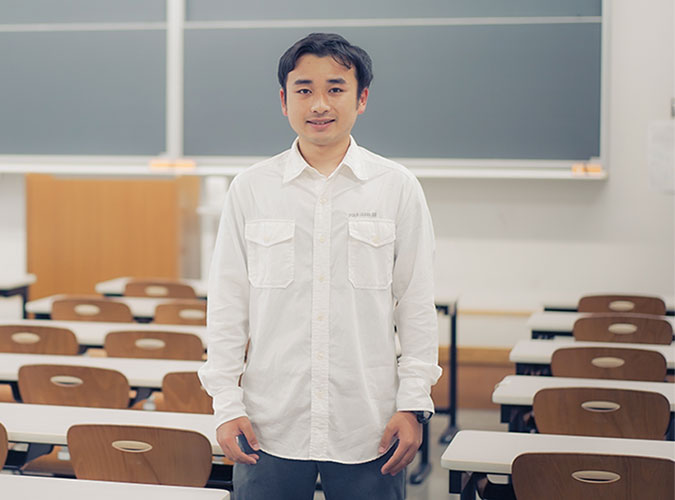
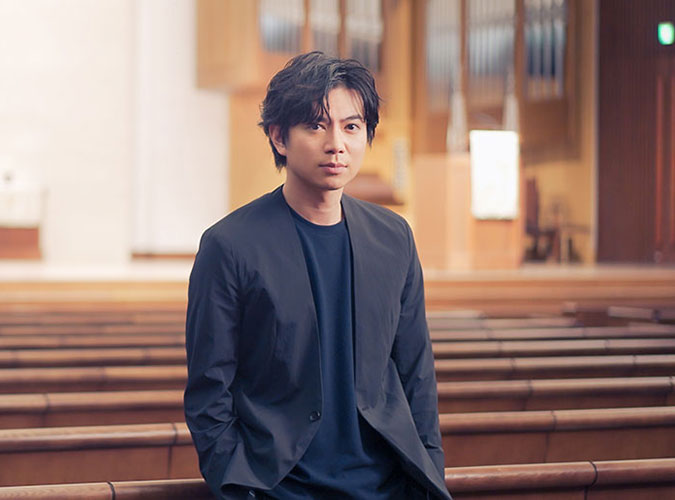
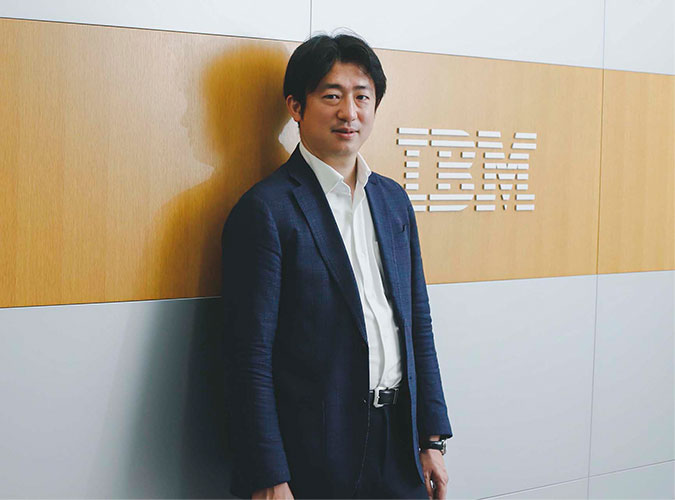
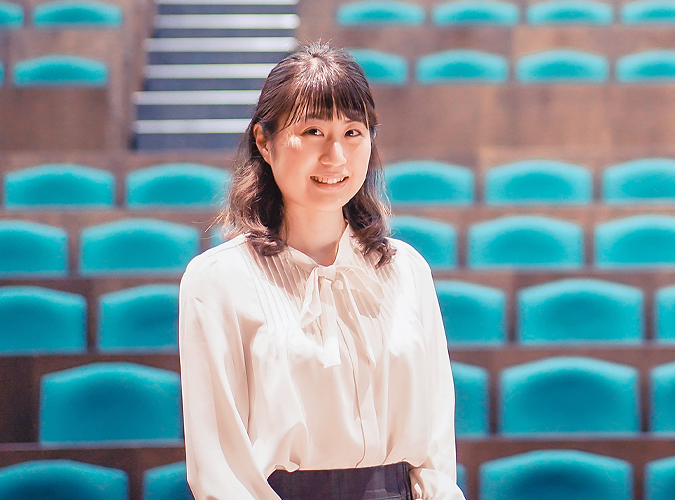
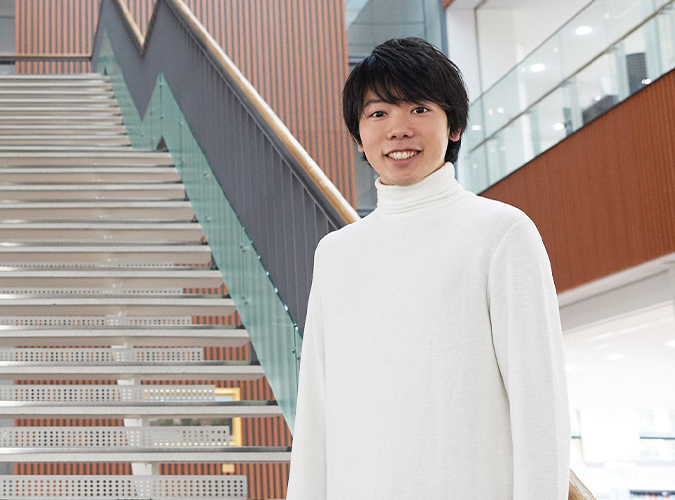
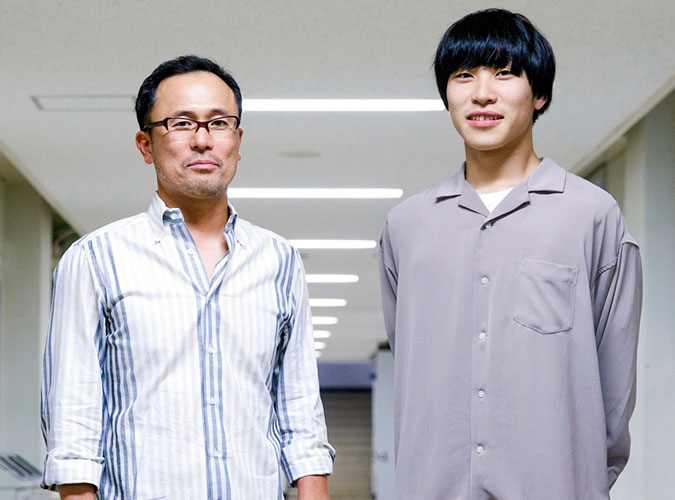
- Next Leader
- Person in charge: Fagotto
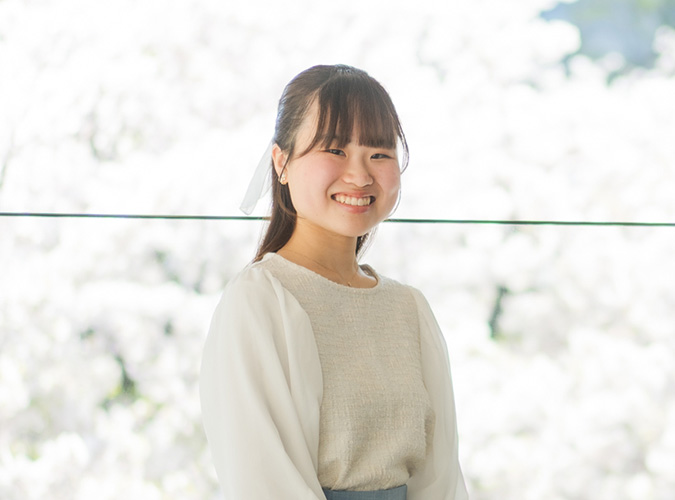
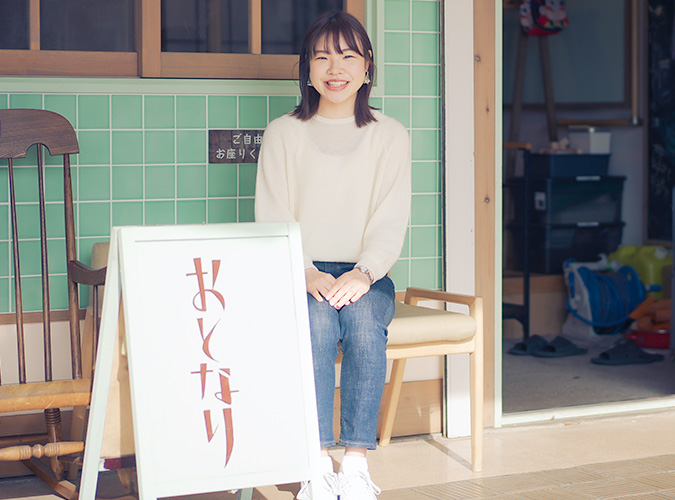
- College of Literature Department of Comparative Arts 2nd year
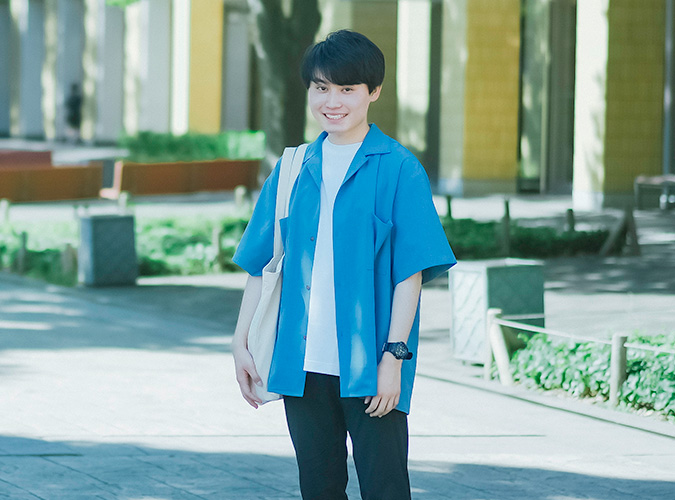
- Keisuke Yamazaki
In addition to professional instruction,
Let's teach each other
Deepen your music
-Please tell us about the activities of Aoyama Gakuin Orchestra.
Suzuki (Manami): We usually practice three days a week at Aoyama Campus. Our main activity is our regular concerts, which are held twice a year in May and November. We spend about half a year preparing for these spring and fall concerts.
Suzuki (Asama): We also receive requests from alumni groups to perform, hold an ensemble competition within the group in June, and perform Messiah in December, so our range of activities is wide, but the regular concerts are what we are most passionate about. Even when we perform at a request, we sometimes use the same pieces that we performed at the regular concerts.
Matsumoto: Yes, regular concerts are a major goal. We always use wonderful halls and have many guests, so the pressure of not being able to fail is immense.
By the way, this year's spring performance was held on Saturday, June 1st, 2019 at the Concert Hall of Tokyo Metropolitan Theatre in Ikebukuro (Toshima-ku, Tokyo), and the autumn performance is scheduled to be held on Sunday, November 3rd, 2019 (national holiday) at the Concert Hall of Tokyo Opera City (Shinjuku-ku, Tokyo).
-How do you practice?
Suzuki (Manai): We receive guidance from a professional conductor who conducts our regular concerts about once a week. In addition, we have various instructors from the NHK Symphony Orchestra and other organizations who serve as trainers for each section.
However, since the teachers are often not there, each part is practiced independently and the older students teach the younger students. In many cases, the younger students also teach the younger students.
Yamazaki: There's no way I'd teach older students.
Suzuki (Asama): Since joining the university orchestra club, I have learned a lot from watching my seniors improve the quality of their performances by absorbing a wide range of knowledge about the songs, including their background, in addition to technical skills.
I studied music in high school, but my goal was to just practice and be able to play the songs, and I never thought about how to interpret the songs, so it was a very refreshing experience for me.
Yamazaki: I'm still a second-year student, so I'm currently learning from the third-year students, but sometimes I think, "My interpretation is wrong." At times like that, I try to convey my opinions even though I'm a junior student. The seniors listen carefully, and it's fun to refine various opinions and finish the song.
Suzuki (Manami): We are a large group of about 130 people, and although there are many beginners, we are able to make friends. In addition to the nine executives, there are also section leaders and other staff members, so we all cooperate with each other to run the group.
Take your time and create something
Creating valuable experiences
-Regular concerts are the main part of your activities, but how do you prepare for them?
Suzuki (Manai): Our next regular concert is coming up on November 3rd.
It was decided two years ago that we would perform at Tokyo Opera City, but in February of this year, when it was still cold, we surveyed the members and came up with a list of songs. From there, the section leaders discussed and narrowed down the songs, and I think it was around April that the main song was decided.
Suzuki (Asami): Yes, it was around April. We will play three pieces at the concert, but we will decide on the main piece first. This year, we will play Sibelius' Symphony No. 2. I think it is a perfect piece for our grade, as we are the third-year students who are in a position to lead the group.
Matsumoto: That's true. It's a song that the current second-year students probably wouldn't have chosen. I actually wanted to do a different song, but as I spent a lot of time practicing it, I grew attached to it.
Suzuki (Ai): Yes, I actually wanted a different song, but I think it matches the color of the grade. Like Brahms' Symphony No. 2, which was the main song in the spring performance, it was a bit "demure" or calm. The second-year members are more numerous than us and have stronger personalities, so I think they will choose a different song.
Yamazaki: Maybe it's because we second-year students are very passionate. The third-year students seem to be very united.
Suzuki (Manai): The remaining two songs were finally decided in July, taking into consideration the balance of the main song and the burden on beginners. Since it was right at the beginning of summer vacation, we practiced four days a week for four to five hours each. In August, we had a five-night, six-day training camp, and the conductor came to see us for the last two days.
-Do you spend a lot of time preparing for regular concerts?
Yamazaki: Professional musicians have the technique, so they can practice just three times, get everyone in tune, and then say, "Okay, let's go!" But it's not like that for us. We take our time to prepare.
But there are some things that can only be achieved by taking time. For example, I play the bassoon, and I try out different approaches, such as playing different parts of the piece differently each time. That way, even if I'm repeating the same score, the resulting performance is completely different, which is interesting.
Suzuki (Ai): The more time you spend on it, the more new things you see. Sometimes you discover something by trying different approaches or studying the interpretation of a piece, and sometimes you discover something by being told by a teacher or other members. There are countless ways to express even one note, such as how to start it, how to extend the sound, and how to cut it. Music scores are symbols, so they don't change, but what you see from them changes over time.
Suzuki (Asama): As I practice many times, my love for the song deepens. I listen to various recordings, hear various opinions, and take each step to gradually create a song. It's not enough to just think about my part, so I try to match it with the other parts, make eye contact, and breathe together. Sometimes I only understand it that way.
Matsumoto: It becomes more fun when you start to understand not only what you need to pay attention to but also how the other parts are intertwined.
Suzuki (Asama): That's why I always feel a sense of accomplishment after a concert! I feel happy when I perform in such a wonderful hall, receive applause from a large audience, and think that the concert was a success.
Suzuki (Ai): However, to make a concert a success, it is not enough for us, especially the executives, to think only about music. I think I have become more patient. Because there are many people, we have to focus on what we want to do while also working together to shape the performance. If each of us keeps doing only what we want to do, we will not become one. However, I think that the director only needs to have an overall grasp of the situation, but I think that the stage manager has a much harder time.
Matsumoto: We're currently working really hard in preparation for our regular concert at Tokyo Opera City on November 3rd!
Of course, I'm not the only one working, but I have a lot of work to do, such as making a table for the orchestra's settings and contacting various people outside the hall, such as the hall staff. I have to do it efficiently and reliably. On top of that, I have to practice myself.
However, because I have a lot of work and it's difficult for me, I've come to understand the feelings of people who become negative, for example, "I don't want to practice." Rather than telling those people, "You have to try harder!", I want to gently support them.
Yamazaki: Our senior executives are always working overtime without pay. First of all, the practice time is long, and they can only practice during practice time, so they do their executive work outside of that time.
The sports club may have harder practices and play more games, but the orchestra club spends half a year practicing and preparing for a concert that lasts just two and a half hours.
Suzuki (Manai): We really take our time. You could say that our club pursues quality over cost performance.
Suzuki(Asami): We will do our best for just this one concert.
Suzuki (Manami): When you enter university, even if you are in a class, you don't get together and do anything, so I don't think there is any other opportunity to spend so much time working together with your classmates. Everyone is busy with classes and part-time jobs, but we practice three days a week, which is quite a long time.
When you have 130 people doing one thing for a long time, there are times when unpleasant things and problems arise, but in the end, they want to give a good performance, so they come to practice regularly and perform well. After all, if you don't have the feeling that you love music or want to give a good performance, you can't continue with the club. So I think that with each regular concert, we grow not only technically, but also mentally.
For third graders
A culmination
Autumn Regular Concert
-Please tell us how you feel before the regular concert.
Matsumoto: As a stage manager, it's time for preparations. The job of a stage manager is to "be able to do it." If there is something that is not done, it is natural that people will think, "What are you doing?", and if you make a mistake, you have the potential to ruin the concert itself.
The core of our activities is our regular concerts, and everyone has been working hard for a long time for those two and a half hours, so we want to cherish that feeling and create a performance that everyone can enjoy. We can't relax at all until everyone has cleaned up and left the hall and it's all over.
Suzuki (Asami): I agree. A concert mistress just needs to concentrate on the performance, but a stage manager can't do that. It must be really tough.
There are many other people who work behind the scenes and in the administration. I think it is thanks to them and the juniors who follow us that we are able to perform. This fall's regular concert will be the culmination of our work before we retire, so we want to work together to create a good performance for the audience.
Yamazaki: The seniors have been working hard both musically and administratively to make the concert a success, so as a junior, I want to give the best performance I can and send them off on their final stage. As the next choir leader, I want to raise the motivation of my grade and support the seniors.
Suzuki (Manai): When we stand on stage at a concert, we just concentrate on playing the music we want to play. I get a sense of accomplishment from my work as an executive, but in the end, we're here because we want to play music. I think each member of the orchestra has various thoughts, such as wanting to enjoy music themselves or wanting the audience to enjoy it. It would be great if we could express that during the concert.
Until the regular concert
-
Two years before the event...
Venue DecidedAs the event will be held on weekends and national holidays, early preparation is required to reserve a good hall. Tokyo Opera City was secured two years in advance.
-
8 months ago…
Song candidatesA survey was conducted among the members to compile the songs they would like to play.
-
4 months ago…
Deciding on the piece and individual practiceThe section leaders discussed and narrowed down the main candidates to three songs, which were then selected by vote. The other two songs were then chosen based on the main song, with a balance in mind.
-
3 months ago…
Summer campDuring summer vacation, we practice four days a week, and even then we have a five-night, six-day training camp to intensively practice.
-
1 month ago…
Ensemble/Part PracticeThis is the period when, through repeated practice, you will be able to hear not only your own part but also the sounds of other parts clearly, your understanding will deepen, and your level of perfection will improve.
-
On the day
Now, it's finally time for the real thing!
Aoyama Orchestra
Our activities are centered around regular concerts in the spring and fall, the All Aoyama Messiah concert in December, performances at graduation ceremonies, participation in the Aoyama Festival, and various other requested performances. We also hold an ensemble competition every June, where we experience the "fun of playing together in a small group." Practices are held three days a week at Aoyama campus, from 6:30pm to 9pm on Wednesdays and Thursdays, and from 2pm to 5pm on Saturdays. During training camps in late February and late August, we also have lessons from NHK Symphony Orchestra trainers, making for a packed week in preparation for the regular concerts.