You can't win with technology alone.
Competitive dance pairs
A victory achieved through a sense of unity

Posted on 19/05/2022
No. 151
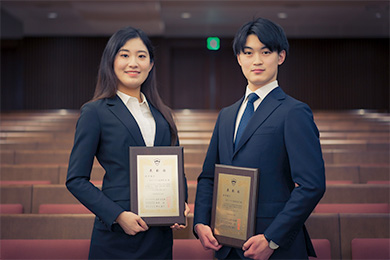
<2021 Athletic Association Award Winners>
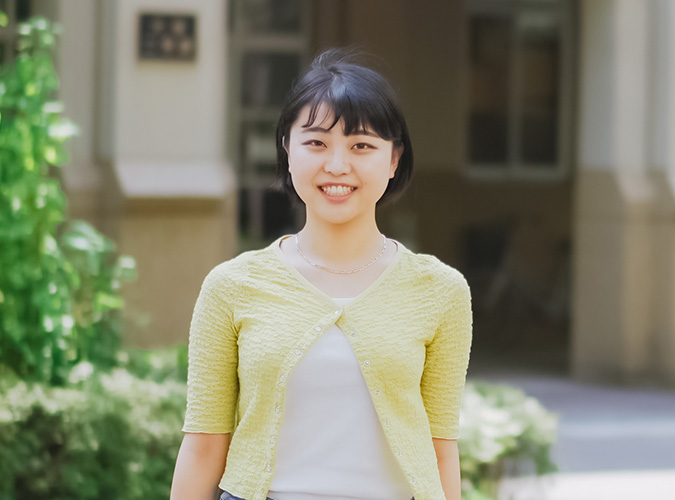
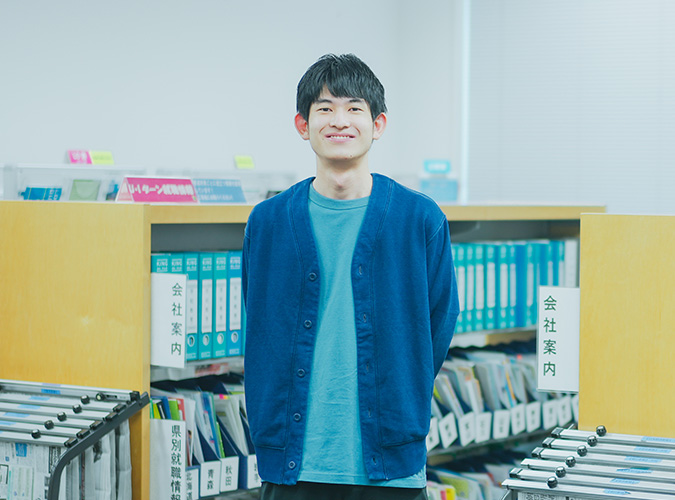
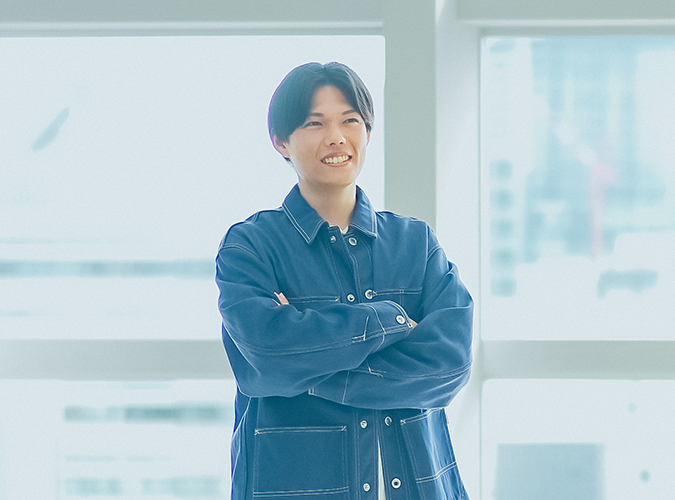
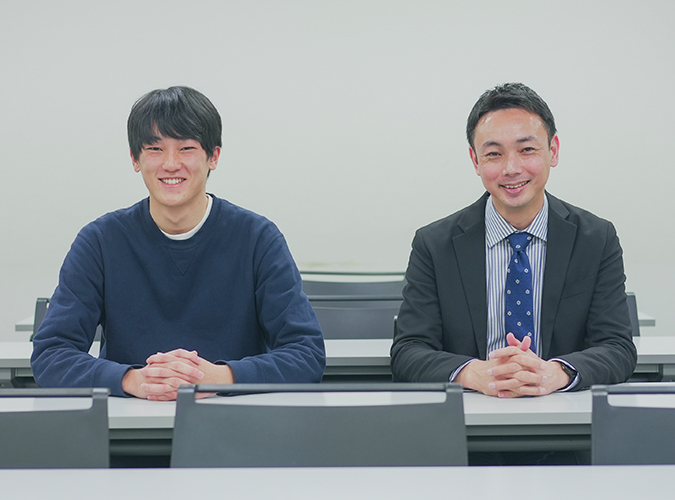
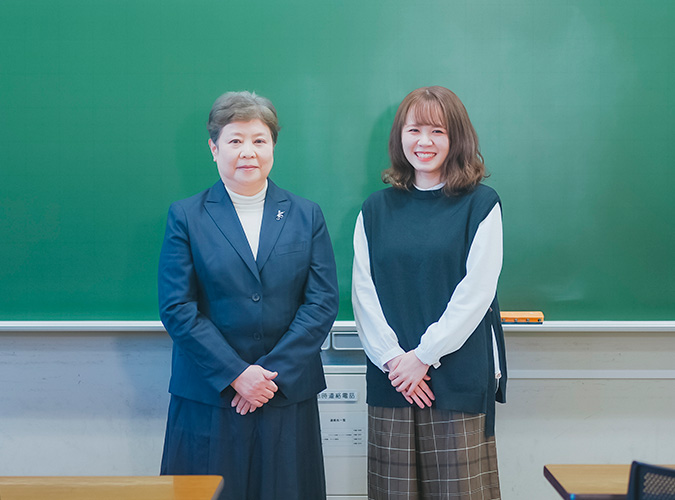
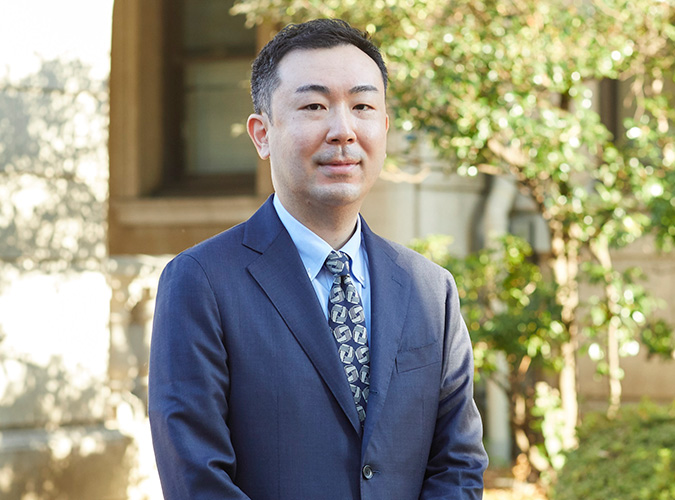
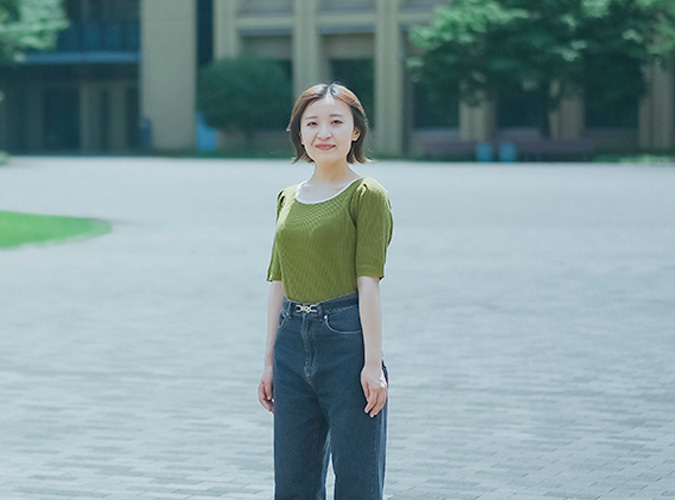
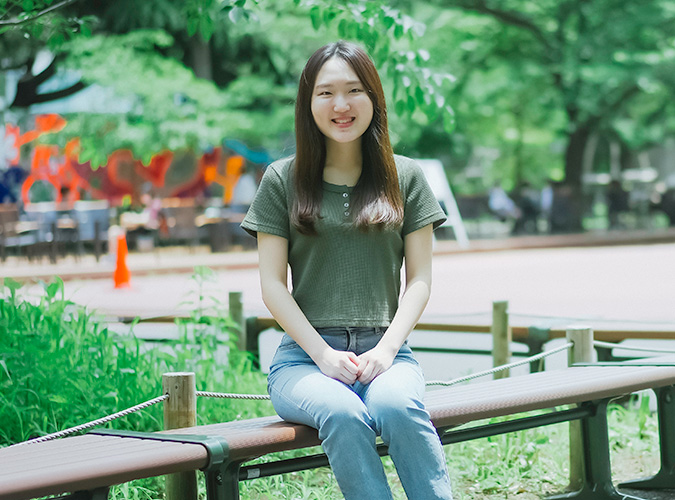
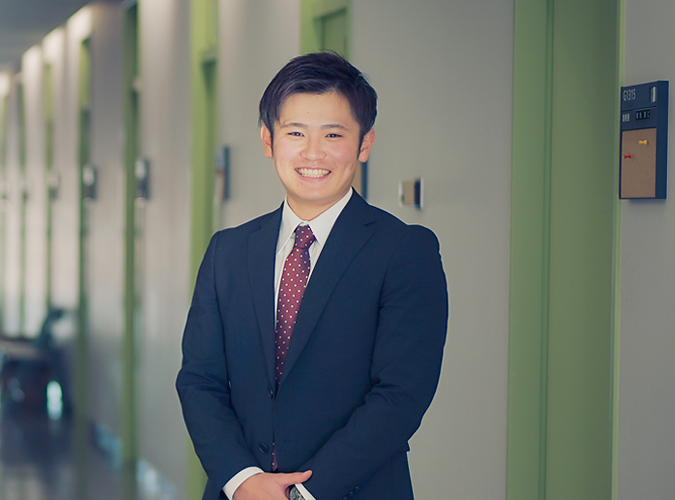
4th year student, Department College of Economics Department of Economics
Athletic Association Competitive Dance Club
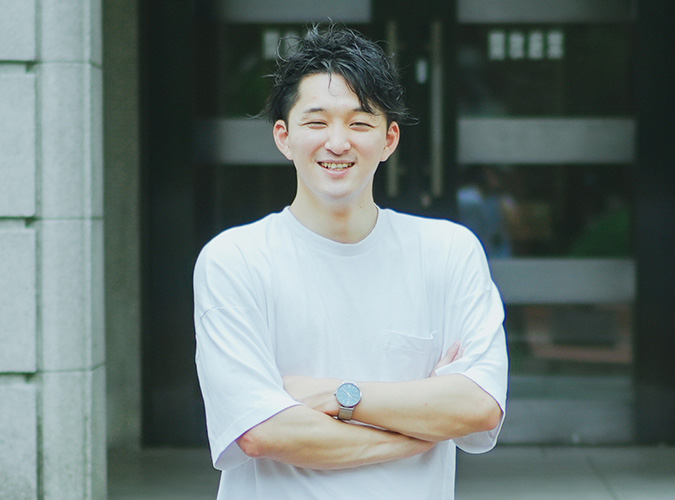
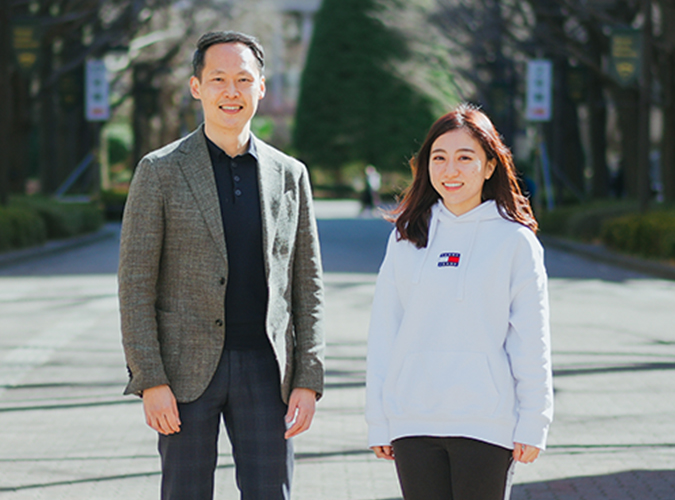
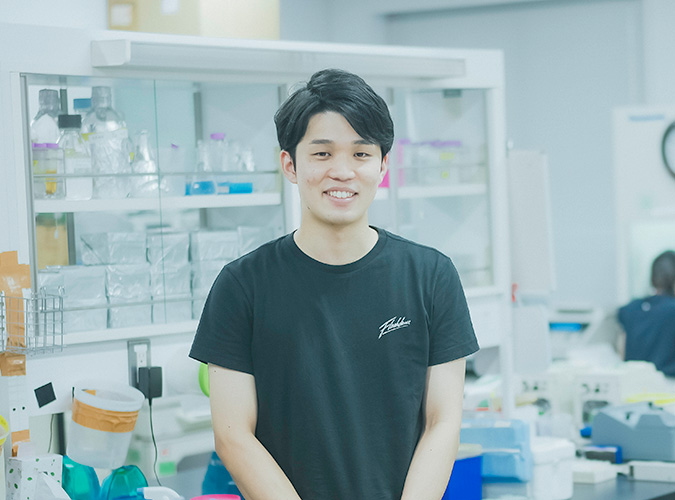
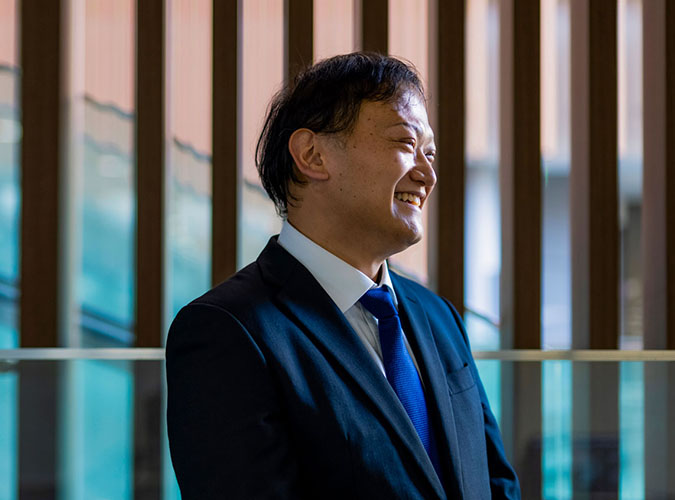
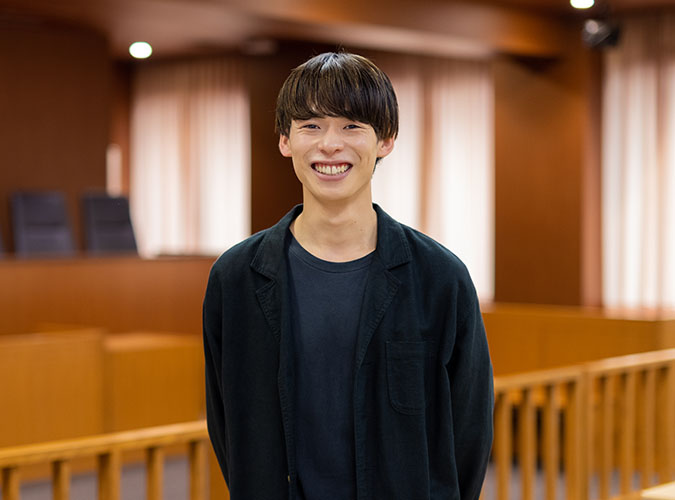
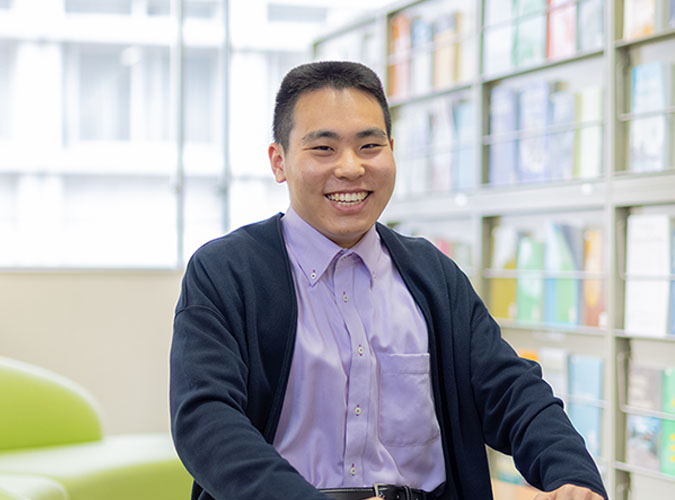
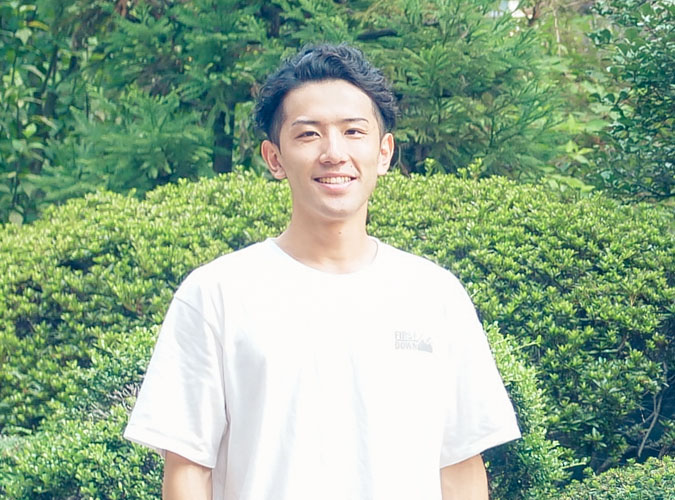
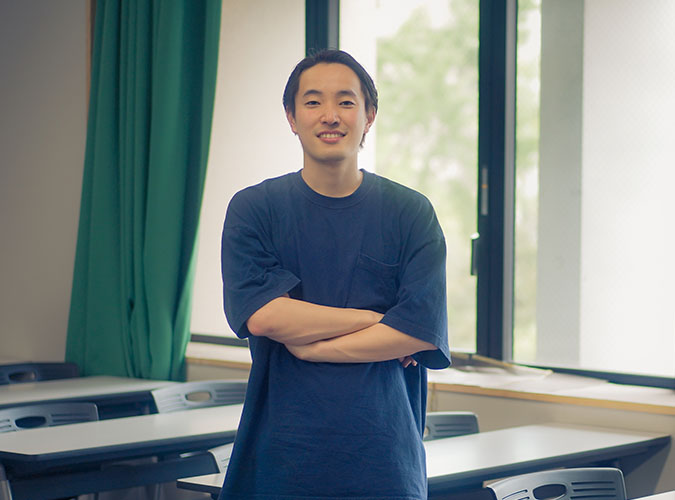
Kihara Yoman
Graduated from Tokyo Metropolitan Aoyama High School
×
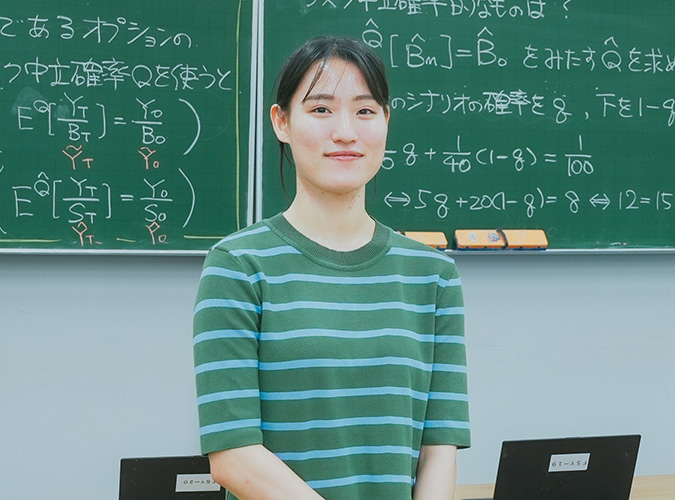
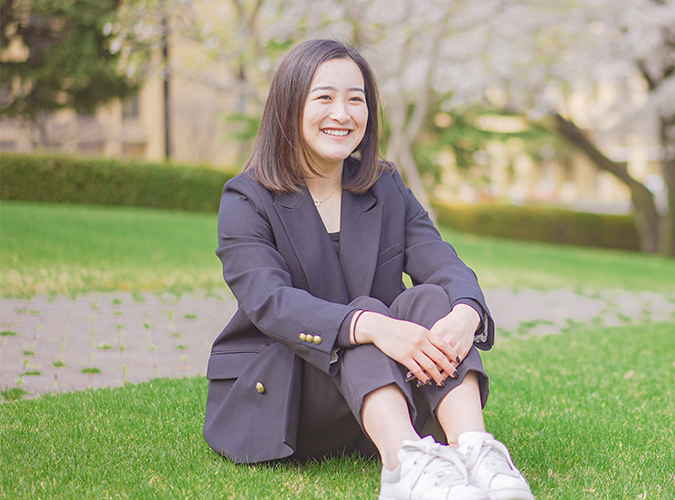
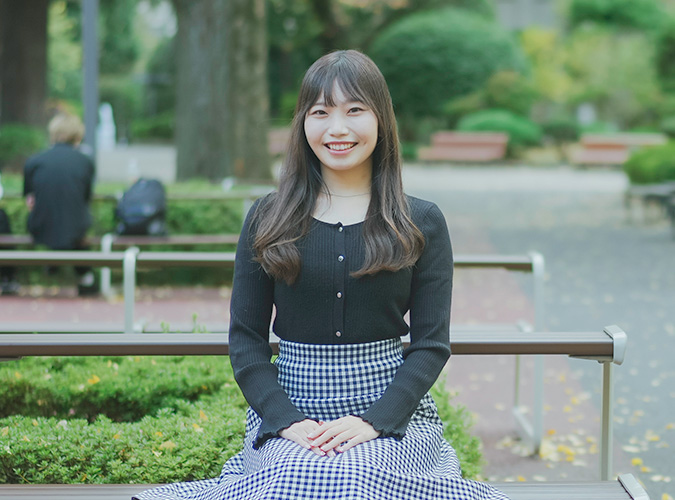
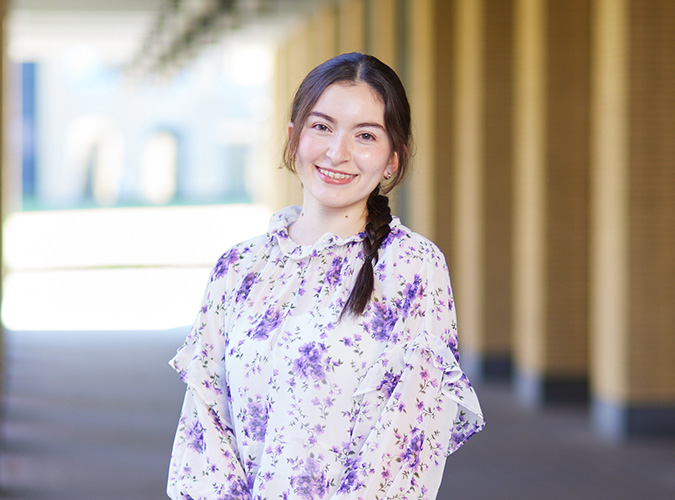
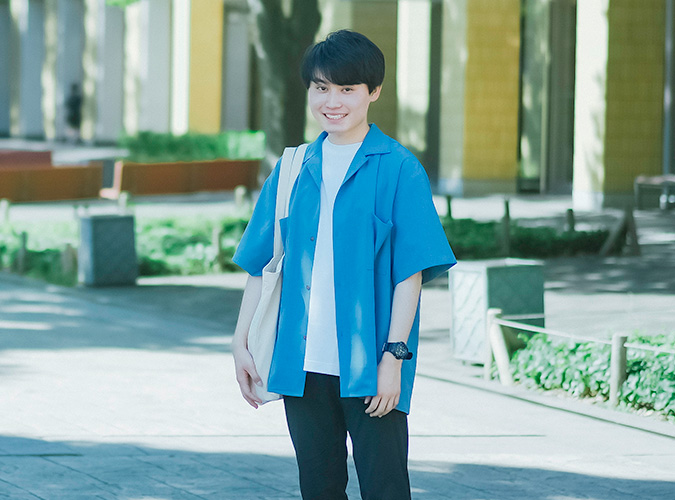
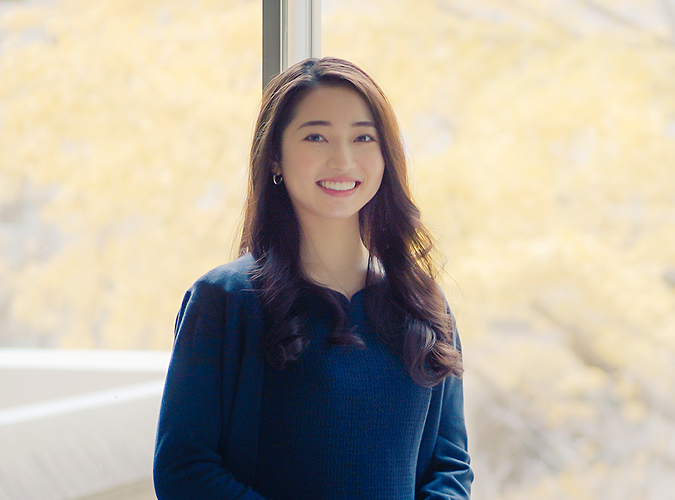
Fourth year student, Department School of International Politics, Economics and Communication Department of International Politics and Economics
Athletic Association Competitive Dance Club
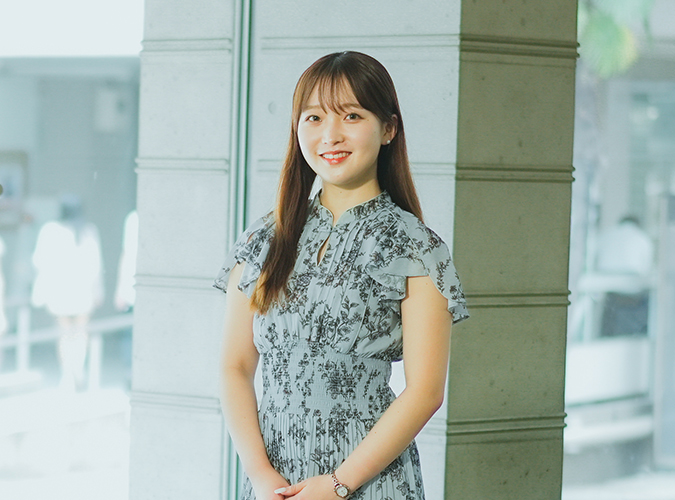
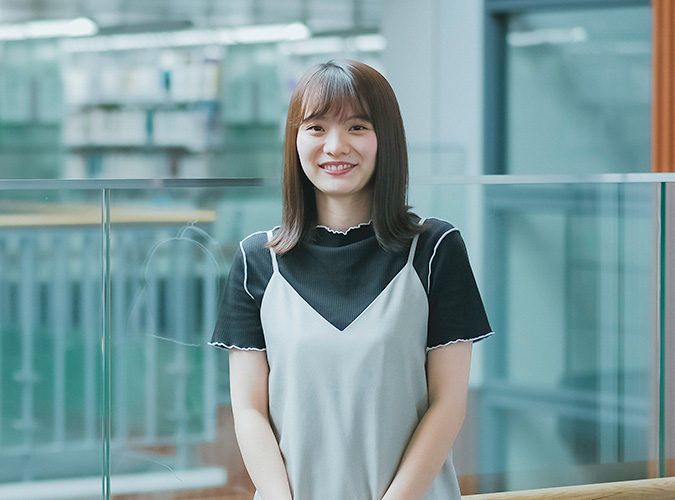
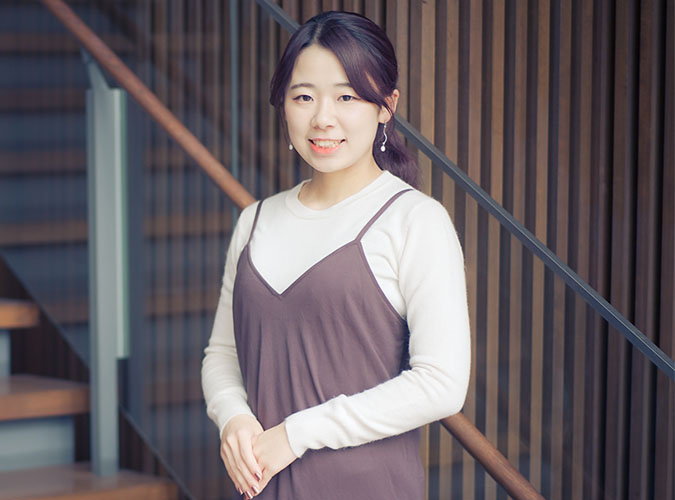
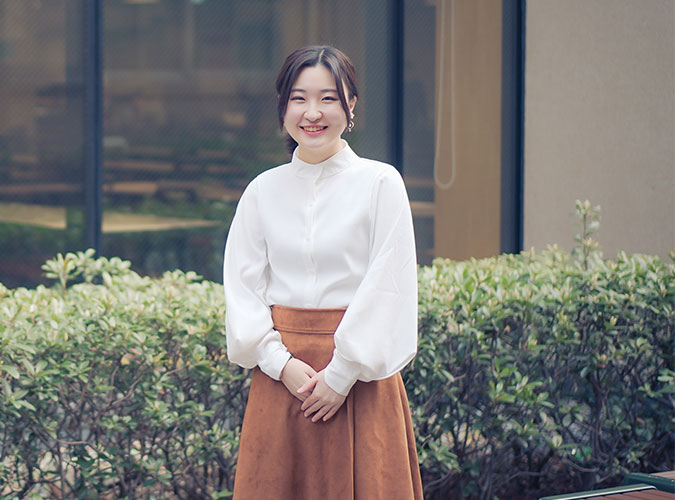
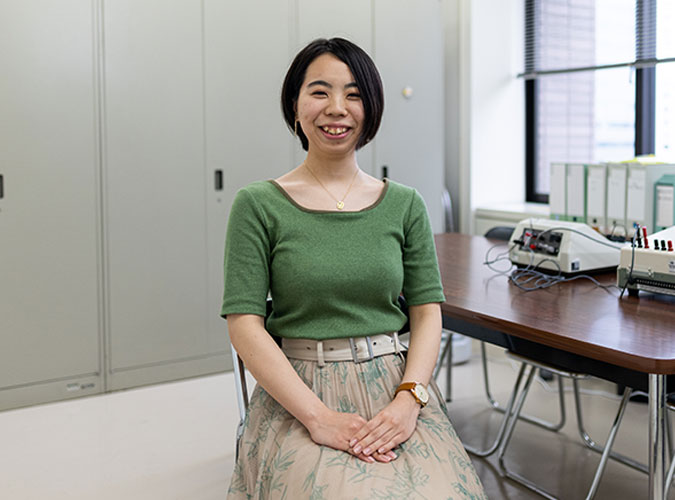
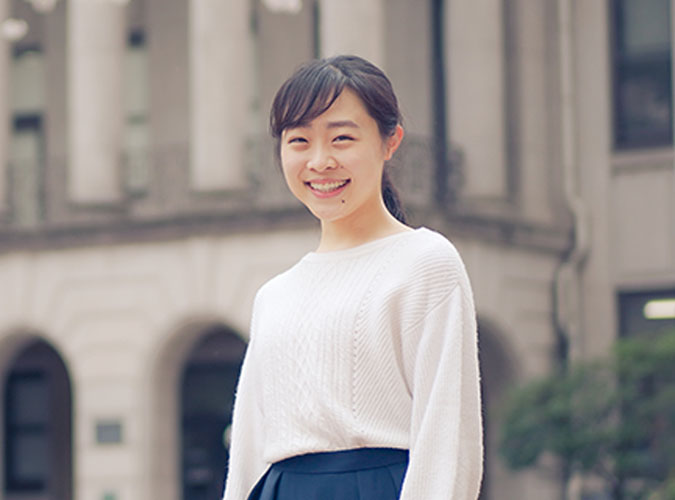
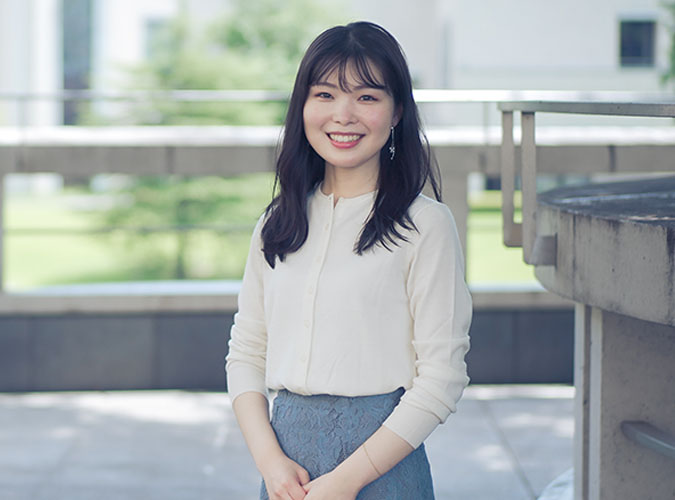
Satomi Takeda
Graduated from Hiroshima University High School, Hiroshima

OVERTURE

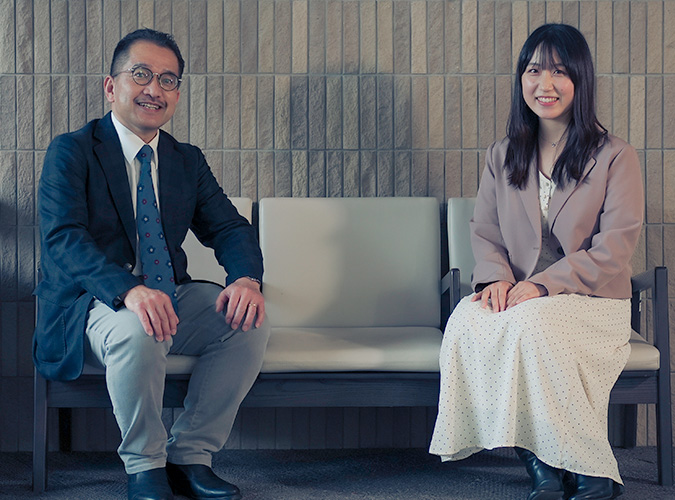
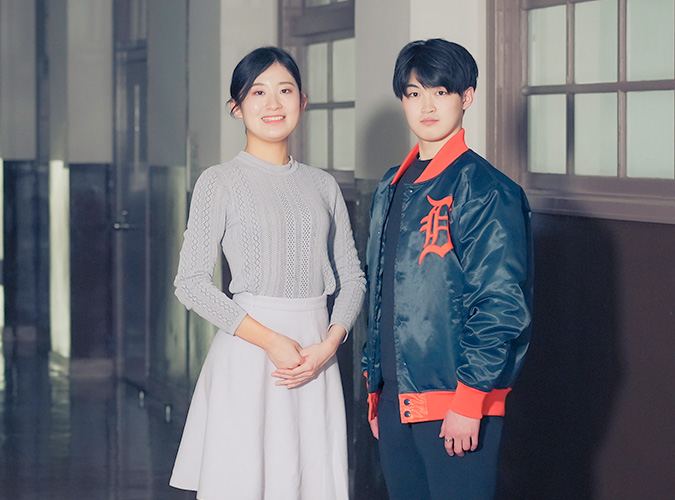
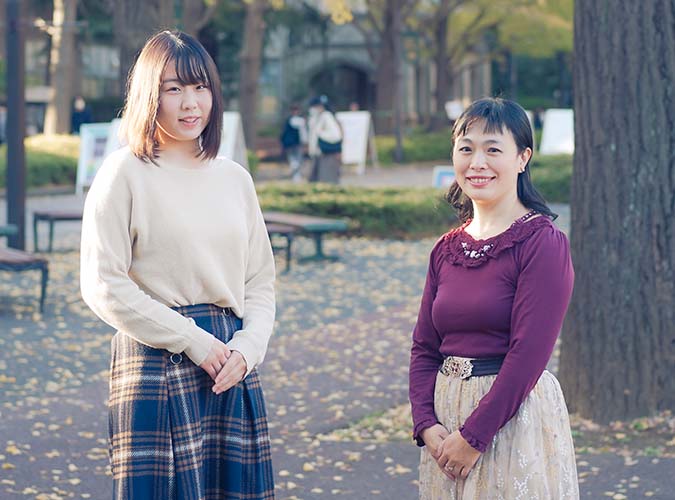
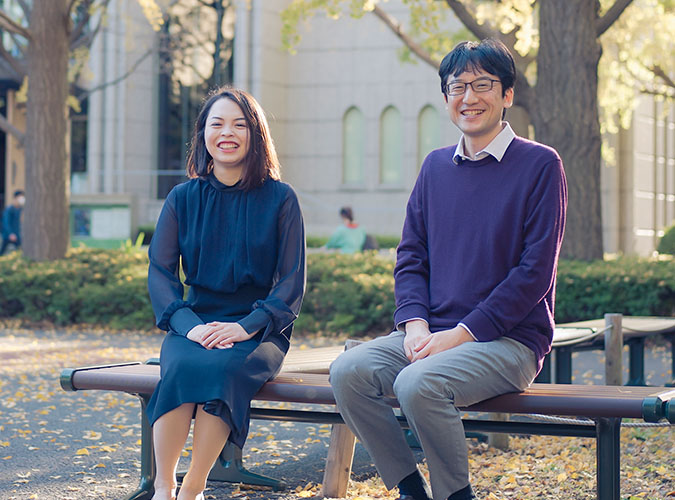
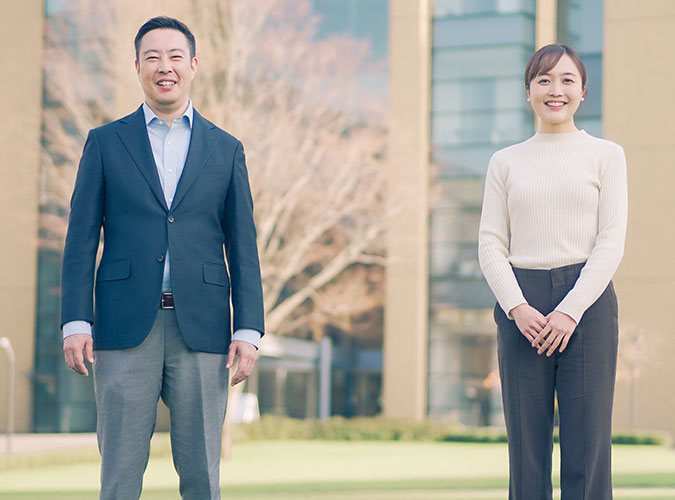
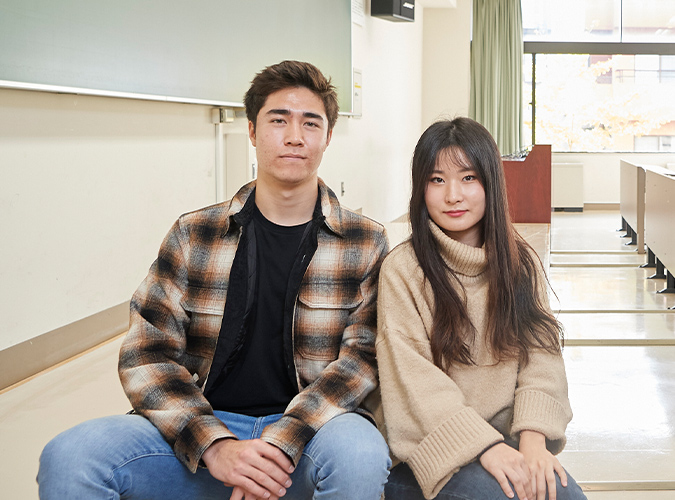
Learning at university is not limited to studying in class. There are many opportunities to improve yourself and develop your skills through extracurricular activities such as club activities and volunteer work. Kihara and Takeda, who belong to the athletic association's competitive dance club, teamed up to win the Paso Doble* division of the 121st Tohto University Student Competitive Dance Championship, which brought together universities from the Kanto region, held in April 2021. We asked them about the secret to winning despite being third-year students and the areas in which they have grown.

*In competitive dancing, it is classified as Latin dance and is a dance inspired by Spanish bullfighting and flamenco.

From beginner to number one in Japan
Attracted by the prospect of competitive dancing

-Please tell us why you applied to Aoyama Gakuin University and each of its departments.

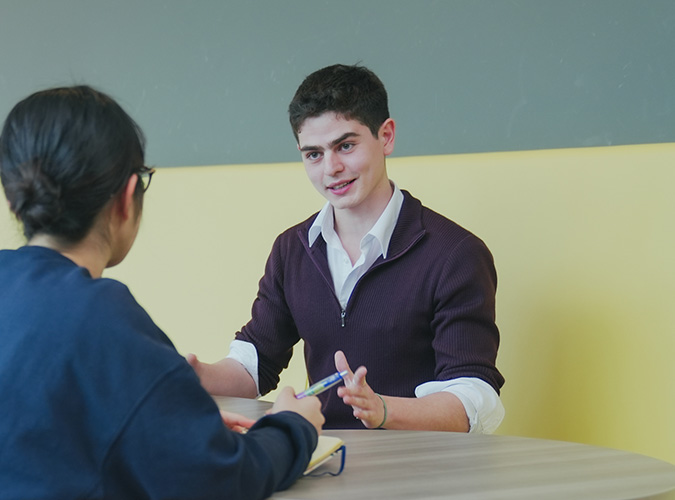
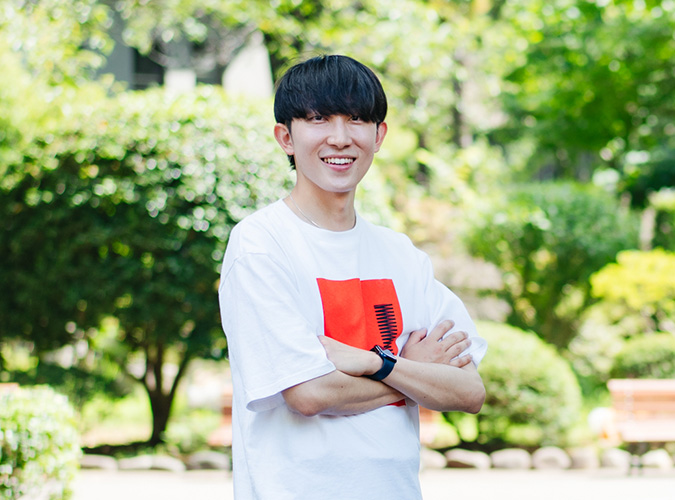
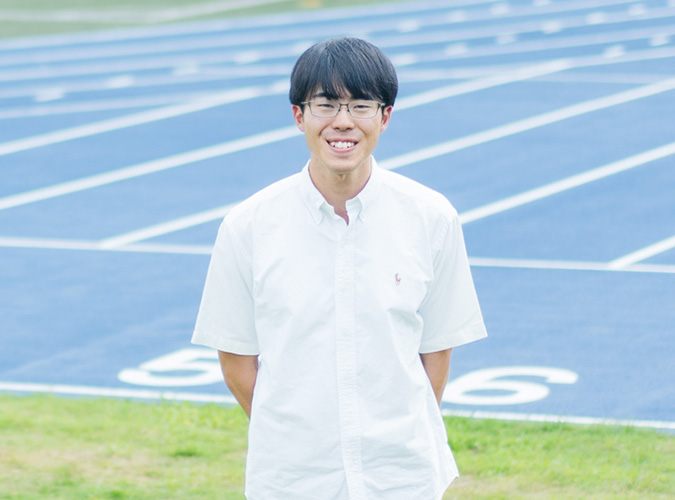
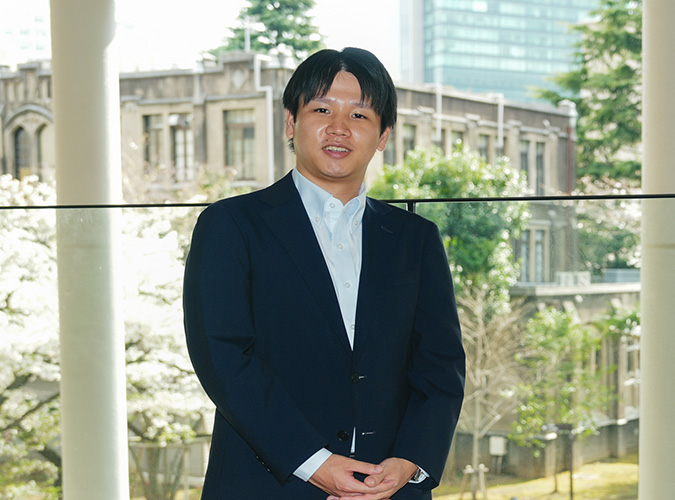
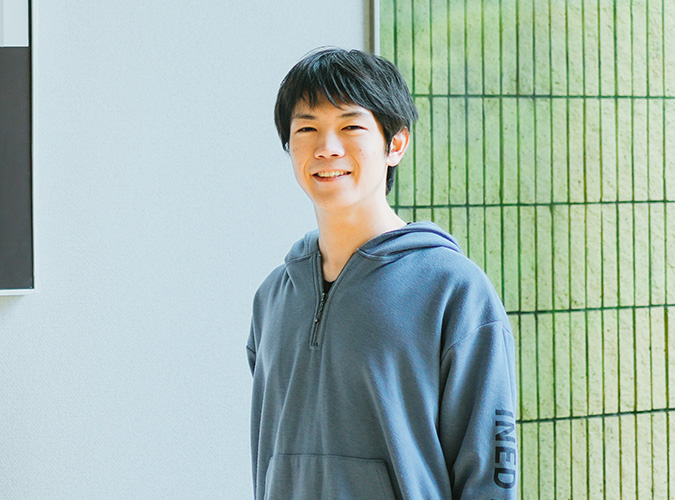
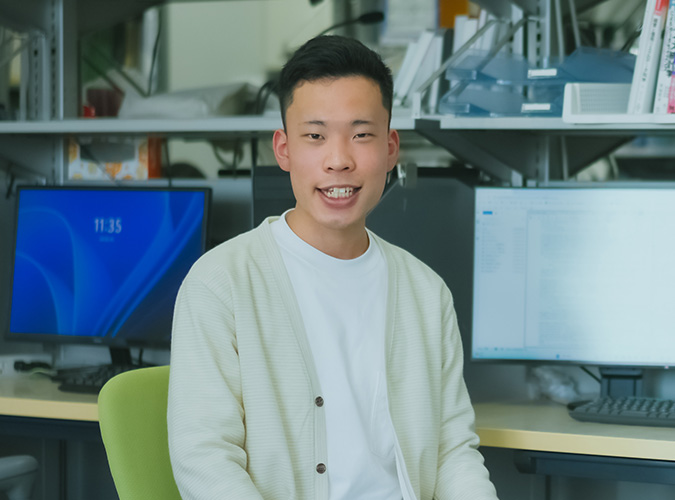
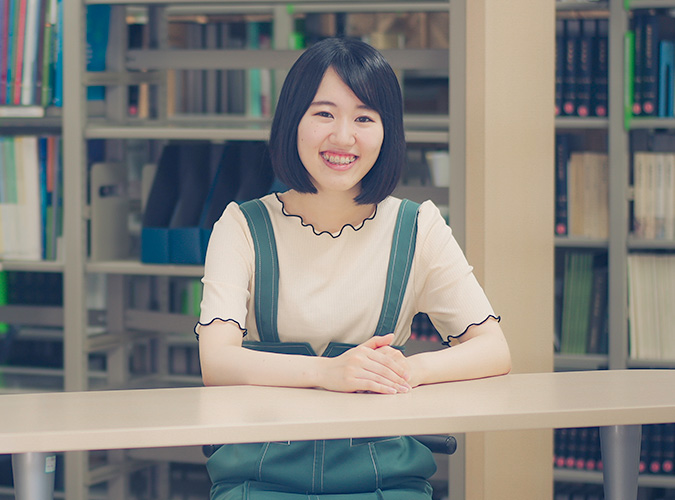
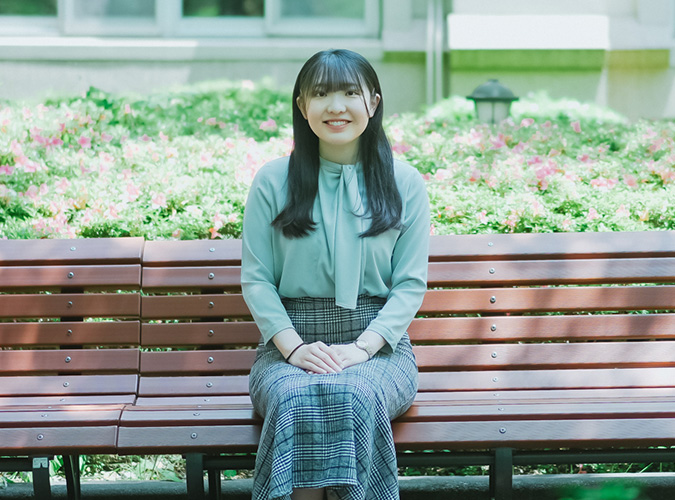
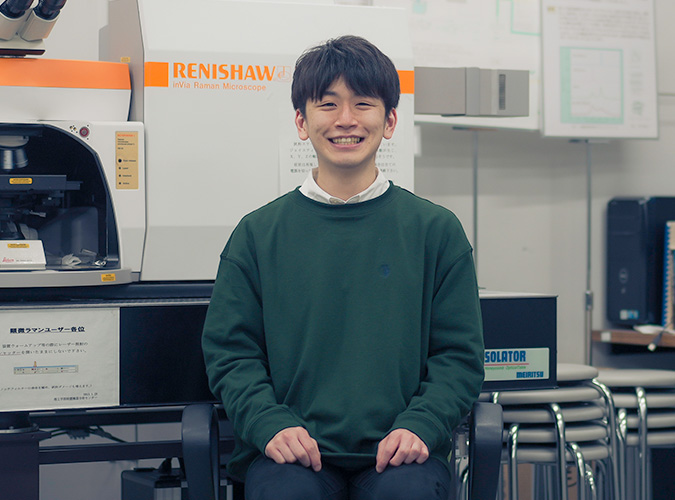
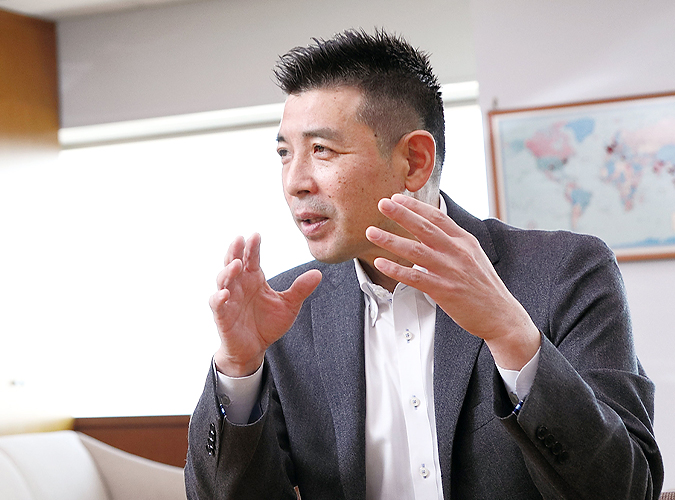
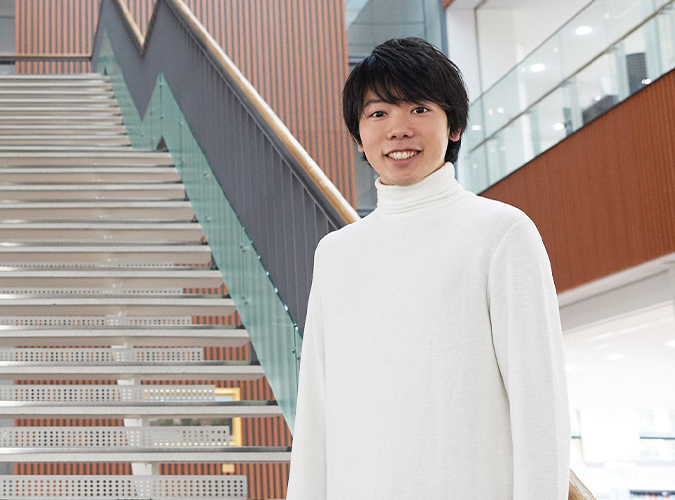
Kihara: I used to commute to Sibuya Station from my childhood, and one of the deciding factors was that I like Sibuya / Omotesando area, where cutting-edge technologies in various fields are gathered. I chose College of Economics because I wanted to understand the fundamentals of the money and economic systems that we use every day. I was also good at math.

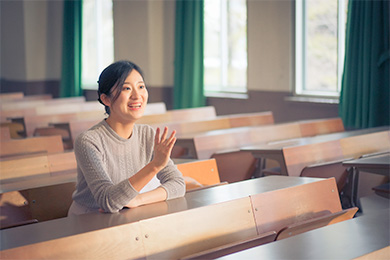
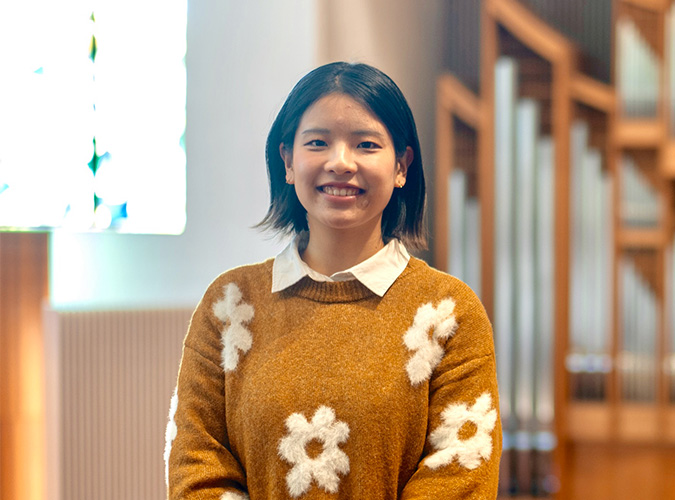
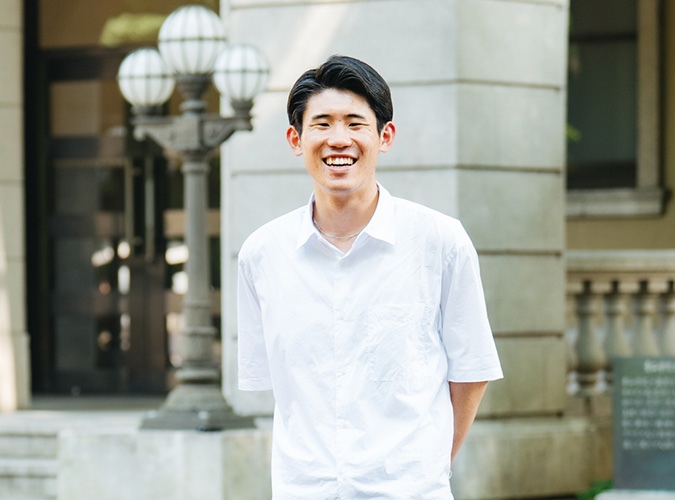
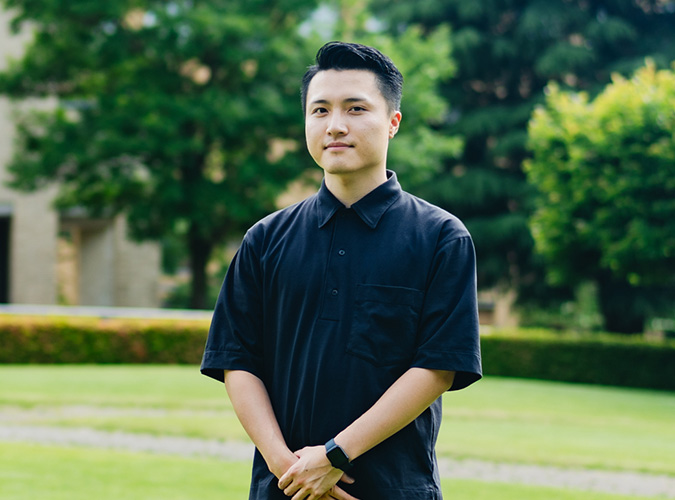
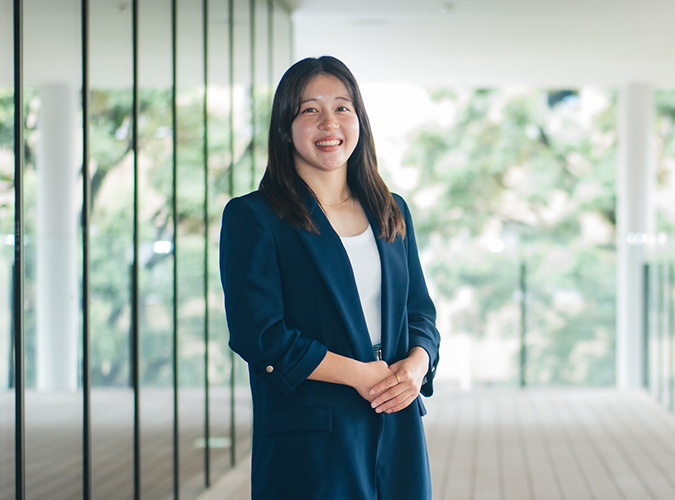
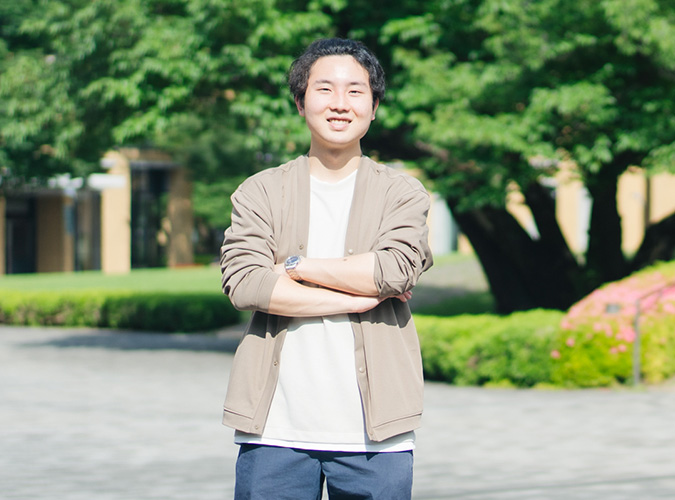
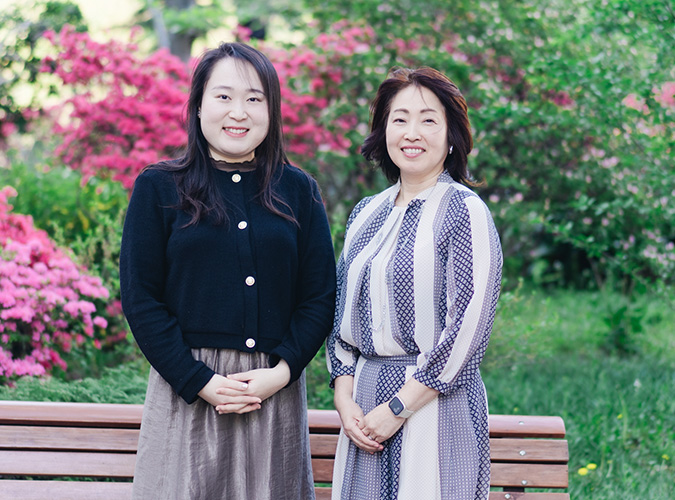
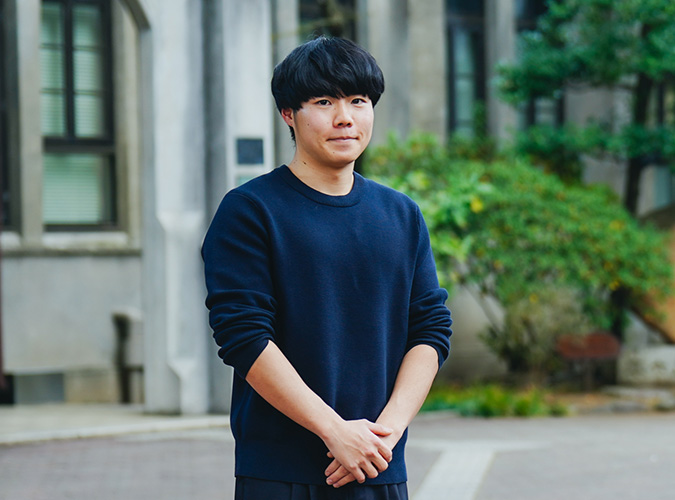
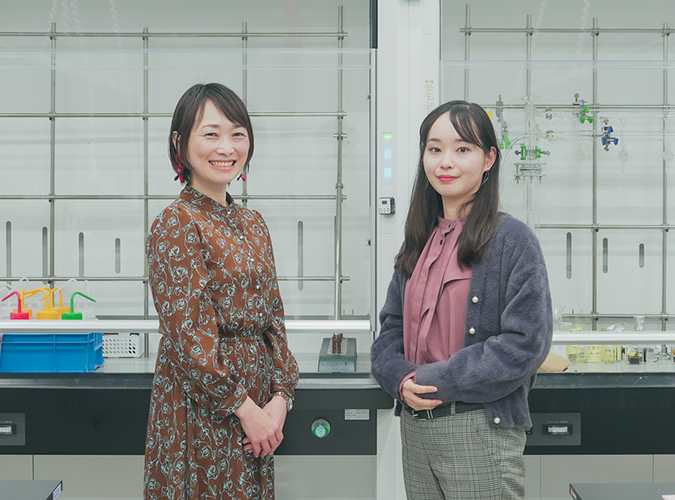
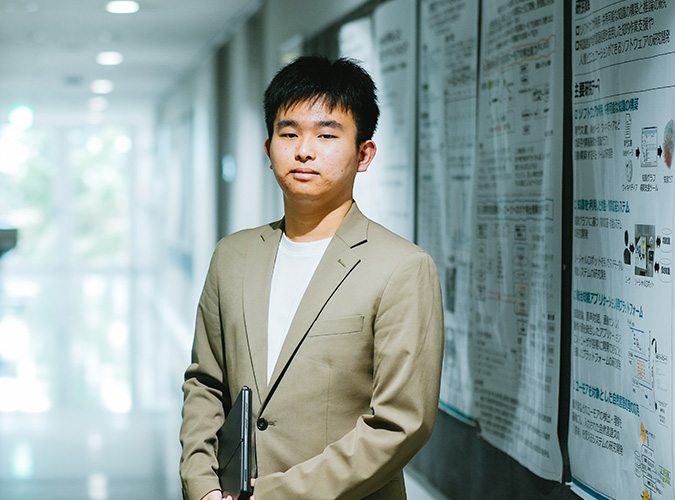
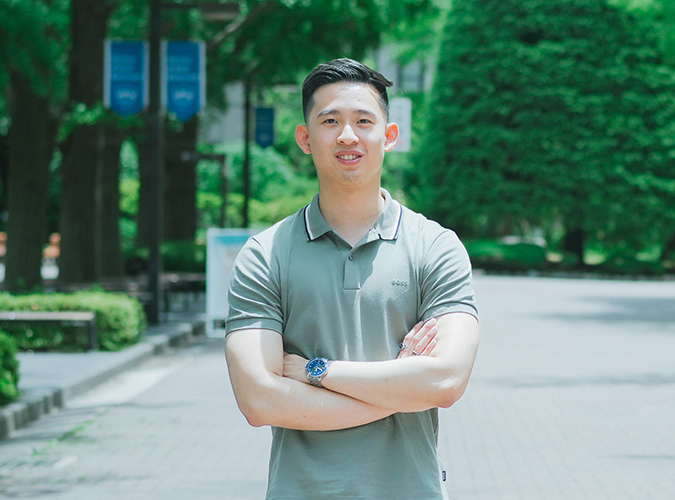
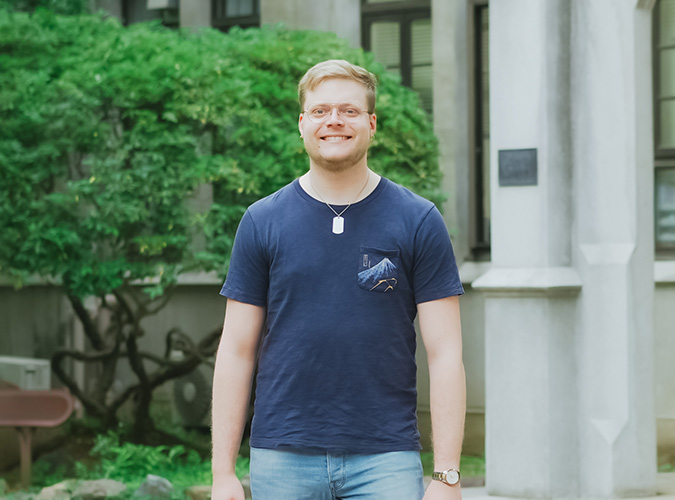
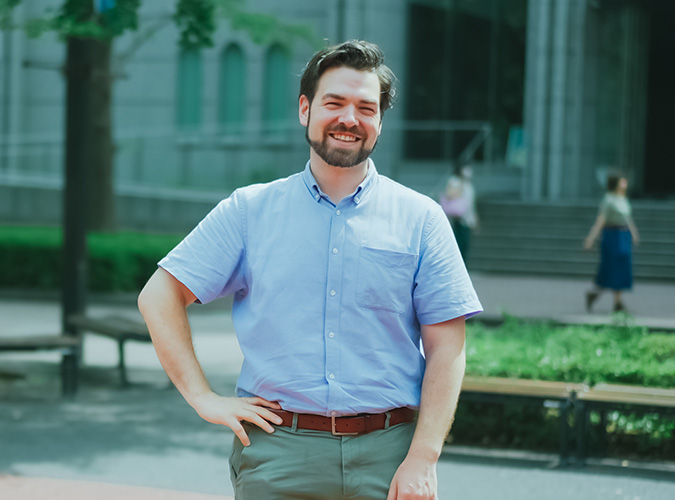
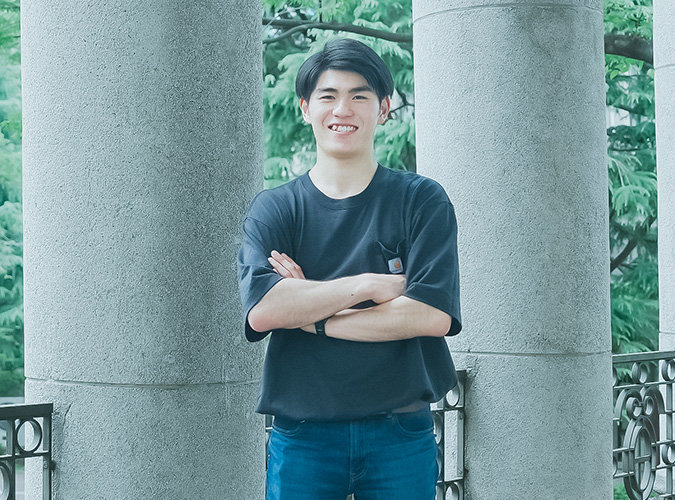
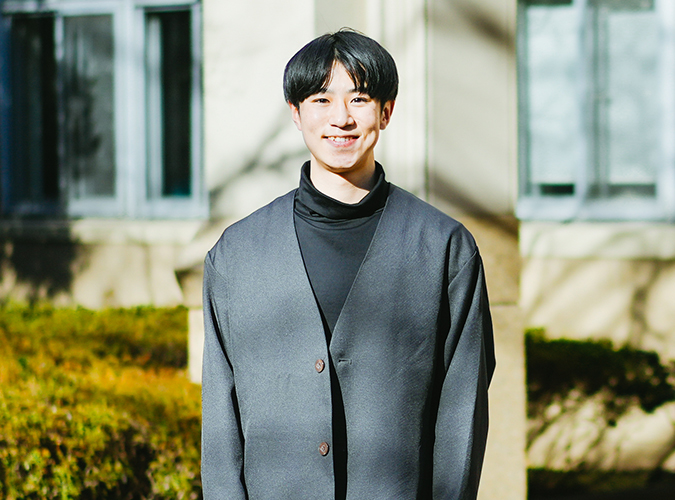
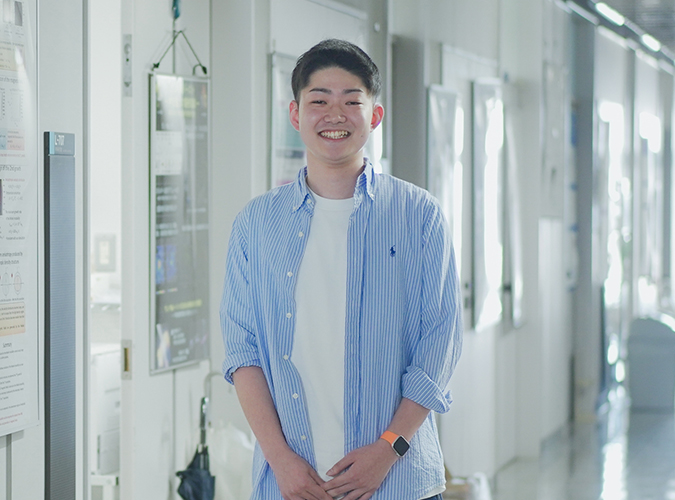
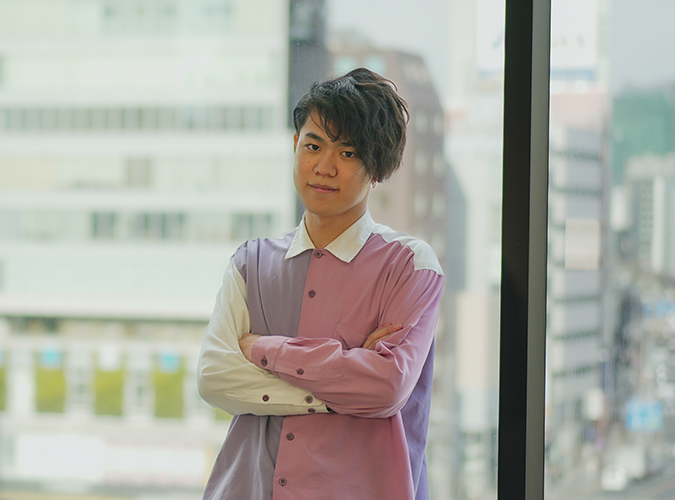
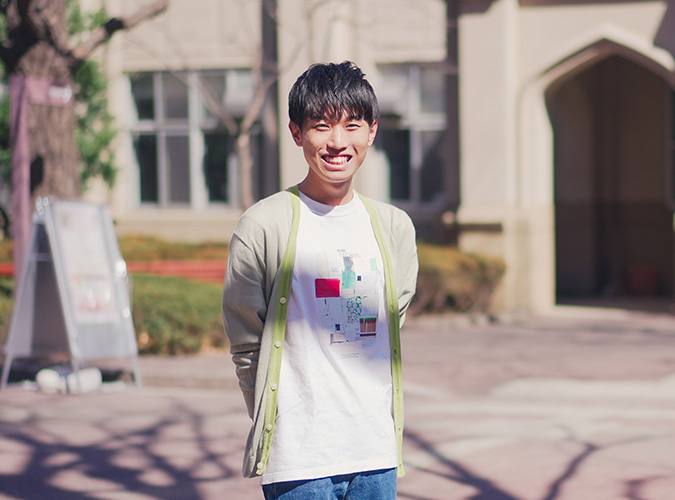
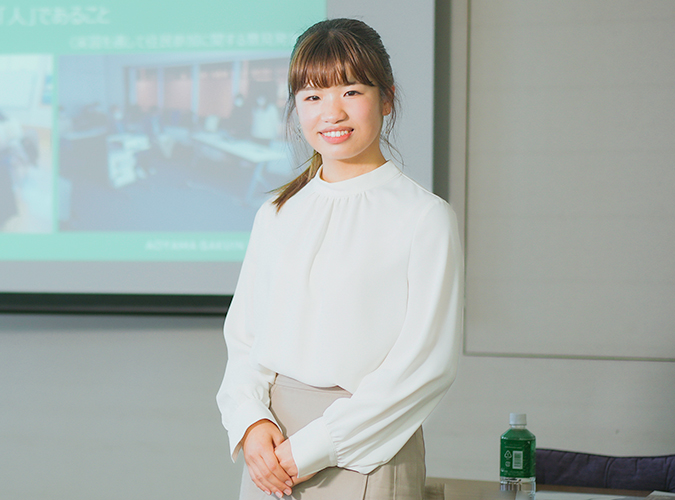
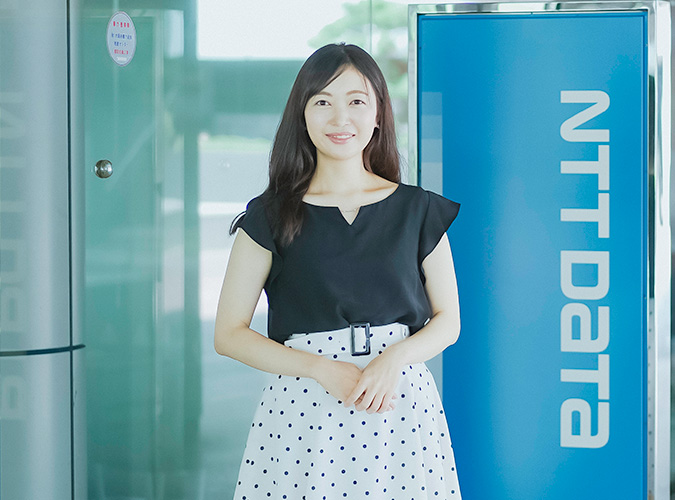
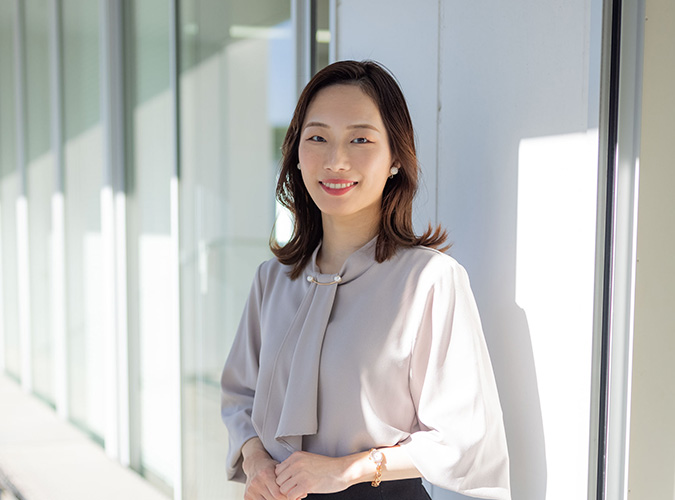
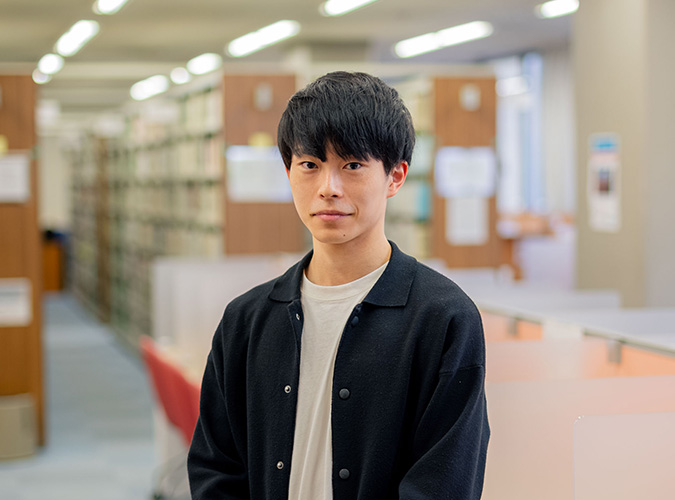
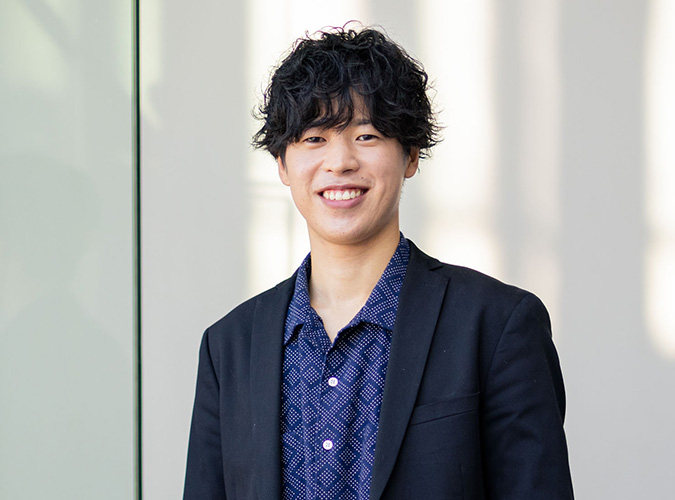
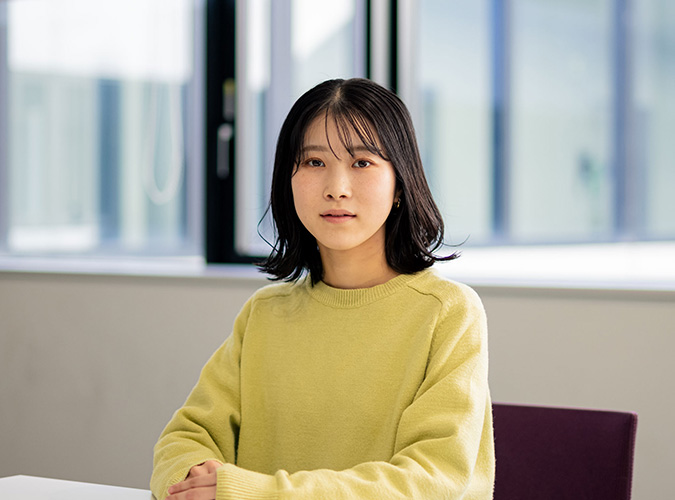
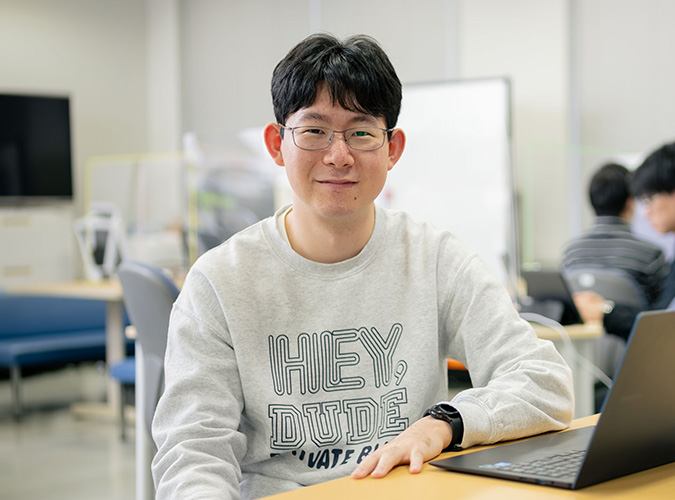
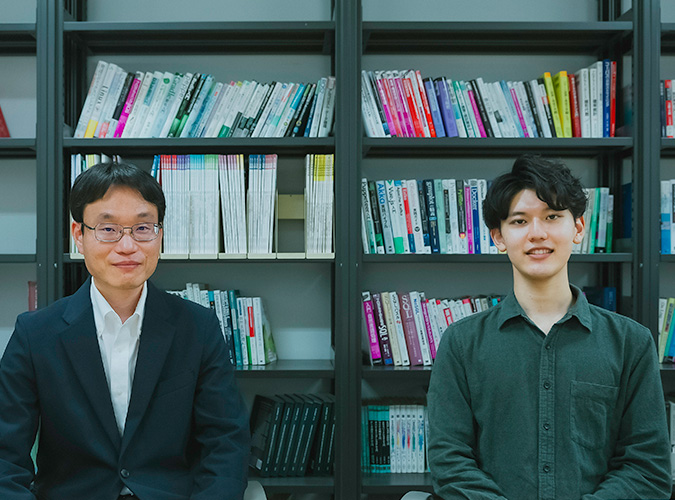
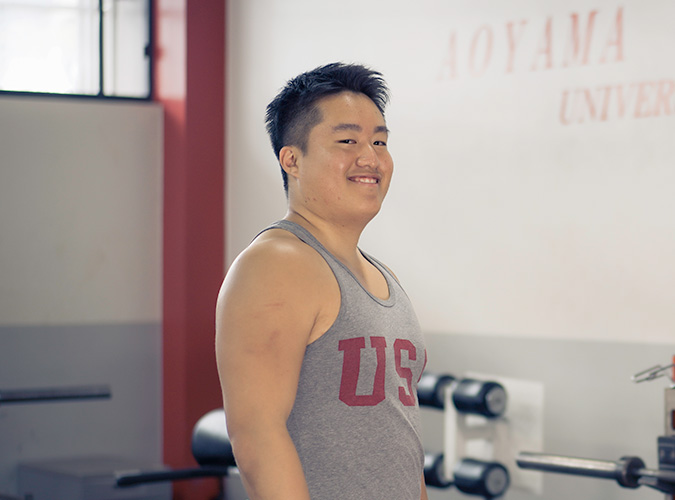
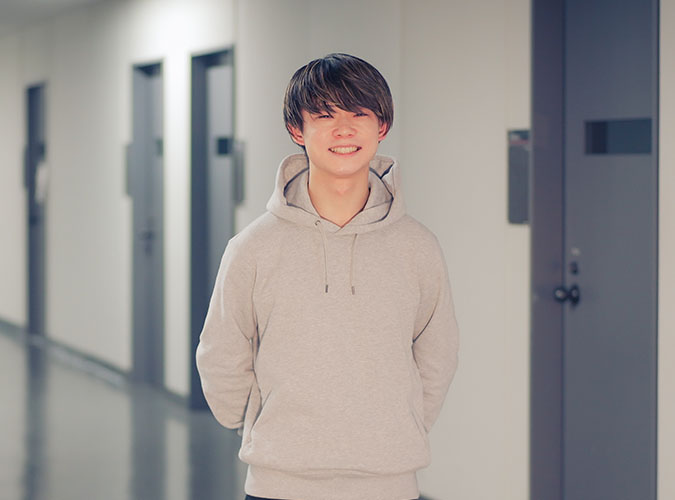
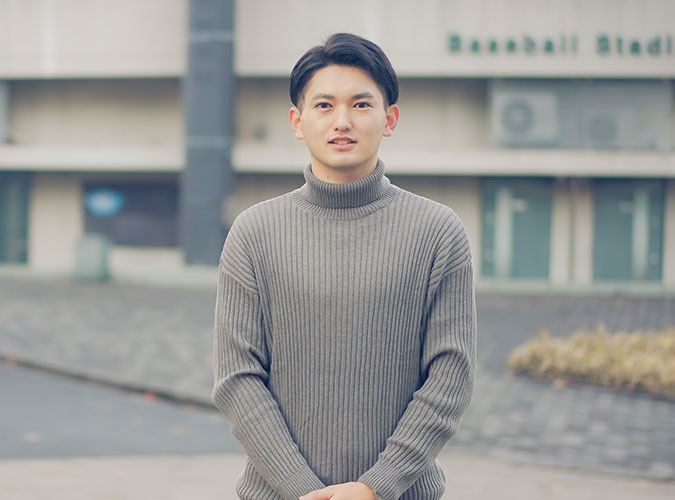
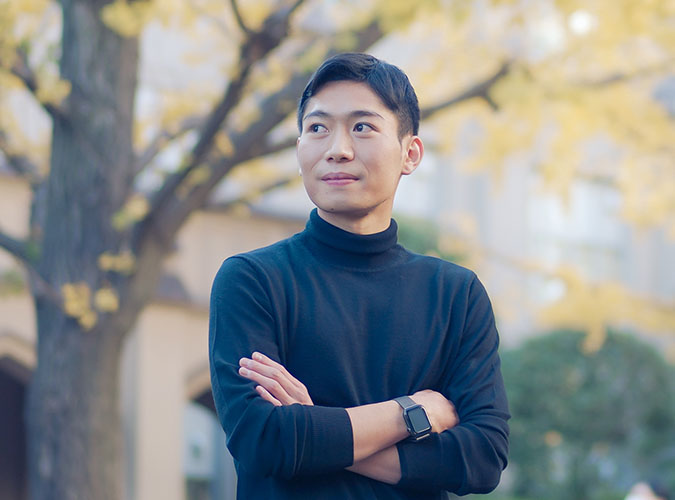
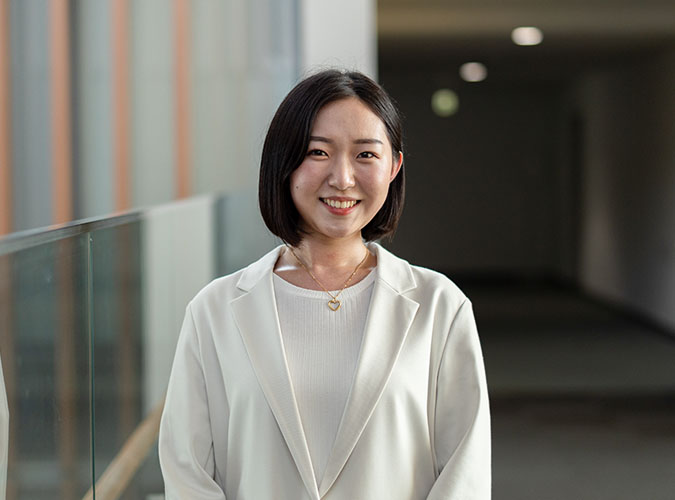
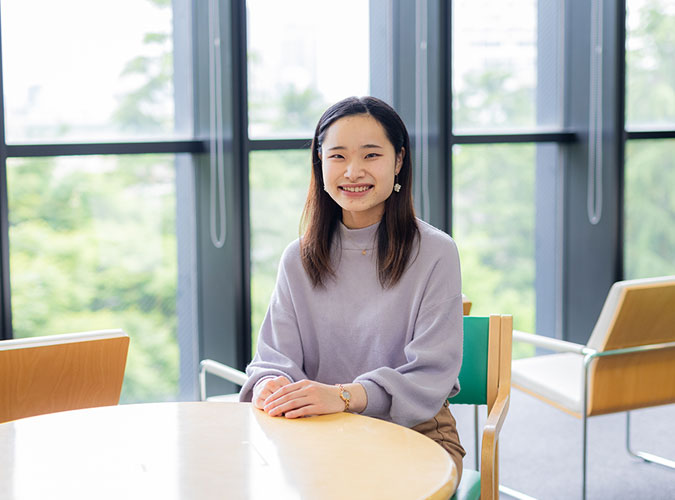
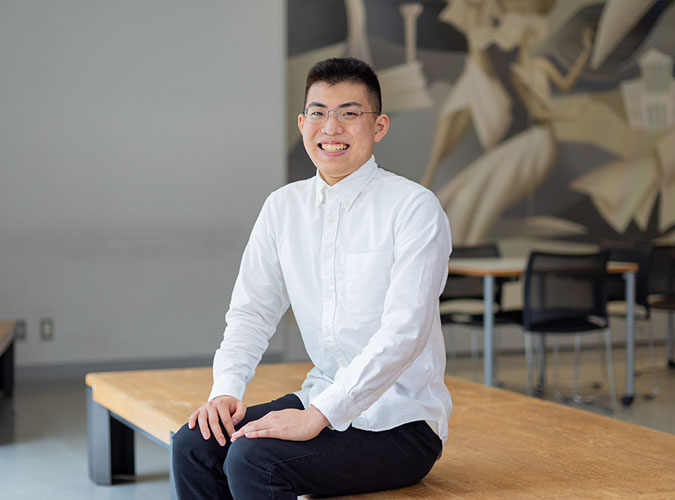
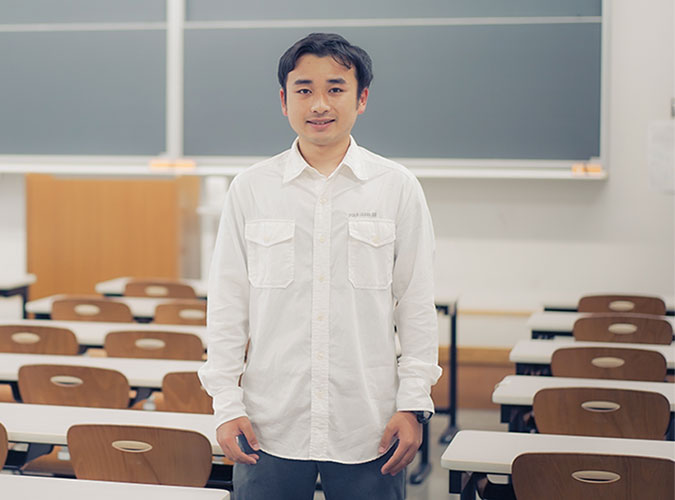
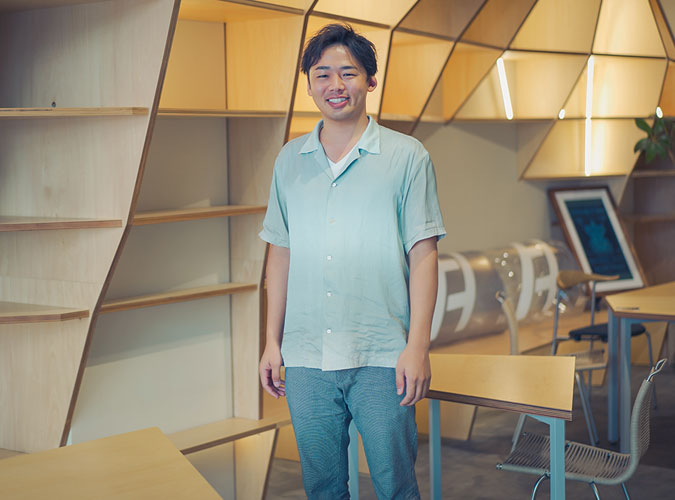
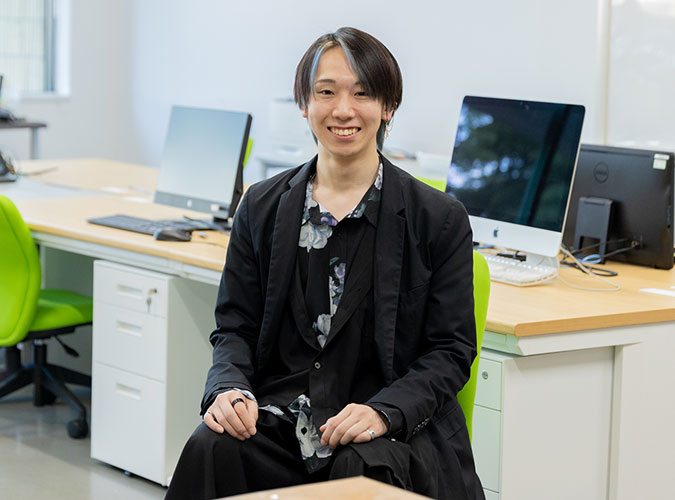
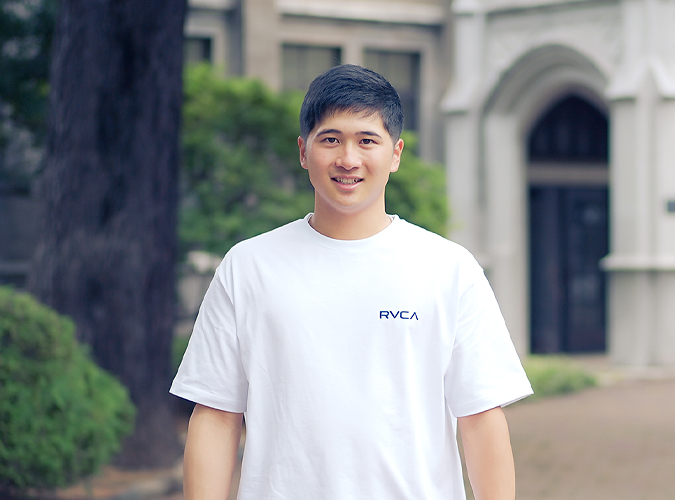
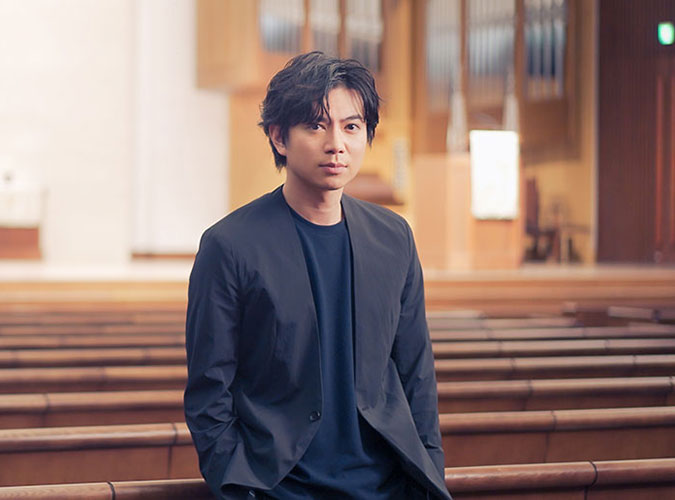
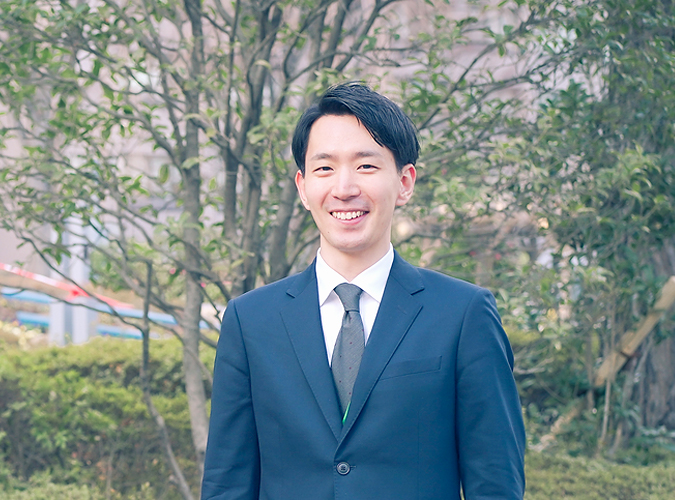
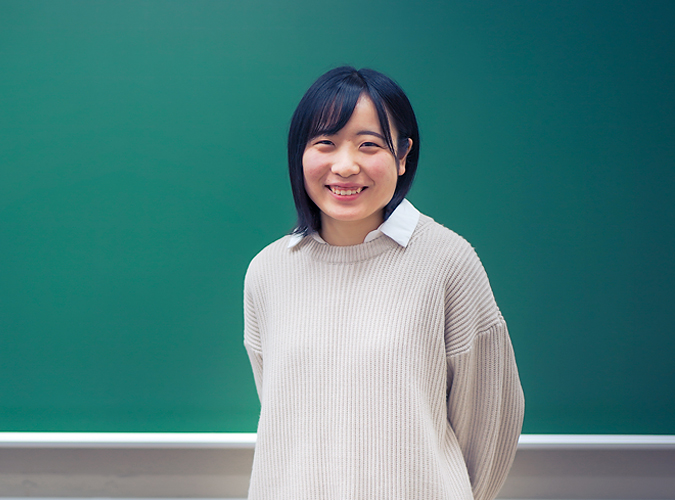
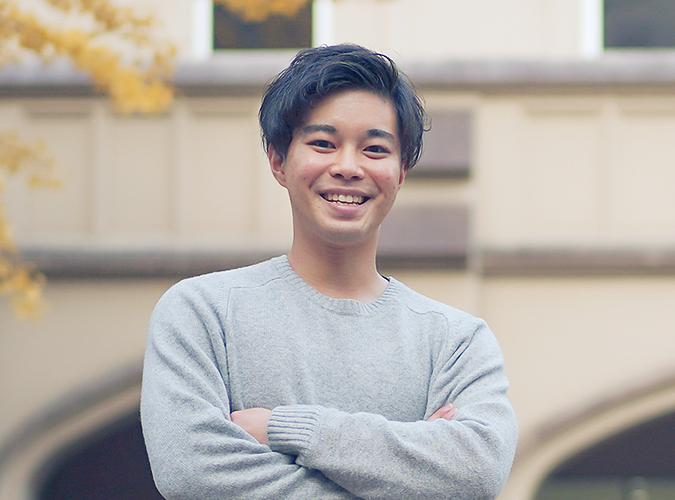
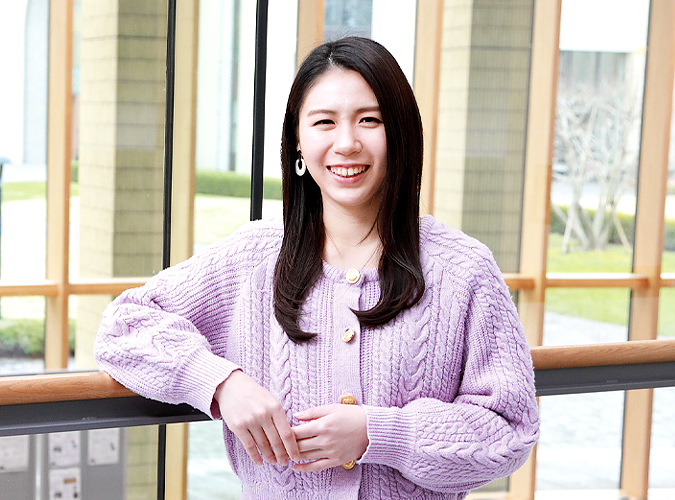
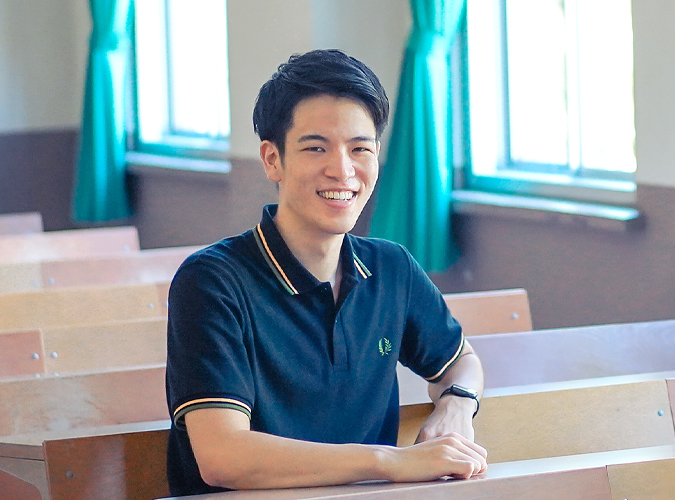
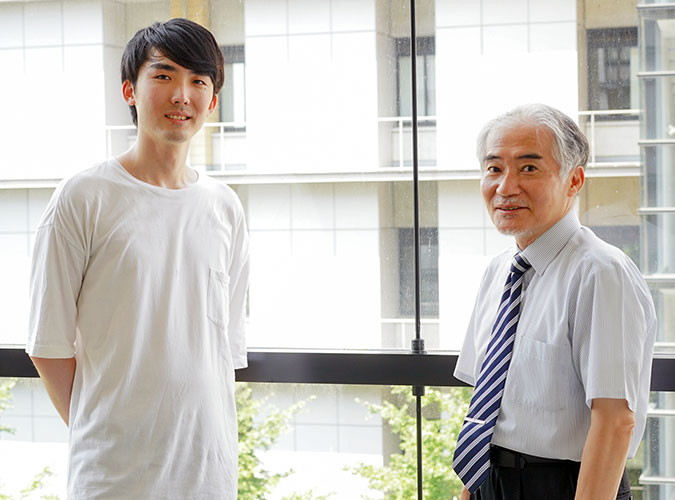
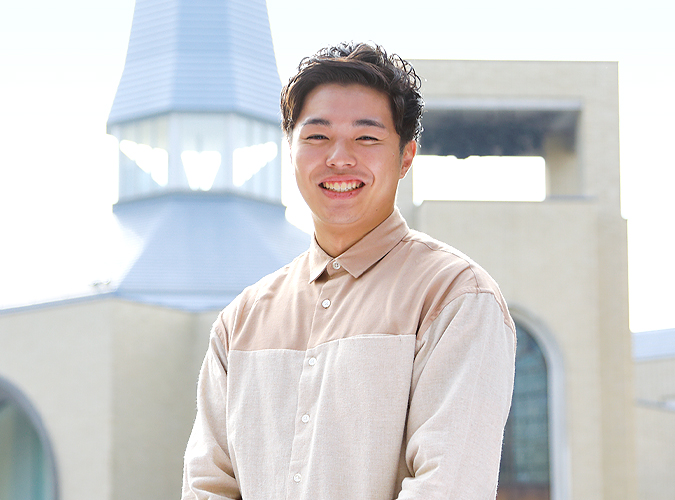
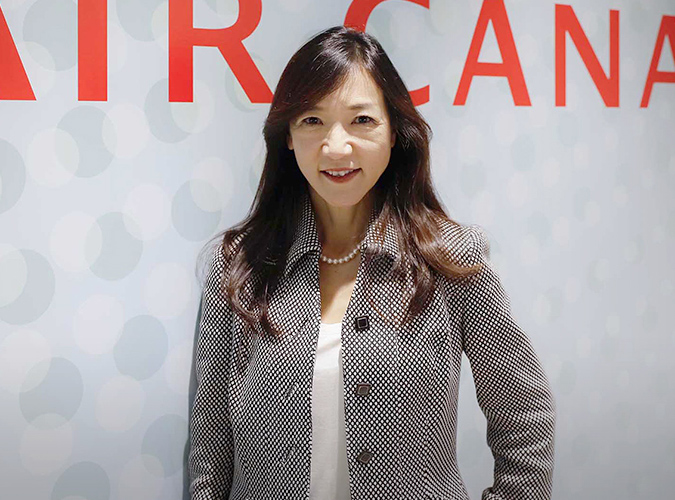
Mr. Kihara

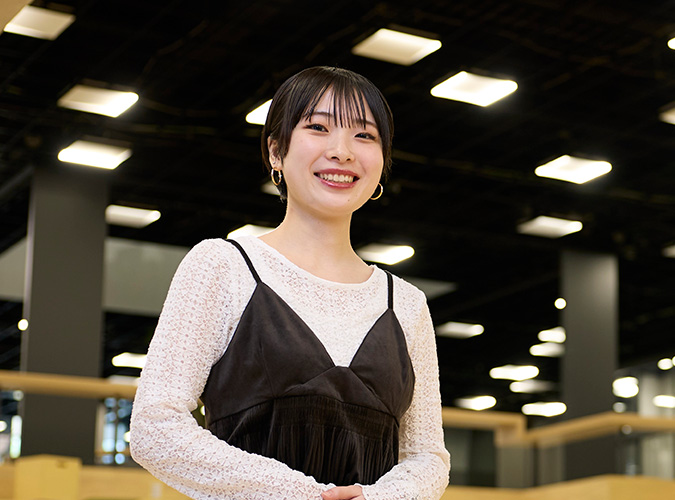
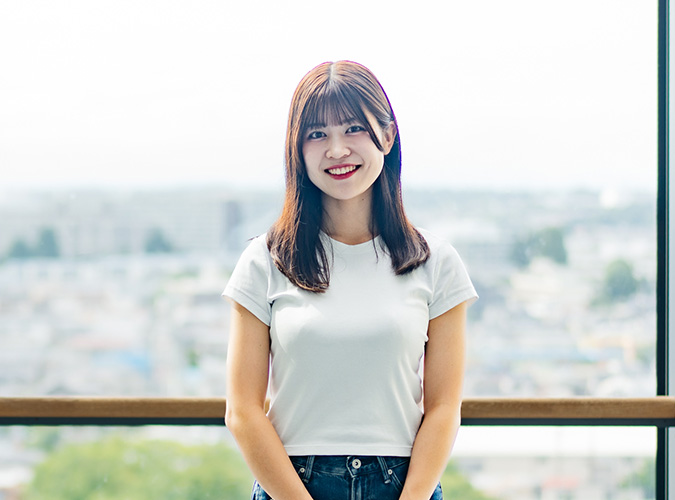
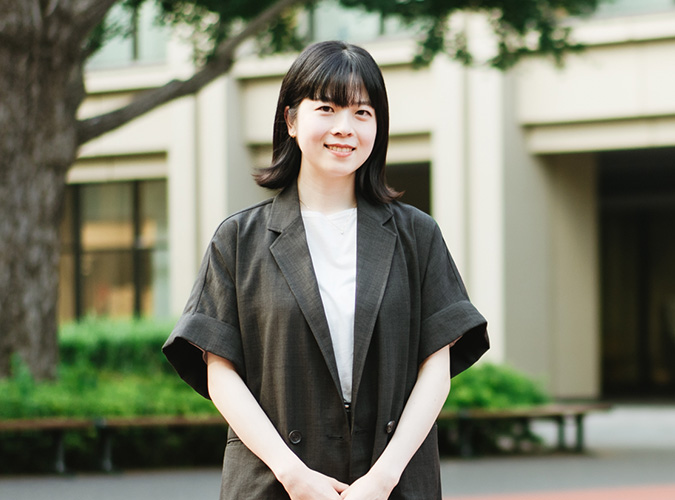
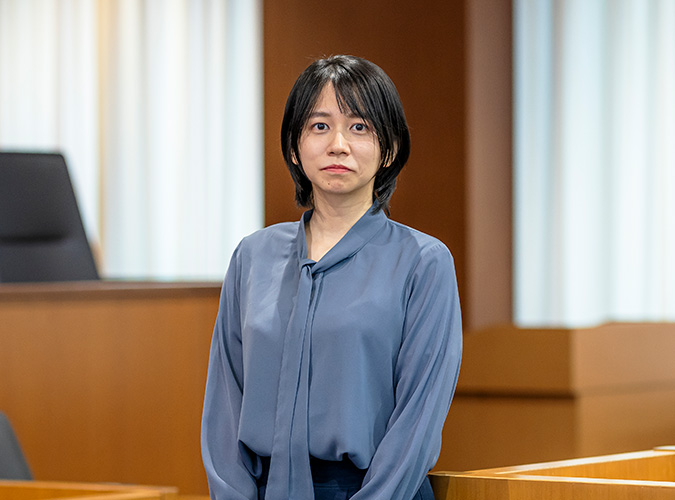
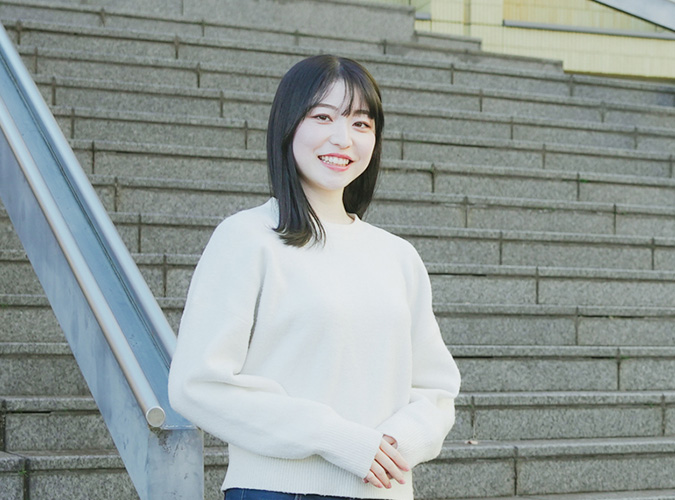
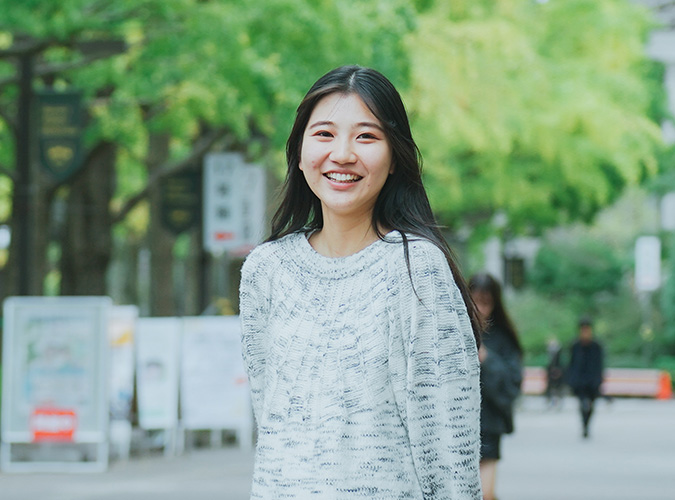
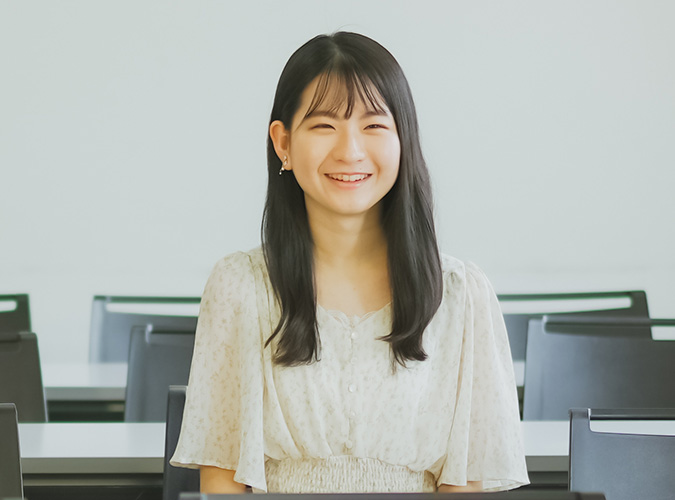
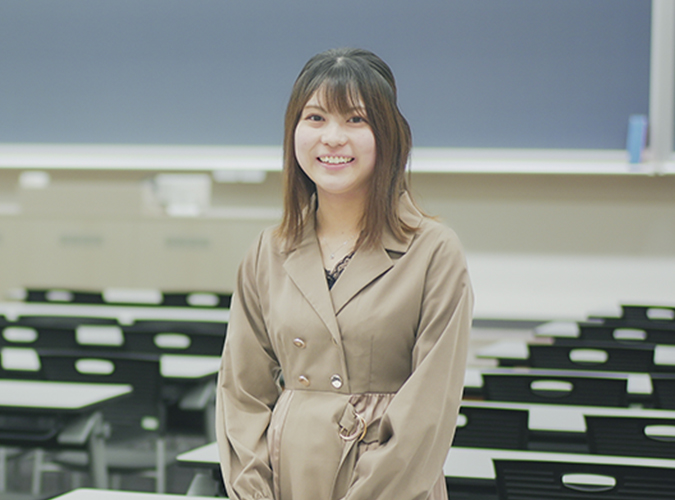
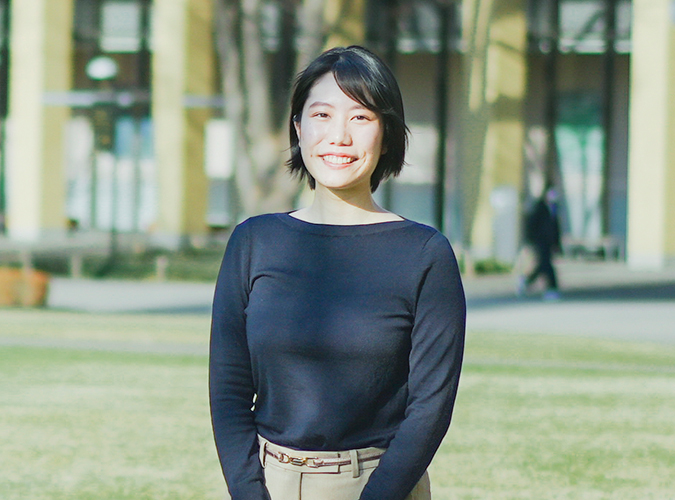
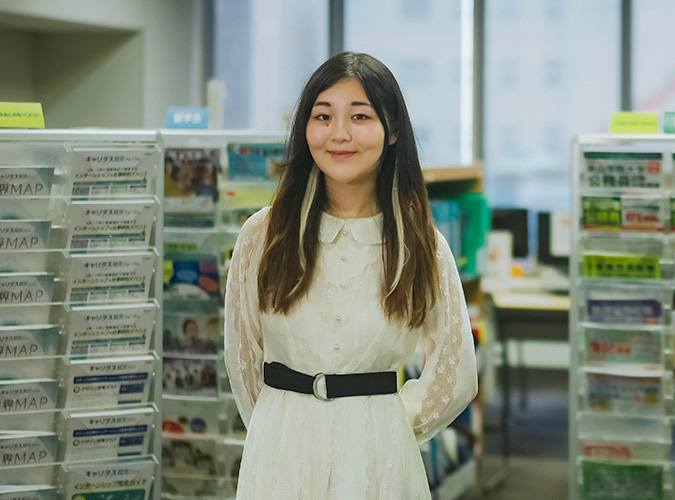
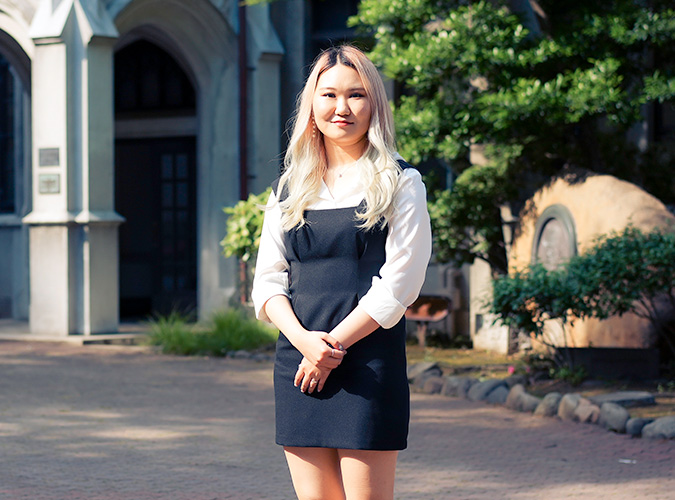
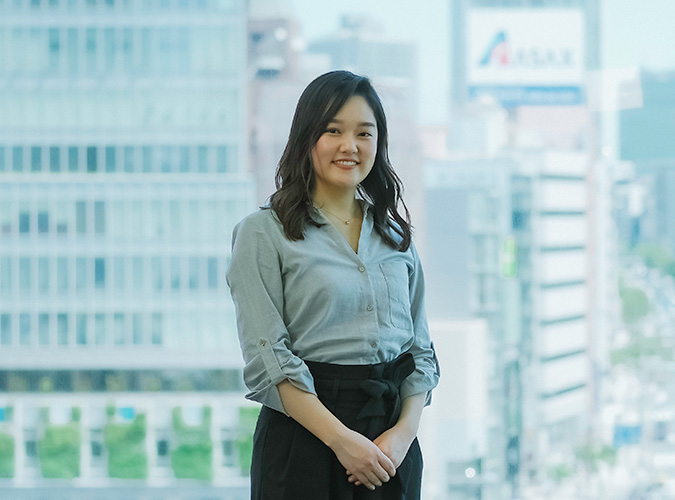
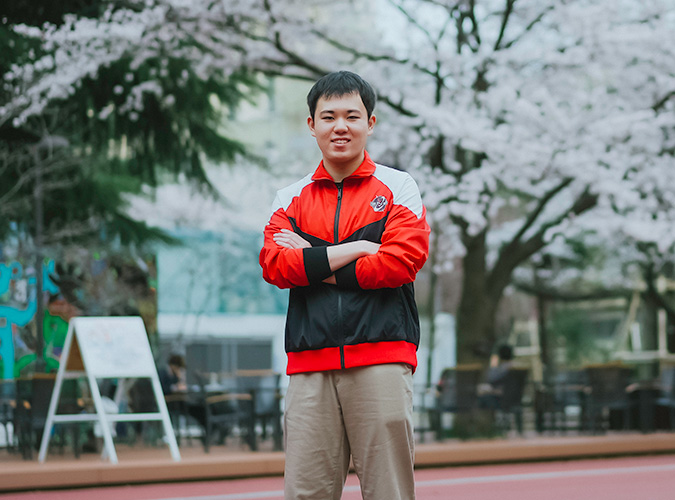
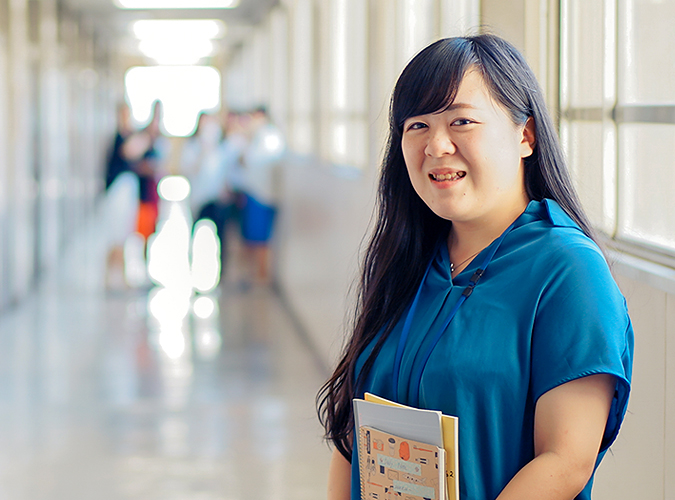
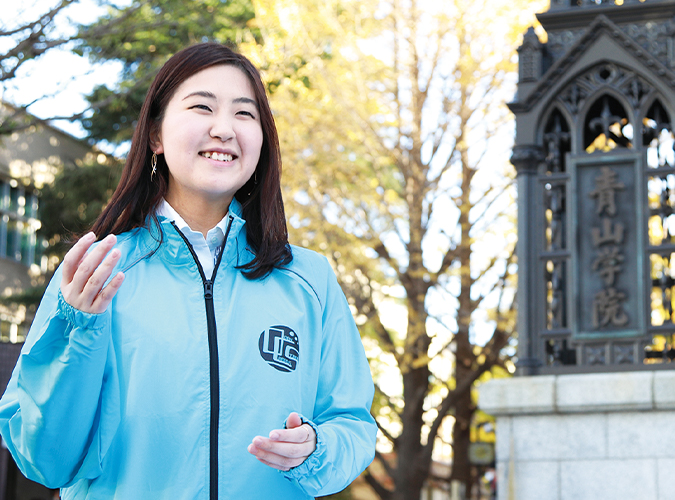
Takeda: When I was a second-year high school student, I studied abroad in the Czech Republic as part of the Super Science High School study abroad program, and participated in a joint science experiment program held in Vienna with students from Japan, Germany, and the Czech Republic. During group work, there were many times when it was difficult to work as a team, and I learned that the emotional impact of World War II is still felt in our generation in Europe. Witnessing the complex feelings caused by past conflicts between countries that are still lingering to this day made me want to study international relations systematically. I applied to the Faculty School of International Politics, Economics and Communication at our university because I can learn a wide range of topics, such as international politics and the cultures of various countries and regions, while using English as a tool.

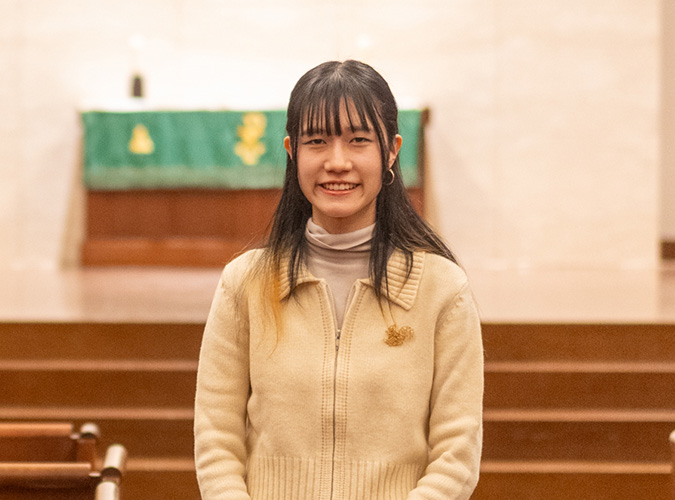
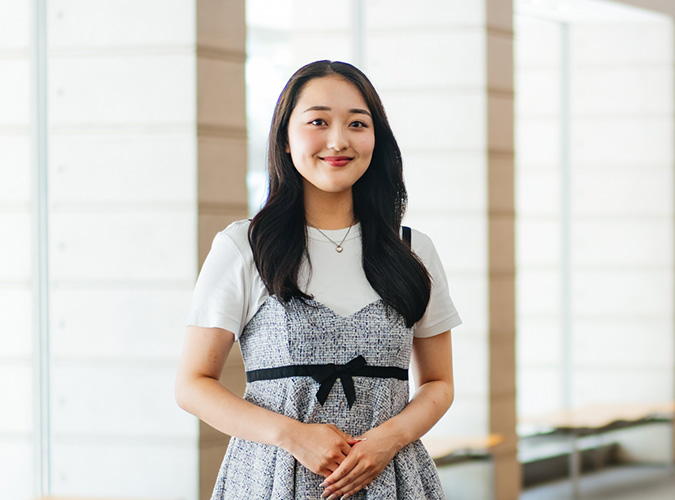
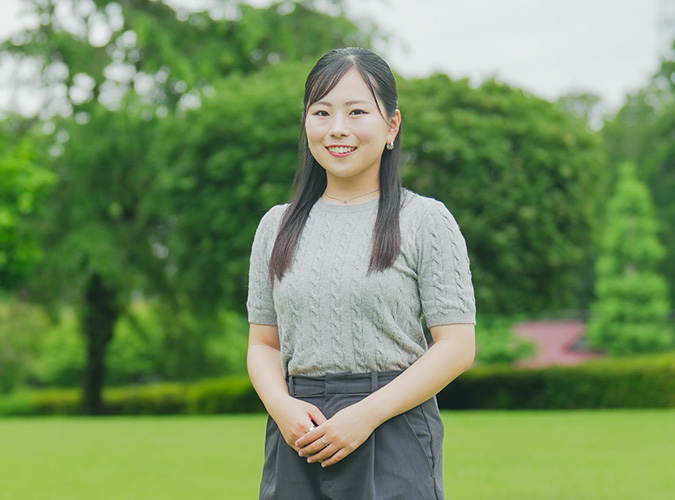
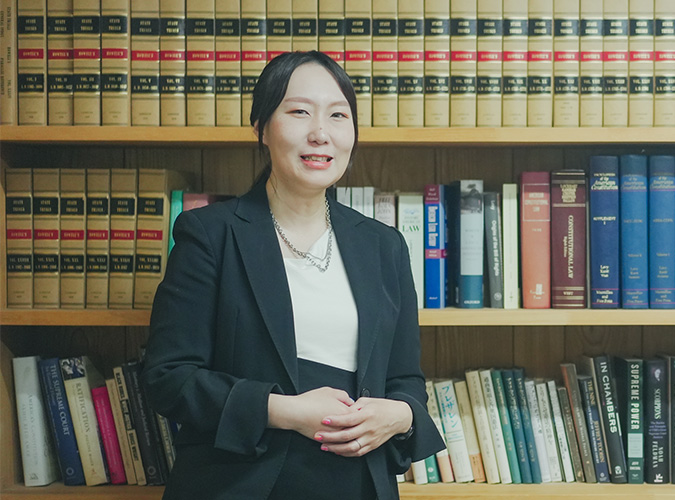
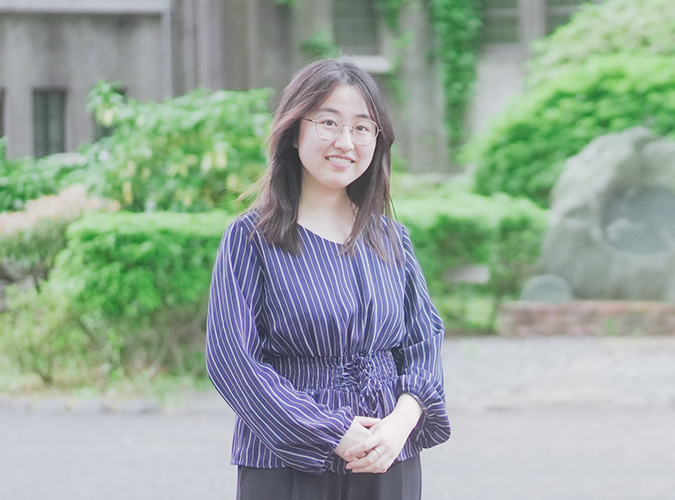
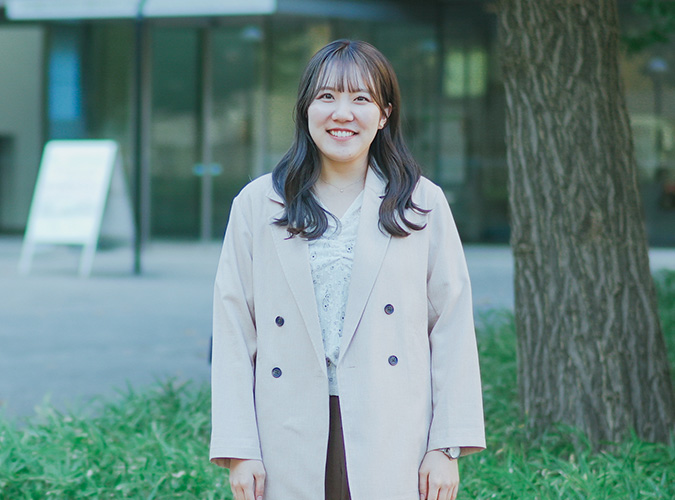
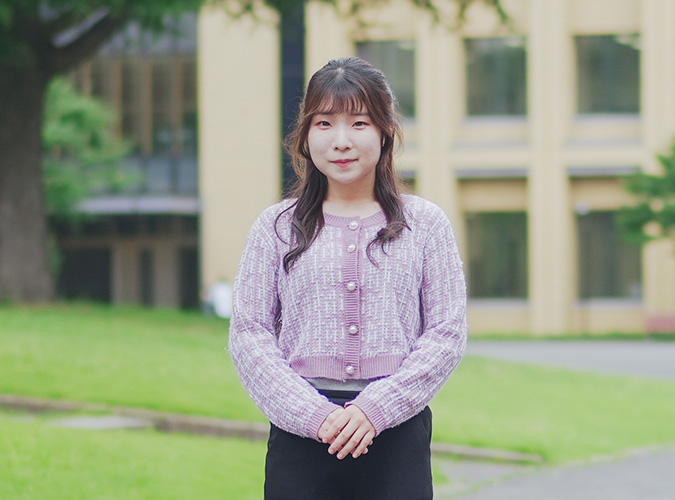
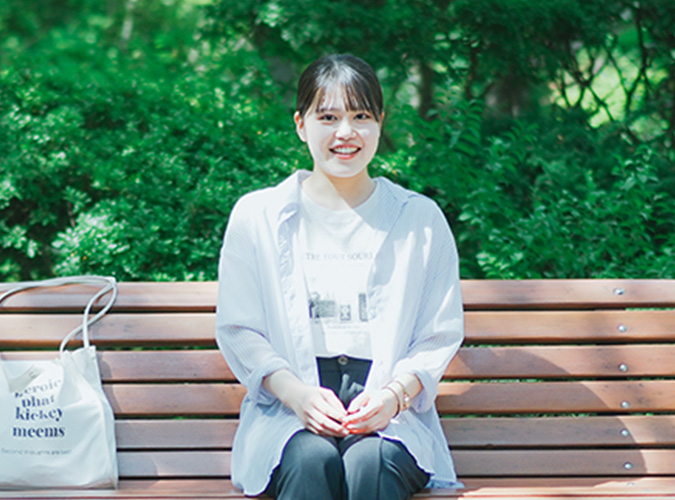
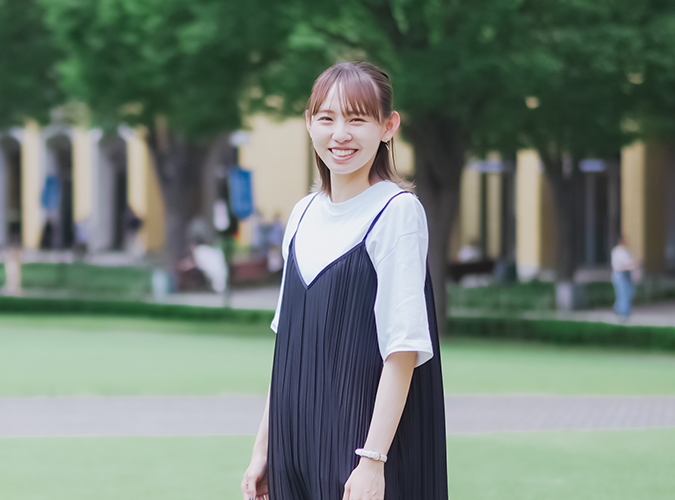
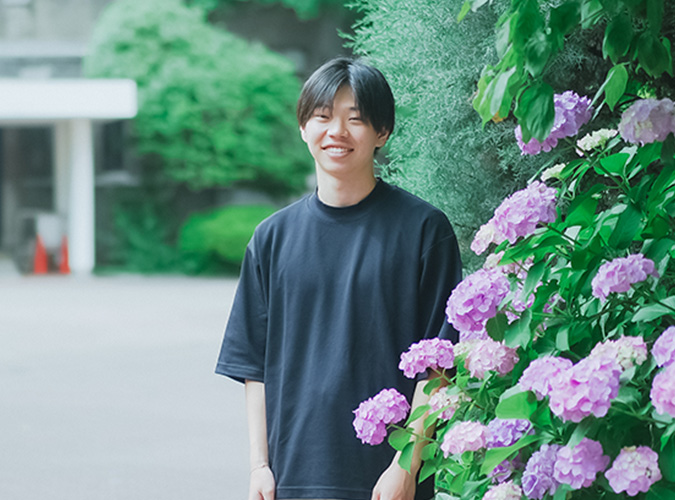
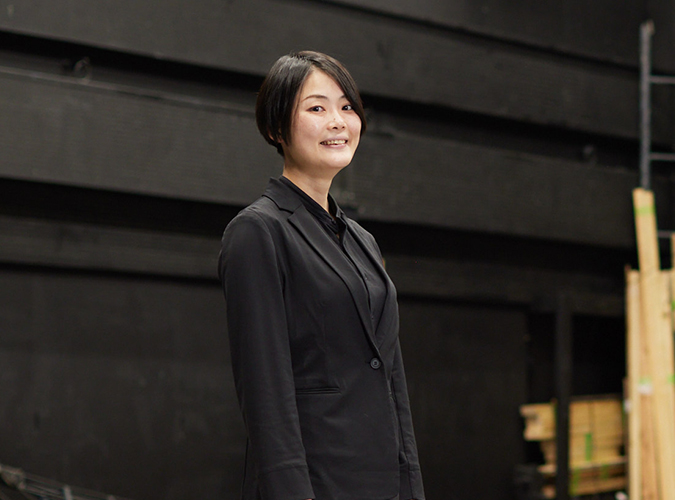
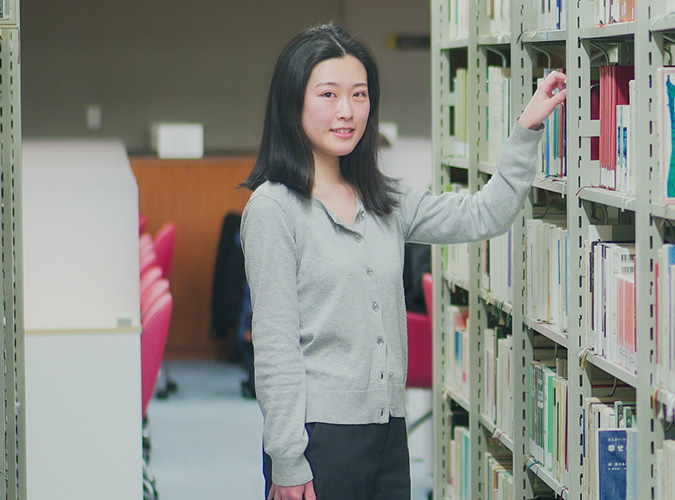
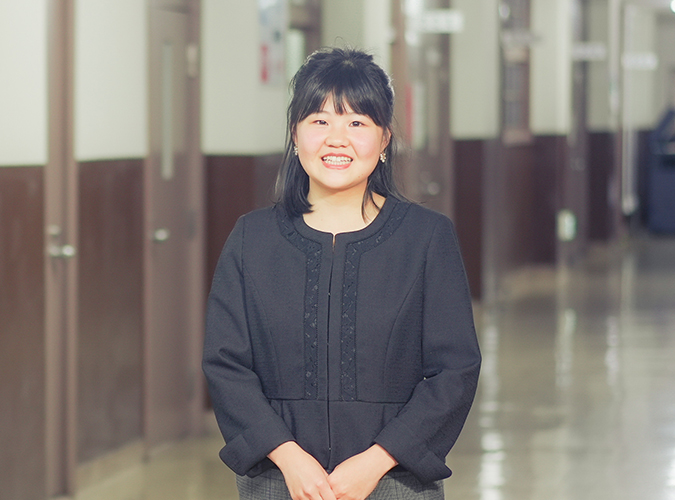
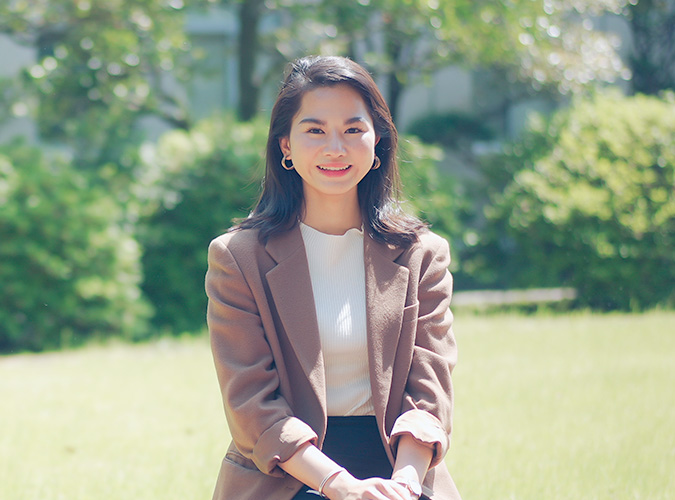
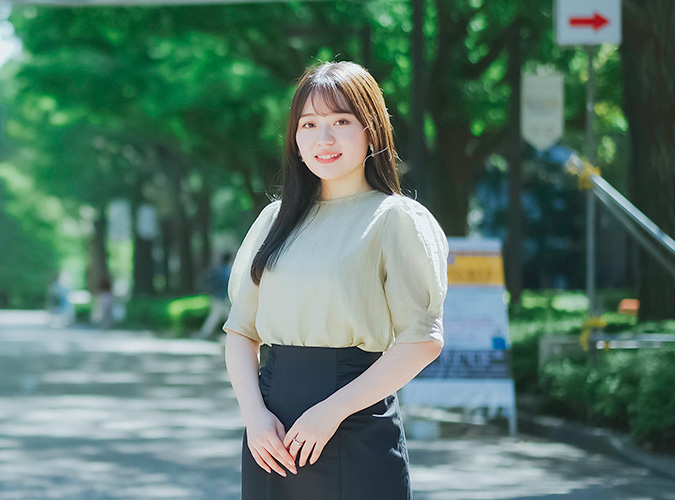
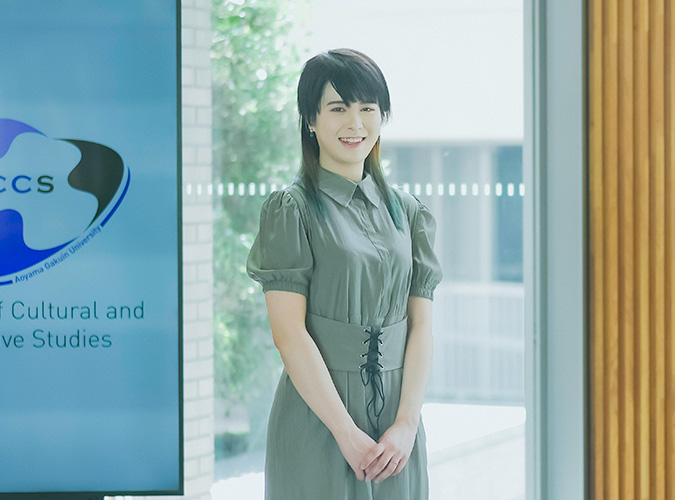
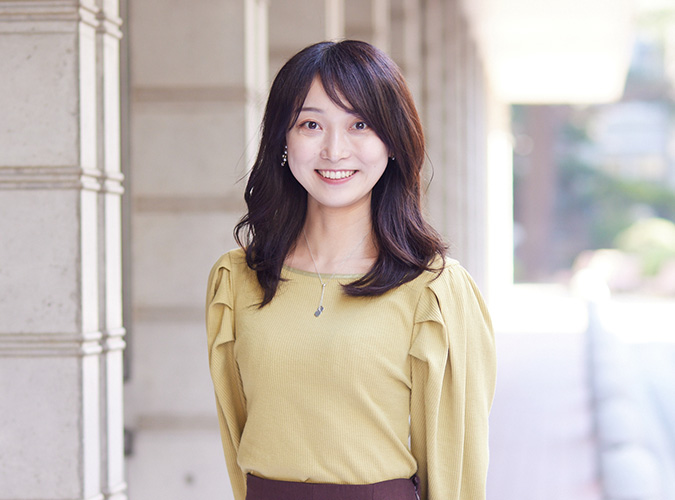
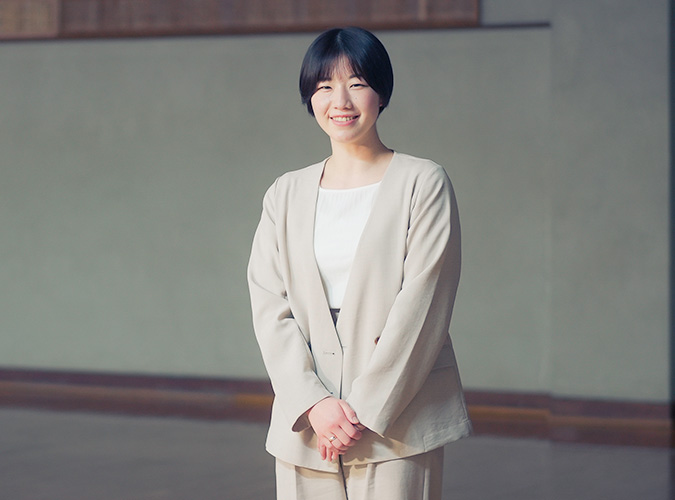
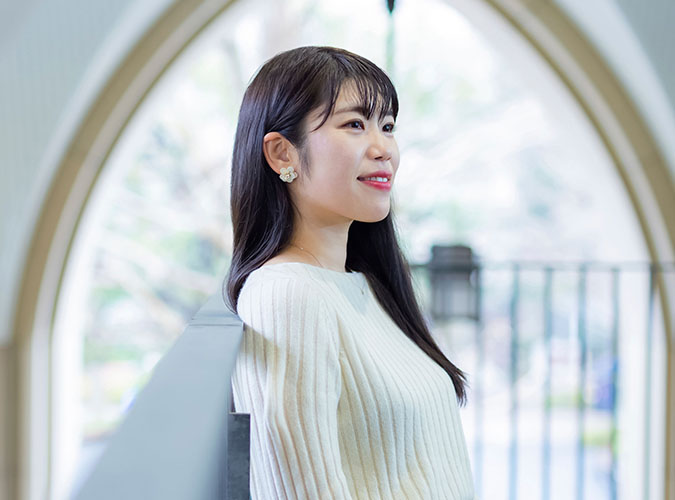
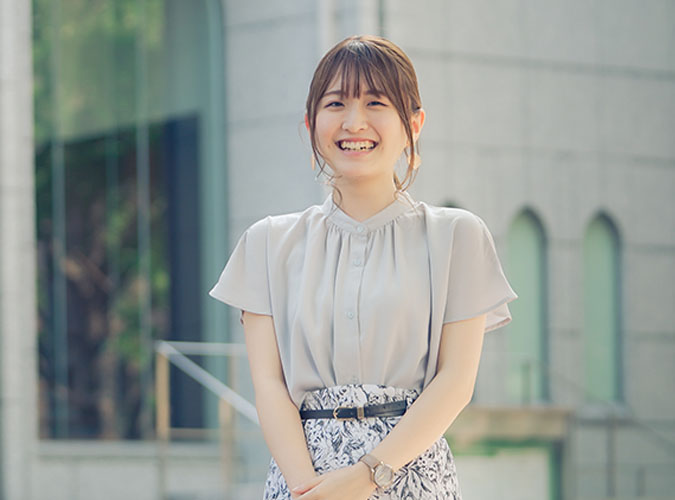
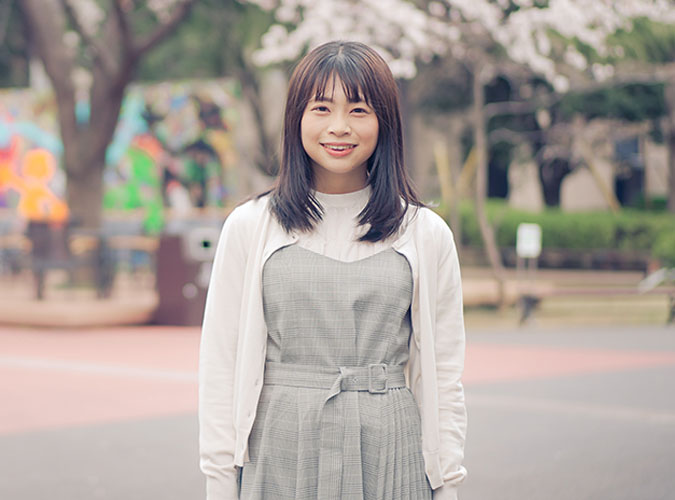
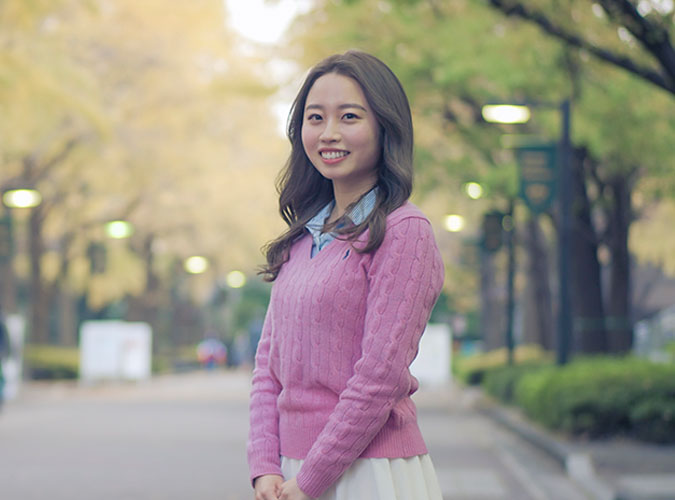
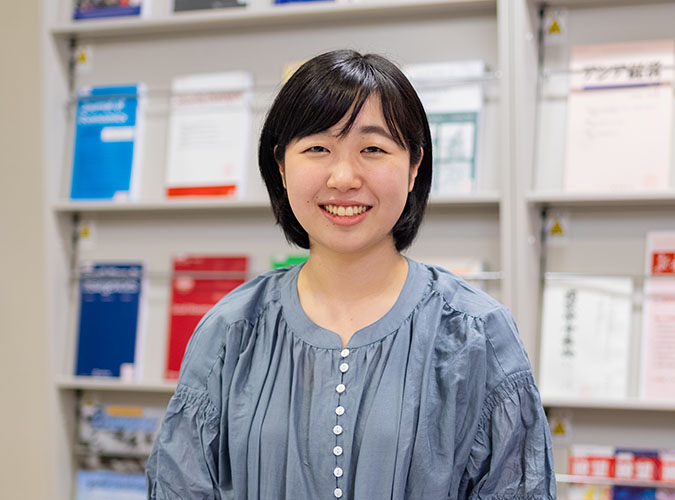
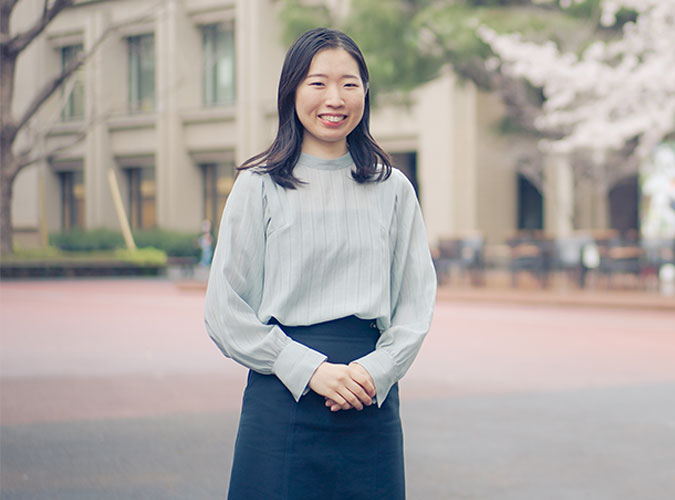
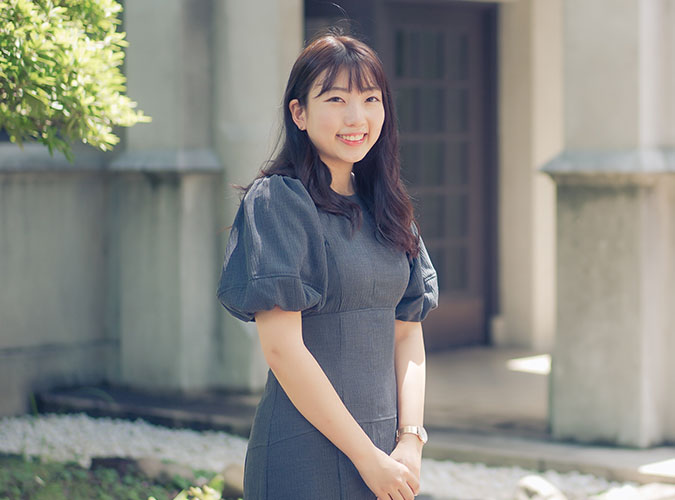
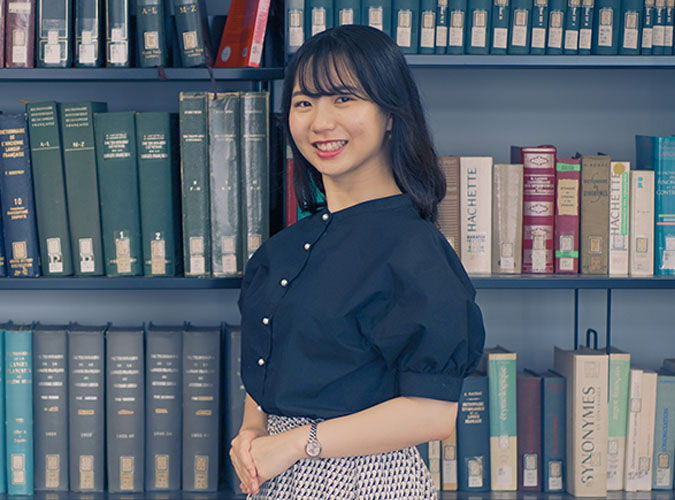
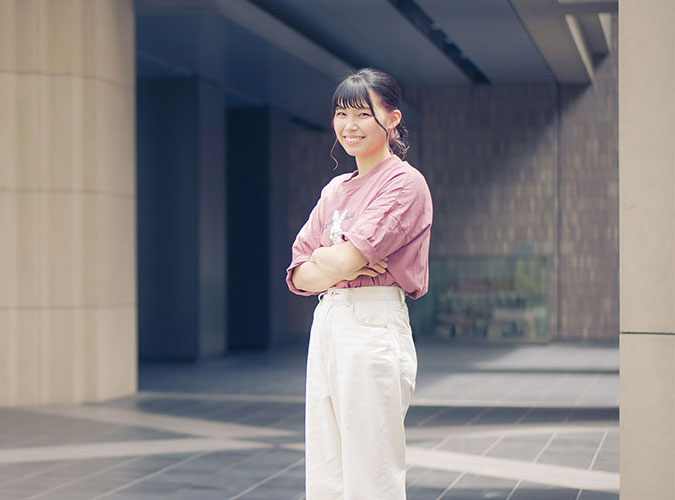
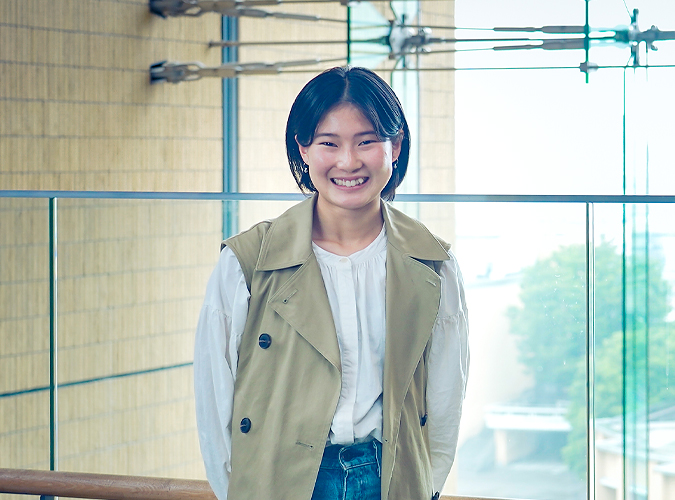
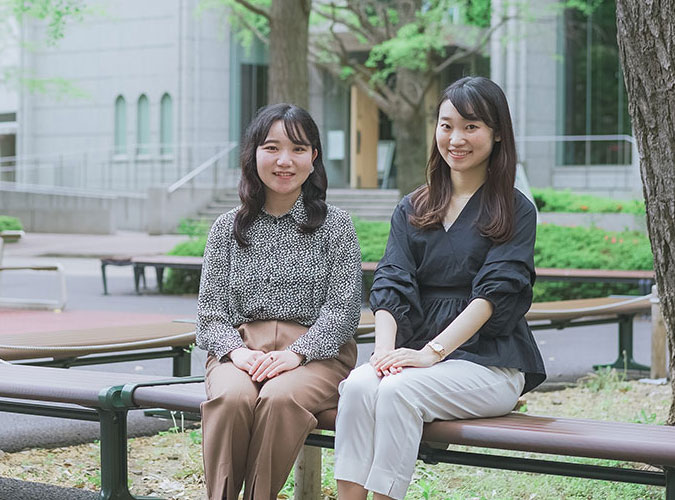
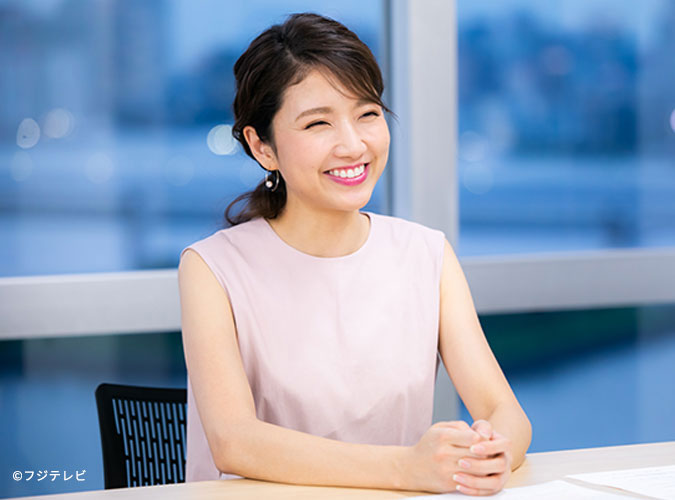
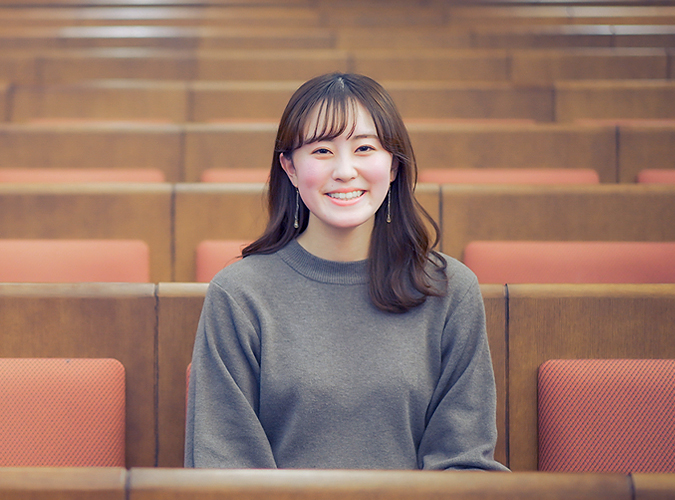
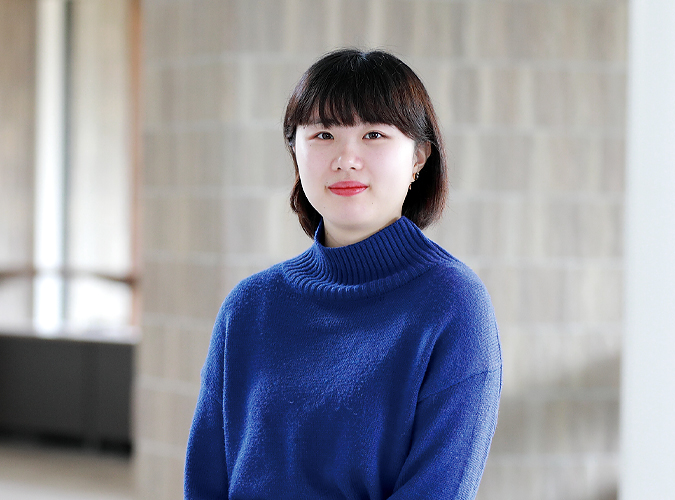
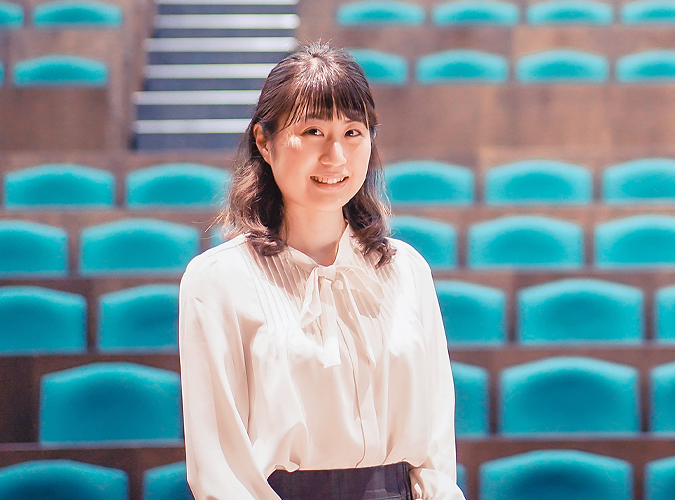
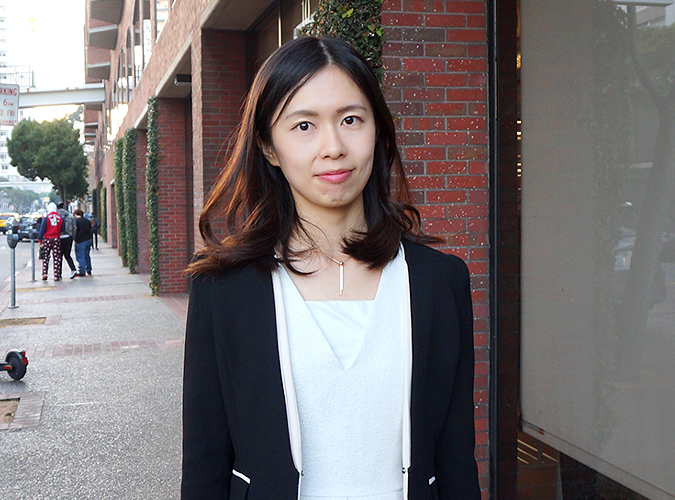
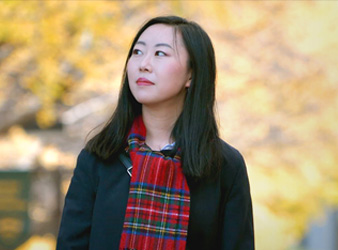
Satomi Takeda

-What made you decide to join the competitive dance club?

Kihara: The demonstration by the seniors I saw at the freshman recruitment event on campus was cool, and since most people start this sport after becoming university students, when I heard that even beginners could aim to be the best in Japan, I was motivated to give it a try myself.

Takeda: I was familiar with dance because I had studied ballet. I was also attracted to the idea that "even a beginner can become the best in Japan." At the freshman recruitment event, the seniors were very kind and the atmosphere was very homely, which is why I decided to join.

The spirit of challengers and pairing
Glory achieved through unity

-Please tell us about the competitive dance club's activities.

Kihara: Official practice is twice a week, with third and fourth year students teaching first and second year students. There are many different types of competitive dance, but first and second year students practice a wide range of different types. After that, the types and pairs are decided based on each member's aptitude.

Takeda: The senior students mainly practice independently outside of official practice. They practice independently for three to four hours, four days a week, in the evenings after classes are over. As General Manager the technical training department, Kihara also devotes himself to training the younger students.

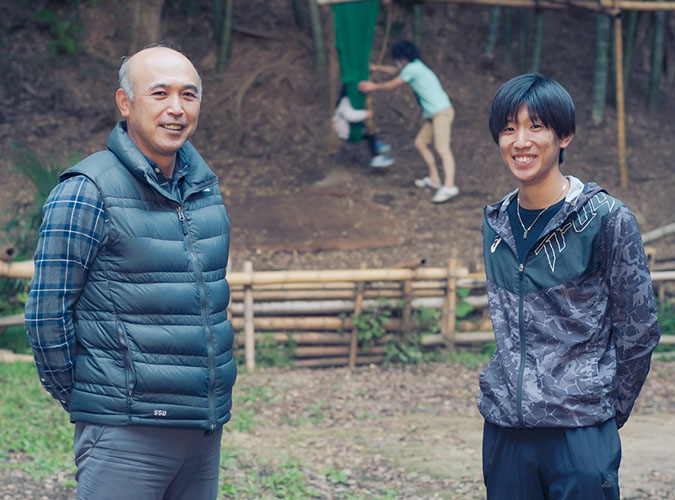
Kihara: The competitive dance club is run by students only, without a director or coach, so it is an important role of the seniors to teach the juniors. There are various types of members, such as theorists who can absorb things by thinking logically, and sensory types who can convey nuances, so I try to have several teaching patterns.

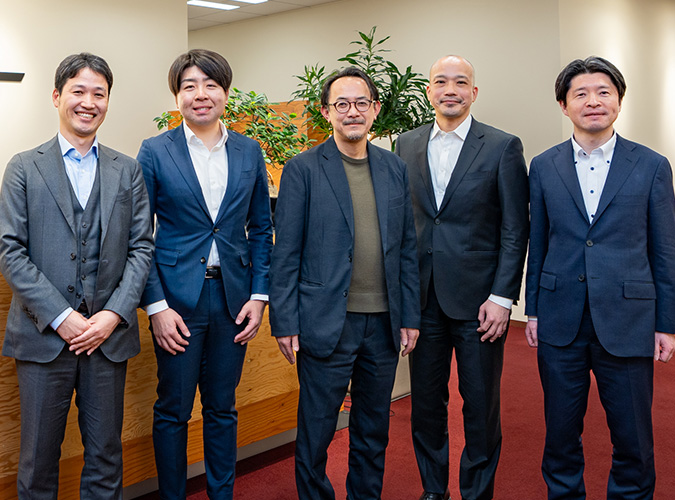
A scene from the 122nd Tohto University Student Competitive Dance Championships to be held in April 2022

-Please tell us about when you won the Paso Doble division of the 121st Tohto University Student Competitive Dance Championship.

Kihara: This is an important competition in which universities from the Kanto region participate. We participated in the "Paso Doble" dance, which is inspired by Spanish bullfighting and flamenco.
Most people start competitive dancing after entering university, so fourth-year students with many years of experience have an overwhelming advantage. I was aiming to advance to the finals, but I didn't think I would be able to win, so I was really surprised. I was really happy.

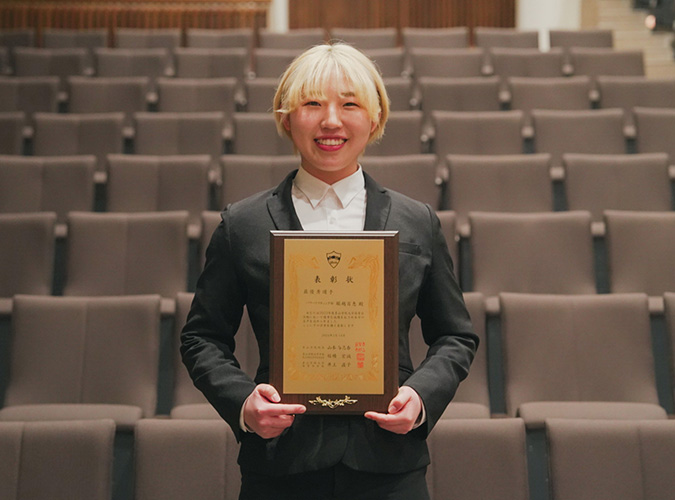
Takeda: Of course I was happy, but I was also filled with gratitude to my seniors who taught me, my peers who I competed with, my juniors who cheered me on, my parents who supported me, and the organizers who worked hard to hold the tournament during the COVID-19 pandemic. In terms of why I won, I think it was good that I was able to give it my all as a challenger.

Kihara: With our abilities, we are inevitably losing to the fourth-year students in terms of technique. Dance is an expressive sport, so the pair with superior technique does not necessarily win, and it is important to attract people. We practiced repeatedly to create a sense of unity between the two of us and to express ourselves energetically. Since this tournament, our results have been sluggish, but the fourth-year students will once again have the mindset of a challenger and aim to be number one in Japan.

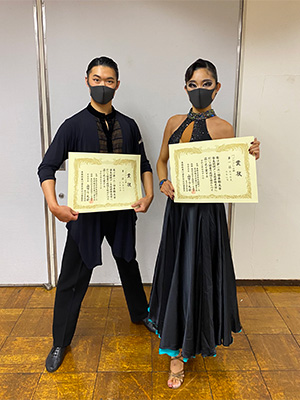
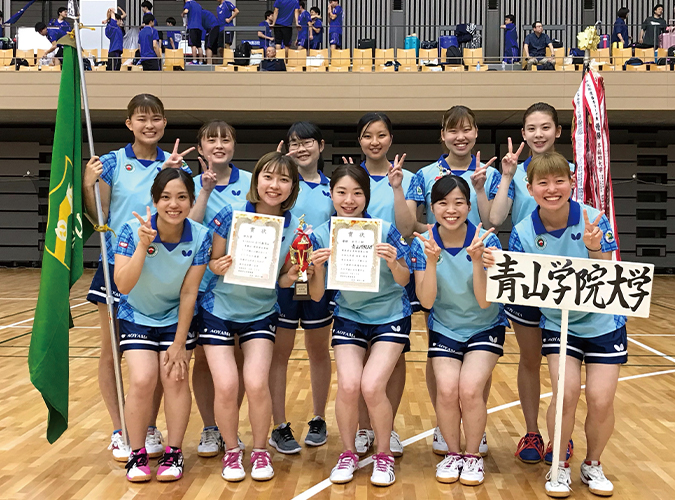
Commemorative photo after the victory

-In what ways do you feel you have grown especially through your club activities?

Kihara: In the intensive training in my first year, I practiced in front of everyone, performing skits that would liven up the atmosphere and singing out loud. At the time, I couldn't get rid of my embarrassment and didn't think it was meaningful, but as I continued competitive dancing, I realized that only by setting aside my embarrassment and working hard could I improve my expressiveness and shine in the real thing.

Takeda: I feel the same way. I used to take ballet lessons, and I was skeptical of training that emphasized "guts" because I didn't think it would directly lead to improved technique. However, there were many times after intensive training when I thought "I could have tried harder," and I realized that if I let my guard down and didn't give it my all, I would end up regretting it later. I started to think about everything, "If I'm going to do it, I'll do it with all my might."

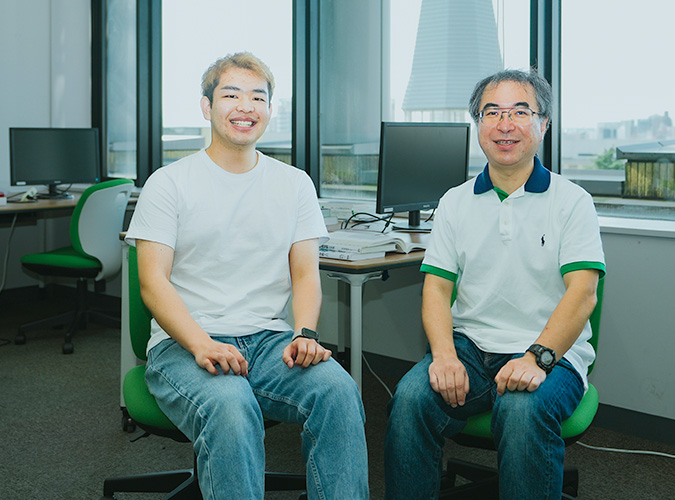
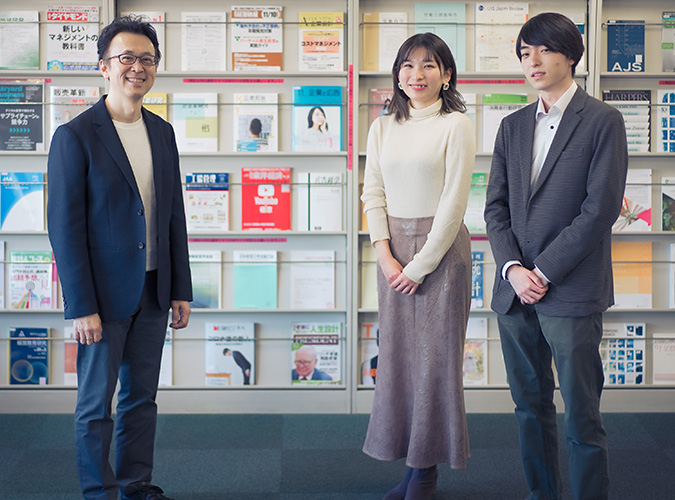
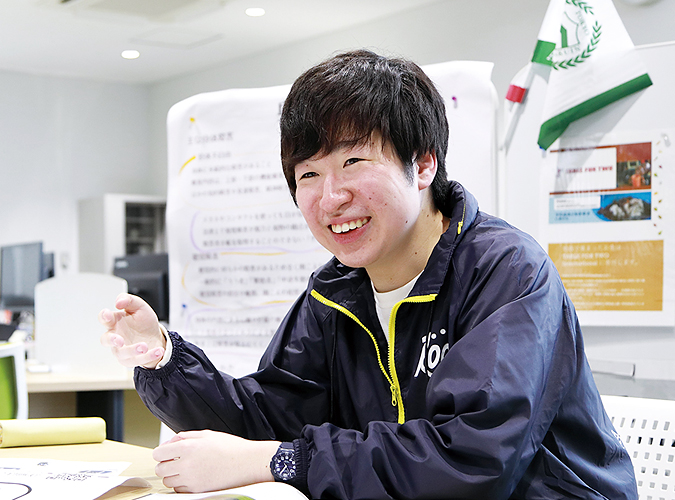
Seniors also provide support for their juniors in terms of their studies

-It requires a considerable amount of practice. What did you pay attention to when balancing club activities with your studies?

Kihara: I devised time management and made sure to concentrate during class and listen carefully to what the teacher said in order to understand the content of the class deeply. In competitive dancing, it is important to have time to practice in pairs, so I consulted with Takeda-san, who is in a different department, about how to organize my schedule.

Takeda: I was enrolled in a university, so I was able to do competitive dancing. It would be counterproductive to be so absorbed in club activities that I neglected my studies. I made it a priority to study during the regular exam period, and increased the amount of practice before competitions, so I was conscious of prioritizing according to the situation at the time.
Because of the closeness between members of the sports club, we are sometimes able to get help with our studies within the club. I was not good at French, but a senior from Department of French Language and Literature held a study session for me, which helped me improve my language skills.

- Were there any classes or seminars that left a particularly strong impression on you?

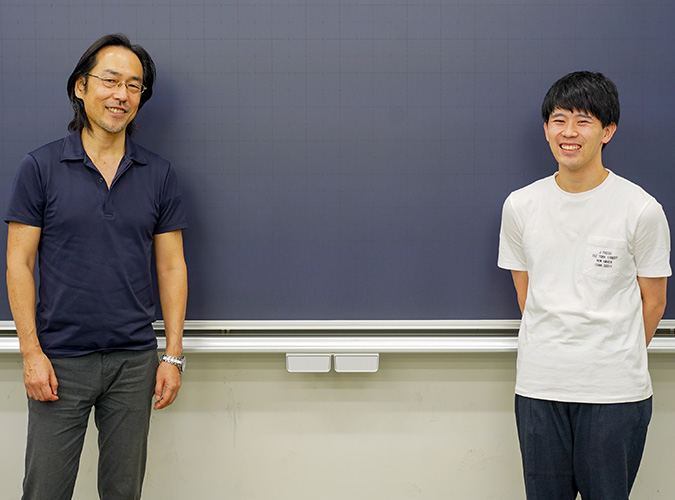
Kihara: I was impressed by Professor Isao Ochiai's Japanese Economic History II. For me, who chose College of Economics because I wanted to learn about the circulation of money and the structure of the economy, it was an interesting class where I could learn about the process by which Japan established a modern monetary system and strengthened its national power. During the class, guest speakers who are active at the forefront of various industries are invited, so I think it is also meaningful in that I can listen to stories from the front lines while imagining how I will age in the future.
Also, what I learned in the Psychology B class about the factors that influence various human behaviors was extremely helpful in guiding junior members in club activities, such as how to communicate with them and how to motivate them.

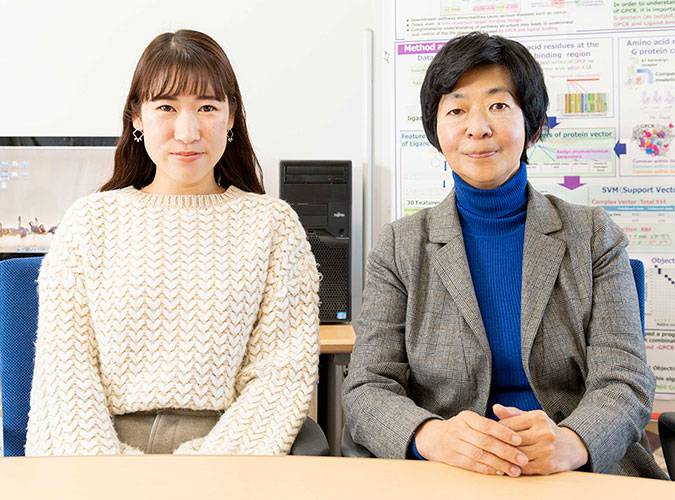
Takeda: I am currently studying European studies in Professor Yoshinori Kano's seminar. Writing the thesis in the seminar during the second semester of my third year is particularly memorable. I found the topic of inequality within Europe, something I had wanted to study even before I enrolled, very interesting. It was a challenging task for me to carry out a comparative study of "The Diary of Anne Frank" and "The Diary of Lena," both of which were written by girls from different countries during World War II, and I struggled at times, but with the help of my professor and other seminar members, I was able to complete the thesis. This year, I will also continue my research into inequality in Europe during the Cold War.

Among the various options
Aogaku a place where you can improve yourself

-What kind of work do you plan to do after graduation?

Kihara: I have been using Sibuya Station frequently since I was an elementary school student, but over the past decade or so, the area around Sibuya Station has been undergoing redevelopment, and is being reborn with a new look every day. Having watched this for a long time, I feel that the state of a city is a factor that has a major impact on people's lives. In the future, I would like to be involved in this kind of urban development myself, so I am aiming to find a job in the real estate industry.

Takeda: I would like to use what I have learned to find a job that will help improve social issues such as inequality and the environment. I am currently considering working in the financial industry. No matter what your position or activity, money is needed in every situation. I would like to work in the financial industry, which deals with money, which plays such an important role, and work for a company that contributes greatly to society.

- Please give a message to high school students and current students who are aiming to enter our university.

Kihara: Sibuya / Omotesando area, where Aoyama Campus is located, is a region where the cutting edge of culture and fashion gathers. I think you will gain a lot by spending four years here. I personally feel that my way of thinking and my appearance have become more refined little by little. When thinking about the future, there are many role models among the seniors and graduates. Take advantage of this good environment to improve yourself.

Takeda: I am enrolled in Department of International Politics, but as I studied, the field I wanted to specialize in changed, so I chose the seminar in Department of International Communication and have been able to study meaningfully. I was also able to achieve results in club activities. Aoyama Gakuin University is a university where if you want to do something, you have a wide range of options to make it happen. Please challenge yourself to the fullest in what you want to do.

College of Economics Department of Economics

The economy is what enables people to survive, and it is based on a variety of factors. Therefore, understanding it requires a broad perspective. Aoyama Gakuin University 's College of Economics is a place to study this economy, and has accumulated research on a variety of themes. It aims to foster the ability to understand the essence of the economy and act logically, with the aim of creating a fair society.
The subject of economics is found throughout society, including labor, entertainment, education, and medicine. In Department of Economics, students learn about the efficiency of resource allocation from the traditional perspectives of theory, policy, and history, and develop their analytical, thought, and action skills to contribute to the realization of a more just society.

VIEW DETAIL

School of International Politics, Economics and Communication

Aoyama Gakuin University 's School of International Politics, Economics and Communication was founded as a pioneering international school with the aim of contributing to the international community. With three departments and five courses, we practice learning that emphasizes expertise, internationality, and on-site experience. We deepen our understanding of global issues and develop the skills to debate and discuss based on evidence. Through our unique interdisciplinary education that allows students to learn beyond their field of study, Seminar Bridge that allows students to choose courses beyond their departmental affiliation, and the Global Studies Program (GSP) that allows students to study specialized subjects in English, we foster the practical skills to collaborate with diverse people from around the world and create new value.

VIEW DETAIL

Back Number

SEARCH