Putting specialized knowledge to use in society: University mathematics shows the way to the future

OVERTURE
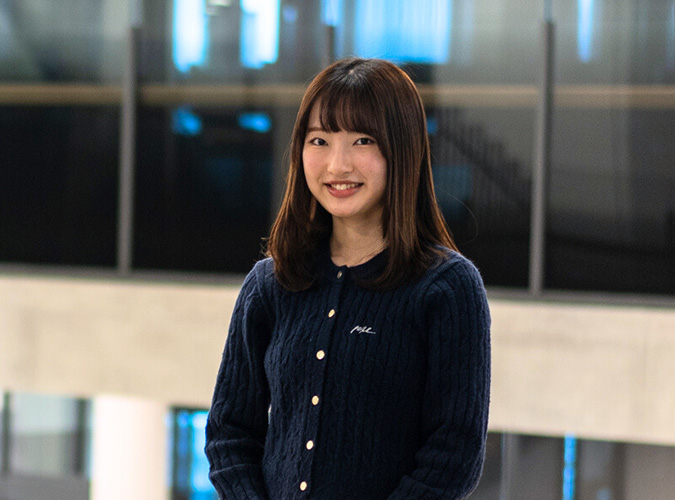
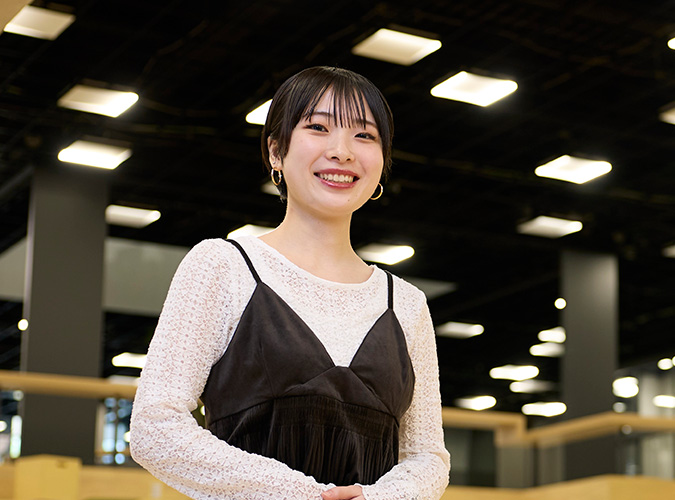
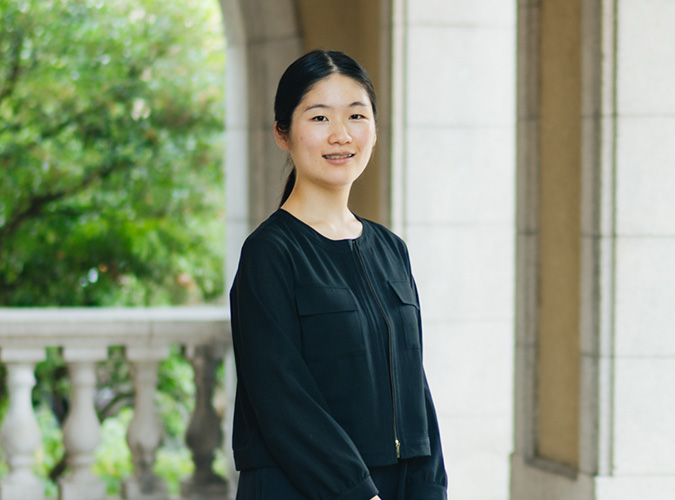
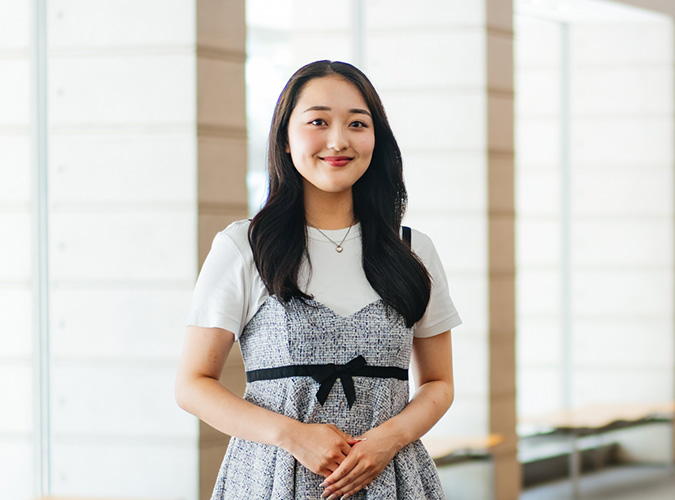
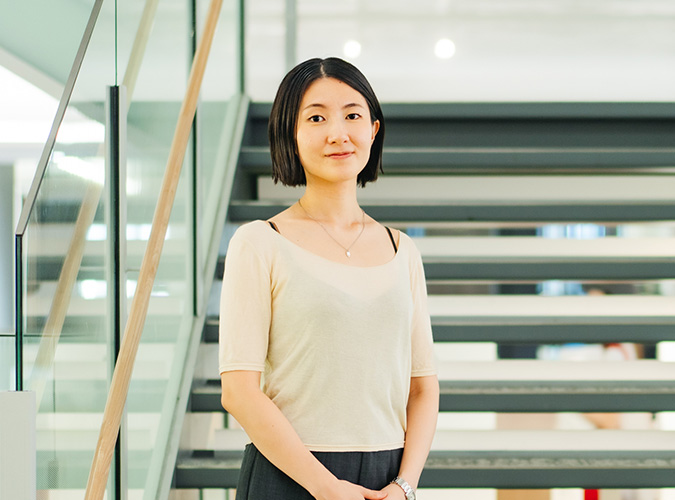
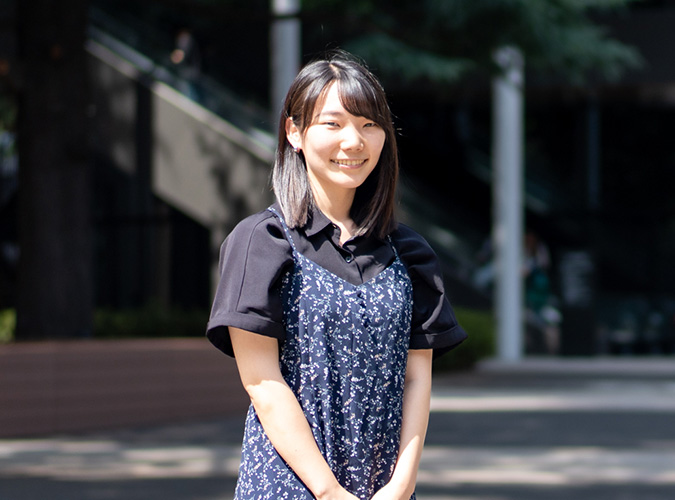
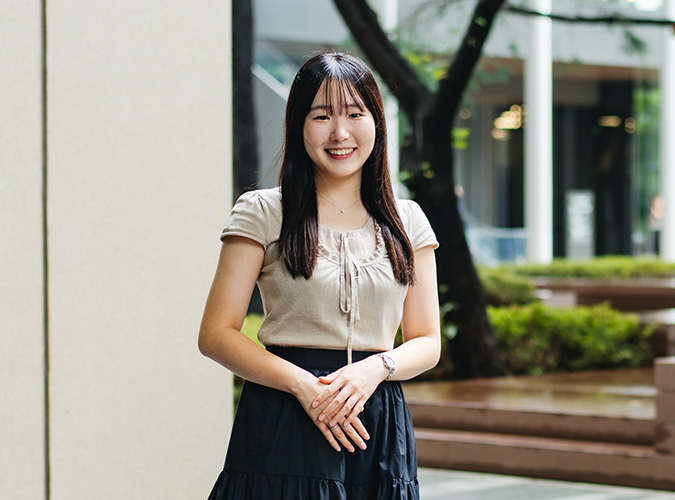
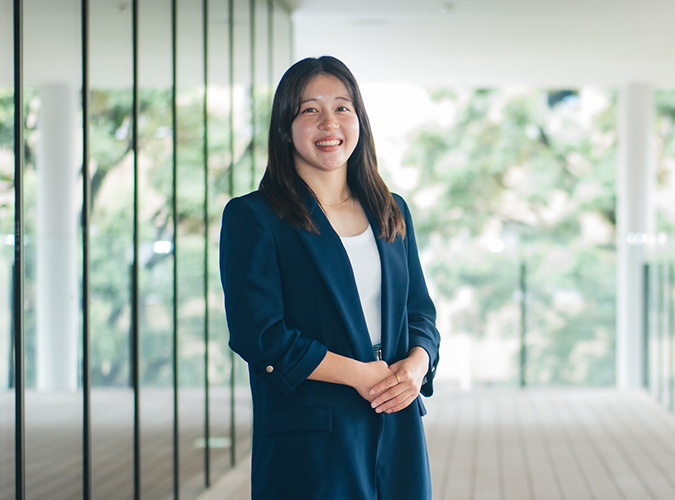
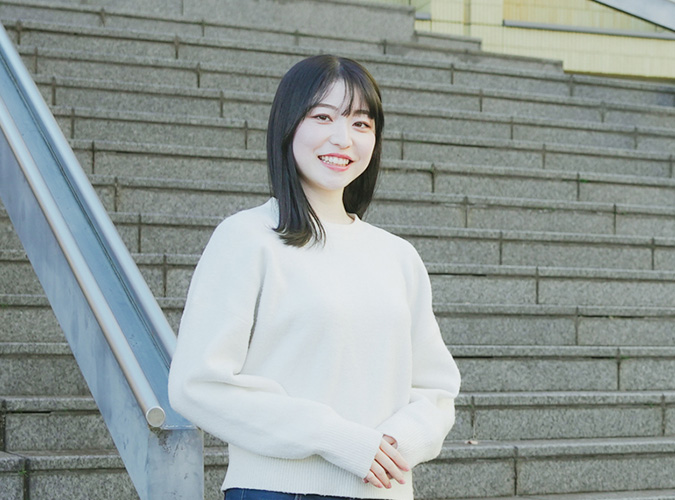
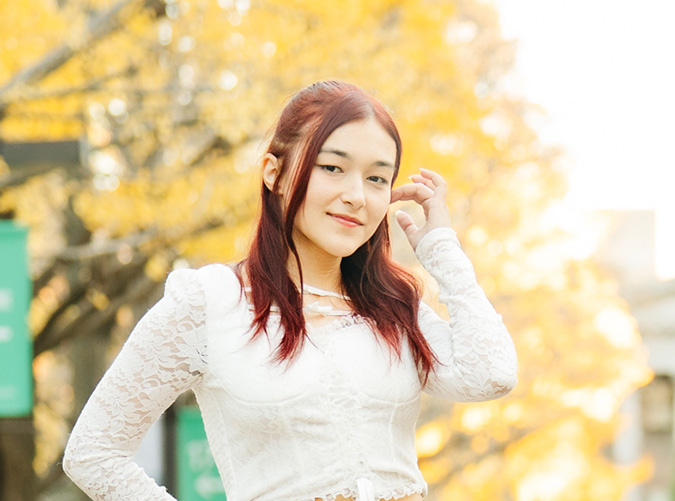
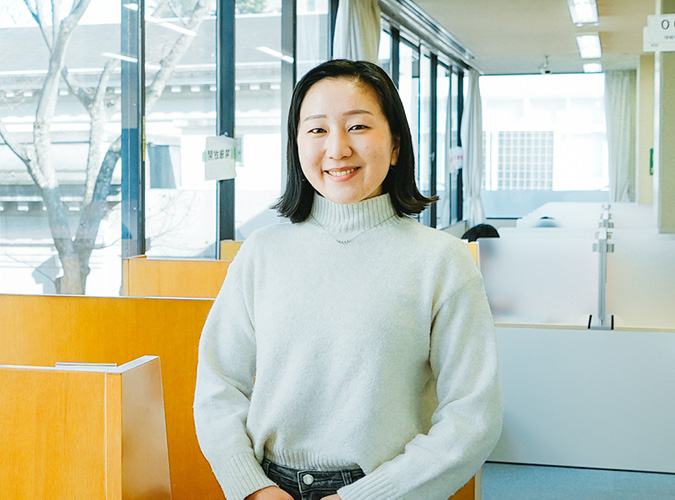
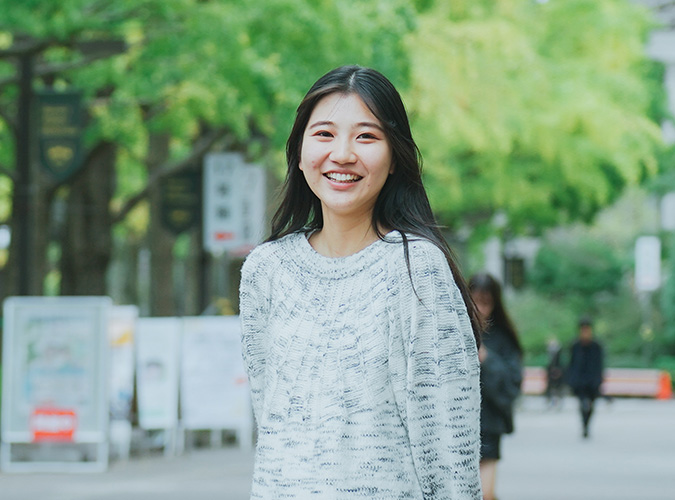
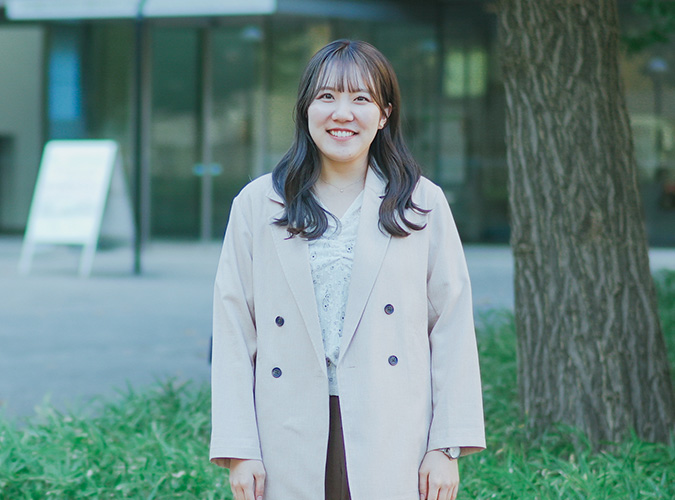
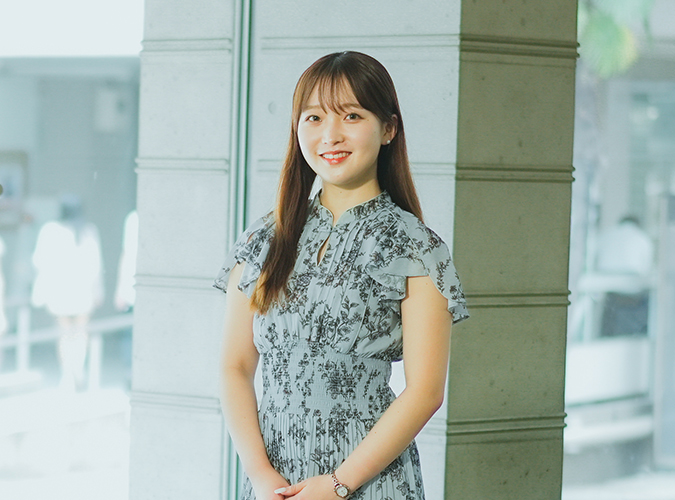
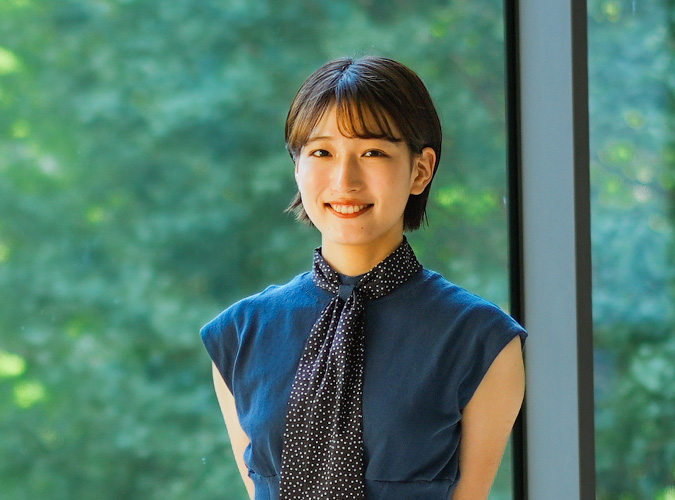
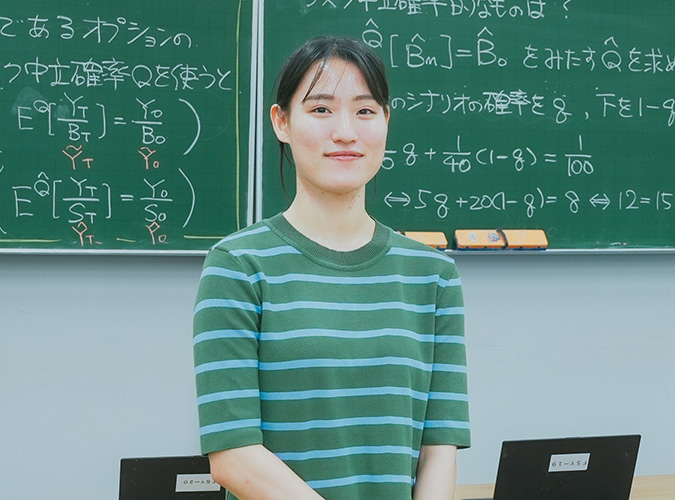
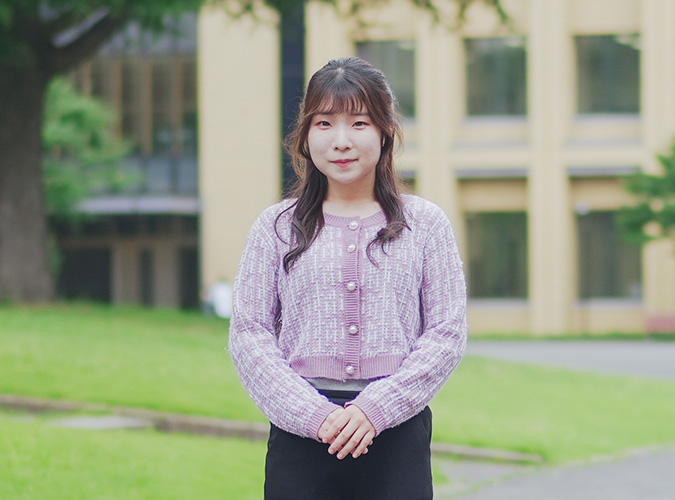
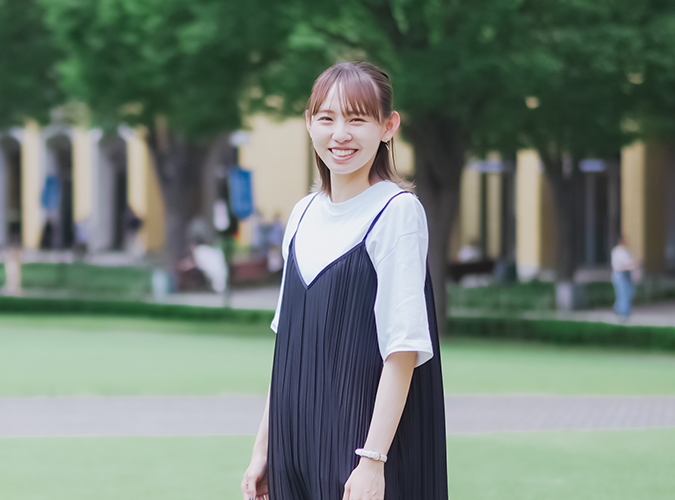
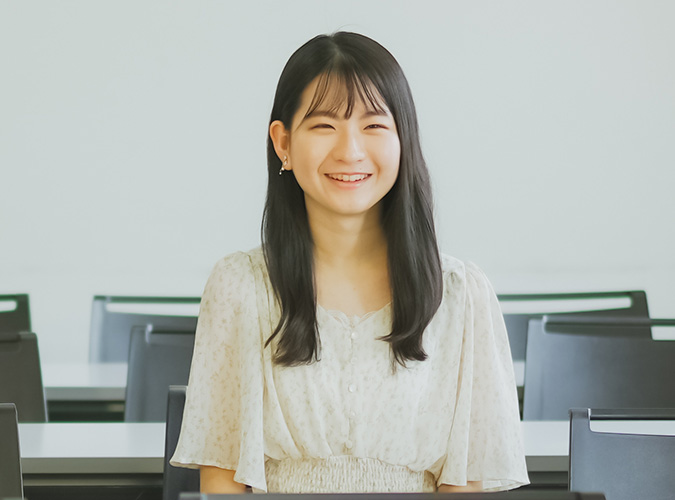
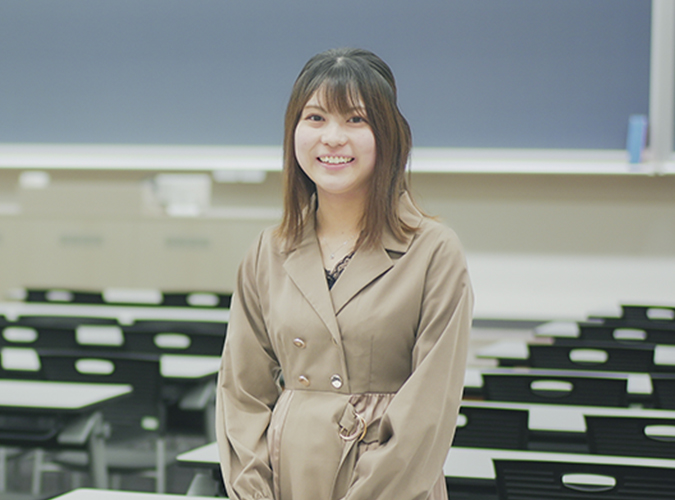
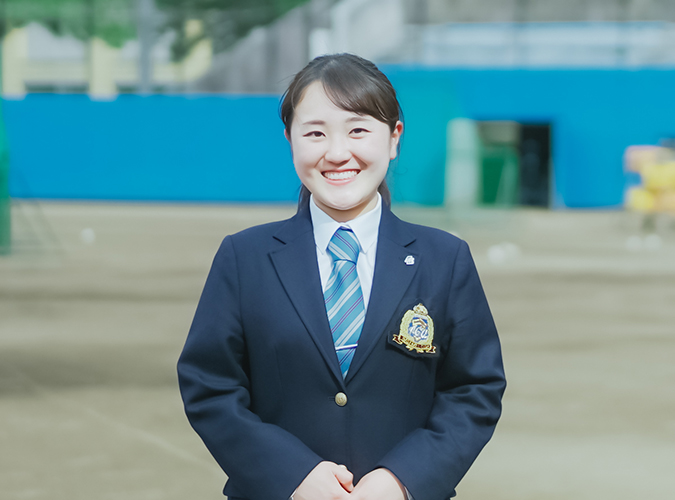
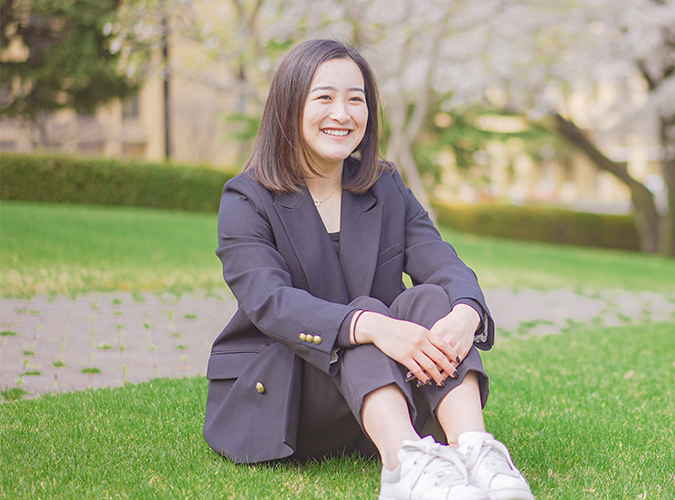
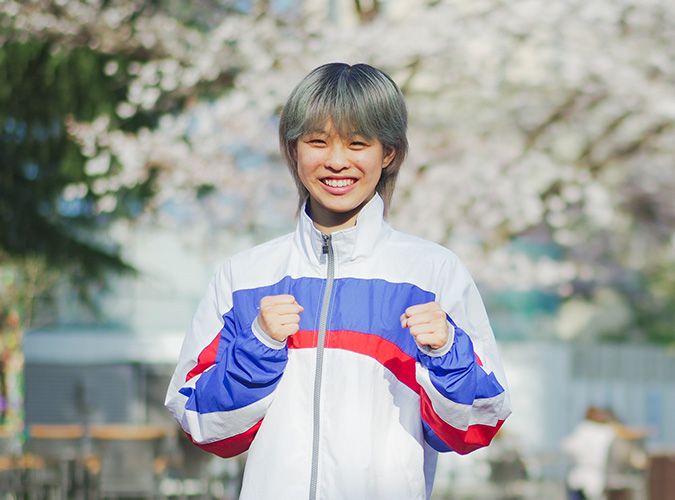
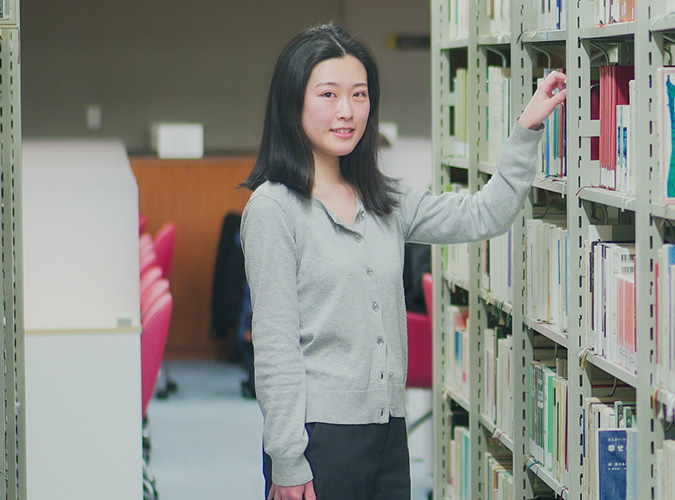
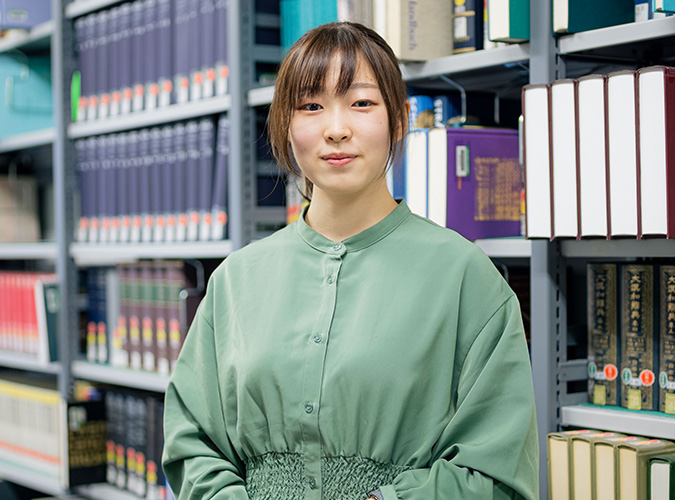
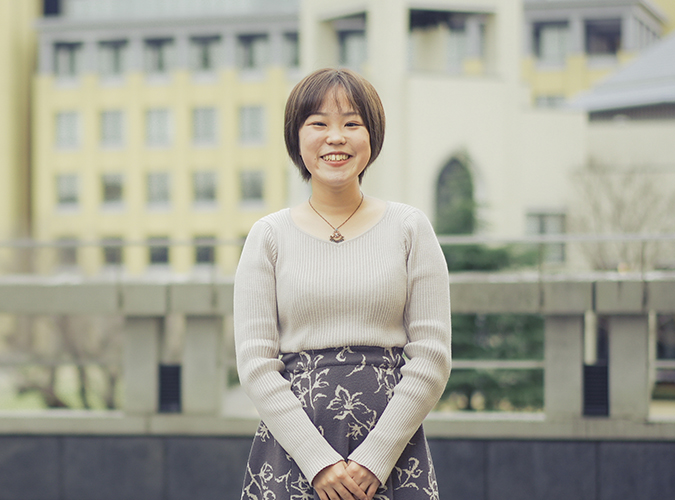
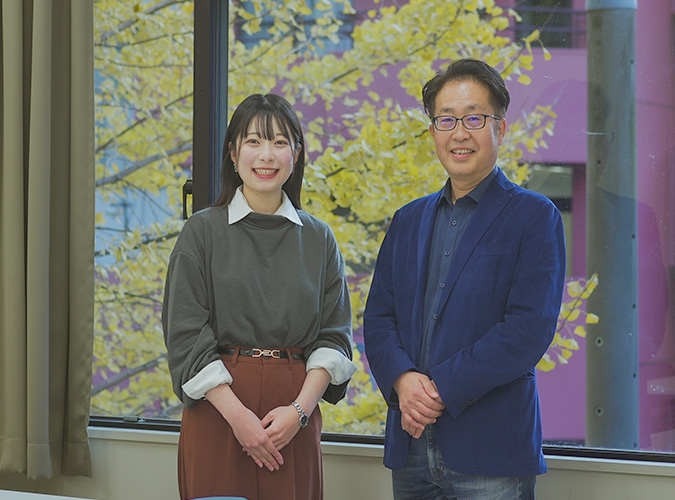
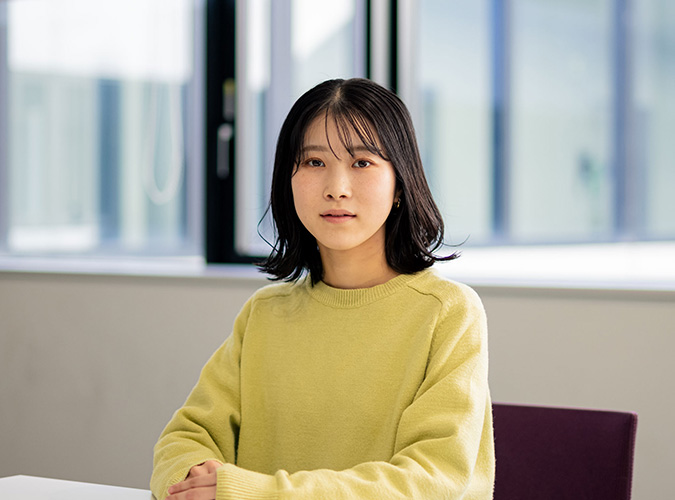
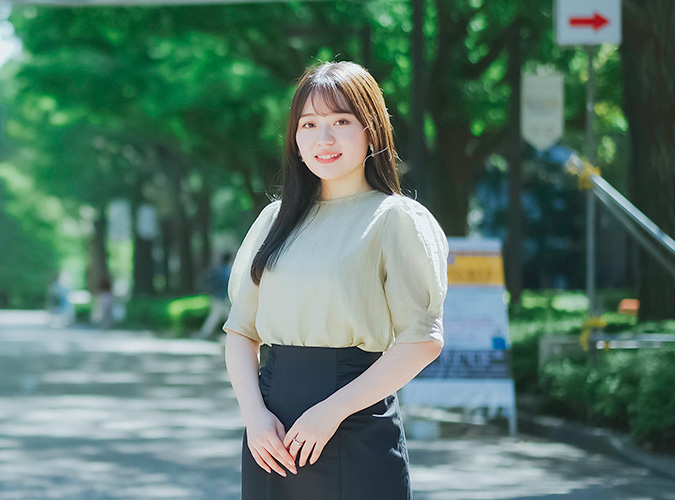
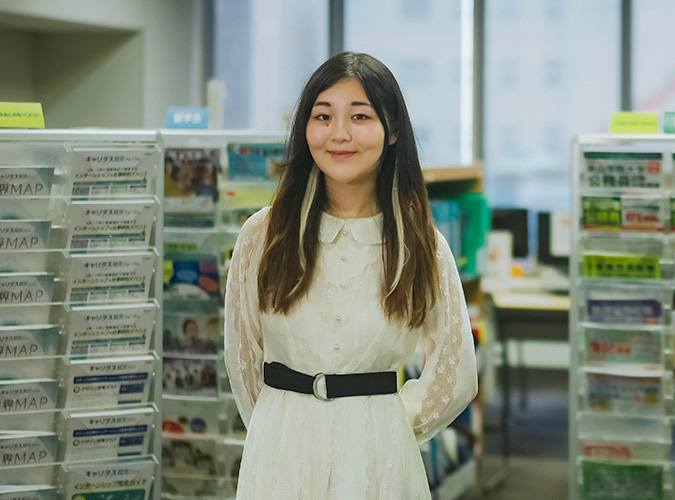
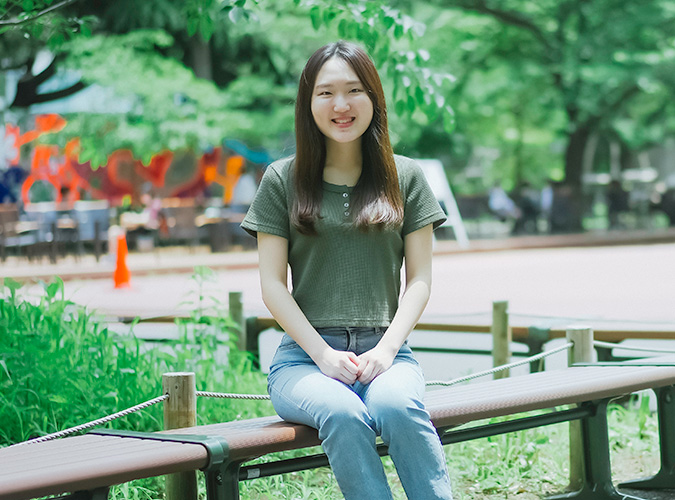
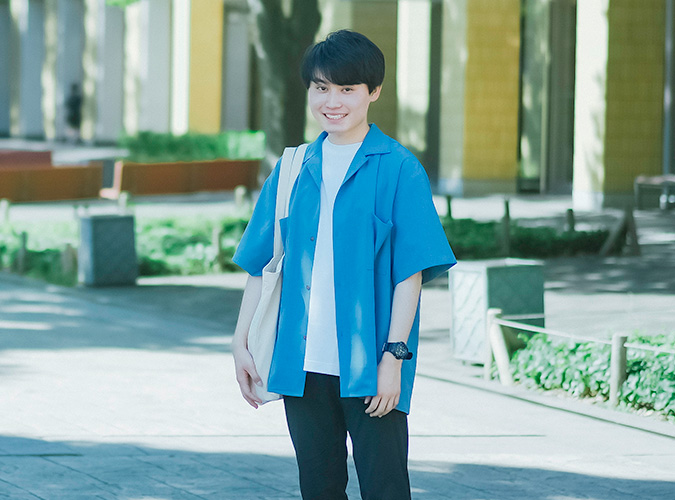
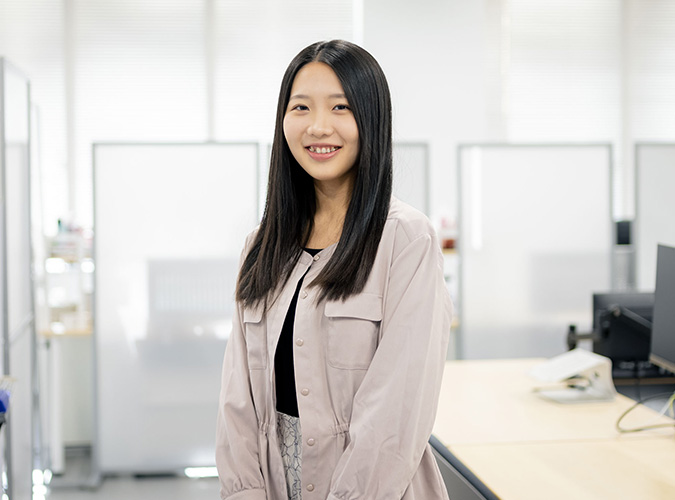
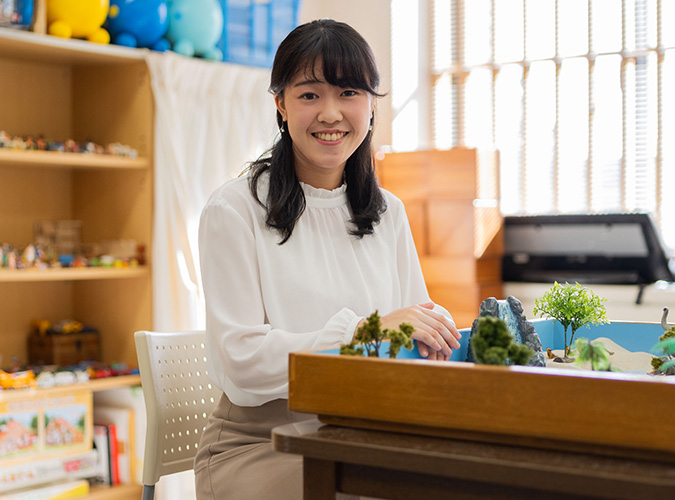
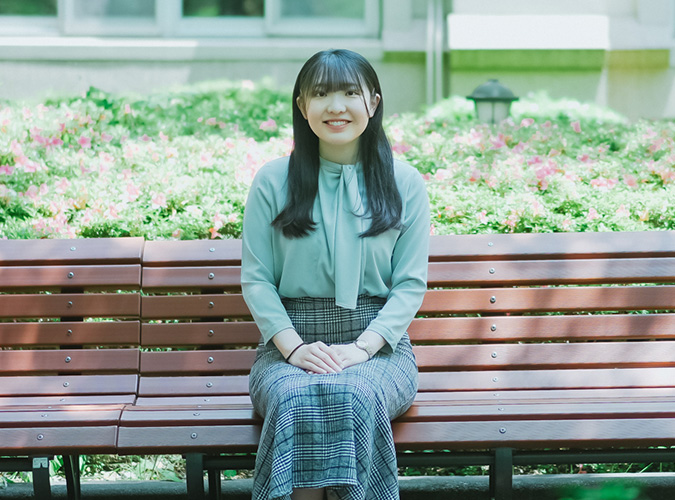
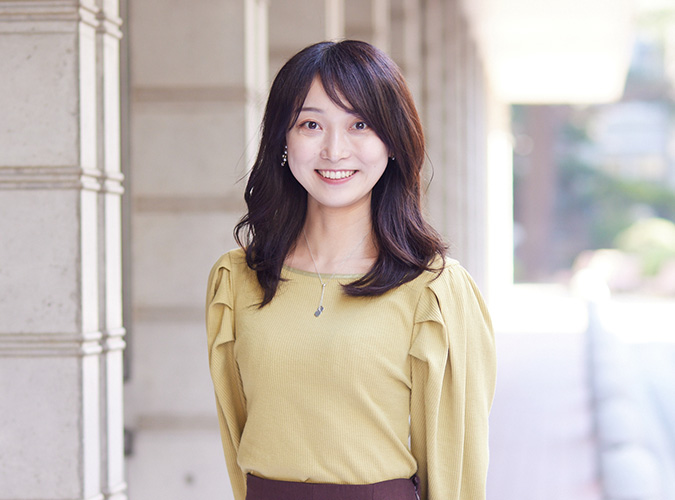
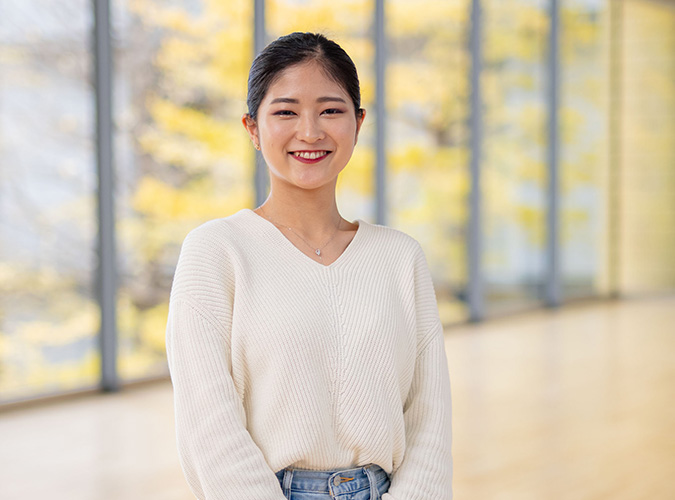
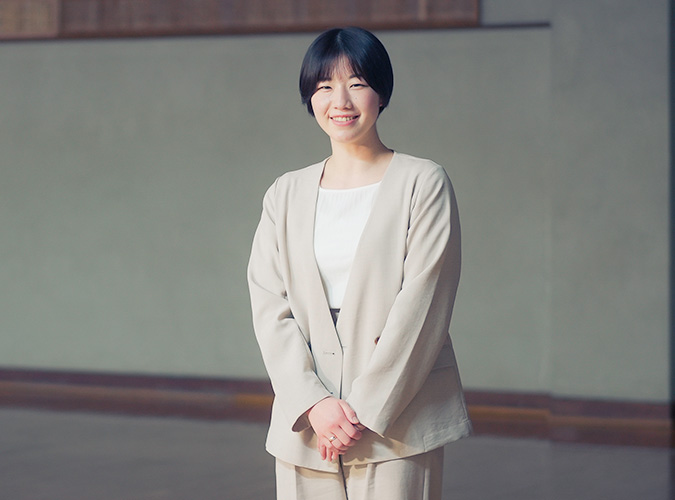
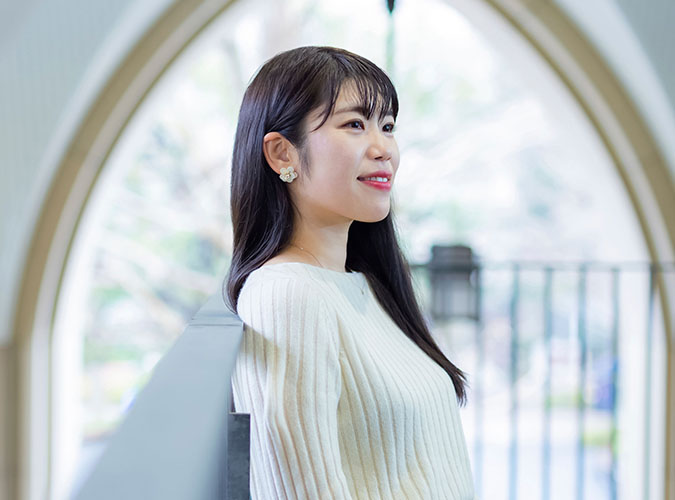
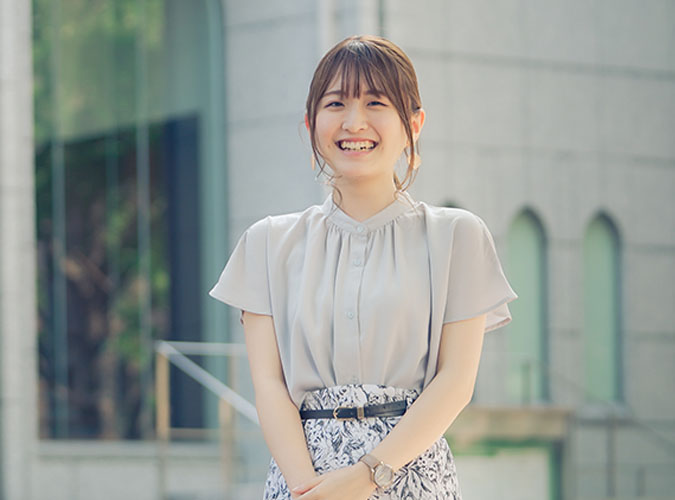
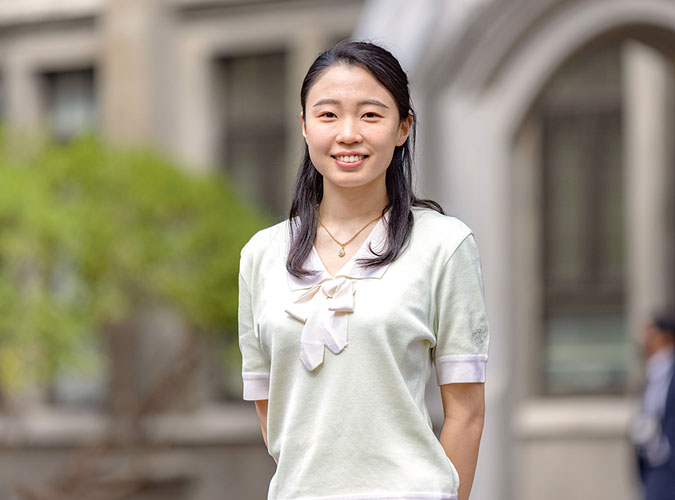
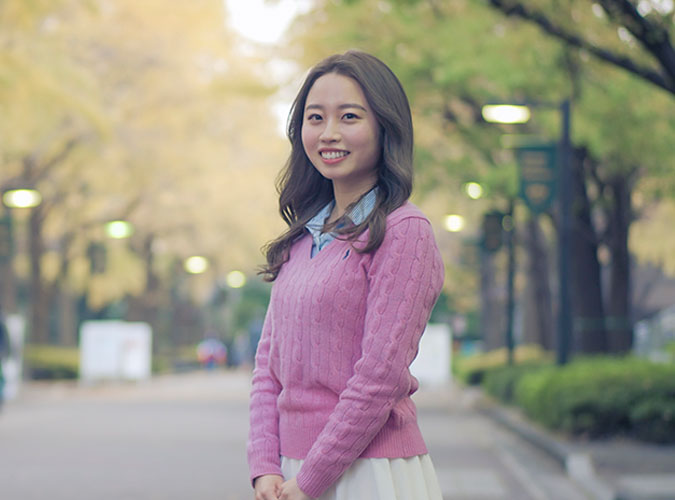
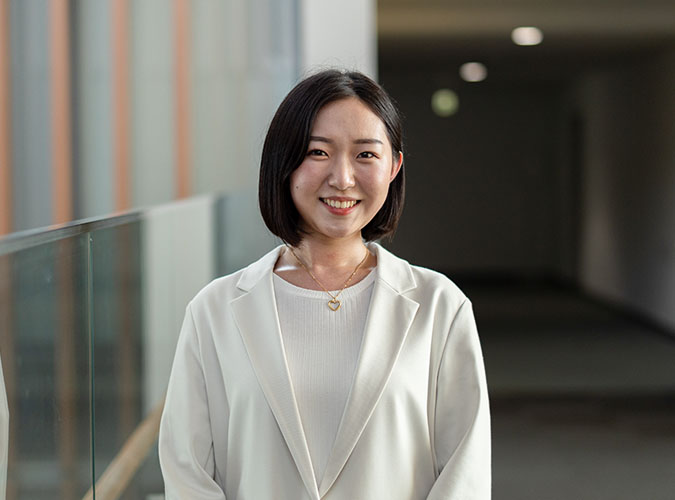
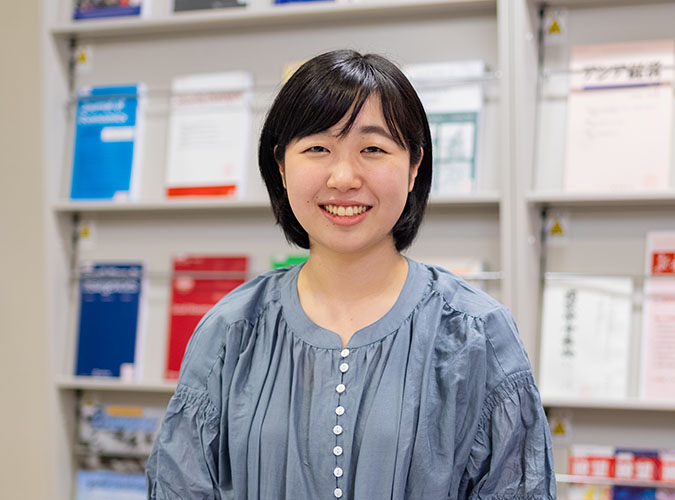
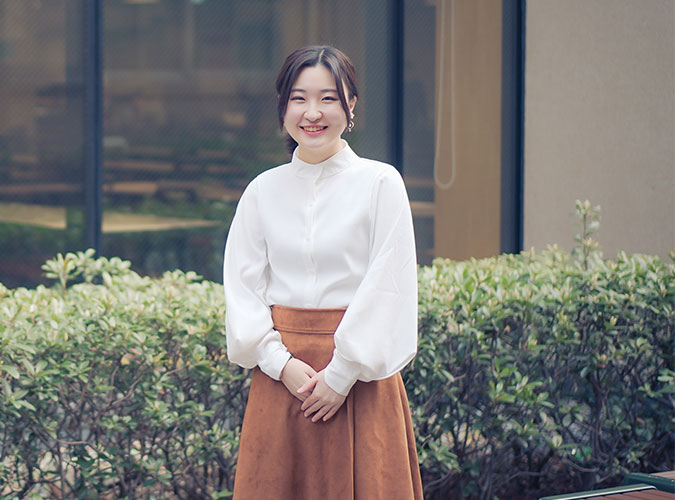
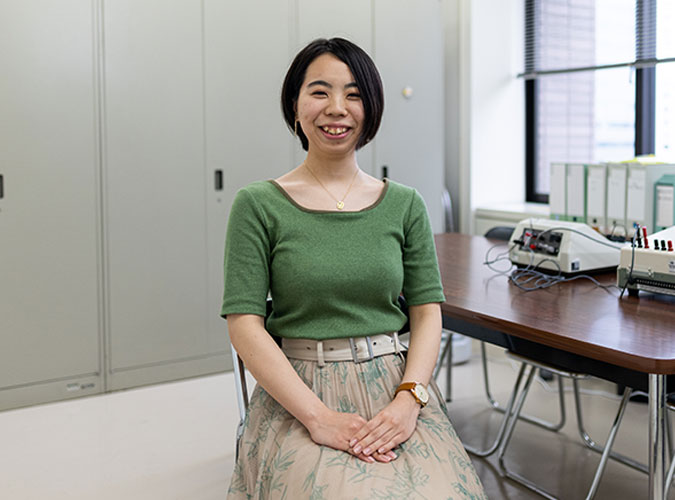
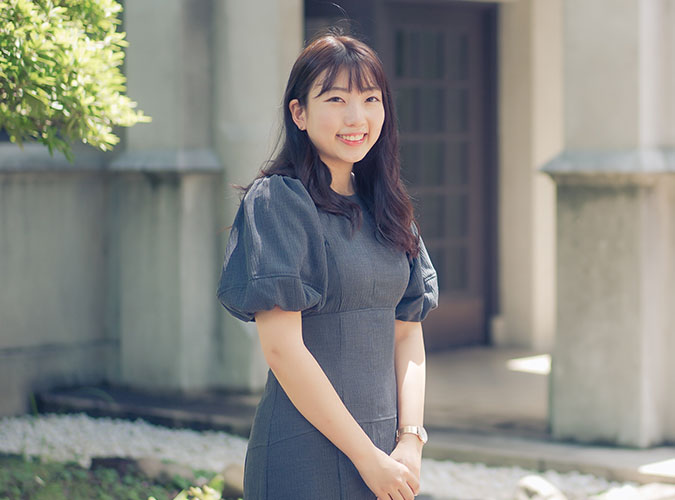
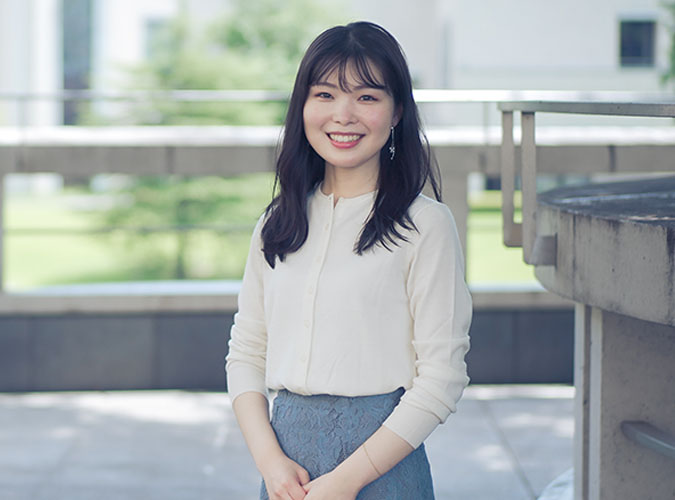
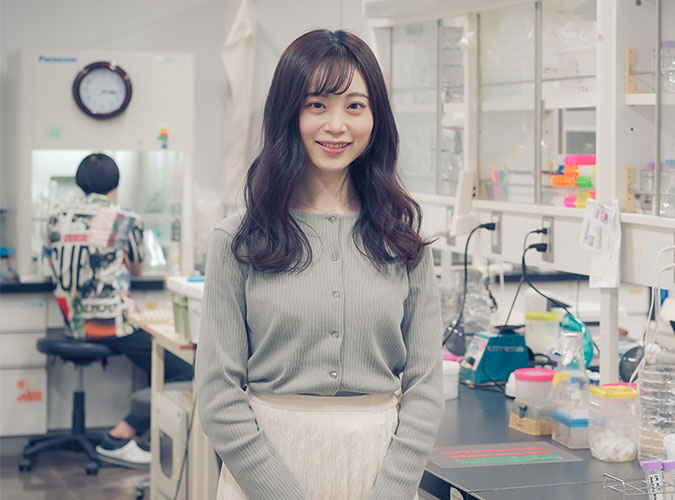
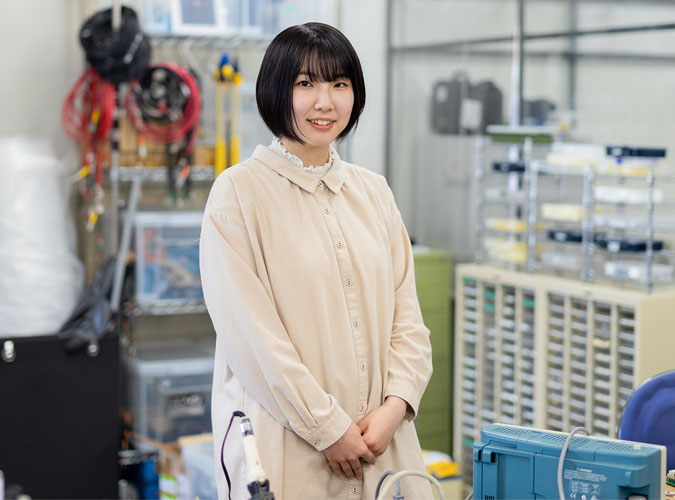
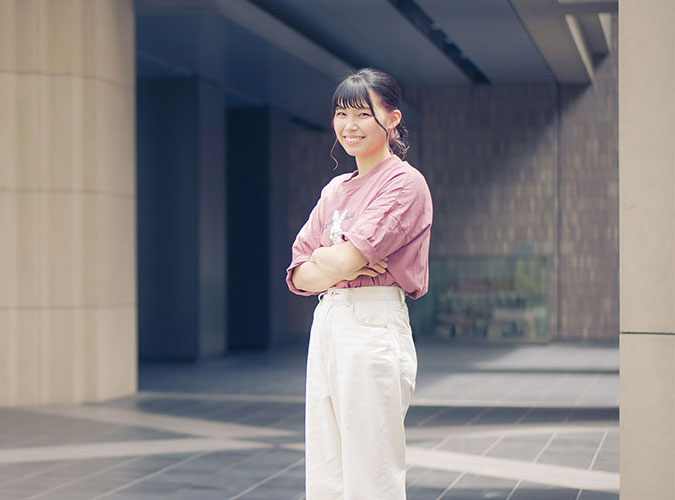
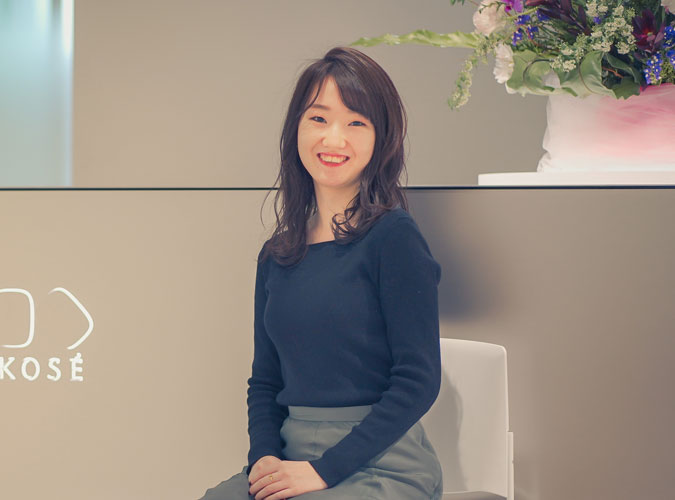
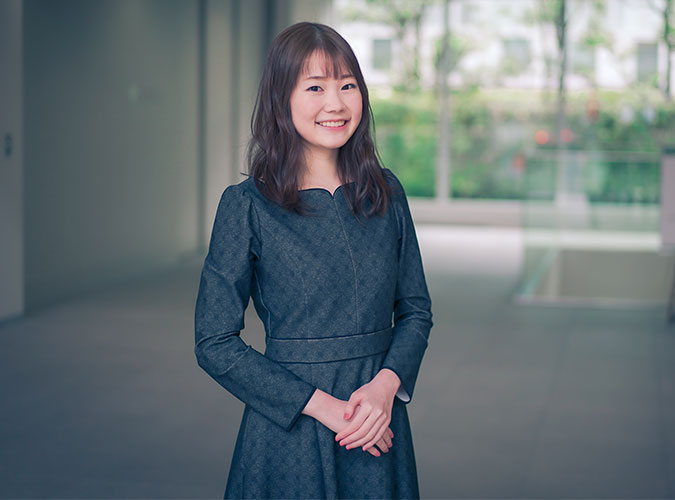
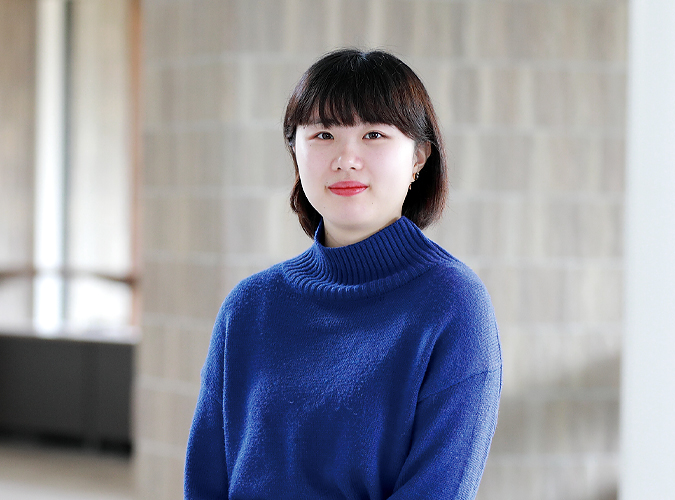
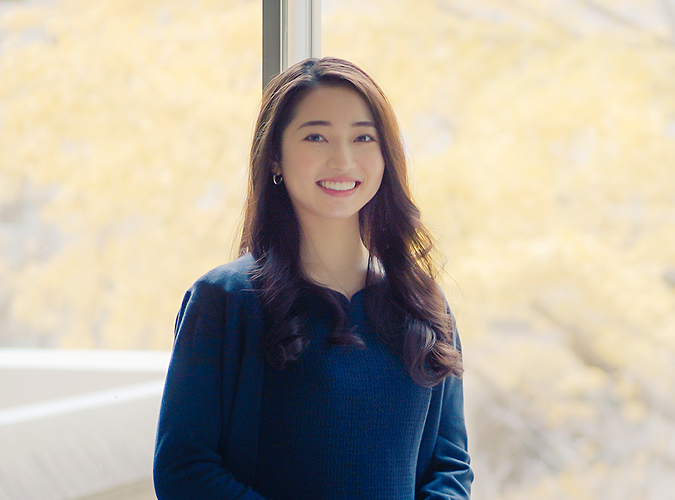
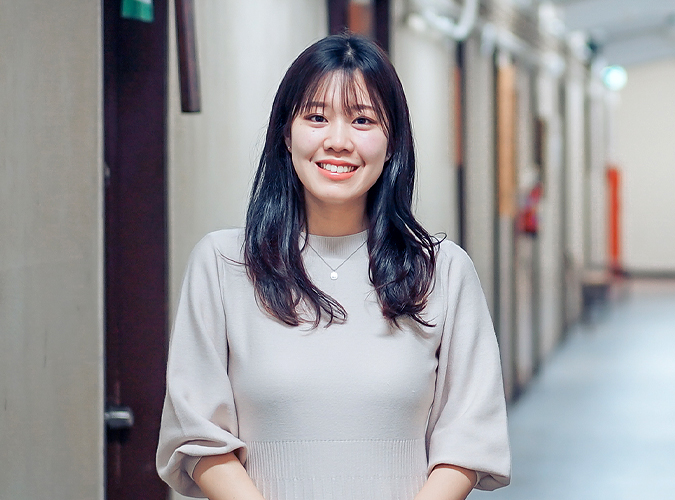
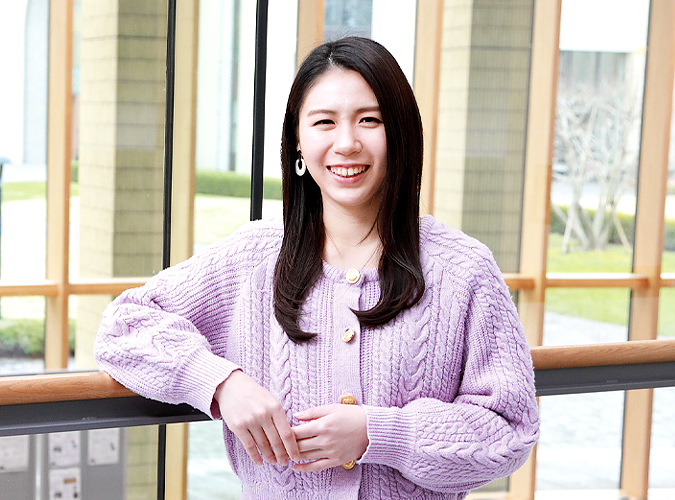
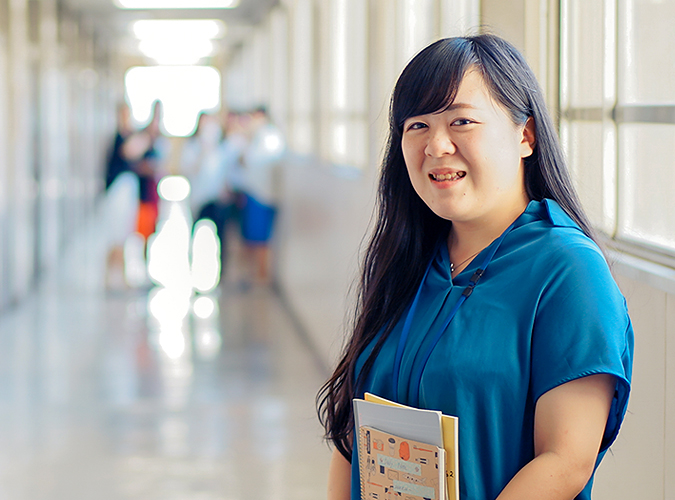
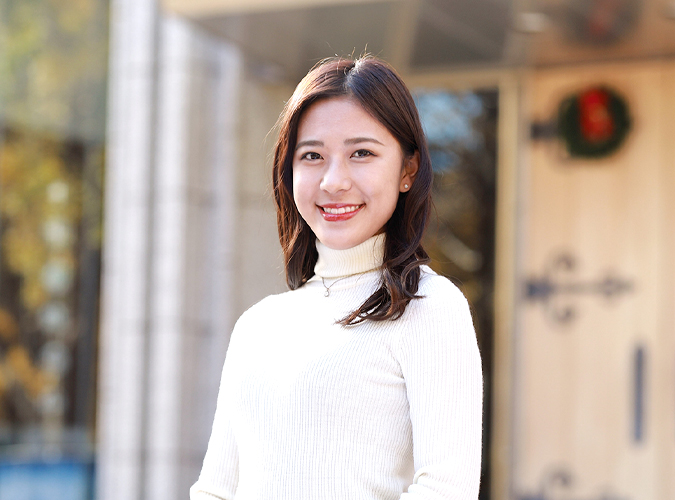
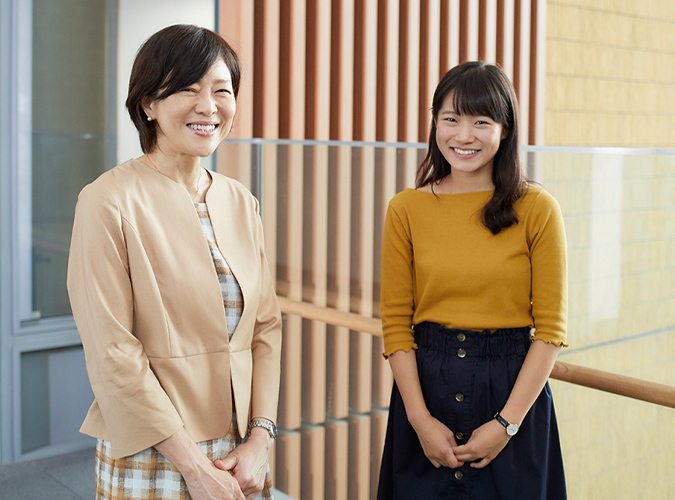
Narano Ayaka says that since she was a child, she has had no choice but to enjoy thinking about arithmetic and mathematical problems. At university, she has found that studying mathematics, which she loves, has become even more enjoyable, and she has begun to see a way to use mathematical skills to contribute to society, something she could not have imagined at first. We spoke to Narano, who specializes in probability theory, about the fun of mathematics at university and her outlook for the future.
I studied mathematics in earnest at university and was able to understand mathematical problems.
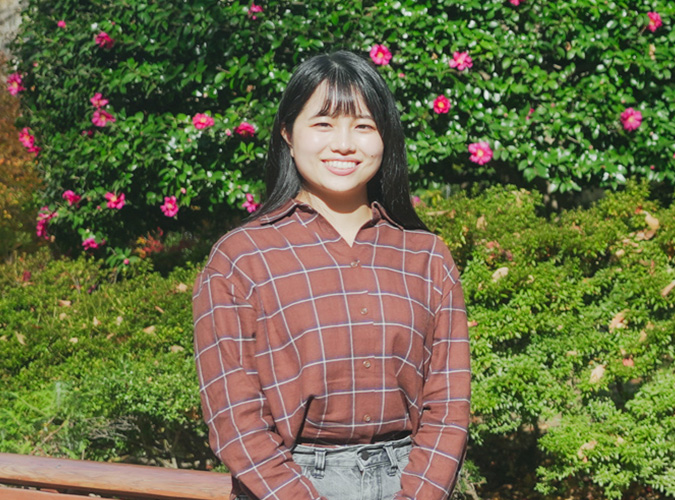
I've loved math since I was a child. I still remember well learning the "Tortoise and Crane Calculation" in the second grade of elementary school. There was a problem that no one in my class could solve, so my teacher told me to "try thinking about it at home." I had a lot of fun thinking about it at home, and I realized that I "love math." After that, in junior high and high school, I tried advanced problems and more difficult problem sets in the math textbooks, and I became so engrossed in the world of math that I would think about math problems even during meals and before going to bed.
I naturally wanted to major in mathematics at university, and I liked the spacious environment of Sagamihara Campus, so I decided to go to Department of Mathematical Sciences the Faculty of Science and College of Science and Engineering. I was happy to be able to specialize in mathematics, which I love, but at the time I didn't really understand how mathematics was useful in the world, so I was worried about whether it would lead to a good future.
However, after entering university, I have come to realize the joy of mathematics even more deeply through my studies. For example, the "Analysis IA / IB" class was like an extension of the "Differential and Integral Calculus" I learned in high school, but it not only properly explained the parts I hadn't learned in my high school textbook, but also taught me about unsolved mathematical problems, making it a very rewarding class. I think I was able to learn more seriously than I had in high school, in that I was able to clearly understand what I know, what I don't know yet, and the current mathematical situation.
I was also pleasantly surprised by how close the professors are to the students. When I think of university classes, I imagine listening to professors lecture in large classrooms, but all the professors remember the faces and names of each student and will casually talk to them in the hallways. It's easy to ask questions when there's something I don't understand, and it's an environment where I can consult without hesitation when I have concerns about choosing a lab or how to study.
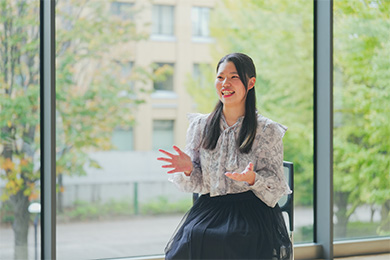
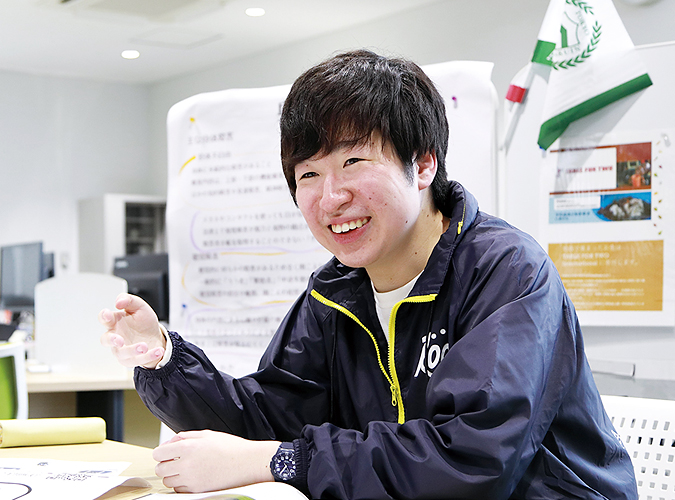
Through the new experience of discussing mathematics with others, students will also develop the ability to communicate with others.
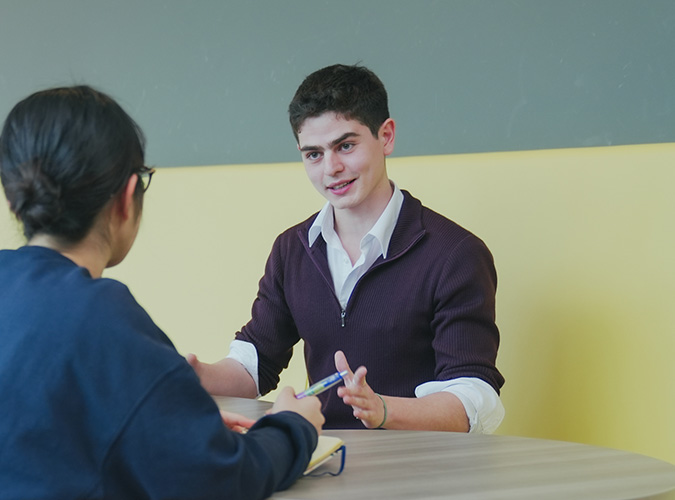
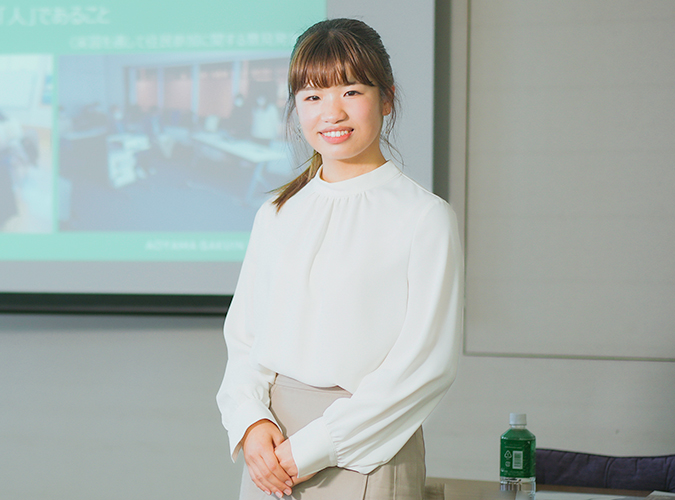
From the third year, the way of learning also changed. In "Mathematics Specialized Exercises I and II," students solve problems given as assignments at home and present their solutions, or read books on topics of interest and summarize the contents. When presenting their solutions, students exchange various opinions, such as "I think this point is the problem with that method," or "Isn't there another way to think about it like this?" Up until then, I had taught my close friends problems that I didn't understand, but it was the first time I had discussed mathematics with a large group of people, so it was a very refreshing experience. By discussing with others, I was able to realize that my understanding was unclear, and I was also able to correct my mistakes with the help of other students' comments. Questions such as "What happens in this case?" sometimes gave me a new perspective, so after experiencing discussions with other students, I no longer thought that "it's enough if I understand," and I became conscious of thinking from various angles and understanding until I could explain it in front of others.
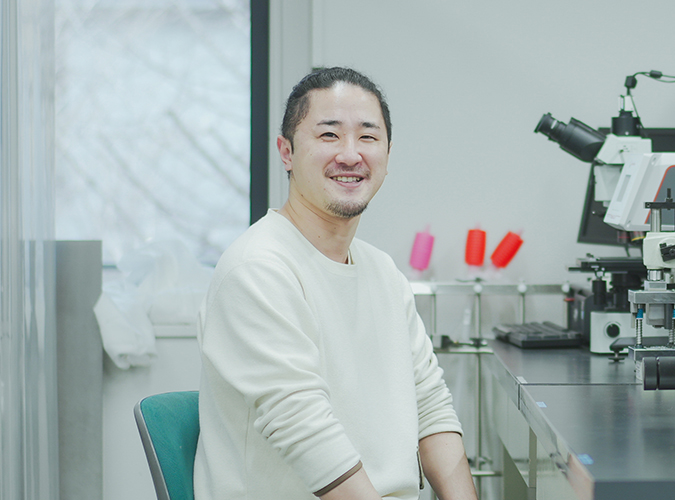
In my first and second years, I mostly studied basic theories, but from my third year onwards, I had more opportunities to learn how mathematics is applied in society. In particular, Professor Suguru Yamanaka 's "Financial Mathematics" class was a class where we learned about problems in the field of finance from the perspective of probability theory and statistics. I was impressed by how it linked my original interests in economics and finance to mathematics, and I wanted to learn more about this field.
In this way, I was able to see my future contributions to society and the field I wanted to study, but I had a hard time choosing a lab to join. The option of gaining a deeper understanding of financial mathematics in Professor Yamanaka's lab was appealing, but I was also very interested in learning the theoretical foundations of probability theory.
When I studied probability up until high school, I always had questions in my mind like, "That may be true in certain circumstances, but what would happen if the circumstances were different?" However, I was not able to get to the bottom of it with the knowledge I had up until that point, and I felt that I would be able to deepen my understanding by studying at university, so I wanted to learn more. Also, when I saw surveys and statistical data reported in the news, I would often wonder, "Under what conditions were they interviewing what kind of people to get the results?", and I also wanted to go to an environment where I could mathematically verify such questions.
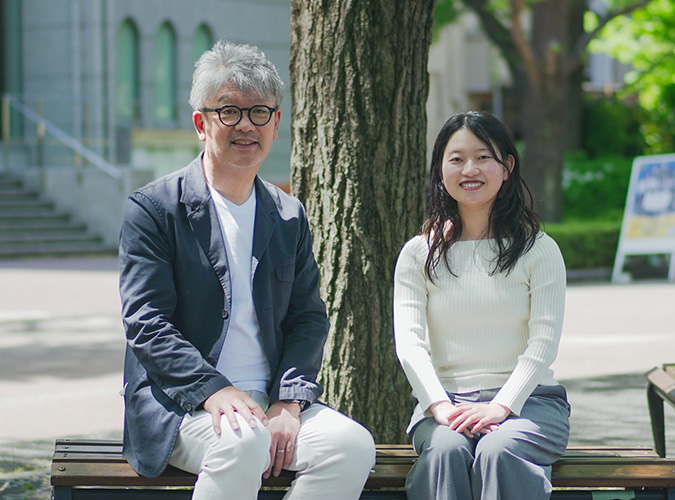
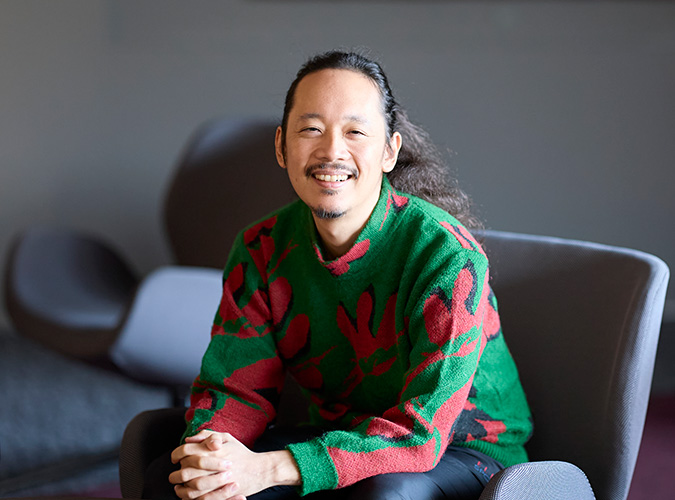
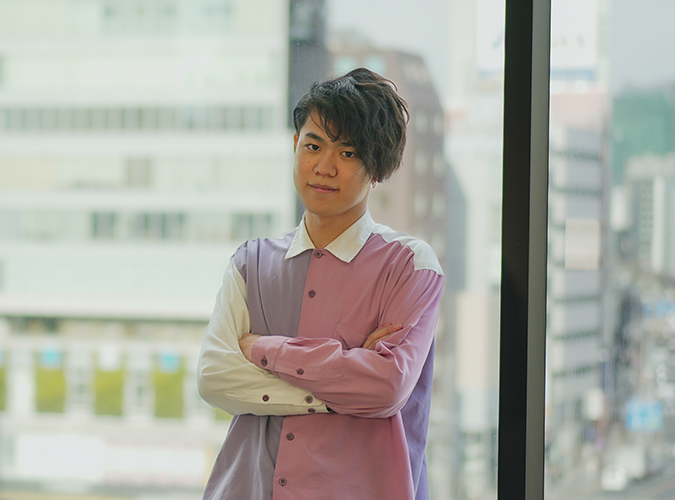
After consulting with my seniors and professors, I learned that there was an option to choose different laboratories for my undergraduate and graduate studies. Ultimately, I studied probability theory in Professor Naoyuki Ichihara 's laboratory as an undergraduate, and after moving on to the master's program, I decided to join Professor Yamanaka Taku's laboratory and continue my research by applying the theories I had learned in my undergraduate studies.
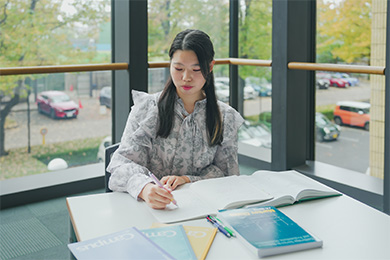
Valuing a wide range of education and experience to cultivate skills for the future
I also value actively learning a wide range of fields, not just mathematics. One of the reasons I chose Aogaku was the rich selection of "The Aoyama Standard" courses that are common to all students and allow for a wide range of learning. In particular, "The Science of Interpersonal Relationships B," which teaches communication from the theory of psychology, allowed me to gain deeper insight into the content, which can also be applied to behavioral economics and marketing, which are related to economics and finance. Acquiring a wide range of knowledge and understanding the current state of society will be essential for future research in mathematical finance. I also try to broaden my experience by reading various books to gain knowledge and accepting invitations from friends as much as time allows.
In my part-time jobs as a private tutor and cram school instructor, I don't just teach students how to solve problems, but I also try to teach in a way that develops their thinking skills and helps them find the joy of studying. I use the experience I gained from these part-time jobs to share information about study methods and mathematics for junior and senior high school students on my blog and social media. I sometimes receive messages from people who read my blog, which makes me happy to know that they rely on me, and it also gives me the opportunity to study effective ways of communicating.
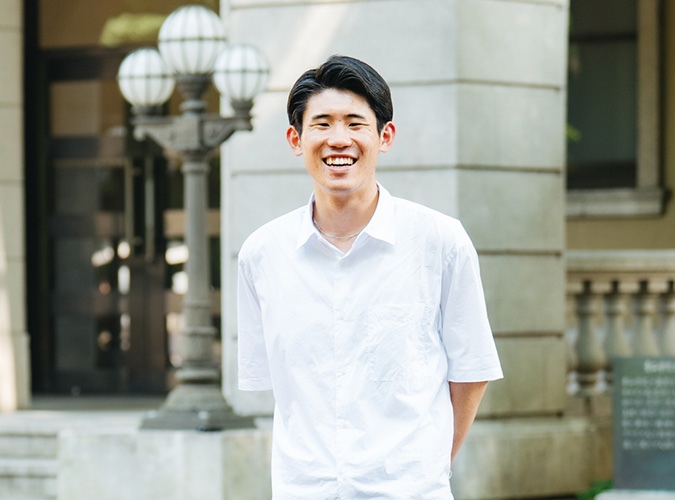
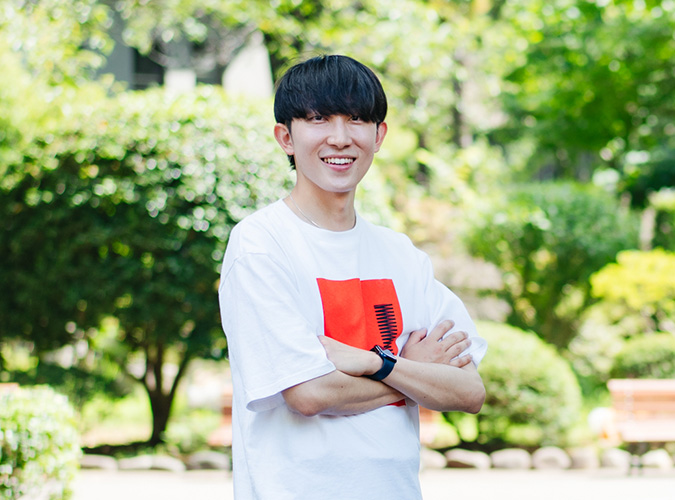
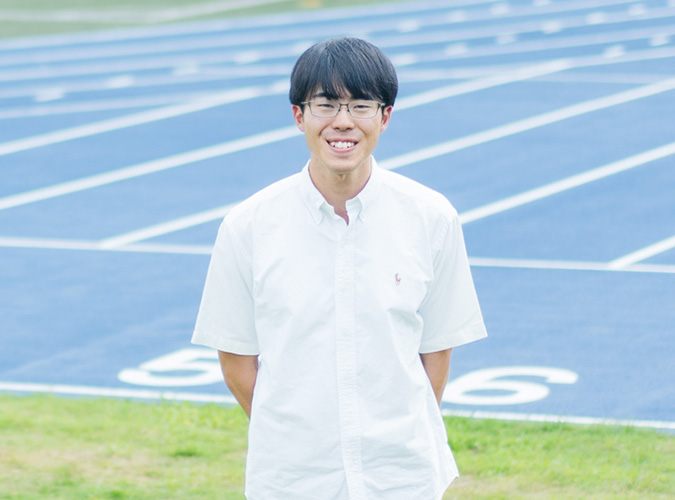
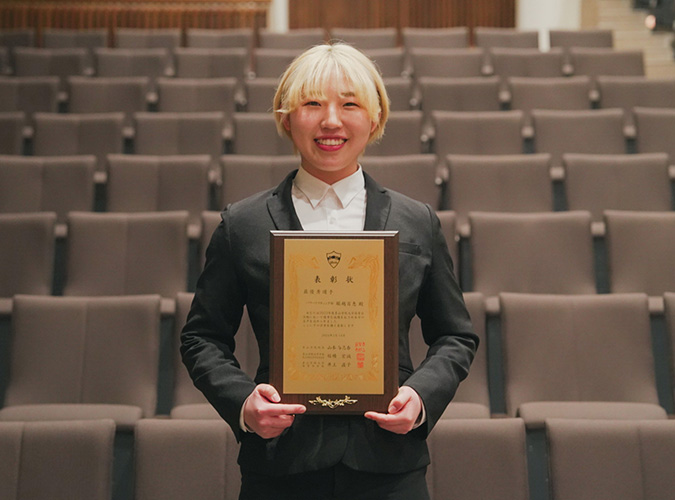
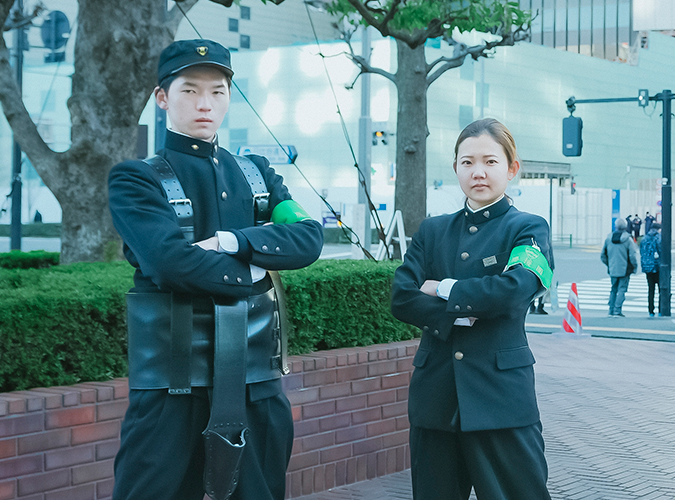
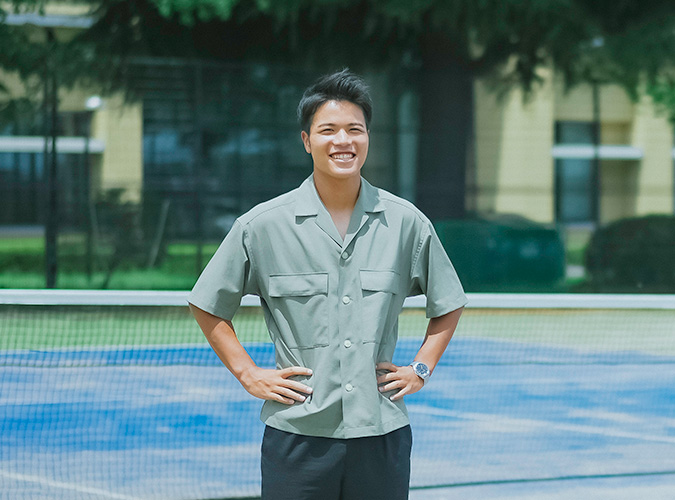
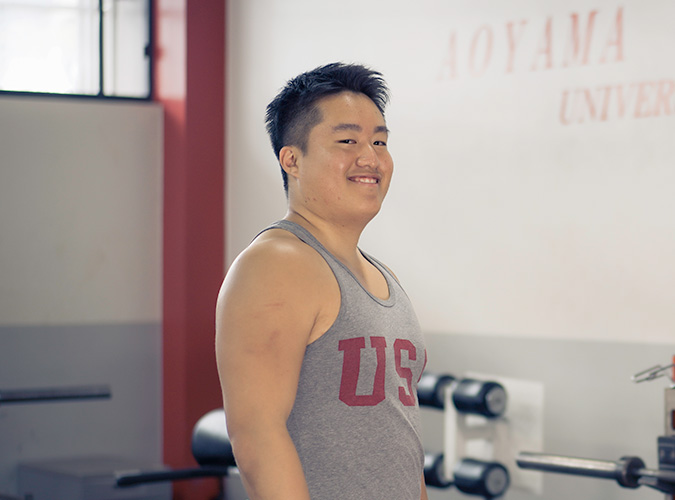
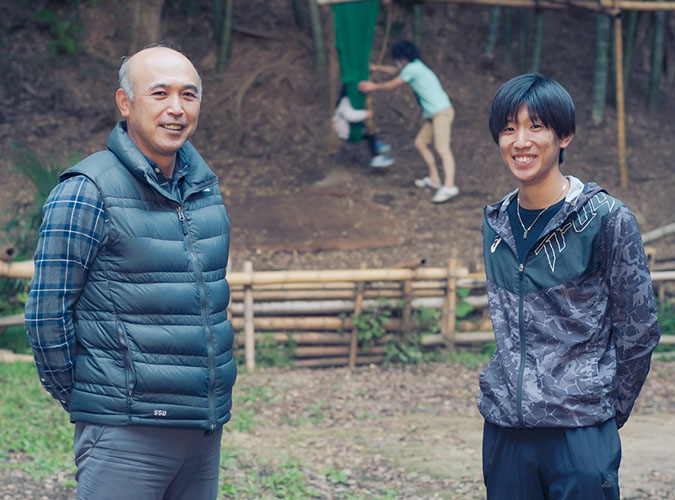
 He has been devoted to swimming since he was 2 years old until he reached high school age, and has achieved many accomplishments. He placed 7th in the Tokyo tournament and has also competed in the Kanto tournament.
Learn probability theory under precise guidance with a view to studying mathematical finance at graduate school
Currently, in the lab, I am learning about "Markov chains," a branch of probability theory. Markov chains are models in which the probability of a state changing to the next state is determined only from the current state, regardless of the process that has taken place in the past. Markov chains are applied in a variety of fields, including statistics and physics.
In the fourth year, students read textbooks, research topics that interest them, and present their findings. I will be presenting on the algorithm of the Markov Chain Monte Carlo method, a method that is also applied in the fields of machine learning and finance, and I plan to use this field in my graduation research as well. At first, I thought that the topics we were interested in and would be presenting on would overlap, but there were some students who were delving deeper from a physics perspective, and others who were discussing the essence of mathematics rather than applications, and I found it interesting that each student had a different focus and perspective.
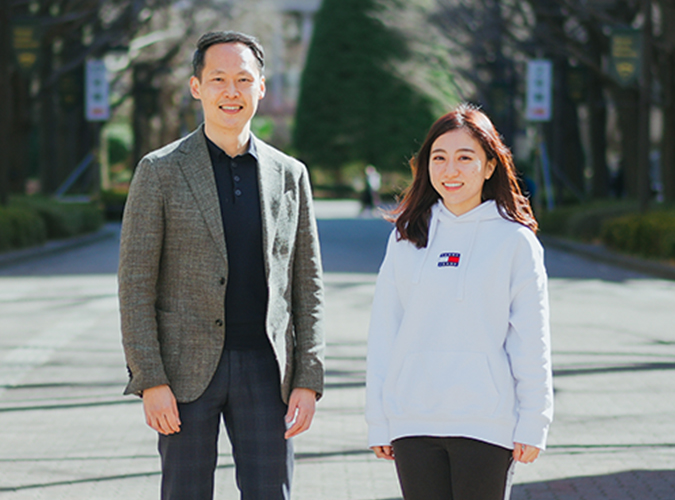
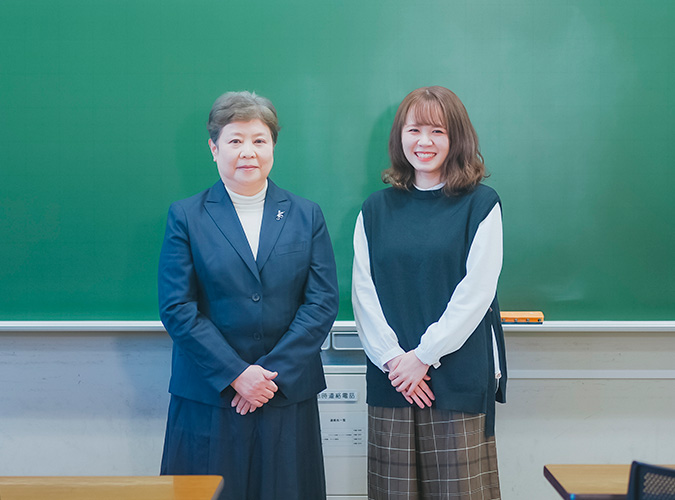
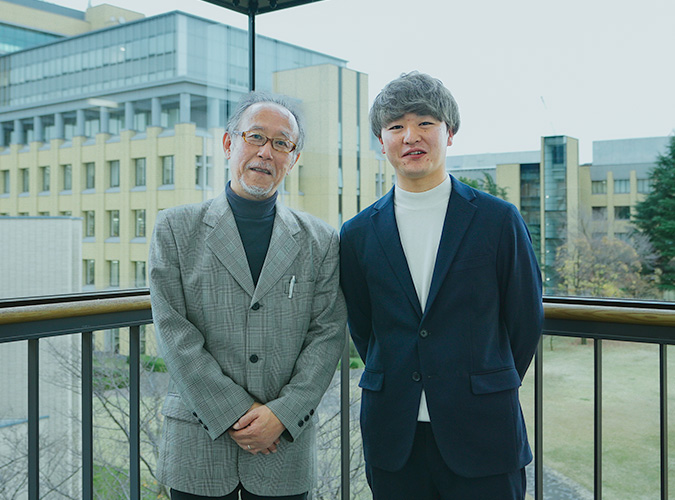
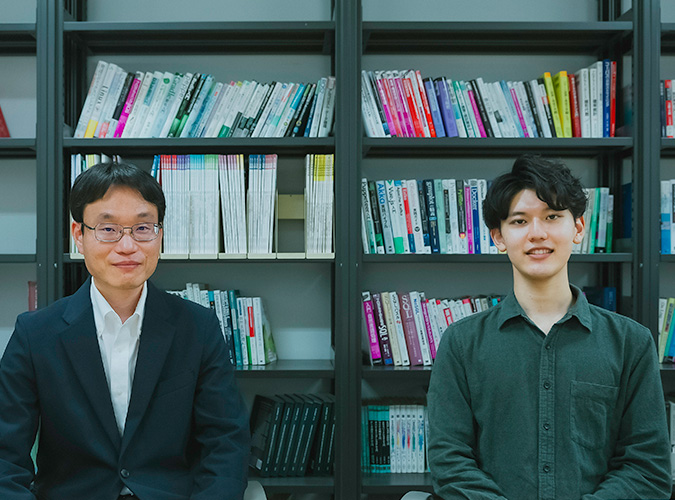
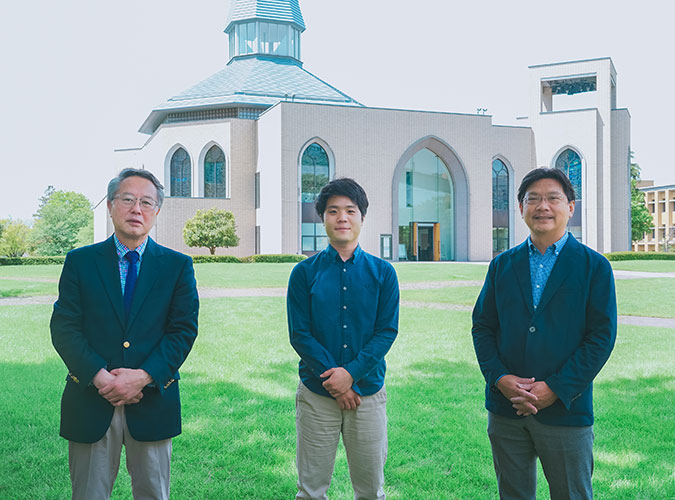
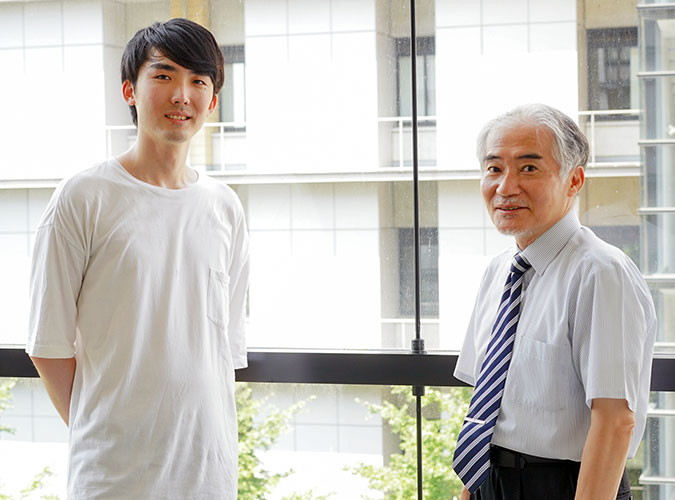
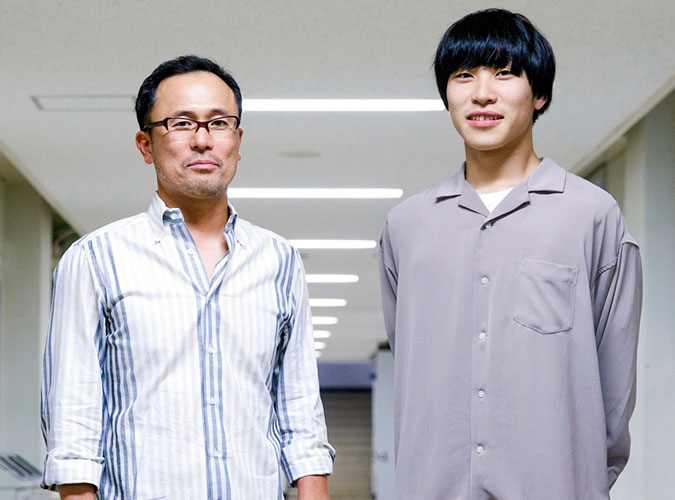
Professor Ichihara thoroughly discusses the mathematical reasons why it is true. I don't like to ignore things I don't understand or that are ambiguous, so I enjoy his detailed verification, and I'm very happy that he immediately points out anything suspicious when I give a presentation. The Ichihara Laboratory also has a free atmosphere that respects what students want to do, so in this good environment, I would like to first understand the theory of Markov chains in preparation for my graduation research, and to thoroughly understand the current mathematical situation and the methods currently being used. After proceeding to the master's program, I would like to use that basic knowledge to find problems in the methods and think about how to compensate for them in order to apply them in the field of finance.
I think there are many people who, like me, hesitate to major in mathematics because they don't know what specialized study of mathematics will lead to. At university, you will have many opportunities to learn how mathematics is useful in society, and you will gain various realizations and broaden your horizons. If you like mathematics, please consider majoring in mathematics.
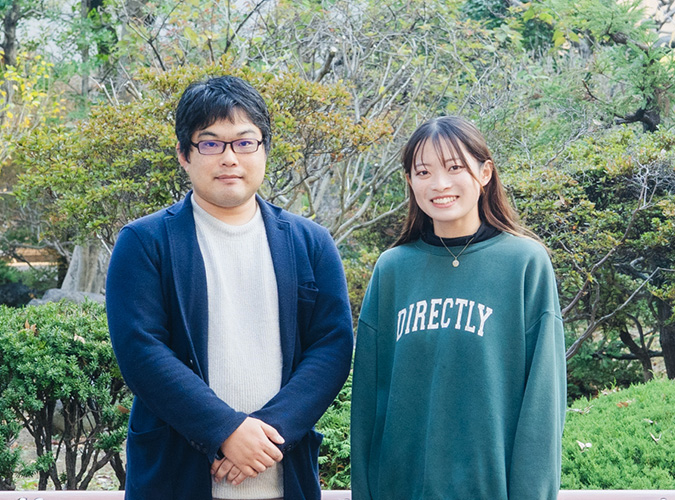
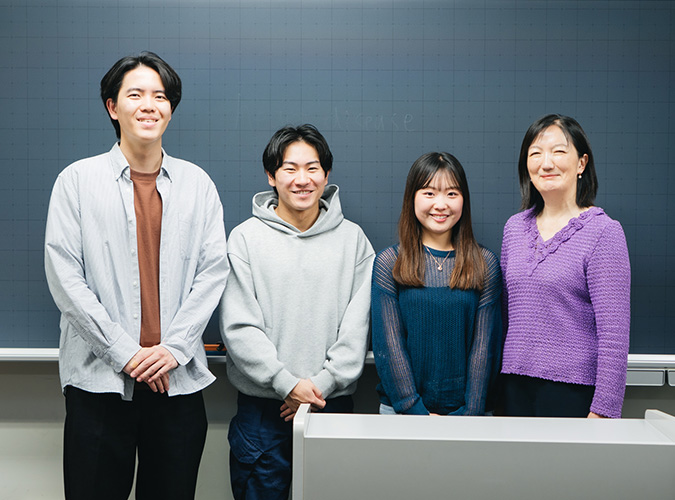
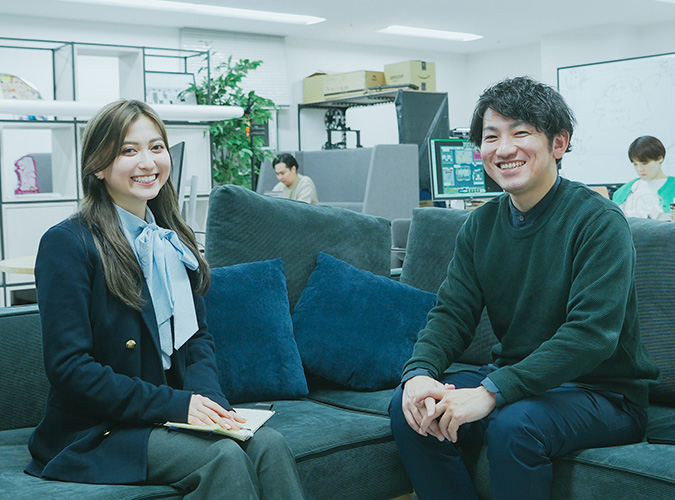
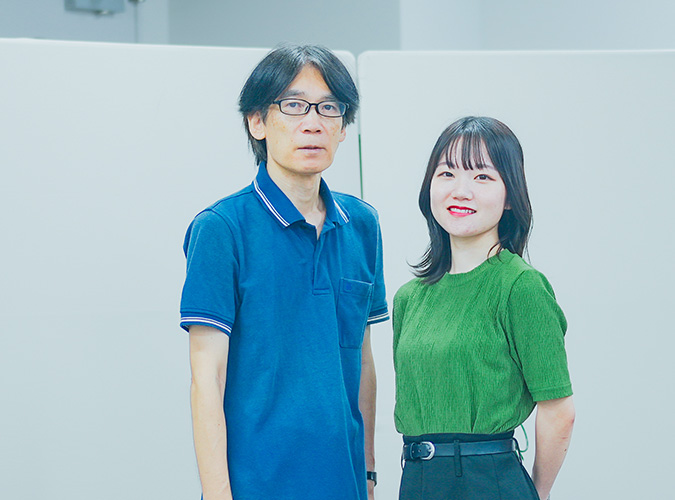
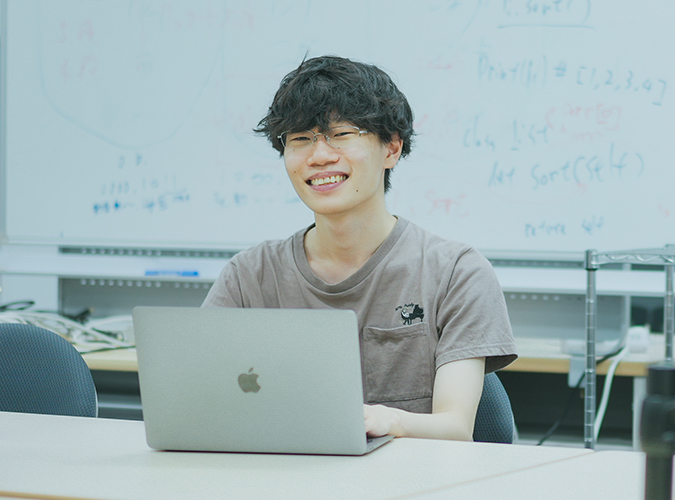
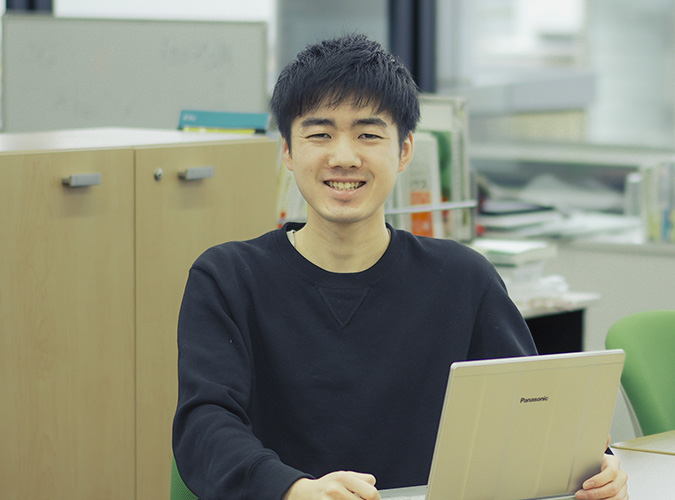
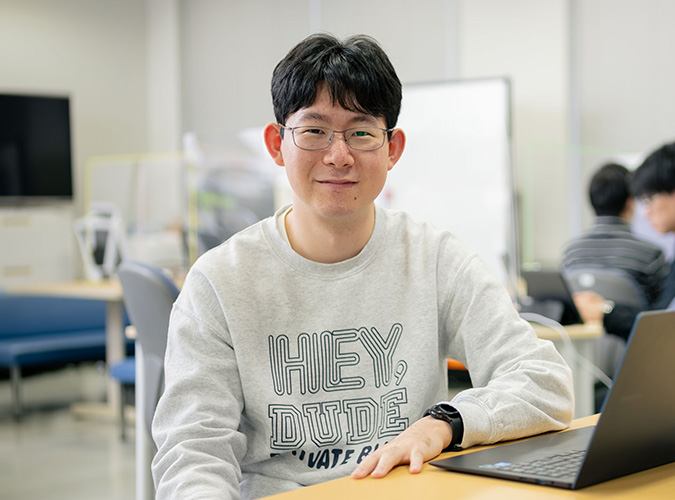
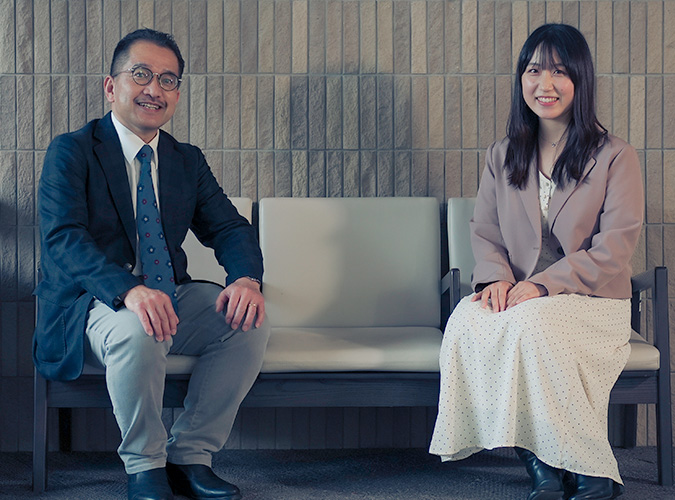
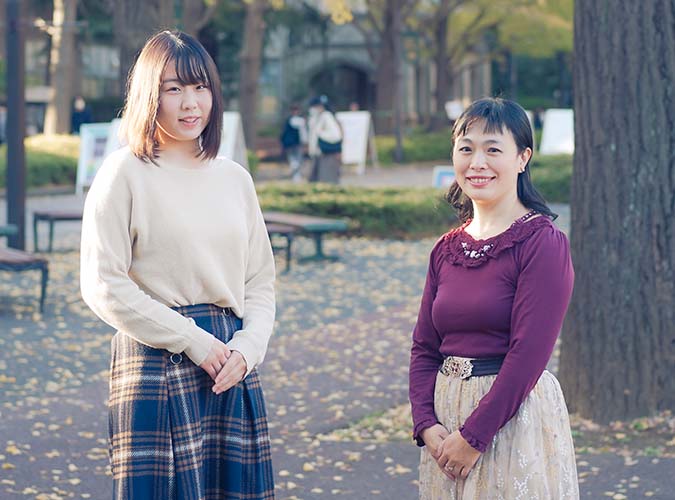
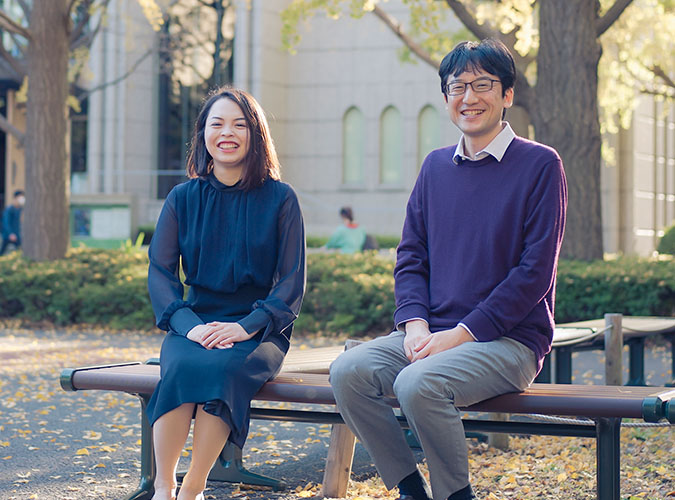
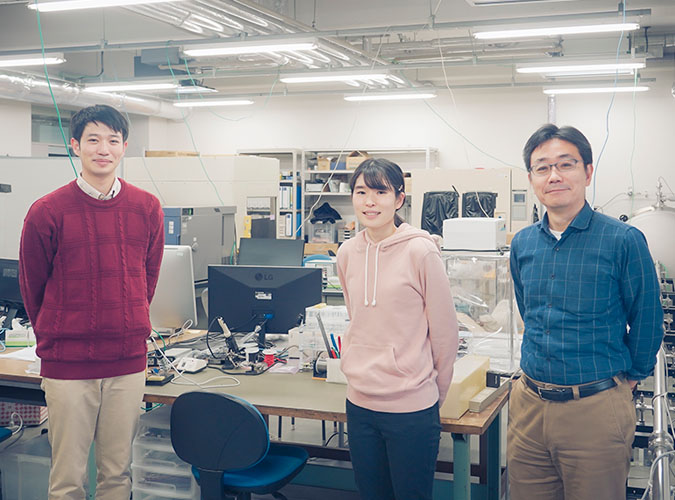
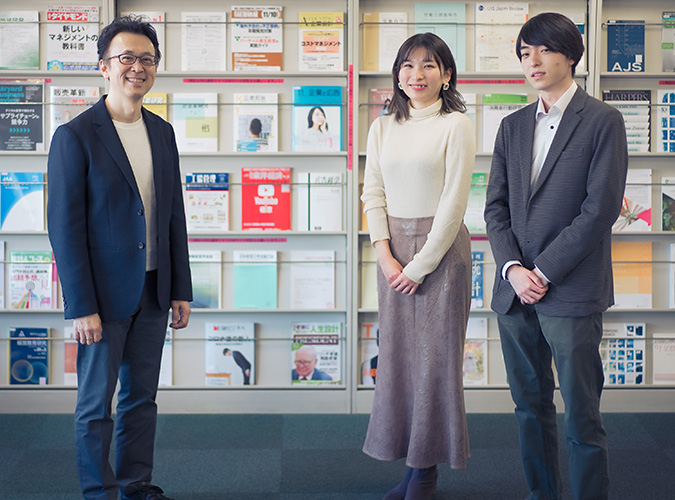
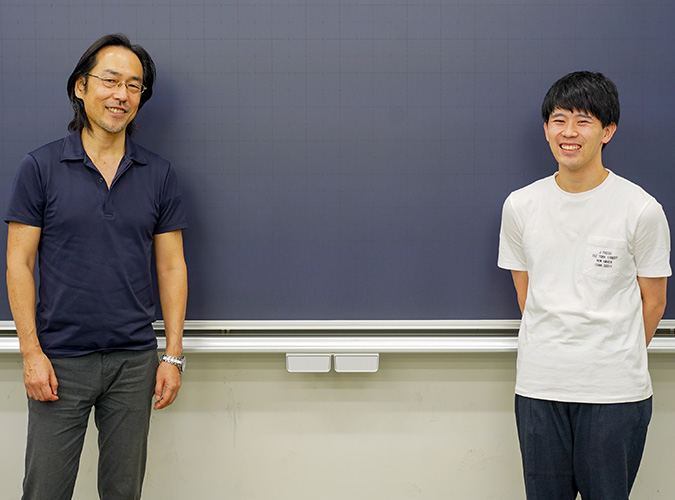
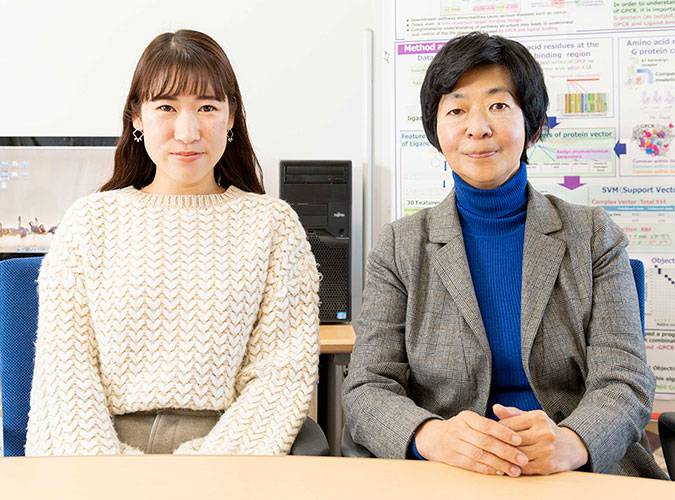
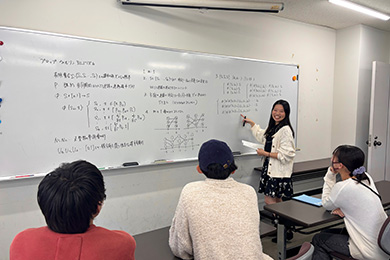 In the lab, students improve their skills through discussions with each other in a relaxed atmosphere.
*The links to each subject's "Course Content Details" are for the year they are published (2024).
College of Science and Engineering Department of Mathematical Sciences
Aoyama Gakuin University 's College of Science and Engineering provides an environment for learning science, including mathematics, physics, and chemistry, as well as technology, from the basics to the cutting edge. With the help of professors who are engaged in world-class research, we provide a place for experiments, exercises, and research activities using the latest equipment, and we also implement a unique English language education unified across all seven departments. Our future-oriented curriculum greatly expands each student's dreams and possibilities. While learning various fundamentals of mathematics, we conduct research on unknown matters related to mathematical science. The term "mathematical science" does not only mean mathematics as an academic discipline based on strict logic, but also mathematics as a tool to describe and solve various problems in the real world. Our goal is to acquire the habit and ability to think for yourself.