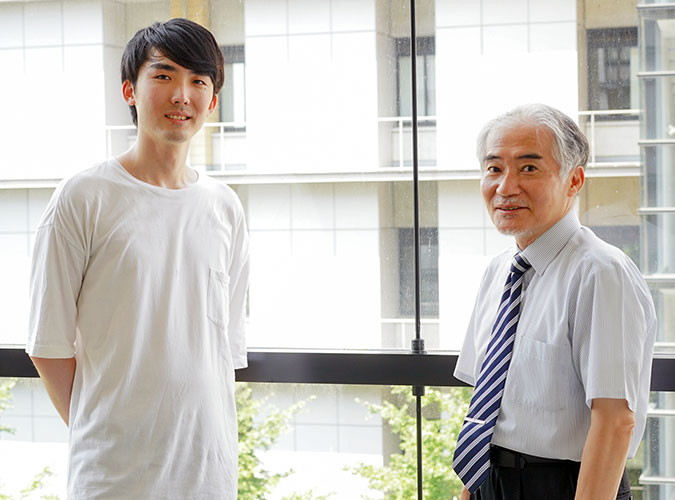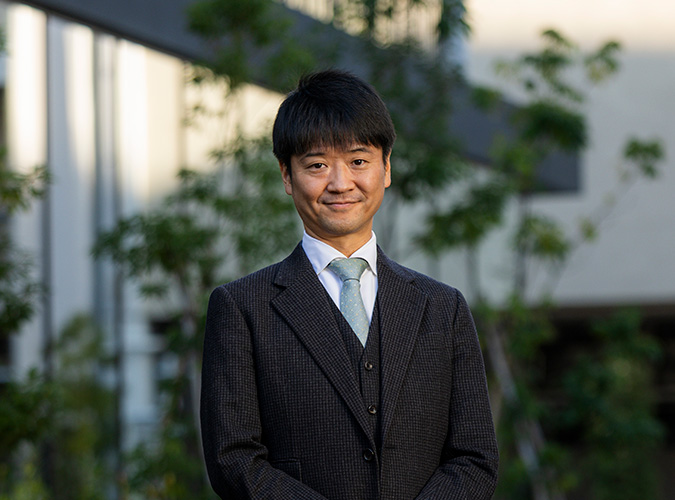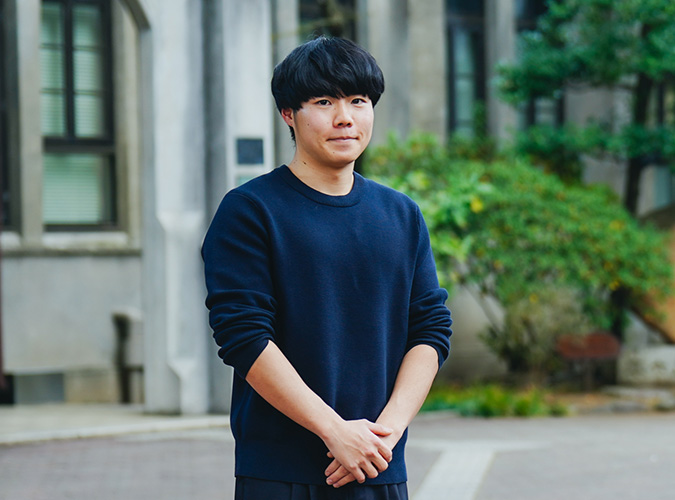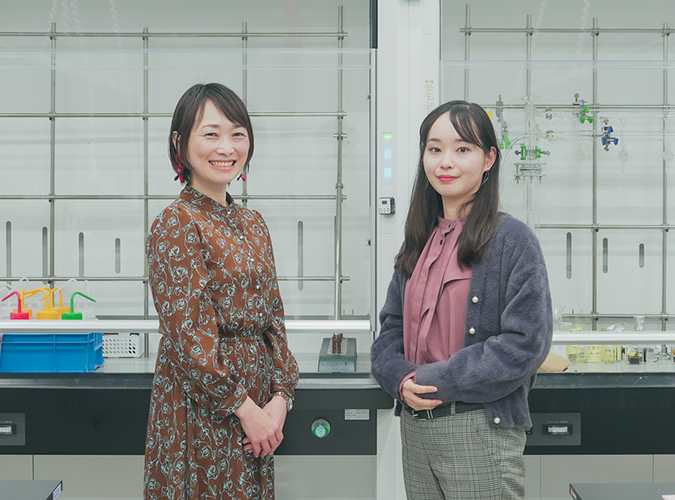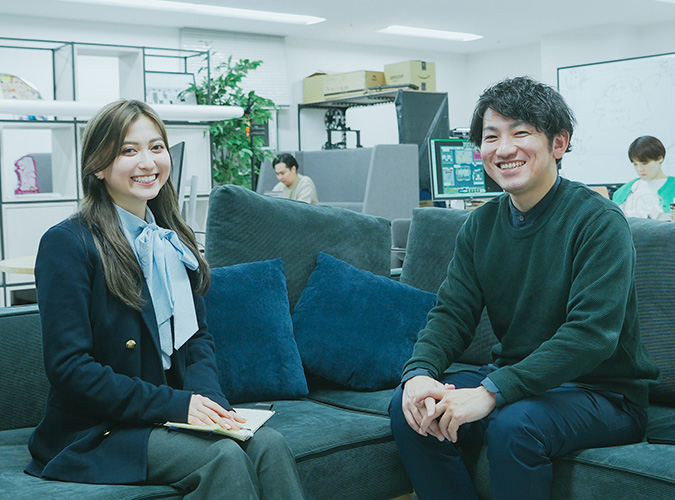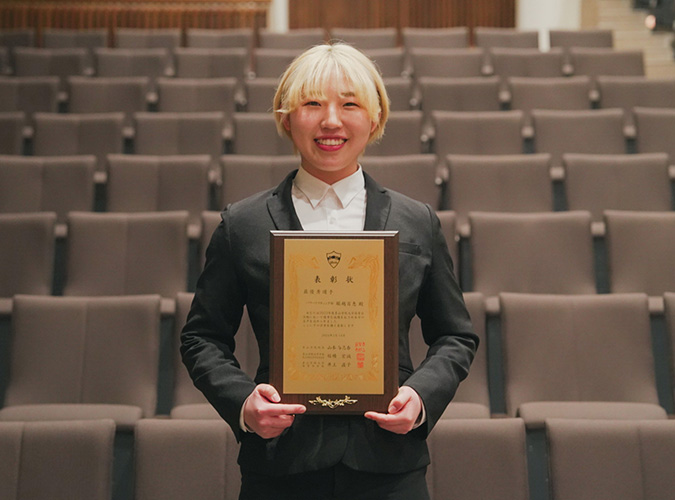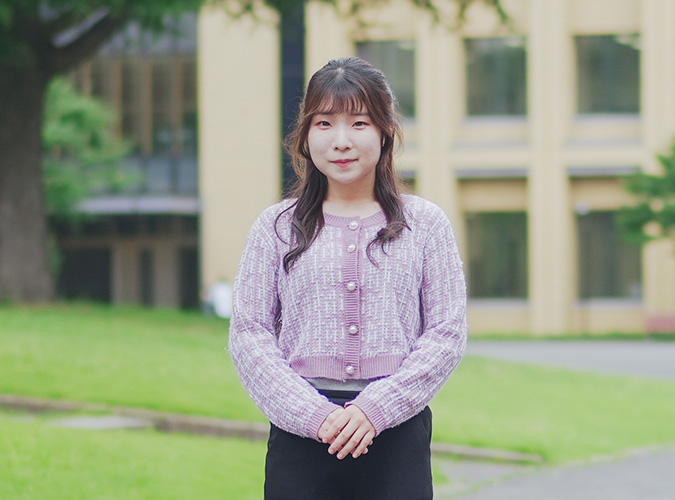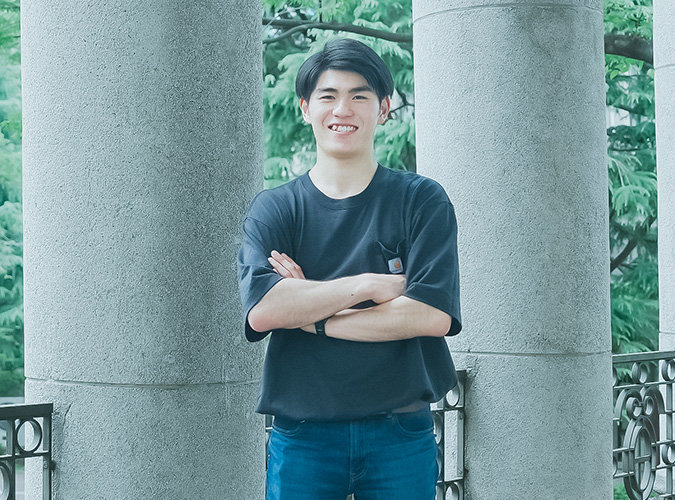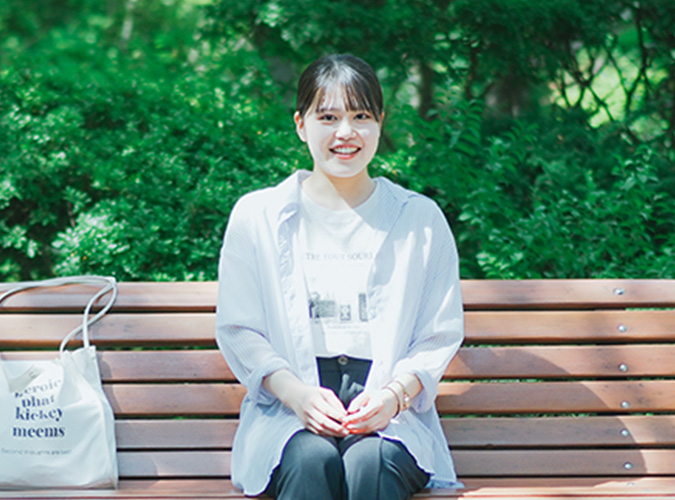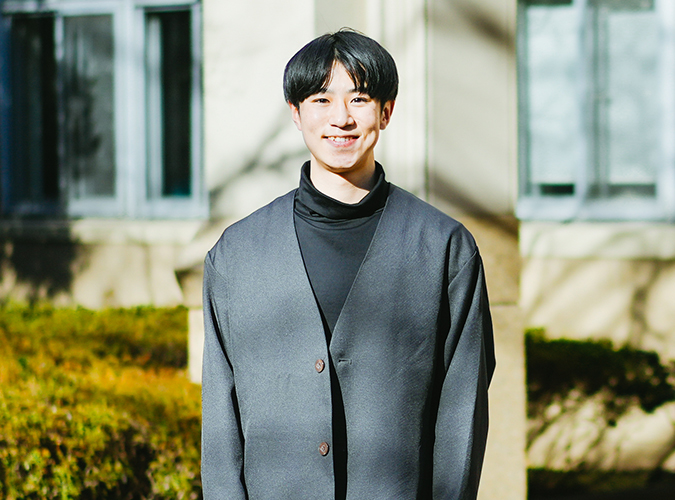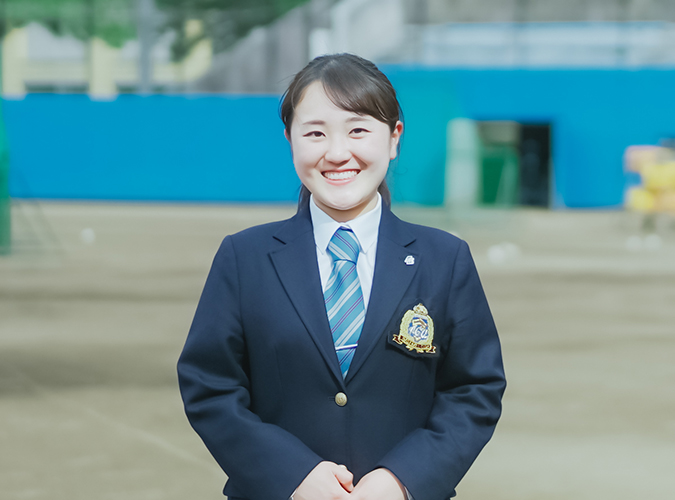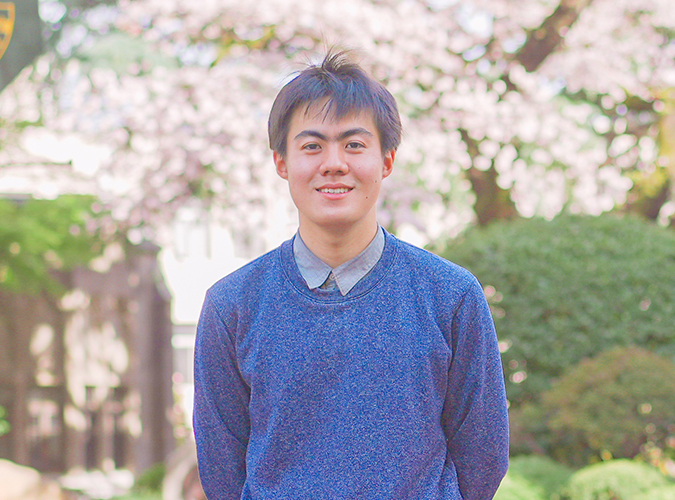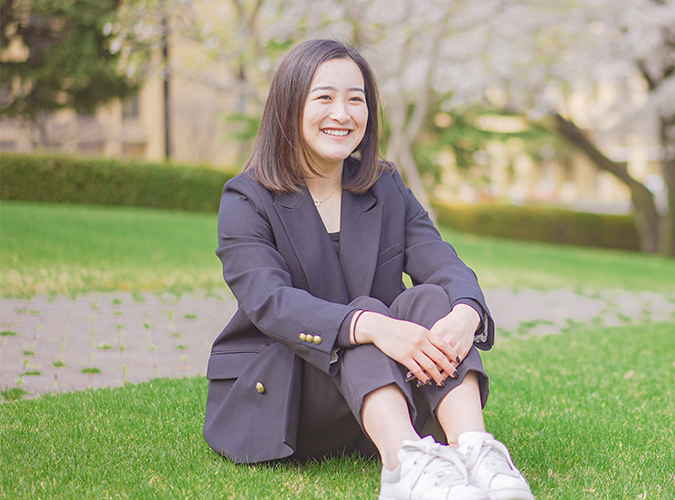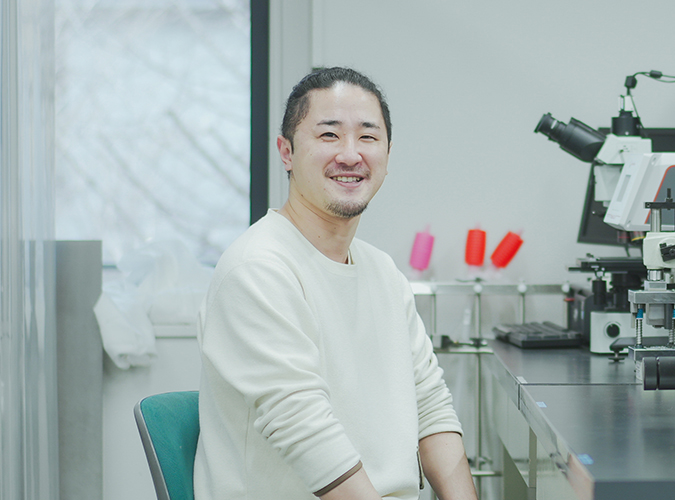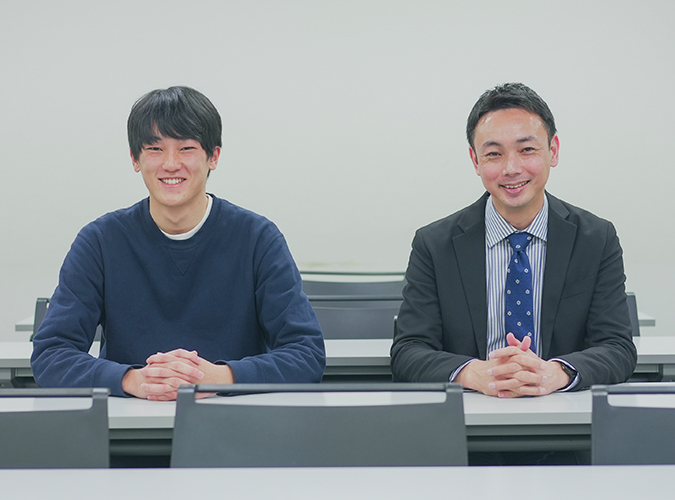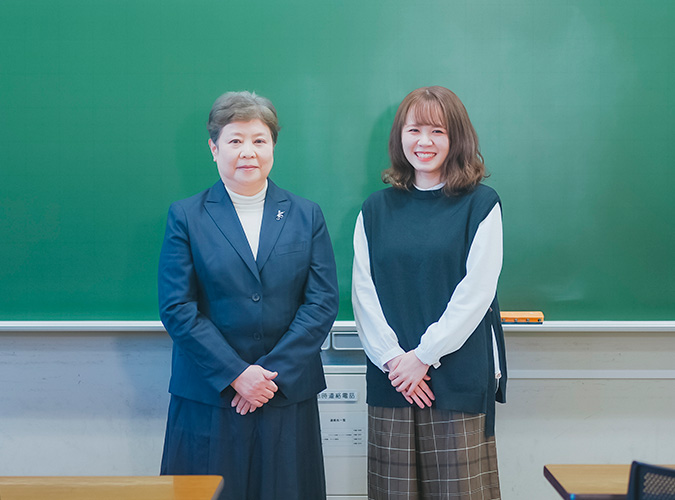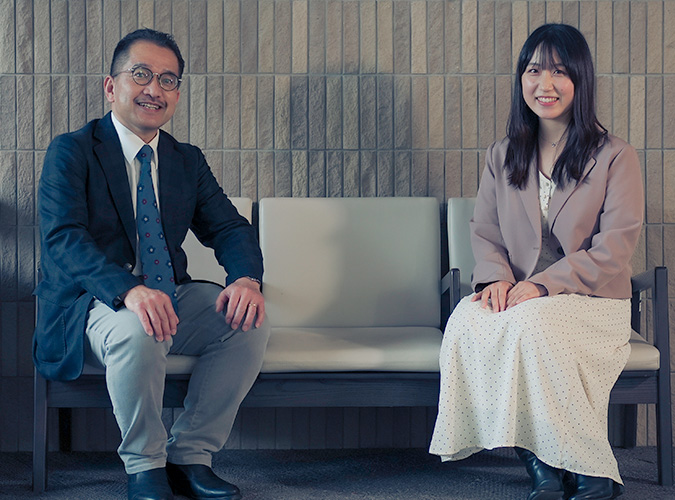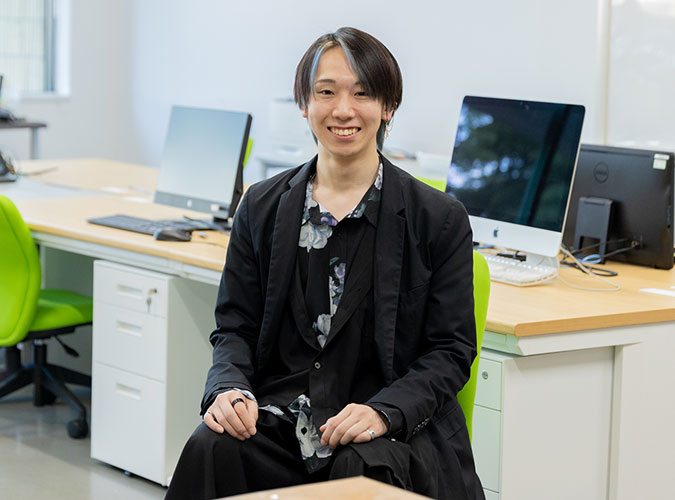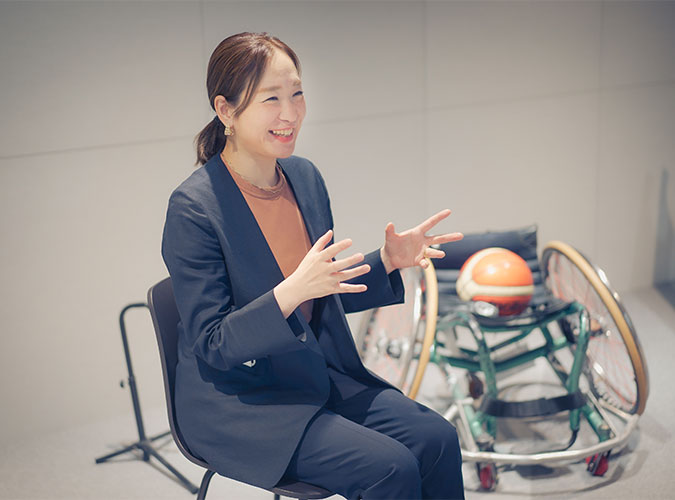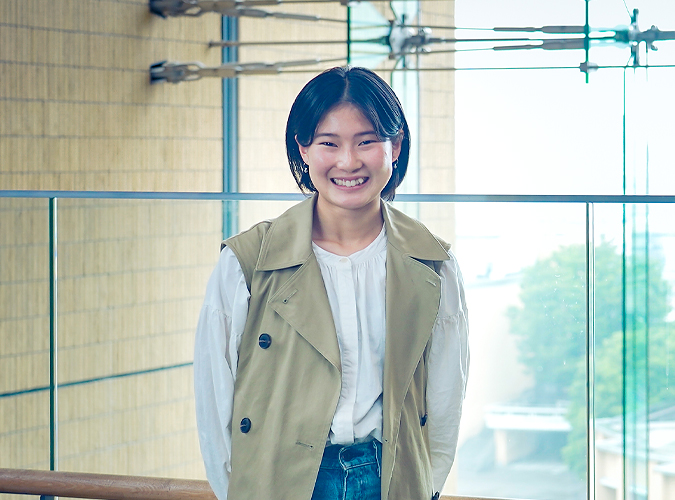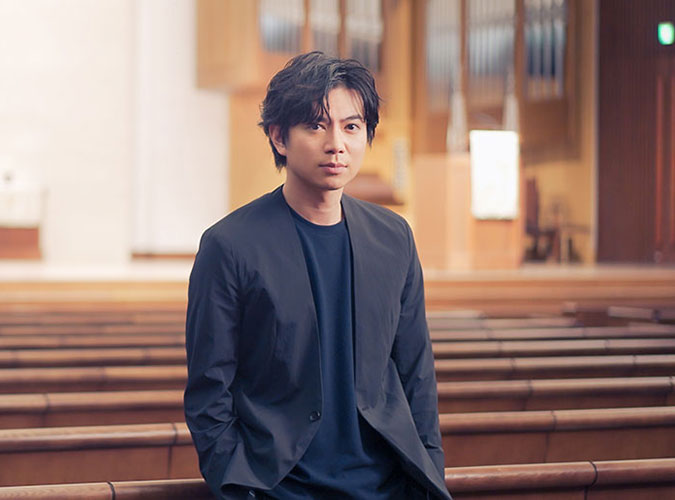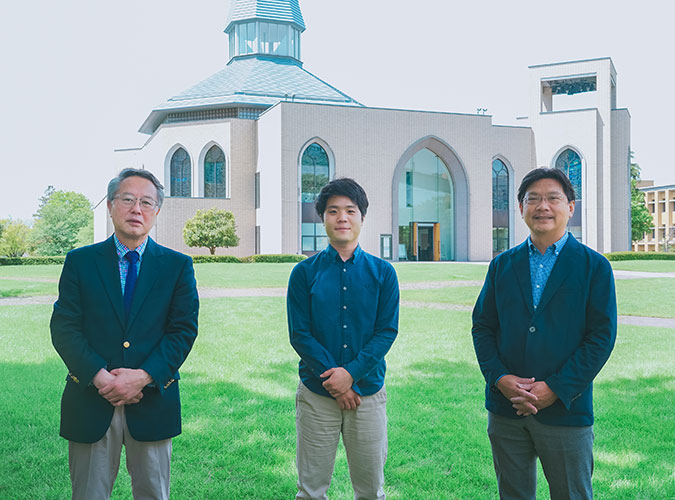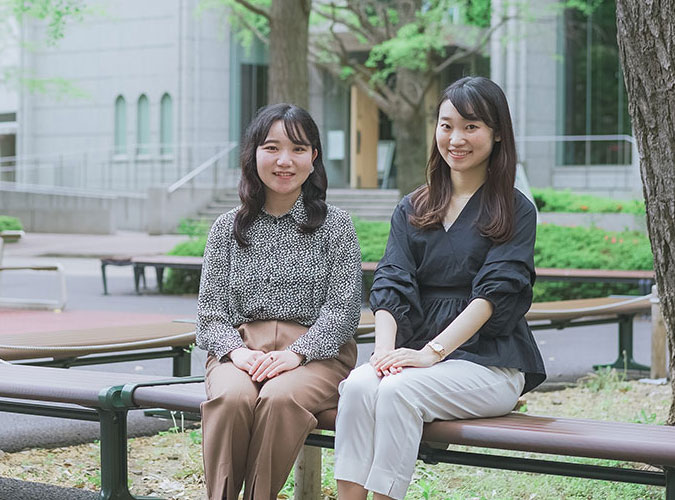
Message from Associate Professor Fukuda
Message
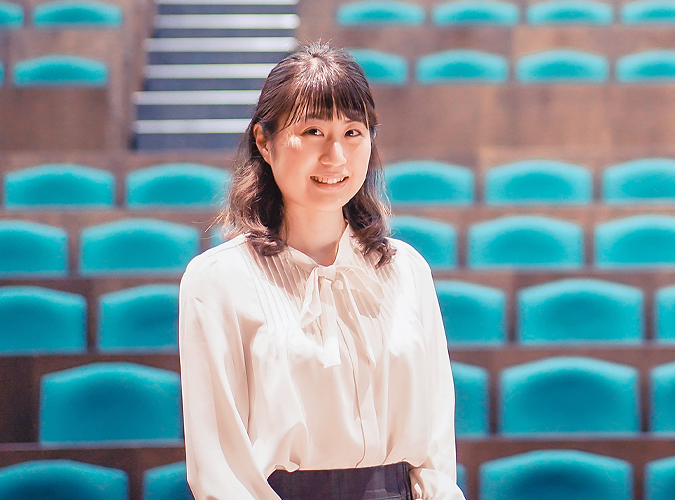
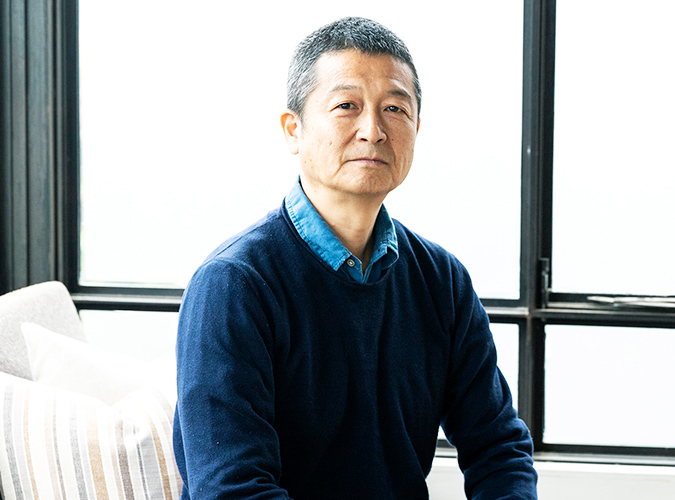
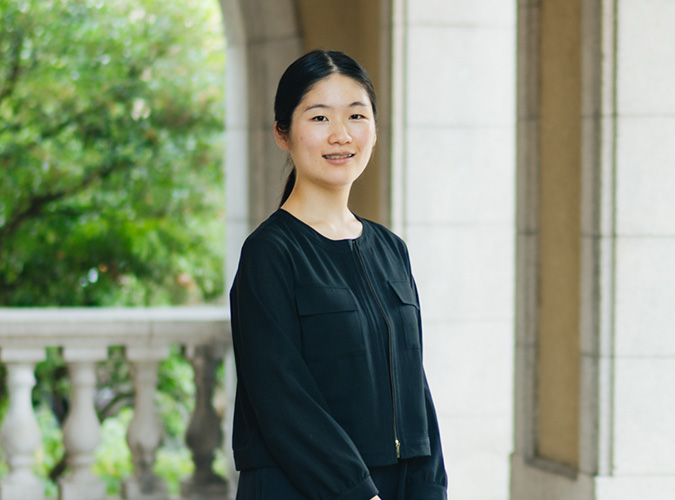
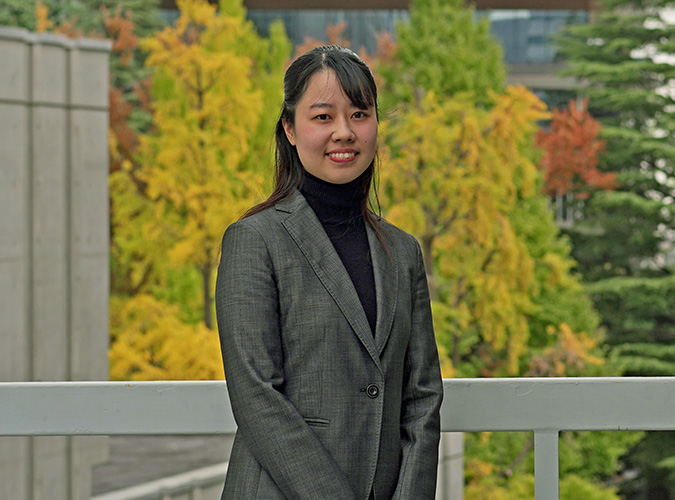
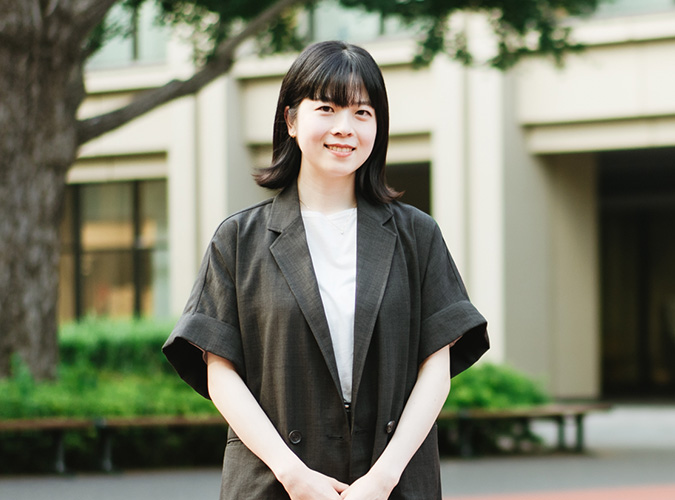
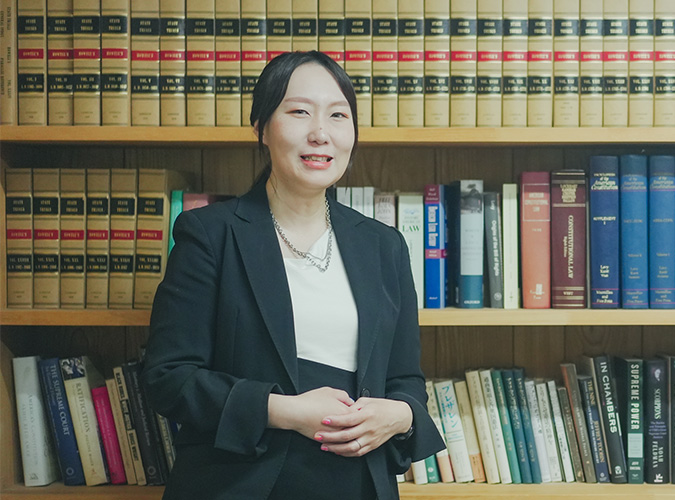
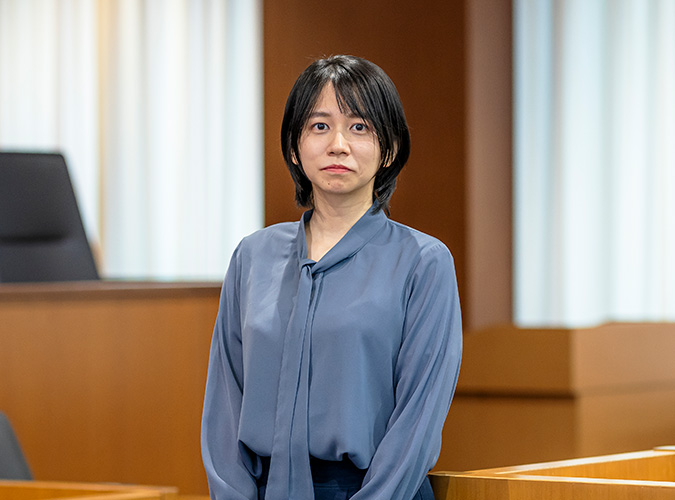
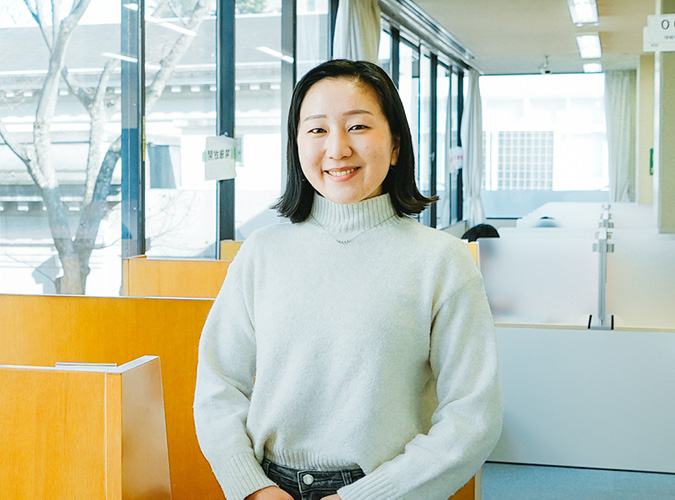
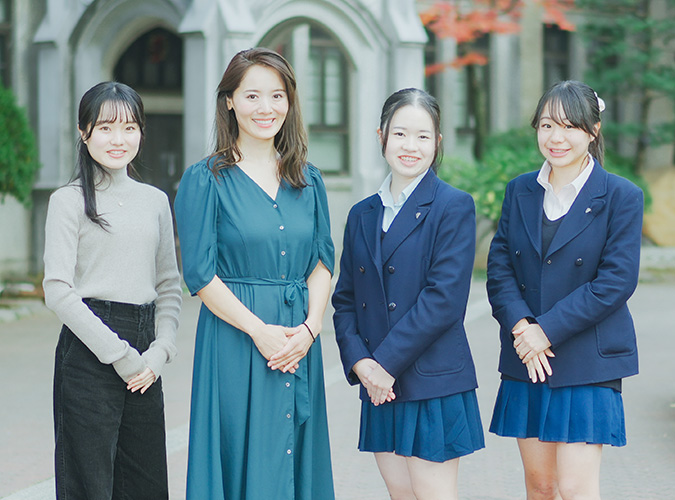
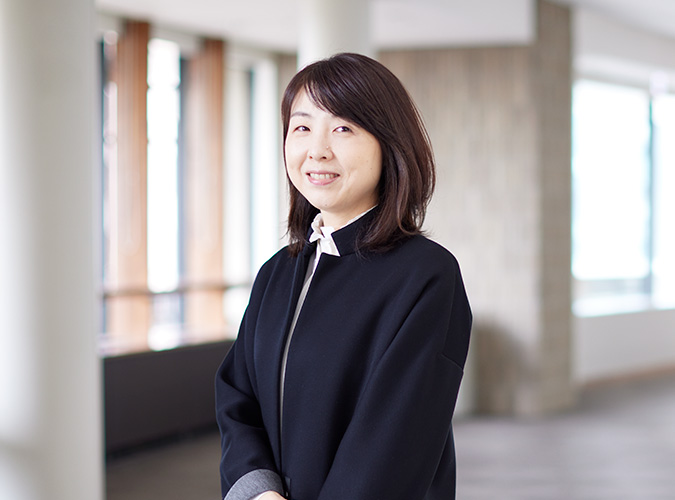
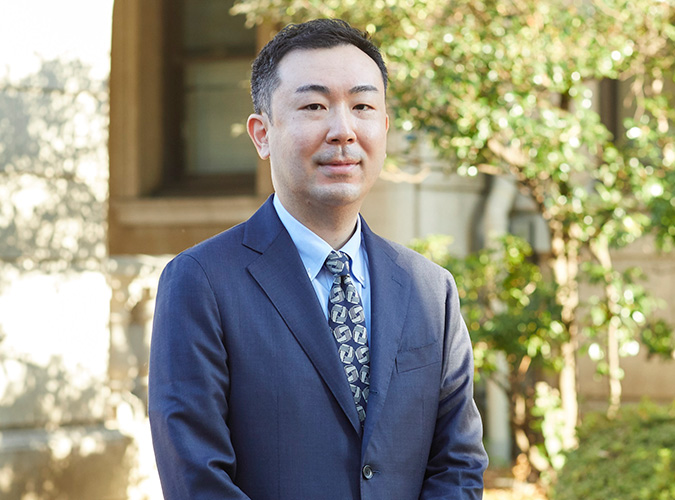
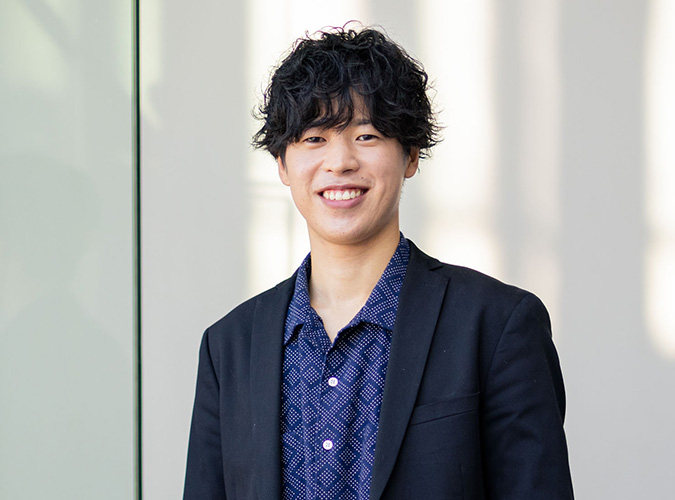
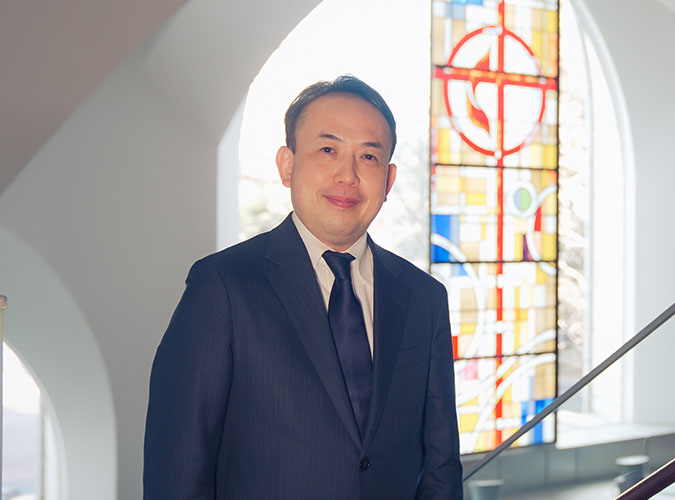
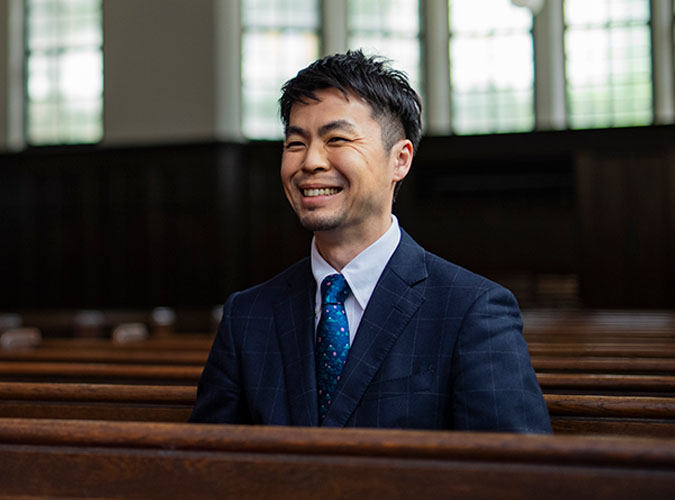
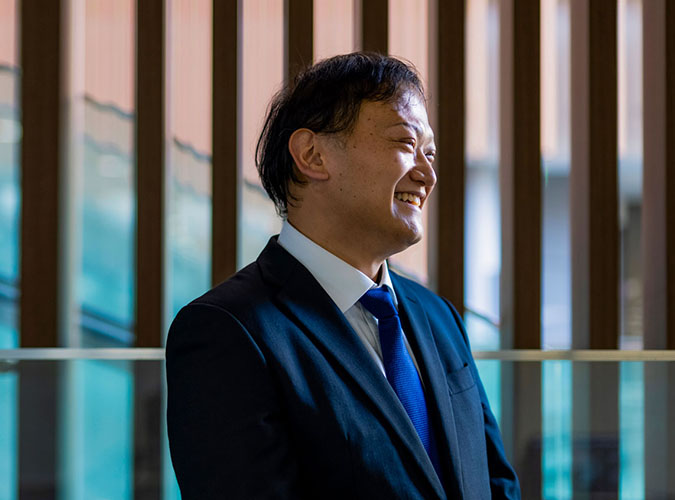
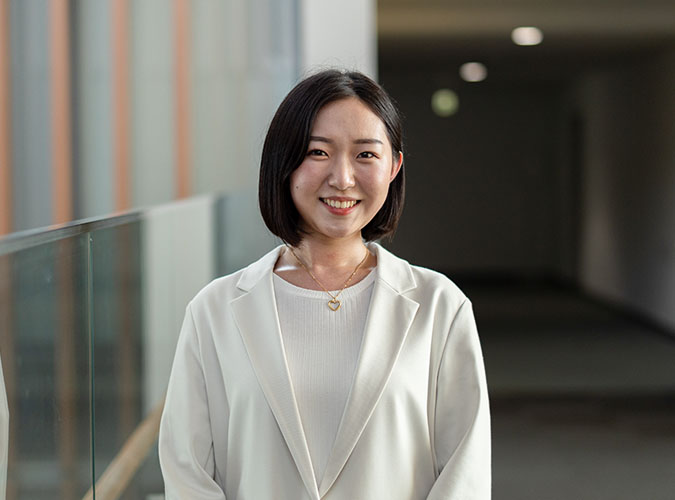
Miyuki Fukuda

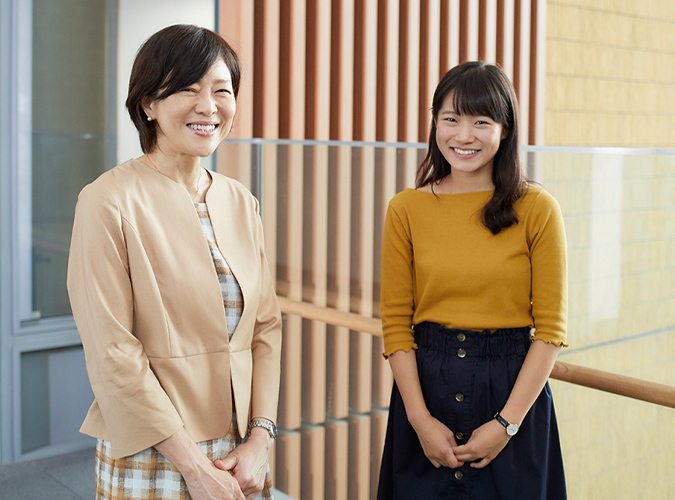
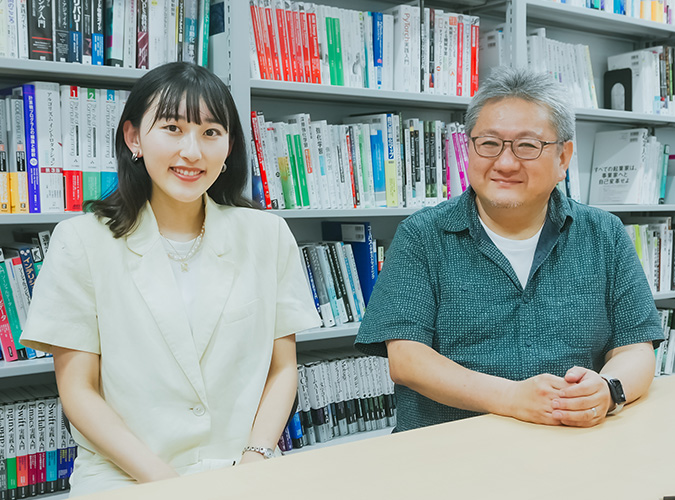
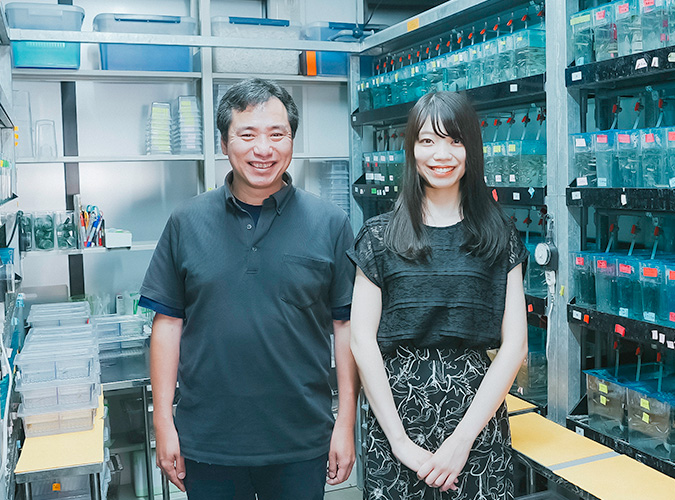
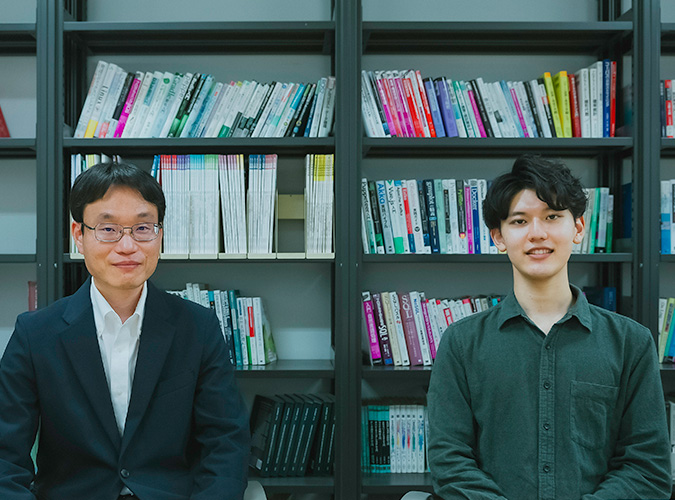
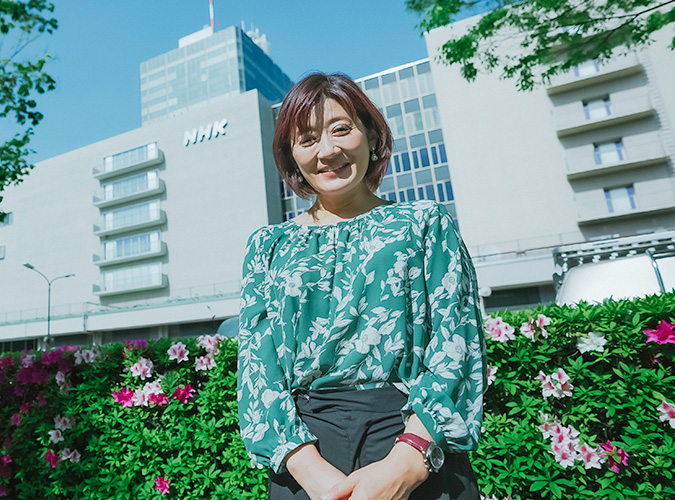
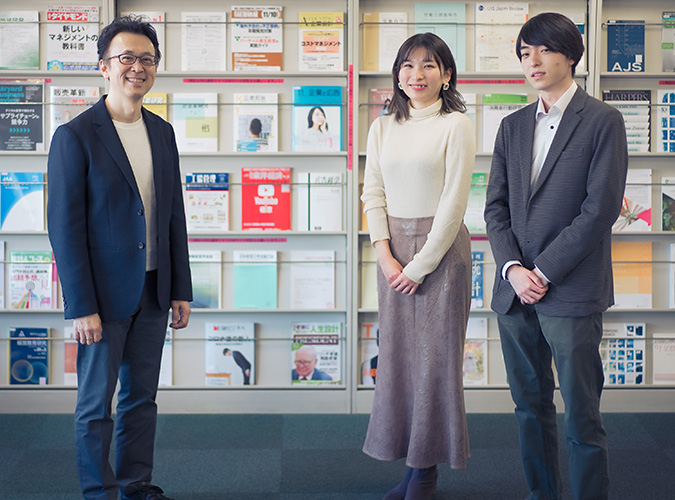
In this seminar, students learn about the relationship between literature and art in 19th century France, and it seems that many students choose this course because they are interested in culture and art. There are also opportunities to view real paintings at art exhibitions, making this a seminar where students can gain a deeper understanding of the historical background of the time.
Q. What do you think of the Department of French Language and Literature College of Literature?
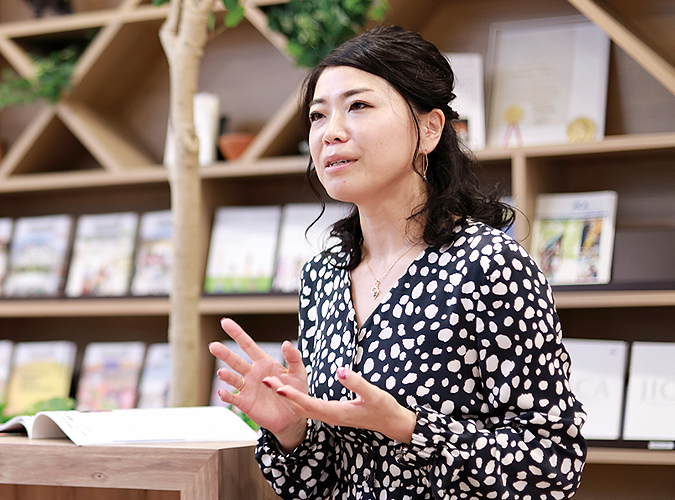
With the influence of globalization in the 21st century, an increasing number of universities are switching from "Foreign Language and Literature Departments" to "International Culture Departments" in the humanities departments. However, our university continues to offer traditional French literature education, and has created an environment where students can learn directly from outstanding experts in each field, including poetry, drama, novels, philosophy, and language research from the Middle Ages to the present.
I feel that in this day and age, students of Department of French Language and Literature who choose literature as their university major and enroll are essentially book lovers, with strong reading comprehension and rich imaginations. They are highly sensitive to words and good at connecting their concerns with what they have read and discussing them, so I also enjoy teaching them.
Q. Please tell me about the content and characteristics of the seminar.
The aim is to interpret the complex historical background by linking images from 19th century paintings, illustrations, photographs, etc. with texts such as poetry, novels, and criticism. The specific theme changes every year, but the approaches and lessons that can be learned are diverse and never-ending.
When interpreting a literary text, a major factor is "what kind of images the author had stored in their mind," and there will be a big difference between reading it knowing the images and reading it just the words without knowing the images.
In 2021, the theme for the year was "Japonism in 19th Century France." Since most of the seminar students are native Japanese speakers, we chose the theme with the hope that by interpreting in French the image of Japan/Japanese people, which was viewed as a completely foreign land/other, they would be able to relativize the "words" and "linguistic behavior" that we normally take for granted.
In the first semester, I compared the original waka poems in the Seireishū, a collection of translated waka poems published in Paris in 1885, with the students to consider the possibilities and limitations of translating and appreciating poetry in a foreign language. For example, in the poem "Hana no iro wa utsurinikerinazura ni..." by Ono no Komachi, for Japanese people, flowers are cherry blossoms, which is why it stirs feelings of pity for the transience of human life and the rise and fall of things. However, since the translation does not explicitly say "cherry blossoms," this nuance does not come out. From this example, we also discussed the translation of J-POP and K-POP lyrics, and together with the students, we were able to consider the difficulty of translating songs into another language without knowing the context, and the fun that translation can produce.
In the second semester, students are thinking about Japonism, which was at its peak in France at the time, such as the influence of impressionist paintings and ukiyo-e prints, based on Pierre Loti's best-selling book "Mrs. Chrysanthemum" (1887), which describes his experiences in Nagasaki. As an extracurricular activity related to this, students visited the "Pola Museum of Art Collection Exhibition: La Dolce Vitae de France" held at Bunkamura The Museum in Sibuya. The review session, where students shared their impressions of the works that made the biggest impression on them, was also a great success.
Q. What do you want to convey to students through your seminars?
You are free to read and view the text and images however you like, and I am not the one to teach you. I want students to consider the difference between how 19th century French people perceived things and how young students today perceive things, without overlooking this gap, and to value the fact that even within the same era and generation, each person's perceptions are different and diverse. I want students to be aware of the diversity of our language and culture, and to be sensitive to the words they utter and the words they receive from others.
Learning does not end when you graduate from university. Studying French literature means coming into contact with the universality of the act of reading and understanding words, and this experience will be reflected in all actions that use words, whether in interactions with others or in self-reflection. No matter where you are or what job you do, it is important to come into contact with "language" and "culture" every day and update your perspective. Even after graduation, I hope that you will continue to use the flexibility of thought and rich sensitivity that you have cultivated while grappling with texts in other languages at university to read a variety of books and experience art and culture.


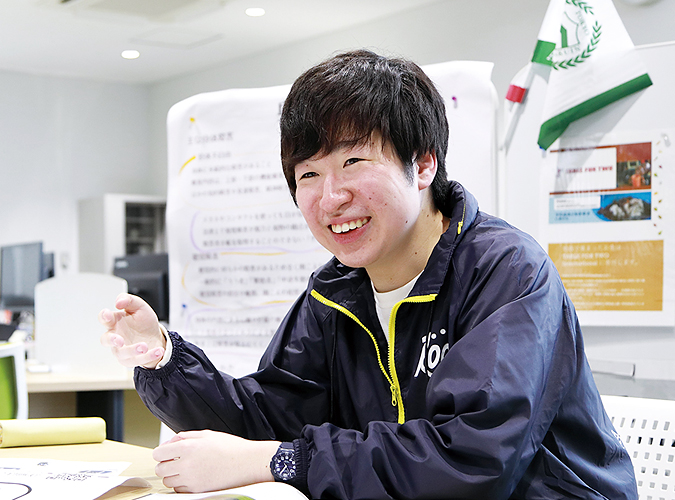
Student
Message
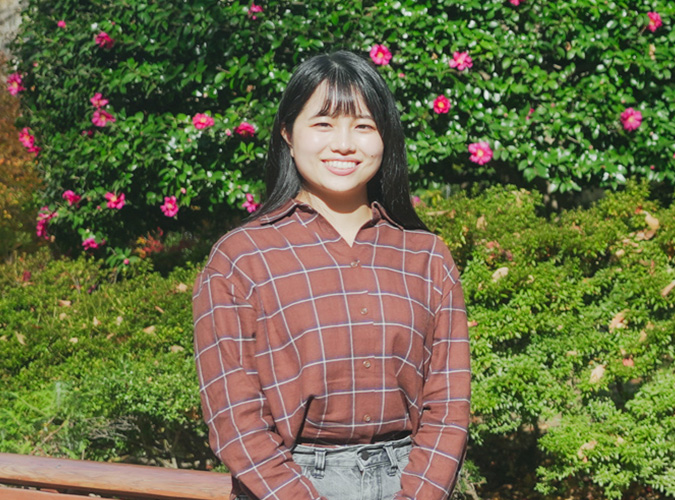
Graduated from Chiba Prefectural Makuhari Comprehensive High School

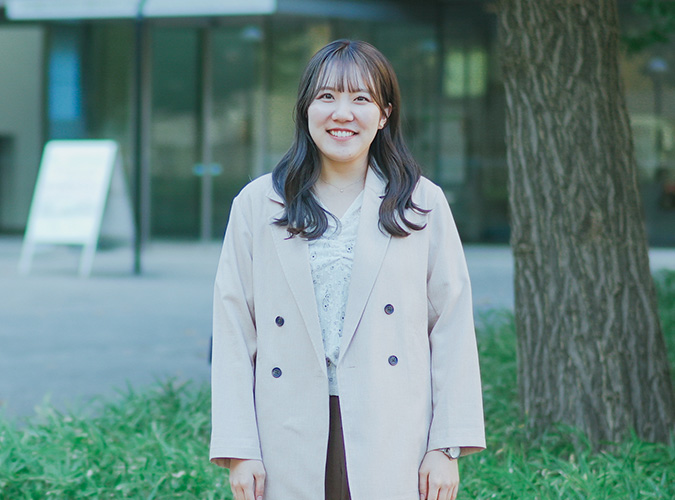
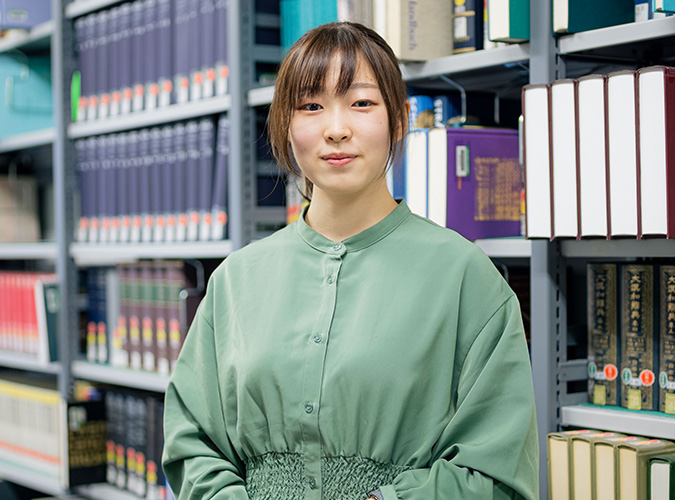
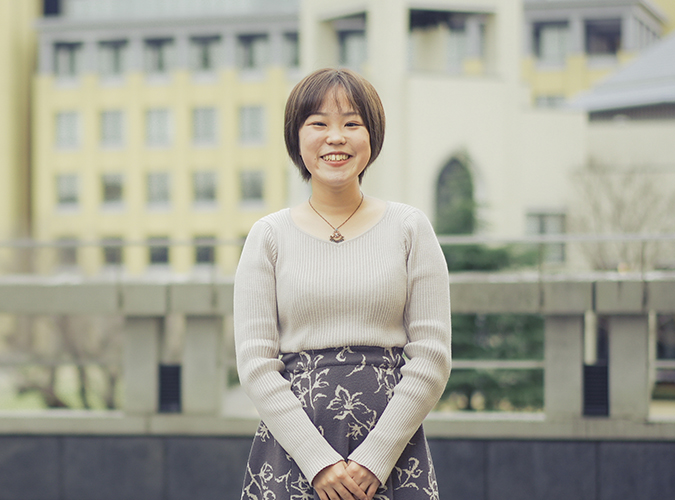
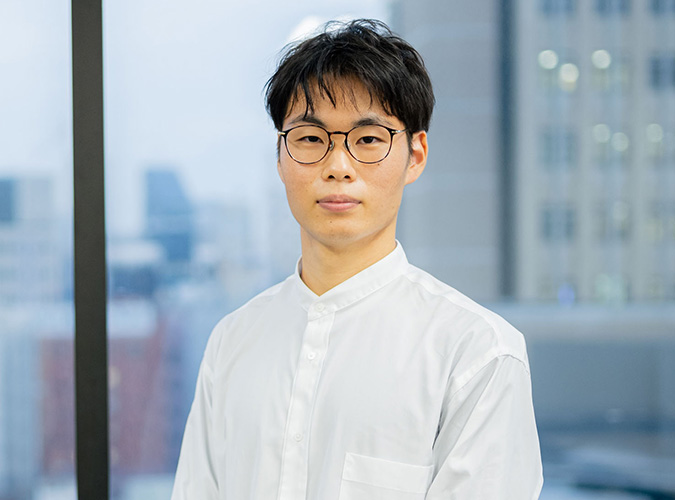
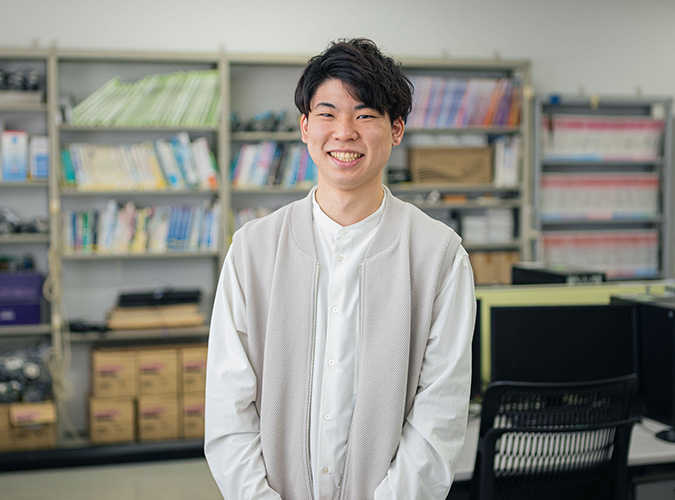
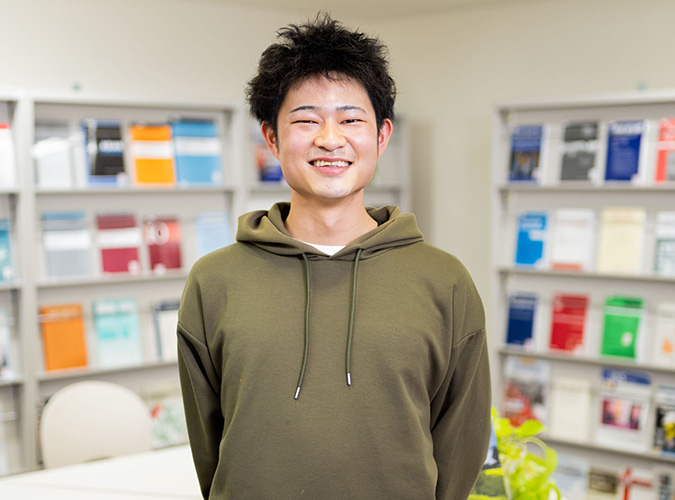
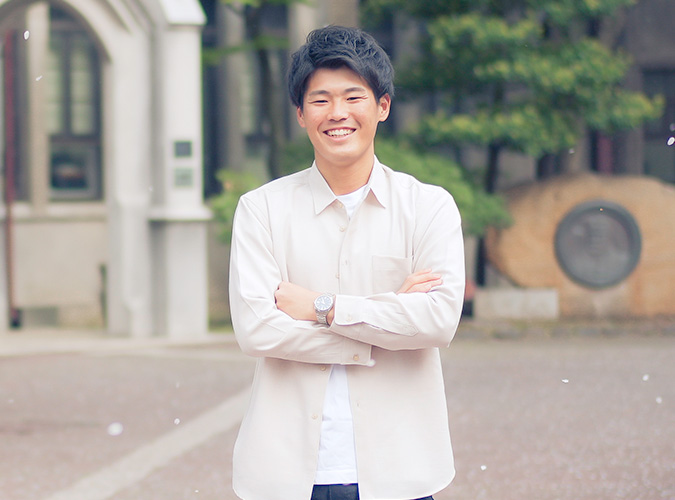
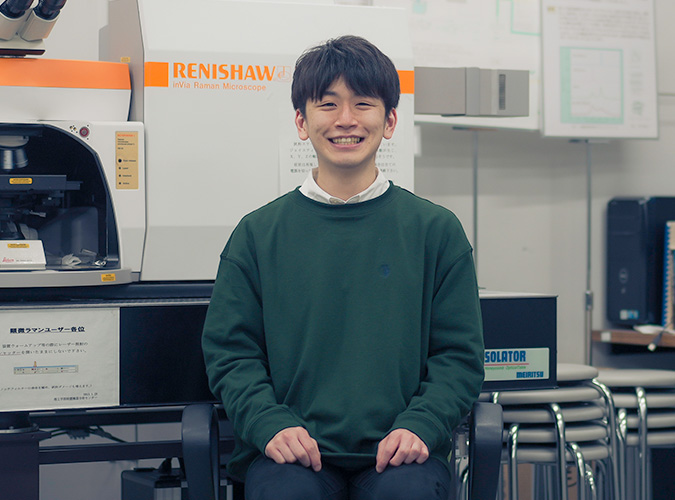
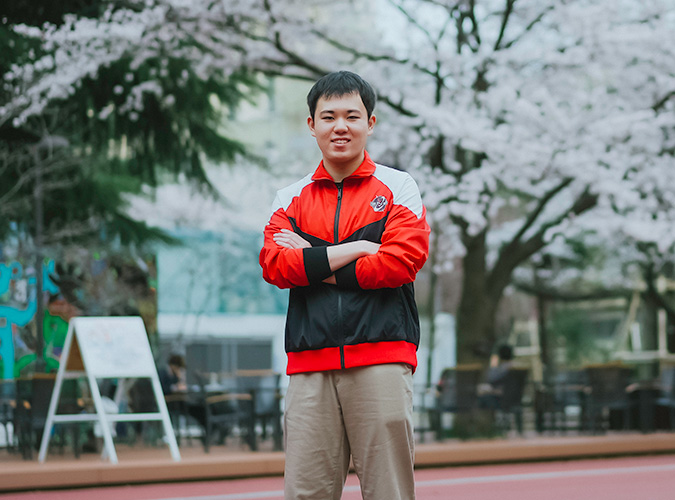
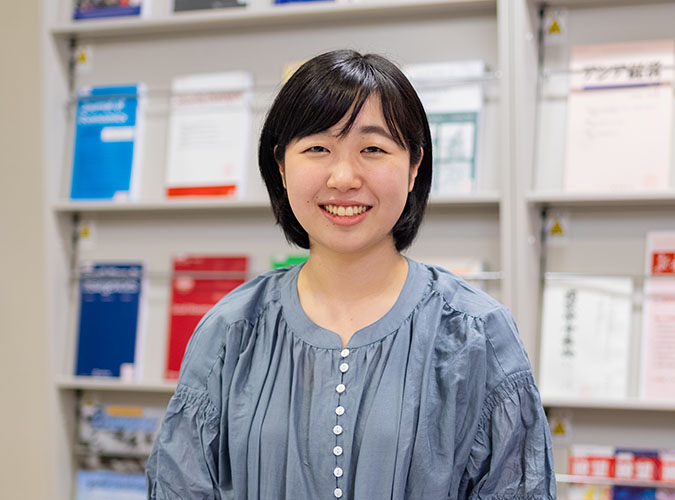
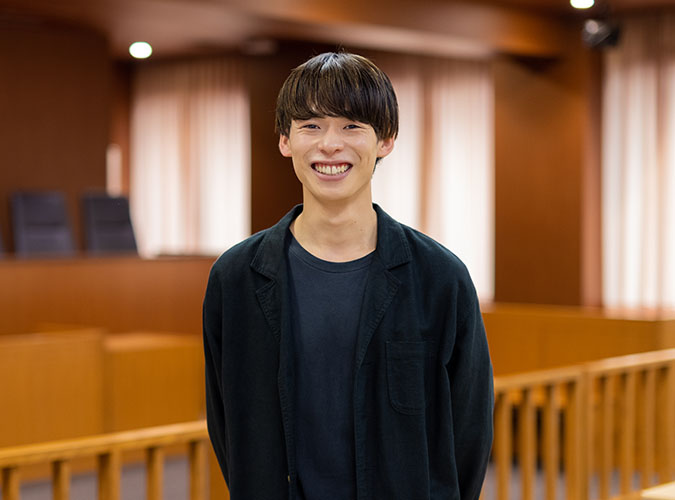
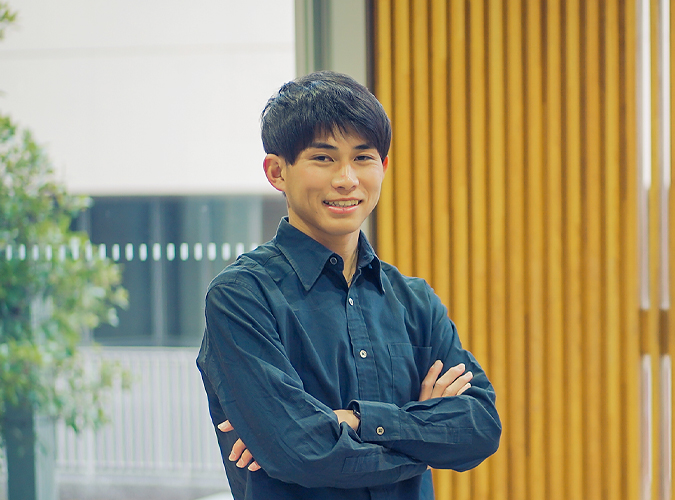
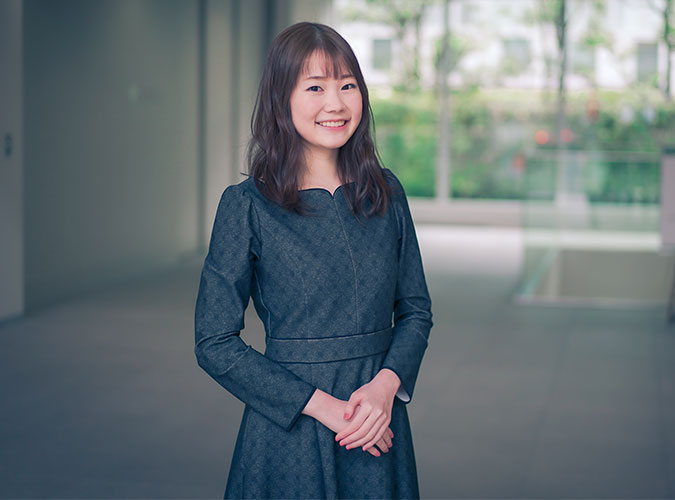
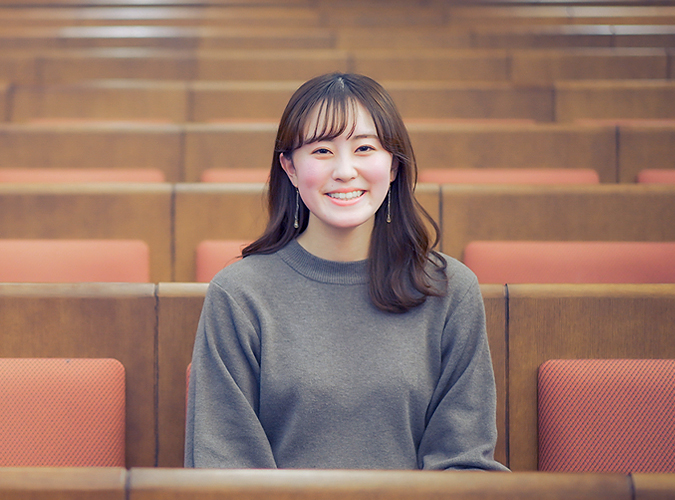
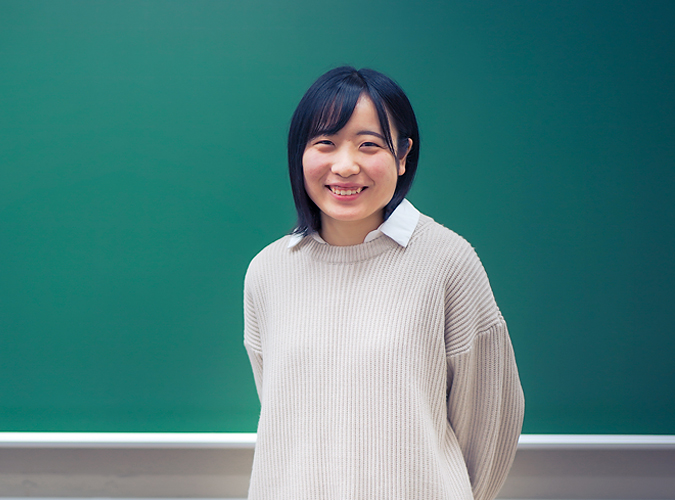
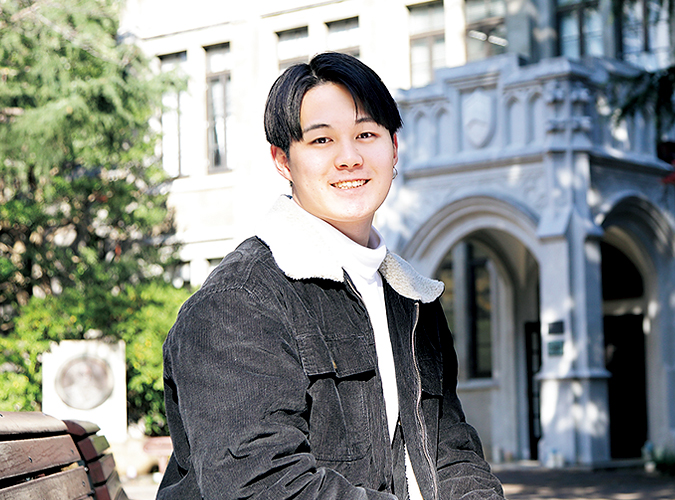
I chose this seminar because Professor Fukuda taught me in a very easy-to-understand manner about theater of the absurd, a subject I had found difficult to approach in my first year, and also because I was attracted to Claude Monet's painting "La Japonaise," which was influenced by Japonism.
Professor Fukuda is very friendly, and the seminar is filled with a fun atmosphere, so much so that "once we start talking, we can't stop." Free opinions are respected, and when we discussed "Kamboshu," a French translation of waka poetry, we touched on the translation of the Japanese lyrics of "Let it Go," the theme song of the American movie "Frozen," which we had been listening to casually. It was inspiring to hear a sharp opinion from a seminar member that "the reason it is completely different from the original lyrics is probably because it was changed to be more familiar to the ear, based on the phonology and meter, rather than the meaning."
After visiting the art exhibition, I found it interesting that even people who liked the same works had different preferences for each, and that these differences in thinking were very interesting.
I didn't have much knowledge of Japanese history or culture, but thanks to my studies in the seminar, I became more aware of Japanese culture and started to pay more attention to what French speakers who are interested in Japanese culture want to know and how I should communicate that information to them.
Currently, I am interested in discovering the thoughts of painters through their paintings, as I find it intriguing that different painters have different ways of depicting and interpreting the same text. I have not yet decided on a research topic, but I hope to find one among the various interests I have developed through the seminar.
College of Literature Department of French Language and Literature

College of Literature at Aoyama Gakuin University pursues learning based on the expertise of five international departments, with a foundation in history, thought, and language. By coming into contact with and deepening understanding of the wide variety of intellectual endeavors that humans have created, students will develop broad insight and wisdom. Through "humanities" experiences, students will hone their culture, intellect, sensitivity, and expressiveness, forming the "axis" that will open up their own future.
French is a beautiful and intelligent language that built European civilization. In Department of French Language and Literature, students learn French from the basics in small classes, so that even beginners can acquire a solid grasp of French. Japanese and French teachers are available to teach classes in a variety of areas, covering a wide range of French literature, language, and culture, aiming to help students acquire practical French language skills and cultivate flexible humanity.