World's best medal and
Towards the dream of a leader
I give my all to both boxing and studying.
Best Player Award>
Athletic Boxing Club

OVERTURE
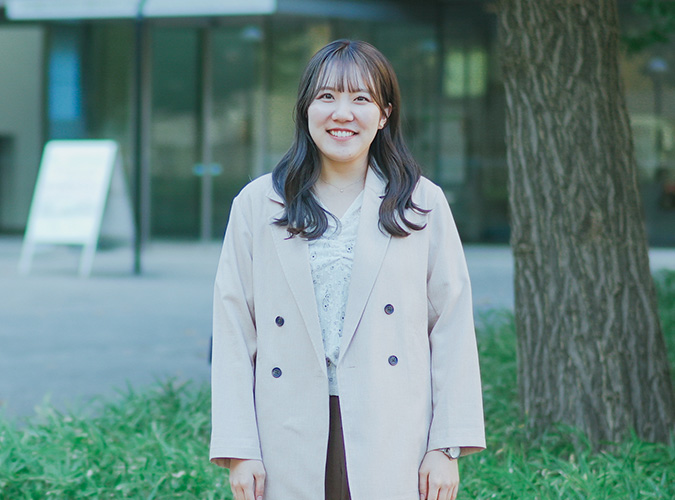
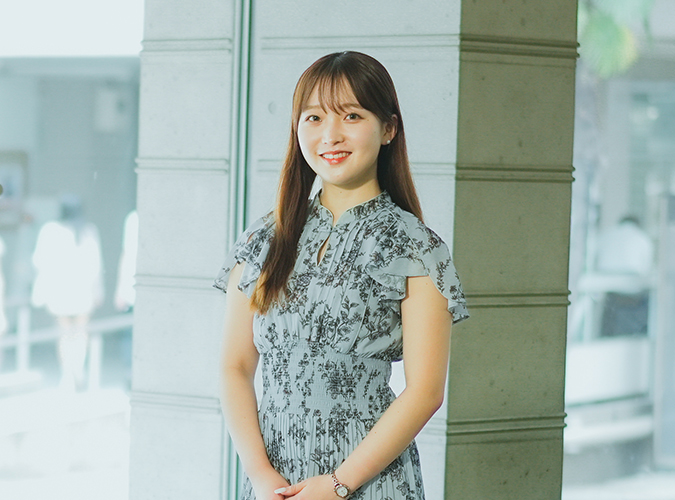
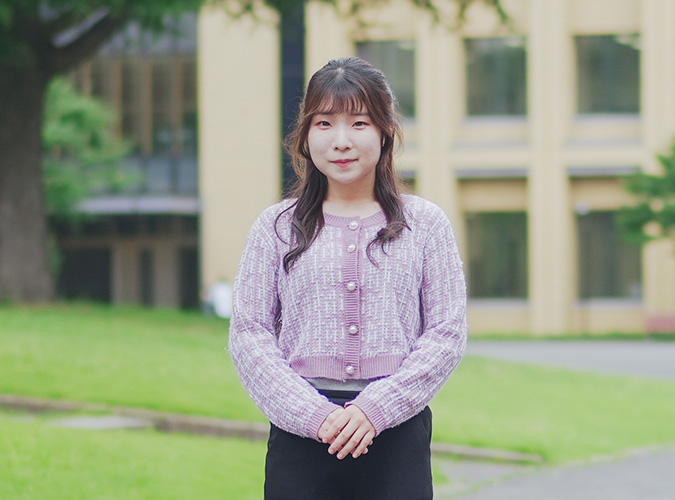
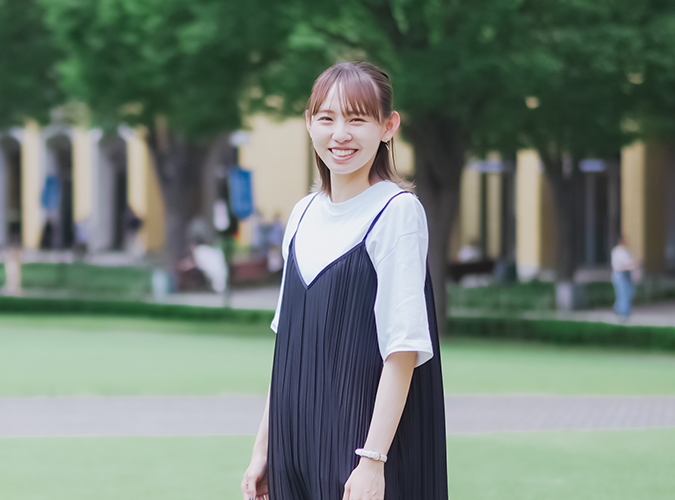
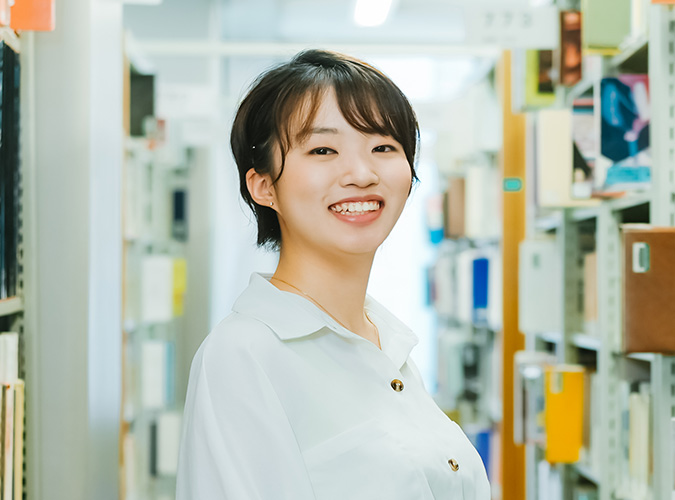
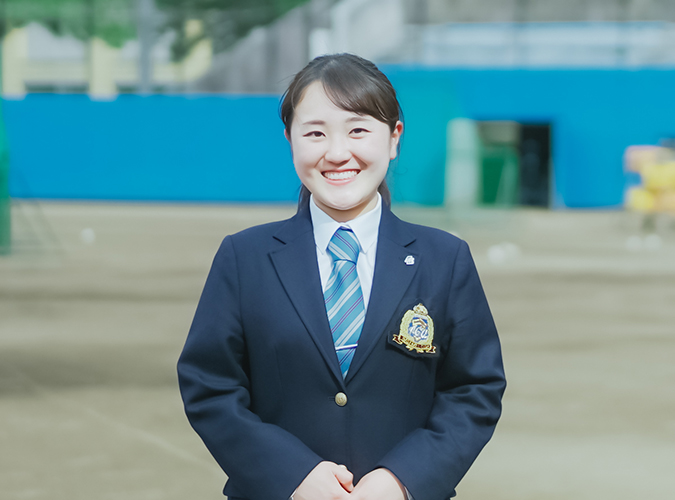
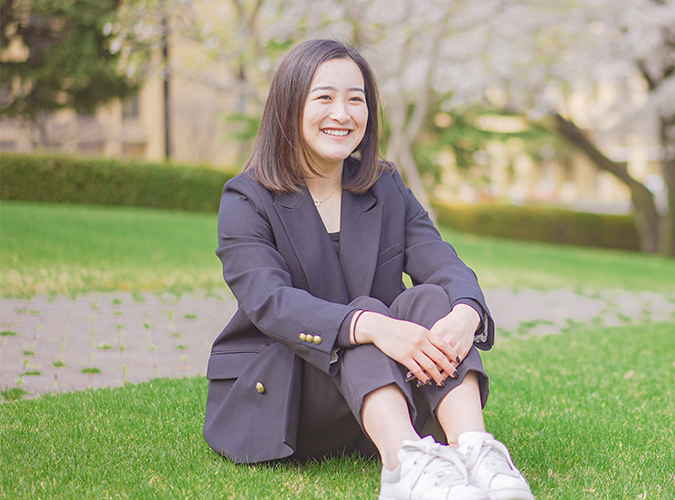
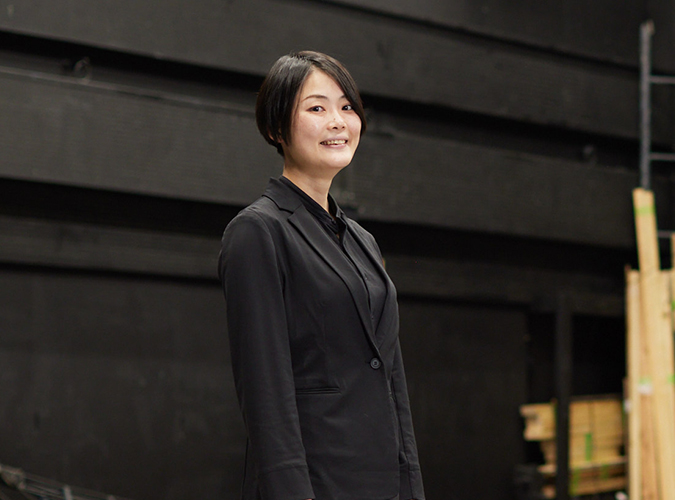
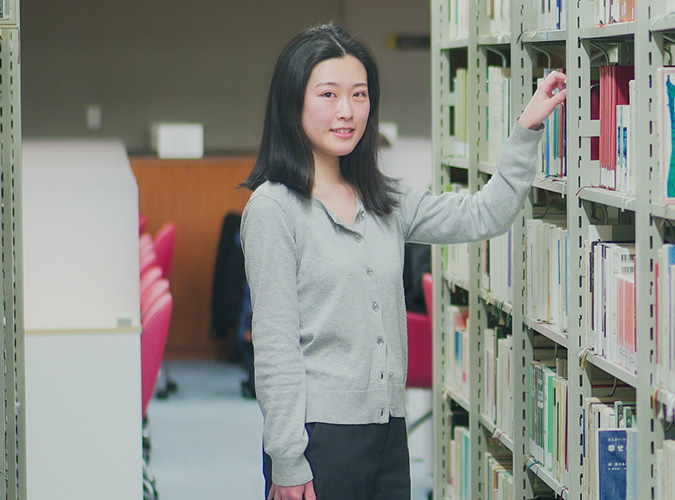
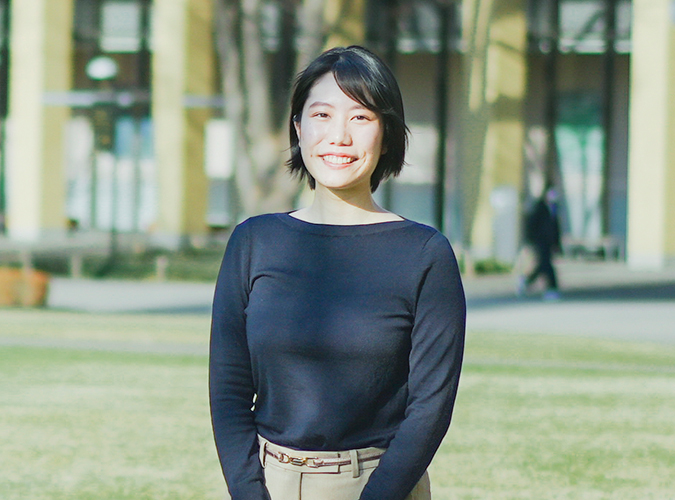
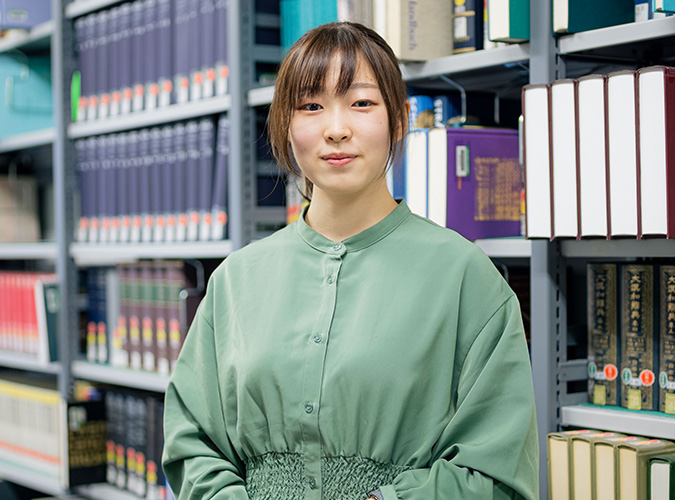
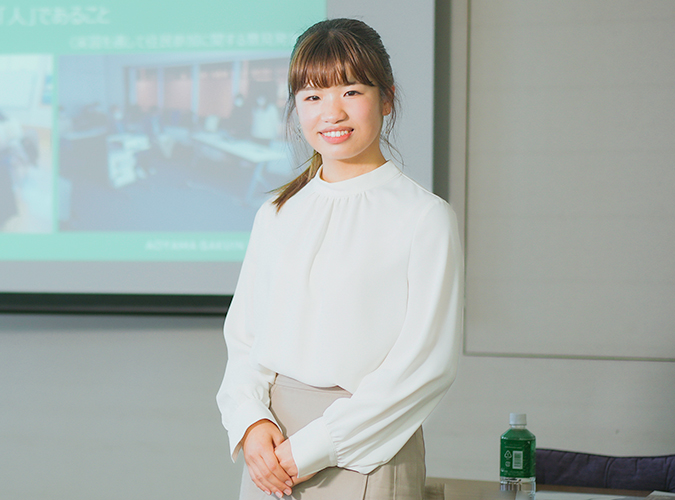
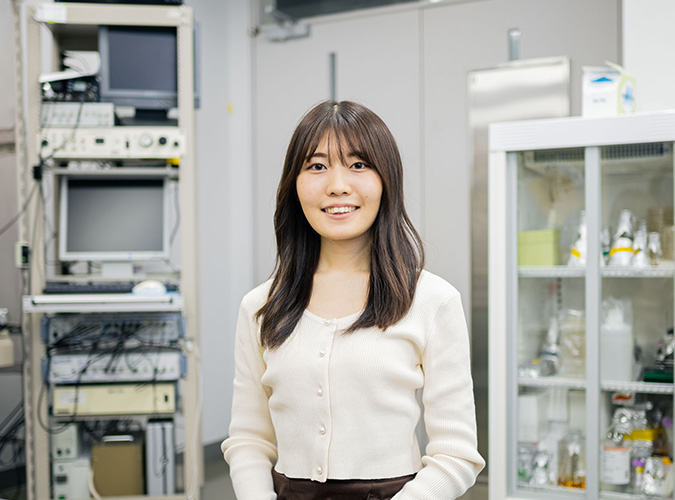
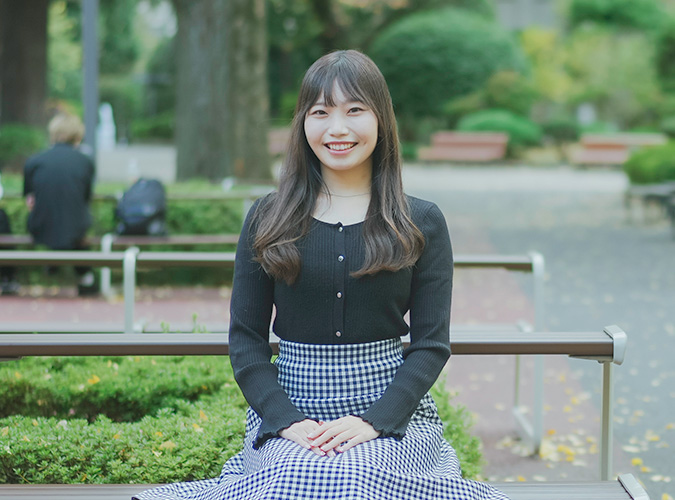
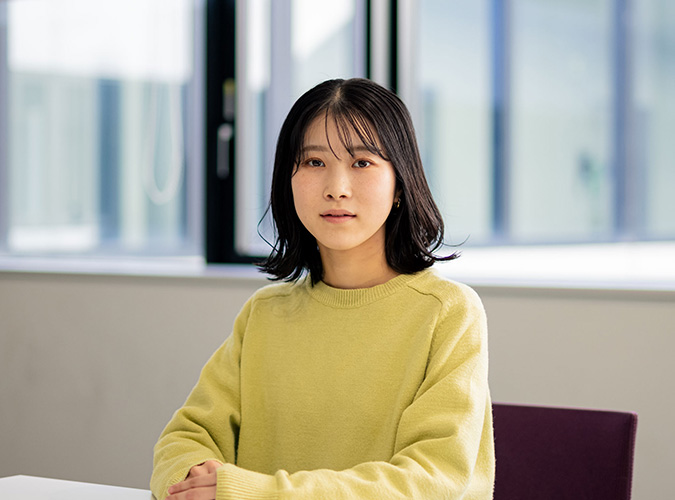
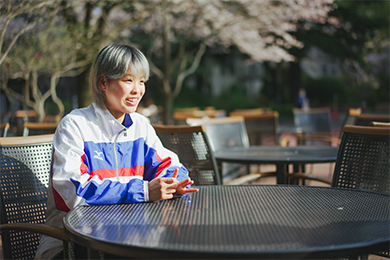
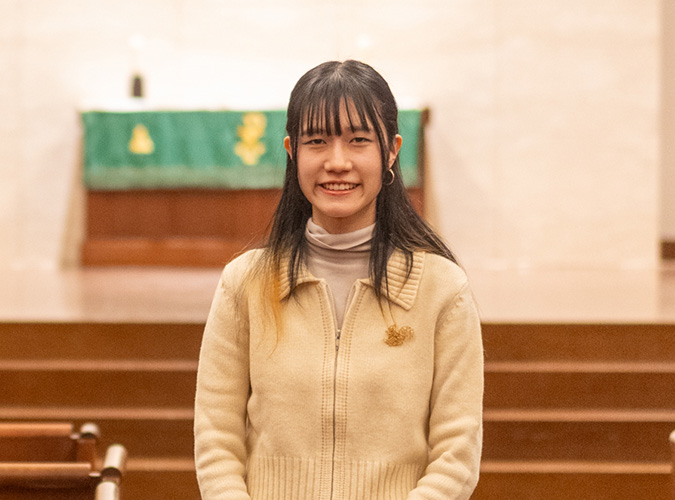
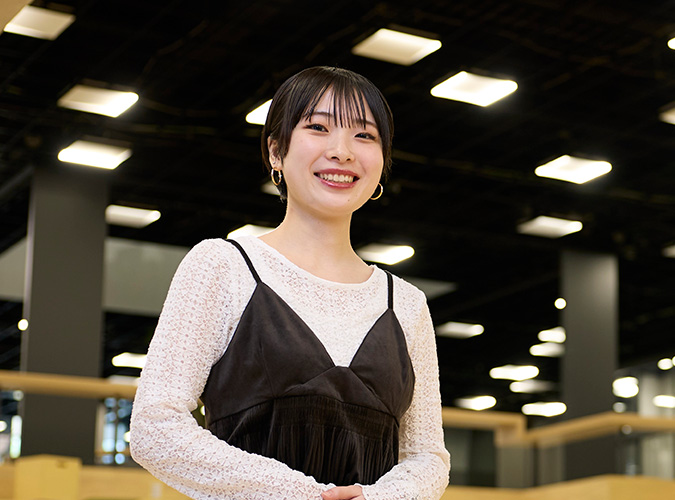
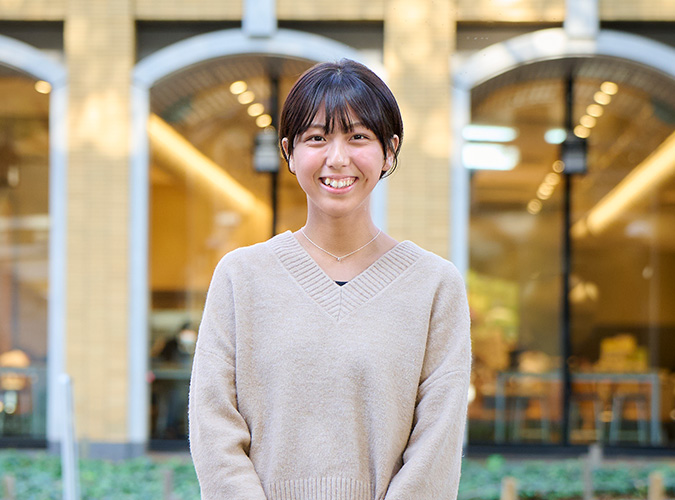
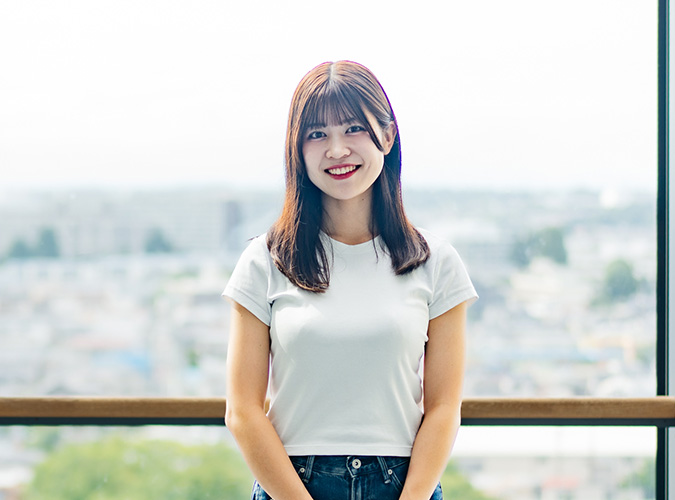
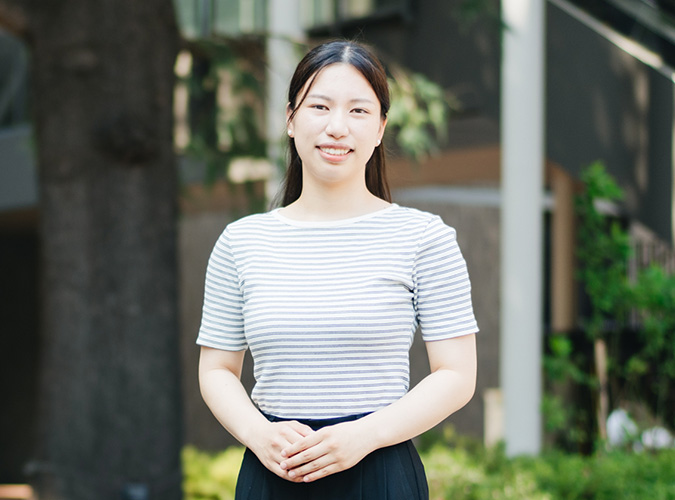
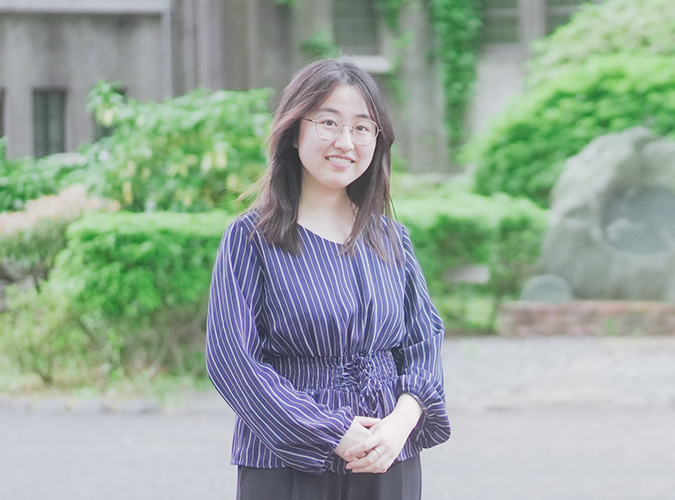
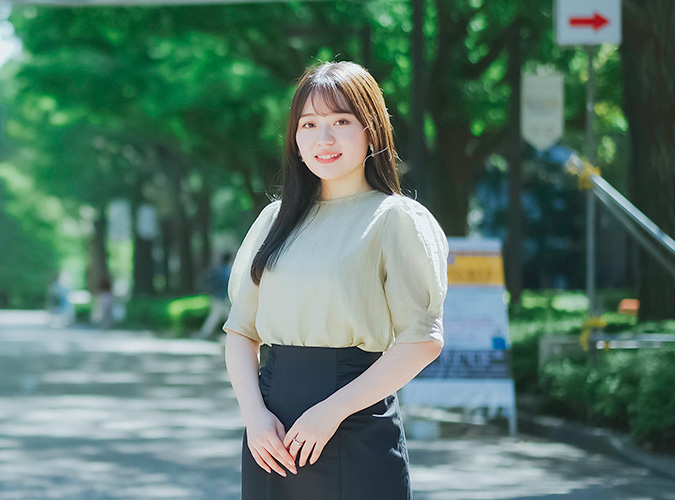
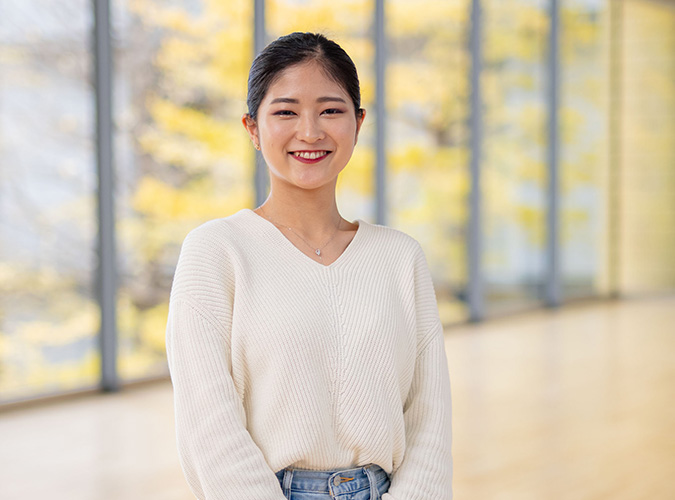
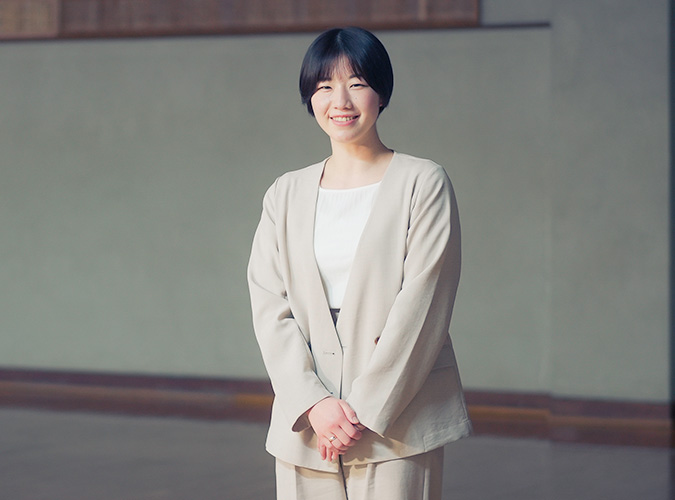
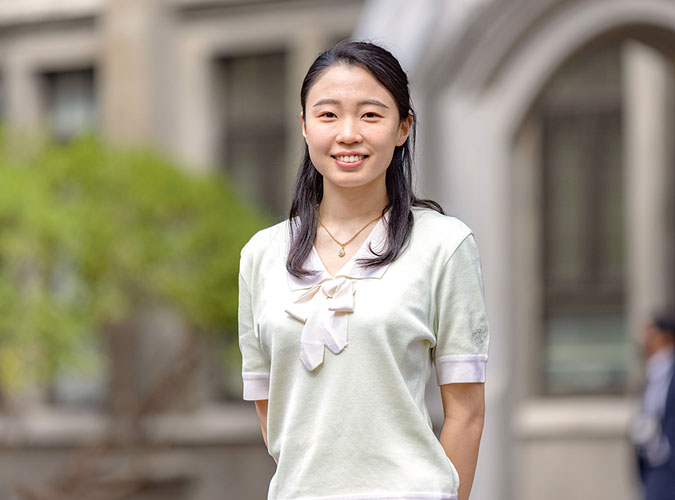
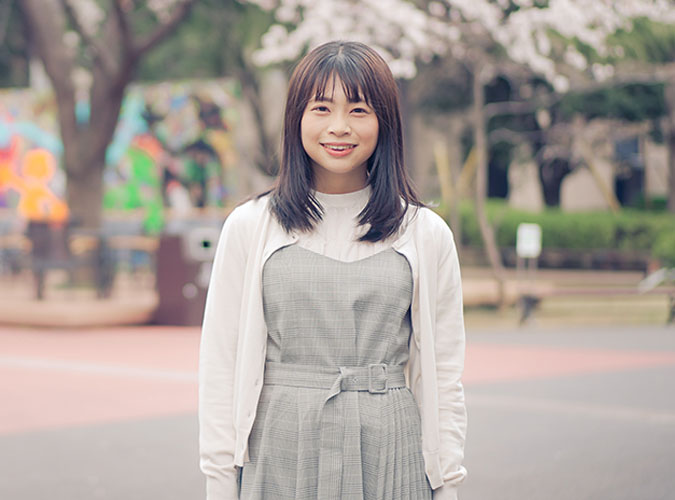
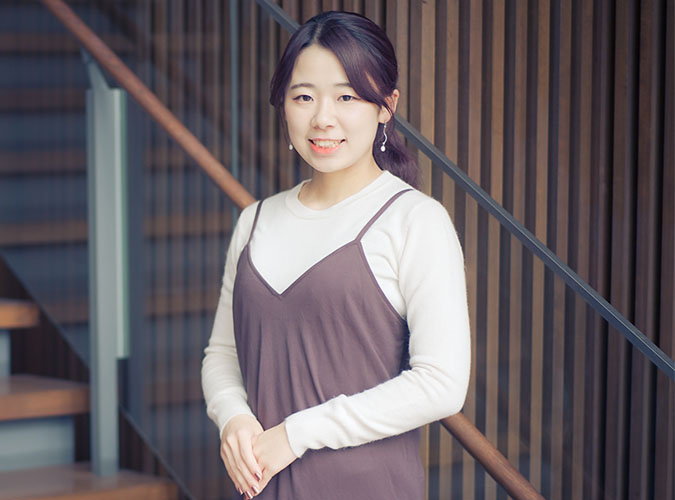
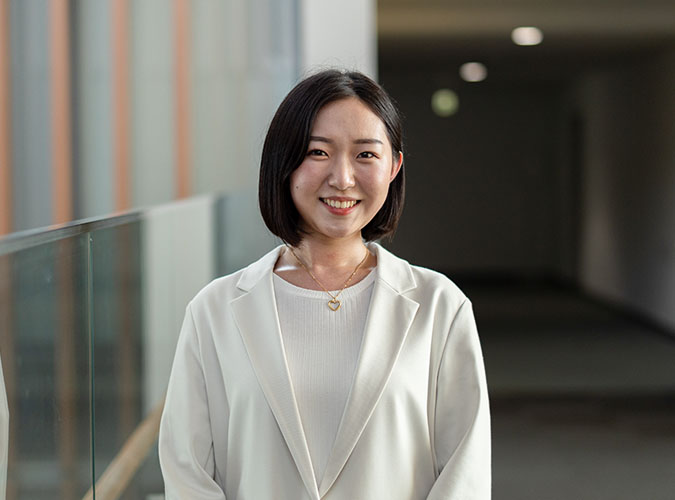
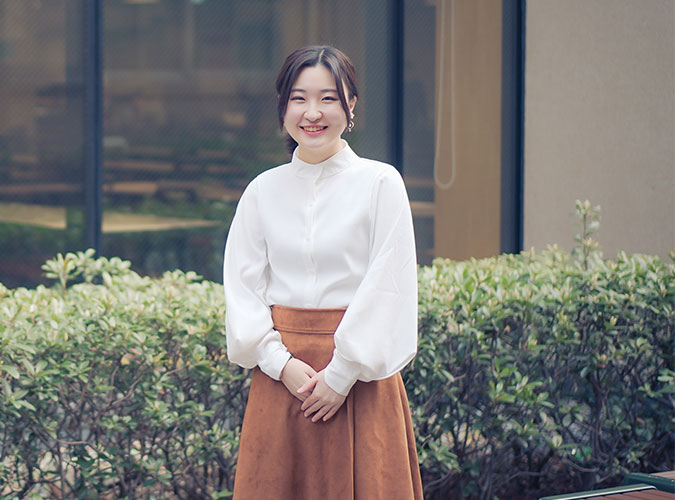
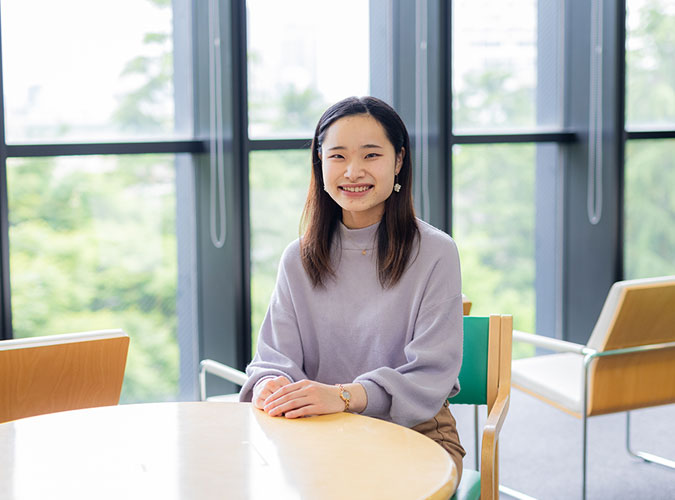
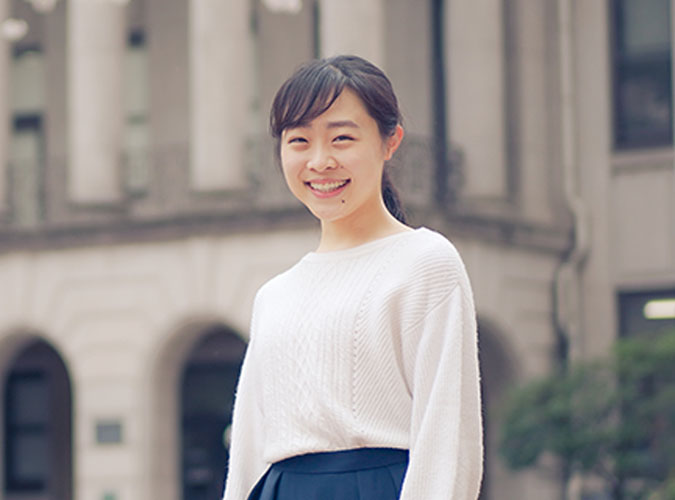
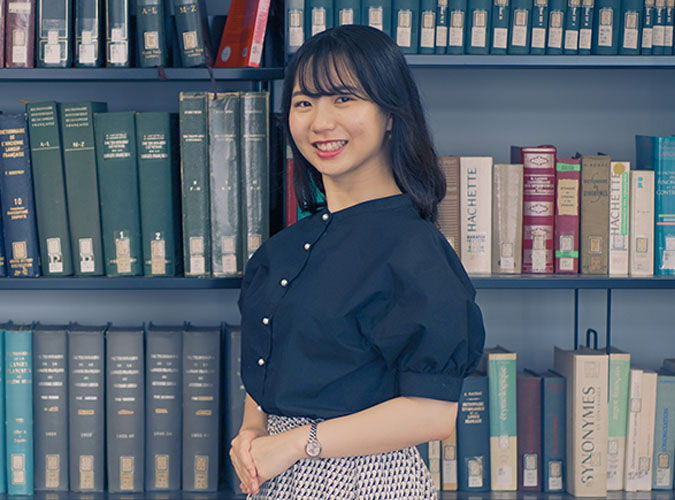
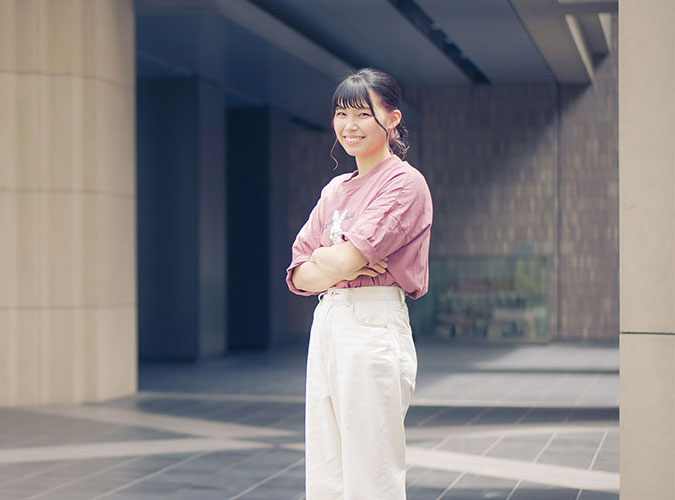
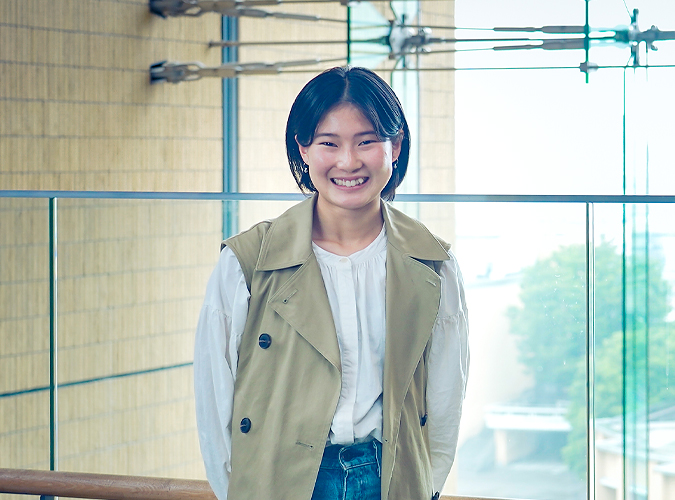
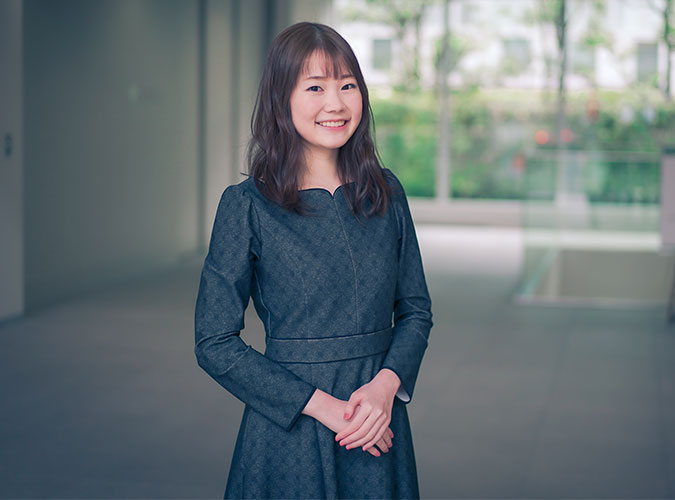
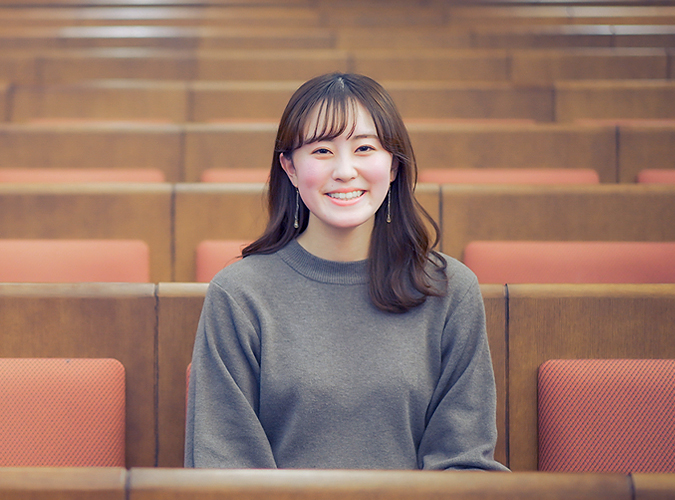
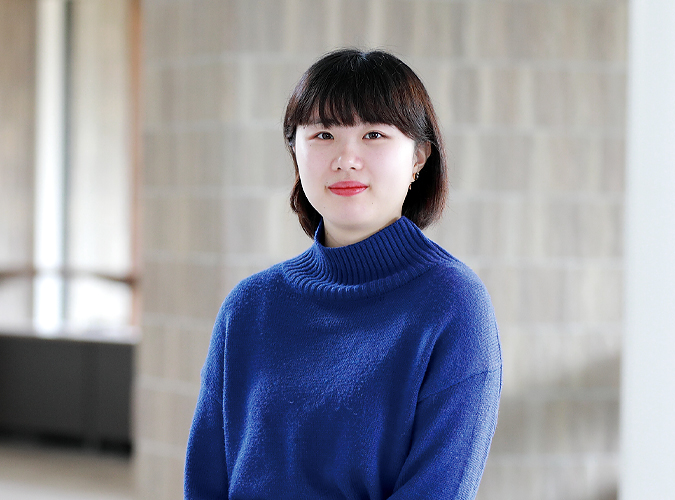
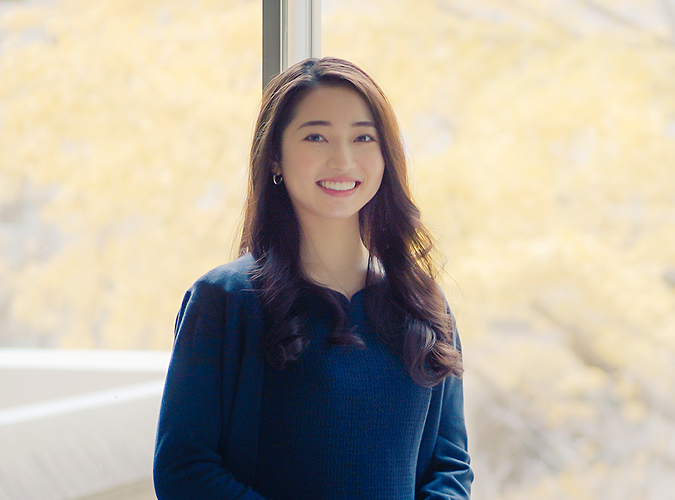
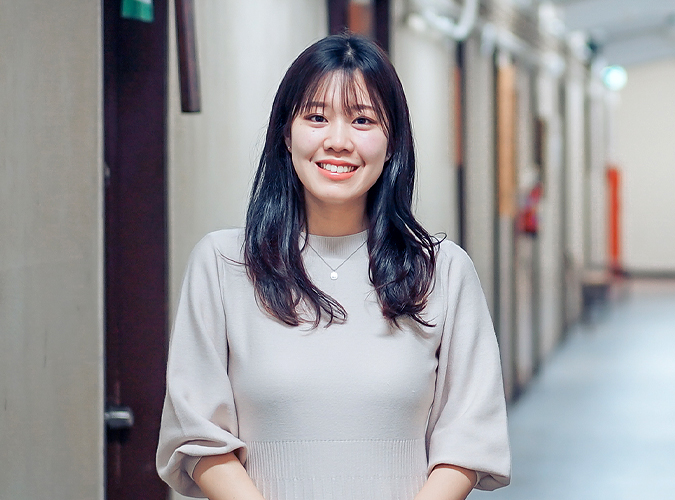
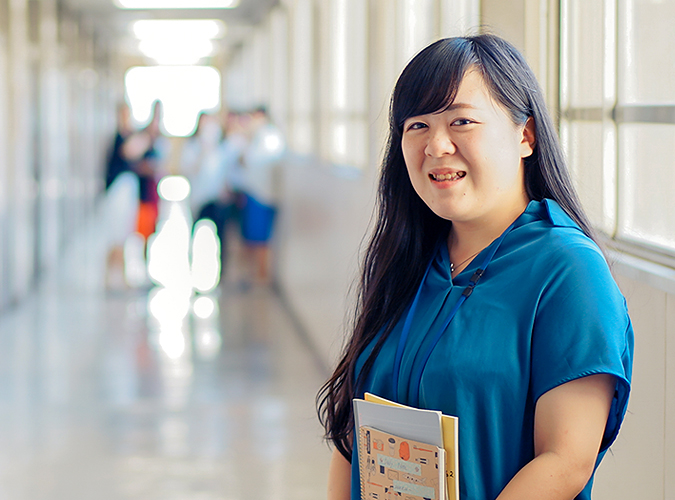
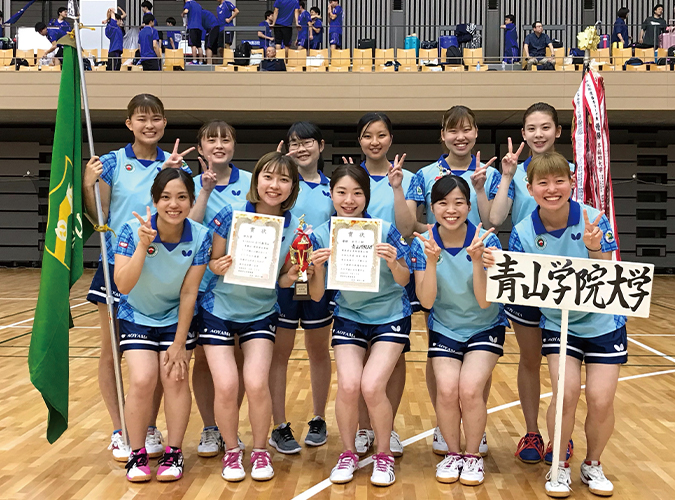
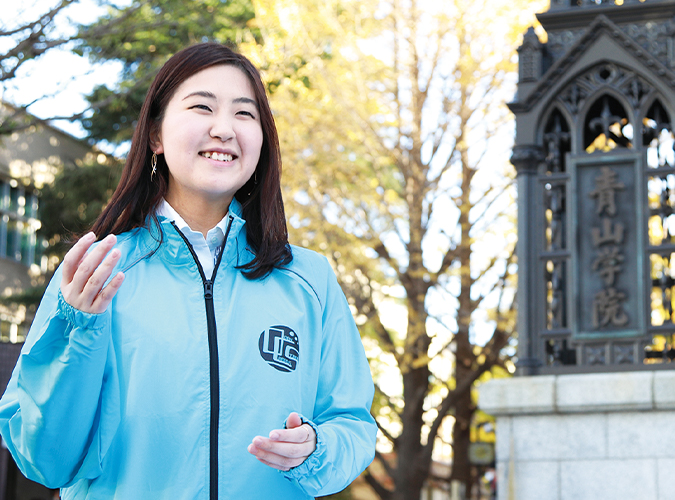
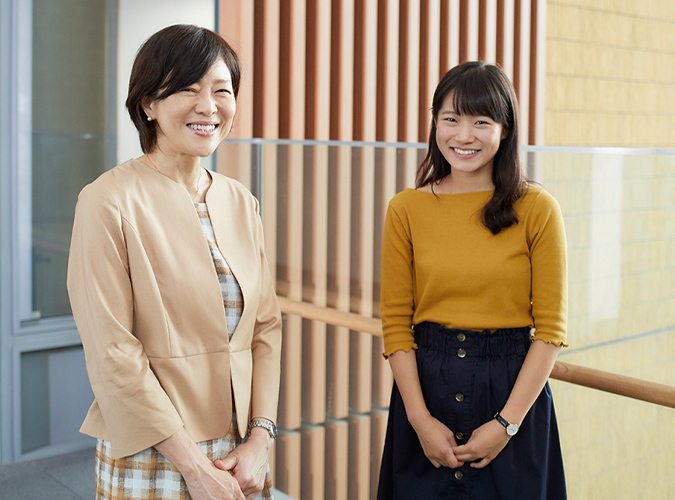
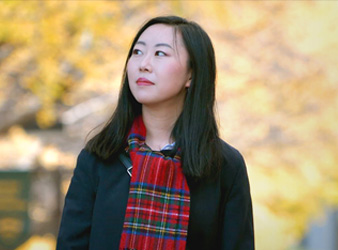
Shinohara, who will be the first female captain of the 95th anniversary boxing club, has been active as a top athlete in Japan since elementary school, and last year won the 56th Kanto University Boxing Tournament Women's Light Flyweight and came in second in the 2022 All Japan Boxing Championships Women's Light Flyweight. She is focused on her goals, honing her abilities, and working hard to balance her boxing and studies with an insatiable desire to improve.
Using frustration as motivation to aim for an Olympic gold medal
Winning an Olympic gold medal in boxing has been my dream and goal since I was a child. I started boxing when I was 5 years old, when I went to the boxing gym where my father, a former professional boxer, was working as a trainer. I enjoyed shadow boxing by imitating what I saw and hitting the mats against adults, and before I knew it, I had become fond of boxing. I first sparred (practice in a practical format) when I was in the second grade of elementary school. At that time, there were very few girls boxing, so I just couldn't compete with the boys who were superior in terms of physique and strength. In particular, when I competed against a player with a proven track record in kickboxing, I was defeated so badly that I couldn't do anything, and I was shocked by the difference in strength, but that also ignited my competitive spirit. Until then, I had been playing basketball in parallel with boxing, but I decided to focus on boxing. Using my frustration as a springboard, I devoted myself to training under my father's guidance, and as I began to see results in matches, I became absorbed in boxing.

Boxing is a sport that cannot exist without an opponent, and because it is dangerous, it is very important to respect your opponent during the match. Of course, during the match, I fight with the desire to win, but there are many things that can be conveyed by actually clasping hands, such as power and strength of will, and I naturally feel a desire to praise my opponent. I often become friendly with my opponents after the match, and I find this kind of communication through competition very appealing.
Reassessing and building his own boxing style
The reason I chose Aoyama Gakuin University as my destination was because when I observed the practice of Aogaku boxing club in high school, I felt that the club's atmosphere, where the members' independence was valued, suited me, as they autonomously created their own training menus. Also, the fact that my father, who is a licensed amateur instructor, serves as the coach of the boxing club was a deciding factor in my pursuit of an ideal training environment.
During school terms, the Boxing Club practices five days a week, about three hours a day, at the boxing practice field in the University Gymnasium on Aoyama Campus. In addition, on one of the two days off per week, members independently do basic training, such as running and strength training, aimed at improving their own skills. Each member has their own role and supports each other in their activities, so there is not much pressure just because they are captains, but it is important to distinguish between on and off, and to be aware that once practice begins, they should only concentrate on practice.
Training at the university's boxing range
When boxers reach university, the category of amateur boxers rises to senior, 19 years of age or older. The fighting methods they used in their junior years up until high school were no longer effective against senior boxers who had superior strength and experience, so they had to completely rethink their techniques and physique. Boxing is often thought of as a sport in which victory or defeat is decided by knocking down the opponent with punches, but women's amateur boxing is an "impression sport" in which the gloves are large and protective gear is worn, so the majority of wins and losses are decided by the judge's decision. Therefore, the key is to "show" the judges how fair your fighting style is and how dominant it is.
I am tall at 167cm, but I am in the third lightest weight class, the light flyweight class. There are many small fighters in this class, so as a tall person, my ideal boxing style is to make the most of my long reach. I have studied how to keep my arms at an extended distance to avoid receiving punches from my opponent, and the angle of my punches to effectively appeal to the judges watching from below the ring, and I have also increased the amount of core training and worked to strengthen my muscles.
Due to the COVID-19 pandemic, I was unable to practice at university for a time, and tournaments were canceled, so I struggled to maintain my motivation, but my family set up a practice field for me at my grandmother's house, and I was able to continue practicing to my satisfaction thanks to the support of my father, who is my coach. I think I've become able to calmly play matches by identifying my opponent's habits, thinking about strategies such as what angle and speed to attack at, and where to create the climax of the match.
When I analyze the reasons for my victory in the Kanto University Boxing Tournament and my second place in the All Japan Boxing Championships, I believe it is because I was able to play a game that drew my opponents in to my style. I was relieved to win the Kanto University Boxing Tournament last year, which left me with regret, but I am very disappointed and disappointed that I came in second place at the All Japan Boxing Championships, as a win would have brought me much closer to competing in the Paris Olympics. I am determined to win next year, and will continue to work hard, looking only ahead.
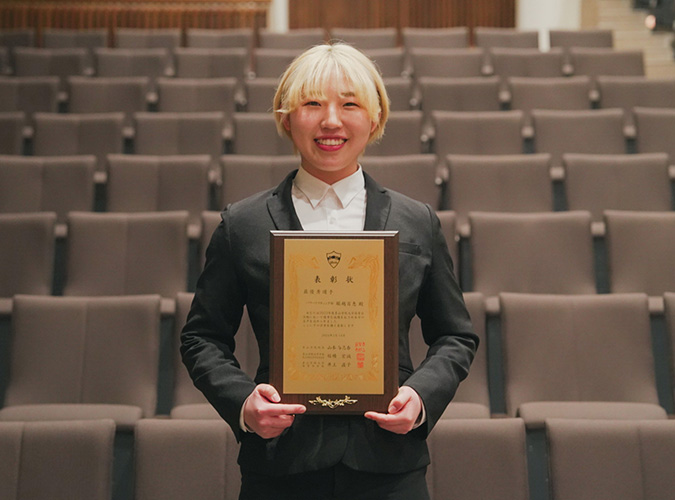
At the 2022 Alumni Association Awards Ceremony
Learning from College of Education, Psychology and Human Studies leads to the goal of becoming a boxing coach
I have a goal of teaching boxing to children as a coach in the future, so I chose Department of Education College of Education, Psychology and Human Studies to learn how to teach elementary and junior high school students. When I have a match or other reason that makes it difficult for me to attend class, I ask my teacher to send me handouts through the learning support system so that I can study on my own, or I review with friends who are taking the same class, so that I don't fall behind as much as possible.
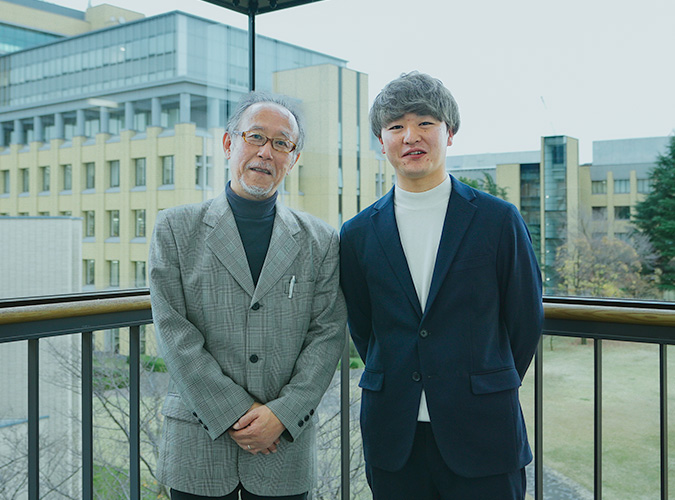
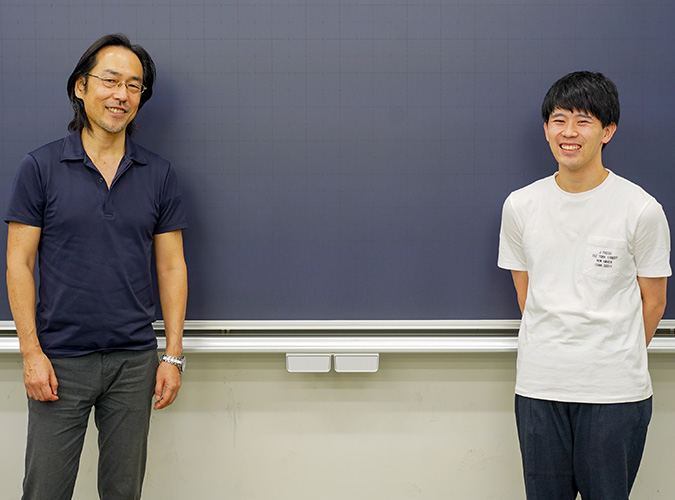
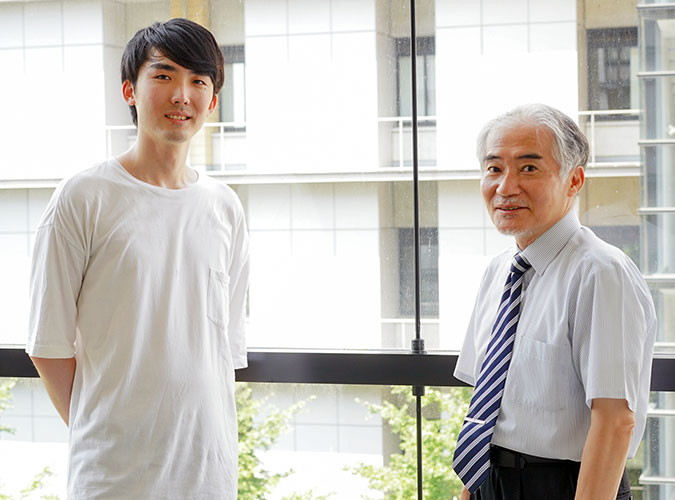
One of the most interesting classes in the undergraduate program was Professor Kazuyuki Ogiso 's "Physical Education Theory," where we learned how physical exercises in elementary school physical education classes contribute to the growth process based on the body's mechanisms. I enjoyed learning how to imagine instructing children and think about what movements are effective, and what is needed to build basic physical strength through play, rather than thinking of it as training. Wanting to gain more knowledge, I will be joining Professor Ogiso's seminar from my third year.
In addition, in the "Life Studies Overview" class, students were tasked with imagining themselves as elementary school students, thinking about how to run a class that would be enjoyable for children, and creating lesson content. When I stopped off at a park during my independent running practice, I saw children there paying attention to small details that we don't notice as adults, such as the colors of flowers and the shapes of leaves, and expressing surprise and emotion. This reminded me of the perspective of a child that I had almost forgotten, and made me think, "Ah, that's what I was like." In coaching boxing, I believe that by being knowledgeable about children's unique sensibilities and ways of thinking and being supportive of them, I can develop their sports skills while playing catch with them emotionally.
Study hard for the Korean Language Proficiency Test TOPIK II (Intermediate/Advanced)
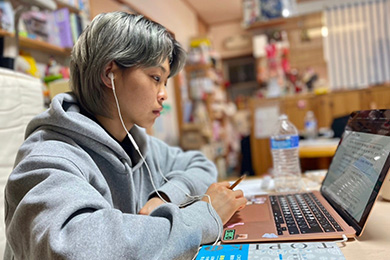
Outside of competition, I am also focusing on studying Korean, which I chose as my second foreign language because I love Korean idols. Since I was in high school, I have listened to Korean radio and music, and I was familiar with the sound of the language, so when I started studying Korean at university, I made smooth progress. Recently, when I went to Korea for sparring, I was surprised that I was able to act as an interpreter for my father, who accompanied me. I set a daily quota of solving 40 to 50 questions from textbooks and online workbooks, and I try to create as many opportunities as possible to output my skills, such as writing my daily blog in both Korean and Japanese. I was very happy when I received comments on my blog from Korean fans. I have made more Korean acquaintances through my Korean athlete friends, and these new interactions are a daily pleasure. In April, I plan to take the Korean Language Proficiency Test TOPIK II (intermediate/advanced).
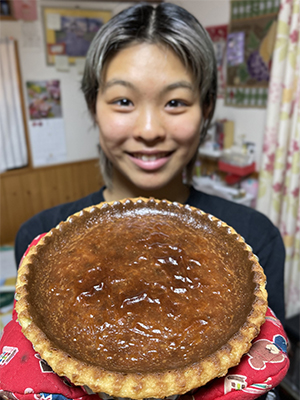
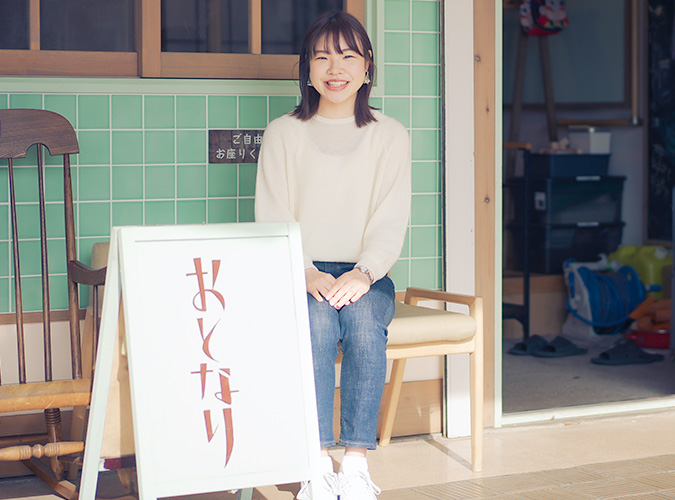
On her independent practice days, she also makes sweets, which is her hobby.
During the rest of my time at university, I plan to study psychology to learn strategies for shaking up my opponents' emotions in boxing, and conversely, how to motivate children when coaching them. With my sights set on next year's Paris Olympics and the following Los Angeles Olympics, I will do my best to fight to the best of my ability in each match and achieve results on the big stage.
*The links to each subject's "Lecture Content Details" are for the 2022 academic year.
College of Education, Psychology and Human Studies Department of Education
Aoyama Gakuin University 's College of Education, Psychology and Human Studies, in cooperation with Department of Education and Department of Psychology, offers a wide variety of lectures that study "human beings" from various angles, as well as seminars and practical training that put theory into practice. By repeating theoretical and practical approaches, students will delve deeper into human beings. Students will develop advanced expertise in interpreting the various issues facing modern society and humanity, as well as problem-solving skills and self-education skills to take action on their own.
Education is a universal thing that takes place throughout life, regardless of age or environment. In Department of Education, students learn how humans develop, learn, socialize, and mature throughout their life cycle from infancy to old age, and through studying a specialized field selected in the third year, they deepen their understanding of the essence and ideal form of education, and the existence of humans as the bearers of education. It is possible to obtain a wide range of teaching licenses from Kindergarten Building to high school.