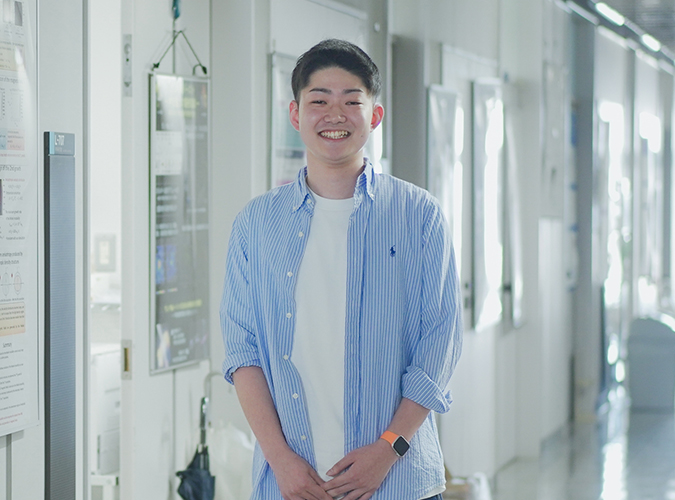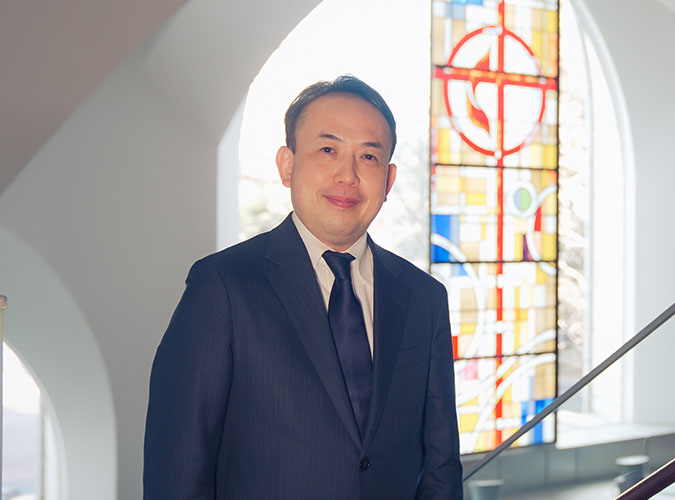
"Banker Japan Representative"
With a spirit of harmony
Connecting people
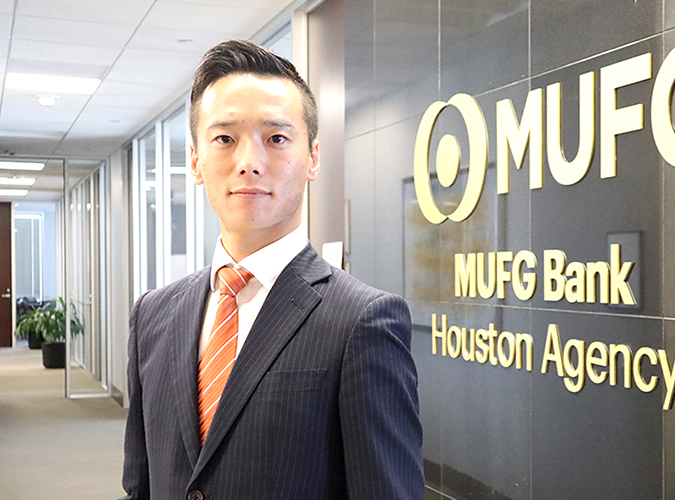
New York Branch, Houston Office
Vice President
Graduated College of Economics

OVERTURE
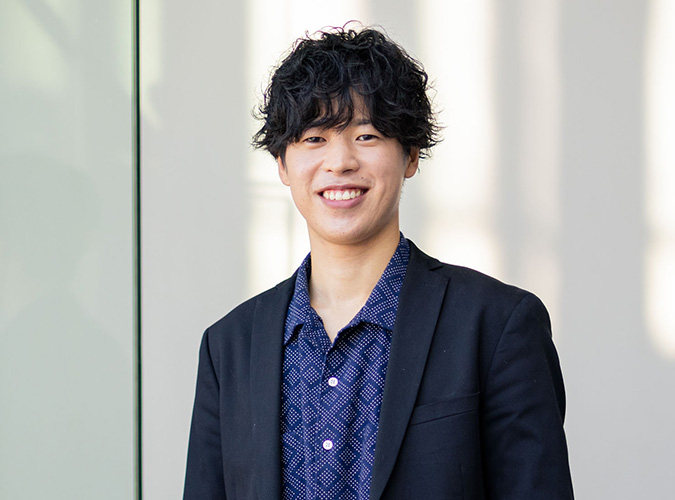
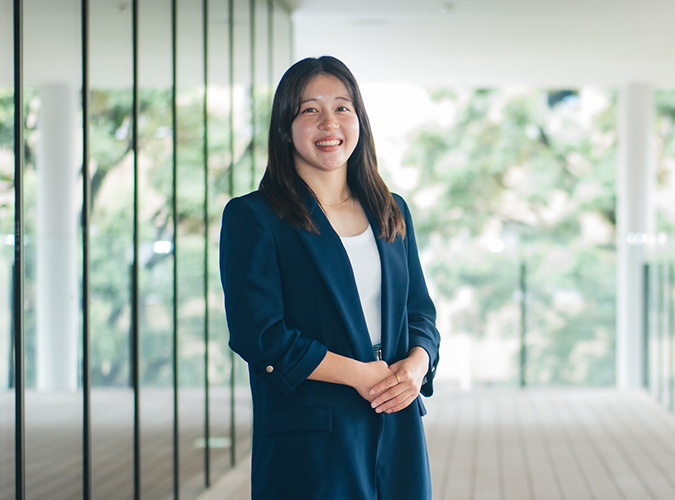
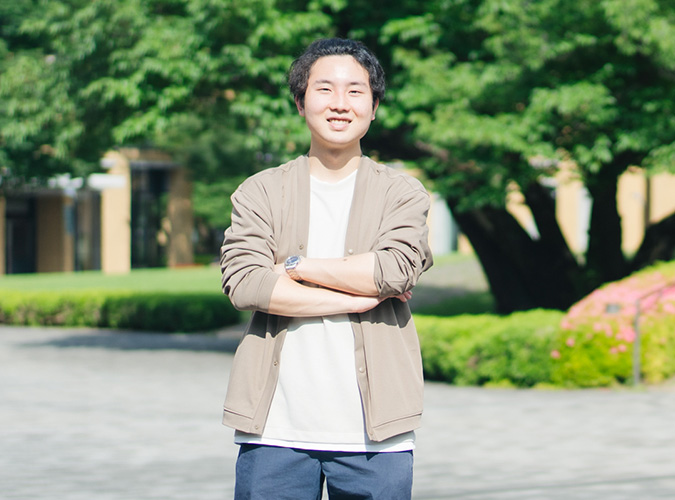
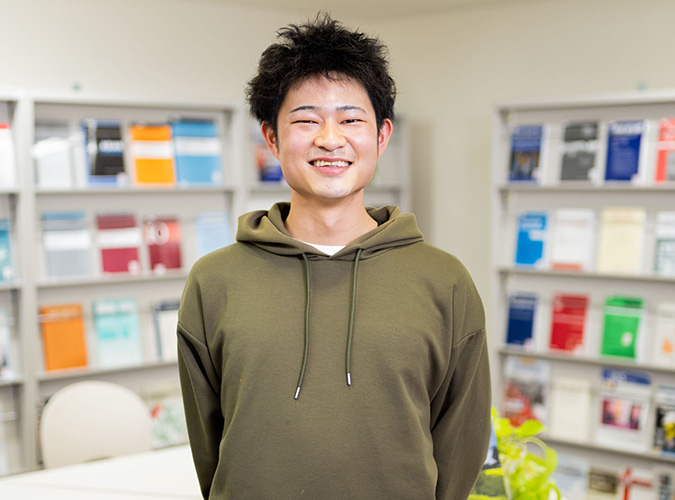
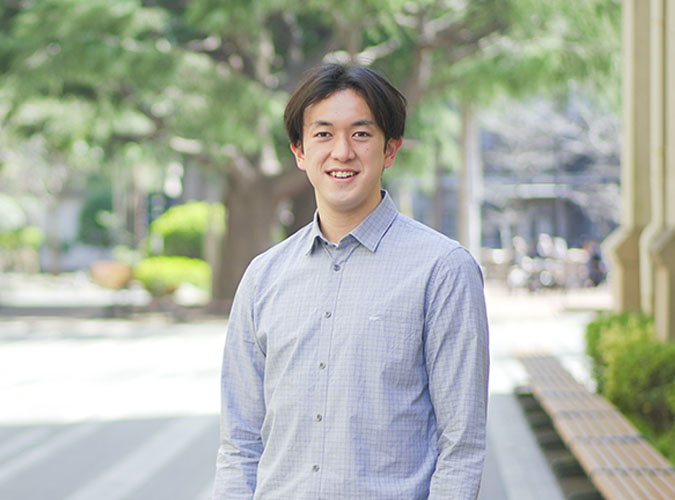
The field of study at university has expanded to the world through study abroad, internships, and volunteer work. Suzuki is passionate about supporting Japanese companies that are expanding their business around the world, taking advantage of the English skills and rich humanity he has honed through his studies at College of Economics and through friendly competition with his peers.
In the city of energy
Management issues facing Japanese companies
Support for resolution
Houston, Texas, where I am currently based, is a city known as the "Energy Capital" as many global energy-related companies have their bases there. A wide range of Japanese companies related to oil and gas, including energy-related companies and general trading companies that handle oil and gas, as well as manufacturers of petrochemicals and construction machinery essential for mining, have expanded into the city. I am currently in charge of supporting these Japanese companies in solving their management issues, mainly through lending services.
I have been working at the Houston branch for a year and a half. In recent years, M&A by Japanese companies has been very active here. My area of responsibility is southern Texas and Louisiana, where Houston is located, but the local companies that my clients have acquired are located all over the US, so before the COVID-19 pandemic, I would fly around the US two to three times a month, from New York in the east to Arizona in the west, and from Texas, where I am in the south, to Minnesota in the north, to hold business meetings with clients in English.
One aspect of banking business is that it takes time to make profits. Just because a transaction goes well once does not mean that the customer will continue to do business with you forever. In this case, it is important to have a "customer first" mentality.
If we can achieve results that benefit our clients through loans and M&A, first and foremost, the clients will be happy. It also benefits the bank, and it makes my colleagues and superiors happy. Clients are happy, and my colleagues are happy. That is what gives me joy and makes my work rewarding. And feeling this joy and rewarding work gives me new motivation to "make our clients feel even greater joy." Putting the customer first contributes to the organization, which leads to self-actualization. I work hard every day to make this cycle bigger and bigger.
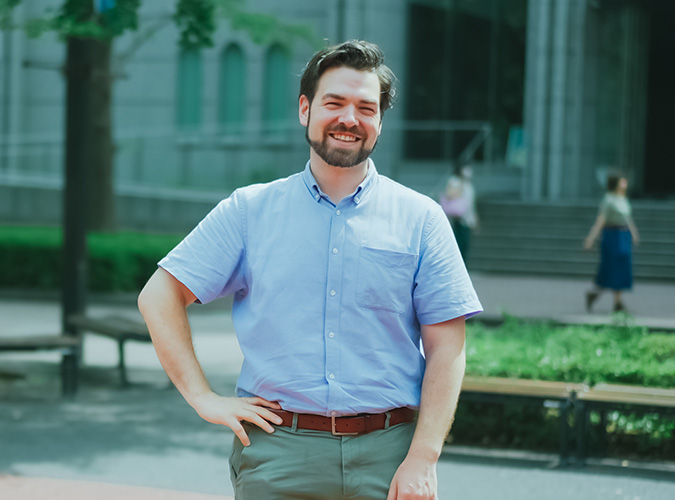
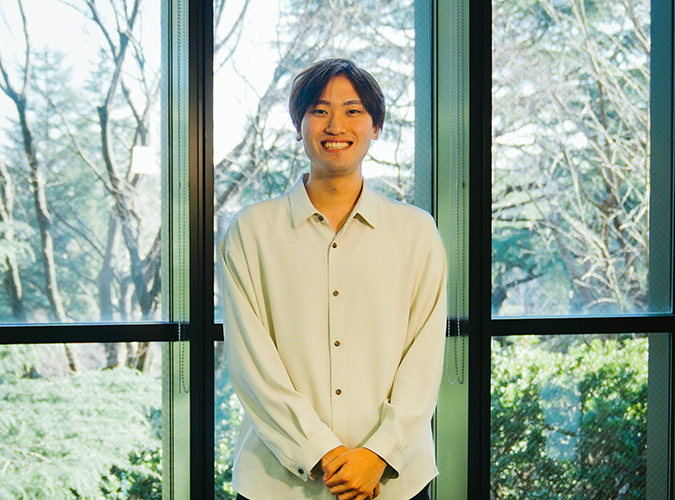
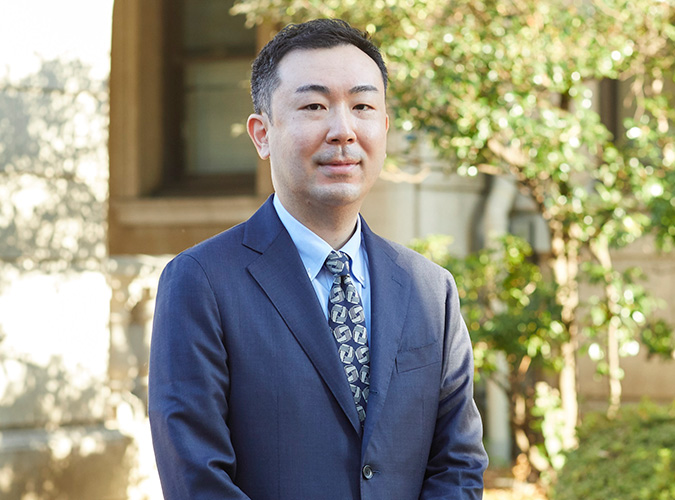
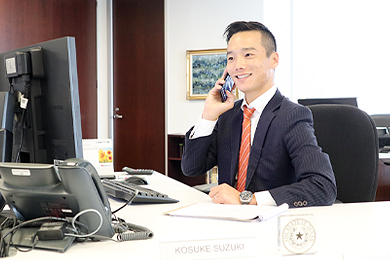
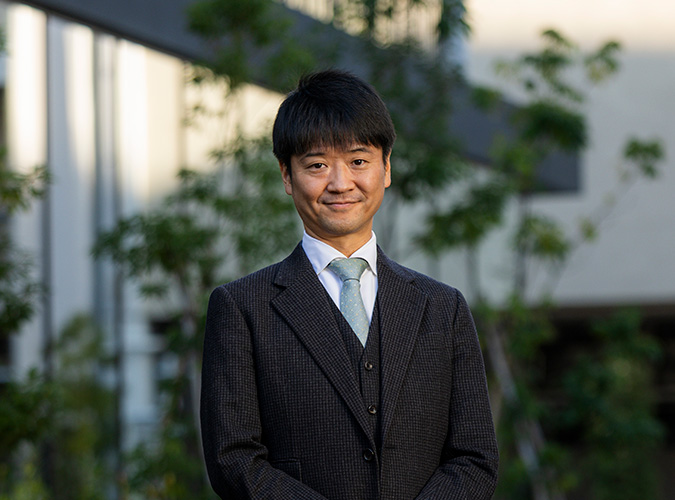
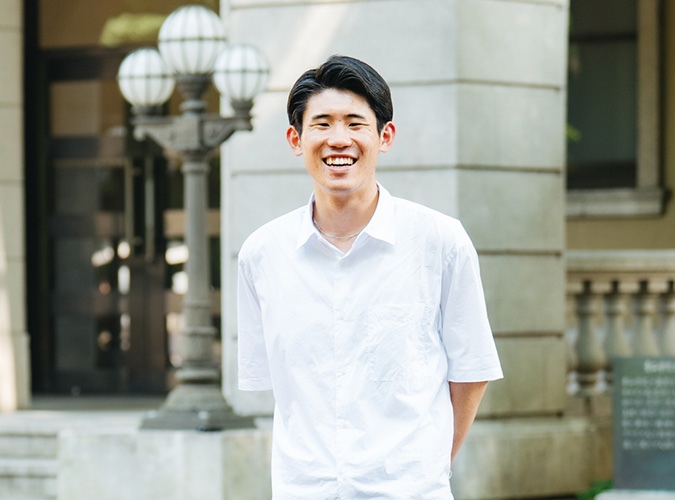
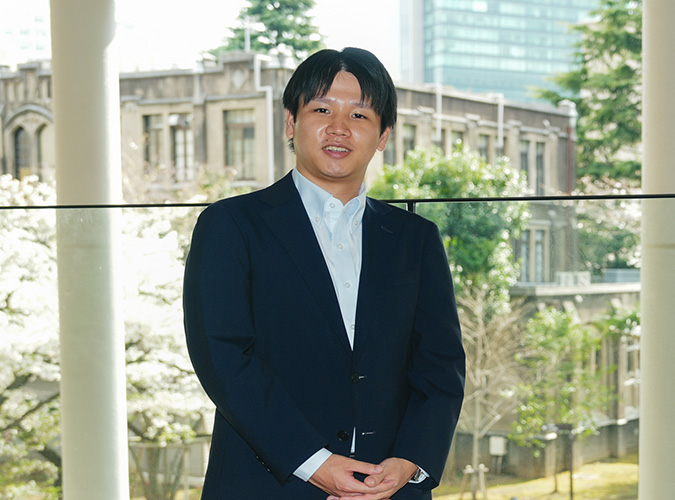
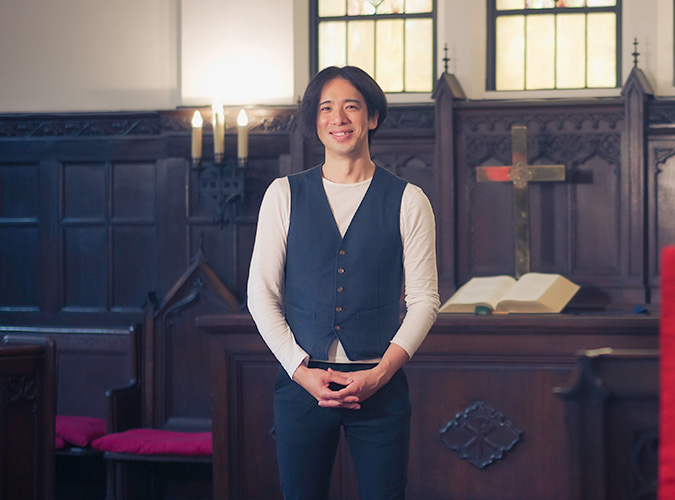
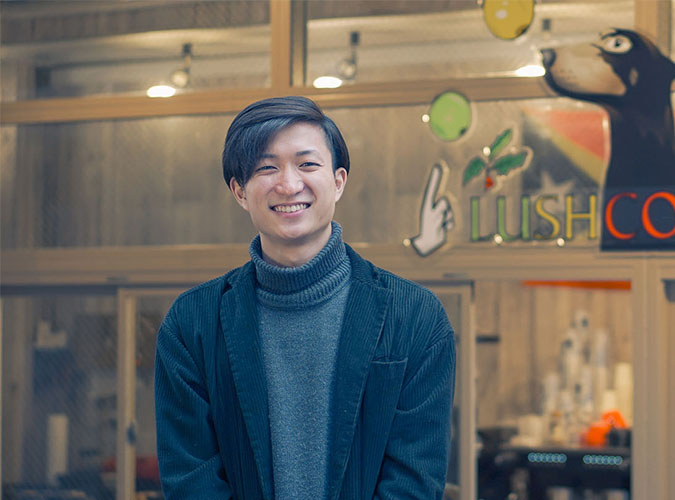
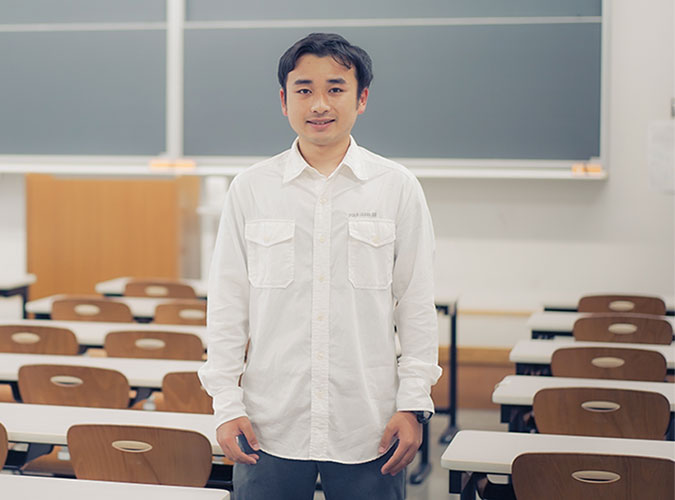
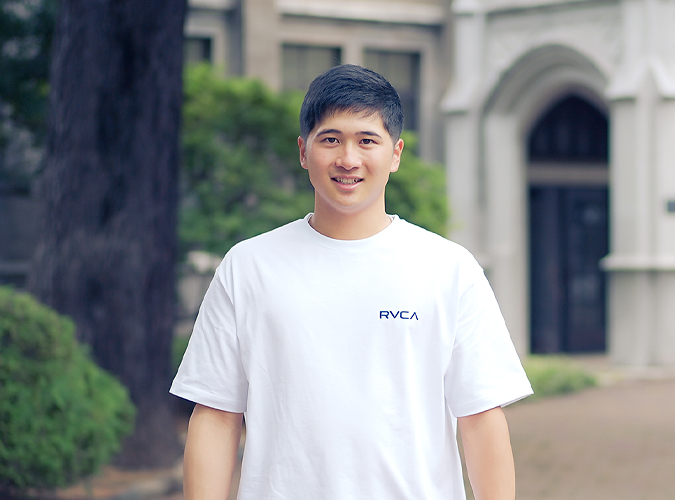
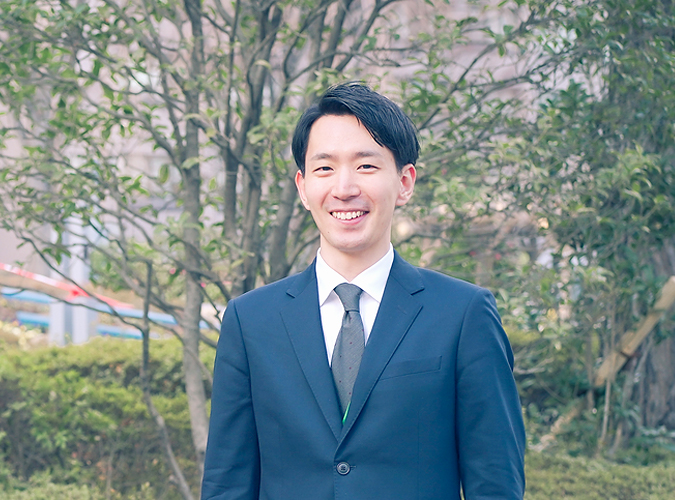
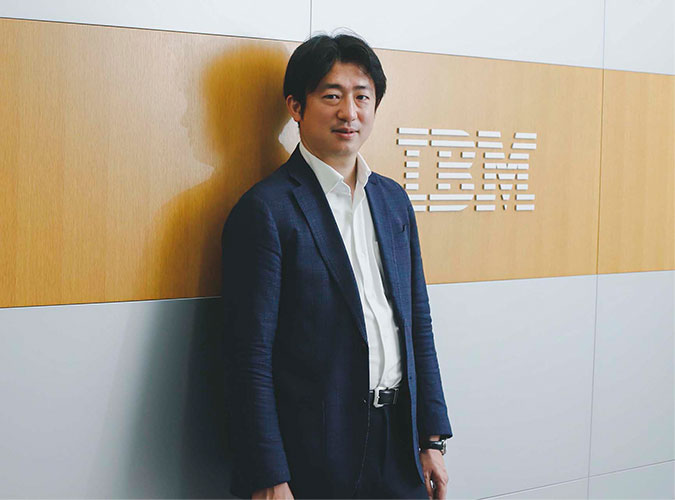
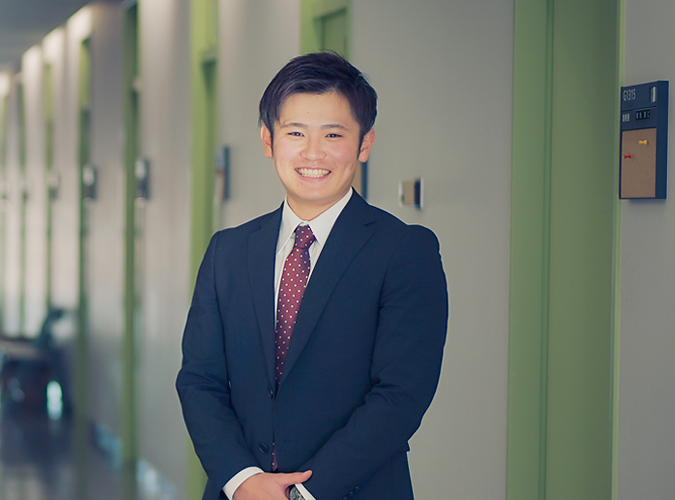
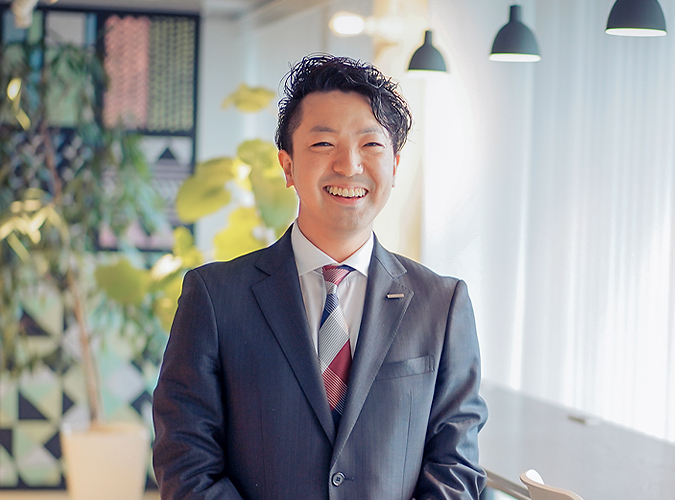
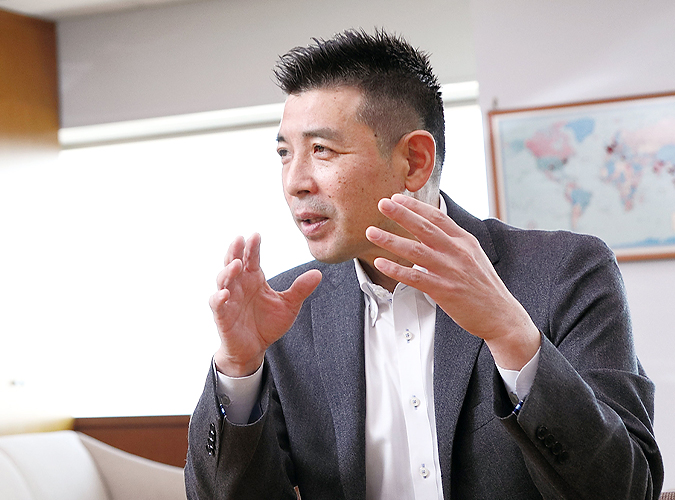
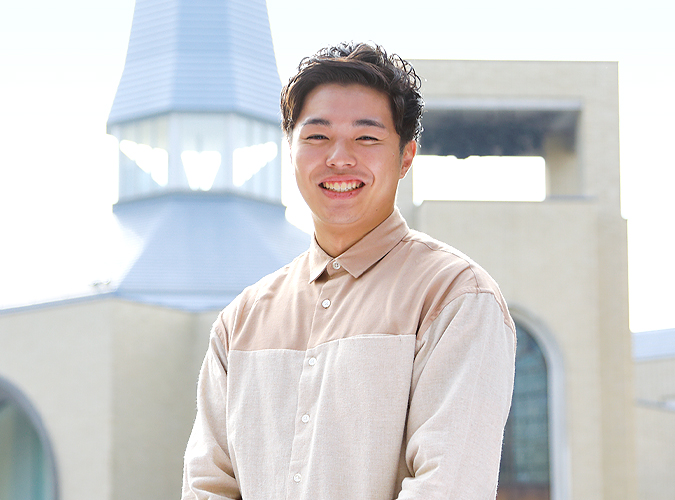
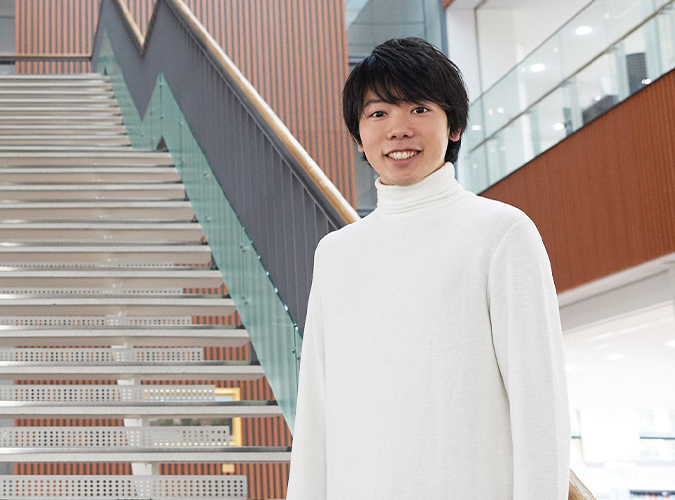
Suzuki-san, who is in charge of supporting Japanese companies in Houston
Raised at Aogaku
English skills and rich humanity
Ever since I was little, I had dreamed of working overseas. I started studying English on my own in junior high school. I loved The Beatles, and started by listening to their songs and writing out the lyrics to memorize them. Until high school, I attended cram schools and studied on my own using textbooks, but with a view to working overseas, I wanted to be in an environment where I could learn English thoroughly, so I decided to go on to Aoyama Gakuin University.
During my university days, I naturally concentrated on my English classes and also joined a seminar taught by Professor Baba Yumiko, who taught English. I also taught English classes as a part-time cram school instructor, and being on the teaching side also helped me to deepen my understanding of English. During the summer vacation of my second year of university, I studied abroad in Canada for one month. Although it was a short period of time, I think experiencing the culture, society, and life of an English-speaking country firsthand was a valuable learning experience.
The English skills I developed as a student are helping me in my current work in the United States, and they were also very useful in my work in Japan. I feel that I was able to demonstrate my abilities in particular in a large-scale project for a foreign company that I was in charge of in Japan. Every word of the English contract had to be examined carefully, and I exchanged emails in English every day for several months between three cities: New York, where the client's headquarters is, London, where the client's legal staff is, and Tokyo, where I am. During conference calls, we sometimes listened to both the English and Japanese translations by the interpreter to ensure that the content of the discussion, which included expressions specific to the financial industry, was conveyed accurately. Without my English skills, this project would not have progressed at all, and in the end, I was awarded by the bank's president, making it a memorable job. I also feel that this experience was what led me to seize the opportunity to be posted to the United States.
In addition to English language skills, there is another great asset I gained during my time as a student: classmates who were full of ambition and intellectual curiosity.
I was so absorbed in soccer during my high school days that I didn't pay much attention to social trends or the future until I entered university. However, when I got to university, I saw my friends who were already thinking about working in society and conscious of building networks with others. "I've come to a different dimension." That's what I felt at first. However, attending classes with them every day, sharing time together, being inspired, my awareness changed.
I have fond memories of my marketing classes, not only for the interesting lecture content, but also for the lively discussions I had with my classmates and the business models we created. Before the final exams, it was customary for me to give a "presentation on the exam topics" with my close classmates. We would summarize the contents of six months' worth of lectures, focus on the key points, analyze which parts would be on the exam, and then present our findings to each other, which turned out to be a very effective way of studying. People with great human charm, kind people, sharp perspectives, and quick minds...I was able to build very good relationships with the many classmates I met on campus, who helped me to improve, and I feel that it was my meetings with them that helped me grow.
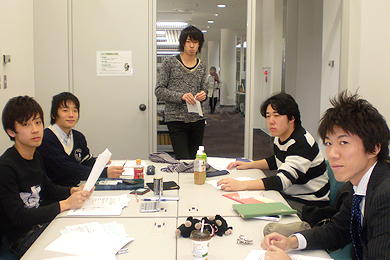
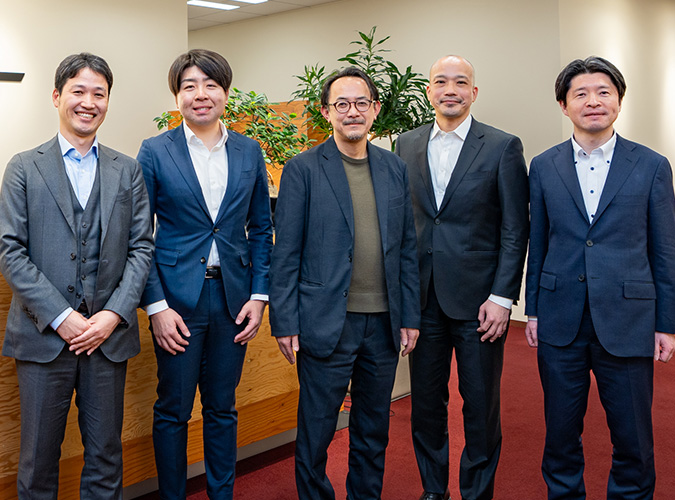
Studying for university entrance exams with friends (second from the left)
Understanding others and creating harmony: My own vision of a leader
As I mentioned earlier, when I first entered university, I was surprised at the difference in awareness between my classmates and myself, and felt a little intimidated. As I strived to be on par with them, I began to have my own idea of what a leader should be.
The hint that helped me shape my image of a leader came from a conversation I had with my boss at the cram school where I was working part-time. "A truly excellent leader is someone who has the power to motivate people who are better than themselves. Wouldn't it be great if I could become that kind of person?" Those words from my boss struck a chord with me, as I was surrounded by people who were smarter and more proactive than me and had been thinking about what kind of person I should become. I digested that advice and thought deeply about "how I can become an excellent leader" in order to make it my own.
The value of an organizational leader is tested when it comes to solving problems. There are three skills necessary to solve problems: the ability to find problems, the ability to think of solutions, and the ability to follow through. However, there are not many people who possess all three at a high level. "I'm good at finding problems, but not so good at thinking of solutions rationally" or "I can think of a solution quickly, but I don't want to put it into practice because it's too much trouble." In order to solve problems with people who have such different strengths, the right leader is someone who can understand, connect, and harmonize each of their strengths. That was the answer I arrived at.
A leader who is more outstanding than anyone else and leads the way is not someone who connects people, gains the trust of those around them, and brings the organization together through harmony. This is the kind of leader I envisioned. This image may have something in common with the "servant leader" advocated by Aoyama (a person who finds their own mission, willingly serves people and society, and whose way of life is a guiding principle).
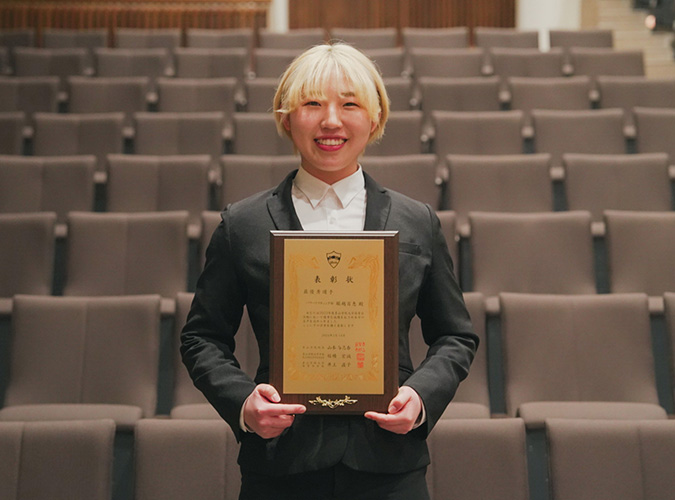
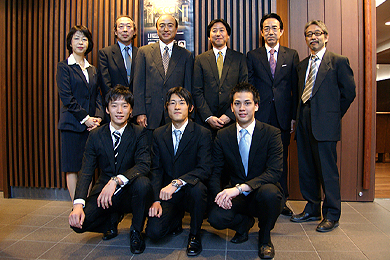
Appearing at the 60th anniversary event College of Economics (front row, left)
After that, as I continued to act with the awareness of "connecting people," my respected peers began to recognize me as "the leader," and I was able to experience serving as a seminar leader and the representative of a seminar alliance that collaborated with seminars from other universities. I believe that this awareness has led to my current attitude toward work, which is to care about customers and to value heart-to-heart communication.
As a "banker representing Japan," I want to make more customers happy.
What made me dream of playing an active role overseas was the Formula 1 races that I loved since I was a child. At the time, McLaren Honda was overwhelmingly strong, and it all started when I admired the way a Japanese company was demonstrating its presence on the world's highest stage.
That feeling hasn't changed to this day. Although there is a team in the bank that handles non-Japanese companies, I had a strong desire to support Japanese companies competing in the global market, so I applied to be in charge of Japanese companies. Now, I work hard every day as if I am "a banker representing Japan."

While working in the US, I feel that tolerance towards failure is important for Japan to further demonstrate its presence in the world. Japanese companies have a strong tendency to view failure negatively, and tend to be reluctant to take on the challenge of acquiring venture companies or starting in-house ventures. In that case, it will be difficult to create something that will thrive in the new era. In recent years, this attitude has been gradually changing, but I think that Japanese companies will be able to demonstrate their strengths even more if they have the temperament to say "nice try" in response to failure.
Currently, I work at the front line, but from now on, I would like to experience the joy of working with subordinates. The ideal relationship would be one where we communicate well without being bound by hierarchical relationships, and where my subordinates want to work together to achieve our goals. Having subordinates will broaden my field, and my dream for the future is to make more customers happy.
A day in Suzuki's life
(Currently working from home due to the impact of COVID-19)

-
8:00AM
I drive to the office. I check my emails from Japan, which has a time difference, and check my work for the day.
-
10:00AM
Interview with customer
-
0:00 PM
Lunch with customers
-
2:00 PM
Meeting with customers and travelling
-
3:30 PM
Interview with customer
-
5:00 PM
Return to the office and process emails and prepare documents
-
7:00 PM
Finished work. Looking forward to spending time with my two children when I get home.

Graduated from
College of Economics
Aoyama Gakuin University 's Faculty College of Economics has two departments. Department of Economics specializes in the study of the economy, which is constantly moving around the world, crossing borders, and changing from moment to moment like a living thing. The Department of Public and Regional Economics also cultivates the ability to design new economic systems (regulations) in a global society where people cooperate across countries and regions. While the global society brings benefits, it also brings with it many challenges such as inequality, poverty, and environmental destruction. Using geographic information systems (GIS), students will develop a "public" perspective that is necessary to overcome various problems and realize a world where everyone can live comfortably.